
The 5 Unexpected Benefits of Traveling by Yourself

TrekGuider @trekguider
You’re on the fence. The idea of a solo trip is a powerful, persistent whisper, promising adventure and absolute freedom. You see the photos—a lone backpacker watching a sunrise over a mountain peak, a woman confidently navigating a bustling foreign market—and you feel an undeniable pull. But that whisper is quickly drowned out by a chorus of doubts. Is it safe? Will I be lonely? What will people think? The logistical hurdles seem daunting, but it’s the deeper, more personal questions that truly hold you back, anchoring your dream in the harbor of "maybe someday."
This hesitation is a thief, quietly stealing what could be the most profound and transformative experience of your life. It’s a feeling shared by many, yet the data shows a powerful movement underway. Women now constitute a staggering 84% of the solo travel market, and a recent report found that a staggering 68% of women who travel solo are pursuing personal growth. They aren’t just seeking a vacation; they’re making an investment in themselves. For a complete tactical guide on how to get started, our comprehensive pillar page, The Ultimate Guide to Solo Female Travel (15 Essential Tips), is your roadmap from daydream to departure. But first, you need to understand the destination is not just a place on a map; it's a new version of yourself.

This is the definitive "why." These are the five unexpected benefits of solo travel that don’t just make for a great vacation—they have the power to fundamentally reshape your life, long after you’ve unpacked your bags.
1. You'll Discover a Reservoir of Radical Self-Reliance
At home, you exist within a comfortable web of support. When your car makes a strange noise, you call a mechanic. When you’re unsure of directions, you rely on a shared decision. On a solo trip, that web is gone. Suddenly, you are your own navigator, translator, problem-solver, and chief decision-maker. Every choice, from which train to catch to what to eat for dinner, rests solely on your shoulders.
But this isn't a burden; it's a battlefield promotion. You learn—through the direct, undeniable evidence of your own successes—that you are more capable and resourceful than you ever gave yourself credit for. When you successfully navigate a foreign subway system in a language you don’t speak or handle a cancelled flight on your own, you are forging a new neural pathway—one that screams competence.
Travel creator Christine Kaaloa of GRRRLTRAVELER found herself in this very position when she had to unexpectedly continue a trip through India alone. She recalls, "Although I had self-doubt and worry, the moment I committed to my new solo status, a rush of freedom, courage and survival instinct automatically snapped into place. I knew I would do whatever it took to survive and turn this trip into the best trip of my life (which it was)!" This is the essence of radical self-reliance. It’s the quiet, unshakable confidence that comes from knowing, not just hoping, that you can handle whatever the world throws your way.
Pro-Tip: Before your trip, download offline maps of your destination via Google Maps. This allows your phone's GPS to function without a data connection, giving you a powerful navigational tool that boosts your confidence and allows you to explore without the fear of getting truly lost.
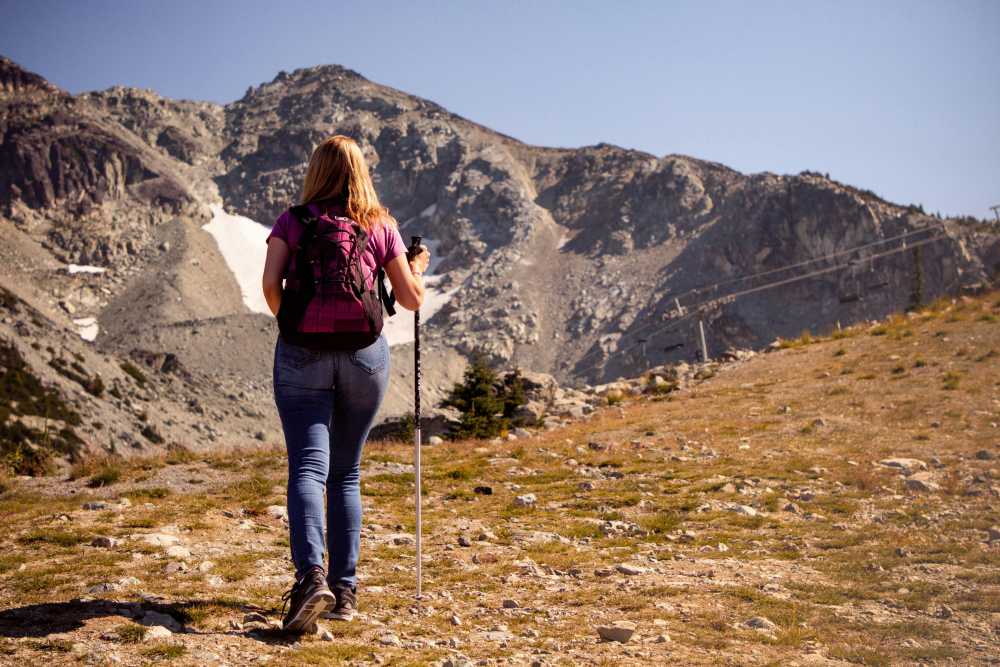
2. You'll Forge Unbreakable Adaptability and Resilience
Travel is rarely seamless. Flights get delayed, reservations are lost, weather turns sour. When you travel with others, these challenges are often met with group deliberation or shared complaint. When you are alone, you are the sole architect of the solution.
This constant, low-stakes problem-solving is a masterclass in resilience. A missed train is no longer a crisis; it’s a puzzle to be solved. Do you find the next train, or do you take this as an opportunity to explore the small town you're currently in? This forced adaptability teaches you to think on your feet, to pivot without panic, and to find the opportunity hidden within the obstacle.
Psychologists note that this process of overcoming minor adversities builds a powerful resilience that translates directly back to your life at home. After you’ve successfully re-booked a cancelled flight in a foreign airport at 3 AM, a challenging project at work suddenly seems far less intimidating. You learn to trust your ability to navigate uncertainty, a skill that is invaluable in every aspect of life. You stop seeing setbacks as failures and start seeing them as unexpected detours on an already incredible adventure. This is one of the most practical and enduring benefits of solo travel.
3. You’ll Experience Authentic, Unfiltered Self-Discovery
Who are you when no one is watching? At home, we are often defined by our roles: employee, daughter, partner, friend. Our choices, from the restaurant we pick to the movie we watch, are often subtle compromises, influenced by the preferences and expectations of those around us. Solo travel is a powerful act of stripping all of that away.
In the anonymity of a new place, you are free. Free from your social context, free from the expectations of others, and free from your own well-worn habits. This creates a unique and sacred space for introspection. You have the quiet moments to ask yourself, without any external influence, what you truly want to do. Do you want to spend six hours in an art museum, or would you rather sit in a park and read all afternoon? Do you want to wake up for the sunrise hike, or sleep in and enjoy a leisurely breakfast?
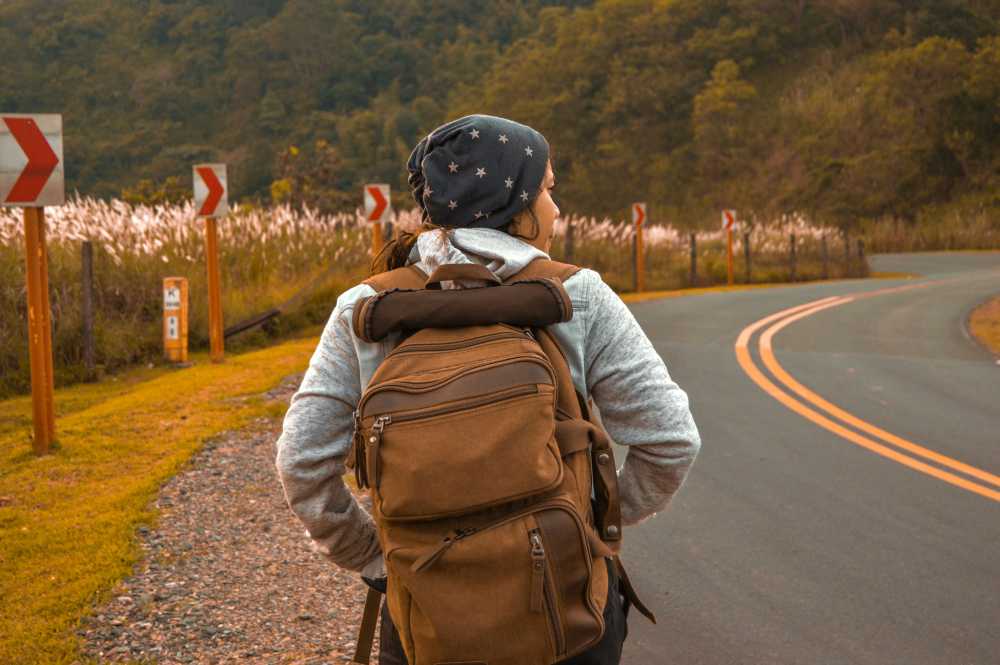
This is more than just freedom; it’s a process of authentic self-discovery. You begin to distinguish your own desires from the desires you’ve absorbed from your environment. You reconnect with your own intuition, your own rhythm, and your own passions. As Alice Teacake of Teacake Travels puts it, her mission as a solo traveler has always been to "reach my full potential by facing my fears and pushing my boundaries." This journey of self-discovery is the first step on that path.
The journey of self-discovery begins with the first step: planning an adventure that is 100% for you.
Design a Trip That's Truly Yours
Our free Travel Itinerary Template is the perfect tool to start mapping out the trip of your dreams. Download it now to organize your thoughts, plan your days, and take control of your adventure from the very beginning.
4. You’ll Unlock a State of True Mindfulness and Presence
When you travel with a companion, much of your attention is naturally directed toward them—through conversation, shared decision-making, and the simple act of experiencing things together. While wonderful, this constant social interaction can create a filter between you and your surroundings.
When you travel alone, that filter dissolves. Without the distraction of constant conversation, your senses are heightened. You become acutely aware of the world around you in a way that is profoundly mindful. You notice the fine details of the architecture, the specific aroma of the street food, the cadence of the local language, the way the light hits a cobblestone street in the late afternoon. You become an observer, not just a visitor.
This state of heightened awareness is a form of mindfulness, allowing you to be fully present in the moment. You absorb your destination with a depth and richness that is often missed in a group. A meal isn't just a meal; it's a quiet meditation on new flavors. A walk through a city isn't just a route from A to B; it's an immersive experience of sights, sounds, and smells. You learn to find richness in the small, quiet moments that are often overlooked, and this ability to be fully present is a skill that dramatically enhances your quality of life, both on the road and at home.
Pro-Tip: Use your solo meals as a dedicated mindfulness practice. Put your phone away, bring a journal, and spend the time actively observing the world around you. Write down what you see, hear, and taste. This transforms a potentially awkward moment into a rich, reflective experience.
5. You'll Master the Empowering Benefits of Solo Travel: "Alone" vs. "Lonely"
Let’s address the biggest fear head-on: loneliness. The specter of profound social isolation—of having no one to share a beautiful sunset with—can be the single most powerful deterrent to a solo trip. But one of the most profound benefits of solo travel is learning the crucial and empowering distinction between being "lonely" and being "alone."
Loneliness is a feeling of lack, of involuntary isolation. Being alone, on the other hand, can be a choice—a state of contentment, peace, and self-possession. Solo travel is your training ground for mastering this skill. It forces you to get comfortable in your own skin, to find joy in your own company, and to realize that you are enough.
This fear is universal. Alexandra Baackes of Alex in Wanderland recalls the night before her first solo trip: "she cried; terrified over the thought of eating dinner alone, getting lost in the airport, and having her camera stolen." That summer, she fell "head-over-flip-flops in love with the adrenaline of travel." Her story is proof of the fact that courage isn't the absence of fear, but the act of moving forward despite it. You will have moments where you feel a pang of loneliness, but you will also have moments of pure, unadulterated joy in your own solitude. You learn that you can be both independent and connected, seeking out social interaction on your own terms and then retreating into your peaceful solitude when you choose. This ability to be at peace with oneself is a superpower.

Frequently Asked Questions About Solo Travel's Personal Growth
I'm an introvert. Will I still experience these benefits?
Absolutely. In fact, many introverts find solo travel to be the ideal way to explore. It allows you to engage with the world on your own terms, without the social battery drain of constant group interaction. The self-reliance and resilience you build are universal, and you have complete control over when and how you socialize.
Is it selfish to travel by myself?
Not at all. Investing in your own growth, resilience, and happiness is one of the least selfish things you can do. The confident, capable, and more worldly person you become after a solo trip is a gift to everyone in your life.
How long does a trip need to be to feel these benefits?
It's not about the duration, but the intention. A long weekend trip to a new city where you are fully responsible for your own itinerary can be just as impactful as a month-long backpacking adventure. The key is to step outside your comfort zone and embrace the autonomy, no matter the timeline.
Your Journey Awaits
The call to travel solo is a call to grow. It’s an invitation to discover the depths of your own capability, to find comfort in your own company, and to see the world not as a scary, intimidating place, but as a vast and beautiful classroom. The fears are valid, but they are not your future. The profound benefits of solo travel—radical self-reliance, unbreakable resilience, authentic self-discovery, heightened mindfulness, and the mastery of solitude—are the rewards that await you on the other side of that fear.
This is your "why." It’s one of the most direct and powerful investments you can ever make in yourself. The question is no longer "should I go?" but rather, "how can I not?"

The path to your transformation starts with a single step. On the TrekGuider marketplace, you can explore a collection of expert-written travel guides from seasoned solo travelers, packed with the kind of real-world advice that builds confidence. Find your destination, build your plan, and begin the adventure that will change your life. The world is waiting.
Meta Data Suggestions:
SEO Meta Title (59 characters): 5 Unexpected Benefits of Solo Travel for Personal Growth
URL Slug: /benefits-of-solo-travel
SEO Meta Description (154 characters): Thinking about a solo trip? Discover the 5 unexpected benefits of solo travel, from radical self-reliance to authentic self-discovery. It's more than a trip; it's a transformation.
Don't Miss Out! Subscribe for Exclusive Content
Subscribe



Comments 0
No comments yet
Be the first to share your experience!
Dont Miss Out! Subscribe for Exclusive Content

Ultimate USA Holidays Guide: Top Picks


FTC Affiliate Disclosure Essentials: Stay Compliant as a Travel Creator

Essential Affiliate Tools: From Tracking to Full Optimization

Booking.com Affiliate Program Review: Pros, Cons, and Earnings Potential

Decoding Affiliate Commission Rates: Benchmarks for Travel Creators

Amazon Associates for Travel: Strategies to Maximize Commissions
Jazz Fest: Ultimate Lineup Planner
TrekGuider @trekguider
The New Orleans Jazz & Heritage Festival is a titan of American culture, a sprawling, soulful celebration that transforms the Fair Grounds Race Course into the center of the musical universe. But with that iconic status comes an overwhelming challenge: with a dozen stages, hundreds of artists, and a menu of Louisiana’s finest cuisine that could take a lifetime to explore, how do you possibly see and taste it all? You’ve spent months dreaming of this, only to be handed a schedule so dense it feels impossible to crack.
Imagine the sinking feeling of hearing the distant roar of the crowd for a legend’s set while you’re stuck on the opposite side of the infield. You spend your day battling a sea of people, crisscrossing the grounds under a hot sun, only to miss the first three songs of a band you were dying to see. The fear of missing out becomes a tangible stress, turning a dream trip into a frantic race against the clock. Without a rock-solid strategy, you risk experiencing only a fraction of what this incredible event offers, leaving with a nagging regret over the missed bands and uneaten crawfish bread.
Forget the festival FOMO. This is your playbook for conquering the controlled chaos of the Fair Grounds, turning a dizzying schedule into a masterclass of music, food, and soul. We will break down everything you need to build a flawless plan, navigate the grounds like a local, and balance the world-class music with the equally legendary food. This is the ultimate lineup planner for Jazz Fest New Orleans, designed to ensure your time is spent soaking in the magic, not getting stuck in the mud.

Before You Go: Pre-Festival Prep for the Savvy Planner
A masterful Jazz Fest experience begins long before you step through the gates. The sheer scale of the event, which roars to life from April 24 to early May, demands a thoughtful approach. Smart preparation is the secret that separates the overwhelmed amateur from the festival pro who glides effortlessly from stage to stage. This is your foundational work, where you turn the festival’s massive schedule from an intimidating document into a personalized roadmap. As one of the crown jewels we celebrate in our definitive guide to New Orleans Holidays: Cultural Feasts, Jazz Fest is a cultural pilgrimage that richly rewards those who arrive with a plan.
Decoding the "Cubes": Your First Step to Lineup Mastery
In the lexicon of Jazz Fest veterans, the daily performance schedules are simply "the cubes." This grid-style layout is your bible, detailing who is playing where and when. Your first mission is to become fluent in its language.
Download the Official App: Weeks before the festival, the official New Orleans Jazz & Heritage Festival app becomes the most important app on your phone. Download it the moment it’s released. This digital tool contains the full "cubes," an interactive map, vendor lists, and, most critically, the ability to build your own personalized schedule.
Study the Grounds: Before you start picking artists, spend time with the festival map. Get a feel for the locations of the major stages—like the Festival Stage and the Gentilly Stage where headliners hold court—and the more intimate tents, such as the legendary Gospel Tent, the Blues Tent, and the Jazz Tent. Understanding the physical distance between stages is the key to realistic planning.
Star Your Favorites: Go through the lineup day by day and start "starring" or "favoriting" every single act that piques your interest. Don't hold back; this is your master list of possibilities. This year’s lineup already boasts a staggering collection of headliners like Pearl Jam, Dave Matthews Band, Luke Combs, and Lil Wayne & The Roots, so your list of must-sees will fill up fast.
Assembling Your Tiers: From "Must-See" to "Happy Accident"
With your initial list of favorited artists, it's time to get strategic. Set times will inevitably clash. The key is to prioritize ruthlessly.
Tier 1: The Non-Negotiables: Identify the 3-4 artists each day that you absolutely, positively cannot miss. These are your anchors, the pillars around which the rest of your day will be built.
Tier 2: The High-Interest Acts: These are the performers you’d be thrilled to see. If their set times and locations work conveniently around your Tier 1 picks, you’ll make every effort to be there.
Tier 3: The Serendipity List: This is your list for discovery. It’s filled with intriguing local brass bands, up-and-coming songwriters, or genres you’re curious about. These are the acts you’ll check out when you have a gap in your schedule. The true magic of Jazz Fest often lies in stumbling upon an incredible performance you never planned to see.

Essential Gear for a Full Day at the Fair Grounds
The festival is a marathon, not a sprint. It runs from 11 AM to 7 PM daily and proceeds "rain or shine," so you need to be prepared for anything a Louisiana spring day can throw at you.
Sun Protection: A wide-brimmed hat, sweatproof sunscreen, and sunglasses are non-negotiable. Shade is a precious and rare commodity.
Footwear: You will walk miles on uneven terrain that can turn to mud in an instant. Comfortable, broken-in, waterproof boots are your best bet.
Rain Gear: A lightweight poncho is a must. A classic New Orleans downpour can appear out of nowhere, and a simple poncho can save your day.
Hydration: Bring an empty reusable water bottle. Free water stations are located throughout the grounds, and staying hydrated is critical.
A Small Blanket or Chair: A small, foldable festival chair or a compact blanket gives you a home base at a stage and a chance to get off your feet. Always check the official festival website for the latest rules on chair sizes.
Navigating the Stages: A Pro's Guide to the Jazz Fest New Orleans Landscape
Once you’re on the grounds, a new challenge emerges: moving efficiently through a temporary city of music lovers. The space is vast, the crowds are thick, and every minute spent fighting a human traffic jam is a minute of music lost. Mastering the art of movement is what separates the pros from the rookies.
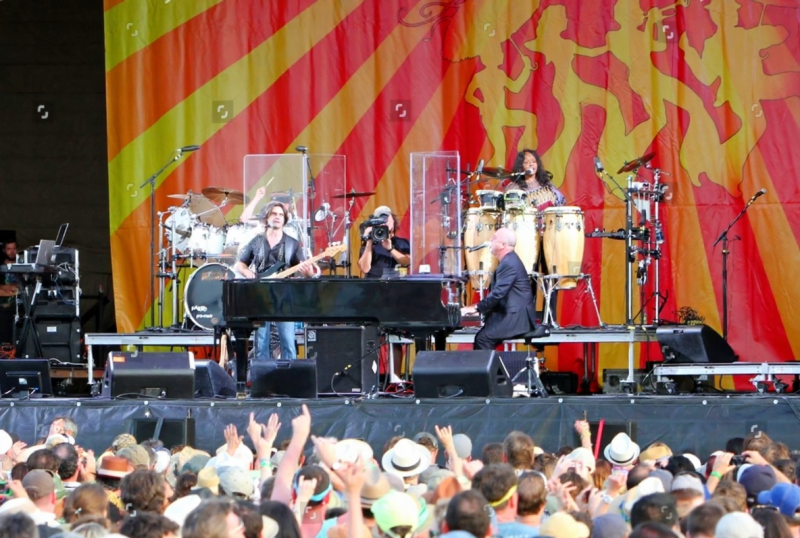
The Art of Stage Hopping: The Perimeter Strategy
The single most effective technique for navigating between stages is to avoid the center. The natural instinct is to cut directly through the middle of the crowd, but this is almost always the slowest and most frustrating path.
Instead, adopt the perimeter strategy. When you need to move, walk to the outer edge of the crowd and use the less-congested pathways along the racetrack, food vendor areas, and craft marketplaces. It may look like a longer route on the map, but you will move significantly faster. This method is your secret weapon for making it from the Gospel Tent to the Gentilly Stage in record time.
Understanding the Vibe of Each Major Stage Area
While the lineup is diverse everywhere, different stages at Jazz Fest New Orleans cultivate their own unique atmospheres. Knowing these vibes helps you plan not just your schedule, but your energy.
The Main Stages (Festival Stage & Gentilly Stage): These are the epicenters for the big-name headliners. Expect massive crowds, high energy, and a classic large-scale concert feel. If you want to be close, you need to camp out hours in advance.
The Tents (Gospel, Blues, Jazz): The tents offer a more intimate and often more intense musical experience. The Gospel Tent is legendary for its powerful, soul-stirring performances. The Blues and Jazz tents are where you’ll find virtuoso musicians in a focused, respectful listening environment. They also provide crucial shade.
The Cultural Stages (Fais Do-Do, Jazz & Heritage): These stages are the heart of the festival's "heritage" mission, showcasing the rich sounds of Louisiana, from Cajun and Zydeco to Mardi Gras Indians. The vibe here is pure, joyful, and deeply authentic.
Pro-Tip: Use the official festival app to set alerts for your must-see artists 15 minutes before their set time. This gives you a travel-time buffer to move from one stage to another using the perimeter strategy without feeling rushed.
More Than Music: Planning Your Culinary and Cultural Itinerary
To treat Jazz Fest as only a music festival is to miss half the point. It is, without exaggeration, one of the greatest food festivals on the planet. Furthermore, the craft areas showcase the incredible artistry of the region. A truly ultimate lineup plan integrates these cultural pillars into your day.

The "Food Fest" Within the Jazz Fest: Don't Miss These Bites
The food booths at Jazz Fest are a headline attraction. Planning your meals is just as important as planning your music.
Eat at Off-Peak Times: The food lines are longest between noon and 2 PM. Plan to eat an early lunch right when the gates open or a later one after 3 PM to minimize your wait.
Divide and Conquer: If you’re with a group, send one person for drinks while others wait in different food lines for Crawfish Monica, Mango Freeze, or Alligator Sausage. Reconvene and share your haul to sample more of the legends.
The vibrant colors of the food, the elaborate costumes, and the soulful expressions of the musicians are all begging to be photographed. To make your festival shots pop, download our Free Travel Lightroom Presets. They are expertly designed to enhance the unique light and color palette of a New Orleans celebration.
Exploring the Heritage Crafts: A Mid-Day Music Break
Jazz Fest features three distinct craft marketplaces: Congo Square African Marketplace, Contemporary Crafts, and the Louisiana Marketplace. When the sun is at its peak or you have a gap between sets, take a leisurely stroll through these areas. It’s a perfect way to rest your ears, cool down, and find a unique, handmade souvenir that truly represents the soul of the festival.
Advanced Strategies for the Ultimate Jazz Fest New Orleans Experience
You’ve prepped, you’ve planned, and you know how to navigate. Now it’s time for the pro-level strategies that will elevate your experience from great to unforgettable.
The "Rain or Shine" Reality: How to Prepare for Louisiana Weather
The festival’s "rain or shine" policy is serious. While stages may temporarily close for lightning, the event continues.
Protect Your Gear: Bring a waterproof bag or Ziploc bags for your phone and wallet. A wet phone can quickly ruin a day.
Embrace the Mud: If it rains, the Fair Grounds will become muddy. This is where your choice of waterproof footwear pays off. Lean into it.
Post-Rain Strategy: After a storm, the covered tents will be packed. This is a great time to head to an outdoor stage, as many people will be slow to leave the shelter, giving you a chance to get a better spot.

The Zero-Waste Warrior: Participating in Festival Sustainability
Jazz Fest is a massive event, and you can play a role in reducing its environmental impact. Look for the festival’s oyster shell recycling program, a fantastic initiative that helps rebuild coastal reefs. Use the designated recycling and compost bins, and always opt for refilling your water bottle over buying single-use plastic.
Pro-Tip: The last set of the day creates a massive exit rush. Consider leaving 15-20 minutes before the final song of the headliner you're watching to beat the crowds heading for the shuttles. That small head start can save you an hour of waiting in line.
Planning a trip to Jazz Fest is often the centerpiece of a larger New Orleans adventure. To make the most of your entire visit, from the French Quarter to the Garden District, our comprehensive Travel Guide provides expert-led itineraries and local secrets to help you build the perfect trip.

Your Blueprint for Jazz Fest Success
You are now armed with a complete strategic blueprint to not just attend the New Orleans Jazz & Heritage Festival, but to truly conquer it. By decoding the cubes, prioritizing your artist list, and mastering the perimeter strategy, you’ve eliminated the guesswork. By integrating the world-class food and crafts into your plan, you’ve ensured a rich experience that captures the true spirit of this cultural institution. You are ready to move with purpose, eat with gusto, and immerse yourself in the unparalleled soundscape of the incredible Jazz Fest New Orleans.
Meta Data Suggestions:
SEO Meta Title: Jazz Fest New Orleans: The Ultimate Lineup & Stage Planner
URL Slug: /jazz-fest-new-orleans-lineup-planner
SEO Meta Description: Conquer Jazz Fest 2026 with our ultimate planner. Get pro tips on navigating stages, scheduling artists like Pearl Jam, and finding the best food.
Don't Miss Out! Subscribe for Exclusive Content
SubscribeComments 0
No comments yet
Be the first to share your experience!
Dont Miss Out! Subscribe for Exclusive Content

San Francisco Cherry Blossoms: A Local's Guide to the Blooms

Halloween SF: Haunts Without Horrors

SF Festivals: 7 Must-See Lineups

Christmas SF: Lights & Wharf Wonders

SF Pride: 6 Route & Party Hacks

Chinese New Year SF: Parade Essentials
St. Patrick's NOLA: Irish Parade Hacks
TrekGuider @trekguider
You’ve heard the stories. St. Patrick’s Day in New Orleans isn’t just another parade awash in green beer and flimsy shamrocks; it’s a legendary, full-contact cultural spectacle. But the idea of diving into that joyous chaos unprepared feels… daunting. You’re worried you’ll miss the real experience, get swallowed by the crowds, and fail to grasp the wonderfully weird traditions that make this celebration one of the most unique in the country. You have a vision of what a parade should be, but you’re quickly realizing New Orleans wrote its own rulebook.
Now, picture it: you’re standing on the curb, shoulder-to-shoulder with thousands, feeling completely overwhelmed. You’re stuck behind a wall of people, unable to see the floats. Suddenly, a cabbage soars over your head, followed by a potato, and you’re left utterly baffled while seasoned locals expertly snag the flying produce. The day feels more like a bizarre grocery giveaway than the festive celebration you imagined. You’re not just a spectator; you’re an outsider, missing the inside jokes and the best throws, completely disconnected from the vibrant energy pulsing through the vibrant energy pulsing through the Irish Channel.
This is your insider’s playbook for unlocking that magic. We’re not just giving you tips; we’re turning you into a parade pro. Together, we’ll deconstruct every wonderfully weird tradition, from the real story behind the flying cabbages to the strategic sweet spots along the route that locals covet. This is your definitive guide to mastering the best St Patrick's day USA celebration, NOLA-style—a key part of the city's festive calendar, which is just one of the incredible events we detail in our master guide to New Orleans Holidays: Cultural Feasts.

The Emerald Isle Meets the Big Easy: Why NOLA's Parade is an Unforgettable Experience
While cities across America celebrate St. Patrick’s Day, New Orleans infuses the holiday with its own unmistakable Creole and Cajun soul. The tradition here is deep-rooted, with parades marching through the city’s streets since 1809, a historical institution honoring the significant Irish heritage that began with waves of immigrants who arrived in the 1800s to dig the city's vital canals.
What truly sets the New Orleans experience apart is how it blends reverence with the city’s signature laissez les bons temps rouler (let the good times roll) philosophy. It’s less about solemnity and more about a joyous, community-wide block party that sprawls across multiple days.
But the single most defining feature—the one that transforms spectators into active participants—is the throws. While Mardi Gras is famous for beads and doubloons, St. Patrick’s Day parades are legendary for their produce. Float riders don’t just toss trinkets; they hurl the ingredients for a traditional Irish stew. Cabbages, carrots, potatoes, onions, and even lemons fly through the air, turning the parade route into the world’s most chaotic and exciting open-air market. This tradition elevates the event from a simple procession to an interactive, and slightly absurd, cultural ritual you won’t find anywhere else.
A Tale of Two Cities: NOLA Throws vs. Chicago's Green River
To truly appreciate the uniqueness of New Orleans, it helps to compare it to another iconic St Patrick's day USA celebration: Chicago. Chicago is world-famous for dyeing its river a brilliant emerald green, a tradition since 1962 where plumbers unions dump 40-60 pounds of a secret vegetable-based powder into the water. It’s a stunning visual spectacle, a passive and beautiful city-wide display.
New Orleans, by contrast, is all about active participation. There’s no passive viewing here. You are part of the show, tasked with catching your dinner. It’s a grassroots, tangible, and slightly wild experience that reflects the city’s hands-on approach to celebration. One is a beautiful painting; the other is an interactive sport.

The Main Event: Hacking the Irish Channel St. Patrick's Day Parade
The crown jewel of the city's celebrations is the Irish Channel St. Patrick's Day Parade. This is the big one, a sprawling, vibrant procession that winds through the historic neighborhood settled by Irish immigrants. To conquer it, you need a game plan.
Mark Your Calendar: Date and Time Essentials
First things first: the parade rarely falls on the actual holiday. To maximize attendance and party potential, organizers schedule it for the Saturday before St. Patrick's Day.
2026 Parade Date: Saturday, the Saturday before St. Patrick's Day
Start Time: 1:00 PM
While the parade officially kicks off at 1 PM, the neighborhood festivities begin much earlier. The Irish Channel transforms into a massive block party by mid-morning, with residents setting up elaborate camps, cooking, and celebrating on the streets. Arriving early isn't just a recommendation; it's essential to soaking in the full, authentic atmosphere.
The Route Decoded: Where to Plant Your Feet for Prime Loot
The parade traditionally begins at the corner of Felicity and Magazine Street, weaving its way through the heart of the Irish Channel. Choosing your viewing spot is the most critical decision you'll make. Your choice will dictate your experience, from crowd density to your chances of catching a prized cabbage.
The Starting Blocks (Near Magazine and Jackson):
Pros: The energy here is absolutely electric. The floats are fully stocked, and the riders are fresh and eager to throw. You'll get the first crack at the best loot.
Cons: This is the domain of the hardcore parade-goer and often the most crowded section. You'll need to arrive exceptionally early (think 9:00 AM) to claim a prime spot. It can be intense and less suitable for families with small children.
The Middle Ground (Along Magazine Street, between Washington and Louisiana):
Pros: The crowds tend to thin out slightly as you move down the route. It offers a fantastic balance of high energy and slightly more breathing room. This is the strategic sweet spot for actively trying to catch throws without the extreme competition of the starting line.
Cons: By this point, some of the most unique throws may have already been tossed. You'll still need to be assertive to get the attention of the float riders.
The Final Stretch (Approaching Jackson Avenue on the return):
Pros: This area is typically the most family-friendly and least congested. It's a more relaxed atmosphere, perfect for those who want to enjoy the spectacle without being in the thick of it. Float riders often unload the last of their throws here, leading to a final, glorious frenzy of produce.
Cons: The parade has been going for a while, and the energy might be slightly lower. The selection of throws will be whatever is left over.
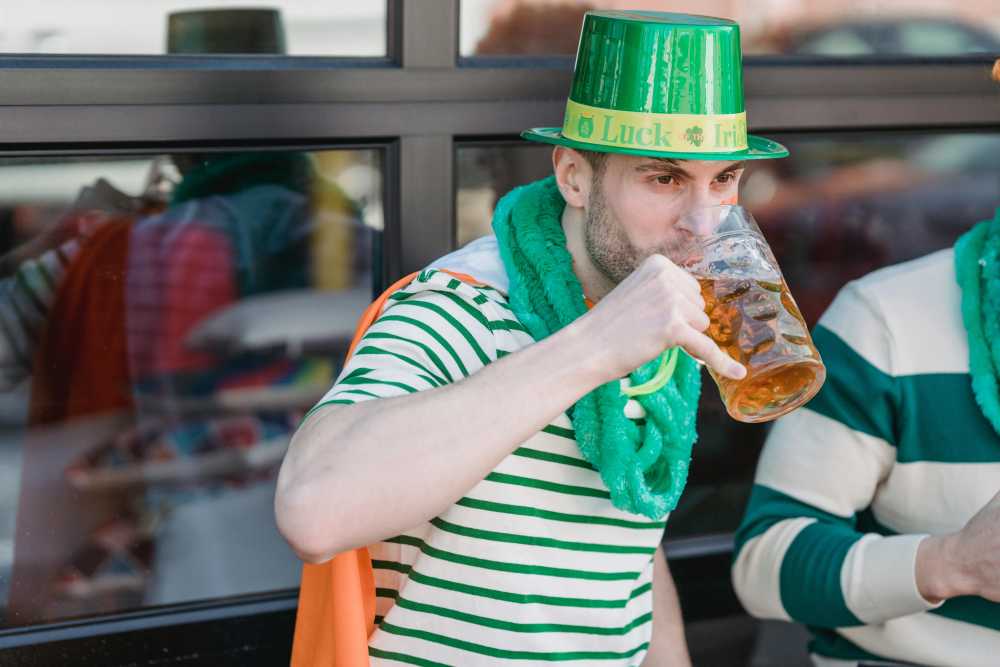
The Art of the Catch: Mastering the Vegetable Throws
Catching a cabbage is a New Orleans rite of passage. It requires more than just luck; it demands technique, awareness, and a bit of shameless enthusiasm.
Gear Up: Forget flimsy plastic bags. Bring a sturdy, reusable tote bag or even a small backpack. A flying cabbage has some heft, and you don't want your bag to break mid-parade.
Make Eye Contact: Float riders are scanning the crowd for enthusiastic targets. Don't just stand there passively. Wave your hands, shout, and make direct eye contact with a rider. Point to yourself or your bag. The more engaged you are, the more likely you are to be rewarded.
Create a Target: Hold your bag open and high. Make it an easy and inviting target. Some locals even create small, decorated nets on poles to extend their reach and stand out from the crowd.
Mind Your Surroundings: This is a full-contact sport. Be aware of the people around you. A cabbage flying into a dense crowd can cause a pile-up. Give your neighbors space and be prepared to move. Never, ever dive onto the ground for a rolling potato—it's not worth the risk.
The "Thank You" Rule: If a rider tosses something directly to you, give them a thumbs-up or a wave of thanks. It’s part of the friendly spirit of the day.

Your St. Patrick's Day USA Survival Kit: Pro-Level Parade Hacks
Showing up is one thing; showing up prepared is another. A little planning transforms a potentially stressful day into a seamless and memorable adventure. Treat it like a mission, and pack accordingly.
Arrive Early, Win the Day
We can't stress this enough. For a 1:00 PM parade, you should aim to be in the Irish Channel and finding your spot no later than 10:00 AM. The streets close to traffic early, and the neighborhood fills up fast. Arriving early allows you to claim a good piece of curb, set up your "base camp" with chairs and a cooler, and enjoy the building atmosphere of the block party before the main event even begins.
The Parking Predicament: Getting There and Back
Driving directly to the parade route is a rookie mistake that will lead to nothing but frustration. Parking is virtually non-existent, and street closures create a labyrinth of dead ends.
Rideshare Smartly: Use a rideshare service like Uber or Lyft, but set your drop-off point several blocks away from Magazine Street. This will help you avoid surge pricing and getting stuck in gridlock.
Take the Streetcar: The St. Charles Streetcar is a scenic and practical option. It runs parallel to the parade route, just a few blocks away. Get off around Jackson Avenue or Washington Avenue and walk toward the river.
Park and Walk: If you must drive, park in the Central Business District (CBD) or the Lower Garden District and enjoy a 15-20 minute walk into the Irish Channel. Reserving a spot in a garage ahead of time using a parking app is a wise investment.
Dress the Part (and for Comfort)
Your attire is both festive and functional. While wearing green is practically mandatory, your comfort should be the top priority.
Footwear is Everything: You will be on your feet for hours, standing, walking, and dodging flying vegetables. Wear your most comfortable, broken-in sneakers or boots. This is not the day for new shoes or anything with a heel.
Layer Up: New Orleans weather in March can be unpredictable. It might be cool and breezy in the morning but warm and sunny by the afternoon. Wear layers—a t-shirt, a long-sleeved shirt, and maybe a light jacket—that you can easily shed as the day warms up.
Sun Protection: Even on a cloudy day, the sun can be strong. Bring sunscreen, a hat, and sunglasses to avoid a post-parade sunburn.
Essential Gear for Your Parade Pack
A well-stocked bag is the mark of a parade veteran. Here’s a checklist of must-have items:
Sturdy Reusable Bag: For all the throws you’re going to catch.
Water and Snacks: Stay hydrated and energized. While vendors are around, having your own supply saves time and money.
Sunscreen & Sunglasses: Protect yourself from the elements.
Portable Phone Charger: Your phone battery will drain quickly from taking photos and trying to find friends in spotty service areas.
Hand Sanitizer and Wipes: Essential for quick clean-ups before you eat.
Cash: Many local food and drink vendors may be cash-only.
A Festive Attitude: The most important item. Embrace the chaos and have fun!

Pro-Tip: Establish a clear, non-movable meeting point with your group before you arrive. Cell service can be spotty in large crowds. Pick a specific storefront or street corner a block or two away from the main route, like "the corner of Constance and First Street," as your emergency regroup spot.
Beyond the Parade: Extending the Celebration
The parade is the main course, but the celebration is an all-day feast. Don't just leave when the last float passes. The block party in the Irish Channel rages on for hours afterward, with music, food, and dancing in the streets.
Many of the neighborhood's iconic pubs, like Tracey's or Parasol's, become ground zero for the festivities, serving up green beer and classic New Orleans fare. Be prepared for long lines, but the vibrant atmosphere is worth the wait. Exploring the side streets off Magazine can also lead you to smaller, less-crowded neighborhood bars where you can catch your breath and celebrate with locals.
Planning a family trip for the parade can be a lot to juggle. If you're flying in with little ones, the logistics can feel overwhelming. Our Stress-Free Flying with Kids Guide provides a complete checklist to make your journey as smooth as the parade is fun.
Pro-Tip: The "throws" aren't just for show. Locals actually use the cabbages, potatoes, and onions to cook their St. Patrick's Day meal of corned beef and cabbage. Catching your ingredients is the ultimate NOLA experience!

Safety First: Navigating the Crowds Like a Pro
With any large-scale event, safety matters most. The St. Patrick's Day parade is overwhelmingly safe and friendly, but it's wise to be prepared.
Use the Buddy System: Never wander off alone. Stick with your group and keep track of each other, especially in the densest parts of the crowd.
Stay Hydrated: It's easy to get dehydrated, even on a cooler day. Alternate alcoholic beverages with plenty of water throughout the day.
Respect the Floats: The most important rule of any New Orleans parade is to never run into the street or chase after a float. The floats are massive, and their operators have limited visibility. Let the throws come to you.
Supervise Children: If you have children with you, keep a close eye on them at all times. Using a ladder can provide a safer, elevated viewing spot, but ensure it's placed a safe distance back from the curb.
Mastering a single event is one thing, but truly understanding the soul of American celebrations requires a deeper dive. For comprehensive strategies on navigating everything from Mardi Gras to the Macy's Thanksgiving Day Parade, our master Travel Guide is the ultimate resource for any serious traveler.
Your Green Light to an Unforgettable Day
You are now armed with the knowledge to do more than just attend the St. Patrick's Day parade in New Orleans—you are ready to conquer it. You know that the real prize isn't just a plastic cup or a string of beads, but a cabbage caught mid-air. You understand that arriving early, choosing your spot wisely, and packing smart are the keys to a perfect day. You are no longer a tourist destined to be confused on the sidelines; you are an informed participant, ready to dive headfirst into one of the most unique and exhilarating St Patrick's day USA celebrations.
Now you have the hacks. Go out there, wear your green with pride, make eye contact with a float rider, and prepare to catch your dinner. The Big Easy is waiting to show you how it’s done.
Don't Miss Out! Subscribe for Exclusive Content
SubscribeComments 0
No comments yet
Be the first to share your experience!
Dont Miss Out! Subscribe for Exclusive Content
San Francisco Cherry Blossoms: A Local's Guide to the Blooms
Halloween SF: Haunts Without Horrors
SF Festivals: 7 Must-See Lineups
Christmas SF: Lights & Wharf Wonders
SF Pride: 6 Route & Party Hacks