
Solo Travel in Asia: Afford Your Dream Trip (No More Guessing)

TrekGuider @trekguider
You see the photos in your feed: the vibrant street food stalls of Hanoi, the serene, golden temples of Chiang Mai, the almost impossibly turquoise waters of the Philippines. You want that. But a cloud of anxiety hangs over the dream: the budget. You’ve seen the blogs promising epic adventures for "$30 a day," but a nagging voice in your head questions the reality. How can that possibly be the whole story? It feels like you're missing a huge piece of the financial puzzle, making it impossible to know if your hard-earned savings are really enough.
Let's be clear: you're right to be skeptical. The internet is a minefield of incomplete advice that conveniently ignores the thousands of dollars you'll spend on flights, comprehensive travel insurance, visas, and pre-trip vaccinations before your boots even touch the ground. This "per-day" myth is a dangerous fantasy that leads to stress and budget blowouts. You don't need a fantasy; you need a plan based on reality.
This is that guide. We're cutting through the noise to give you a reality-based playbook for budget solo travel in Asia, built on hard data and real-world experience. We will tackle the Total Trip Cost head-on, giving you a complete financial blueprint that empowers you to plan with unshakable confidence. While this guide is your financial strategy, mastering the art of traveling alone is equally crucial. For a complete playbook on mindset, safety, and logistics, be sure to read our comprehensive guide on .
Asia: The Undisputed Epicenter for Budget Solo Travel
For decades, Asia has been the champion for independent travelers seeking the ultimate trifecta: unparalleled diversity, profound cultural experiences, and an astonishingly low cost of living. The continent offers a sensory feast, from the futuristic skyline of Tokyo to the ancient, jungle-claimed ruins of Angkor Wat and the snow-capped Himalayan peaks of Nepal.
What makes it uniquely perfect for budget solo travel is the well-trodden "Banana Pancake Trail"—the unofficial network of routes across Southeast Asia that has created a strong and welcoming infrastructure for backpackers. This translates to an abundance of affordable hostels, cheap and mind-blowingly delicious street food on every corner, accessible transportation, and a built-in community of fellow travelers. It’s an environment practically engineered for exploration, where your dollar stretches further than almost anywhere else on Earth, allowing for longer, more immersive journeys without bankrupting you.

The World's Best Bargains: A Data-Driven Ranking of Asia's Top 10 Budget Nations
The sheer number of options in Asia can be overwhelming. To cut through the noise, we've created a composite ranking based on average daily cost, safety (using data from the Global Peace Index), ease of solo travel, and overall experience value. This is your starting point for planning an incredible budget solo travel in Asia itinerary.
The "Big 4" for Ultimate Value: Vietnam, Cambodia, Nepal, Thailand
These four nations are the undisputed kings of the classic backpacker circuit, and for good reason. This is where your travel fund has superpowers. Here, a daily budget of $25-35 isn't about survival; it's about thriving. We're talking $8 for a clean hostel dorm bed, $2 for a world-class bowl of Phở or Pad Thai from a street vendor, and less than $1 for a local beer. The value proposition is simply unbeatable for anyone planning budget solo travel in Asia.
The Best of the Rest: Indonesia, The Philippines, Laos, Malaysia
This next tier offers world-class experiences with a slight step up in daily cost. The Philippines is an archipelago of some of the planet's most beautiful beaches, a paradise for island hopping and diving. Laos offers a more tranquil, less-trodden path with breathtaking mountain scenery and a deeply relaxed atmosphere. And Malaysia, particularly the island of Penang, is a food lover's dream, blending Malay, Chinese, and Indian culinary traditions into a spectacular and affordable street food scene.
The Rising Star: Uzbekistan
Largely absent from mainstream guides, Uzbekistan is a hidden gem for the budget-conscious history buff. As a central hub of the ancient Silk Road, its cities—Samarkand, Bukhara, and Khiva—are architectural masterpieces of complex tilework and soaring minarets. With a high degree of safety, incredibly friendly locals, and rock-bottom prices, it offers a unique cultural experience far from the tourist crowds.
The Great Debate: How to Conquer Japan on a Backpacker's Budget
Japan has a reputation for being prohibitively expensive, but here's the inside scoop: thanks to a favorable currency exchange rate and a unique social infrastructure, it has become surprisingly accessible. The key is to travel like a local, not a tourist.
Sleep in capsule hotels: These futuristic pods offer a clean, private, and safe place to sleep for a fraction of the price of a standard hotel.
Embrace the conbini: Japanese convenience stores (7-Eleven, FamilyMart) are a culinary marvel. You can get delicious and healthy meals like onigiri (rice balls), sandwiches, and bento boxes for just a few dollars.
Focus on free attractions: Many of Japan's most beautiful sights, from serene Shinto shrines and sprawling city parks to vibrant neighborhoods like Harajuku, are completely free to explore.
By adopting these strategies, you can experience one of the world's most fascinating cultures on a budget of around $50-70 a day.
Your No-Nonsense Guide to a Realistic Budget for Solo Travel in Asia
Let's build your real-world budget. While daily spending is the fun part, a successful trip requires a holistic financial plan that starts long before you book your flight.
The Daily Budget Benchmark: What $30, $50, and $75 a Day Really Buys You

$30/Day (The Shoestring Backpacker): This is tight but achievable in the "Big 4." It covers a bed in a dorm hostel, exclusively eating street food, walking as your primary transport, and sticking to mostly free activities.
$50/Day (The Flashpacker): This is the sweet spot for a comfortable budget solo travel in Asia experience. It allows for a private room in a hostel or a budget guesthouse, a mix of street food and restaurant meals, the occasional Grab ride, and entry fees for major attractions.
$75/Day (The Comfort Seeker): At this level, you can afford budget hotels, enjoy meals in nice restaurants, take domestic flights to save time, and participate in more expensive activities like scuba diving courses without constantly checking your bank account.
Deconstructing Your On-the-Ground Costs: A Percentage-Based Breakdown
Once you land, a good rule of thumb for allocating your daily funds is:
Accommodation: 35%
Food & Drink: 25%
Activities & Attractions: 15%
In-Country Transport: 15%
Miscellaneous (laundry, SIM card, etc.): 10%
The Hidden Costs: Budgeting for the "Big 4"
This is the most important part of your budget—the major expenses you'll pay before you leave. Ignoring these is the #1 mistake aspiring travelers make.
International Flights: This will likely be your single largest expense, ranging from $700 to $1,500+ for a round-trip ticket from the U.S. Use tools like Google Flights and Skyscanner, be flexible with your dates, and consider flying during the shoulder seasons (e.g., April-May, September-October) for huge savings.
Travel Insurance: A serious medical emergency or trip cancellation can be financially catastrophic without it. A comprehensive policy from a reputable provider like SafetyWing or World Nomads for a multi-month trip can cost between $300 and $700. It is the single most important investment you will make in your safety.
Visas: Costs and requirements vary wildly. Some countries offer free entry for U.S. citizens, while others require visas costing $30 to $100+. Research the official embassy websites for every country on your itinerary and budget accordingly.
Vaccinations & Meds: A pre-trip consultation with a travel doctor is essential. The cost of recommended vaccinations (like Typhoid, Hepatitis A, and Japanese Encephalitis) can easily add up to several hundred dollars.
Pro-Tip: Use Google Flights' 'Explore' map feature with flexible dates to visually find the cheapest entry point into Asia. Often, flying into a major hub like Bangkok (BKK) or Kuala Lumpur (KUL) and then taking a budget flight with AirAsia is significantly cheaper than a direct flight to your final destination.
Field Notes on Safety for Budget Solo Travel in Asia
Your safety matters most. Being prepared and aware isn't about being paranoid; it's about traveling with the quiet confidence of a pro.

Pre-Trip Protocol: Before you leave, make two photocopies of your passport, visa, and credit cards. Leave one set at home and keep the other in a separate bag from the originals. Save encrypted digital copies in a secure cloud service.
On-the-Ground Awareness: Petty theft is the most common crime. Be vigilant in crowded markets and on public transport. Never flash expensive electronics. Be politely skeptical of overly friendly strangers offering unsolicited help—these are often the lead-in to common tourist scams.
Accommodation Strategy: Read recent reviews from other solo travelers, especially solo women. Choose hostels or hotels in central, well-lit areas. Your accommodation is your safe haven; it's worth paying a few extra dollars for a better location and peace of mind.
A Note for Solo Female Travelers: While most of Asia is very safe, it’s smart to be mindful of cultural norms. In more conservative regions or when visiting temples, carry a scarf or sarong to cover your shoulders and knees. Trust your gut instinct—it is your most reliable safety tool. If a situation feels wrong, it is. Leave immediately.
Hacks to Stretch Your Travel Fund Further
Mastering a few key strategies can save you thousands over the course of a long trip.
Accommodation Hacks
Go analog for long stays. If you plan to stay a week or more, email or call the hostel directly to ask for a weekly rate. You can often get a 15-20% discount.
Master the art of the overnight journey. An overnight bus or train isn't just transport; it's a mobile hotel room that saves you one night's accommodation cost. In countries like Vietnam and Thailand, look for 'VIP' or 'sleeper' options, which often cost only a few dollars more for a fully reclining seat or bunk—an unbeatable value.
Food & Drink Hacks
Eat where the locals eat. Street food stalls and hole-in-the-wall restaurants with plastic stools and long lines of locals are where you'll find the most authentic and delicious food for the lowest prices.
Carry a reusable water bottle with a built-in filter (like a Lifestraw or Grayl). This saves you money on bottled water and dramatically reduces your plastic waste.
Transportation Hacks
Download Grab or Go-Jek. These ride-sharing apps are ubiquitous in Southeast Asia and offer fair, fixed pricing, eliminating the need to haggle with tuk-tuk or taxi drivers.
For long-haul bus and train travel, use a portal like 12Go Asia to compare prices and book tickets in advance, especially on popular routes.
Financial & Tech Hacks
Get a Wise (formerly TransferWise) card. This multi-currency account allows you to hold different currencies and withdraw money from ATMs with minimal fees, saving you a fortune on bank charges compared to your home debit card.
Buy an eSIM from a provider like Airalo before you leave home. This gives you affordable data the second you land, a massive convenience and safety advantage for navigating to your hostel.
Extending Your Trip: The Work-Exchange Secret
Platforms like Workaway and Worldpackers are game-changers for long-term budget solo travel in Asia. They connect you with hosts (often hostels, farms, or families) who offer free accommodation and sometimes food in exchange for a few hours of work per day. This is a phenomenal way to stretch your budget for months.
Pro-Tip: When withdrawing cash, always decline the ATM's "dynamic currency conversion." This is a fancy term for a terrible exchange rate. By choosing to be charged in the local currency (e.g., Thai Baht), you let your own bank handle the conversion at a much fairer rate, saving you 5-10% on every withdrawal.
Your Essential Asia Solo Travel Toolkit
Leverage technology to make your trip smoother, safer, and cheaper.
Financial: Wise, Revolut
Connectivity: Airalo, Holafly
Navigation: Google Maps (with offline maps downloaded!), Maps.me
Transportation: Grab, Go-Jek, 12Go Asia, Skyscanner
Accommodation: Booking.com, Hostelworld, Agoda
The Only Thing Left is to Go
The dream of an extended trip through Asia is not a fantasy reserved for the wealthy; it is an achievable goal for anyone armed with a solid, reality-based plan. By moving past the incomplete "per-day" myth and embracing a Total Trip Cost approach, you give yourself the financial clarity needed to travel with confidence, not anxiety. The strategies and tips in this guide are your blueprint. The path to a successful budget solo travel in Asia adventure is clear. The world is waiting for you.
Don't Miss Out! Subscribe for Exclusive Content
Subscribe



Comments 0
No comments yet
Be the first to share your experience!
Dont Miss Out! Subscribe for Exclusive Content

Top 11 High-Paying Affiliate Programs for Travel Bloggers


High-Paying Affiliate Opportunities for Individual Travel Affiliates

Amazon Associates for Travel: Strategies to Maximize Commissions

How to Avoid Travel Scams: A Global Guide

A Woman's Guide to Safe Travel: 10 Critical Tips

7 Hotel Safety & Security Tips for Peace of Mind
NYE Miami: 5 Epic Party Spots
TrekGuider @trekguider
The final seconds of the year are ticking away. You’re in Miami, a city that practically vibrates with anticipation, but a single, paralyzing question hangs in the warm night air: where will you be when the clock strikes twelve? The pressure is immense. This isn't just any night out; it's the moment that sets the tone for the entire year ahead.
Choose wrong, and your legendary New Year's Eve Miami fantasy dissolves into a frustrating reality. You could be trapped in gridlock on the MacArthur Causeway, listening to the fireworks you can't see. You might end up at an overpriced, underwhelming party, wondering where the real energy is. Or worse, you could miss the magic moment entirely, stuck behind a crowd with a view of nothing but the back of someone's head. The fear of an anticlimactic night is real, a specter of regret that haunts every planner.
Banish the uncertainty. We’ve navigated the velvet ropes, scouted the best waterfront views, and decoded the city’s vibrant party ecosystem to forge your definitive guide. This is your blueprint to the five most epic ways to ring in the new year in Magic City. Whether you crave a massive, free-for-all street party, an ultra-exclusive night with world-class DJs, or a breathtaking view from the water, your perfect celebration is detailed below. Consider this your insider pass to a flawless Miami NYE.

Why Miami is the Ultimate New Year's Eve Destination
While many cities offer a brief fireworks display before the cold sends everyone scurrying home, Miami transforms the entire night into a sprawling, complex festival. The city’s unique alchemy of tropical warmth, intoxicating Latin energy, and world-class entertainment creates an atmosphere that’s simply unrivaled. While Miami is a year-round hotspot for celebrations—a fact we explore in our comprehensive guide to Miami Holidays: 8 Beach Fest Vibes—New Year’s Eve dials the city’s signature energy up to an entirely new frequency. Here, the celebration isn’t just about a ten-second countdown; it’s about all-night dance parties on the sand, glamorous rooftop soirees under the stars, and spectacular fireworks reflecting across the moonlit waters of Biscayne Bay. It’s a place where you can rock your most stylish outfit in late December without a second thought, making it the ultimate destination to welcome the year in style.
Spot #1: Bayfront Park - The Classic Miami Countdown
For those who want to be at the absolute epicenter of Miami’s public celebration, Bayfront Park is the undisputed champion. This is the city’s official, free New Year’s Eve bash, drawing hundreds of thousands of people to the downtown waterfront for a massive, high-voltage spectacle that defines the night for the entire region.
What to Expect: The Vibe and the Crowd
Forget a simple party; Bayfront Park on NYE is a massive, communal heartbeat. The air thrums with a mix of languages and laughter—a true cross-section of Miami, from families with kids on their shoulders to seasoned party-goers, all united by the building excitement. The centerpiece of the event is the iconic "Big Orange," a 35-foot neon icon that slowly ascends the side of the InterContinental Hotel throughout the night. At the stroke of midnight, it reaches the top, triggering a city-wide roar—Miami’s quirky, tropical answer to the Times Square Ball Drop. Expect live music from chart-topping artists, dozens of food trucks, and a palpable sense of unity that builds with every passing hour.

The Main Event: Fireworks Over Biscayne Bay
The true climax of the night is the jaw-dropping fireworks display. Launched from barges anchored in Biscayne Bay, the show is a stunning, 360-degree spectacle of light and sound. The vibrant colors explode over the downtown skyline, reflecting brilliantly on the water and illuminating the entire area. The sheer scale of the display is designed to be seen from miles around, but being in Bayfront Park places you directly under the dazzling canopy of light for an immersive and unforgettable experience.
Logistics and Pro-Tips for Bayfront Park
Navigating the biggest party in town requires a bit of strategy. Here’s how to do it like a local:
Arrive Early: To secure a decent spot with a good view of both the stage and the fireworks, plan to arrive by late afternoon. The park fills up fast, and by evening, it’s a sea of people.
Use Public Transit: Driving is a non-starter. Street closures create a labyrinth of traffic, and parking is virtually nonexistent and exorbitantly priced. The Metromover is your secret weapon; this free elevated train has a Bayfront Park station, dropping you right at the entrance and providing the easiest way to get in and out.
Pack Light but Smart: While you can’t bring coolers or large bags, a small backpack with essentials like a water bottle (to refill), snacks, and a portable phone charger is a lifesaver.
Plan for Families: Bayfront Park is family-friendly, but the immense crowd can be overwhelming for children. If you're bringing the kids, the logistics can be a challenge. Our Stress-Free Flying with Kids Guide is packed with universal tips on managing travel and big events with children that apply just as well on the ground. Find a spot near the park's edges for a little more breathing room and an easier exit strategy.
Pro-Tip: The Metromover is not just a suggestion; it's a mandate for a stress-free night. It's free, efficient, and drops you right at the heart of the action, allowing you to bypass the traffic nightmare completely.
Spot #2: South Beach Superclubs - The VIP Experience for New Year's Eve Miami
If your vision of a perfect New Year's Eve involves world-famous DJs, flowing champagne, and a glamorous, high-fashion crowd, then the legendary superclubs of South Beach are your destination. This is where the global elite come to play, and NYE is the most coveted, high-stakes night of the year.

The Legendary Venues: LIV and Fontainebleau
At the zenith of Miami’s nightlife are institutions like LIV at the Fontainebleau. These are not just nightclubs; they are multi-level entertainment palaces known for their stunning design, bone-rattling sound systems, and a history of hosting the biggest names in music. On New Year’s Eve, they pull out all the stops, booking A-list performers and creating an immersive, high-production experience. Based on our research, tickets for these exclusive parties start at over $200 and can soar into the thousands for VIP table service. The vibe is pure, unapologetic opulence.
Securing Your Spot: Tickets and Reservations
Do not, under any circumstances, expect to walk up and buy a ticket at the door. NYE events at these top-tier clubs sell out weeks, if not months, in advance.
Book Immediately: Start looking for tickets in the fall. The longer you wait, the higher the price climbs, and the faster they disappear.
Understand the Tiers: General admission will get you in the door and often includes a premium open bar for several hours. VIP tickets or table reservations offer a dedicated space, bottle service, and the best sightlines of the DJ booth.
Use Official Channels: Purchase tickets directly from the venue’s website or a reputable ticketing partner like Tixr or Tablelist to avoid counterfeit tickets and scams.
Dress Code and Etiquette
This is your moment to shine. The dress code is strictly enforced and trends toward cocktail attire and high fashion. For men, think designer trousers with a stylish button-down shirt or blazer. For women, cocktail dresses and heels are the standard. Think chic, glamorous, and ready for your close-up.
Spot #3: Biscayne Bay Boat Cruises - A Unique Perspective
For a truly unforgettable and quintessentially Miami experience, escape the terrestrial crowds and celebrate New Year's Eve on the water. A boat cruise on Biscayne Bay offers an exclusive, front-row seat to the fireworks, combined with dinner, drinks, and dancing under the stars.

The All-Inclusive Experience on the Water
Picture this: you’re clinking champagne glasses on the deck of a yacht, a gentle sea breeze in the air, as the entire Miami skyline glitters before you. This is the unparalleled allure of an NYE boat party. Most cruises are all-inclusive packages, with prices typically starting around $150. This fee generally covers:
An Open Bar: Enjoy unlimited cocktails, wine, and beer as you cruise the bay.
A Gourmet Buffet: Feast on a spread of delicious food, from elegant hors d'oeuvres to full dinner buffets.
Live Entertainment: A DJ spins party anthems all night long, turning the deck into a vibrant dance floor on the water.
Unparalleled Views: The main draw is the unobstructed, panoramic view of the Bayfront Park fireworks. You are literally in the middle of the action, without being stuck in the middle of the crowd.
Choosing the Right Cruise for You
With New Year's Eve 2026 falling on a Wednesday, this is the perfect year to plan a long weekend. A boat cruise offers a brilliant escape from the midweek madness, letting you bypass the traffic jams that will inevitably clog the causeways.
Party Yachts: These are geared toward a younger, high-energy crowd, with loud music and a focus on dancing.
Dinner Cruises: These offer a more refined and relaxed experience, often featuring live bands, seated dining, and a sophisticated ambiance.
Private Charters: For the ultimate luxury experience, charter a private yacht for your group and customize the entire evening to your tastes.
Pro-Tip: Book your cruise as early as possible, as they sell out quickly. Remember to bring a light jacket or sweater; even on a warm Miami night, the breeze on the bay can be cool once the sun goes down.
Spot #4: Coconut Grove - The Laid-Back Local Vibe for New Year's Eve Miami
If the high-octane intensity of South Beach and the colossal crowds of downtown aren't your scene, make your way to Coconut Grove for a more relaxed, bohemian, and refreshingly affordable celebration. The Grove offers a charming, village-like atmosphere with a vibrant street party feel that’s pure local flavor.
A More Affordable, Bohemian Celebration
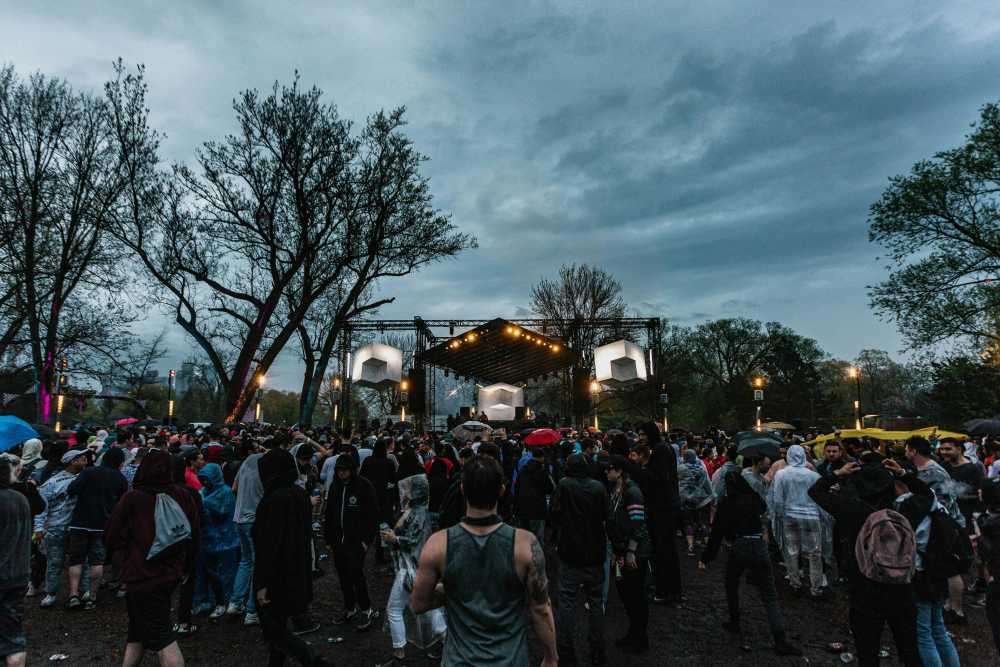
Coconut Grove provides a welcome alternative to the high-priced chaos found elsewhere. Here, you’ll find a collection of eclectic bars, cozy pubs, and waterfront restaurants all celebrating the new year with a distinctly laid-back vibe. Our research shows that entry fees for parties in the Grove are often hovering around the $50 mark, making it an excellent option for a fun night out that won't drain your bank account. The crowd is a mix of local residents, university students, and savvy visitors who prefer a genuine atmosphere over a velvet-rope scene.
Where to Go in the Grove
The heart of the celebration is centered around CocoWalk and the neighborhood's main drags, McFarlane Road and Grand Avenue. Many bars and restaurants host their own ticketed events with live music and drink specials. The real magic, however, is the communal street-party feel that emerges as people spill out from the venues, creating a festive and friendly block party. The area's waterfront parks, like Regatta Park, also offer fantastic, less-crowded spots to watch the local fireworks displays over the bay.
Spot #5: Rooftop Bars - Celebrate Above It All
For a celebration that blends chic sophistication with spectacular views, nothing beats a rooftop bar. Perched high above the city streets in neighborhoods like Brickell and South Beach, these venues offer a glamorous escape from the crowds below, providing the perfect perch for the midnight fireworks.

The Best Views in the City
The undeniable appeal of a rooftop NYE party is the view. You get a breathtaking, panoramic perspective of the city’s fireworks displays without having to battle for a spot on the ground. Watching the explosions of color erupt over the glittering skyline from a comfortable lounge chair, cocktail in hand, is an experience of pure elegance. These venues are designed for Instagram-worthy moments, with the city lights providing a stunning, dynamic backdrop. The skill of finding these exclusive spots is at the heart of savvy travel; our comprehensive Travel Guide is packed with insider strategies for discovering hidden gems and booking the best experiences in any city you visit.
What to Expect: Tickets and Ambiance
Rooftop parties are exclusive, ticketed events. Prices vary but almost always include a premium open bar and passed gourmet appetizers. The ambiance is upscale and trendy, attracting a stylish crowd looking for a sophisticated party atmosphere that’s more about conversation and cocktails than a packed dance floor.
Making the Most of Your Rooftop NYE
Book a Table: While general admission tickets are available, booking a table for your group guarantees a dedicated space and often comes with bottle service.
Confirm the Dress Code: Like the superclubs, rooftop bars enforce a strict dress code. Think cocktail chic and dress to impress.
Check the View: Not all rooftops are created equal. When booking, confirm that the venue has a clear and direct view of the fireworks display you want to see, whether it's the main show at Bayfront Park or the display over South Beach.
Your Perfect Miami NYE Awaits
Miami on New Year's Eve is a city of infinite possibilities, offering a celebration perfectly suited to every style and budget. You can join the massive, joyful crowd for a free countdown at Bayfront Park, dance until dawn with the world’s best DJs in a South Beach superclub, or toast to the new year from the deck of a yacht on Biscayne Bay. You can opt for the laid-back, local charm of Coconut Grove or rise above it all at a glamorous rooftop soiree. No matter how you choose to celebrate New Year's Eve Miami, the city guarantees an electric atmosphere and an unforgettable start to the year. The only question left is, which will you choose?
SEO Meta Title: NYE Miami: 5 Epic Party Spots for an Unforgettable Night
URL Slug: nye-miami-party-spots
SEO Meta Description: Planning New Year's Eve in Miami? Discover the 5 best party spots, from free fireworks at Bayfront Park to VIP clubs in South Beach. Your ultimate guide.
Don't Miss Out! Subscribe for Exclusive Content
SubscribeComments 0
No comments yet
Be the first to share your experience!
Dont Miss Out! Subscribe for Exclusive Content

San Francisco Cherry Blossoms: A Local's Guide to the Blooms

Halloween SF: Haunts Without Horrors

SF Festivals: 7 Must-See Lineups

Christmas SF: Lights & Wharf Wonders

SF Pride: 6 Route & Party Hacks

Chinese New Year SF: Parade Essentials
The Ultimate Travel First Aid Kit Checklist (2026)
TrekGuider @trekguider
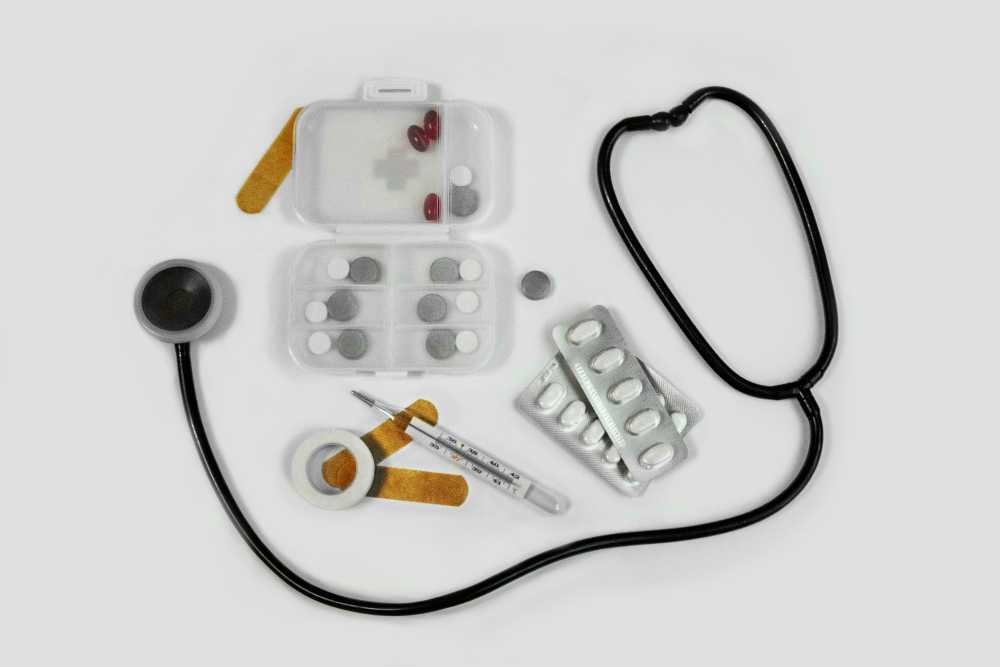
But it doesn’t have to be that way. The single most powerful tool for ensuring a healthy, stress-free journey is one you create before you even leave home: a comprehensive travel first aid kit. This isn’t just a box of bandages; it’s a personalized arsenal of preparedness that empowers you to handle common health issues with confidence and ease. Building your own kit is at the heart of the proactive mindset we cover in our comprehensive The Ultimate Guide to Travel Safety: A 2026 Playbook. Think of this guide less as a simple shopping list and more as a masterclass in preparedness, backed by pharmacist-approved advice to help you build the ultimate defense against travel’s minor medical curveballs.
DIY vs. Pre-Made: Which Travel First Aid Kit is Right for You?
Before we dive into the specific items, it’s worth considering whether to build your kit from scratch or buy a pre-made one.
Pre-Made Kits: These offer undeniable convenience. They come in a compact case and provide a decent baseline of supplies. However, they are often filled with low-quantity, generic items and may lack the specific medications you need for your trip.
DIY Kits: Building your own kit requires a bit more effort upfront but is superior in every other way. It allows you to choose high-quality brands, pack sufficient quantities, and tailor the contents specifically to your destination, your planned activities, and your personal health needs.
Our recommendation? Start with a high-quality pre-made kit as your base and then use this checklist to supercharge it, swapping out generic items and adding the crucial medications and tools it’s missing. This hybrid approach gives you the best of both worlds.
The Core Components of Your Ultimate Travel First Aid Kit
A truly effective travel first aid kit is organized like a mobile clinic, with specific supplies to treat the most common categories of travel-related ailments. Here is the definitive breakdown of what you need.
Wound & Burn Care: For Life's Little Scrapes
From a papercut to a scraped knee on a cobblestone street, any break in the skin is an open invitation for infection, especially in new environments. Here’s how you shut that door, fast.
Antiseptic Wipes (BZK or alcohol-based): For cleaning wounds, scrapes, and your hands before providing treatment. Individual packets are perfect for travel.
Antibiotic Ointment (e.g., bacitracin): A crucial step to prevent infection in minor cuts, scrapes, and burns after cleaning.
Assorted Adhesive Bandages: Pack a variety of sizes. Fabric bandages are generally more durable and flexible than plastic ones.
Butterfly Bandages / Wound-Closure Strips: Essential for taping the edges of a minor cut together to help it heal cleanly.
Sterile Gauze Pads and a Roll of Gauze: For dressing larger wounds or as a compress to control bleeding. Pack a few different sizes.
Medical Adhesive Tape: To secure gauze and bandages in place.
Moleskin or Blister Treatment Pads: An absolute lifesaver for any trip involving significant walking or hiking. Apply it as soon as you feel a "hot spot" to prevent a blister from forming.
Aloe Vera Gel: Provides soothing relief for minor sunburns.
Pain, Fever & Sprains: Managing Aches and Injuries
Long days of sightseeing, sleeping in unfamiliar beds, and carrying luggage can lead to aches and pains. Be prepared to manage them effectively so they don't slow you down.
Pain Relievers/Fever Reducers: Pack both an ibuprofen-based and an acetaminophen-based option. Pharmacists consistently recommend trusted brands like Advil/Motrin (Ibuprofen) for inflammation and pain, and Tylenol (Acetaminophen) for general pain and fever.
Aspirin: While not for general pain relief for everyone, a dose of aspirin can be life-saving for an adult experiencing symptoms of a heart attack.
Elastic Wrap Bandage: Invaluable for providing support and compression to a sprained ankle, wrist, or knee.
Instant Cold Packs: These single-use packs are activated by squeezing them and are excellent for reducing swelling from sprains, strains, and other minor injuries in the first 24-48 hours.
Pro-Tip: Decant pills into small, clearly labeled travel containers to save space, but take a photo of the original packaging first. This helps you remember dosages and provides information for pharmacists or doctors abroad if needed.

Digestive Issues: Your Defense Against Traveler's Diarrhea
Let’s be direct: traveler’s diarrhea is the single most common illness to strike travelers, affecting up to 80% of visitors in some destinations. Having a dedicated section in your kit to manage digestive distress is absolutely critical.
Anti-diarrhea Medication: To manage symptoms when you need to travel or get through a planned activity. The top pharmacist-recommended brand is Imodium (Loperamide).
Antacids: For relief from indigestion, heartburn, and general upset stomach. Pepto-Bismol is another pharmacist-favorite that can also help with mild diarrhea.
Oral Rehydration Salts: This is arguably the most important item in this section. Dehydration is the primary risk of diarrhea and vomiting. These pre-measured packets mix with safe, bottled water to replenish the essential fluids and electrolytes your body has lost.
Anti-nausea or Motion Sickness Medication: Essential if you’re prone to motion sickness on planes, boats, or winding bus rides.
Allergies, Bites & Skin: Soothing Irritations
New environments mean new pollens, unfamiliar insects, and different plants. Be ready to tackle itches, rashes, and allergic reactions before they become a major annoyance.
Antihistamine (e.g., diphenhydramine): For treating allergic reactions, hives, and severe itching. Note that some antihistamines can cause drowsiness.
Hydrocortisone Cream (1%): A topical steroid cream that provides fast relief from the irritation and itching of rashes and insect bites.
Insect Repellent: In any region with mosquito-borne illnesses like Dengue or Malaria, this is as important as your passport. Choose a repellent with an effective active ingredient like DEET or Picaridin.
Epinephrine Auto-Injector (e.g., EpiPen): This requires a prescription and is absolutely essential for travelers with a history of severe allergic reactions (anaphylaxis).
Ready to Pack Like a Pro?
Your travel first aid kit is a critical piece of your travel puzzle, but it's not the only one. To ensure you don't overlook a single essential item—from documents and finances to clothing and gear—you need a master list. Our comprehensive, free checklist has you covered.
Download Your Free International Travel Checklist Now!
Essential Tools & Personal Medications
The final layer of your kit includes the tools to use your supplies effectively and your own personal health necessities.
Fine-Point Tweezers: For removing splinters, ticks, or other foreign objects from the skin.
Small, Rounded-Tip Scissors: For cutting medical tape, gauze, or moleskin. (Ensure they meet TSA guidelines if packing in a carry-on).
Disposable Non-Latex Gloves: To protect your hands and prevent infection when treating a wound on yourself or someone else.
Digital Thermometer: For accurately checking for fever.
Personal Medications: This is the most critical category. Pack a sufficient supply for your entire trip, plus at least a few extra days' worth in case of delays. Always keep your personal medications in your carry-on luggage in their original, labeled containers.
Pro-Tip: Before you leave, ask your doctor for a letter describing your condition and the medications you take, including their generic names. Keep a digital copy of this and your prescriptions on your phone. This can be invaluable if your medication is lost or you need to see a doctor abroad.

Beyond the Basics: Customizing Your Kit
The ultimate travel first aid kit is not one-size-fits-all. Once you have the core components, elevate your preparedness by customizing it for your specific journey.
By Destination:
Tropical/Developing Countries: Add anti-fungal cream, more insect repellent, and potentially a prescription for a standby antibiotic for severe traveler's diarrhea (consult your doctor).
High-Altitude Destinations: Speak with your doctor about medication to prevent altitude sickness.
By Activity:
Hiking/Trekking: Double down on blister care (moleskin, gel pads), pack an elastic wrap for sprains, and add pain-relieving gel.
Beach Vacation: Add extra aloe vera gel, sting-relief spray, and waterproof bandages.
By Traveler:
With Children: Include children’s formulations and dosages of pain/fever reducers, kid-friendly bandages, and any specific allergy medications they need.
Travel First Aid Kit FAQs
A great kit anticipates problems. Here are answers to common questions that take your preparedness to the next level.
1. What’s the first thing I should do if I get traveler’s diarrhea?
According to the CDC and travel medicine doctors, the first and most important step is oral rehydration. Dehydration is the biggest risk. Start sipping an Oral Rehydration Solution (ORS), sports drinks, or clear broths immediately. For mild to moderate cases that don't have a high fever or blood, an antimotility drug like Loperamide (Imodium) can help manage the symptoms. If symptoms are severe, incapacitating, or include a high fever or blood, it's time to consider a prescribed standby antibiotic and seek medical advice.
2. Should I pack a standby antibiotic in my kit?
This is a question for your doctor or a travel medicine clinic. For travelers heading to high-risk destinations where severe traveler's diarrhea is common, many doctors will provide a prescription for a standby antibiotic like Azithromycin. It’s not for mild cases but can significantly shorten the duration of a severe bout of illness. Discuss your itinerary with your doctor to see if this is right for you.
3. Is it okay to pack medications outside their original bottles to save space?
While it's tempting, it's safest to keep prescription medications in their original, clearly labeled containers. This avoids any confusion or legal issues with customs officials. For over-the-counter pills, you have more flexibility. If you use a travel pill organizer, consider taking a photo of the original packaging so you have the dosage information and ingredients handy.

Pack Confidence for Every Journey
A carefully assembled travel first aid kit does more than just prepare you for minor medical issues; it provides profound peace of mind. It transforms you from a worried passenger into a self-sufficient, empowered traveler, ready to handle the small bumps in the road so you can stay focused on the incredible experiences ahead. By following this checklist, you’re not just packing supplies—you’re packing the confidence to explore the world freely and fully.
Now that your health and safety are covered, you can focus on the other details that make a trip unforgettable. For a complete, deep-dive into every facet of trip planning, from health and safety to budgeting and logistics, our comprehensive Travel Guide is the only resource you'll ever need.
Meta Data Suggestions:
SEO Meta Title (55 characters): The Ultimate Travel First Aid Kit Checklist (2026)
URL Slug: travel-first-aid-kit-checklist
SEO Meta Description (154 characters): Build the perfect travel first aid kit. Our 2026 checklist, with pharmacist-approved tips, covers everything from wound care to stomach issues. Be prepared.
Don't Miss Out! Subscribe for Exclusive Content
SubscribeComments 0
No comments yet
Be the first to share your experience!
Dont Miss Out! Subscribe for Exclusive Content

Ultimate USA Holidays Guide: Top Picks

FTC Affiliate Disclosure Essentials: Stay Compliant as a Travel Creator

Essential Affiliate Tools: From Tracking to Full Optimization

Booking.com Affiliate Program Review: Pros, Cons, and Earnings Potential

Decoding Affiliate Commission Rates: Benchmarks for Travel Creators