
Art Basel Miami: 7 Insider Hacks

TrekGuider @trekguider
The email lands, the tickets are booked, and a jolt of excitement hits you. You’re finally going to Art Basel Miami, the undisputed heavyweight champion of art fairs in the Americas. But as you start scrolling through the endless lists of exhibitors, satellite fairs, and after-parties, a subtle wave of panic begins to set in. The sheer scale is dizzying—a sprawling, week-long labyrinth of priceless art, exclusive events, and shoulder-to-shoulder crowds. You start to worry you’ll spend more time stuck in traffic on the MacArthur Causeway than actually seeing art, that you'll miss the truly groundbreaking exhibits, and that you'll leave feeling like you barely scratched the surface.
This anxiety is the invisible wall that separates the tourists from the insiders. Every December, thousands of attendees arrive unprepared, succumbing to sensory overload and logistical nightmares. They wander aimlessly through the cavernous Miami Beach Convention Center, get hit with sticker shock from last-minute parking fees, and completely miss the vibrant, renegade energy of the satellite fairs where the art world’s future is being forged. They leave exhausted and defeated, with a camera roll of blurry photos and a profound sense of having missed out.
That won’t be you. This guide is your secret weapon, your backstage pass. We’ve distilled the chaos into seven actionable, pro-level hacks that will fundamentally transform your experience. You will learn to navigate the city’s complex geography, decode the schedule like a seasoned collector, and discover the hidden gems that most visitors fly right over. This isn't just an art fair; it's a city-wide cultural takeover, and it’s just one of the many incredible events that cement the city’s reputation as a year-round festival hub, a theme we explore in our complete guide to Miami Holidays: 8 Beach Fest Vibes. Prepare to conquer Art Basel Miami with the confidence of an insider.

Hack 1: Master the Map of Art Basel Miami—Go Beyond the Convention Center
The first mistake nearly every newcomer makes is thinking Art Basel Miami is a single event confined to the Miami Beach Convention Center (MBCC). While the MBCC is the mothership—an awe-inspiring spectacle of blue-chip art that you absolutely must see—the true soul of Miami Art Week pulses in the dozens of satellite fairs scattered across the city. Treating the MBCC as your only destination is like visiting Paris and only seeing the Eiffel Tower from the ground.
Think of the MBCC as your anchor, not your cage. By all means, start your journey there to get a feel for the sheer scale of the event.
Navigate the Core Strategically: The main fair is organized into distinct sectors designed to guide your experience. To avoid getting overwhelmed, prioritize starting with Meridians, which features massive, museum-quality installations that are often the most talked-about pieces of the show. Alternatively, head to the Nova sector, which showcases brand-new work from the world's most exciting emerging galleries.
Embrace the Satellites: The real discoveries—the moments that make your heart race—often happen outside the main hall. These smaller, more focused fairs are where you’ll find groundbreaking work from up-and-coming artists, often at more accessible price points. Plan to visit at least two or three.
Your Satellite Fair Hit List:
Untitled Art: Located directly on the sands of Ocean Drive, this fair’s stunning backdrop is part of the experience. It’s often free to access and is a fantastic place to see cutting-edge contemporary art in a uniquely Miami setting.
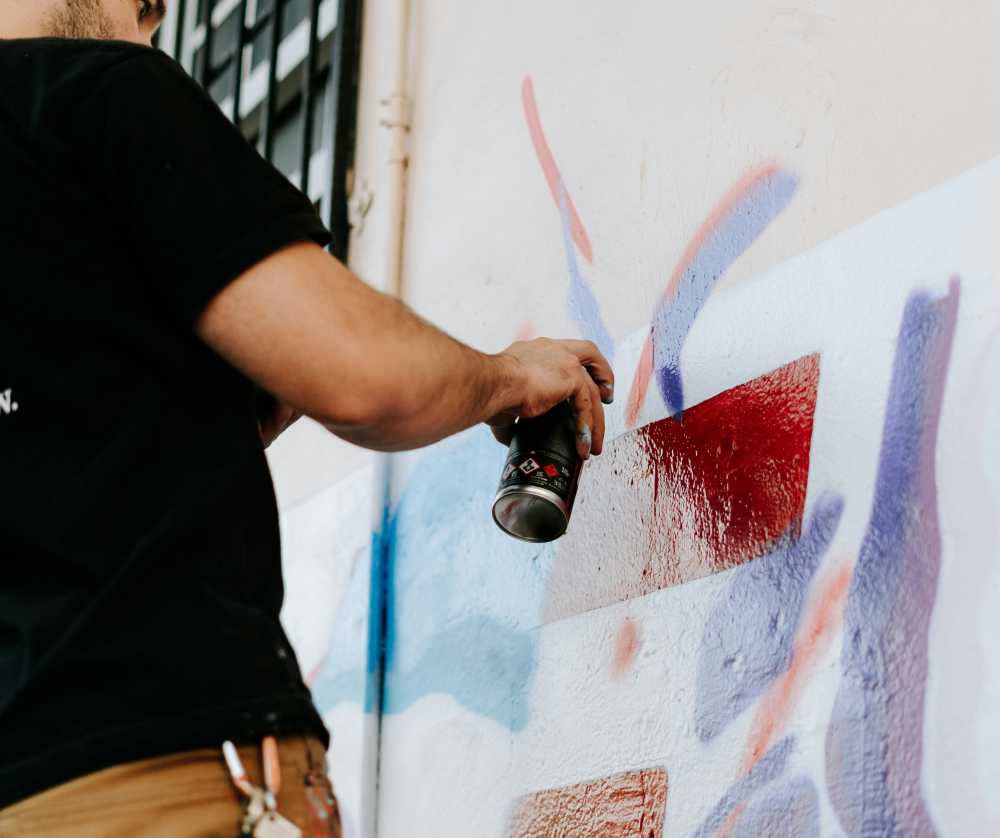
Wynwood Walls: While not a formal fair, this world-famous outdoor street art museum is an essential pilgrimage during Art Week. It’s completely free to view the incredible murals that cover the district, offering a raw and vibrant contrast to the polished booths of the main fair.
Design Miami/: Occurring concurrently just a stone's throw from the MBCC, this prestigious sister fair is dedicated to collectible design from the 20th and 21st centuries. It’s a must-see for anyone interested in the intersection of art, furniture, lighting, and objects d'art.
Pro-Tip: Don't try to be a hero and see everything in one day. Group your visits geographically. Dedicate one day to Miami Beach (MBCC, Untitled Art, Design Miami/) and another to the mainland neighborhoods like Wynwood and the Design District. This minimizes travel time and maximizes art time.

Hack 2: Conquer Transportation Like a Local
During Art Week, Miami’s already notorious traffic transforms into a city-wide parking lot. This isn't an exaggeration—with an economic impact of over $500 million, the event draws crowds on par with a Super Bowl, and it feels like every single attendee is in a car on the causeway next to you. Driving your own car is the single most stressful, time-consuming, and expensive mistake you can make.
Parking is not just difficult; it’s extremely limited and eye-wateringly expensive. To navigate the city like a pro, you must ditch the idea of driving.
Rideshares Are Non-Negotiable: Services like Uber and Lyft are your lifeline. While surge pricing will be in effect during peak hours, the cost is often still less than a parking garage, and it saves you the soul-crushing headache of navigating closed streets and full lots. Use the "schedule a ride" feature for early morning trips to beat the initial rush.
Leverage Public Transit: Miami-Dade's public transit system is a surprisingly effective and cost-efficient option. The elevated Metromover is free and circles the downtown area, connecting you to the Metrorail and bus routes that cross over to Miami Beach. It’s a great way to bypass the worst of the gridlock while getting a scenic view.
Book Parking in Advance (If You Must): If driving is your only option, do not leave it to chance. Use an app like SpotHero to reserve a parking spot weeks in advance. Be prepared to park a significant distance from the venue and use a rideshare or a long walk for the final leg of your journey.
Hack 3: Decode the Art Basel Miami Schedule—Public vs. Private Days
Understanding the rhythm of the Art Basel schedule is crucial. The fair is not open to the public for its entire duration, and showing up on the wrong day is a common and deflating rookie error. The opening days are reserved for the art world’s heaviest hitters.
Here is the official breakdown for the 2026 show:
Private Days (Invitation-Only): December 3rd – 4th, 2026. These first two days are the exclusive preview for serious collectors, museum curators, celebrities, and accredited media. Access is strictly by a VIP invitation from a participating gallery or Art Basel itself. This is when the majority of high-value sales are negotiated and finalized.
Public Days: December 5th – 7th, 2026. The fair opens its doors to the general public. The official hours are 11:00 AM to 6:00 PM.
While getting into the private viewings is tough without connections, it’s not impossible for aspiring collectors. The key is to build relationships with galleries you admire throughout the year. If you’re serious, inquire about access when you purchase work. For most visitors, the best strategy is to maximize the public days. Arrive shortly before the 11:00 AM opening time to get ahead of the intense afternoon crowds.

Hack 4: Network Smarter, Not Harder
Art Basel Miami is as much a networking event as it is an art exhibition. It’s where artists find gallery representation, collectors discover new talent, and creative professionals forge career-defining collaborations. However, simply handing out business cards in a crowded hall is about as effective as throwing them into the ocean. You need a targeted approach.
Do Your Homework: Before you arrive, study the exhibitor list. Identify the galleries that represent artists or styles that resonate with you. When you approach a gallerist, you can have a much more meaningful conversation if you can say, "I was so excited to see you were showing Artist's Name; I've been following their work since..."
Attend the Talks and Panels: The official Art Basel program is packed with fascinating talks and panel discussions. These are fantastic opportunities to learn directly from leading artists, curators, and critics. The Q&A sessions are a perfect, low-pressure environment to ask an intelligent question and make a memorable impression.
Use the Satellite Fairs: The atmosphere at satellite fairs is often more relaxed and accessible than at the MBCC. Gallerists and artists have more time and energy to engage in genuine conversation. This is where you can build real relationships that last beyond the week.
For many creative professionals, the sheer density of inspiration at Art Basel sparks a torrent of new business ideas. The challenge is turning that spark into a viable product. If you leave Miami buzzing with new concepts, the next step is to structure them for success. Our Digital Product Ideas Guide provides a complete framework for developing, launching, and monetizing your creative passion, helping you transform that art-world fire into a sustainable income stream.
Hack 5: Fuel Your Art Binge Strategically
Walking miles of concrete floors in convention centers and galleries is a marathon, not a sprint. If you don’t plan your food and hydration, you will burn out by day two, guaranteed. The food inside the convention center is notoriously overpriced and underwhelming. You need a better plan.
Book Dinner Reservations Yesterday: If you plan on dining at any of Miami’s top restaurants—especially in South Beach, Wynwood, or the Design District—you need to make reservations weeks, if not months, in advance.
Embrace High-Quality Casual Eats: For lunch, skip the long lines and high prices at sit-down restaurants. Miami has a phenomenal food truck scene, and many pop up near the major art hubs. This is a great way to grab a quick, delicious, and more affordable meal without losing an hour of your day.
Pack Your Own Survival Kit: Be your own hero. Pack a refillable water bottle (most venues have filling stations), a couple of protein bars, and a bag of almonds in your tote. Having snacks on hand will save you from paying $8 for a bottle of water and will keep your energy levels stable, preventing the dreaded "art fatigue" from setting in too early.
Pro-Tip: Many of the top-tier galleries host private cocktail receptions or breakfasts at their booths for their best clients. If you have an established relationship with a gallery, don't be shy about asking if they have any events planned. It’s a fantastic way to see the art and network in a much more civilized setting.
Hack 6: Prioritize Satellite Fairs for True Discovery
We mentioned this in Hack #1, but it’s so critical it deserves its own section. The satellite fairs are the lifeblood of Miami Art Week. While the main fair showcases the blue-chip, established titans of the art world, the satellite fairs are where you’ll find the raw, experimental, and often more exciting work from the next generation of art stars.
Making these fairs a priority will give you a more comprehensive and authentic view of the contemporary art landscape. You’ll see work you won’t find anywhere else and have the chance to buy original art from emerging artists before their prices skyrocket. Fairs like NADA (New Art Dealers Alliance) are renowned for their sharp focus on new talent and are a favorite among seasoned collectors looking for the next big thing. Don't just visit them if you have extra time; build your entire itinerary around them.

Hack 7: Plan Your Post-Basel Decompression
After several days of non-stop art, crowds, and social stimulation, you will experience a unique phenomenon known as "art fatigue." Your eyes will glaze over, and even a Picasso won't be able to hold your attention. It’s an inevitable part of the experience, but the pros know how to plan for it.
Schedule Deliberate Downtime: Do not book every single minute of your trip. Leave your final morning or afternoon completely open to do something unrelated to art. Go to the beach, sit by the hotel pool, or explore a quiet neighborhood like Coconut Grove. Let your brain breathe.
Book a Recovery Day: The ultimate pro-move is to add an extra day to your trip after the fairs close on December 7th. Let the art crowd fly home while you enjoy a quieter, more relaxed Miami. This day of decompression is crucial for processing the immense amount of visual information you’ve absorbed.
Stay Strategically: Consider booking your final night at a hotel slightly removed from the South Beach chaos. A calmer environment in a neighborhood like Coral Gables or Key Biscayne will help you recharge before heading home.
A successful trip isn't just about what you do during the event; it's about how you plan the entire journey. Creating a seamless travel experience, whether for a high-intensity week like Art Basel or a cross-country road trip, requires expert planning. For a comprehensive resource that covers every aspect of trip planning in the U.S., our Travel Guide is the ultimate tool for crafting perfect, stress-free itineraries.
Your Insider’s Guide to Conquering Art Basel
You are now armed with the strategies to transform your Art Basel Miami trip from an overwhelming ordeal into an unforgettable adventure. By looking beyond the convention center, mastering transportation, decoding the schedule, and networking with purpose, you can navigate the world’s most important art week with the ease and confidence of a veteran. Remember to fuel yourself properly, prioritize the satellite fairs for groundbreaking discoveries, and plan for some much-needed decompression.
With these seven insider hacks, your next Art Basel Miami experience will be defined by inspiration, connection, and discovery—not by stress and exhaustion. You are no longer just an attendee; you are an insider, ready to experience the very best the art world has to offer.
Meta Data Suggestions:
SEO Meta Title: Art Basel Miami: 7 Insider Hacks to Navigate Like a Pro
URL Slug: art-basel-miami-insider-hacks
SEO Meta Description: Conquer Art Basel Miami with 7 expert hacks. Learn to navigate satellite fairs, beat the traffic, and network smarter at the world's premier art event.
Don't Miss Out! Subscribe for Exclusive Content
Subscribe



Comments 0
No comments yet
Be the first to share your experience!
Dont Miss Out! Subscribe for Exclusive Content

San Francisco Cherry Blossoms: A Local's Guide to the Blooms


Halloween SF: Haunts Without Horrors

SF Festivals: 7 Must-See Lineups

Christmas SF: Lights & Wharf Wonders

SF Pride: 6 Route & Party Hacks

Chinese New Year SF: Parade Essentials
Jazz Fest: Ultimate Lineup Planner
TrekGuider @trekguider
The New Orleans Jazz & Heritage Festival is a titan of American culture, a sprawling, soulful celebration that transforms the Fair Grounds Race Course into the center of the musical universe. But with that iconic status comes an overwhelming challenge: with a dozen stages, hundreds of artists, and a menu of Louisiana’s finest cuisine that could take a lifetime to explore, how do you possibly see and taste it all? You’ve spent months dreaming of this, only to be handed a schedule so dense it feels impossible to crack.
Imagine the sinking feeling of hearing the distant roar of the crowd for a legend’s set while you’re stuck on the opposite side of the infield. You spend your day battling a sea of people, crisscrossing the grounds under a hot sun, only to miss the first three songs of a band you were dying to see. The fear of missing out becomes a tangible stress, turning a dream trip into a frantic race against the clock. Without a rock-solid strategy, you risk experiencing only a fraction of what this incredible event offers, leaving with a nagging regret over the missed bands and uneaten crawfish bread.
Forget the festival FOMO. This is your playbook for conquering the controlled chaos of the Fair Grounds, turning a dizzying schedule into a masterclass of music, food, and soul. We will break down everything you need to build a flawless plan, navigate the grounds like a local, and balance the world-class music with the equally legendary food. This is the ultimate lineup planner for Jazz Fest New Orleans, designed to ensure your time is spent soaking in the magic, not getting stuck in the mud.

Before You Go: Pre-Festival Prep for the Savvy Planner
A masterful Jazz Fest experience begins long before you step through the gates. The sheer scale of the event, which roars to life from April 24 to early May, demands a thoughtful approach. Smart preparation is the secret that separates the overwhelmed amateur from the festival pro who glides effortlessly from stage to stage. This is your foundational work, where you turn the festival’s massive schedule from an intimidating document into a personalized roadmap. As one of the crown jewels we celebrate in our definitive guide to New Orleans Holidays: Cultural Feasts, Jazz Fest is a cultural pilgrimage that richly rewards those who arrive with a plan.
Decoding the "Cubes": Your First Step to Lineup Mastery
In the lexicon of Jazz Fest veterans, the daily performance schedules are simply "the cubes." This grid-style layout is your bible, detailing who is playing where and when. Your first mission is to become fluent in its language.
Download the Official App: Weeks before the festival, the official New Orleans Jazz & Heritage Festival app becomes the most important app on your phone. Download it the moment it’s released. This digital tool contains the full "cubes," an interactive map, vendor lists, and, most critically, the ability to build your own personalized schedule.
Study the Grounds: Before you start picking artists, spend time with the festival map. Get a feel for the locations of the major stages—like the Festival Stage and the Gentilly Stage where headliners hold court—and the more intimate tents, such as the legendary Gospel Tent, the Blues Tent, and the Jazz Tent. Understanding the physical distance between stages is the key to realistic planning.
Star Your Favorites: Go through the lineup day by day and start "starring" or "favoriting" every single act that piques your interest. Don't hold back; this is your master list of possibilities. This year’s lineup already boasts a staggering collection of headliners like Pearl Jam, Dave Matthews Band, Luke Combs, and Lil Wayne & The Roots, so your list of must-sees will fill up fast.
Assembling Your Tiers: From "Must-See" to "Happy Accident"
With your initial list of favorited artists, it's time to get strategic. Set times will inevitably clash. The key is to prioritize ruthlessly.
Tier 1: The Non-Negotiables: Identify the 3-4 artists each day that you absolutely, positively cannot miss. These are your anchors, the pillars around which the rest of your day will be built.
Tier 2: The High-Interest Acts: These are the performers you’d be thrilled to see. If their set times and locations work conveniently around your Tier 1 picks, you’ll make every effort to be there.
Tier 3: The Serendipity List: This is your list for discovery. It’s filled with intriguing local brass bands, up-and-coming songwriters, or genres you’re curious about. These are the acts you’ll check out when you have a gap in your schedule. The true magic of Jazz Fest often lies in stumbling upon an incredible performance you never planned to see.
Essential Gear for a Full Day at the Fair Grounds
The festival is a marathon, not a sprint. It runs from 11 AM to 7 PM daily and proceeds "rain or shine," so you need to be prepared for anything a Louisiana spring day can throw at you.
Sun Protection: A wide-brimmed hat, sweatproof sunscreen, and sunglasses are non-negotiable. Shade is a precious and rare commodity.
Footwear: You will walk miles on uneven terrain that can turn to mud in an instant. Comfortable, broken-in, waterproof boots are your best bet.
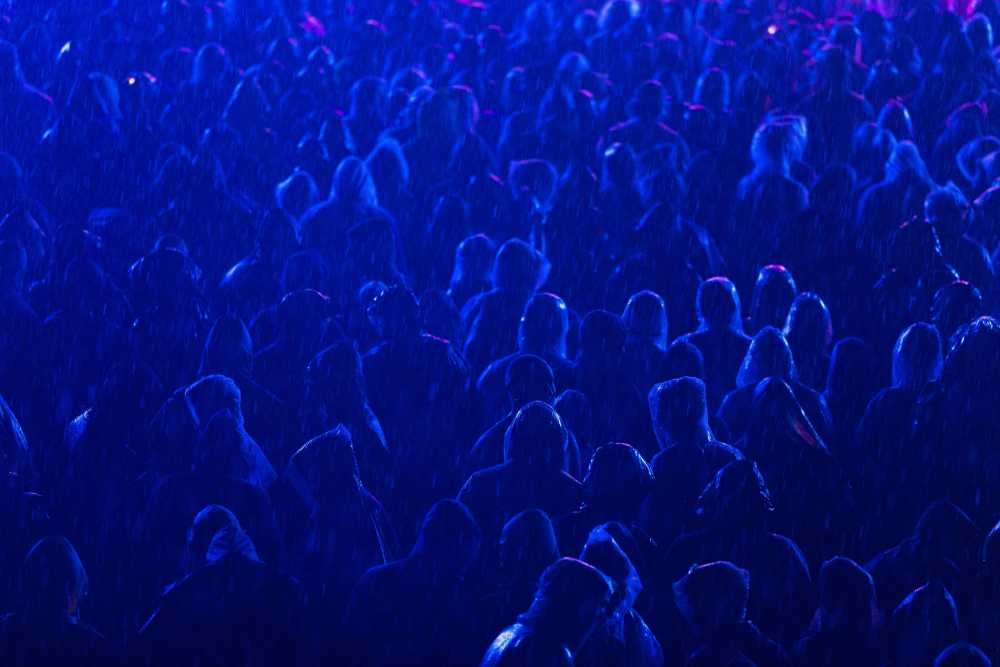
Rain Gear: A lightweight poncho is a must. A classic New Orleans downpour can appear out of nowhere, and a simple poncho can save your day.
Hydration: Bring an empty reusable water bottle. Free water stations are located throughout the grounds, and staying hydrated is critical.
A Small Blanket or Chair: A small, foldable festival chair or a compact blanket gives you a home base at a stage and a chance to get off your feet. Always check the official festival website for the latest rules on chair sizes.
Navigating the Stages: A Pro's Guide to the Jazz Fest New Orleans Landscape
Once you’re on the grounds, a new challenge emerges: moving efficiently through a temporary city of music lovers. The space is vast, the crowds are thick, and every minute spent fighting a human traffic jam is a minute of music lost. Mastering the art of movement is what separates the pros from the rookies.
The Art of Stage Hopping: The Perimeter Strategy
The single most effective technique for navigating between stages is to avoid the center. The natural instinct is to cut directly through the middle of the crowd, but this is almost always the slowest and most frustrating path.
Instead, adopt the perimeter strategy. When you need to move, walk to the outer edge of the crowd and use the less-congested pathways along the racetrack, food vendor areas, and craft marketplaces. It may look like a longer route on the map, but you will move significantly faster. This method is your secret weapon for making it from the Gospel Tent to the Gentilly Stage in record time.
Understanding the Vibe of Each Major Stage Area
While the lineup is diverse everywhere, different stages at Jazz Fest New Orleans cultivate their own unique atmospheres. Knowing these vibes helps you plan not just your schedule, but your energy.
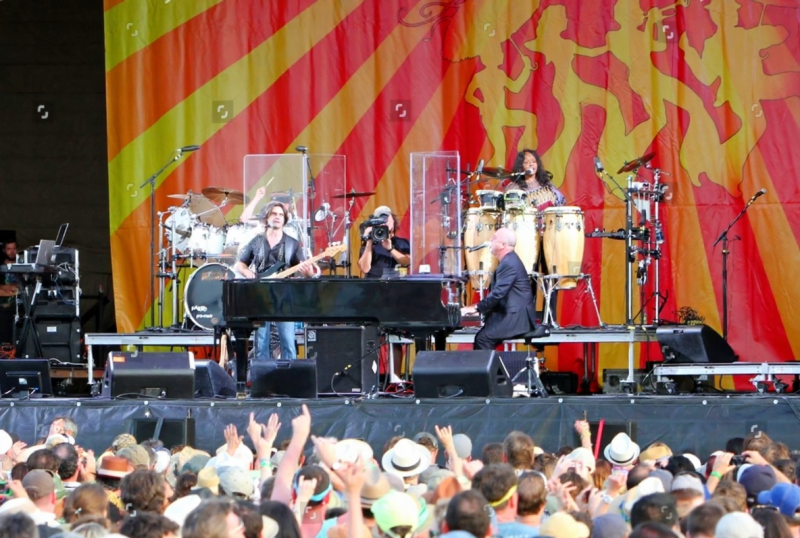
The Main Stages (Festival Stage & Gentilly Stage): These are the epicenters for the big-name headliners. Expect massive crowds, high energy, and a classic large-scale concert feel. If you want to be close, you need to camp out hours in advance.
The Tents (Gospel, Blues, Jazz): The tents offer a more intimate and often more intense musical experience. The Gospel Tent is legendary for its powerful, soul-stirring performances. The Blues and Jazz tents are where you’ll find virtuoso musicians in a focused, respectful listening environment. They also provide crucial shade.
The Cultural Stages (Fais Do-Do, Jazz & Heritage): These stages are the heart of the festival's "heritage" mission, showcasing the rich sounds of Louisiana, from Cajun and Zydeco to Mardi Gras Indians. The vibe here is pure, joyful, and deeply authentic.
Pro-Tip: Use the official festival app to set alerts for your must-see artists 15 minutes before their set time. This gives you a travel-time buffer to move from one stage to another using the perimeter strategy without feeling rushed.
More Than Music: Planning Your Culinary and Cultural Itinerary
To treat Jazz Fest as only a music festival is to miss half the point. It is, without exaggeration, one of the greatest food festivals on the planet. Furthermore, the craft areas showcase the incredible artistry of the region. A truly ultimate lineup plan integrates these cultural pillars into your day.

The "Food Fest" Within the Jazz Fest: Don't Miss These Bites
The food booths at Jazz Fest are a headline attraction. Planning your meals is just as important as planning your music.
Eat at Off-Peak Times: The food lines are longest between noon and 2 PM. Plan to eat an early lunch right when the gates open or a later one after 3 PM to minimize your wait.
Divide and Conquer: If you’re with a group, send one person for drinks while others wait in different food lines for Crawfish Monica, Mango Freeze, or Alligator Sausage. Reconvene and share your haul to sample more of the legends.
The vibrant colors of the food, the elaborate costumes, and the soulful expressions of the musicians are all begging to be photographed. To make your festival shots pop, download our Free Travel Lightroom Presets. They are expertly designed to enhance the unique light and color palette of a New Orleans celebration.
Exploring the Heritage Crafts: A Mid-Day Music Break
Jazz Fest features three distinct craft marketplaces: Congo Square African Marketplace, Contemporary Crafts, and the Louisiana Marketplace. When the sun is at its peak or you have a gap between sets, take a leisurely stroll through these areas. It’s a perfect way to rest your ears, cool down, and find a unique, handmade souvenir that truly represents the soul of the festival.
Advanced Strategies for the Ultimate Jazz Fest New Orleans Experience
You’ve prepped, you’ve planned, and you know how to navigate. Now it’s time for the pro-level strategies that will elevate your experience from great to unforgettable.
The "Rain or Shine" Reality: How to Prepare for Louisiana Weather
The festival’s "rain or shine" policy is serious. While stages may temporarily close for lightning, the event continues.
Protect Your Gear: Bring a waterproof bag or Ziploc bags for your phone and wallet. A wet phone can quickly ruin a day.
Embrace the Mud: If it rains, the Fair Grounds will become muddy. This is where your choice of waterproof footwear pays off. Lean into it.
Post-Rain Strategy: After a storm, the covered tents will be packed. This is a great time to head to an outdoor stage, as many people will be slow to leave the shelter, giving you a chance to get a better spot.

The Zero-Waste Warrior: Participating in Festival Sustainability
Jazz Fest is a massive event, and you can play a role in reducing its environmental impact. Look for the festival’s oyster shell recycling program, a fantastic initiative that helps rebuild coastal reefs. Use the designated recycling and compost bins, and always opt for refilling your water bottle over buying single-use plastic.
Pro-Tip: The last set of the day creates a massive exit rush. Consider leaving 15-20 minutes before the final song of the headliner you're watching to beat the crowds heading for the shuttles. That small head start can save you an hour of waiting in line.
Planning a trip to Jazz Fest is often the centerpiece of a larger New Orleans adventure. To make the most of your entire visit, from the French Quarter to the Garden District, our comprehensive Travel Guide provides expert-led itineraries and local secrets to help you build the perfect trip.

Your Blueprint for Jazz Fest Success
You are now armed with a complete strategic blueprint to not just attend the New Orleans Jazz & Heritage Festival, but to truly conquer it. By decoding the cubes, prioritizing your artist list, and mastering the perimeter strategy, you’ve eliminated the guesswork. By integrating the world-class food and crafts into your plan, you’ve ensured a rich experience that captures the true spirit of this cultural institution. You are ready to move with purpose, eat with gusto, and immerse yourself in the unparalleled soundscape of the incredible Jazz Fest New Orleans.
Meta Data Suggestions:
SEO Meta Title: Jazz Fest New Orleans: The Ultimate Lineup & Stage Planner
URL Slug: /jazz-fest-new-orleans-lineup-planner
SEO Meta Description: Conquer Jazz Fest 2026 with our ultimate planner. Get pro tips on navigating stages, scheduling artists like Pearl Jam, and finding the best food.
Don't Miss Out! Subscribe for Exclusive Content
SubscribeComments 0
No comments yet
Be the first to share your experience!
Dont Miss Out! Subscribe for Exclusive Content
San Francisco Cherry Blossoms: A Local's Guide to the Blooms
Halloween SF: Haunts Without Horrors
SF Festivals: 7 Must-See Lineups
Christmas SF: Lights & Wharf Wonders
SF Pride: 6 Route & Party Hacks
Chinese New Year SF: Parade Essentials
FTC Affiliate Disclosure Essentials: Stay Compliant as a Travel Creator
TrekGuider @trekguider
Let’s talk about the single most valuable asset in your travel content business: trust. It’s the bedrock of your brand, the reason your audience listens, and the currency that turns recommendations into revenue. Yet, there’s a legal landmine many creators unwittingly step on that can shatter that trust in an instant: the Federal Trade Commission (FTC).

In a creator economy where the affiliate marketing industry is a $93 billion juggernaut, operating with professional integrity isn't just good ethics—it's a brilliant business strategy. The creators hitting the reported average of $13,847 a month aren't just getting lucky; they're building resilient businesses on a foundation of transparency. But the rules around disclosure can feel like a confusing maze of legalese, leading many to either ignore them or implement them incorrectly. This isn't just a minor slip-up; it's a mistake that can get you kicked out of affiliate programs, alienate your audience, and attract unwanted legal attention.
This guide is your definitive, jargon-free map through that maze. We're breaking down the exact rules, providing copy-and-paste templates for every platform, and giving you the confidence to monetize ethically and legally. Mastering compliance is at the heart of a successful business, a topic we explore from every angle in our comprehensive pillar page on Travel Affiliate Programs: The 2026 Ultimate Guide.
What Exactly Is an FTC Affiliate Disclosure?
At its heart, an FTC affiliate disclosure is a simple, honest statement. It informs your audience that you have a "material connection" to a product or service you're recommending. In plain English, if you stand to earn a commission, get a free product, or receive any compensation when someone uses your link, you are legally required to tell them.
This isn't just red tape. It serves two purposes that are vital to your business:
It’s the Law: The FTC is America's consumer protection agency. Its job is to prevent deceptive advertising, and hiding a paid endorsement is considered deceptive. Compliance is non-negotiable.
It Forges Unbreakable Trust: In the creator world, transparency is a superpower. When you're upfront about your affiliate relationships, you prove you have nothing to hide. This makes your audience more likely to trust your recommendations, not less, because they see you as an honest broker.
Pro-Tip: Stop thinking of your FTC affiliate disclosure as a legal chore. Start seeing it as a badge of honor that signals your commitment to professionalism and respect for your audience.

The "Clear and Conspicuous" Standard: Your Four-Point Compliance Checklist
The FTC’s mandate boils down to two words: "clear and conspicuous." This isn’t just vague legalese; it’s an actionable standard built on four pillars. If your disclosure fails on even one, it’s not compliant.
1. Prominence: It Must Be Impossible to Miss
Your disclosure can't be an afterthought. It needs to be presented in a font, color, and location that a typical user can't help but see. That means no tiny, light-gray text hidden in a crowded footer.
2. Presentation: It Must Be in Plain English
Ditch the corporate jargon. Your disclosure needs to be written in simple, straightforward language that anyone can understand instantly.
Excellent: "This post contains affiliate links. If you buy something through one of these links, I may earn a commission at no extra cost to you."
Poor: "This site is a participant in affiliate advertising programs designed to provide a means for sites to earn advertising fees."
3. Placement: It Must Appear Before Any Links
This is the rule creators break most often. The disclosure must be placed where your audience will see it before they scroll to your first affiliate link. Placing it at the bottom of your post is a clear violation.
4. Proximity: It Must Be Close to the Action
The disclosure should be as close to your recommendations as possible. For a blog post, a single, clear statement at the very top of the article is the gold standard and covers all the links that follow.

Your Platform-by-Platform Disclosure Playbook (with Templates)
The four pillars apply everywhere, but how you build them changes with the platform. Here’s your definitive guide.
For Your Travel Blog or Website
This is your home base, and the rules are clearest here. Your disclosure must be at the top of the article, before the main content begins.
Compliant Placement: At the very beginning of the post.
Non-Compliant Placement: In the sidebar, in the footer, or on a separate "Disclosures" page.
Template You Can Use:
(Heads up! This post contains affiliate links. If you book or buy something through one of my links, I may earn a small commission at no extra cost to you. This helps me keep the adventures coming. Thanks for your support!)
For Instagram (Posts, Stories, and Reels)
On social media, disclosures must be instantly visible without a user having to click "see more."
Compliant Placement: Within the first three lines of the caption.
Non-Compliant Placement: Buried in a long block of hashtags at the end.
Pro-Tip: For maximum clarity, the FTC recommends using simple, unambiguous terms.
Templates You Can Use:
For Captions: Start your caption with Ad: or Sponsored:.
Hashtags: Use clear, upfront hashtags like #ad or #sponsored. While #affiliate is used, it's less clear to the average consumer.
For Stories/Reels: The best method is using Instagram's built-in "Paid Partnership" label. If that's not an option, superimpose clear text like "Ad" or "Sponsored" on the screen and mention it verbally.

For YouTube Videos
A compliant YouTube video requires a two-pronged disclosure: one verbal, one written.
Compliant Placement: Stated verbally near the beginning of the video AND written in the description box above the "show more" fold.
Non-Compliant Placement: Only written in the description box where a user has to click to see it.
Templates You Can Use:
Verbal Script: "Just a quick heads-up before we get started—this video contains affiliate links. So if you decide to book that incredible tour I'm about to show you, I might earn a small commission, which is a huge help in supporting this channel!"
Description Box Text: DISCLOSURE: This video and description may contain affiliate links, which means that if you click on one of the product links, I’ll receive a small commission at no additional cost to you.
Don't Forget Referral Links
The rules for an FTC affiliate disclosure extend beyond traditional product sales. They cover any "material connection," and that absolutely includes referral programs. If you share a link that gives a friend a discount and earns you a credit or bonus, that relationship must be disclosed.
This is particularly relevant for modern creator platforms. For example, when you invite fellow creators to join the TrekGuider Seller Platform using your unique referral link, you must be transparent about the fact that you stand to benefit. The best disclosures frame this as a win-win.
Templates for Referral Links:
Simple & Direct: "This is my referral link. If you sign up, I may receive a bonus from TrekGuider."
Benefit-Focused: "Use my link to join the TrekGuider Seller Platform! You'll get mention the benefit, e.g., a 15% discount on your first purchase, and I'll get a small commission to help support my work."
The Travel Creator's Toolkit
Mastering compliance is a key part of building a professional content business. To help you organize your entire strategy—from legal checklists to content templates—we've created the ultimate resource bundle. It’s designed to help you operate like a pro from day one.
Download Your Free Bundle: The Travel Creator's Toolkit Today!
Frequently Asked Questions (FAQ)
1. Is it enough to have a "Disclosure Policy" page on my website? No. While having a dedicated policy page is a good practice, it does not satisfy the FTC's requirement for a disclosure that is proximate to the recommendation. The disclosure must be on the same page as the affiliate links themselves.
2. Do I need to disclose if I received a product for free, even if I'm not getting paid? Yes. Receiving a product or service for free (like a complimentary hotel stay or a free piece of luggage) is considered a "material connection" and must be disclosed just as you would a monetary commission.
3. Can I just use #affiliate in my social media posts? While it's better than nothing, the FTC has indicated that it prefers clearer, more universally understood terms like #ad or #sponsored. The term "affiliate" may not be clear to everyone in your audience.
Your Commitment to Transparency
The world of FTC affiliate disclosure is not designed to be a trap. It’s a framework for honest communication. By embracing these rules, you’re not just protecting yourself legally; you’re making a powerful statement to your audience that you value their trust above all else.
You now have the knowledge and the templates to implement compliant disclosures with confidence across every platform. See this not as a chore, but as a professional standard that elevates your brand. In the creator economy, transparency isn't just good policy—it's the ultimate currency.
Read the full guide: The Travel Blogger's Playbook to Affiliate Marketing Mastery
Don't Miss Out! Subscribe for Exclusive Content
SubscribeComments 0
No comments yet
Be the first to share your experience!
Dont Miss Out! Subscribe for Exclusive Content

Ultimate USA Holidays Guide: Top Picks

Essential Affiliate Tools: From Tracking to Full Optimization

Avoid These 5 Affiliate Landing Page Mistakes for Better Conversions

Affiliate Keyword Research Mastery for Travel Blogs

Booking.com Affiliate Program Review: Pros, Cons, and Earnings Potential
