
The 7 Solo Female Travel Safety Rules You Can't Ignore

TrekGuider @trekguider
You feel the magnetic pull of the world, a deep-seated desire to explore ancient cities, wander through breathtaking landscapes, and discover it all on your own terms. The dream of solo travel is vibrant and powerful. But for so many women, that dream is shadowed by a persistent and paralyzing question: "But will I be safe?"
This isn't just a fleeting thought; it's a formidable barrier. It’s a shared, valid concern that echoes across the travel community. A staggering 66% of women who travel solo report worrying about their personal safety, and for the 59% of women who have yet to start their first independent journey, these concerns are the second-largest obstacle holding them back. The fear is real, and it is robbing you of what could be the most transformative experience of your life. But what if you could systematically dismantle that fear, replacing it with an unshakable foundation of competence?
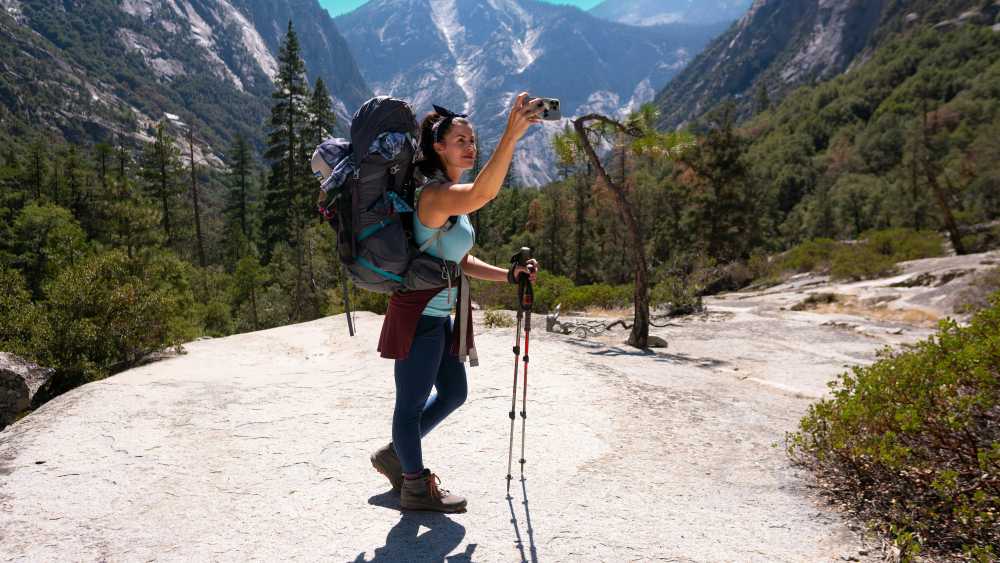
This guide is your tactical blueprint to do exactly that. We are moving beyond vague reassurances and diving into the essential, non-negotiable rules of solo female travel safety. This isn't about seeing the world through a lens of paranoia; it's about equipping yourself with the knowledge to navigate it intelligently. For a complete overview of the journey, start with our comprehensive pillar guide, [The Ultimate Guide to Solo Female Travel (15 Essential Tips)]. These seven rules, however, are the bedrock—the field-tested strategies that will transform you from a worrier into a prepared and confident global explorer.
Rule 1: Build a "Lifeline Home" Before You Leave
The single most important phase of your safety strategy happens before you ever pack a bag. Creating a strong communication and information bridge between you and a trusted emergency contact back home is non-negotiable. This "mission control" is your ultimate safety net, ensuring that if you are ever unreachable, someone you trust has every critical detail needed to help.
Your "lifeline" packet should be a comprehensive dossier containing both physical and digital copies of the following, based on recommendations from the U.S. Department of State:
A Complete Itinerary: Detail your trip on a day-by-day basis, including flight numbers, train schedules, and the names, addresses, and phone numbers of all booked accommodations.
Copies of All Important Documents: Include the photo page of your passport, any necessary visas, your driver's license, and a full copy of your travel insurance policy, complete with the policy number and the 24/7 emergency assistance phone number.
Financial Information: Provide photocopies of the front and back of every credit and debit card you are carrying. The international toll-free numbers on the back are essential for canceling them if they are lost or stolen.
A Pre-Arranged Communication Plan: Establish a clear plan for when you will check in (e.g., a quick text upon arrival in a new city). Crucially, agree on a protocol for what your contact should do if you miss a check-in (e.g., wait 12 hours, then contact your hotel, then contact the nearest embassy).

Pro-Tip: The single most effective safety action you can take in under five minutes is to enroll your trip with the U.S. Department of State’s free Smart Traveler Enrollment Program (STEP). This provides the nearest U.S. Embassy or Consulate with your itinerary, creating a three-way digital bridge connecting you, your emergency contact, and the State Department for a coordinated response in a worst-case scenario.
Rule 2: Master Your Sanctuary with an Unbreakable Arrival Protocol
Think of your accommodation as more than just a place to sleep. It’s your secure base of operations, your private sanctuary to rest and recharge. Ensuring its integrity from the moment you arrive is a critical habit that provides profound peace of mind. Adopt this methodical security check and perform it automatically every single time you enter a new room.
Prop the Door Open. Before you fully enter, use your main piece of luggage to prop the door open. This simple action prevents the door from closing and locking behind you, guaranteeing an immediate escape route should the room not be empty.
Conduct a Full Room Sweep. With the door still open, perform a quick but thorough physical search. Check under the bed, behind all curtains, inside closets, and in the bathroom, including behind the shower curtain.
Verify All Locks. Once the room is confirmed to be empty, close the door and immediately test all locking mechanisms. Engage the deadbolt, chain lock, or security latch. Go to every window and any balcony doors to ensure they lock securely.
Deploy Your Personal Security. Your own devices provide a layer of protection entirely within your control. Immediately place a rubber wedge doorstop alarm under the main door or install a portable door lock like an Addalock. These inexpensive, lightweight devices are highly effective at preventing unauthorized entry, even from someone with a key card.
Locate and Map Emergency Exits. Find the fire exit map on the back of the door. Identify the two nearest exits, then physically walk the route to each one, counting the doors you pass. This mental map is invaluable for navigating in darkness or smoke.
Perform a Hidden Camera Scan. In an age of miniaturized electronics, a quick scan for hidden cameras is a prudent measure. Use your phone's flashlight to look for the tell-tale glint of a tiny lens in unexpected places like smoke detectors, alarm clocks, and USB wall chargers. In the dark, use your phone's front-facing camera (which is more sensitive to infrared light) to scan the space. Look for the small, often blinking, IR lights used by night-vision cameras that are invisible to the naked eye.
Adopt a "Verify, Then Open" Door Policy. Make it your strict policy to never open your door to an unsolicited knock. If someone claims to be from housekeeping, call the front desk using the room phone to verify they sent a staff member to your room.

YOUR ULTIMATE SAFETY TOOLKIT
Mastering your environment is the first step to confident travel. True preparedness means having the right tools for every situation. Our free, downloadable [Solo Female Travel Safety Guide] is the perfect companion to these rules. It's a comprehensive checklist and resource guide covering everything from what to pack to what to do in an emergency.
Rule 3: Take Absolute Control of Your Ground Transportation
Moving through an unfamiliar city can be a point of high vulnerability. Whether you’re using a ride-sharing app or a local taxi, you must shift from being a passive passenger to an active participant in your own safety. Adhere to this strict set of protocols for every single ride.
The "Match, Name, Share" Protocol for Ride-Shares
Match: Before you get in, carefully match the vehicle's make, model, and license plate number with the information in the app. Check that the driver's appearance matches their profile photo. If anything is off, do not get in the car.
Name: This is a critical verification step. Do not approach a vehicle and ask, "Are you here for Jane?" This gives a potential imposter the information they need. Instead, from a safe position on the curb, ask the driver, "Who are you here for?" A legitimate driver will be able to state your name correctly.
Share: Before your ride begins, use the app's built-in "Share Trip Status" feature. This sends a live map of your journey to a trusted contact, allowing them to track your progress in real-time.
Universal Rules for Every Ride
The Backseat Protocol: As a solo traveler, always sit in the back seat on the side opposite the driver. This creates crucial physical distance and gives you access to two separate exits.
The Route Protocol: Keep your own mapping application, like Google Maps, open on your phone throughout the journey. If the driver takes a significant, unexplained detour, you are empowered to question it. If the response makes you uncomfortable, end the ride in a safe, well-lit public area.

Rule 4: Create Layers of Personal and Digital Security
Your solo female travel safety strategy should be built on layers and redundancy. This means pairing smart practices with an effective toolkit of personal security devices and ensuring your digital lifelines are always active.
Your Personal Security Toolkit
Personal Safety Alarm: This is arguably the most valuable device for a solo traveler. An alarm like the She's Birdie emits an extremely loud siren (130+ decibels) and a flashing strobe light to startle an attacker and attract immediate attention. They are small, legal everywhere, and attach to a keychain for instant access.
Anti-Theft Bag: Invest in a bag with features like RFID-blocking pockets (to protect from electronic skimming), slash-proof fabric, and lockable zippers. A crossbody style worn in front of your body offers the most security.
Portable Door Lock / Alarm: As mentioned in Rule 2, carrying your own lock gives you absolute control over the security of your room, ensuring your sanctuary remains impenetrable.

Your Digital Security Layer
Your phone is your map, translator, and lifeline. A solar-powered power bank adds a critical layer of resilience to a standard one, ensuring you can maintain a charge even during power outages or on multi-day treks.
Rule 5: Project Confidence and Practice Proactive Situational Awareness
How you carry yourself has a profound impact on how you are perceived. Projecting confidence—even when you're feeling uncertain—is a powerful deterrent. Walk with purpose, keep your head up, and make brief eye contact. This signals that you are aware of your surroundings, not an easy target.
This confidence is fueled by situational awareness. It's not about being paranoid; it's about being present.
Understand the Local Landscape: Before arriving, research common tourist scams. A 2024 report noted that 29% of solo female travelers had experienced a theft or attempted scam. Knowing the playbook for ploys like the "friendship bracelet" or "spilled drink" allows you to disengage before you become a victim.
Trust Your Intuition: Your intuition is your most finely tuned security equipment. If a person, place, or situation feels "off," it probably is. You do not need a logical reason. Honor it. Cross the street, leave the bar, get in a different train car. Acting on your intuition is not rude; it is intelligent.
Manage Your Inputs: Be mindful of your alcohol consumption. Your awareness is your primary defense, and anything that dulls it increases your vulnerability.

Rule 6: Embrace That Safety Anxiety Decreases with Experience
It's crucial to understand the psychology of solo travel fear. The data reveals a powerful truth: the act of traveling solo is the most effective antidote to the fear of it.
Among women who have taken fewer than six solo trips, 77% report worrying about safety. That number drops dramatically to just 55% for those who have traveled solo more than ten times. This establishes a direct, negative correlation between experience and anxiety.

Every time you successfully navigate a new city and overcome a challenge, you are collecting real-world evidence of your own competence. This direct experience systematically replaces abstract, media-fueled fear with managed, situational awareness. You learn that while vigilance is essential, you are far more capable than you imagined. The goal of your first trip is to break this cycle of fear and begin the empowering loop of experience.
Rule 7: Never Outsource Your Safety to Chance—The Travel Insurance Mandate
For a solo traveler, travel insurance isn't an optional add-on; it is a foundational pillar of your financial security. A cheap policy is not a good deal if it doesn't have the right coverage. When evaluating policies, ensure the plan includes strong coverage in these key areas:
Emergency Medical Coverage: A policy should offer a minimum of $250,000 in benefits.
Emergency Medical Evacuation: This covers the potentially astronomical cost of transporting you to a hospital with adequate facilities or back home.
Emergency Medical Reunion (Companion Coverage): This is vital for solo travelers. If you are hospitalized, this coverage pays for a family member's transportation and accommodation to be at your bedside, providing invaluable logistical and emotional support.
Trip Interruption and Cancellation: This reimburses your non-refundable trip costs if you have to cancel or cut your trip short for a covered reason.
Frequently Asked Questions About Solo Female Travel Safety
What's the single most important safety device I should buy?
A personal safety alarm. While a doorstop and anti-theft bag are excellent, a loud, attention-grabbing alarm is the most versatile tool for deterring a potential threat in any public situation, day or night.
I'm nervous about nightlife. Should I just avoid going out after dark?
Not at all! The key is to be strategic. Have your transportation planned in advance—know exactly how you're getting home. Nurse your drink and never leave it unattended. Stick to well-lit, reputable areas and consider starting with a structured activity, like a group tour or a show, rather than just wandering.
How do I handle street harassment without escalating the situation?
The most effective strategy is confident disengagement. Do not respond or make prolonged eye contact. Project purpose and keep walking. In many cases, a reaction is what the harasser is seeking. If you feel you are being followed, walk into a busy, open shop or restaurant immediately.
Are group tours a good option for a safety-conscious first-timer?
Absolutely. An estimated 75% of women who have never traveled alone would be more likely to do so on a group tour. They provide a "scaffolded" entry into the world of solo travel. You can find tours vetted and reviewed by other solo female travelers on platforms like [TrekGuider], which is a great way to build foundational confidence.
Your Journey to Confident Exploration Starts Now
The narrative around solo female travel safety is too often dominated by fear. But the data tells a different, more empowering story of capability and resilience. These seven rules are your framework—a practical system for managing risk and moving through the world with intelligent confidence. By internalizing these strategies, you build a foundation of competence from which you can freely and bravely explore.
Now that you have the safety blueprint, the truly exciting part can begin. Explore our collection of expert-written [Travel Guide] resources to find your perfect destination, and remember to download the essential [Solo Female Travel Safety Guide]. The world is waiting for you to discover it—and yourself.
Meta Data Suggestions:
SEO Meta Title (59 characters): The 7 Essential Solo Female Travel Safety Rules for 2026
URL Slug: solo-female-travel-safety-rules
SEO Meta Description (154 characters): From accommodation security to transport protocols, these 7 non-negotiable solo female travel safety rules will empower you to explore the world with confidence.
Don't Miss Out! Subscribe for Exclusive Content
Subscribe



Comments 0
No comments yet
Be the first to share your experience!
Dont Miss Out! Subscribe for Exclusive Content

How to Avoid Travel Scams: A Global Guide


Is Public WiFi Safe? How to Protect Your Data Abroad

A Woman's Guide to Safe Travel: 10 Critical Tips

7 Hotel Safety & Security Tips for Peace of Mind

9 Beach Safety Tips That Could Save Your Life

How to Stay Safe While Hiking: A Hiker's Safety Guide
Cinco de Mayo NOLA: Festive Twists
TrekGuider @trekguider
You’ve seen the flyers and the two-for-one drink specials. When May 5th appears on the calendar, it seems every bar in the country suddenly becomes a Mexican cantina, slinging salty margaritas and generic tacos. You’re searching for a way to celebrate Cinco de Mayo in America, but you’re tired of the commercialized cliché. You want an experience with soul—a celebration that feels authentic, vibrant, and deeply connected to a sense of place.
The endless sea of plastic sombreros and pre-made margarita mix leaves you feeling hollow, completely disconnected from the holiday's true spirit. You know there’s a richer story to be told, a more meaningful way to engage with Mexican-American culture, but the typical party scene always falls flat. You want to trade the crowded, noisy bar for a genuine cultural fiesta, one that blends history with a modern, electric energy. You’re missing out on a celebration as complex and flavorful as the city that hosts it, a unique event that stands apart from all others.
The solution lies in a city that has mastered the art of cultural fusion: New Orleans. Here, Cinco de Mayo sheds its one-dimensional party persona and transforms into a dynamic, multi-layered celebration with a distinctly Creole accent. It’s a holiday that reflects the city’s own history of blending traditions to create something entirely new and unforgettable. This guide is your key to unlocking the festive twists of a New Orleans Cinco de Mayo, an essential stop on the city’s vibrant calendar that we explore in our definitive guide to [New Orleans Holidays: Cultural Feasts]. Get ready to discover a celebration where mariachi rhythms dance with jazz notes and traditional Pueblan flavors are served with a side of Southern hospitality.

Understanding the Real Cinco de Mayo: Beyond the Bar Specials
Before you can appreciate the NOLA spin, you need to grasp what Cinco de Mayo truly represents. It is not, as is commonly mistaken, Mexico's Independence Day (that's September 16th). The holiday has a specific and powerful origin story. It commemorates the Mexican Army's improbable victory over the far better-equipped French forces at the Battle of Puebla on May 5, 1862. While a significant morale boost, it wasn't a war-winning event.

Its adoption as a major holiday happened largely in the United States, where Mexican-Americans in the 1860s used it as a symbol of resistance, a tradition later amplified by the Chicano Movement. That history is precisely why Cinco de Mayo in America evolved not as a military anniversary, but as a powerful and vibrant affirmation of cultural identity. For travelers inspired to trace this incredible history back to its source and explore the rich mix of the country, our comprehensive [Mexico] travel guide is the ultimate resource for planning an authentic journey. Understanding this background transforms the experience, allowing you to see past the party and appreciate the deep cultural significance behind the festivities.
The NOLA Twist: How Creole Culture Meets Mexican Heritage
New Orleans doesn’t just host events; it absorbs them, infuses them with its own unique cultural DNA, and presents them with a theatrical flair you won't find anywhere else. The city is a rich gumbo of French, Spanish, African, and Caribbean influences, creating a Creole culture that is inherently skilled at adaptation and fusion. This is the secret ingredient that makes Cinco de Mayo in New Orleans so extraordinary.
The celebration here is not a simple transplant of Mexican traditions but a creative dialogue between two passionate cultures. Here’s how the NOLA twist comes to life:
Culinary Alchemy: New Orleans chefs are masters of remixing flavors. On Cinco de Mayo, you’ll find menus boasting crawfish enchiladas with a spicy étouffée sauce, alligator tacos drizzled with Creole remoulade, and bread pudding with a decadent dulce de leche swirl. It’s a culinary conversation where Mexican staples are reimagined with iconic Louisiana ingredients.
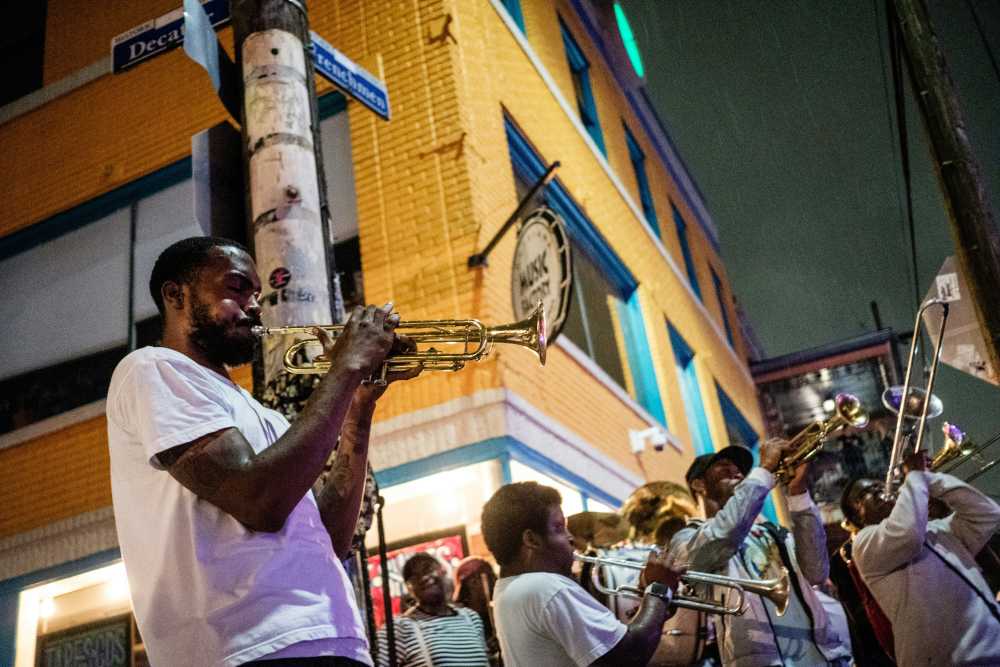
Musical Mashups: Don’t be surprised to hear a brass band break into a funky rendition of "La Bamba" or a local jazz trio improvising over a mariachi standard. Music is the city's lifeblood, and on May 5th, the sounds of Mexico blend seamlessly with the rhythms of the Crescent City, creating spontaneous and joyous street performances that feel both familiar and thrillingly new.
Community-Centric Celebrations: While other cities focus on massive, impersonal festivals, New Orleans excels at the neighborhood level. The celebrations here are often intimate block parties, courtyard gatherings, and food-focused festivals that feel more like a family reunion than a commercial event. This aligns with the city’s deep-seated emphasis on community and shared experience.

This effortless blending of heritage is what makes the city’s take on Cinco de Mayo in America a truly singular experience, turning a national holiday into a distinctly local affair.

Where to Find the Fiesta: A Neighborhood-by-Neighborhood Guide
To truly experience the festive twists of a New Orleans Cinco de Mayo, you need to know where to look. The city’s celebrations are spread across its diverse neighborhoods, each offering a different vibe and flavor.
The Warehouse District: Upscale Fiestas and Craft Cocktails
Known for its sophisticated art galleries, world-class museums, and upscale restaurants, the Warehouse District offers a more polished Cinco de Mayo. Here, renowned chefs craft special prix-fixe menus that elevate traditional Mexican dishes with gourmet ingredients and artistic presentation. The bars in this area focus on high-end agave spirits, offering curated tequila and mezcal flights guided by expert mixologists.
What to Expect: Elegant restaurant parties, inventive craft cocktail specials, and a chic, professional crowd.
Don’t Miss: Look for events at restaurants helmed by James Beard Award-winning chefs, who often use the holiday as an opportunity to showcase their boundary-pushing culinary creativity.
The French Quarter: Historic Charm with a Spicy Kick
While the French Quarter can be tourist-heavy, its historic courtyards and hidden bars provide an enchanting backdrop for Cinco de Mayo. Many of the neighborhood's iconic establishments host lively parties with live music that spills out onto the cobblestone streets. It’s a place where you can sip a handcrafted margarita in a centuries-old courtyard while a Latin band plays just a few feet away, the air thick with history and hibiscus.
What to Expect: Courtyard parties, live Latin music, and a bustling, infectious energy.
Pro-Tip: Seek out restaurants advertising 'Pueblan' specials to honor the holiday's origins, not just generic 'Mexican' deals. This is often a sign of a more thoughtful and authentic celebration.
The Marigny & Bywater: Artsy Block Parties and Local Vibes
For a more bohemian and authentically local experience, head downriver to the Marigny and Bywater. These artsy neighborhoods are famous for their colorful shotgun houses, quirky bars, and fiercely independent spirit. On Cinco de Mayo, this translates into laid-back block parties, pop-up taco stands run by local chefs, and impromptu musical performances on street corners. The vibe is less about spectacle and more about genuine community connection.
What to Expect: Casual block parties, innovative food trucks, local art, and a diverse, eclectic crowd.
Don’t Miss: Keep an eye on social media for announcements of unofficial parties and pop-ups; these are often the most memorable and authentic events of the day.
Mid-City & Uptown: Family-Friendly Festivals and Food Galore
These residential neighborhoods are where you’ll find larger, more family-oriented celebrations. Parks and community centers often host food festivals that blend Mexican heritage with local culture, featuring everything from traditional folk dancers to local school bands. It’s a relaxed and welcoming atmosphere perfect for families or anyone looking to enjoy the culinary side of the holiday without the late-night party scene.
What to Expect: Outdoor food festivals, family activities, and a strong, welcoming community feel.
Don’t Miss: The annual food festivals that bring together dozens of local vendors, offering a chance to sample a wide array of NOLA-Mexican fusion dishes in one place.
The Ultimate NOLA Cinco de Mayo Itinerary: A Step-by-Step Plan
Ready to dive in? Here’s a sample itinerary to help you make the most of your Cinco de Mayo in New Orleans. Just as our [Big Sur Map & Itinerary] helps you navigate the stunning twists and turns of the California coast, this plan will guide you through the festive twists of a Crescent City celebration.
Morning (10:00 AM): A Boozy Brunch with a Twist
Start your day in the Lower Garden District or Uptown at a restaurant known for its creative brunch. Look for spots offering specials like huevos rancheros over a bed of Creole-spiced grits or breakfast tacos filled with smoky andouille sausage. Pair it with a spicy Bloody Maria (made with tequila) to kick off the festivities right.
Afternoon (2:00 PM): Neighborhood Food Festival
Head to Mid-City to explore a local food festival. Spend the afternoon sampling unique creations from various food stalls. This is your chance to try those crawfish enchiladas or boudin-stuffed jalapeños. Enjoy the live music and soak in the relaxed, family-friendly atmosphere.
Evening (6:00 PM): Courtyard Cocktails and Live Music
As the sun begins to set, make your way to the French Quarter. Find a secluded courtyard bar and order a top-shelf margarita or a smoky mezcal old fashioned. Enjoy the sounds of a live Latin guitarist as the historic architecture glows in the warm evening light.
Dinner (8:00 PM): An Elevated Culinary Experience
For dinner, book a table at a renowned Warehouse District restaurant. Indulge in a multi-course tasting menu that reinterprets Mexican classics through a modern, Louisiana lens. This is where the city’s culinary artistry truly shines.
Late Night (10:30 PM): Dance the Night Away
Finish your night on Frenchmen Street in the Marigny. While famous for jazz, many clubs feature Latin bands and DJs for Cinco de Mayo. Join the locals on the dance floor for a high-energy, sweat-soaked end to a perfect day of celebration.

Pro-Level Tips for Celebrating in the Big Easy
To navigate the day like a seasoned local, keep these insider tips in your back pocket.
Navigating the Crowds and Transportation
While not as intense as Mardi Gras, certain areas can get crowded. Rideshares are a great option, but prices may surge during peak hours.
Pro-Tip: The city's streetcar lines are a scenic and practical way to hop between neighborhoods. The iconic St. Charles line is perfect for getting between Uptown and the edge of the French Quarter. Consider buying a Jazzy Pass for unlimited rides.
What to Wear: Festive but Practical
New Orleans in early May is typically warm and humid. Dress in lightweight, breathable fabrics like cotton or linen. While festive attire is encouraged, prioritize comfort, especially your footwear—you’ll be doing a lot of walking. A light rain jacket or poncho is also a wise addition, as brief afternoon showers are common.
Beyond the Margarita: Exploring Agave Spirits
This is your chance to expand your palate beyond the standard lime-and-sugar concoction. Many New Orleans bars have excellent selections of tequila and mezcal. Don’t be afraid to ask the bartender for a recommendation. Try sipping a high-quality añejo tequila neat to appreciate its complex, barrel-aged notes, or explore the earthy, smoky flavors of a small-batch mezcal from Oaxaca.
Safety and Etiquette
As with any large celebration, be mindful of your surroundings and stay aware. Hydrate constantly—alternate alcoholic drinks with water, especially in the Louisiana heat. The spirit of the celebration is one of cultural appreciation, so be respectful. Engage with the history, savor the food, and enjoy the music, but please avoid stereotypical or cartoonish costumes that mock the culture you're there to celebrate.
Your Invitation to a Uniquely American Fiesta
New Orleans has a rare gift for taking a celebration you think you know and showing you a version of it that is deeper, richer, and infinitely more soulful. The city’s take on Cinco de Mayo in America is a perfect example of this magic. It’s a day that honors Mexican heritage not by simple imitation, but by engaging with it in a creative and collaborative cultural dance. It’s a celebration of resilience, flavor, and the joyous, life-affirming spirit that both Mexico and New Orleans share in their very bones.

You now have the insider’s guide to experiencing this one-of-a-kind fiesta. You know the real history behind the holiday, the neighborhoods where the magic happens, and the pro-level tips to navigate the day with ease. You are empowered to step beyond the clichés and discover a celebration that is as unique and unforgettable as the city itself. Go forth, explore the festive twists, and savor every moment of a truly New Orleans Cinco de Mayo.
Don't Miss Out! Subscribe for Exclusive Content
SubscribeComments 0
No comments yet
Be the first to share your experience!
Dont Miss Out! Subscribe for Exclusive Content

San Francisco Cherry Blossoms: A Local's Guide to the Blooms

Halloween SF: Haunts Without Horrors

SF Festivals: 7 Must-See Lineups

Christmas SF: Lights & Wharf Wonders

SF Pride: 6 Route & Party Hacks

Chinese New Year SF: Parade Essentials
Best Family Vacations: 4 Ideas That Are Fun With a Toddler
TrekGuider @trekguider
Feeling the pull for a family adventure but paralyzed by the thought of traveling with a toddler? You’re not alone. Many parents find themselves caught between the deep desire for new memories and the very real fear of meltdowns, jet lag, and logistical chaos. This guide is here to solve that conflict, proving that the best family vacations aren't just possible during the toddler years—they can be truly wonderful.
The internet is filled with horror stories that can make any parent second-guess their plans. The stress is immense, from packing to navigating public spaces with a tiny human whose whims are as unpredictable as the weather. But what if the problem isn’t the toddler, but our definition of a “vacation”? What if we shifted the goal from blissful relaxation to creating a pocket of truly joyful, shared memories within a framework of manageable stress?
This is your new playbook. We’ll move beyond generic lists to give you a system for choosing a trip that matches your family’s unique personality. Drawing inspiration from our comprehensive guide to Family Travel Ideas: The 2026 Guide to Unforgettable Trips, this article drills down into the specific, data-driven strategies that make traveling with toddlers a success.

The Unspoken Rules of Toddler Travel
The term "kid-friendly" is one of the most misleading labels in the travel industry. A destination that’s a thrill ride for a ten-year-old can be a sensory overload nightmare for a two-year-old. A truly "toddler-friendly" vacation must be measured by a more rigorous, operational standard.
After analyzing countless family travel experiences, we’ve identified four pillars that are the primary determinants of a trip’s success. The very best family vacations with toddlers master these principles.
Logistical Simplicity: This is about relentlessly reducing friction. It means favoring destinations with direct flights or manageable driving distances. Every layover, every transfer, is a potential failure point. The goal is to minimize the number of stressful transitions between your front door and your final destination.
Environmental Control: A successful toddler trip creates a safe, contained environment where your child can have a degree of freedom without causing constant parental anxiety. This is why car-free locations, walkable beach towns, and all-inclusive resorts are so popular. They create a "bubble" of safety that allows parents to relax their hyper-vigilance.
Flexible Pacing: The rigid, minute-by-minute itineraries of pre-child travel are a recipe for disaster. A successful toddler vacation is built around the non-negotiable anchors of their day: naps and meals. The best destinations offer low-pressure activities. A beach day can be cut short without a major loss, unlike a day at a theme park with expensive, time-stamped tickets.
Sensory Management: Toddlers are experiencing the world with wide-open senses. While new stimuli are great, overstimulation is the number one trigger for meltdowns. The ideal destination is engaging but not overwhelming. Nature-focused trips and smaller, more relaxed theme parks often hit this sweet spot perfectly.
Four Proven Archetypes for the Best Family Vacations With Toddlers
With this framework in mind, the theoretical becomes practical. Let's move from the "what" to the "where." To combat the classic parental decision fatigue, we’ve categorized the world of toddler-friendly travel into four distinct archetypes, allowing you to quickly identify a style that aligns with your family’s goals.
1. The All-Inclusive Sanctuary: For Parents Craving a True Break
Think of this as the 'total surrender' model—the ultimate choice for parents whose primary goal is to escape the relentless cognitive load of planning, cooking, and cleaning that defines daily life. This is the closest a toddler’s parent can get to a restorative break. For a deeper dive into this option, it's worth reading our guide on Choosing an All-Inclusive Family Resort? Read This First.
Beaches Resorts (Turks & Caicos, Jamaica): The gold standard. They offer childcare for infants and toddlers supervised by certified nannies, providing parents with actual, legitimate downtime. With Sesame Street characters, tot-specific waterparks, and endless food options, it’s an entire ecosystem designed to eliminate stress.
Club Med (Multiple Locations): Known for its family focus, Club Med excels at creating a predictable daily rhythm that toddlers thrive on—breakfast, beach, nap, lunch, pool, dinner. This routine, combined with available childcare, gives parents a perfect blend of family time and personal time.
Woodloch (Pocono Mountains, PA): A fantastic domestic option, this resort is built around "togethering." With all-inclusive meal plans and a staggering array of on-site activities, you never have to get in a car or wonder what to do next. It’s a self-contained world of low-stress fun.
2. The Classic Beach Getaway: For Low-Key, Flexible Fun

A beach vacation remains a top contender for a simple reason: sand and water are the ultimate open-ended toys. A beach day has no rules, no schedule, and no pressure, allowing for maximum flexibility and making it one of the very best family vacations you can take.
San Diego, California: Perhaps the most perfect U.S. city for toddlers. It offers gentle beaches like La Jolla Shores, the world-class San Diego Zoo, and the perfectly-scaled LEGOLAND California. The weather is famously mild year-round, removing another layer of planning stress.
The Florida Gulf Coast (e.g., Rosemary Beach, Siesta Key): This region is known for its calm, warm waters and powder-soft sand. Towns like Rosemary Beach are master-planned for walkability, with stroller-friendly paths connecting everything. You can park your car and live a simple, blissful rhythm of beach, naps, and evening strolls for ice cream.
Outer Banks, North Carolina: For families who prefer the space and control of a rental home, the Outer Banks are ideal. You can set up your own home base, cook familiar meals, and enjoy wide-open, uncrowded beaches where your toddler can run free.
Pro-Tip: When booking a beach rental, use satellite view on a map to check the actual distance from the property to the sand. A "beachfront" listing can sometimes mean a grueling trek over dunes or across a busy road—a deal-breaker with a toddler and gear in tow.
3. The National Park Expedition (Toddler Edition)

Introducing your toddler to the wonders of nature can be incredibly rewarding. The key is to radically adjust expectations. Forget long, strenuous hikes. The goal is to leverage scenic drives and short, paved, stroller-friendly trails to experience the majesty of the parks with minimal strain.
Zion National Park, Utah: Exceptionally well-suited for families. The Pa'rus Trail is a paved, 3.5-mile path that follows the Virgin River and is perfect for strollers. The park's shuttle system makes accessing key areas effortless.
Great Smoky Mountains National Park (TN/NC): A classic choice with strong infrastructure. The Cades Cove Loop Road is a scenic 11-mile drive with fantastic opportunities for spotting wildlife from your car. There are also numerous short, accessible nature trails perfect for little legs.
Acadia National Park, Maine: Offers stunning coastal scenery with manageable effort. The Ocean Path is a relatively flat trail that offers iconic views, and the Jordan Pond Loop is another fantastic, stroller-friendly option. The proximity to the charming town of Bar Harbor means you're never far from a good meal or a comfortable bed.
4. The Low-Key Theme Park Experience: For Managed Excitement

Many parents want to give their kids a theme park experience but are rightly terrified of the cost, crowds, and sensory assault of the mega-parks. These smaller, smarter alternatives deliver the magic without the madness.
LEGOLAND (California, Florida, New York): The undisputed champion for this age group. It is specifically designed for kids ages 2-12, with an entire DUPLO Village for toddlers. It’s consistently praised for being quieter, smaller, and more relaxed than its larger competitors, making it the ideal "starter" theme park.
Sesame Place (San Diego, CA & Langhorne, PA): Leveraging a cast of beloved characters, these parks are a massive hit. They blend gentle rides with fantastic, age-appropriate water park features, offering a full day of excitement in a more contained and focused environment.
Story Land (Glen, NH): A charming, classic theme park where beloved fairy tales come to life. The park is designed for young children, with rides and attractions that are whimsical rather than over-the-top, creating a magical but manageable experience.
Want to Make Flying With Your Toddler a Breeze?
The thought of a long flight can be the most stressful part of planning. Our free, printable guide is packed with expert tips, checklists, and sanity-saving strategies to make your travel day smooth and meltdown-free. Download the Stress-Free Flying with Kids Guide and fly with confidence.
The Savvy Parent's Logistics Toolkit
A smooth trip is built on a foundation of careful planning. Mastering the practical details is what separates a stressful ordeal from an enjoyable adventure.
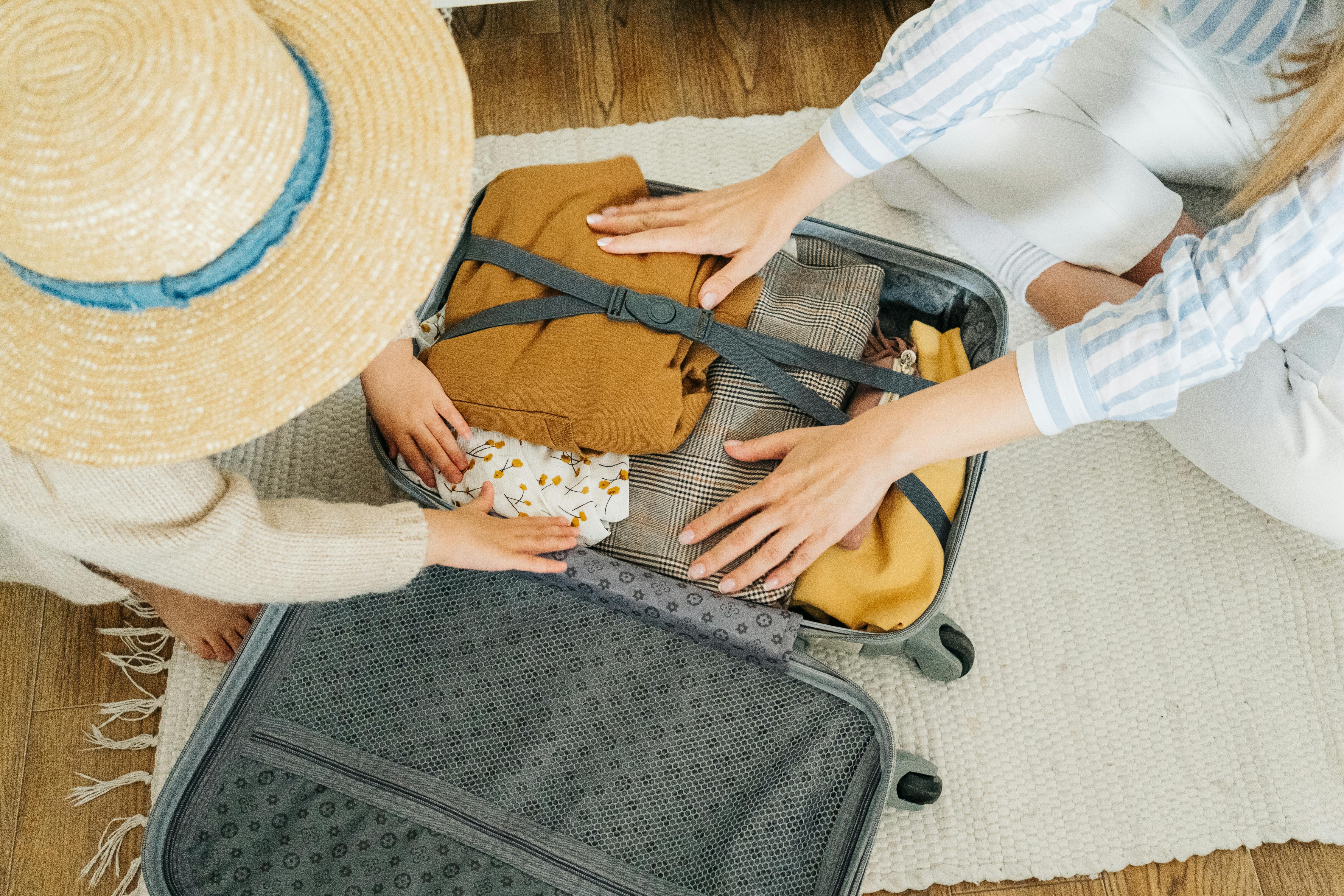
The Ultimate Toddler Vacation Packing System

This isn't just a list; it's a strategic system. Pack by category to ensure nothing essential is forgotten. To keep your days organized, you can also download our free Travel Itinerary Template.
Sleep & Comfort
Portable Crib/Pack-n-Play (unless confirmed by accommodation)
Slumber Pod or similar blackout solution (a game-changer for room sharing)
White Noise Machine
Familiar sheets and a favorite "lovey" or stuffed animal
Baby Monitor
Feeding & Mealtime
An abundance of familiar, non-perishable snacks
Spill-proof sippy cups and a portable water bottle
Toddler utensils and a travel-friendly plate/bowl
Wipeable bibs
Travel high chair or booster seat
Health & Safety
Comprehensive First-Aid Kit (Children's Tylenol/Motrin, thermometer, bandages, etc.)
All prescription medications
Toddler-safe sunscreen and bug spray
Diapering supplies (pack more than you think you need)
Small bag of child-proofing supplies (outlet covers) and a small roll of painter's tape for on-the-fly fixes.
Gear & Entertainment
FAA-approved Car Seat and padded travel bag for gate-checking
Lightweight travel stroller
Baby carrier or hiking backpack carrier
Tablet pre-loaded with shows and games (and volume-limiting headphones)
A bag of new, inexpensive "surprise" toys and mess-free activities (Water Wow!, sticker books)
Pro-Tip: The gate-check tag for your stroller or car seat is your best friend. Get it as soon as you arrive at the gate. On a full flight, overhead bin space disappears fast; waiting until the last minute to get your gear tagged risks having to check it with regular luggage, where it's more likely to be damaged.
The Lodging Debate: Hotel Suite vs. Vacation Rental
This is one of the most critical decisions you'll make, reflecting your core vacation philosophy.
Team Hotel/Resort: Choose this if your primary goal is parental relaxation. The biggest advantages are daily housekeeping (no cleaning!), room service, and on-site amenities like pools and restaurants. The major downside is often being confined to a single dark room after your toddler goes to bed at 7:30 PM. The Fix: Book a suite with a separate living area or adjoining rooms if the budget allows.
Team Airbnb/Vacation Rental: Choose this if your primary goal is maintaining routine and control. The biggest advantages are a separate bedroom for the child (giving parents their evenings back), a full kitchen for preparing familiar meals, and a laundry machine. The downside is that you’re still responsible for cooking and cleaning. The Trade-off: Plan for simple meals and accept that the space will get a little messy. The freedom you gain is often worth it.
Frequently Asked Questions
What is the best age to travel with a toddler?
There's no single "best" age, as success depends more on strategy than the child's exact age. The key is choosing a destination that aligns with their developmental stage by focusing on logistical simplicity, flexible pacing, and avoiding overstimulation, which this guide helps you do.
How can I make flying with a toddler easier?
Preparation is everything. Pack a bag of new, engaging toys, bring more snacks than you think you'll need, and use a tablet with headphones for screen time. For a complete strategy, download our [Stress-Free Flying with Kids Guide] to cover all your bases from check-in to landing.
Are all-inclusive resorts a good option for toddlers?
Yes, they can be fantastic. All-inclusive resorts excel at creating a controlled, safe environment that minimizes planning and stress for parents. With kids' clubs, endless food options, and on-site activities, they allow parents a rare chance to relax while ensuring the toddler's needs are met.
Your Adventure Awaits
Finding the best family vacations with a toddler is entirely possible when you approach it with the right mindset and strategy. It begins by letting go of pre-child expectations and embracing a new goal: creating joyful, shared experiences within a framework of manageable logistics.
By thoughtfully choosing a destination archetype that aligns with your family’s unique needs—whether it's the effortless escape of an all-inclusive resort or the flexible fun of a classic beach getaway—you set the stage for success. Mastering the details of packing and lodging removes the friction that leads to stress, allowing you to focus on what truly matters.
This proactive approach transforms planning into an act of empowerment. You are not just booking a trip; you are architecting an experience for memories that will last a lifetime. The challenges of this age are temporary, but the joy of watching your child discover the world is permanent.
Don't Miss Out! Subscribe for Exclusive Content
SubscribeComments 0
No comments yet
Be the first to share your experience!
Dont Miss Out! Subscribe for Exclusive Content

Ultimate USA Holidays Guide: Top Picks

FTC Affiliate Disclosure Essentials: Stay Compliant as a Travel Creator

Essential Affiliate Tools: From Tracking to Full Optimization

Booking.com Affiliate Program Review: Pros, Cons, and Earnings Potential

Decoding Affiliate Commission Rates: Benchmarks for Travel Creators
