NYE Times Square: How to Survive Crowds

TrekGuider @trekguider
The image is seared into our collective consciousness: a million smiling faces turned upward, a cascade of confetti, and the glittering descent of the Waterford Crystal ball marking the start of a new year. Experiencing New York's Eve Times Square is a bucket-list dream for travelers worldwide. But behind that minute of pure magic lies a grueling, 12-hour urban endurance test. The reality is a battle against massive crowds, freezing temperatures, and a complete lack of basic amenities. Without a solid strategy, your once-in-a-lifetime dream can quickly devolve into a miserable, claustrophobic nightmare, leaving you with nothing but cold feet and regret.
You’ve seen the celebration on TV, but you haven’t seen the real story: the hours spent standing in a single spot, the desperate need for a bathroom that doesn’t exist, and the crushing disappointment of arriving too late only to have your view blocked by a skyscraper. This isn’t just a party; it’s a logistical gauntlet. But what if you could walk into that chaos armed with the knowledge of a seasoned local? What if you knew exactly when to arrive, what to bring, and how to navigate the human labyrinth to secure a prime spot?
Consider this your definitive survival guide. We’re cutting through the noise to give you the actionable, step-by-step playbook required to not just survive the chaos, but to conquer it and forge an unforgettable memory. This single event is the crown jewel of the city's festive calendar, a spectacle we put into context in our complete guide to [New York Holidays: 10 Must-Do Events]. Now, let's master the art of the ball drop.

The Gauntlet Defined: What to Really Expect on New Year's Eve Times Square
Before you even think about your outfit, you need a crystal-clear understanding of the environment you’re about to enter. The Times Square ball drop is one of the most heavily secured and controlled public events on the planet. Forget a casual, free-flowing party; this is a highly structured affair managed by the New York City Police Department (NYPD).
The entire area, from 42nd Street to 47th Street between Broadway and 7th Avenue, is sectioned off into a series of viewing pens. Think of them as metal-barricaded corrals. Once the NYPD deems a pen full, they close it for good. You cannot move between pens, and crucially, if you leave your pen for any reason—food, bathroom, a moment of fresh air—you will not be allowed back in. There is no re-entry.
Here’s a breakdown of the harsh realities:
The Timeline is Brutal: Streets in and around Times Square begin closing in the early afternoon. To get a decent viewing spot, the official recommendation is to arrive by 3:00 PM. That means you’ll be standing in your designated spot for at least nine hours until the ball drops at midnight.
Zero Public Bathrooms: This is the single most challenging aspect for most attendees. There are absolutely no public restrooms or portable toilets available within the viewing areas. Once you are in a pen, you have no options. This requires careful planning regarding your food and drink intake.
Security is Absolute: You will pass through a security screening to enter the viewing areas. Security is absolute, a high-tech fortress of surveillance that includes everything from drones overhead to NYPD scuba divers in the nearby waters. All bags will be checked, and there is a long list of prohibited items.
The Weather is Unforgiving: Late December in New York City is predictably cold. Temperatures often dip below freezing, and wind chill can make it feel even colder as it funnels between the skyscrapers. You will be exposed to the elements for the entire duration.
Knowing these truths isn't meant to discourage you, but to prepare you. Success on New Year's Eve Times Square is 90% preparation and 10% endurance.
The Strategic Arrival: Your Step-by-Step Game Plan
Your experience will be made or broken in the first few hours. A well-executed arrival strategy is the difference between a prime view of the ball drop and being stuck blocks away staring at the back of a building.
When to Arrive: The 3 PM Deadline is Non-Negotiable
The official guidance confirms what veterans know: arriving by 3:00 PM is essential. For the upcoming celebration on Wednesday, December 31, 2025, you should treat this as your final deadline. The pens closest to One Times Square (where the ball descends) fill up the fastest. The NYPD systematically fills the area, starting from the south at 42nd Street and moving north. If you arrive at 5:00 PM or 6:00 PM, you will likely end up miles away, with your only view of the event coming from a distant Jumbotron. Arriving early doesn't just get you a better view; it guarantees you get a view at all.
Where to Enter: Navigating the Frozen Zones
As streets close, navigating Midtown Manhattan becomes a confusing maze. Driving is impossible. Your only viable option is public transportation.
Take the Subway: The New York City subway system is your best friend. However, the Times Sq-42nd St station will be chaos, with many exits likely closed or designated for egress only.
Aim for Peripheral Stations: Instead of heading directly to Times Square, get off at a station a few blocks away and walk. Good options include:
Rockefeller Center (B, D, F, M lines): Walk south and west.
49th Street (N, Q, R, W lines): This is close, so be prepared for crowds.
50th Street (C, E lines): Walk east.
Follow NYPD Instructions: As you approach the secured zone, you will see barricades and police officers. They will direct you to official entry points, which are typically located on 6th Avenue and 8th Avenue. Be polite, listen to their instructions, and be prepared for a slow, shuffling walk to the screening areas.
The Art of the "Pen": Securing Your Viewing Spot
Once you’re through security, you’ll be herded into one of the viewing pens. You won't have much choice in the matter, as officers fill them sequentially. However, the goal is to get into a pen with a direct line of sight to the One Times Square building. This is where the ball is. A spot further north on Broadway or 7th Avenue is generally better than being shunted off to a side street. Once you’re in, stake out a small piece of territory with your group and prepare to settle in for the long haul.

The Ultimate Survival Kit: What to Pack (and What to Leave Behind)
Packing for this event is like preparing for a winter camping trip in the middle of a city. You need to be strategic, minimalist, and focused on warmth and sustenance.
Essential Gear for the Urban Tundra
Everything you bring must be carried on your person. Think pockets, not bags.
Extreme Winter Wear: This is not the time for fashion. Dress in warm, waterproof layers.
Base Layer: Thermal, moisture-wicking underwear (top and bottom).
Mid Layer: Fleece or a down vest.
Outer Layer: A heavy, insulated, and waterproof winter coat.
Accessories: A warm hat that covers your ears, a scarf or neck gaiter, insulated gloves, and thick wool socks are all non-negotiable.
Hand and Foot Warmers: These small, air-activated heat packs are a game-changer. Bring several pairs and activate a new set every few hours to keep your extremities from freezing.
Food and Water: Pack high-energy, easy-to-eat snacks like protein bars, nuts, and chocolate. Bring your own water in a plastic bottle. Avoid caffeine and other diuretics for obvious reasons.
Portable Phone Charger: Your phone battery will drain quickly in the cold. A fully charged power bank is essential for communication and capturing the midnight moment.
Simple Entertainment: A book, a deck of cards, or downloaded podcasts can help pass the time.

Pro-Tip: Pack a few large, empty plastic water bottles with secure caps. While it’s not glamorous, they can serve as a last-resort emergency "bathroom" for men and a more challenging but still possible option for women, a well-known but unspoken hack for veterans of the event.
The Forbidden List: Items That Will Get You Turned Away
The NYPD is extremely strict about what is allowed into the viewing areas. Bringing any of these items will result in them being confiscated, or you being denied entry.
Backpacks, Large Purses, or Any Large Bags: This is the most common mistake. You will be turned away. Use your pockets.
Alcohol: Absolutely forbidden.
Umbrellas: They block the view for others and are considered a security risk. Wear a waterproof coat with a hood instead.
Strollers: While not always explicitly banned, navigating the dense crowds with a stroller is practically impossible and unsafe.
Coolers, Chairs, or Blankets: There is simply no room for these items.
Mastering the Marathon: How to Endure the 9-Hour Wait
The wait is a mental and physical challenge. Success lies in conserving energy, staying warm, and keeping your spirits up.
Fueling Your Body: The Right Way to Eat and Drink
Your strategy for consumption should be carefully managed. Eat a large, hearty meal before you leave for Times Square. A meal rich in protein and complex carbs will provide sustained energy. Once you are in your pen, ration your snacks. The goal is to keep your energy levels stable without over-consuming liquids. Sip your water slowly and methodically throughout the evening. This isn't the time to chug a whole bottle.
Staying Sane: Entertainment and Mental Fortitude
The nine-hour wait can be tedious. Keeping morale high, especially in a group, is a skill unto itself. It requires patience and planning—the same principles that make any challenging journey a success. For a deeper dive into managing group dynamics and keeping everyone happy during long waits, our [Stress-Free Flying with Kids Guide] offers timeless strategies that work just as well on the ground in Times Square as they do at 30,000 feet.
Here’s how to manage the wait:
Befriend Your Neighbors: You’ll be standing shoulder-to-shoulder with the same people for hours. Strike up a conversation! Sharing stories with people from around the world is one of the most unique parts of the experience.
Enjoy the Show: The Times Square Alliance puts on a live show starting around 6:00 PM. There are musical performances, celebrity appearances, and hourly countdowns that help break up the monotony.
Stay Active (in Place): Do small exercises to keep your blood flowing. Wiggle your toes, shift your weight from foot to foot, and do small leg stretches. This will help prevent stiffness and keep you warmer.

The Grand Finale and The Great Escape
After hours of waiting, the final moments are a whirlwind of excitement. But your strategic planning doesn’t end when the ball drops.
The Ball Drop: Savoring the Moment
At 11:59 PM, the 12,000-pound geodesic sphere begins its 60-second descent. The energy of the crowd is electric. This is the moment you’ve been waiting for. Put your phone away for a few seconds and be fully present. Absorb the sounds, the sights, and the feeling of shared celebration with a million other people. The confetti drop, the cheering, the fireworks—it’s a truly magical experience that justifies the entire ordeal.

Post-Midnight Exodus: Navigating the Human River
Once the celebration peaks, the next challenge begins: the exit. A million people will be trying to leave a very small area at the exact same time.
Do Not Rush: The biggest mistake is trying to push your way out immediately. The initial surge is dangerous and stressful. Be patient. Wait 15-20 minutes in your spot for the thickest crowds to begin to disperse.
Have a Predetermined Exit Route: Before you even arrive, decide which direction you will walk. Do not just follow the herd. Plan to walk at least 10-15 blocks away from Times Square before even attempting to find a subway or hail a rideshare.
Avoid the Main Subway Hubs: The Times Sq-42nd St station will be dangerously overcrowded. Walk further to a less central station to begin your journey home.
Pro-Tip: Pre-book a table at a restaurant or bar a 15-20 minute walk away from Times Square for 12:45 AM. This gives you a warm place to decompress, use a real bathroom, and have a proper celebratory drink while the worst of the crowds clear out.
Your Unforgettable New Year's Eve Awaits
Attending the New Year's Eve Times Square ball drop is not for the faint of heart. It is an intense, demanding, and often uncomfortable experience. But by following this guide, you are no longer just a hopeful tourist; you are a prepared strategist. You have the expert-level knowledge to navigate the chaos, endure the wait, and place yourself in the perfect position to witness one of the world's most iconic celebrations. The cold, the crowds, and the long hours will fade into the background, replaced by the unforgettable memory of counting down to a new year in the heart of the world.
You've conquered the ultimate urban challenge. To discover what other incredible adventures await you in the city and beyond, our comprehensive [Travel Guide] is the only resource you'll need. It’s your all-access pass to mastering travel like a pro.
Meta Data Suggestions:
SEO Meta Title: NYE Times Square Survival Guide: Beat The Crowds & See The Ball
URL Slug: /nye-times-square-crowds-survival-guide
SEO Meta Description: A complete guide to surviving New Year's Eve in Times Square. Learn when to arrive, what to pack, and how to get the best view of the ball drop.
Don't Miss Out! Subscribe for Exclusive Content
Subscribe



Comments 0
No comments yet
Be the first to share your experience!
Dont Miss Out! Subscribe for Exclusive Content

San Francisco Cherry Blossoms: A Local's Guide to the Blooms


Halloween SF: Haunts Without Horrors

SF Festivals: 7 Must-See Lineups

Christmas SF: Lights & Wharf Wonders

SF Pride: 6 Route & Party Hacks

Chinese New Year SF: Parade Essentials
A Woman's Guide to Safe Travel: 10 Critical Tips
TrekGuider @trekguider
The desire to see the world is a powerful, universal calling. It’s a yearning for new horizons, different cultures, and the thrill of discovery. But for women, this excitement is often tangled with a unique and persistent thread of concern. The questions are constant and valid: Will I be safe? How will I be treated? How do I handle unwanted attention? This undercurrent of anxiety is the problem—it threatens to shrink your map, limit your experiences, and steal the spontaneous joy that travel is supposed to ignite.
This fear is agitated by vague warnings from well-meaning friends and family. You’re told to "be careful" but rarely taught how to be confident. You’re handed a list of places to avoid instead of a set of skills to navigate any place on Earth. This narrative can make you feel like a potential victim rather than the powerful, capable explorer you are. It’s time to change that story. This guide is your solution, a definitive playbook for empowerment. It’s not a list of restrictions; it’s a masterclass in preparation, cultural fluency, and unshakeable self-assurance. We’ve synthesized insights from security experts, cultural specialists, and veteran female travelers to bring you 10 critical tips for women's travel safety. These strategies are a vital part of the holistic approach to preparedness we champion in our [The Ultimate Guide to Travel Safety: A 2026 Playbook]. Let’s begin.

The Foundation: Mindset, Research, and Preparation
True safety isn't a reaction; it's a foundation you build long before you leave home. It’s about cultivating a mindset of proactive awareness and arming yourself with knowledge. These foundational principles transform you from a tourist into a savvy, self-assured traveler.
Tip 1: Master the Art of Proactive Research
Going beyond booking flights and hotels is the first step in empowered travel. Your research needs to include a deep dive into the cultural norms and expectations for women in your destination. This isn't about judging a culture; it's about understanding it so you can navigate it respectfully and safely.
Middle East & North Africa: In many conservative countries, modesty is paramount. Research the local expectation for dress, which often means covering your shoulders, cleavage, and knees with loose-fitting clothing. Carrying a lightweight scarf is always a smart move, as it's required for entering mosques and can be used to show respect in more traditional areas.
India: While dress codes are relaxing in major cities, modesty is still advisable, especially in rural areas and at religious sites. Public displays of affection are generally frowned upon and can draw unwanted attention.
Japan & parts of Southeast Asia: In cultures that value public harmony, like Japan's, loud conversations on trains or buses are considered rude. In Thailand, the head is sacred; never touch someone's head. Conversely, feet are considered lowly, so avoid pointing them at people or religious icons.
Latin America: Personal space is generally much smaller than in other cultures. People stand closer when talking, and greetings often involve a kiss on the cheek. Knowing this can prevent you from misinterpreting a normal social custom as an invasion of your space.
This research isn't about limiting your freedom. It's about gaining cultural fluency, which allows you to move with more confidence and less friction.
Tip 2: Project Unshakeable Confidence (Even When Faking It)
Your body language is your first and most powerful line of defense. Potential harassers and scammers are opportunistic; they look for people who seem lost, timid, or distracted. Your goal is to project an aura of confidence and awareness that makes you a "hard target."
Walk with Purpose: Move with a steady, determined pace, as if you know exactly where you're going—even if you're just exploring.
Keep Your Head Up: Avoid looking down at your phone or the ground. Keep your head on a swivel, actively scanning your environment and making brief, deliberate eye contact with those around you.
Maintain Assertive Posture: Stand tall with your shoulders back. This non-verbally communicates that you are aware, present, and not an easy target.
Even if you're feeling nervous or lost on the inside, projecting confidence on the outside is a powerful deterrent. If you need to check a map, step into a café or shop to do so discreetly.
Tip 3: Trust Your Intuition—It’s Your Superpower
Psychologists and security experts agree: that "gut feeling" is a legitimate and powerful threat-detection tool. It's your subconscious mind processing thousands of subtle environmental and behavioral cues that something is "off" long before your conscious mind can articulate why.
If a person, a street, or a situation feels wrong, it is wrong for you.
Do not dismiss that feeling. Do not worry about being "rude" or overreacting. Your safety is more important than anyone else's opinion. Treat your intuition as an infallible guide. If a conversation makes you uncomfortable, end it and walk away. If a street looks sketchy, turn around and take a different route. If the friendly stranger inviting you for tea seems too good to be true, he is. Leave immediately, without hesitation or apology.

Your Digital and Social Safety Net for Women's Travel Safety
In today's world, you are never truly alone unless you choose to be. Technology and global communities have created a powerful safety net that you can, and should, leverage on every trip. Setting this up before you go is one of the most important aspects of modern women's travel safety.
Tip 4: Join a Sisterhood: Leverage Female Travel Networks
The beautiful truth of modern travel is that the shared experience of women has forged an incredible global sisterhood. Tapping into this collective wisdom before and during your trip is like having thousands of savvy, experienced friends on speed dial.
The Solo Female Traveler Network (SoFe): One of the largest and most active communities, SoFe's Facebook groups are a treasure trove of real-time advice, support, and meetup opportunities. Its mission is to empower women to travel solo with confidence.
Wanderful: This global "travel sisterhood" connects women through online networks, local chapters with in-person events, and group trips. Their focus is on building an inclusive and supportive ecosystem for all female travelers.
Host A Sister: This highly-engaged Facebook group operates on a principle of cultural exchange, allowing women to find or offer safe accommodation with other women around the world. It's a powerful tool for finding trusted lodging and making authentic connections.
On the TrekGuider platform, you can explore our Catalog of Authors to discover and follow trusted female travel creators, accessing their expert guides and articles all in one place.
Tip 5: Share Your Itinerary and Use Safety Apps
Always leave a copy of your detailed itinerary with a trusted friend or family member back home. This should include flight numbers, accommodation addresses and phone numbers, and a general outline of your plans. Establish a check-in schedule—a quick text or email each morning—so they know when to worry and when not to.
Amplify this with technology. Use a personal safety app like bSafe, which can share your GPS location with "Guardians" in real-time, activate a voice-command SOS alarm, and even live-stream and record video during an emergency. Other highly-rated options include Noonlight, which connects you to professional emergency dispatchers, and Life360, which is excellent for private location sharing with a trusted circle.
Pro-Tip: Before you leave, create a "digital decoy." On a secure cloud drive, keep encrypted copies of your passport, visa, and credit cards. On your phone's notes app, create a fake list of passwords (e.g., "Email: 12345678," "Bank: password123"). In the unlikely event you are ever forced to hand over your phone and passwords, you can provide the useless decoy list while your real information remains secure.
Your Ultimate Solo Travel Playbook
Ready to take your preparedness to the next level? For a deep dive into cultural etiquette, responding to harassment, and strategies for building unshakeable confidence, you need our comprehensive playbook. It's the ultimate resource for any woman dreaming of exploring the world on her own terms.
Download your free [Solo Female Travel Safety Guide] now!
In the Field: Street Smarts and Cultural Fluency
Once you're on the ground, your preparation meets reality. This is where your research, mindset, and social savviness come together to create a seamless and safe experience.
Tip 6: Dress to Blend, Not to Brand
Your clothing is your most immediate form of non-verbal communication. While you should always express yourself, making strategic wardrobe choices is a key tool for blending in and deterring unwanted attention. Observe what local women are wearing—not just other tourists—and aim for a similar level of modesty and formality. In many cultures, this simple act of respect can dramatically reduce the amount of attention you receive.

Tip 7: Master Your "De-escalation Script" for Harassment
Street harassment is an unfortunate reality in many parts of the world. The key to handling it is to have a pre-planned response so you don't freeze in the moment. Experts recommend a tiered approach:
Ignore First: Often, a harasser's goal is to get a reaction. The safest and most effective initial response is to not engage. Avoid eye contact, do not respond verbally, and continue walking with purpose as if you heard nothing.
Get Loud and Firm: If ignoring doesn't work and the person becomes persistent, use a strong, firm voice and assertive body language. Say a clear, simple command like "Stop," "Go away," or "Leave me alone." Learning this phrase in the local language is incredibly effective.
Move to a Safe Place: Your priority is to remove yourself from the situation. Walk directly into a public, populated place like a shop, a café, or a hotel lobby. If you feel you are being followed, do not lead them back to your own hotel.
Tip 8: Understand Local Interaction Norms
Knowing the local customs for social interaction is critical for avoiding misunderstandings that could compromise your safety. As mentioned in Tip 1, different cultures have vastly different norms. In the Middle East, a woman should typically wait for a man to extend his hand before offering a handshake; a hand over the heart is a respectful alternative. In Latin America, standing very close while talking is normal. Understanding these nuances prevents you from misinterpreting friendliness as aggression or vice-versa.
Smart Choices for Accommodation and Transport
Where you sleep and how you get there are two of the most important safety decisions you'll make every day.
Tip 9: Choose Your Accommodation Wisely
Your hotel or rental is your sanctuary. Protect it. When booking, read reviews specifically from other solo female travelers—they will often highlight safety aspects others might overlook. Consider accommodations with 24-hour reception, interior corridors (rather than motel-style doors that open to the outside), and positive reviews about staff helpfulness. Female-only hostel dorms are also an excellent and secure option.

Tip 10: Be Strategic About Transportation
Arriving in a new city late at night can be disorienting and put you in a vulnerable position. Try to schedule flights that land during the day. Before you arrive, research the safest way to get from the airport to your accommodation and pre-book with a reputable company if possible. When using taxis or ride-shares, always perform a safety check. Match the license plate and driver with the app, and never get in if they don't match.
Pro-Tip: When you get in a taxi or ride-share, start a real or fake phone call. Say loudly and clearly, "Hi, I'm in the car now. The license plate is [read the plate number]. I'll be there in about 20 minutes, you can track my ride on the app. See you soon!" This immediately informs the driver that you are being monitored, which can be a powerful deterrent to any wrongdoing.
Women's Travel Safety FAQ
A prepared mind is a safe mind. Here are expert answers to common questions.
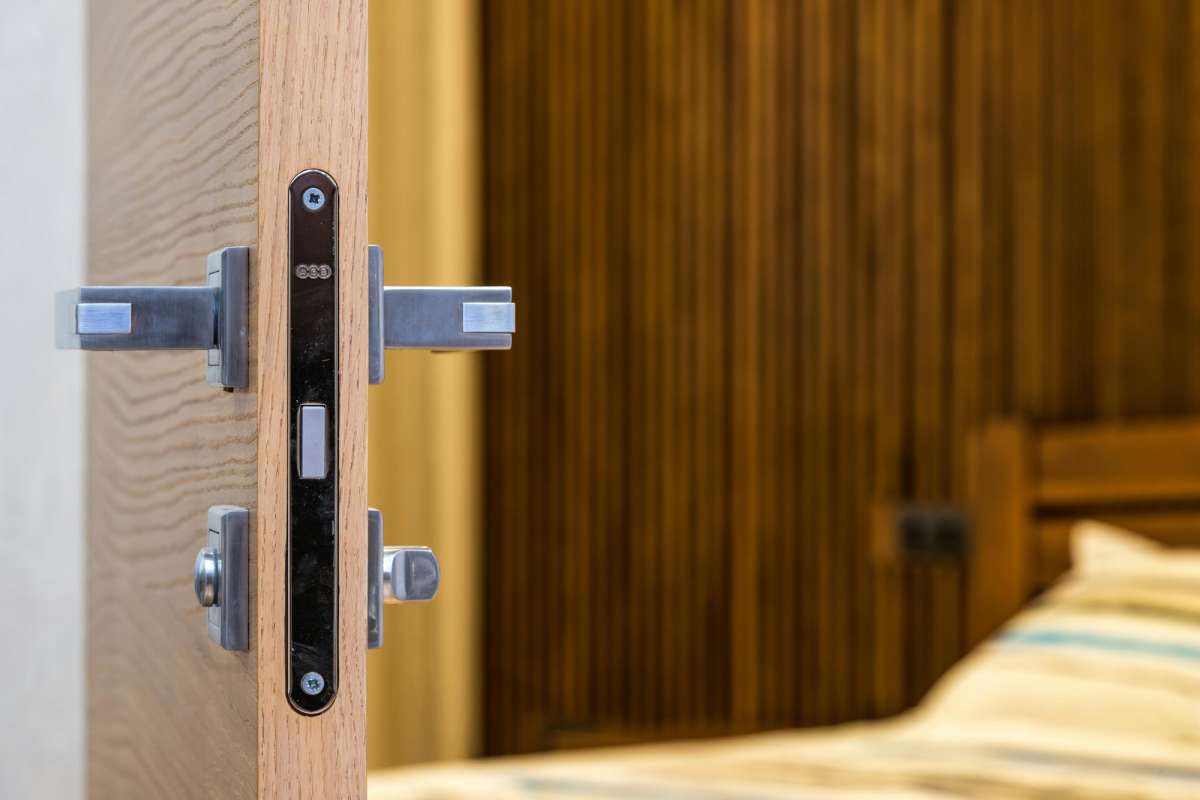
1. What's the best response if I'm approached by "fake police"?
This is a common scam where criminals impersonate officers to demand an on-the-spot "fine." Real police will not demand cash. Remain calm and never hand over your wallet or passport. State firmly and politely, "I understand. I am happy to go with you to the official police station to handle this." This will almost always cause the scammers to back down.
2. Is it safe to wear jewelry when traveling?
It's generally wise to leave expensive or sentimental jewelry at home. Flashy items can attract unwanted attention and make you a target for theft. A simple wedding band is usually fine, but consider leaving valuable engagement rings or designer watches in a safe place. The goal is to blend in, not to stand out.
3. I'm worried about being scammed. What's a good general rule?
Trust your skepticism. Many scams work by exploiting your politeness or greed. The "found ring" scam, for example, preys on your desire for a deal. A universal rule is to be wary of any unsolicited help or offers from strangers, no matter how friendly they seem. A firm, polite "No, thank you" while walking away is your best defense against most ploys.
Travel with Empowered Confidence
The goal of women's travel safety is not to build a fortress of fear that separates you from the world. It is to build a foundation of knowledge that gives you the freedom to engage with the world fully and fearlessly. By mastering research, cultivating confidence, leveraging your community, and practicing situational awareness, you are not just keeping yourself safe—you are taking control of your journey. You are proving that a woman's place is wherever she wants it to be. The world is waiting. You are capable, you are strong, and now, you are prepared.
For a complete master plan covering every aspect of your journey—from health and financial safety to packing and logistics—our all-encompassing [Travel Guide] is the only resource you'll ever need.

Meta Data Suggestions:
SEO Meta Title (58 characters): A Woman's Guide to Safe Travel: 10 Critical Tips (2026)
URL Slug: womens-travel-safety-tips
SEO Meta Description (154 characters): Empower your journey with 10 critical women's travel safety tips. Learn how to navigate cultures, respond to harassment, and travel solo with confidence.
Don't Miss Out! Subscribe for Exclusive Content
SubscribeComments 0
No comments yet
Be the first to share your experience!
Dont Miss Out! Subscribe for Exclusive Content

How to Avoid Travel Scams: A Global Guide

Is Public WiFi Safe? How to Protect Your Data Abroad

7 Hotel Safety & Security Tips for Peace of Mind

9 Beach Safety Tips That Could Save Your Life

How to Stay Safe While Hiking: A Hiker's Safety Guide

7 Travel Insurance Red Flags to Spot Before You Buy
How to Travel Europe Alone: A 2026 First-Timer's Guide
TrekGuider @trekguider
You see the photos and you feel the pull. The ancient stones of the Colosseum bathed in golden light, the staggering peaks of the Swiss Alps, the charming canals of Amsterdam—a European adventure calls to you. But a shadow of apprehension quickly follows. The thought of navigating this vast, diverse continent entirely on your own feels overwhelming, even paralyzing. How do you even begin to compare a Eurail pass to a budget flight? How do you stay safe from the sophisticated tourist scams you’ve heard about in crowded piazzas? The logistical and safety concerns can feel like an insurmountable mountain, turning a lifelong dream into a source of anxiety.

This guide is your step-by-step plan to conquer that mountain. It is the definitive, practical blueprint for your first solo female travel Europe adventure, designed to replace abstract fear with concrete knowledge and confident action. This isn't just about seeing Europe; it's about discovering your own capability. For a complete overview of a solo traveler's journey, be sure to read our comprehensive pillar article, [The Ultimate Guide to Solo Female Travel (15 Essential Tips)].
Why Europe is the Perfect Stage for Your First Solo Trip
Before we dive into the logistics, let's establish why Europe is arguably the best destination on earth for a first-time solo traveler. Think about it: where else on Earth can you find such an unparalleled density of cultures, languages, and histories packed into a single, navigable continent? You can have breakfast with Belgian waffles in Brussels, lunch beneath the Eiffel Tower in Paris, and a late-night pasta in Lyon—all in a single day, if you’re ambitious.
More importantly, the tourist infrastructure is second to none. Reliable and extensive public transportation, a wide range of accommodation from social hostels to private hotels, and the widespread use of English in major hubs significantly lower the barrier to entry. Furthermore, numerous European countries consistently rank among the safest and most peaceful in the world. The 2025 Global Peace Index, for instance, lists countries like Iceland, Ireland, Portugal, and Slovenia in its top tiers, making them outstanding choices for building your solo travel confidence.

Conquering the Continent: A First-Timer's Guide to European Transport
Your biggest logistical decision will be how to move between cities and countries. Europe offers a fantastic array of options, each with a distinct balance of cost, speed, and experience. Your choice will define the rhythm of your trip.
Pro-Tip: Don't commit to a single mode of transport for your entire trip. The savviest travelers use a hybrid approach. Use budget airlines for long-haul jumps across the continent, scenic trains for shorter regional travel where the journey is the destination, and buses for budget-friendly hops between nearby cities.
Nailing your transportation strategy is the first step to unlocking the continent. Now, let’s talk about the fuel for your adventure: your budget. For a solo traveler, who bears the full cost of every room and ride, this is where savvy planning truly pays off.
Smart Budgeting for Solo Female Travel Europe: West vs. East
The single most important factor influencing your budget in Europe is geography. A week in Western Europe can easily cost double what you’d spend in the East, and understanding this allows you to craft an itinerary that matches your bank account.
The Paris vs. Prague Paradigm: A Tale of Two Budgets
To understand this disparity, let’s compare the approximate daily costs for a "Budget Soloist" in two iconic capitals, based on data synthesized from cost-of-living aggregator sites.
Accommodation: This is the biggest driver of cost. A bed in a well-rated hostel dorm in Prague might cost you €25. In Paris, a similar dorm will likely start at €50.
Food: A hearty, traditional sit-down dinner in Prague can be found for €10-€15. A comparable meal in a Parisian bistro could easily be €25-€35.
Daily Total: When you add in local transport and activities, a budget-conscious solo traveler could comfortably explore Prague on around €65 per day. To maintain a similar travel style in Paris, you would need to budget at least €115 per day.
This doesn't mean you should skip Western Europe. It means you should plan for it. You can balance your overall trip budget by spending more time in affordable countries like Poland, Hungary, and the Czech Republic, and shorter, more focused time in more expensive destinations like France, Switzerland, and the UK.
Your Pre-Departure Blueprint
Feeling organized is the first step to feeling confident. A detailed checklist ensures you don't miss a single crucial step, from visa applications to travel insurance. Download our free, comprehensive [International Travel Checklist] to start your planning process with total clarity.
Your Tactical Safety Guide to Europe
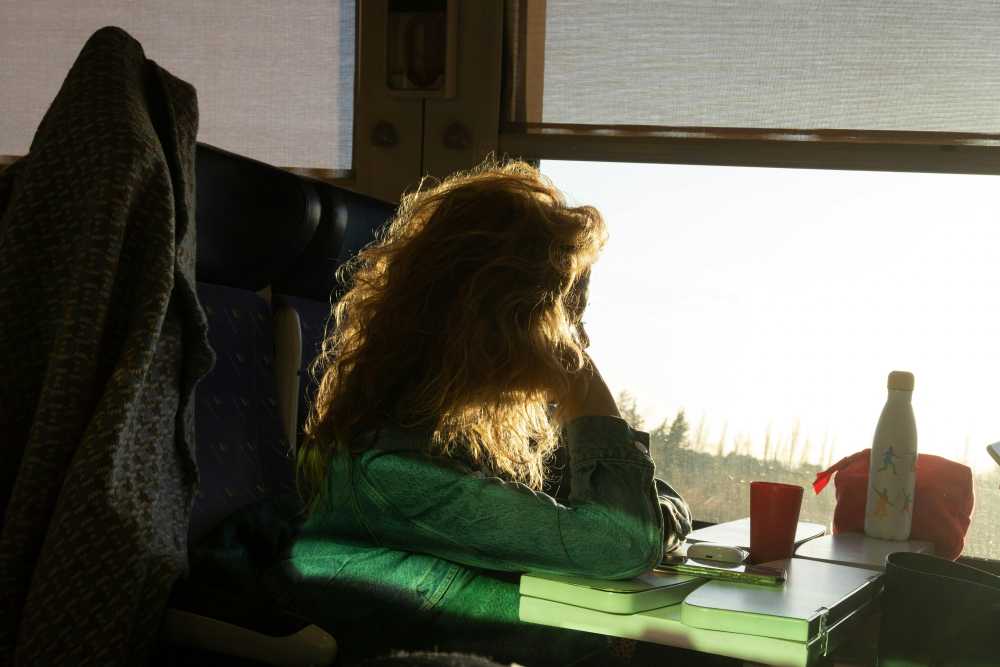
While Europe is generally very safe, its popular tourist hubs are magnets for petty crime and sophisticated scams. Your best defense is awareness. While a significant 66% of women who travel solo report worrying about their personal safety, data from recent surveys paints a more empowering picture. While 25% have found themselves in a situation they perceived as dangerous, a mere 1% were the victim of a crime. This shows that women are overwhelmingly successful at navigating the world safely. The key is trading abstract fear for concrete knowledge. This is the core of safe solo female travel Europe.
Recognizing and Dodging Common Tourist Scams
Scammers rely on distraction, confusion, and your natural inclination to be polite. By knowing their playbook, you can recognize the performance and walk away before you become a part of it.
The Friendship Bracelet/Rose Scam: Found near major landmarks, a person will approach, grab your wrist, and quickly weave a "friendship bracelet" onto it, or thrust a "free" rose into your hand. Once the item is attached or accepted, they aggressively demand payment. Defense: Keep your hands in your pockets in these areas. Do not stop walking. Use a firm, clear "No" and pull away if contact is made.
The Petition Scam: Common in cities like Paris and Berlin, a person shoves a clipboard at you for a signature. While you’re distracted, an accomplice pickpocket's you. Defense: Legitimate charities rarely operate this way. Never stop for street petitions. Ignore the person and keep moving.
The "Found Gold Ring" Scam: Someone "finds" a gold-colored ring on the ground in front of you and asks if you dropped it. They'll then offer to sell you the worthless brass ring for a "good price." Defense: Recognize it's a performance. Do not engage; simply shake your head and walk away.
The Spilled Drink/Fake Bird Poop Scam: Someone "accidentally" spills a substance on you. They will be profusely apologetic and immediately start "helping" you clean up, using the distraction to steal your wallet or phone. Defense: If a stranger spills something on you, your first move is to clutch your bag and secure your valuables. Create physical distance, firmly state, "I'm fine," and walk away to a safe place.
The Broken Taxi Meter Scam: A driver claims the meter is broken after the ride has started, then demands an exorbitant fare. Defense: Whenever possible, use reputable ride-sharing apps. With local taxis, use official stands and confirm they will use the meter before you get in.
The Secure Sanctuary: Your Hotel Room Safety Checklist
Your accommodation is your safe haven. Performing this consistent security check upon arrival provides critical peace of mind.
Prop the Door: Before entering, use your luggage to prop the main door open. This ensures an escape route if the room is unexpectedly occupied.
Sweep the Room: Do a quick but thorough search of the entire space—under the bed, in closets, behind the shower curtain.
Test All Locks: Once clear, close the door and immediately test the deadbolt, chain lock, and any other security latches. Check that all windows and balcony doors lock securely.
Deploy a Portable Lock: Use your own device, like a rubber doorstop alarm or a portable metal lock, to provide a layer of security that is entirely within your control.
Perform a Hidden Camera Scan: Use your phone's flashlight to scan for the glint of a tiny camera lens in unusual places like smoke detectors, clocks, and USB chargers. In the dark, your phone's front-facing camera is more sensitive to the small IR lights used by night-vision cameras.
Map Your Exits: Find the fire escape map on the back of the door and physically walk the route to the two nearest exits.
Pro-Tip: Your intuition is your most advanced piece of security gear. If a person, place, or situation feels "off," it probably is. Don't hesitate to leave a street or enter a different train car. You don’t need to justify this feeling; just honor it and act on it.
Crafting Your Perfect First-Time Itinerary

With your transport, budget, and safety strategies in place, the fun begins: deciding where to go! For a first-timer, the best destinations are those with excellent infrastructure, low crime rates, and an easy-to-navigate environment. Countries like Portugal, Ireland, and Slovenia are fantastic choices. They offer stunning scenery, friendly locals, and a well-trodden tourist path that makes independent travel feel seamless and secure.
For a destination that perfectly blends history, sunshine, and an incredible solo-friendly infrastructure, Spain is an incredible choice. From the energetic tapas bars of Madrid to the fantastical architecture of Barcelona, it's a country that feels made for independent exploration. Our comprehensive travel guides to Spain and Portugal contain detailed itineraries and local secrets that will make your trip unforgettable.
Frequently Asked Questions for a First-Time Solo Trip to Europe
Even with a plan, questions will pop up. Here are answers to the most common anxieties first-timers face.
Is it weird to eat alone in Europe?
Absolutely not. Dining solo is common across the continent. To feel more comfortable, choose a seat at the bar or a counter, which are natural spots for single diners. Bringing a book or a travel journal also gives you a purposeful focus.
How do I handle language barriers?
In most major tourist destinations, English is widely spoken in hotels, restaurants, and attractions. However, learning a few key phrases in the local language ("Hello," "Please," "Thank you," "Do you speak English?") is a sign of respect that goes a long way. Download the Google Translate app and pre-download the language pack for your destination for offline use.
What's the best way to meet other people?
Stay in a modern hostel (even in a private room) to access social common areas and events. Joining a free walking tour on your first day in a new city is a classic and effective strategy. Small group activities like a local cooking class or a day tour also create a natural environment for connection.
Do I really need travel insurance?
Yes. It is non-negotiable. For a solo traveler, it's your financial and logistical safety net for everything from a medical emergency to lost luggage or a canceled flight. Look for policies with robust emergency medical and evacuation coverage.

Your European Adventure Awaits
The dream of a European adventure doesn't have to remain a distant fantasy. It is an achievable, empowering, and profoundly rewarding journey that is more accessible to you now than ever before. By breaking down the process into manageable steps, you can conquer the logistics of transport and budgeting. By arming yourself with tactical safety knowledge, you can move through the world with confidence and awareness. This guide has given you the blueprint for your first solo female travel Europe adventure, transforming overwhelming questions into a clear, actionable plan.
The personal growth, resilience, and radical self-reliance you will discover on this journey will become a permanent part of who you are. The world is waiting.
Don't Miss Out! Subscribe for Exclusive Content
SubscribeComments 0
No comments yet
Be the first to share your experience!
Dont Miss Out! Subscribe for Exclusive Content

A Woman's Guide to Safe Travel: 10 Critical Tips
7 Hotel Safety & Security Tips for Peace of Mind

11 Essential Solo Travel Safety Tips You Need to Know

The Ultimate Guide to Travel Safety: A 2026 Playbook

How to Meet People While Traveling Solo (Without Being Awkward)