
7 Hotel Safety & Security Tips for Peace of Mind

TrekGuider @trekguider
You’ve finally made it. After a long day of navigating airports, taxis, and unfamiliar streets, you slide the key card into your hotel room door and a wave of relief washes over you. This is your sanctuary, your home base for the adventures ahead. But as you drop your bags, another feeling can creep in, spoiling the moment. Let’s be honest: that sterile, anonymous hotel room doesn't feel as secure as your own home. It’s a vulnerability that can cast a shadow over an entire trip, a persistent whisper of "what if" that prevents you from ever truly relaxing.

The good news is that safety isn't a matter of luck; it's a repeatable skill. This guide is your new ritual, a systematic playbook for transforming any hotel room into a personal fortress. We’ve synthesized advice from former hotel security personnel and fire safety experts to bring you seven essential hotel safety tips. This isn’t about paranoia; it's about empowerment. By making these simple checks a habit, you can ensure your peace of mind is the most valuable thing you pack. These strategies are a critical part of the accommodation-specific awareness we cover in our comprehensive guide to The Ultimate Guide to Travel Safety: A 2026 Playbook.
The 60-Second Security Sweep: Your First Check-In Ritual
Your first minute inside a new hotel room is the most important. This is your window to verify, secure, and orient yourself before you get distracted by unpacking or collapsing on the bed. By turning the following steps into an unbreakable habit, you proactively eliminate the most common security and safety risks. Think of it as a professional-grade inspection that takes less time than it does to check your email.
Tip 1: Secure the Door and Verify the Room is Empty
Before you do anything else, take control of your entry point. A common mistake is to walk in, close the door, and immediately turn your back to it while dealing with luggage. This makes you vulnerable. Instead, follow this security-conscious procedure.
Prop the Door: As you enter, use your luggage to prop the door open so it can't be closed behind you.
Conduct a Visual Clear: From the doorway, quickly scan the room to ensure it is empty. This includes a glance behind the curtains, in the closet, under the bed, and inside the shower.
Close and Lock: Once you've confirmed the room is unoccupied, remove your luggage from the entryway, close the door, and immediately test every single locking mechanism. This includes the primary deadbolt and any secondary security devices like a security chain or a flip latch. Ensure they are all functional and engage smoothly. Don't assume they work; physically test them.
Tip 2: Check Your Communication and Safety Gear
Now that the room is secure, your next step is to verify your lifelines. You need to know that the room’s built-in safety equipment is present and functional.
Test the Phone: Pick up the in-room phone and confirm there’s a dial tone or call the front desk for a quick "hello." This ensures you have a reliable way to call for help if your cell phone has no service or the battery dies.
Locate Safety Devices: Visually identify the smoke detector and fire alarm sprinkler heads. It’s also wise to check for a carbon monoxide detector, especially in hotels with in-room fireplaces or those attached to large parking garages. If one isn't present and you have concerns, report it to the front desk.
Tip 3: Create a Mental Fire Escape Map
This is one of the most critical hotel safety tips, yet it's the one most often ignored. In the event of a fire, heavy smoke can reduce visibility to absolute zero. The evacuation map on the back of your door is not decoration; it's your key to survival.

According to fire safety experts, you must identify three key things:
Your Primary and Secondary Exits: The map will show the nearest emergency exit stairwell. Crucially, you must also identify an alternative, secondary exit in case your primary route is blocked by fire or smoke. Remember, elevators must never be used in a fire.
The Door Count: This is the most important part. Physically walk out into the hallway and count the number of doors between your room and the nearest emergency exit. Memorize this number. In a dark, smoke-filled hallway, this knowledge will allow you to feel your way along the wall to safety, counting the doors as you go.
Location of Safety Equipment: As you identify your route, note the location of fire alarm pull stations and fire extinguishers in the hallway.
Tip 4: Fortify Your Privacy
Your final step in the initial sweep is to ensure your room is a truly private space.
Check Windows and Connecting Doors: Go to every window and make sure it is locked securely. If your room has a connecting door to an adjacent room, verify that it is locked from your side. A good practice is to slide a chair or your luggage in front of a connecting door as an extra physical and audible barrier.
Close the Curtains: Fully close the curtains to ensure privacy from the outside, especially in ground-floor rooms or those that face other buildings.
Scan for Oddities: While rare, hidden cameras are a modern concern. Conduct a quick visual scan for any electronics or objects that seem out of place. Pay attention to smoke detectors, alarm clocks, and USB wall outlets, looking for unusual pinholes or lenses.
Beyond the Locks: Advanced Hotel Safety Tips
Okay, the room is secure. But a locked door is just the first line of defense. Now it’s time to think like a pro and protect your belongings with the kind of savvy that separates seasoned travelers from the rest.
Tip 5: Outsmart a Thief: How to Hide Your Valuables
The in-room safe should always be your first choice for storing passports, extra cash, and small electronics. However, if a safe is unavailable, broken, or you simply don't trust it, you need a smart hiding strategy. The key is to avoid the first places a thief would look: in drawers, under the mattress, and inside your suitcase.

Security consultants recommend using non-obvious, "high-friction" hiding spots that take time and effort to find.
Taped in an Inconspicuous Location: Use a small amount of duct tape to secure an envelope containing cash or cards to a surface that is out of sight. Think creatively: the underside of a heavy desk, the back panel of a chest of drawers, or high up on a closet shelf.
Inside a Common, Uninteresting Object: Hide valuables in plain sight by placing them inside items a thief would ignore. A popular tactic is to place cash inside a bag of dirty laundry, as it's highly unlikely to be searched. You can also slip flat items like cash or cards inside the hotel room's bible or another book on a shelf.
Within the Room's Fixtures: Some parts of a hotel room offer clever nooks. For a laptop, a surprisingly effective tactic is to hide it inside a pillowcase on the bed, then pile the other pillows on top to disguise its shape.
Pro-Tip: When hiding cash or cards in an envelope, tape it flat against a surface and choose a dark color for the envelope (e.g., black or brown) to prevent it from being seen through any gaps.
Tip 6: Bring Your Own Security: Portable Safety Devices
For the ultimate peace of mind, especially when staying in older hotels, budget accommodations, or short-term rentals, consider investing in a portable security device. These lightweight gadgets are designed to provide an extra layer of defense against unauthorized entry.
Portable Door Locks: These devices brace against the door frame from the inside, making it physically impossible for the door to be opened from the outside, even with a key.
Door Stop Alarms: These are simple, wedge-shaped door stops that you place under your door from the inside. If the door is pushed open, it triggers a piercingly loud alarm, startling the intruder and alerting you and others to the breach.
The Final Layer of Protection: Personal Habits
Your physical security measures are only half the battle. The other half is cultivating smart habits and maintaining a high level of situational awareness throughout your stay.
Tip 7: Practice Smart "Hotel Habits"
Small, consistent habits can significantly reduce your risk profile.
Sanitize High-Touch Surfaces: Upon arrival, use a disinfectant wipe to clean the objects that are most frequently handled but often overlooked by cleaning staff: the TV remote, light switches, doorknobs, and the phone.
Be Discreet with Your Room Number: When checking in, if the front desk clerk announces your room number out loud, politely ask for a different room and for them to write it down for you instead. Never leave your key card sleeve, which often has the room number written on it, lying around in public areas.
Use the "Do Not Disturb" Sign: When you are in your room, hang the "Do Not Disturb" sign on the outside of your door. This is a clear signal that the room is occupied and can deter someone from trying to enter, whether by mistake or with ill intent.
Verify All Visitors: Never blindly open your door. If someone knocks claiming to be hotel staff, call the front desk to verify that they sent someone to your room before opening the door.
Pro-Tip: If you order room service or have hotel staff coming to your room, call the front desk to verify the person's identity before opening the door. It's a simple step that confirms the visitor is legitimate.
A secure hotel stay is at the heart of a well-planned trip. To ensure every other aspect of your journey is just as prepared, from packing lists to financial planning, a comprehensive resource is essential. The right Travel Guide can be the difference between a good trip and a flawless one.
Your Pre-Trip Master Plan
A secure hotel room is just one piece of your travel safety puzzle. To ensure you don't overlook a single essential item—from documents and finances to clothing and gear—a master checklist is your most powerful tool. Our comprehensive, free checklist has you covered for every stage of your trip.

Download Your Free International Travel Checklist Now!
Hotel Safety FAQs
A prepared mind anticipates questions. Here are expert answers to common concerns.
1. Is an in-room safe really the most secure option?
For the vast majority of travelers, yes. Modern electronic safes are quite secure against opportunistic theft. However, hotel management does have a master key or code for emergencies. The greatest risk often comes from user error (choosing an obvious code like 1234) or a dishonest staff member (which is rare in reputable hotels). For irreplaceable items, using a smart hiding spot in addition to the safe, or keeping them on your person, can provide an extra layer of security.
2. Are short-term rentals (like an Airbnb) more or less secure than hotels?
It varies dramatically. A professionally managed rental in a secure building can be safer than a budget motel. However, rentals lack the 24/7 staff, multiple security cameras, and controlled access points of a hotel. When booking a rental, read reviews carefully for any mention of safety concerns, check the lock quality upon arrival, and consider bringing your own portable door lock.
3. What should I do if hotel staff need to enter my room while I'm out?
If you have requested maintenance or housekeeping, you have a reasonable expectation they will enter. Secure all valuables in the safe or hide them before you leave. If you are concerned, you can request that these services only be performed while you are present in the room. Always leave the "Do Not Disturb" sign on your door when you leave if you do not want anyone entering.
Travel with True Peace of Mind
Your hotel room should be a sanctuary—a place where you can recharge after a day of exploration and sleep soundly through the night. It shouldn't be a source of anxiety. By incorporating these seven hotel safety tips into your check-in routine, you are taking active control of your environment. You are replacing uncertainty with a plan and vulnerability with empowerment. This simple, 60-second ritual does more than just secure a room; it secures your peace of mind, freeing you to focus on the real purpose of your journey: the adventure that awaits outside your door.

Meta Data Suggestions:
SEO Meta Title (Under 60 characters):
7 Essential Hotel Safety Tips for Travelers
URL Slug:
hotel-safety-security-tips
SEO Meta Description (Under 155 characters):
Sleep soundly on your next trip. Our expert-backed hotel safety tips cover room security, hiding valuables, fire safety, and more for total peace of mind.
Don't Miss Out! Subscribe for Exclusive Content
Subscribe



Comments 0
No comments yet
Be the first to share your experience!
Dont Miss Out! Subscribe for Exclusive Content

Ultimate USA Holidays Guide: Top Picks


FTC Affiliate Disclosure Essentials: Stay Compliant as a Travel Creator

Essential Affiliate Tools: From Tracking to Full Optimization

Booking.com Affiliate Program Review: Pros, Cons, and Earnings Potential

Decoding Affiliate Commission Rates: Benchmarks for Travel Creators

Amazon Associates for Travel: Strategies to Maximize Commissions
St. Patrick's: River Dyeing Secrets
TrekGuider @trekguider
You’ve seen the photos, and they look impossible: a major American river, flowing through a canyon of skyscrapers, glowing with the emerald-green hue of a shamrock. It’s a spectacle so surreal it feels like a clever digital edit. But it’s real, and the biggest problem for any traveler is that witnessing this world-famous tradition feels like a logistical nightmare. Where are the best spots? What time do you really need to arrive to beat the hundreds of thousands of spectators? And how do they even accomplish this magical feat without creating an environmental disaster?
Without a rock-solid plan, you risk being swallowed by a sea of green, craning your neck for a sliver of water between a thousand heads, only to miss the fleeting moment of transformation. You could spend hours shivering in the Windy City's notorious March air and leave with nothing but a blurry photo and the bitter taste of disappointment. This iconic event is the dazzling centerpiece of the city's festive calendar, a unique urban ritual that we place in the broader context of the city's year-round celebrations in our complete guide to Chicago Holidays: Windy City Thrills. Don't let poor planning rob you of the magic.
This is your definitive insider’s guide. Forget the guesswork. We are pulling back the curtain on the river dyeing secrets, from the history and science behind the tradition to a minute-by-minute game plan for a perfect day. You will learn the absolute best viewing locations, the parade navigation hacks locals swear by, and how to transform a potentially chaotic day into an unforgettable urban adventure.
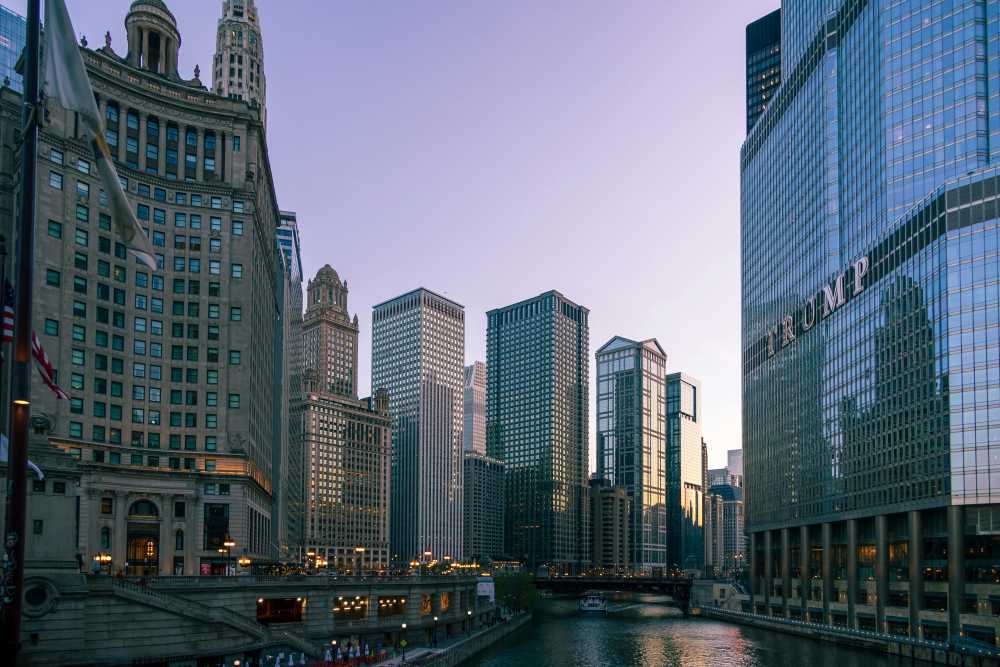
The Legend of the Green River: An Accidental Tradition
While Chicago’s St. Patrick's Day Parade is one of the nation's oldest, with roots stretching back to 1843, the tradition that truly puts it on the global map is much younger. The practice of dyeing the Chicago River green was born in 1962 from a moment of pure, serendipitous observation. Stephen Bailey, then the business manager of the Chicago Journeymen Plumbers Local Union, noticed that a dye plumbers used to detect leaks and pollution sources in the river had stained a worker's white overalls a perfect, brilliant shade of Irish green.
A lightbulb went off. If that small amount of dye could stain fabric so vividly, what could a larger quantity do to the entire Chicago River? The Plumbers Union, a key sponsor of the parade, decided to find out. For the inaugural dyeing, they released 100 pounds of the chemical into the river, which, to their astonishment, kept the waterway a radiant green for nearly a week. The spectacle was an instant sensation, captivating the city and cementing a new, indelible tradition. Over the decades, the process has been perfected and the formula made environmentally safe, but the magic—and the stewardship of the event—remains firmly in the hands of the Plumbers Union, proof of a quirky idea that became a beloved civic institution.
The Science of the Spectacle: How Orange Powder Turns a River Green
The most closely guarded secret in Chicago isn't a political backroom deal; it's the precise formula for the dye that transforms the river. What we do know is that it’s a vegetable-based powder, making it completely safe for the river's ecosystem. The real visual trickery, however, lies in its color. When you see the crew on the boats scooping the substance from its container, you’ll notice it’s a bright, fiery orange.
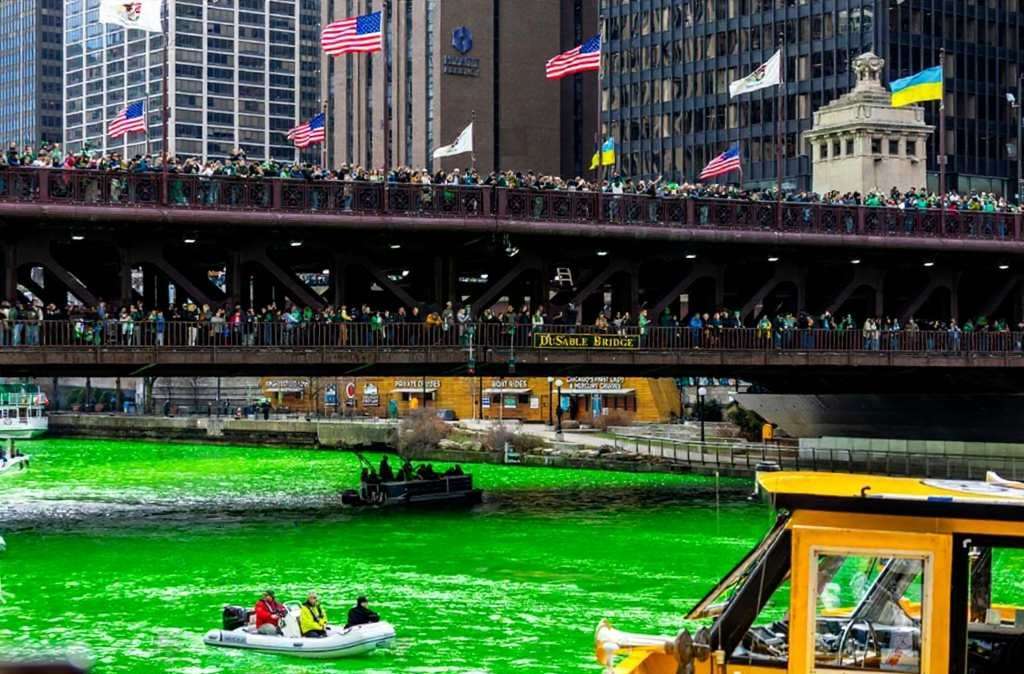
The magic happens the moment the powder hits the water. Through an immediate chemical reaction, the orange powder blossoms into a brilliant emerald green. The process is a well-oiled machine. Two to three motorboats from the Plumbers Union perform the honors. One larger boat dumps between 40 and 60 pounds of the powder into the river just east of the DuSable Bridge (Michigan Avenue), creating a thick, concentrated streak of color. Smaller boats then zip back and forth through the dyed water, acting like giant egg beaters to churn the color and ensure it spreads evenly from bank to bank.
The initial streak of green is intense and almost fluorescent before it mellows into a rich, opaque emerald. The vibrant color holds for about five to six hours, allowing plenty of time for photos and for parade-goers to marvel at the sight before it naturally dissipates into Lake Michigan.
Pro-Tip: Many first-time visitors worry about the environmental impact. Rest assured, the original oil-based fluorescein dye was replaced with the current eco-friendly, vegetable-based powder decades ago. The Plumbers Union takes immense pride in the tradition being a safe spectacle that harms no wildlife.

Your Ultimate Viewing Guide for the St. Patrick's Day Chicago River Dyeing
Securing a good spot to watch the river dyeing is the single most important part of your plan. The event officially begins at 10:00 AM, but the crowds start forming hours earlier. Here are the best places to stake your claim, broken down by experience.
For the Iconic Postcard Shot: The Bridges
The East Side of the DuSable Bridge (Michigan Avenue): This is ground zero, the quintessential, postcard-perfect view. You get the iconic architecture, the Wrigley Building, the river, and the boats all in one frame. However, it is the most crowded spot on the planet for that hour. You must arrive by 7:00 AM, at the latest, to get a front-row spot against the railing.
The West Side of the Columbus Drive Bridge: Offering another fantastic, elevated vantage point, this bridge is slightly less famous than Michigan Avenue, so it can be marginally less packed. It’s also very close to the parade’s starting point, making for an easy transition.
For an Immersive, Water-Level View: The Riverwalk
The Chicago Riverwalk (Upper and Lower Levels): The stretch of the Riverwalk between Michigan Avenue and Columbus Drive puts you right at water level. It offers a unique and dramatic perspective as the green tide flows past. It’s fantastic for close-up photography and feeling completely immersed in the action. The lower level fills up extremely fast, and police will restrict access once it hits capacity, so get there early and be prepared to stay put.
For a More Relaxed, Crowd-Averse Experience
West of Michigan Avenue (Wabash, State, or Dearborn Street Bridges): The further west you go from the main dyeing area, the thinner the crowds become. You can still see the beautifully green river from these bridges without the intense crush of people. This is an excellent option for families with small children or anyone who prefers a bit more breathing room. You won't see the boats actively dumping the dye, but you'll see the stunning final product.
The St. Patrick's Day Chicago Game Plan: A Minute-by-Minute Timeline
To truly master the day, you need a strategy. Here is a timeline for Saturday, the Saturday before St. Patrick's Day, to ensure you see everything without the stress.
It’s a crucial distinction for planning: St. Patrick’s Day itself falls on Monday, March 17, 2026, but the city holds its main celebrations—the dyeing and the parade—on the preceding Saturday, March 15th. This allows for the largest possible turnout and a full day of festivities.
7:00 AM - 7:30 AM: The Early Bird Gets the View This is not an exaggeration. If you want a prime spot on the Michigan or Columbus bridges, you need to be there now. Grab a coffee and a pastry, dress in more warm layers than you think you need (the wind off the river is biting), and claim your territory. The city is still quiet, and the energy is just starting to build.
8:00 AM - 9:30 AM: The Green Tide Rises The crowds will begin to pour in. The bridges and the Riverwalk will fill up rapidly. This is the time to hold your ground and soak in the atmosphere. It’s a fantastic people-watching opportunity as the city transforms into a sea of green attire, from shamrock glasses to full-blown leprechaun suits.
10:00 AM: The Magic Moment The Plumbers Union boats will make their appearance. Watch as the crew begins dispersing the secret orange powder. You’ll see the first vibrant streaks of green appear in the boat’s wake, quickly spreading across the river’s surface as the crowd erupts in a collective cheer. This is the moment you came for.
10:30 AM - 11:30 AM: Soak It In and Reposition The river is now a stunning sheet of emerald. Take your photos and enjoy the incredible sight. Once the dyeing is complete, the crowds will begin to shift as people start moving toward the parade route. This is your window to either grab a quick bite or start making your way south to Columbus Drive.
Feeling inspired to document this incredible day? Capture every vibrant moment with our free The Travel Creator's Toolkit, packed with guides for stunning photography and videography to make your memories last a lifetime.
Navigating the Parade: From Columbus Drive to Victory
With the river successfully turned green, the city’s attention shifts to the grand St. Patrick's Day Parade. This is a massive celebration of Irish heritage featuring hundreds of groups, including traditional bagpipers, Irish dancers, elaborate floats, and local dignitaries.
Parade Start Time: 12:15 PM
Parade Route: The parade proceeds north along Columbus Drive, starting at Balbo Drive and ending at Monroe Drive. The main viewing stand is located in front of Buckingham Fountain.

Tips for a Great Parade Experience:
Best Viewing Spot: The area around Buckingham Fountain is the heart of the action, but it’s also the most crowded. For a more relaxed experience, find a spot further north along Columbus Drive toward Monroe.
Arrive with a Plan: The parade route is long. Pick a spot and stick to it. Trying to move through the dense crowds once the parade starts is nearly impossible.
Facilities: Portable restrooms are available along the route, but expect long lines. Plan accordingly. Food and drink vendors are also present, but it’s wise to bring your own water and snacks to avoid the high prices.
Pro-Tip: Public transportation is your best friend. The CTA 'L' trains will be packed, but they are far more efficient than trying to drive and park anywhere near Grant Park. Street closures are extensive. Exit at a stop in the Loop and walk the final few blocks to the river or parade route.
Beyond the River: Celebrating Like a Chicagoan
The river dyeing and parade are the main events, but the celebration extends throughout the city. To truly experience the day like a local, consider adding one of these activities to your itinerary.
Visit an Authentic Irish Pub: Chicago has a rich Irish heritage and the pubs to prove it. Head to neighborhoods like River North or Lincoln Park to find establishments like The Kerryman or Fado Irish Pub for a pint of Guinness, some traditional corned beef and cabbage, and live music.
Explore the Irish American Heritage Center: Located on the city's northwest side, this center often hosts a full-day festival with music, dance, food, and cultural exhibitions, offering a deeper connection to the holiday’s roots away from the downtown crowds.
Enjoy a Themed Cruise: Several boat tour companies offer special St. Patrick's Day cruises on the green river. This is a fantastic way to get an unparalleled view away from the crowded bridges, though tickets are pricey and must be booked months in advance.
Planning a bigger trip around this event? Our comprehensive Travel Guide has everything you need to explore Chicago's neighborhoods, find the best eats, and build the perfect itinerary for a multi-day adventure in the Windy City.
Your Mission, Should You Choose to Accept It
You are now armed with the secrets of the green river, a strategic timeline, and insider tips to navigate the festivities. You have the knowledge to bypass the chaos and witness one of the world's most unique and joyful celebrations like a seasoned pro. The magic of St Patrick's day Chicago is not just in the spectacle itself, but in the shared energy of a city coming together to create something beautiful and fleeting. So, dress in your finest green, brave the March chill, and go make memories that will last far longer than the color in the river.
Don't Miss Out! Subscribe for Exclusive Content
SubscribeComments 0
No comments yet
Be the first to share your experience!
Dont Miss Out! Subscribe for Exclusive Content

San Francisco Cherry Blossoms: A Local's Guide to the Blooms

Halloween SF: Haunts Without Horrors

SF Festivals: 7 Must-See Lineups

Christmas SF: Lights & Wharf Wonders

SF Pride: 6 Route & Party Hacks

Chinese New Year SF: Parade Essentials
Top 11 High-Paying Affiliate Programs for Travel Bloggers
TrekGuider @trekguider
You pour your soul into creating breathtaking travel content. You’ve built an audience that trusts you, carefully crafting guides and reviews that genuinely help people. Yet, when you check your affiliate income reports, there’s a chasm between your effort and your earnings. You’re stuck promoting programs with paper-thin commissions and cookie windows so short they expire before your reader can even find their wallet.
This isn't just a frustration; it's a fundamental flaw in the business model. You see other creators funding their global adventures through their content, and you know the potential is there. After all, the affiliate marketing industry is a $93 billion juggernaut, with the travel vertical alone accounting for about 16% of all revenue. The secret isn't just getting more traffic; it's a strategic pivot—partnering with programs that value your influence and reward you accordingly.
This guide is that pivot. We’re cutting through the noise of mediocre partnerships to deliver a data-driven list of the top 11 high-paying affiliate programs for travel creators. We’re focusing on what actually moves the needle: elite commission rates, generous cookie durations, recurring revenue, and high-ticket products that generate real income from a single click. This is your playbook for a smarter, more profitable affiliate strategy. For a complete command of the entire landscape, our definitive pillar page, Travel Affiliate Programs: The 2026 Ultimate Guide, is your essential next read.

What Defines a Truly High-Paying Affiliate Program?
Let's get one thing straight: "high-paying" is about more than a big commission percentage. A truly lucrative program is a strategic asset, and it excels in one of four key areas:
High Commission Percentage: The obvious starting point. We're looking for programs offering 8%, 10%, or more on every sale.
Generous Cookie Duration: Travel is a high-consideration purchase. A 30, 60, or 90-day cookie window gives your audience time to research and book while ensuring you get paid for your influence.
High-Ticket Products: A 6% commission on a $3,000 adventure tour is $180. A 10% commission on a $50 travel gadget is $5. The math is simple.
Recurring Revenue: The holy grail. Programs that pay you every time a customer renews create a stable, compounding source of passive income.
Our list is curated to feature programs that are champions in these categories, allowing you to build a powerful portfolio of high-paying affiliate programs.

1. SafetyWing: The Recurring Revenue Powerhouse
For any creator with an audience of digital nomads, long-term travelers, or remote workers, SafetyWing is non-negotiable. It’s travel medical insurance built by nomads, for nomads, and its affiliate program is one of the most innovative and lucrative in the industry.
Commission Rate: 10% (recurring)
Cookie Duration: 364 days
Best For: Digital nomad, long-term travel, and remote work niches.
What makes SafetyWing an elite partner is its recurring commission model. You don't just get paid once; you earn 10% every month the policy is renewed, for up to a year. This transforms a single conversion into a reliable income stream that builds on itself. The 364-day cookie is simply best-in-class, ensuring you capture value from readers who take their time to decide.
2. G Adventures: High-Ticket Tours & Epic Commissions
G Adventures specializes in small-group adventure tours—a high-ticket item that translates directly into substantial commissions. Their focus on authentic, sustainable travel resonates deeply with modern audiences, making their trips an easy and ethical recommendation.
Commission Rate: 6%
Cookie Duration: 90 days
Best For: Adventure travel, solo travel, and sustainable tourism niches.
While 6% might not seem like the highest rate on this list, its power is in the average order value. These tours often cost thousands of dollars, meaning a single booking can net you a commission of $150−300 or more. The generous 90-day cookie duration is perfectly suited for this type of considered purchase, giving your audience three full months to plan, commit, and book.
3. Viator: The King of Tours and Activities
Owned by Tripadvisor, Viator is the market leader in tours, activities, and experiences, boasting over 300,000 bookable options worldwide. For creators who build detailed itineraries or "what to do" guides, Viator is an essential monetization engine.
Commission Rate: 8%
Cookie Duration: 30 days
Best For: City guides, family travel, and itinerary-focused content.
Viator's 8% commission is at the top end for the tours and activities sector. Its massive inventory means you can find a relevant, bookable experience for virtually any destination you cover. The 30-day cookie provides a solid window for conversion, and the platform's high brand trust helps turn your clicks into cash.
4. World Nomads: The Adventure Insurance Standard
World Nomads has long been a trusted name in travel insurance, especially for independent and adventure travelers. Their brand is synonymous with comprehensive coverage for the kinds of activities many other insurers won't touch.
Commission Rate: 10%
Cookie Duration: 60 days
Best For: Backpacking, adventure travel, and youth travel niches.
A flat 10% commission on a high-value product like travel insurance is a powerful earner. Combined with a 60-day cookie duration, World Nomads provides a fantastic opportunity to earn significant income while promoting a product that is a responsible and essential recommendation.
Pro-Tip: The most successful travel creators build a diversified affiliate portfolio. Don't rely on a single program. A strategic mix covering accommodations, tours, insurance, and gear creates a more resilient and stable income stream that can weather any market shift.
5. REI: The Gold Standard for Outdoor Gear
For any creator in the hiking, camping, or outdoor adventure space, REI is a premier partner. They are a trusted retailer known for high-quality gear and have an intensely loyal customer base that is primed to convert.
Commission Rate: 5-8%
Cookie Duration: 15 days
Best For: Outdoor, hiking, camping, and adventure travel niches.
While Amazon is often the default for gear, REI's higher commission rate and focus on premium products make it a more lucrative choice for specialized content. Promoting a $700 tent or a $400 backpack from REI will yield a much higher commission than the 3-4% offered by Amazon. Their loyal membership and trusted brand name lead to excellent conversion rates.
6. Expedia Group: The Strategic Choice for Accommodations
Many new creators flock to Booking.com due to brand recognition, but savvy affiliates often choose the Expedia Group program instead. It covers major brands like Hotels.com and Vrbo and offers one crucial advantage: a vastly superior cookie policy.
Commission Rate: Up to 6%
Cookie Duration: 7 days
Best For: Hotel reviews, luxury travel, and accommodation-heavy content.
Booking.com’s infamous session-based cookie means you only get paid if the user books in the same session they click—a crippling disadvantage for a product that requires days of research. Expedia’s 7-day cookie is structurally safer and far more profitable. A 6% commission on a multi-night hotel stay adds up quickly, making this a key element program.
7. Tripadvisor: Earn from Clicks, Not Just Bookings
Tripadvisor offers a unique and powerful affiliate model that sets it apart. While they offer an 8% commission on Viator tours, their primary hotel program allows you to earn money even if your reader doesn't book.
Commission Rate: Up to 50% of Tripadvisor's commission from hotel partners (per click); 8% on tours.
Cookie Duration: 14 days
Best For: High-traffic blogs, destination guides, and hotel comparison content.
Tripadvisor’s model is a form of pay-per-click. When a user clicks your affiliate link and is sent to one of Tripadvisor's hotel partners, you earn a commission—regardless of whether they book. For websites with significant traffic, this can generate a substantial income stream that isn't solely dependent on final sales.
8. Skyscanner: Monetize the Search for Flights
Monetizing flights is notoriously difficult, but Skyscanner provides one of the best solutions available. As a leading flight comparison engine, they offer customizable search widgets you can embed directly into your content.
Commission Rate: Revenue share (up to 50% of their commission)
Cookie Duration: 30 days
Best For: Budget travel, flight deal, and transport-focused content.
The revenue share model means you get a piece of the commission Skyscanner earns from the airline or travel agent when a user books. This can be highly effective when integrated into content about finding cheap flights or planning travel routes. The 30-day cookie and trusted brand make it a top choice for the flight vertical.
9. Discover Cars: Tap Into the Lucrative Rental Market
Car rentals are a frequently overlooked but highly profitable affiliate vertical. Discover Cars is a leading car rental comparison site with a strong affiliate program that can be a great complement to your other travel recommendations.
Commission Rate: Varies (revenue share model)
Cookie Duration: Varies
Best For: Road trip itineraries, family travel, and guides for destinations where a car is essential.
By embedding their search box or using contextual links, you can earn a share of the revenue from every completed booking. For content focused on road trips or exploring destinations outside of major city centers, this can become a significant and consistent source of income.
Pro-Tip: Look beyond the commission percentage and monitor your EPC (Earnings Per Click) in your affiliate dashboard. A program with a lower commission but a much higher EPC might actually be more profitable because it converts your specific audience more effectively.

10. The TrekGuider Referral Program: A Paradigm Shift
The highest-paying opportunities often come from a big change. While traditional programs pay you for selling someone else's product, a referral program pays you for building a network. The TrekGuider Seller Platform is built on this powerful model, offering a unique way to generate long-term, passive income.
Commission Rate: Ongoing revenue share (25% for 30 days, 12.5% for 11 months) from the marketplace's share of revenue from sales made by attracted sellers.
Cookie Duration: N/A (Lifetime attribution for referred sellers)
Best For: Creators ready to build a diversified, passive income stream and empower their community.
Instead of a one-time commission, you earn a percentage of TrekGuider's platform fees from every new seller you bring to the platform—for a full year. This creates a compounding, passive revenue stream. By helping your fellow creators launch their own digital products on TrekGuider, you build a business asset that pays you month after month. It's a powerful addition to your portfolio of traditional high-paying affiliate programs.
11. Amazon Associates: The High-Volume Essential
It’s the elephant in the room: a program with a 3-4% commission on a list of heavy hitters. But leaving Amazon Associates off this list would be malpractice. Its power isn’t in the commission rate; it’s in its unmatched conversion gravity and the sheer volume of commerce it commands.
Commission Rate: 3-4% for most travel categories
Cookie Duration: 24 hours
Best For: Gear reviews, packing lists, and any content recommending physical products.
The 24-hour cookie has a secret weapon: you earn a commission on everything the customer adds to their cart in that window, not just the product you linked to. A reader who clicks your link for a travel adapter might also buy a new camera and a suitcase, and you'll get a commission on it all. For this reason, Amazon remains a top earner for nearly every travel creator.
Beyond Affiliate Links: Create Your Own High-Paying Product
The world's top-earning creators understand a vital secret: the most profitable product you can ever promote is your own. Affiliate marketing is a phenomenal way to generate income, but creating and selling your own digital products—like travel guides, itineraries, or photo presets—offers unparalleled profit margins and brand authority.
You already have the expertise. Why not package that knowledge into a premium digital product? This is the ultimate strategy for diversifying your income and taking full control of your earnings.

Ready to build your own product but not sure where to start?
Download our free Digital Product Ideas Guide today! It’s packed with dozens of proven ideas specifically for travel creators, helping you identify the perfect product for your audience and start building your content empire.
Frequently Asked Questions (FAQ)
1. How many affiliate programs should I join? Start with 3-5 core programs that are a perfect fit for your niche. It's better to deeply integrate a few high-performing programs than to sprinkle links from dozens of them. As you grow, you can expand, but start with a focused, strategic selection.
2. Can I really make a full-time income from this? Absolutely. The reported average monthly income for travel affiliates is over $13,000. However, it requires treating it like a real business: creating high-value content, understanding SEO, and strategically selecting partners like the ones on this list.
3. Should I use a link management plugin? Yes. Tools like Pretty Links or ThirstyAffiliates are essential. They cloak long, ugly affiliate links into clean, branded URLs and allow you to manage all your links from a central dashboard, which is a massive time-saver.
Your Blueprint for a More Profitable Future
Choosing the right affiliate partners is one of the most critical decisions you will make as a travel creator. By moving away from low-value programs and focusing on this curated list of high-paying affiliate programs, you can dramatically increase your earnings without needing to triple your traffic.
The key is to build a diversified portfolio that aligns with your audience's needs. Combine recurring revenue from SafetyWing, high-ticket commissions from G Adventures, and high-volume sales from Amazon. This is how you build a resilient, profitable, and sustainable business that not only funds your travels but transforms your passion into your career.
Read the full guide: The Travel Blogger's Playbook to Affiliate Marketing Mastery
Don't Miss Out! Subscribe for Exclusive Content
SubscribeComments 0
No comments yet
Be the first to share your experience!
Dont Miss Out! Subscribe for Exclusive Content
FTC Affiliate Disclosure Essentials: Stay Compliant as a Travel Creator
Essential Affiliate Tools: From Tracking to Full Optimization

Avoid These 5 Affiliate Landing Page Mistakes for Better Conversions

Affiliate Keyword Research Mastery for Travel Blogs
Booking.com Affiliate Program Review: Pros, Cons, and Earnings Potential