
The 10 Best Countries for a First Solo Trip in 2026

You feel the pull—that deep, undeniable urge to explore the world entirely on your own terms. But as you stand before a world map, the dream of a first solo trip is often shadowed by a paralyzing question: "Where?" The sheer number of choices, the worries about safety, the fear of making the "wrong" decision for your inaugural journey—it's an anchor of anxiety that can keep your dream moored in the harbor of "someday."
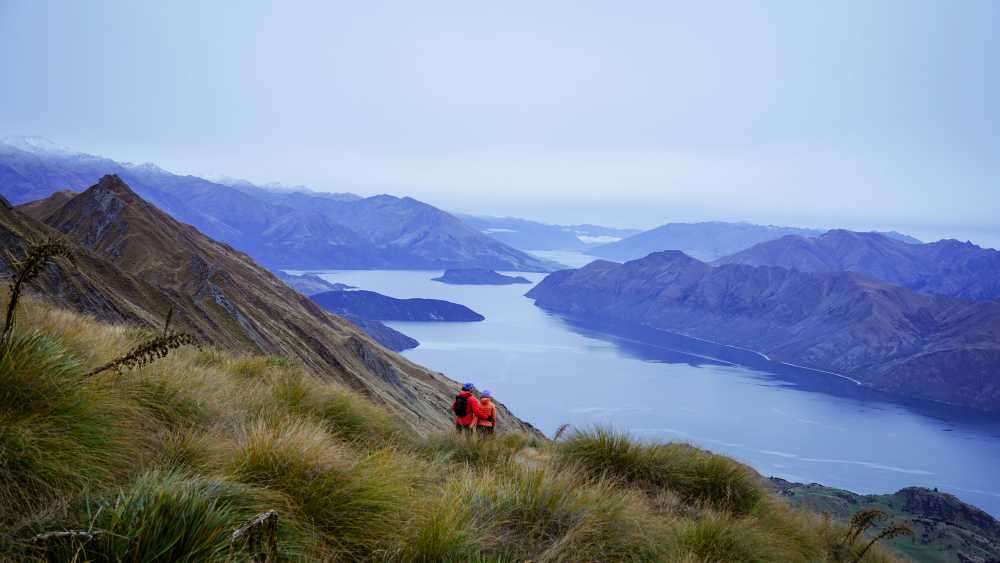
This guide is your anchor chain cutter. It is the definitive, data-driven answer to the most critical question every aspiring solo traveler asks. We’ve moved beyond vague suggestions to give you a clear, actionable list of the ten best countries for a first solo trip in 2026. This isn't just about finding great first solo trip ideas; it's about giving you the confidence to turn your dream into a booked ticket. This curated list is based on metrics that matter most to a first-timer: rock-solid safety, excellent tourist infrastructure, and ease of navigation, ensuring your inaugural journey is as empowering as you’ve imagined. For a complete roadmap of your entire journey, start with our comprehensive pillar guide, [The Ultimate Guide to Solo Female Travel (15 Essential Tips)].
Why These Countries Made the List
Choosing a destination for your first solo adventure is a monumental decision that sets the tone for all your future travels. The countries on this list have been selected not just for their beauty, but for their consistent performance in key areas that reduce stress and build confidence for new independent travelers. Our selection synthesizes data from the Global Peace Index (GPI), which ranks nations by their peacefulness and low rates of conflict, with qualitative reports on crime rates, tourist-friendliness, and cultural accessibility. These are the destinations where you can focus less on navigating difficulties and more on soaking in the magic of the experience.
1. Iceland
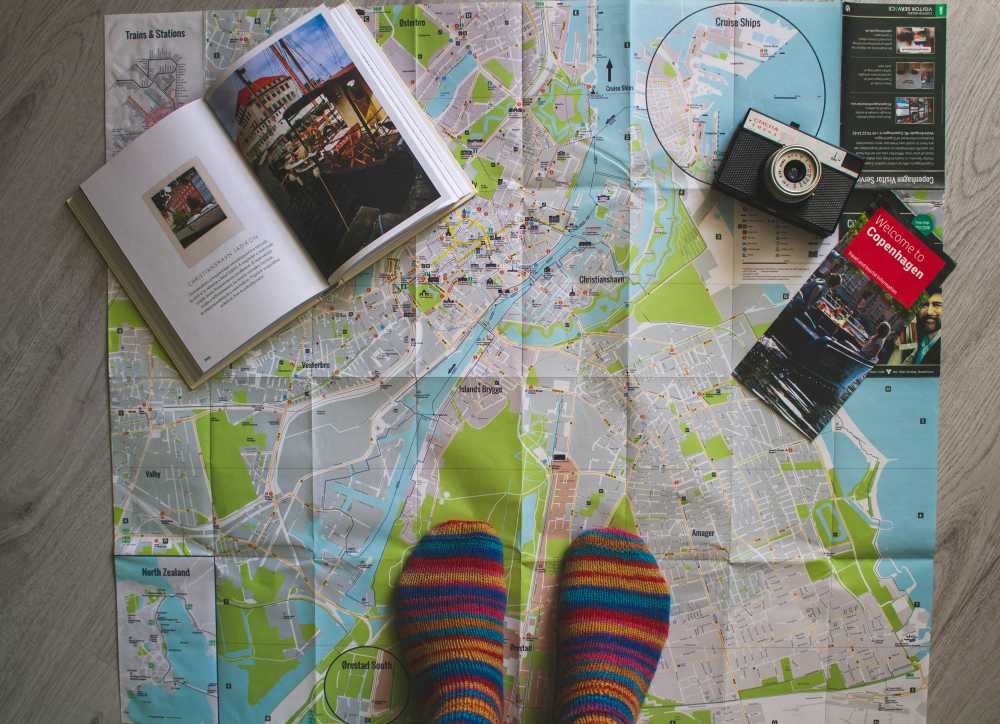
Consistently ranked as the most peaceful country in the world by the Global Peace Index, Iceland is an extraordinary choice for a first-time solo trip. It’s a land of staggering natural beauty, where glaciers grind against volcanoes and the Northern Lights dance across the winter sky. For a solo traveler, its appeal lies in its unparalleled safety and accessibility.
Why It's Perfect for a First-Timer:
Exceptional Safety: With an exceptionally low crime rate and a high degree of gender equality, you can explore with a profound sense of security.
Easy Communication: The majority of Icelanders are fluent in English, which removes the stress of language barriers when navigating, booking tours, or asking for directions.
Robust Tourist Infrastructure: Iceland is built for tourism. The famous Ring Road is easy to navigate, and there are countless reputable tour companies offering everything from glacier hikes to whale watching. This makes it simple to join group activities and meet fellow travelers.
Pro-Tip: While driving the Ring Road solo is an epic adventure, don't underestimate the power of day tours based out of Reykjavik. Joining a small-group tour to see the Golden Circle or the South Coast is a fantastic, low-stress way to see the country's main highlights and connect with other travelers on your very first days.
2. Portugal
A consistent top-ten performer on the Global Peace Index, Portugal offers the quintessential charm and beauty of Western Europe but with a more affordable price tag and a laid-back, welcoming vibe. From the historic, tram-lined hills of Lisbon to the sun-drenched beaches of the Algarve, it’s a country that feels tailor-made for independent exploration.

Why It's Perfect for a First-Timer:
High Safety, Low Cost: Portugal is considered one of the safest countries in Europe, allowing you to enjoy its cities and coastlines without the high price tag of its neighbors.
Vibrant Solo Traveler Scene: It has become a major international hub for solo travelers and digital nomads, particularly in Lisbon and Porto. This means you’ll find a vibrant community of like-minded people and plenty of hostels and events geared toward independent adventurers.
Excellent Infrastructure: The country is well-connected by an efficient and affordable train system, and its cities are compact and highly walkable. For a perfect example of this, look no further than the highly-rated "Picturesque Solo Portugal Tour" offered by operators like Indus Travels, which is notable for its policy of providing a private room with no single supplement fee.
Ready to explore its charming cities and stunning coastlines? Our comprehensive [Portugal Guide] contains detailed itineraries and local secrets that will make your trip unforgettable.
3. New Zealand
For the nature-loving first-timer, it’s hard to imagine a more perfect destination than New Zealand. Consistently ranked among the top five most peaceful nations on the GPI, it’s a country that combines jaw-dropping landscapes with a world-class reputation for safety and friendliness.

Why It's Perfect for a First-Timer:
Welcoming Culture: New Zealanders, or "Kiwis," are known for their incredibly welcoming and helpful nature, which can be a huge comfort when you're navigating a new country alone.
Established Backpacker Trail: The country has a well-established and safe backpacker bus network and a series of high-quality hostels, making it incredibly easy to meet other travelers and move between destinations.
Adventure at Every Level: Whether you're for gentle hikes through fjordlands or the adrenaline rush of bungee jumping, New Zealand offers accessible adventures for every comfort level.
4. Ireland
Ranking in the top three on the Global Peace Index, the Emerald Isle is celebrated for two things that make it a perfect starting point: its safety and the legendary friendliness of its people. The warm, welcoming atmosphere of a local pub is the perfect antidote to any fears of loneliness.

Why It's Perfect for a First-Timer:
Effortless Navigation: As an English-speaking country with compact, walkable cities like Dublin and Galway, and efficient public transport between them, Ireland is exceptionally easy to navigate.
Social Culture: The culture is inherently social and communal. Striking up a conversation with a local or another traveler over a pint of Guinness is not just possible; it’s practically expected.
Accessible Beauty: You don't need to venture into the remote wilderness to be stunned by Ireland's beauty. Day trips from major cities can take you to the majestic Cliffs of Moher or the ancient hills of Glendalough with ease.
Feeling confident in your destination choice is the first step. The next is ensuring you have the knowledge to navigate it safely. Our free, comprehensive [Solo Female Travel Safety Guide] is the perfect companion for your first adventure. It's a downloadable checklist and resource guide covering everything from what to pack to what to do in an emergency, giving you total peace of mind.
5. Japan
While it doesn't always crack the GPI's top ten due to military metrics, Japan is consistently ranked by travelers as one of the safest countries on earth. It boasts an astonishingly low crime rate and a culture built on deep respect for public order and personal space, making it a place where you can feel secure exploring day or night.

Why It's Perfect for a First-Timer:
Unparalleled Public Safety: The sense of safety in Japan is palpable. It's common to see locals leaving their laptops on a cafe table to reserve a spot or children taking the subway alone.
Legendary Transportation: The public transport system is a marvel of efficiency, punctuality, and cleanliness. It is so reliable that it removes a huge amount of potential travel stress.
Solo-Friendly Culture: From solo dining at ramen counters to the comfort of women-only subway cars during rush hour, the culture is uniquely accommodating to individuals.
Pro-Tip: Don't be intimidated by the language barrier. Download the Google Translate app and use its camera function to instantly translate menus and signs. Most importantly, learn a few key phrases like "Arigato gozaimasu" (thank you very much) and "Sumimasen" (excuse me/sorry). A little effort goes a very long way. For a deeper understanding of the country, check out our guide to Japan.
6. Switzerland
For the traveler who values efficiency, cleanliness, and security above all else, Switzerland is a dream destination. Ranking in the top five on the GPI, it’s a country that runs like a perfectly crafted watch, set against a backdrop of some of the most breathtaking alpine scenery on the planet.

Why It's Perfect for a First-Timer:
World-Class Public Transport: The Swiss Travel System is arguably the best in the world. A single pass can give you access to trains, buses, and boats across the entire country, making travel between majestic mountains, pristine lakes, and charming cities seamless and secure.
Safety and Order: The country is a paragon of safety and cleanliness. This sense of order and reliability can be incredibly reassuring for a nervous first-time traveler.
Nature Made Accessible: You don't have to be a hardcore mountaineer to experience the Alps. A vast network of cable cars, funiculars, and well-marked hiking trails makes the country's stunning natural beauty accessible to everyone.
7. Slovenia
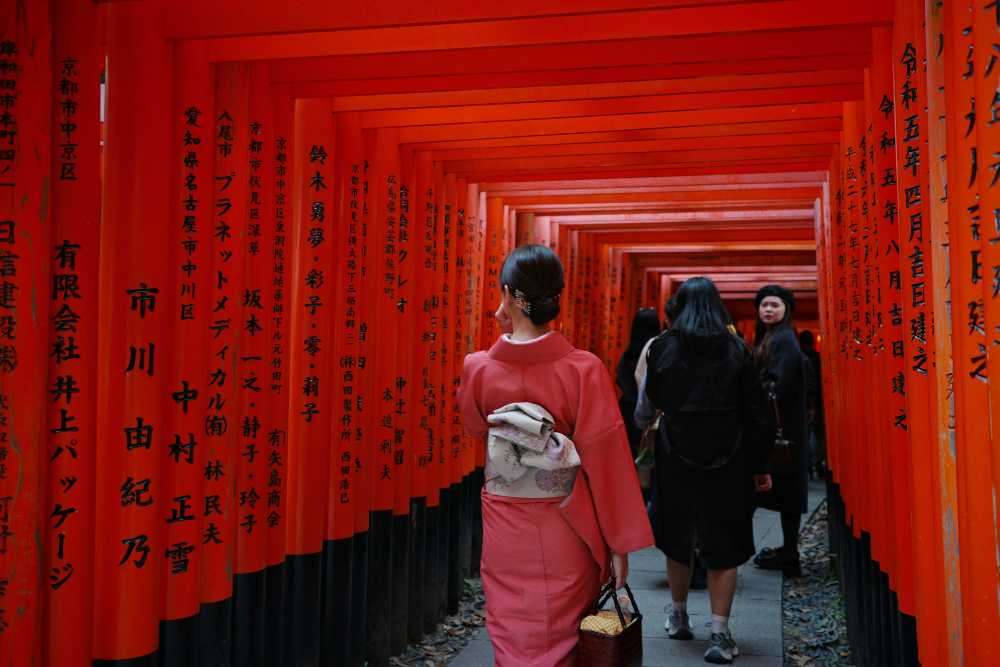
This small Central European nation is a hidden gem that regularly places in the GPI's top ten for peacefulness. It offers the stunning alpine scenery of its more famous neighbors, Austria and Switzerland, but with fewer crowds, a lower price point, and a uniquely charming character.
Why It's Perfect for a First-Timer:
Compact and Manageable: Because of its small size, you can experience a huge amount of diversity—from the alpine beauty of Lake Bled to the vibrant capital of Ljubljana and the charming Adriatic coast—without long or stressful travel days.
A Paradise for Outdoor Lovers: It is extremely safe, clean, and an ideal destination for solo travelers interested in accessible outdoor activities like hiking, kayaking, and exploring the stunning Triglav National Park.
Hidden Gem Status: While growing in popularity, Slovenia still feels less crowded and more "off-the-beaten-path" than many other European destinations, offering a more authentic sense of discovery.
8. Denmark
As a consistent top-ten GPI country, Denmark is a model of social trust, safety, and gender equality. It's a place where the concept of hygge (a feeling of cozy contentment) permeates daily life, creating a comfortable and welcoming atmosphere for visitors.

Why It's Perfect for a First-Timer:
Progressive and Accessible Culture: The country's progressive, English-speaking culture makes it very comfortable for solo women to navigate.
Walkable and Bike-Friendly Cities: The capital, Copenhagen, is famously walkable and is one of the most bike-friendly cities in the world. Renting a bike is a safe, easy, and local way to explore.
High Social Trust: The high level of social trust translates into a very safe-feeling environment, where locals are generally helpful and respectful.
9. Canada
Ranking in the top 15 of the GPI, Canada is an excellent choice for a first international solo trip, especially for Americans, due to its cultural similarity and shared language. It offers vast, breathtaking landscapes and clean, safe cities.

Why It's Perfect for a First-Timer:
Familiarity and Comfort: For North American travelers, Canada offers the thrill of international travel without the culture shock, making it an easy entry point.
Friendly and Polite Populace: The stereotype of friendly Canadians holds true. The general politeness and helpfulness of the populace make for a very pleasant travel experience.
Urban Safety and Natural Wonders: Canadian cities like Vancouver, Montreal, and Toronto are known for being safe and easy to navigate, while also serving as gateways to some of the most spectacular natural scenery in the world, from the Rocky Mountains to the maritime coasts.
10. Costa Rica
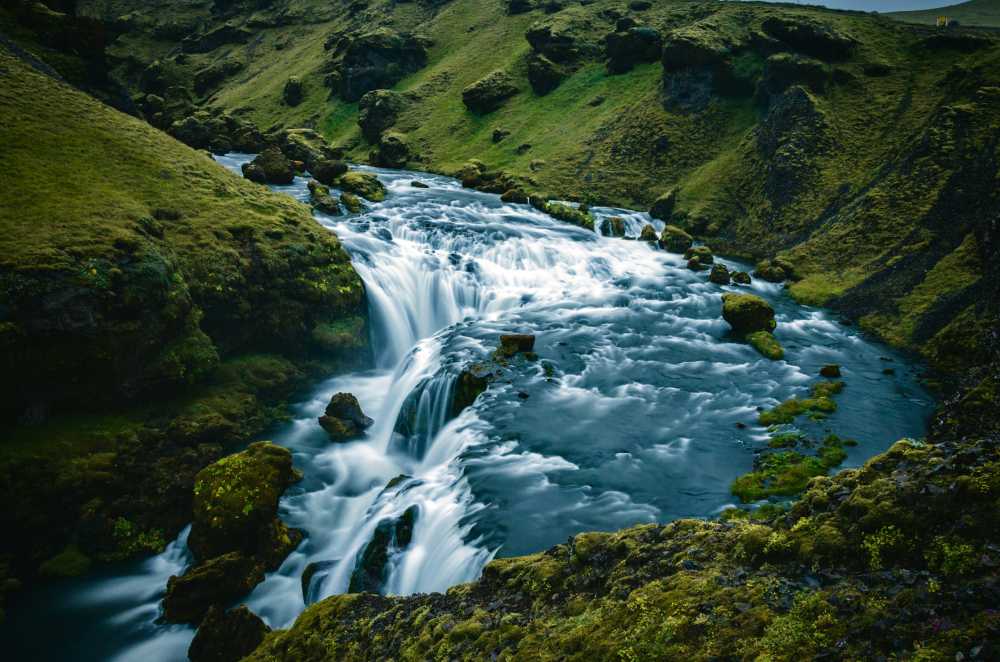
While its GPI ranking is lower than its European and Asian counterparts, Costa Rica is consistently regarded as one of the safest and most stable nations in Central America. Its national motto, "Pura Vida" (the pure life), is reflected in its welcoming culture and deep respect for nature.
Why It's Perfect for a First-Timer:
Well-Established Eco-Tourism: The country has a massive and well-developed eco-tourism infrastructure, with countless reputable tour companies, eco-lodges, and shuttle services that make it exceptionally friendly and safe for international visitors.
A Hub for Solo Adventurers: Costa Rica attracts a large number of solo travelers drawn to its lush rainforests, towering volcanoes, and incredible wildlife, so you'll find it easy to connect with others on guided tours or in hostels.
A Focus on Wellness: The "Pura Vida" lifestyle, combined with a focus on yoga, surfing, and connecting with nature, makes it an ideal destination for a trip focused on rejuvenation and self-discovery.
Frequently Asked Questions About Your First Solo Trip
Even with the perfect destination, a few questions are bound to pop up. Here are answers to the most common anxieties.
Is it weird to do activities or eat alone?
Not at all. In most of these destinations, it's completely normal. To feel more comfortable, start with a structured activity. Research shows that 75% of women who have never traveled alone would be more likely to do so on a group tour. Joining a food tour or a day trip on your first day is a great way to ease in and meet people.
How do I handle potential loneliness?
While solitude is a part of solo travel, loneliness doesn't have to be. Stay in a modern hostel (even in a private room) to access social common areas. Pre-book a group activity for your first day to break the ice. Remember, learning to enjoy your own company is one of the most profound rewards of traveling solo.
How much should I budget for one of these trips?
This varies dramatically. A day in Switzerland can cost three times as much as a day in Portugal. The best approach is to find real-world examples. On the [TrekGuider] marketplace, you can explore detailed itineraries and guides published by seasoned solo travelers, many of whom include specific budget breakdowns from their own trips.
Your Journey Awaits
Choosing a destination is the first, most powerful step in transforming a dream into reality. The fear of the unknown is real, but it can be conquered with knowledge. You are now armed with a curated list of destinations where you can build your confidence, test your wings, and discover the profound joy of navigating the world on your own terms. This list of first solo trip ideas is more than just a collection of places; it's a series of open doors.

The personal growth, resilience, and radical self-reliance you will discover on this journey will become a permanent part of who you are. The only thing left to do is to walk through one of those doors.
Meta Data Suggestions:
SEO Meta Title (59 characters): 10 Best Countries for a First Solo Trip (2026 Safety Guide)
URL Slug: best-countries-first-solo-trip
SEO Meta Description (154 characters): Nervous about your first solo trip? Discover the 10 safest and easiest countries for solo female travelers in 2026, based on data and expert travel advice.
Don't Miss Out! Subscribe for Exclusive Content
Subscribe



Comments 0
No comments yet
Be the first to share your experience!
Dont Miss Out! Subscribe for Exclusive Content

San Francisco Cherry Blossoms: A Local's Guide to the Blooms


Halloween SF: Haunts Without Horrors

SF Festivals: 7 Must-See Lineups

Christmas SF: Lights & Wharf Wonders

SF Pride: 6 Route & Party Hacks

Chinese New Year SF: Parade Essentials
How to Create a Digital Travel Guide People Will Buy
You’re a travel expert. Your notes are filled with hidden gems, your camera roll is a treasure trove of untold stories, and your advice could save fellow travelers hundreds of dollars and hours of stress. You know your expertise has value, but packaging it into a real, scalable income stream feels like a monumental task. Relying on the slow trickle of ad revenue or the unpredictability of affiliate sales is a frustrating grind, keeping your dream of a truly independent business just out of reach.
This uncertainty keeps you on the content treadmill, trading your valuable time for pennies. You see other creators launching their own products and achieving a level of financial freedom that feels like a distant fantasy. The path forward is a confusing fog of questions about design, content, pricing, and technology, leaving you stuck in analysis paralysis while the immense opportunity of the creator economy—a market projected to nearly double from $250 billion to almost $500 billion by 2027—passes you by.
It’s time to stop trading hours for dollars and start building assets. This is your chronological, step-by-step playbook. We will demystify the entire process and show you exactly how to create a digital travel guide that people will not only buy but will also love and recommend. This is your complete workflow for transforming your hard-won expertise into a polished, professional product that generates passive income for years to come. Think of this as a critical chapter in your business plan; for the complete blueprint on building a modern creator enterprise, be sure to read our ultimate guide to [How to Make Money Online: A Creator's Guide for 2026].

Why a Digital Guide is Your Ultimate Scalable Asset
Before diving into the "how," it's critical to understand the "why." Transitioning from promoting others' products to creating and selling your own is the single most powerful step you can take toward building a profitable, independent business. While ads and affiliate links have their place, digital products offer a level of control and scalability that other models simply can't match.
The advantages are transformative:
Infinite Scalability: Digital products operate on a "create once, sell forever" model. Whether you sell 10 copies or 10,000, your workload remains the same. There is no inventory to manage and no shipping to worry about.
Exceptionally High Profit Margins: With no manufacturing or distribution costs, the profit margins are extraordinary. Once you recoup your initial time investment, nearly every sale is pure profit.
Full Ownership and Control: When you sell your own guide, you own the entire process. You control the product, the pricing, the marketing, and the customer relationship. You are no longer dependent on an affiliate partner’s commission rates or an ad network's traffic requirements.
Solidifies Your Authority: Creating and selling a high-quality product instantly positions you as an expert. It builds deep trust with your audience, as you are no longer just recommending other people's stuff—you are standing behind your own valuable creation.
The market reflects this opportunity. The e-learning sector alone, a huge component of the digital product world, is projected to surge to an incredible $848 billion by 2030. This isn't a fleeting trend; it's a fundamental shift in how creators build resilient businesses.
The Blueprint – Research and Validation
The costliest mistake a creator can make is to spend months building a product nobody asked for. Meticulous research and validation aren't optional; they are the foundation upon which a profitable product is built.
Identify Audience Needs and Define a Specific Niche
Your first job isn't to be a brilliant inventor; it's to be a sharp detective, uncovering the real, recurring problems your audience is desperate to solve.
Listen to Your Audience: The best ideas are hidden in plain sight. Dive into your blog comments, email replies, and social media DMs. What destinations are people constantly asking about? What part of the travel planning process do they find most challenging or stressful? Their recurring questions are your product ideas.
Define a Hyper-Specific Niche: Avoid creating a generic guide. A broad guide to "Mexico" will get lost in a sea of competition. A highly specific product like "A First-Timer's Foodie Guide to Mexico City's Roma Norte Neighborhood" is more valuable, easier to market, and instantly positions you as a niche expert.
Conduct Keyword and Market Research to Validate Demand
Once you have an idea, you must validate it with data.
Analyze Search Volume: Use an SEO tool to check the search volume for terms related to your guide idea. High search volume for long-tail keywords like "7-day Japan itinerary for foodies" or "what to do in Lisbon with kids" is a strong data signal that a ready market exists for a guide on that topic.
Conduct Competitor Analysis: Find 3-5 comparable digital travel guides in your niche. Your goal isn’t to copy them, but to identify a gap in the market. Analyze their price points, what they include, and, most importantly, read their reviews. What are customers praising? What are they complaining about? This will show you exactly how to create a superior product.
Pro-Tip: True validation comes from the intersection of qualitative and quantitative data. A great product idea is one that your audience is asking for (qualitative) and that a significant number of people are searching for online (quantitative).
The Core – Outlining and Content Creation
With a validated idea, it’s time to build the heart of your product: the content. This is where your unique expertise, voice, and experience shine.
Develop a Logical Structure
A good guide flows intuitively and is easy to navigate. Before you write a single word, create a detailed table of contents. This will be your roadmap and ensure you don't miss any crucial information. A typical structure includes:
Introduction: A brief overview of the destination, essential facts (currency, language), and why your guide is the ultimate resource.
Logistics: The practical nuts and bolts—getting there, getting around, visa requirements, and curated recommendations on where to stay for different budgets.
Experiences: The core of your guide. This includes top attractions, detailed daily itineraries, and deep dives into your niche (e.g., food and drink recommendations, hiking trails, photo spots).
Practicalities: The crucial final details like safety tips, packing lists, a budget breakdown, and useful local phrases.
Write Compelling and Useful Content
This is where you go beyond the generic advice found on a thousand other blogs.
Gather Your Assets: Compile all of your personal notes, journal entries, and high-quality photographs from your travels to the destination. Your first-hand experience and unique visuals are your primary competitive advantage.
Be Both Inspirational and Intensely Practical: Write in an engaging, personal tone. Share anecdotes and insider tips that bring the destination to life. Go beyond simply listing facts; tell your readers why a place is special. Share the hard-won wisdom that can't be found elsewhere, like "skip the line at the Colosseum by booking this specific tour" or "the best gelato is actually found two blocks away from the main square at this tiny shop."
With your raw content compiled, the next step is to give it a professional polish that signals its immense value.

The Polish – Professional Design for Non-Designers
Your guide's content may be brilliant, but in the digital world, packaging matters. A professional, user-friendly design signals quality and dramatically improves the customer experience.
Select a User-Friendly Design Tool
You don't need to be a graphic designer to create a stunning product. For a travel blogger whose primary goal is to efficiently create a static PDF travel guide, a template-based tool like Canva is the strategically superior choice. While powerful professional software like Figma or Adobe Illustrator has a steep learning curve that can delay your launch by weeks, Canva is built specifically for this type of project. Its intuitive, drag-and-drop interface is designed to help non-designers produce high-quality visuals quickly.
Feeling inspired to build your own assets but not sure where to begin? Creating high-value products is the core of a modern creator business. To accelerate your journey, we've bundled together some of our most powerful resources. [The Travel Creator's Toolkit] is a free collection of checklists, templates, and guides designed to help you streamline your workflow and build your business faster.
5 Essential Mobile-First Design Principles for a User-Friendly Guide
Your guide will almost certainly be used on a mobile phone while your customer is in-destination. Designing with a mobile-first user experience (UX) is not an option; it is essential for your product to be functional and valuable.
Prioritize Legibility and High Contrast: The content must be effortlessly readable on a small screen, often in bright sunlight. Use a clean, simple font of at least 11 points so users don't need to pinch-and-zoom. Crucially, ensure a high contrast ratio between the text and background—at least 4.5:1 as recommended by Web Content Accessibility Guidelines (WCAG)—to maintain readability.
Implement Simplified Navigation: The single most important navigation element is a hyperlinked Table of Contents at the beginning of the document. This allows users to jump directly to the section they need with a single tap, which is crucial when they're trying to find information quickly on a busy street.
Design for Touch with Finger-Friendly Targets: Any included hyperlinks (e.g., a link to a restaurant's website or a Google Maps location) must have a clickable area large enough to be easily tapped with a finger—the industry standard is a minimum touch target size of 44x44 points (approximately 7-10mm).
Minimize Cognitive Load by Eliminating Clutter: Mobile users are often distracted. Their interaction with a guide is typically in short bursts or "micro-tasks". To accommodate this, use short paragraphs, bulleted lists, bolded text for key information, and generous white space. A clean, uncluttered interface helps users find what they need with minimum effort.
Optimize for Performance and Portrait Orientation: The vast majority (94%) of mobile users hold their phones vertically. Your guide must be designed with a portrait layout (e.g., A4 or US Letter size). Crucially, keep the final PDF file size as small as possible by compressing all images before inserting them into your document. A large file will download slowly on a weak cellular connection, creating a poor user experience.

The Launchpad – How to Create a Digital Travel Guide for Sale
You've created a valuable, beautifully designed resource. The final phase is to package it, price it for profit, and get it into the hands of your customers.
How to Price Your First Digital Product
Pricing is one of the most challenging decisions. The most effective strategy for a knowledge-based product is value-based pricing. Instead of focusing on your production costs, price your product based on the transformation it provides to the customer. If your guide saves a user 20 hours of stressful research and helps them discover priceless experiences they would have otherwise missed, its value is immense.
A practical process for setting your price:
Step 1: Research the Market: Identify 3-5 comparable digital travel guides in your niche to establish a realistic market range.
Step 2: Articulate the Value: Make a specific list of the tangible outcomes your guide provides (e.g., "Saves over 15 hours of planning," "Includes a pre-planned 7-day itinerary worth over $100 in planning fees").
Step 3: Set an Initial Price and Test: For a high-quality, first-time travel guide, a price point between $19 and $49 is a strong starting position. It communicates significant value without creating sticker shock for the buyer.
Choose a Sales Platform That Works for You
You need a platform to handle the sale and secure digital delivery of your product. While you can use e-commerce plugins on your own blog, the smartest strategy is to leverage a platform that puts you in front of a built-in audience of motivated buyers.
Pro-Tip: Don't just build a product; build your business inside an ecosystem. A specialized marketplace like TrekGuider is the ideal place to sell your high-quality [Travel Guide]. It provides a professional, ready-made storefront and connects you with a global audience of passionate travelers who are actively searching for expert resources. You can publish articles to attract new customers directly on the platform, creating a powerful marketing funnel that leads right back to your product page.
Frequently Asked Questions (FAQ)
1. How long should my digital travel guide be?
Value is not measured in page count. A concise, 50-page guide packed with unique, actionable advice is far more valuable than a rambling 200-page guide filled with generic information. Focus on comprehensively solving the specific problem your niche audience has.
2. Do I need to have visited the destination very recently?
While recent, first-hand experience is ideal, an "evergreen" guide focused on core attractions, culture, and logistics can have a long shelf life. The key is transparency. Be clear about when you last visited and focus on information that doesn't change rapidly. You can always update your guide with new editions.
3. What if I'm not a professional writer or photographer?
You don't need to be. Your audience values authenticity and expertise over perfect prose. Write in your natural, conversational voice, as if you were giving advice to a friend. For photos, a modern smartphone can capture high-quality images. The goal is to be clear, helpful, and genuine.
Your Journey from Expert to Entrepreneur Starts Now
You now have the complete, A-to-Z workflow. You've moved from the vague idea of a product to a concrete, actionable blueprint that covers research, content creation, professional design, and a smart launch strategy. The path from being a passionate travel expert to a successful digital entrepreneur is no longer a fog of confusion.
You have the definitive answer to the question of how to create a digital travel guide that provides immense value and generates a sustainable income. The only thing left to do is take the first step. Start the research, outline your expertise, and begin building the asset that will power your business and fund your adventures for years to come.
SEO Meta Data Suggestions:
SEO Meta Title (58 characters): How to Create a Digital Travel Guide People Will Actually Buy
URL Slug: how-to-create-digital-travel-guide
SEO Meta Description (154 characters): A step-by-step playbook for travel creators on how to create a digital travel guide, from research and writing to design, pricing, and selling your product.
Don't Miss Out! Subscribe for Exclusive Content
SubscribeComments 0
No comments yet
Be the first to share your experience!
Dont Miss Out! Subscribe for Exclusive Content

FTC Affiliate Disclosure Essentials: Stay Compliant as a Travel Creator

Essential Affiliate Tools: From Tracking to Full Optimization

Avoid These 5 Affiliate Landing Page Mistakes for Better Conversions

Affiliate Keyword Research Mastery for Travel Blogs

Booking.com Affiliate Program Review: Pros, Cons, and Earnings Potential

Decoding Affiliate Commission Rates: Benchmarks for Travel Creators
The 5 Unexpected Benefits of Traveling by Yourself
You’re on the fence. The idea of a solo trip is a powerful, persistent whisper, promising adventure and absolute freedom. You see the photos—a lone backpacker watching a sunrise over a mountain peak, a woman confidently navigating a bustling foreign market—and you feel an undeniable pull. But that whisper is quickly drowned out by a chorus of doubts. Is it safe? Will I be lonely? What will people think? The logistical hurdles seem daunting, but it’s the deeper, more personal questions that truly hold you back, anchoring your dream in the harbor of "maybe someday."
This hesitation is a thief, quietly stealing what could be the most profound and transformative experience of your life. It’s a feeling shared by many, yet the data shows a powerful movement underway. Women now constitute a staggering 84% of the solo travel market, and a recent report found that a staggering 68% of women who travel solo are pursuing personal growth. They aren’t just seeking a vacation; they’re making an investment in themselves. For a complete tactical guide on how to get started, our comprehensive pillar page, [The Ultimate Guide to Solo Female Travel (15 Essential Tips)], is your roadmap from daydream to departure. But first, you need to understand the destination is not just a place on a map; it's a new version of yourself.

This is the definitive "why." These are the five unexpected benefits of solo travel that don’t just make for a great vacation—they have the power to fundamentally reshape your life, long after you’ve unpacked your bags.
1. You'll Discover a Reservoir of Radical Self-Reliance
At home, you exist within a comfortable web of support. When your car makes a strange noise, you call a mechanic. When you’re unsure of directions, you rely on a shared decision. On a solo trip, that web is gone. Suddenly, you are your own navigator, translator, problem-solver, and chief decision-maker. Every choice, from which train to catch to what to eat for dinner, rests solely on your shoulders.
But this isn't a burden; it's a battlefield promotion. You learn—through the direct, undeniable evidence of your own successes—that you are more capable and resourceful than you ever gave yourself credit for. When you successfully navigate a foreign subway system in a language you don’t speak or handle a cancelled flight on your own, you are forging a new neural pathway—one that screams competence.
Travel creator Christine Kaaloa of GRRRLTRAVELER found herself in this very position when she had to unexpectedly continue a trip through India alone. She recalls, "Although I had self-doubt and worry, the moment I committed to my new solo status, a rush of freedom, courage and survival instinct automatically snapped into place. I knew I would do whatever it took to survive and turn this trip into the best trip of my life (which it was)!" This is the essence of radical self-reliance. It’s the quiet, unshakable confidence that comes from knowing, not just hoping, that you can handle whatever the world throws your way.
Pro-Tip: Before your trip, download offline maps of your destination via Google Maps. This allows your phone's GPS to function without a data connection, giving you a powerful navigational tool that boosts your confidence and allows you to explore without the fear of getting truly lost.
2. You'll Forge Unbreakable Adaptability and Resilience
Travel is rarely seamless. Flights get delayed, reservations are lost, weather turns sour. When you travel with others, these challenges are often met with group deliberation or shared complaint. When you are alone, you are the sole architect of the solution.
This constant, low-stakes problem-solving is a masterclass in resilience. A missed train is no longer a crisis; it’s a puzzle to be solved. Do you find the next train, or do you take this as an opportunity to explore the small town you're currently in? This forced adaptability teaches you to think on your feet, to pivot without panic, and to find the opportunity hidden within the obstacle.
Psychologists note that this process of overcoming minor adversities builds a powerful resilience that translates directly back to your life at home. After you’ve successfully re-booked a cancelled flight in a foreign airport at 3 AM, a challenging project at work suddenly seems far less intimidating. You learn to trust your ability to navigate uncertainty, a skill that is invaluable in every aspect of life. You stop seeing setbacks as failures and start seeing them as unexpected detours on an already incredible adventure. This is one of the most practical and enduring benefits of solo travel.
3. You’ll Experience Authentic, Unfiltered Self-Discovery
Who are you when no one is watching? At home, we are often defined by our roles: employee, daughter, partner, friend. Our choices, from the restaurant we pick to the movie we watch, are often subtle compromises, influenced by the preferences and expectations of those around us. Solo travel is a powerful act of stripping all of that away.
In the anonymity of a new place, you are free. Free from your social context, free from the expectations of others, and free from your own well-worn habits. This creates a unique and sacred space for introspection. You have the quiet moments to ask yourself, without any external influence, what you truly want to do. Do you want to spend six hours in an art museum, or would you rather sit in a park and read all afternoon? Do you want to wake up for the sunrise hike, or sleep in and enjoy a leisurely breakfast?
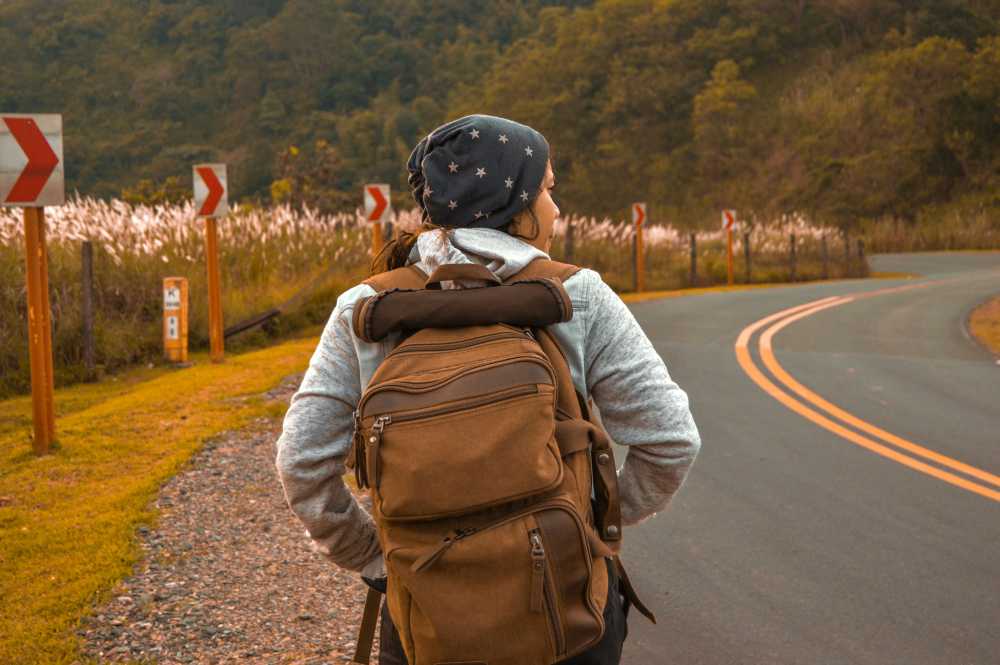
This is more than just freedom; it’s a process of authentic self-discovery. You begin to distinguish your own desires from the desires you’ve absorbed from your environment. You reconnect with your own intuition, your own rhythm, and your own passions. As Alice Teacake of Teacake Travels puts it, her mission as a solo traveler has always been to "reach my full potential by facing my fears and pushing my boundaries." This journey of self-discovery is the first step on that path.
The journey of self-discovery begins with the first step: planning an adventure that is 100% for you.
Design a Trip That's Truly Yours
Our free [Travel Itinerary Template] is the perfect tool to start mapping out the trip of your dreams. Download it now to organize your thoughts, plan your days, and take control of your adventure from the very beginning.
4. You’ll Unlock a State of True Mindfulness and Presence
When you travel with a companion, much of your attention is naturally directed toward them—through conversation, shared decision-making, and the simple act of experiencing things together. While wonderful, this constant social interaction can create a filter between you and your surroundings.
When you travel alone, that filter dissolves. Without the distraction of constant conversation, your senses are heightened. You become acutely aware of the world around you in a way that is profoundly mindful. You notice the intricate details of the architecture, the specific aroma of the street food, the cadence of the local language, the way the light hits a cobblestone street in the late afternoon. You become an observer, not just a visitor.
This state of heightened awareness is a form of mindfulness, allowing you to be fully present in the moment. You absorb your destination with a depth and richness that is often missed in a group. A meal isn't just a meal; it's a quiet meditation on new flavors. A walk through a city isn't just a route from A to B; it's an immersive experience of sights, sounds, and smells. You learn to find richness in the small, quiet moments that are often overlooked, and this ability to be fully present is a skill that dramatically enhances your quality of life, both on the road and at home.
Pro-Tip: Use your solo meals as a dedicated mindfulness practice. Put your phone away, bring a journal, and spend the time actively observing the world around you. Write down what you see, hear, and taste. This transforms a potentially awkward moment into a rich, reflective experience.
5. You'll Master the Empowering Benefits of Solo Travel: "Alone" vs. "Lonely"
Let’s address the biggest fear head-on: loneliness. The specter of profound social isolation—of having no one to share a beautiful sunset with—can be the single most powerful deterrent to a solo trip. But one of the most profound benefits of solo travel is learning the crucial and empowering distinction between being "lonely" and being "alone."
Loneliness is a feeling of lack, of involuntary isolation. Being alone, on the other hand, can be a choice—a state of contentment, peace, and self-possession. Solo travel is your training ground for mastering this skill. It forces you to get comfortable in your own skin, to find joy in your own company, and to realize that you are enough.
This fear is universal. Alexandra Baackes of Alex in Wanderland recalls the night before her first solo trip: "she cried; terrified over the thought of eating dinner alone, getting lost in the airport, and having her camera stolen." That summer, she fell "head-over-flip-flops in love with the adrenaline of travel." Her story is a testament to the fact that courage isn't the absence of fear, but the act of moving forward despite it. You will have moments where you feel a pang of loneliness, but you will also have moments of pure, unadulterated joy in your own solitude. You learn that you can be both independent and connected, seeking out social interaction on your own terms and then retreating into your peaceful solitude when you choose. This ability to be at peace with oneself is a superpower.

Frequently Asked Questions About Solo Travel's Personal Growth
I'm an introvert. Will I still experience these benefits?
Absolutely. In fact, many introverts find solo travel to be the ideal way to explore. It allows you to engage with the world on your own terms, without the social battery drain of constant group interaction. The self-reliance and resilience you build are universal, and you have complete control over when and how you socialize.
Is it selfish to travel by myself?
Not at all. Investing in your own growth, resilience, and happiness is one of the least selfish things you can do. The confident, capable, and more worldly person you become after a solo trip is a gift to everyone in your life.
How long does a trip need to be to feel these benefits?
It's not about the duration, but the intention. A long weekend trip to a new city where you are fully responsible for your own itinerary can be just as impactful as a month-long backpacking adventure. The key is to step outside your comfort zone and embrace the autonomy, no matter the timeline.
Your Journey Awaits
The call to travel solo is a call to grow. It’s an invitation to discover the depths of your own capability, to find comfort in your own company, and to see the world not as a scary, intimidating place, but as a vast and beautiful classroom. The fears are valid, but they are not your future. The profound benefits of solo travel—radical self-reliance, unbreakable resilience, authentic self-discovery, heightened mindfulness, and the mastery of solitude—are the rewards that await you on the other side of that fear.
This is your "why." It’s one of the most direct and powerful investments you can ever make in yourself. The question is no longer "should I go?" but rather, "how can I not?"
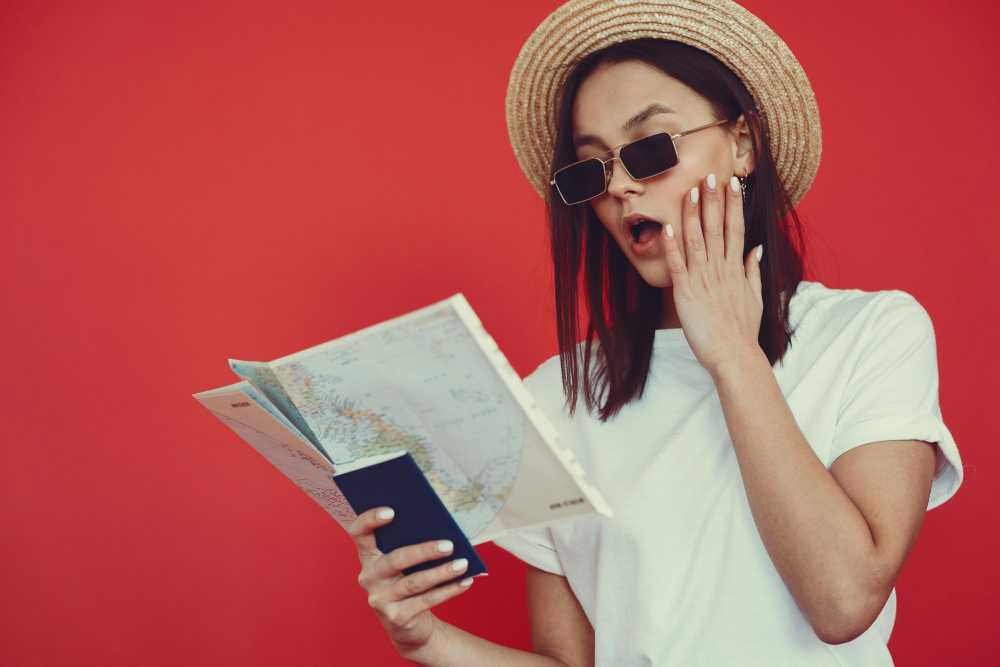
The path to your transformation starts with a single step. On the TrekGuider marketplace, you can explore a collection of expert-written travel guides from seasoned solo travelers, packed with the kind of real-world advice that builds confidence. Find your destination, build your plan, and begin the adventure that will change your life. The world is waiting.
Meta Data Suggestions:
SEO Meta Title (59 characters): 5 Unexpected Benefits of Solo Travel for Personal Growth
URL Slug: /benefits-of-solo-travel
SEO Meta Description (154 characters): Thinking about a solo trip? Discover the 5 unexpected benefits of solo travel, from radical self-reliance to authentic self-discovery. It's more than a trip; it's a transformation.
Don't Miss Out! Subscribe for Exclusive Content
SubscribeComments 0
No comments yet
Be the first to share your experience!
Dont Miss Out! Subscribe for Exclusive Content
San Francisco Cherry Blossoms: A Local's Guide to the Blooms
Halloween SF: Haunts Without Horrors
SF Festivals: 7 Must-See Lineups
Christmas SF: Lights & Wharf Wonders
SF Pride: 6 Route & Party Hacks