
Solo Travel Seniors Tips: Comfortable Adventures After 50

TrekGuider @trekguider
Are you dreaming of exploring the cobblestone streets of Rome or the vibrant markets of Thailand, but a nagging voice in your head keeps asking, "Is it too late? Is it safe for me to go alone?" You are not alone in feeling this way. For many seniors, the freedom of retirement brings a powerful urge to travel, followed closely by a wave of practical concerns about safety, health, and loneliness. This flood of generic advice online, often aimed at 20-something backpackers, can feel more discouraging than helpful. This guide is here to silence that voice of doubt. We're not just giving you a list of solo travel seniors tips; we're giving you a complete, step-by-step blueprint for transforming apprehension into adventure. This is your practical roadmap to becoming a safe, confident, and empowered senior solo traveler.

Building the Confidence to Go It Alone
Before you book a flight or pack a bag, the most important journey is the one that happens in your mind. Acknowledging your fears is the first step toward conquering them. For many mature travelers, the concerns are not just about logistics but about a deeper sense of vulnerability. Let's dismantle these worries with a new perspective, framing them not as stop signs, but as guideposts for smart preparation.
The Fear of Loneliness
The image of a lonely dinner for one is a powerful deterrent. However, the reality of modern solo travel is far from isolating. The key is to reframe your thinking. You are not "alone"; you are "independent." This is a journey you have gifted yourself, where every decision—from the museum you visit to the time you wake up—is entirely your own. This freedom is a luxury. Remember, solitude can be a profound source of peace and self-discovery, and when you do crave connection, you'll find countless opportunities to engage on your own terms.
The Fear of Safety
It's wise to be cautious, but it's counterproductive to be paralyzed by fear. The 24-hour news cycle can paint the world as a terrifying place, but billions of people live safe, ordinary lives every day. Your strategy is not to build a fortress of fear but to develop a toolkit of awareness. By learning to recognize and avoid common scams, securing your belongings intelligently, and trusting your intuition, you transform yourself from a potential "soft target" into a savvy, confident traveler who is in control of their environment. Many of the safest places for senior solo travel, like Portugal and Japan, have remarkably low crime rates.
The Fear of "Am I Fit Enough?"
Forget the notion that travel must be a whirlwind of non-stop activity. The greatest advantage of traveling solo after 50 is that you set the pace. There is no one to keep up with and no one to impress. If you want to spend an entire afternoon reading at a Parisian café, you can. If you need a mid-day nap to recharge, your schedule allows it. Embracing your own natural rhythm is not a limitation; it's a smarter, more sustainable way to travel that prevents burnout and allows you to truly savor every moment.
A Pre-Trip Checklist for Total Peace of Mind
Confidence is born from competence. There is no greater antidote to pre-travel anxiety than a rock-solid plan that systematically turns "what-ifs" into "I've-got-this." This checklist covers the essential solo travel seniors tips for building an unshakeable foundation for your adventure.

Choosing Your Destination: Prioritize Safety, Accessibility, and Passion
Your first solo trip should be an unequivocal success. Set yourself up for it by choosing a destination that aligns with your needs.
Safety & Infrastructure: Start with countries renowned for safety and excellent tourist infrastructure. Destinations like Iceland, New Zealand, Costa Rica, and much of Scandinavia are popular for a reason. Use resources like the U.S. Department of State's travel advisories to check for any current issues.
Accessibility: Consider the physical demands. Research your target city's topography—are there lots of steep hills? Look into its public transit system. A city known for its walkability and excellent, accessible subway, like Lisbon or Copenhagen, can be far more enjoyable.
Your Passion: This is your trip. Choose a place that genuinely excites you, whether it's the art museums of Florence, the gardens of Kyoto, or the historical sites of Quebec City.
Booking Logistics
The physical and mental stress of travel often peaks during transit. Minimize it with a few key decisions.
Flights: Whenever possible, book direct flights. Avoiding the rush and potential confusion of a tight connection is worth a modest premium. Pay the extra fee to check your luggage; navigating an airport unencumbered is a simple but significant luxury.
Arrival: Pre-book your airport transfer. Knowing a reputable car service or shuttle will be waiting for you eliminates the uncertainty of haggling for a taxi or navigating public transport after a long flight.
Accommodations
Where you stay is your sanctuary. For senior solo travelers, location and comfort matter most.
Location is Everything: Choose a hotel or apartment in a central, well-lit, and safe neighborhood. Use the map view during your search to ensure you're close to public transport and amenities.
Read the Reviews: Look for recent reviews from other solo travelers. Pay attention to comments about the safety of the area at night, noise levels, and the helpfulness of the staff.
Amenities that Matter: An elevator, 24-hour reception, and an in-room safe are non-negotiable for peace of mind.
Your Itinerary and the STEP Program
Sharing your plans is a critical safety measure. Provide a detailed copy of your itinerary—including flight numbers, hotel addresses, and contact numbers—to a trusted friend or family member. For U.S. citizens, enrolling in the free Smart Traveler Enrollment Program (STEP) is a wise move. This registers your trip with the nearest U.S. Embassy or Consulate, who can then contact you in an emergency. Enrolling also makes it easier for family to get in touch with you through the embassy in a true crisis.
With these age-specific details handled, you can broaden your preparation by exploring our ultimate guide, which is packed with dozens of universal applicable to adventurers of all ages.
Your Well-Being on the Road
Managing your health on the road is at the heart of a successful trip. This isn't just about packing pills; it's about a complete approach that ensures you can enjoy every day to the fullest. This is one of the most crucial areas for solo travel seniors tips.

The Pre-Travel Doctor's Visit & Smart Medication Management
Schedule a visit with your doctor 4-6 weeks before your departure.
Discuss your itinerary and any necessary vaccinations or preventative medications.
Obtain a letter from your doctor detailing any prescription medications you carry.
Pro-Tip: When getting a doctor's note for your prescriptions, also ask for the generic names of your medications. Brand names can vary dramatically between countries, and knowing the generic name can be a lifesaver if you need a refill abroad.
Always pack your medications in your carry-on bag in their original containers. Bring more than you need to cover any potential travel delays.
Acknowledging Your Limits
The "fear of missing out" can lead to over-scheduled days and total exhaustion.
The One Big Thing Rule: Plan just one major activity per day (e.g., a museum visit, a walking tour). Anything else you do is a bonus.
Schedule Downtime: Intentionally block out time in your itinerary for rest. An afternoon nap or a quiet hour with a book can make all the difference for your evening energy levels.
Listen to Your Body: If you wake up feeling tired, give yourself permission to have a slow morning. Flexibility is a solo travel superpower.
Leveraging Accessibility Services Everywhere
Asking for assistance is a sign of a smart, prepared traveler, not a weakness.
Airports: Don't hesitate to request wheelchair assistance when booking your flight. It can make navigating long terminals and security lines infinitely less stressful.
Attractions: Most major museums and tourist sites offer accessibility services, such as elevators, ramps, and sometimes even free admission for a companion. Check their websites in advance to know what's available.
A Practical Guide to Situational Awareness
Your best safety tool is your brain. Being aware and projecting confidence makes you a far less appealing target for opportunistic thieves and scammers.

Securing Your Valuables: A Three-Tiered System
The Crossbody Bag: A secure crossbody bag, worn in front of your body with a locking zipper, is your best friend for daily essentials. It keeps your hands free and your belongings in your line of sight.
The Money Belt (for transit days): On days you're moving between cities, a money belt worn under your clothes is the most secure place for your passport, extra credit cards, and the bulk of your cash.
The Hotel Safe: Upon arrival at your hotel, immediately lock your passport, extra cash, and any valuable electronics you don't need for the day in the room safe.
How to Avoid Looking Like an Easy Target
Walk with Purpose: Even when you're just exploring, walk as if you know where you're going. If you need to check a map, step into a shop or café rather than stopping in the middle of a busy sidewalk.
Dress Modestly: Research local customs and aim to dress like the locals. Avoid flashy jewelry or expensive-looking accessories that draw unnecessary attention.
Limit Phone Distraction: Keep your phone tucked away in crowded areas like subways or markets. Being engrossed in your screen makes you oblivious to your surroundings.
Your Oldest and Best Security System
Your intuition is a powerful, time-honed survival mechanism. If a person or a situation feels "off," it is. You don't need to justify it or worry about being rude. Remove yourself from the situation immediately. This is the most important of all safety-related solo travel seniors tips.
Pro-Tip: Learn a few key phrases in the local language, such as "Hello," "Thank you," and most importantly, "No, thank you." A firm "No, thank you" in their own language, delivered with direct eye contact, is a powerful and universally understood deterrent.
Four Low-Pressure Ways to Connect on the Road
Traveling solo doesn't have to mean traveling lonely. The beauty is choosing when and how you connect with others. Here are four easy strategies to meet people.

The Power of a Shared Interest
This is the ultimate hack for effortless socializing. Joining a small-group walking tour, a cooking class, or a wine tasting event instantly connects you with like-minded travelers. The shared activity provides a natural icebreaker, and conversations flow easily. You might just meet a dinner companion for the evening.
The Art of Dining Solo
Eating alone can be a joy, not a fear.
Sit at the Bar: The bar or chef's counter is a more casual setting and perfect for solo diners. You can often strike up a pleasant conversation with the bartender or your neighbors.
Bring a Prop: A book or a journal can be a comfortable companion. It signals you're content but still approachable.
Look for Communal Tables: Many modern restaurants and food halls feature large communal tables, which are an open invitation for conversation.
The "Bold Title Book" Technique
This clever tip comes from veteran solo travelers. Carry a book with an intriguing or bold title. When you're sitting in a park or café, it can be a fantastic conversation starter as curious people inquire about what you're reading.
The "Solo-Friendly" Group Tour
If you want the freedom of a solo trip with the security and social structure of a group, consider companies that specialize in small-group tours for mature travelers. Companies like Road Scholar or Overseas Adventure Travel offer fantastic itineraries that handle all the logistics and provide a built-in community of fellow travelers, often with options to avoid the dreaded single supplement fee.
Your Questions Answered
What is the best travel insurance for seniors?
Look for a comprehensive policy that has high limits for emergency medical coverage and, crucially, a waiver for pre-existing conditions. Companies like Allianz Travel Insurance, Travel Guard, and World Nomads are highly regarded, but always read the policy details carefully to ensure it meets your specific health needs. The best travel insurance for over 65 is one that provides total peace of mind.
How can I avoid the single supplement fee?
The single supplement is an extra charge for a solo traveler to compensate a hotel or tour operator for the loss of a second person's revenue. To avoid it, look for tour companies that either waive the fee or offer to match you with a roommate. Booking accommodations in guesthouses or apartments rather than traditional hotels can also eliminate this cost.
What are the best smartphone apps for a senior solo traveler?
Google Maps: Essential for navigation. Download offline maps of your destination before you leave.
Google Translate: Use the camera and conversation features to overcome language barriers.
WhatsApp: A free and easy way to stay in touch with family and friends back home using Wi-Fi.
TripIt: Organizes all your travel confirmations (flights, hotels, rental cars) into one master itinerary.
You’ve earned the wisdom and the time to see the world on your own terms. Now, with this guide, you also have the playbook for doing it with confidence. Armed with these solo travel seniors tips, you can move forward with the assurance that you are not just capable, but perfectly equipped for the adventure of a lifetime. The world is not just for the young; it's for the curious, the brave, and the young at heart. Go and claim your corner of it.
Read the full guide: Anxious to Adventurous: The Ultimate Guide to Solo Travel Confidence
Don't Miss Out! Subscribe for Exclusive Content
Subscribe



Comments 0
No comments yet
Be the first to share your experience!
Dont Miss Out! Subscribe for Exclusive Content

Ultimate USA Holidays Guide: Top Picks


FTC Affiliate Disclosure Essentials: Stay Compliant as a Travel Creator

Essential Affiliate Tools: From Tracking to Full Optimization

Booking.com Affiliate Program Review: Pros, Cons, and Earnings Potential

Decoding Affiliate Commission Rates: Benchmarks for Travel Creators

Amazon Associates for Travel: Strategies to Maximize Commissions
Solo Travel Europe Without Going Broke: A Realist's Guide
TrekGuider @trekguider
Does the dream of a solo trip through Europe—wandering Rome’s ancient streets, finding the perfect café in Lisbon, or watching the sunset over the Danube in Budapest—feel just out of reach because of one major hurdle? The cost. For years, the myth has persisted that a European adventure requires a massive savings account. You've seen the glamorous photos, but you’re agitated by the nagging fear that traveling alone means paying double for everything and draining your bank account.
Let's put that fear to rest. The fantastic news is that this financial barrier is crumbling. The travel industry is finally waking up to the power of the solo traveler, and a smarter, more affordable way to explore the continent has emerged. This guide is your complete playbook for an incredible solo travel Europe adventure on a budget. We'll show you how to leverage Europe’s incredible network of hostels and trains, not as a sacrifice, but as a real advantage for a richer journey. These are the essential that transform financial anxiety into confident exploration.
The First, Most Important Decision: Mastering Europe's Budget Map
The single most powerful decision you will make for your budget happens before you book a single hostel or train ticket: choosing where to go. The secret to affordable solo travel Europe is understanding that the continent has two distinct economic personalities. Your first strategic move is to divide your map into two zones: the pricier West and North, and the wonderfully affordable East and South.
This isn’t about sacrificing iconic experiences; it’s about being smart. A daily backpacker budget in Western Europe (think France, the UK, Switzerland) can easily run you $75-$125. That same travel style in Eastern Europe (Hungary, Poland, Czech Republic) will cost closer to $40-$70. To put it bluntly: a single dinner in Zurich can cost more than your entire day’s budget in Krakow.
Your Budget-Friendly Hubs (East & South): These regions are your financial superpower. They offer world-class history and vibrant culture at a fraction of the cost. Prioritize cities like:
Budapest, Hungary: Famous for its stunning architecture and thermal baths.
Krakow, Poland: A historical gem with a lively, youthful energy.
Prague, Czech Republic: A fairytale city of spires and bridges.
Lisbon, Portugal: Coastal charm, fantastic food, and a laid-back vibe.
Seville, Spain: The heart of Andalusia, with passionate culture and sunny plazas.
Athens, Greece: The cradle of Western civilization, with ancient wonders at every turn.
The Splurge-Worthy Destinations (West & North): This doesn't mean you have to skip London, Paris, or Amsterdam. It just means you visit them strategically.
Pro-Tip: Embrace the "Hybrid Trip" Strategy. Don't think in terms of "either/or." Plan to spend the bulk of your trip—say, two weeks—exploring the more affordable regions. This allows you to "bank" significant savings, which you can then deploy for a shorter, more focused four or five-day splurge in a bucket-list city like Paris without breaking the bank.
Forging Your Financial Compass
A budget isn’t a restriction; it’s a tool of empowerment. It’s what allows you to travel without financial stress. Instead of a single magic number, let's break down the costs so you can build a personalized plan.
Deconstructing the Daily Costs: Where Does the Money Go?
Forget generic advice. Your daily budget is a deeply personal number that hinges on your travel style. To give you a real-world compass, we’ve broken down the three most common approaches we see on the road:
The Bare-Bones Backpacker: $45-$65 per day. This is for the traveler who stays exclusively in hostel dorms, cooks most meals in the hostel kitchen, and focuses on free activities like walking tours and exploring neighborhoods on foot.
The Savvy Mid-Ranger: $75-$130 per day. This is the sweet spot for most. It allows for a mix of hostel dorms with the occasional private room, eating one meal out per day at a casual spot, visiting paid attractions, and enjoying the local nightlife.
The Comfort-Conscious Budgeter: $135+ per day. This budget allows for private rooms in hostels or budget hotels, dining out more frequently, and participating in unique paid experiences or guided tours.
Pre-Trip Savings vs. On-the-Ground Spending
Remember that a significant chunk of your budget will be spent before you even leave home. Factor in these major upfront costs:
International Flights: Use tools like Google Flights and Skyscanner with flexible date searches to find the best deals.
Travel Insurance: This is non-negotiable. It’s your ultimate safety net for medical emergencies or trip cancellations.
Essential Gear: A quality, comfortable backpack and two pairs of versatile shoes are your most important investments.
For your money on the ground, be a financial ninja. Get a credit or debit card with no foreign transaction fees (like the Chase Sapphire Preferred or Capital One Venture). These 2-3% charges on every purchase add up shockingly fast. Crucially, always avoid the bright blue and yellow Euronet ATMs. They are predatory, charging outrageous conversion rates and hidden fees. Stick to official bank ATMs—look for the logos of major national banks like Deutsche Bank, BNP Paribas, or Santander. Your wallet will thank you.
Sleep Smart, Save Big
For solo travelers, where you sleep is more than just a bed—it’s your social hub, your sanctuary, and your savings engine.
Hostels: Your Social Hub and Savings Engine
Hostels are the undisputed key element of budget travel in Europe. A dorm bed will typically cost between $25 and $45, a massive saving compared to a hotel. But their true value lies beyond the price tag.

Built-in Community: Hostels are designed for social interaction. The common areas, shared kitchens, and organized events (like free walking tours or pub crawls) make it incredibly easy to meet other travelers if you choose to.
Safety & Security: Modern hostels are safer than ever. Look for properties with 24-hour reception, secure individual lockers for your valuables (always bring your own padlock), and female-only dorms if that makes you more comfortable.
Amenities that Save: The communal kitchen is a budget game-changer. Cooking just a few meals a week can save you hundreds over a long trip.
When booking on sites like Hostelworld, read recent reviews like a detective. Pay close attention to comments on cleanliness, location, security, and the overall "vibe" to find the perfect fit for you.
Beyond the Dorm: Other Budget-Friendly Options
While hostels are king, they aren't your only choice. The rise of "lifestyle" hotel brands like Moxy offers smaller, stylish single rooms that can be a great value. Renting a private room on Airbnb is another option, though often pricier than a hostel. A key piece of good news: the dreaded "single supplement" fee is slowly dying. The industry has recognized the solo travel boom, and more companies are offering true single-person pricing. Once you've locked in your home base, the next piece of the puzzle is mastering the art of getting from A to B without draining your travel fund.
Mastering the Rails & Roads
Europe’s transport network is a marvel, but choosing the cheapest option requires a strategic trade-off between cost, time, and convenience. This is a critical component of your plan for solo travel Europe on a budget.
Eurail Pass vs. Point-to-Point Tickets
Is a Eurail Pass worth it for a solo traveler? The answer is: it depends.
Get a Eurail Pass if: You crave ultimate flexibility and plan to travel extensively through expensive countries like Germany, Switzerland, and Austria, where last-minute train tickets are costly.
Buy Point-to-Point Tickets if: You have a relatively fixed itinerary and are focusing on Southern or Eastern Europe. Booking individual bus or train tickets in advance on platforms like Omio or Trainline is almost always cheaper.
Pro-Tip: Before you buy a pass, map out your ideal route and price out each individual leg of the journey. Compare that total to the cost of the pass. This simple exercise can save you hundreds of dollars.
Eating Like Royalty on a Pauper's Budget
Forget surviving on instant noodles. Eating affordably in Europe can be one of the most delicious and authentic parts of your journey.
The Holy Trinity of Budget Eating
Supermarkets & Picnics: This is your #1 money-saving tactic. Visit a local grocery store or an outdoor market. Buy a fresh baguette, some regional cheese, local cured meats, fruit, and a bottle of wine for a few euros. Enjoying this feast in a Parisian park or along a Venetian canal is a 5-star experience at a 1-star price.
Hostel Kitchens: Cooking dinner with new friends in the hostel kitchen is a quintessential backpacking experience. It’s social, fun, and incredibly cheap.
Street Food & Local Markets: From gyros in Greece to pierogi in Poland, covered food halls and street food stalls are where you’ll find authentic, delicious local food for just a few dollars.

Smart Restaurant Hacks
When you do dine out, eat smart. Embrace the lunch special. Across Europe, especially the menu del día in Spain (which typically includes a starter, main, dessert, and a drink for a set price), restaurants offer multi-course lunch menus for a fraction of their dinner prices. And always use the Five Block Rule: walk at least five blocks away from any major tourist attraction before choosing a restaurant. You’ll almost always find better food at a lower price.
Two Field-Tested Budget Itineraries
Let's make this real. Here are two sample itineraries showing these principles in action.
The 3-Week Eastern Europe Classic (€50/day)
Route: Prague → Krakow → Budapest → Belgrade
The Vibe: This is the ultimate budget-friendly route through the heart of Central and Eastern Europe. You’ll experience stunning history, incredible nightlife, and delicious food and beer, all while your daily costs stay incredibly low. Transportation between these cities is fast, cheap, and easy via bus or train.
The 3-Week "Best of Both" Hybrid (€85/day)
Route: Lisbon → Seville → (Fly to) Rome → Florence → (Overnight bus to) Ljubljana
The Vibe: This itinerary demonstrates the Hybrid Strategy. You start in affordable and beautiful Portugal and Spain, then take a strategic budget flight to tackle your Italian bucket list. You finish in charming, budget-friendly Slovenia, using an overnight bus from Italy to save on both transport and a night's accommodation.
Your Top Budget Questions, Answered
How much money do I need for 1 month of solo travel in Europe?
A solo traveler can expect to spend between $1,500 (frugal backpacker in the East) and $4,500 (mid-range traveler including the West) for a one-month trip. Your destination choices and travel style are the biggest factors.
Is Europe safe for a first-time solo female traveler?
Absolutely. Europe is generally very safe for solo female travelers. Countries like Iceland, Portugal, and Slovenia are consistently ranked among the safest in the world. Standard precautions—being aware of your surroundings, securing your belongings, and trusting your gut—are key.
What is the absolute cheapest way to travel between countries in Europe?
The bus is almost always the cheapest option. Companies like Flixbus have an extensive network with fares as low as $5, making them a backpacker's best friend.
Should I travel in the summer or the off-season?
For budget travel, the shoulder seasons (April-May, September-October) are perfect. You’ll get pleasant weather with far fewer crowds and significantly lower prices for flights and accommodation compared to the peak summer months.
You now have the framework for an affordable and unforgettable European adventure. The key to a successful solo travel Europe journey on a budget isn't about restriction; it's about smart, strategic planning. By choosing your destinations wisely, embracing the social and economic power of hostels, and mastering the continent's incredible public transport, you transform a dream into an achievable, actionable plan. The freedom of the open road—and the railway—is yours for the taking.
Read the full guide: Anxious to Adventurous: The Ultimate Guide to Solo Travel Confidence
Don't Miss Out! Subscribe for Exclusive Content
SubscribeComments 0
No comments yet
Be the first to share your experience!
Dont Miss Out! Subscribe for Exclusive Content

Top 11 High-Paying Affiliate Programs for Travel Bloggers

High-Paying Affiliate Opportunities for Individual Travel Affiliates
Amazon Associates for Travel: Strategies to Maximize Commissions

How to Avoid Travel Scams: A Global Guide

A Woman's Guide to Safe Travel: 10 Critical Tips

7 Hotel Safety & Security Tips for Peace of Mind
Christmas NOLA: Creole Lights & Eats
TrekGuider @trekguider
Are you tired of the same silent, snowy nights? The predictable cycle of generic holiday markets and overplayed carols can leave even the most festive traveler craving something with more soul. You’re searching for a holiday that swaps biting frost for a warm, vibrant cultural immersion—a place where tradition isn't just remembered, but is passionately lived, tasted, and celebrated with a fiery spirit.
Imagine a Christmas Eve where the sky is illuminated not by faint stars, but by towering bonfires blazing along the Mississippi River, a Cajun beacon for Papa Noël. Picture yourself sitting down not to a standard holiday ham, but to a multi-course Creole feast—a Réveillon dinner—so decadent and steeped in history it feels like a culinary sacrament. To miss this is to settle for a cookie-cutter holiday when a deep, unforgettable adventure awaits.
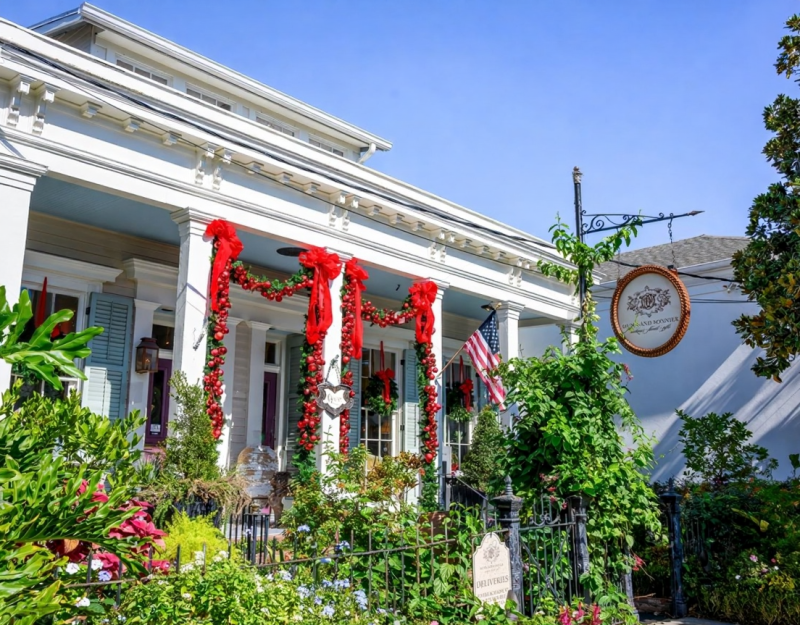
This is your definitive guide to unlocking the magic of a New Orleans Christmas—a celebration so distinct it redefines what Christmas in the USA can be. It’s a key element experience we introduce in our broader guide to New Orleans Holidays: Cultural Feasts, and here, we’re diving deep. Forget sleigh bells; we’re talking jazz trumpets. Forget snow; we’re talking the warm glow of tradition. Let’s explore the one-of-a-kind Creole customs, from legendary dinners to spectacular bonfires, that make this city the ultimate holiday destination.
The Heart of a Creole Christmas: The Réveillon Dinner Tradition
In New Orleans, the absolute pinnacle of holiday dining is the Réveillon dinner. Forget a simple holiday meal; the Réveillon (REV-ee-on) dinner is a cherished Creole ceremony dating back to the early 19th century. It began as an elaborate feast served after midnight mass on Christmas Eve, where families would break their pre-communion fast with a lavish spread that could last for hours, filled with rich food, lively conversation, and holiday cheer.
While the custom has evolved from a purely home-cooked affair, its spirit is more vibrant than ever in the city's world-class restaurants. Throughout December, dozens of New Orleans' finest establishments offer special multi-course Réveillon menus that pay homage to this historic tradition. These are not your typical holiday buffets. These are carefully built culinary journeys featuring decadent dishes that blend French, Spanish, and African influences. Expect to see rich turtle soup, gamey quail, and iconic Louisiana staples like the indispensable oyster gumbo.
Participating in a Réveillon dinner is to take part in a living piece of New Orleans history—a delicious ritual that connects you directly to the soul of a Creole Christmas.
How to Book Your Réveillon Dinner: A Step-by-Step Guide
Securing a table for this beloved tradition requires some foresight, but the reward is an experience you'll talk about for years. Follow these steps to guarantee your spot.
Research Early: Restaurants typically announce their Réveillon menus in late October or early November. The official New Orleans tourism website is an excellent resource, compiling a list of participating establishments so you can browse menus. Look for offerings that excite you, whether it's a modern twist on Creole classics or a faithful recreation of historical dishes.
Book Immediately: These dinners are incredibly popular with locals and visitors alike. Once you've identified your top choices, make reservations without delay. For prime dates like Christmas Eve, booking a month or two in advance is not overkill. While most restaurants use online platforms, a direct phone call can sometimes reveal extra availability.
Understand the Format: Nearly all Réveillon dinners are prix-fixe, meaning you pay a set price for a specific number of courses (usually four to six). Wine or cocktail pairings are often available for an additional charge. We highly recommend them, as they are expertly curated to elevate the rich, complex flavors of the meal.
Dress the Part: New Orleanians embrace any opportunity to dress up, and a Réveillon dinner is the perfect occasion. While a strict black-tie dress code is rare, "holiday festive" or "smart casual" is the standard. Think collared shirts and slacks or a stylish dress. It’s a special event, so lean into the celebratory atmosphere.
Pro-Tip: While the classic, centuries-old restaurants in the French Quarter offer an undeniably historic Réveillon experience, don't overlook the innovative eateries in neighborhoods like the Garden District or the Warehouse District. These spots often provide a contemporary take on the tradition with equally spectacular food and a more local vibe.
A Unique Take on Christmas in the USA: Lighting Up the Night
New Orleans trades conventional holiday light displays for traditions deeply rooted in its unique landscape and folklore. The city’s two most famous spectacles—the bonfires on the levee and the enchanting Celebration in the Oaks—offer two vastly different but equally magical ways to experience the holiday glow. These events are a core part of what makes Christmas in the USA so special in this corner of the country.
Papa Noël's Fiery Welcome: The Bonfires on the Levee
Perhaps the most dramatic and uniquely Louisiana Christmas tradition is the lighting of massive bonfires along the Mississippi River levees on Christmas Eve. This custom is most prominent in the parishes just upriver from New Orleans, particularly in St. James Parish. According to beloved local lore, the bonfires are built to light the way for "Papa Noël," the Cajun Santa Claus, as he navigates the dark, swampy landscape in his pirogue pulled by alligators.
These are not small campfires. They are colossal wooden structures, often built in the shape of log cabins, steamboats, or other creative designs, that are set ablaze to create a fiery, awe-inspiring pathway along the river. The tradition is a massive community event, with families gathering to enjoy the warmth, share food and drink, and watch the spectacular display unfold.
How to Experience the Bonfires:
Book a Bus Tour: The easiest and most stress-free way to see the bonfires is by booking a spot on a dedicated bus tour departing from New Orleans. These operators handle all the logistics, navigating the intense traffic and securing a prime viewing location, often with commentary on the tradition's history.
Drive Yourself (With Caution): If you have a car, you can drive the "River Road" through the parishes. Be prepared for gridlock traffic and follow the directions of local law enforcement. The spectacle is worth it, but patience is an absolute must.
Arrive Before Dusk: The bonfires are typically lit at dusk on Christmas Eve (around 7 PM). Plan to arrive in the area well beforehand to find parking, claim a spot, and soak in the festive, communal atmosphere.
A Dazzling Urban Oasis: Celebration in the Oaks
For a more traditional (yet still distinctly New Orleans) light display, Celebration in the Oaks is an absolute must. Held in the city’s sprawling and beautiful City Park, this event transforms the landscape into a breathtaking winter wonderland. With millions of twinkling lights adorning the park's famous ancient oaks—some of which are over 800 years old—the effect is nothing short of spectacular.

This beloved local tradition is perfect for families, couples, and anyone looking to be immersed in pure holiday cheer. Key features include a popular drive-thru light tour, allowing you to experience the magic from your car, as well as walking paths that guide you through themed light exhibits. A ride on the park's historic carousel, beautifully decorated for the season, is an essential part of the experience.
Tips for Visiting Celebration in the Oaks:
Buy Tickets Online in Advance: This event is extremely popular and frequently sells out, especially on weekends. Purchasing your timed-entry tickets online is essential to avoid disappointment.
Visit on a Weekday: To avoid the largest crowds and enjoy a more relaxed experience, plan your visit for a weeknight if your schedule allows.
Consider the Driving Tour: The drive-thru option is perfect for a rainy evening or for those with mobility challenges. It offers a fantastic and comprehensive view of the entire display.
More Than Lights and Food: Other Essential NOLA Christmas Traditions
While Réveillon dinners and fiery bonfires are the headliners, the holiday spirit in New Orleans is woven into the city's fabric through music, community, and history. To fully appreciate the season, immerse yourself in these other cherished local customs.
Caroling in Jackson Square
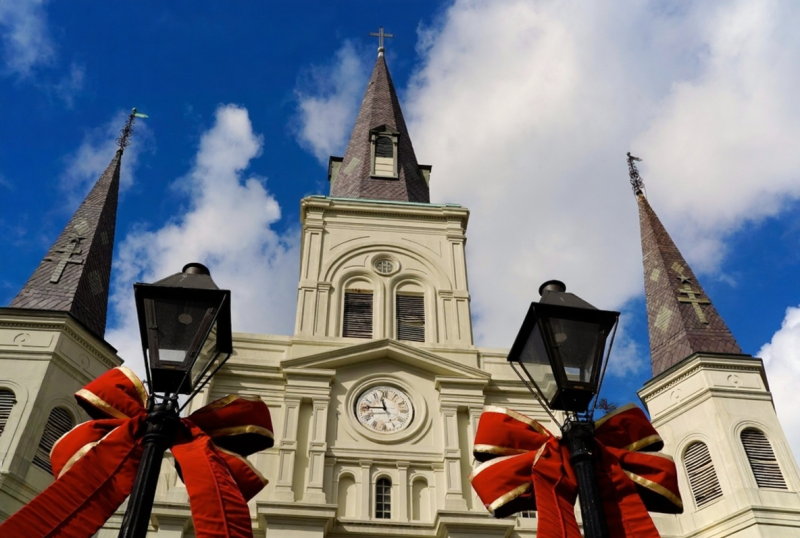
On the Sunday before Christmas, thousands of people gather in Jackson Square, in the heart of the French Quarter, for a truly magical evening of community caroling. With the iconic St. Louis Cathedral as a stunning backdrop, locals and visitors hold candles and sing holiday classics together. The event is free, and the sight of the square illuminated by candlelight and filled with joyful voices is a quintessential New Orleans Christmas experience.

Holiday Concerts and Cathedral Music
Music is the lifeblood of New Orleans, and the holiday season is no exception. Many of the city's historic churches and cathedrals, including the St. Louis Cathedral, host free holiday concerts featuring gospel choirs, classical musicians, and jazz ensembles. These performances, held in beautiful and acoustically rich environments, offer a soulful and moving way to celebrate. Check local listings for schedules.
For our international readers planning to experience this uniquely American holiday, navigating travel during this busy season can be complex. To ensure you have all your documents, bookings, and essentials in order for a smooth journey, download our free International Travel Checklist. It’s the perfect tool to prepare for your Creole Christmas adventure.
Your Practical Guide to a New Orleans Christmas Vacation
A little planning goes a long way in making your New Orleans holiday trip seamless and spectacular. Here is the essential information you need to navigate the city during this festive season.
When to Visit and What to Pack
To get the full experience, plan to arrive at least a few days before Christmas Eve. This gives you time to enjoy the Réveillon dinners, see the lights, and soak in the festive atmosphere before the main events.
New Orleans weather in December is typically mild but can be unpredictable. Packing is all about layers:
Light Layers: Bring sweaters, long-sleeved shirts, and a medium-weight jacket. Daytime temperatures can be pleasant, but it gets chilly at night, especially near the river.
Comfortable Walking Shoes: The best way to explore the French Quarter and other historic neighborhoods is on foot. You will be doing a lot of walking, so comfortable shoes are non-negotiable.
A Festive Outfit: Pack something a little dressier for your Réveillon dinner or a holiday concert.
Rain Gear: A compact umbrella or a light raincoat is always a smart addition, just in case of a passing shower.
Pro-Tip: The St. Charles Streetcar line offers a magical and incredibly affordable sightseeing tour. For the price of a single fare, you can ride through the stunning Garden District, where grand historic mansions are adorned with elegant and elaborate holiday decorations. It's a low-cost activity with a huge festive payoff.
Getting Around the City
Navigating New Orleans during the holidays is relatively easy.
Walk: The French Quarter is compact and best explored on foot.
Streetcar: The historic streetcar lines are a charming and efficient way to travel between neighborhoods like the French Quarter, the Garden District, and Mid-City (for City Park).
Rideshare: Services like Uber and Lyft are widely available for destinations not easily reached by public transit.
Tours: For experiences like the bonfires on the levee, organized tours are the most convenient option, eliminating the stress of driving and parking in heavy traffic.
To truly master the city's layout, uncover hidden gems, and plan the perfect itinerary beyond the holidays, our comprehensive Travel Guide is an indispensable resource. It's packed with insider knowledge, detailed maps, and neighborhood guides that turn a good trip into an absolutely unforgettable one.
An Unforgettable Holiday Steeped in Creole Soul
A New Orleans Christmas is a feast for all the senses. It’s the smoky scent of bonfires on the cool night air, the rich flavor of a generations-old Réveillon recipe, the sound of a jazz band playing "Silent Night" on a French Quarter corner, and the sight of a historic square glowing with candlelight. It is a celebration that completely redefines what Christmas in the USA can be, trading commercial frenzy for authentic culture, deep-rooted history, and an abundance of soul.
You now have the blueprint to craft a holiday experience filled with fiery spectacle, culinary delights, and traditions you simply won't find anywhere else on earth. You are ready to step away from the ordinary and embrace a Christmas that is as unique, vibrant, and unforgettable as the city itself.
Ready to trade snow for bonfires and bland for bold? Start planning your unforgettable New Orleans holiday adventure today.
Don't Miss Out! Subscribe for Exclusive Content
SubscribeComments 0
No comments yet
Be the first to share your experience!
Dont Miss Out! Subscribe for Exclusive Content

San Francisco Cherry Blossoms: A Local's Guide to the Blooms

Halloween SF: Haunts Without Horrors

SF Festivals: 7 Must-See Lineups

Christmas SF: Lights & Wharf Wonders

SF Pride: 6 Route & Party Hacks
