
The Sanity-Saving System for Your Next Family Road Trip

TrekGuider @trekguider
Staring down a long family road trip and picturing more chaos than cherished memories? You're not alone. The line between an 'epic family adventure' and a 'mobile hostage situation' can be perilously thin, often hinging on a single forgotten charging cable or a rogue juice box.
The internet offers an avalanche of checklists, but this overload often creates more anxiety than it solves. What you really need isn't another random list—it's a bulletproof system designed to transform potential chaos into predictable calm.
This is that system. Forget frantic, last-minute packing. We're moving beyond what to pack and showing you how to orchestrate a seamless journey, from pre-trip vehicle checks to a sanity-saving in-car entertainment strategy.
While this guide focuses on the mechanics of a successful road trip, it’s a critical component of a larger travel philosophy. For a broader look at destinations and trip styles, be sure to explore our comprehensive guide to Family Travel Ideas: The 2026 Guide to Unforgettable Trips to find your next perfect adventure.

Your Pre-Launch Sequence: Mastering the 2-Week Countdown
A smooth trip begins long before you pull out of the driveway. This phase is about laying a foundation of safety and organization, giving you unshakable peace of mind before the wheels even start rolling.
The Essential Vehicle Safety Audit: Your First Step
Two weeks before your departure date, it’s time to give your vehicle a thorough check-up. While entrusting this to a certified mechanic is the gold standard, you can perform a solid initial inspection yourself.
Tires: Check the pressure on all four tires (and the spare!) to ensure it matches the recommended PSI on the driver’s side doorjamb. Inspect the tread for wear; a simple way to do this is with a penny. If you can see all of Lincoln's head, it’s time for new tires.
Fluids: Check and top off all essential fluids, including engine oil, coolant, brake fluid, and windshield washer fluid.
Brakes: Listen for any squeaking or grinding noises. If you notice any changes in performance or feel a vibration when braking, have them inspected by a professional immediately.
Lights & Wipers: Test all exterior and interior lights. Check your wiper blades for signs of cracking or wear and replace them if necessary. A sudden downpour is a terrible time to discover your wipers are shot.
Child Car Seat Safety
Vehicle safety extends to your most precious cargo. An improperly installed car seat can be a critical point of failure in an accident. Take these steps:
Check for Recalls: Visit the National Highway Traffic Safety Administration (NHTSA) website to ensure your car seat model has not been recalled.
Verify Fit: Ensure your child meets the height and weight requirements for their current seat.
Confirm Installation: A properly installed car seat should not move more than one inch in any direction at the belt path. Many local fire departments have certified technicians who will inspect your installation for free.
Assembling Your Complete Roadside Emergency Kit
Your vehicle should be equipped with more than just a jack and spare tire. A well-stocked roadside emergency kit is a non-negotiable part of your travel gear.
Jumper cables
Tire pressure gauge and portable air compressor
A well-stocked first-aid kit
Roadside flares or reflective triangles
A multi-tool and a small set of wrenches
Duct tape (because it fixes everything)
Flashlight with extra batteries
Portable phone charger or power bank
High-energy, non-perishable snacks and bottled water
Documentation & Digital Organization
Ensure your car's registration and insurance information are current and easily accessible. It's also wise to have digital copies saved to your phone. Use an app to plan your route, but to keep everything in one place—from reservations to daily plans—a dedicated Travel Itinerary Template is invaluable.
Your Ultimate Road Trip Blueprint
Planning a trip through America's greatest landscapes? Don't leave anything to chance. Our free, printable National Park Road Trip Checklist covers everything from vehicle prep to the one snack you can't forget. Download it now and guarantee a smoother adventure.
A System for Your Family Road Trip Essentials
Effective packing is about organization and accessibility, not just volume. This system ensures that everything you need is exactly where you need it, preventing roadside archaeology in your trunk.

The "Car Command Center": Organizing Your In-Reach Essentials
The front passenger seat area is your mission control. Use a seat-back organizer or a small bin to keep critical items within arm’s reach.
Phone mounts and charging cables
A roll of paper towels and a pack of wet wipes
Hand sanitizer
A small trash bag or designated car trash can
Lip balm, pain relievers, and personal medications
Sunglasses for the driver and co-pilot
The Comfort Kit: Blankets, Pillows, and Personal Items
A comfortable child is a happy child. For each kid, pack a small bag containing their comfort items like a travel pillow, a soft blanket, noise-canceling headphones, and a reusable water bottle.
The Kids' "Go-Bags": Empowering Young Travelers
Give each child a small backpack that is their responsibility. This fosters independence and dramatically reduces "Can you get my...?" requests. Let them help pack it with small toys, a coloring book, a reading book, and their tablet (if applicable).
The Overnight Bag: The Hotel Stop Lifesaver
If your trip includes an overnight hotel stay, this single tactic will save your sanity. Pack one duffel bag with everything the entire family needs for a single night: a change of clothes for everyone, pajamas, toiletries, medications, and charging cables. This prevents you from lugging every suitcase into the hotel.
Your In-Car Entertainment Playbook
Boredom is the mortal enemy of a peaceful road trip. Don’t leave entertainment to chance; deploy a structured strategy to keep spirits high and sibling squabbles low.
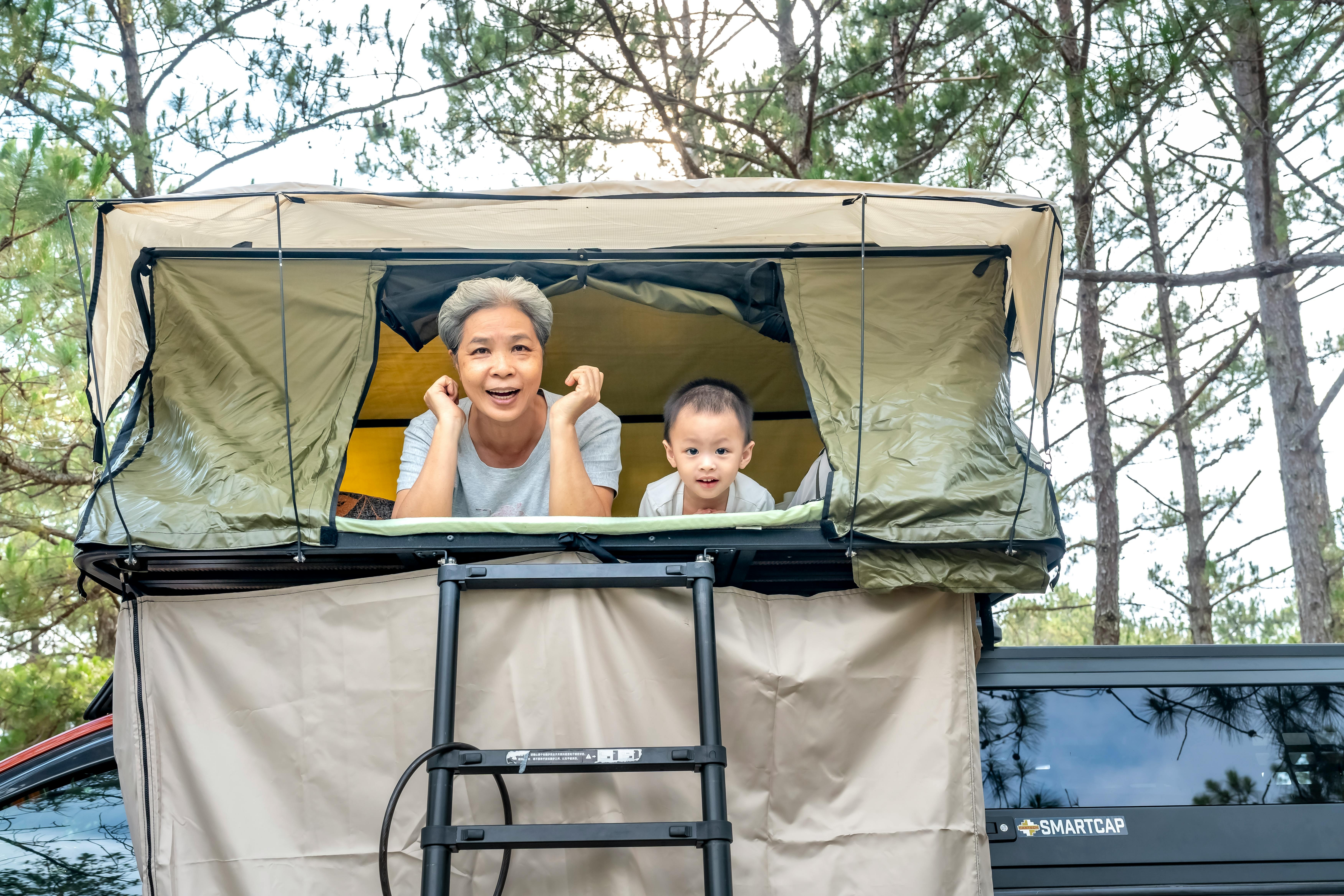
Your Secret Weapon Against Boredom
Instead of giving kids all their new activities at once, wrap a few small, inexpensive items and present one every hour or two. The anticipation and novelty work wonders to break up the monotony.
Pro-Tip: Use a hanging shoe organizer on the back of the front seat. Each pocket can hold a new activity, snack, or surprise. This visual countdown gives kids a clear answer to "how much longer?"
The Screen-Free Activity Arsenal
Engage their minds and prevent the glazed-over look of too much screen time with these proven winners:
Audiobooks: A captivating story can make hours fly by. Borrow digital audiobooks for free from your local library using the Libby app.
Podcasts for Kids: Shows like "Wow in the World" or "Story Pirates" are both entertaining and educational.
The License Plate Game: A classic for a reason. Find a printable checklist online to track which states you’ve found.
Travel Journals: Give each older child a blank notebook and encourage them to document the trip.
Travel Bingo: Create or print bingo cards with things to spot on the road (a red truck, a cow, a bridge, etc.).
Using Technology as a Tool, Not a Crutch
Screen time isn't the enemy, but mindless screen time can lead to crankiness. Use it strategically.
Download Everything: Do not rely on cellular service. Download movies, shows, and games onto tablets before you leave.
Set Clear Boundaries: Establish rules for screen time before you start the car.
Invest in Headphone Splitters: This cheap device allows two kids to watch the same movie on one device, preventing arguments.
Mastering Snacks and Drinks for the Road
Constant stops for overpriced gas station food can derail your budget and schedule. A well-planned mobile kitchen keeps everyone fed, hydrated, and happy.

How to Pack a Cooler for Freshness
Pre-chill: Bring your cooler inside the night before and pre-chill it with a "sacrificial" bag of ice.
Ice on the Bottom: Use solid blocks of ice or frozen water bottles on the bottom, as they melt slower than cubed ice.
Layer Strategically: Place drinks at the bottom and more delicate items like sandwiches on top.
Fill the Gaps: Air is the enemy of cold. Fill any empty space with extra ice cubes.
The "Low-Mess" Snack Box
Keep a separate, easily accessible box with snacks that don't require refrigeration and minimize mess. Think protein-packed (string cheese, nuts), clean fruits & veggies (grapes, baby carrots), and crunchy classics (pretzels, goldfish).
Pro-Tip: Use a craft organizer or a tackle box with small compartments to create a "snackle box." This turns snack time into a fun, self-serve activity.
Setting the Tone for a Great Trip
The final piece of your strategy involves managing expectations and the rhythm of the journey itself.
The 2-Hour Rule: Making Pit Stops Part of the Adventure
Plan to stop every two to three hours, even if nobody needs a bathroom break. Use your map app to find interesting parks, quirky roadside attractions, or local ice cream shops. Some of the 4 Unforgettable National Park Family Travel Ideas make for incredible, itinerary-worthy stops.
Embracing Spontaneity
No matter how well you plan, things will go wrong. You’ll hit traffic, or a child will have a meltdown. The most important thing you can pack is a flexible mindset. A relaxed attitude from the parents is contagious and sets the tone for the entire trip.
Frequently Asked Questions
How do you survive a 12-hour car ride with kids?
The key is breaking the trip into manageable chunks. Use the "Slow Reveal" method for new toys and activities, and plan to stop every 2-3 hours. Have one longer stop at a park or playground midday to burn off significant energy.
What are the best mess-free snacks for toddlers in the car?
Focus on dry, bite-sized items that won't cause a sticky disaster. Puffs, small crackers (like goldfish), dry cereal, and raisins are all excellent choices. Avoid anything juicy or crumbly like peaches or flaky pastries.
What should I check on my car before a long road trip?
At a minimum, you must check your tire pressure (including the spare), oil and other fluid levels, brakes, lights, and windshield wipers. For maximum peace of mind on a major trip, have a trusted mechanic perform a full inspection.
Your System for a Memorable Journey
You now have more than just a packing list; you have a complete, systems-based playbook for executing a smooth and memorable road trip. By investing time in this preparation, you’re not eliminating challenges—you're building the confidence and structure to handle them with grace.
You are transforming the drive from a stressful chore into a core part of the family adventure. Pack your bags, load up the car, and get ready to create memories that will last a lifetime.
Don't Miss Out! Subscribe for Exclusive Content
Subscribe



Comments 0
No comments yet
Be the first to share your experience!
Dont Miss Out! Subscribe for Exclusive Content

Ultimate USA Holidays Guide: Top Picks


FTC Affiliate Disclosure Essentials: Stay Compliant as a Travel Creator

Essential Affiliate Tools: From Tracking to Full Optimization

Booking.com Affiliate Program Review: Pros, Cons, and Earnings Potential

Decoding Affiliate Commission Rates: Benchmarks for Travel Creators

Amazon Associates for Travel: Strategies to Maximize Commissions
The Ultimate Travel First Aid Kit Checklist (2026)
TrekGuider @trekguider
But it doesn’t have to be that way. The single most powerful tool for ensuring a healthy, stress-free journey is one you create before you even leave home: a comprehensive travel first aid kit. This isn’t just a box of bandages; it’s a personalized arsenal of preparedness that empowers you to handle common health issues with confidence and ease. Building your own kit is a cornerstone of the proactive mindset we cover in our comprehensive [The Ultimate Guide to Travel Safety: A 2026 Playbook]. Think of this guide less as a simple shopping list and more as a masterclass in preparedness, backed by pharmacist-approved advice to help you build the ultimate defense against travel’s minor medical curveballs.
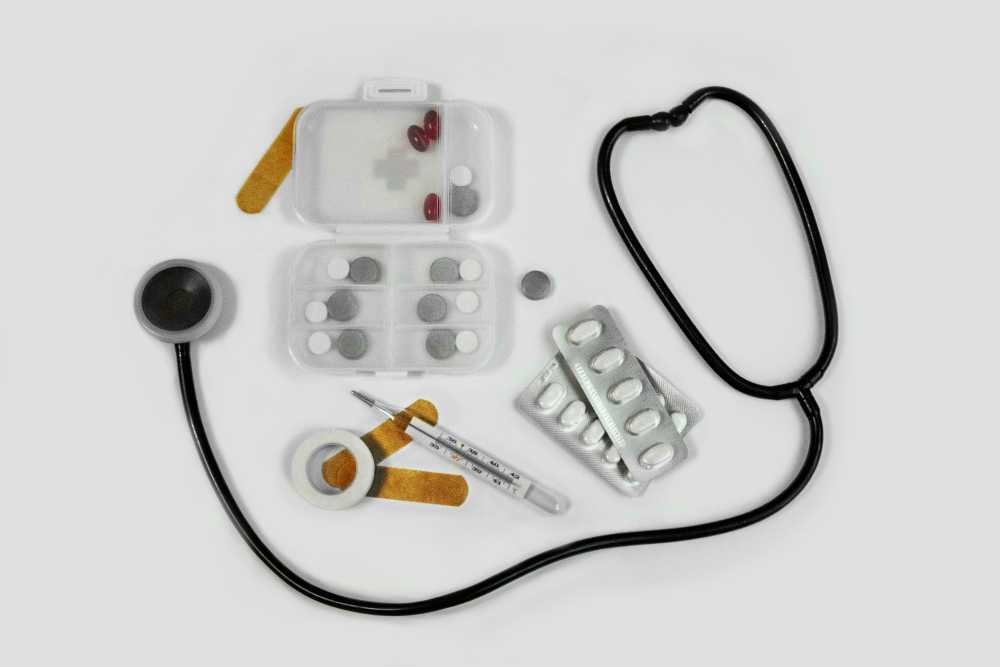
DIY vs. Pre-Made: Which Travel First Aid Kit is Right for You?
Before we dive into the specific items, it’s worth considering whether to build your kit from scratch or buy a pre-made one.
Pre-Made Kits: These offer undeniable convenience. They come in a compact case and provide a decent baseline of supplies. However, they are often filled with low-quantity, generic items and may lack the specific medications you need for your trip.
DIY Kits: Building your own kit requires a bit more effort upfront but is superior in every other way. It allows you to choose high-quality brands, pack sufficient quantities, and tailor the contents specifically to your destination, your planned activities, and your personal health needs.
Our recommendation? Start with a high-quality pre-made kit as your base and then use this checklist to supercharge it, swapping out generic items and adding the crucial medications and tools it’s missing. This hybrid approach gives you the best of both worlds.
The Core Components of Your Ultimate Travel First Aid Kit
A truly effective travel first aid kit is organized like a mobile clinic, with specific supplies to treat the most common categories of travel-related ailments. Here is the definitive breakdown of what you need.
Wound & Burn Care: For Life's Little Scrapes
From a papercut to a scraped knee on a cobblestone street, any break in the skin is an open invitation for infection, especially in new environments. Here’s how you shut that door, fast.
Antiseptic Wipes (BZK or alcohol-based): For cleaning wounds, scrapes, and your hands before providing treatment. Individual packets are perfect for travel.
Antibiotic Ointment (e.g., bacitracin): A crucial step to prevent infection in minor cuts, scrapes, and burns after cleaning.
Assorted Adhesive Bandages: Pack a variety of sizes. Fabric bandages are generally more durable and flexible than plastic ones.
Butterfly Bandages / Wound-Closure Strips: Essential for taping the edges of a minor cut together to help it heal cleanly.
Sterile Gauze Pads and a Roll of Gauze: For dressing larger wounds or as a compress to control bleeding. Pack a few different sizes.
Medical Adhesive Tape: To secure gauze and bandages in place.
Moleskin or Blister Treatment Pads: An absolute lifesaver for any trip involving significant walking or hiking. Apply it as soon as you feel a "hot spot" to prevent a blister from forming.
Aloe Vera Gel: Provides soothing relief for minor sunburns.
Pain, Fever & Sprains: Managing Aches and Injuries
Long days of sightseeing, sleeping in unfamiliar beds, and carrying luggage can lead to aches and pains. Be prepared to manage them effectively so they don't slow you down.
Pain Relievers/Fever Reducers: Pack both an ibuprofen-based and an acetaminophen-based option. Pharmacists consistently recommend trusted brands like Advil/Motrin (Ibuprofen) for inflammation and pain, and Tylenol (Acetaminophen) for general pain and fever.
Aspirin: While not for general pain relief for everyone, a dose of aspirin can be life-saving for an adult experiencing symptoms of a heart attack.
Elastic Wrap Bandage: Invaluable for providing support and compression to a sprained ankle, wrist, or knee.
Instant Cold Packs: These single-use packs are activated by squeezing them and are excellent for reducing swelling from sprains, strains, and other minor injuries in the first 24-48 hours.
Pro-Tip: Decant pills into small, clearly labeled travel containers to save space, but take a photo of the original packaging first. This helps you remember dosages and provides information for pharmacists or doctors abroad if needed.

Digestive Issues: Your Defense Against Traveler's Diarrhea
Let’s be direct: traveler’s diarrhea is the single most common illness to strike travelers, affecting up to 80% of visitors in some destinations. Having a dedicated section in your kit to manage digestive distress is absolutely critical.
Anti-diarrhea Medication: To manage symptoms when you need to travel or get through a planned activity. The top pharmacist-recommended brand is Imodium (Loperamide).
Antacids: For relief from indigestion, heartburn, and general upset stomach. Pepto-Bismol is another pharmacist-favorite that can also help with mild diarrhea.
Oral Rehydration Salts: This is arguably the most important item in this section. Dehydration is the primary risk of diarrhea and vomiting. These pre-measured packets mix with safe, bottled water to replenish the essential fluids and electrolytes your body has lost.
Anti-nausea or Motion Sickness Medication: Essential if you’re prone to motion sickness on planes, boats, or winding bus rides.
Allergies, Bites & Skin: Soothing Irritations
New environments mean new pollens, unfamiliar insects, and different plants. Be ready to tackle itches, rashes, and allergic reactions before they become a major annoyance.
Antihistamine (e.g., diphenhydramine): For treating allergic reactions, hives, and severe itching. Note that some antihistamines can cause drowsiness.
Hydrocortisone Cream (1%): A topical steroid cream that provides fast relief from the irritation and itching of rashes and insect bites.
Insect Repellent: In any region with mosquito-borne illnesses like Dengue or Malaria, this is as important as your passport. Choose a repellent with an effective active ingredient like DEET or Picaridin.
Epinephrine Auto-Injector (e.g., EpiPen): This requires a prescription and is absolutely essential for travelers with a history of severe allergic reactions (anaphylaxis).
Ready to Pack Like a Pro?
Your travel first aid kit is a critical piece of your travel puzzle, but it's not the only one. To ensure you don't overlook a single essential item—from documents and finances to clothing and gear—you need a master list. Our comprehensive, free checklist has you covered.
Download Your Free [International Travel Checklist] Now!
Essential Tools & Personal Medications
The final layer of your kit includes the tools to use your supplies effectively and your own personal health necessities.
Fine-Point Tweezers: For removing splinters, ticks, or other foreign objects from the skin.
Small, Rounded-Tip Scissors: For cutting medical tape, gauze, or moleskin. (Ensure they meet TSA guidelines if packing in a carry-on).
Disposable Non-Latex Gloves: To protect your hands and prevent infection when treating a wound on yourself or someone else.
Digital Thermometer: For accurately checking for fever.
Personal Medications: This is the most critical category. Pack a sufficient supply for your entire trip, plus at least a few extra days' worth in case of delays. Always keep your personal medications in your carry-on luggage in their original, labeled containers.
Pro-Tip: Before you leave, ask your doctor for a letter describing your condition and the medications you take, including their generic names. Keep a digital copy of this and your prescriptions on your phone. This can be invaluable if your medication is lost or you need to see a doctor abroad.

Beyond the Basics: Customizing Your Kit
The ultimate travel first aid kit is not one-size-fits-all. Once you have the core components, elevate your preparedness by customizing it for your specific journey.
By Destination:
Tropical/Developing Countries: Add anti-fungal cream, more insect repellent, and potentially a prescription for a standby antibiotic for severe traveler's diarrhea (consult your doctor).
High-Altitude Destinations: Speak with your doctor about medication to prevent altitude sickness.
By Activity:
Hiking/Trekking: Double down on blister care (moleskin, gel pads), pack an elastic wrap for sprains, and add pain-relieving gel.
Beach Vacation: Add extra aloe vera gel, sting-relief spray, and waterproof bandages.
By Traveler:
With Children: Include children’s formulations and dosages of pain/fever reducers, kid-friendly bandages, and any specific allergy medications they need.
Travel First Aid Kit FAQs
A great kit anticipates problems. Here are answers to common questions that take your preparedness to the next level.
1. What’s the first thing I should do if I get traveler’s diarrhea?
According to the CDC and travel medicine doctors, the first and most important step is oral rehydration. Dehydration is the biggest risk. Start sipping an Oral Rehydration Solution (ORS), sports drinks, or clear broths immediately. For mild to moderate cases that don't have a high fever or blood, an antimotility drug like Loperamide (Imodium) can help manage the symptoms. If symptoms are severe, incapacitating, or include a high fever or blood, it's time to consider a prescribed standby antibiotic and seek medical advice.
2. Should I pack a standby antibiotic in my kit?
This is a question for your doctor or a travel medicine clinic. For travelers heading to high-risk destinations where severe traveler's diarrhea is common, many doctors will provide a prescription for a standby antibiotic like Azithromycin. It’s not for mild cases but can significantly shorten the duration of a severe bout of illness. Discuss your itinerary with your doctor to see if this is right for you.
3. Is it okay to pack medications outside their original bottles to save space?
While it's tempting, it's safest to keep prescription medications in their original, clearly labeled containers. This avoids any confusion or legal issues with customs officials. For over-the-counter pills, you have more flexibility. If you use a travel pill organizer, consider taking a photo of the original packaging so you have the dosage information and ingredients handy.

Pack Confidence for Every Journey
A carefully assembled travel first aid kit does more than just prepare you for minor medical issues; it provides profound peace of mind. It transforms you from a worried passenger into a self-sufficient, empowered traveler, ready to handle the small bumps in the road so you can stay focused on the incredible experiences ahead. By following this checklist, you’re not just packing supplies—you’re packing the confidence to explore the world freely and fully.
Now that your health and safety are covered, you can focus on the other details that make a trip unforgettable. For a complete, deep-dive into every facet of trip planning, from health and safety to budgeting and logistics, our comprehensive [Travel Guide] is the only resource you'll ever need.
Meta Data Suggestions:
SEO Meta Title (55 characters): The Ultimate Travel First Aid Kit Checklist (2026)
URL Slug: travel-first-aid-kit-checklist
SEO Meta Description (154 characters): Build the perfect travel first aid kit. Our 2026 checklist, with pharmacist-approved tips, covers everything from wound care to stomach issues. Be prepared.
Don't Miss Out! Subscribe for Exclusive Content
SubscribeComments 0
No comments yet
Be the first to share your experience!
Dont Miss Out! Subscribe for Exclusive Content
Ultimate USA Holidays Guide: Top Picks
FTC Affiliate Disclosure Essentials: Stay Compliant as a Travel Creator
Essential Affiliate Tools: From Tracking to Full Optimization
Booking.com Affiliate Program Review: Pros, Cons, and Earnings Potential
Decoding Affiliate Commission Rates: Benchmarks for Travel Creators
Amazon Associates for Travel: Strategies to Maximize Commissions
9 Family Travel Ideas for a Magical, Low-Stress Holiday
TrekGuider @trekguider
Does the thought of the holiday season fill you with equal parts excitement and dread? You dream of creating magical memories, but the reality is often a marathon of shopping, cooking, and hosting that leaves you completely exhausted. You want a special, connective experience, but the idea of planning a trip on top of it all feels like just one more impossible task.
What if you could trade that holiday chaos for genuine connection? A well-planned holiday trip isn’t another chore; it's the solution. It’s your chance to swap stressful routines for new traditions that are all your own. This guide is your blueprint for nine incredible family travel ideas for holidays across the United States that are both magical and manageable.
For a complete overview of planning your next family adventure, our Family Travel Ideas: The 2026 Guide to Unforgettable Trips is the perfect place to start. Consider this your permission slip to escape the holiday hustle and create a festive story you'll tell for years.

Why Trading Your Living Room for a New Destination is a Brilliant Idea
Choosing to travel during the holidays is about more than just a change of scenery; it's a strategic investment in your family's well-being. By stepping away from the pressures of home, you remove the endless checklist of "shoulds" and replace it with opportunities for real connection.
This simple change in scenery is a powerful tool. It allows your family to:
Forge Powerful New Traditions: Decorating the same tree is wonderful. But so is ice skating in a new city, watching a lighted boat parade for the first time, or sipping hot cocoa in a mountain town. Travel-based traditions become potent, multi-sensory memories that stand out with incredible clarity.
Outsource the Holiday Labor: Imagine a holiday where you don't have to cook a massive meal or clean for guests. A holiday trip allows you to enjoy the festive atmosphere while hotels, restaurants, and event planners do the heavy lifting.
Give the Gift of Experience: In a world cluttered with things, the gift of a shared adventure is priceless. It fosters curiosity, builds resilience, and creates a stronger family narrative that you will revisit long after the trip is over.
Timeless Winter Wonderlands
For families who dream of stepping into a real-life snow globe, these destinations are the masters of festive cheer, combining natural beauty with deeply rooted holiday traditions.

Leavenworth, Washington
Nestled in the Cascade Mountains, this Bavarian-style village undergoes a breathtaking transformation each winter. With its alpine architecture blanketed in snow and over half a million lights twinkling in the crisp mountain air, it’s about as close to a European Christmas market as you can get in the US.
Must-Do Activities: Witness the magical Village Lighting Festival on December weekends; take a horse-drawn sleigh ride through the snowy landscape; visit the Leavenworth Reindeer Farm for an up-close encounter.
Logistical Considerations: Leavenworth is a two-hour drive from Seattle. Accommodations book up months—sometimes a year—in advance for December, so early booking is non-negotiable.
Asheville, North Carolina
Asheville offers a sophisticated and enchanting holiday, anchored by the magnificent Biltmore Estate. The city itself is a hub of art, culture, and Appalachian charm, all decorated in its festive best.
Must-Do Activities: Experience Christmas at Biltmore, where America's largest home is adorned with dozens of Christmas trees. Marvel at the intricate creations at The Omni Grove Park Inn's National Gingerbread House Competition.
Logistical Considerations: Purchase Biltmore tickets well in advance, as they sell out. The estate is vast, so plan for a full-day experience.
Woodstock, Vermont
Often called "the prettiest small town in America," Woodstock is the quintessential New England Christmas village. Think covered bridges, a town green dusted with snow, and historic homes adorned with classic wreaths.
Must-Do Activities: Don't miss the Wassail Weekend in mid-December, a festival complete with a horse-drawn parade and caroling. Visit the Billings Farm & Museum for a taste of a 19th-century Christmas.
Logistical Considerations: This small town gets very busy. Book accommodations early and be prepared for a cozy, low-key celebration focused on charm rather than spectacle. For more tips on planning a drive-to vacation, check out The Sanity-Saving System for Your Next Family Road Trip.
New York City, New York
Nowhere does holiday spectacle quite like the Big Apple. The energy is electric, and the city transforms into a glittering fantasy land of festive cheer. It's an iconic, can't-miss experience.
Must-Do Activities: Gaze at the Rockefeller Center Christmas Tree; stroll down Fifth Avenue to admire the elaborate window displays; explore the Bryant Park Winter Village; see the Rockettes in the Christmas Spectacular.
Logistical Considerations: Manage expectations with kids; the crowds can be overwhelming. Use the subway. Book hotels and show tickets as far in advance as possible.
Sun & Celebration: Festive Family Travel Ideas for Holidays in Warmer Climates
If your family’s idea of a white Christmas involves white sand beaches, these destinations trade winter coats for sunglasses without sacrificing an ounce of holiday spirit.
St. Augustine, Florida
America’s oldest city becomes one of its most dazzling during the holidays. The annual Nights of Lights festival is a world-class spectacle where the city's historic buildings are illuminated by more than three million tiny white lights.
Must-Do Activities: Take an Old Town Trolley's Famous Nights of Lights Tour; climb the St. Augustine Lighthouse for a breathtaking panoramic view; enjoy a lighted boat parade in Matanzas Bay.
Logistical Considerations: The lights are on from mid-November through January. Weekends are extremely busy; consider a weekday trip for a more relaxed experience.
San Antonio, Texas
The San Antonio River Walk becomes an absolute wonderland during the holidays. Millions of lights are draped from the cypress trees, reflecting in the water below for a truly enchanting effect.
Must-Do Activities: Take a narrated river cruise to experience the lights from the water; listen to the Ford Holiday Boat Caroling; explore the historic missions, which also host festive events.
Logistical Considerations: The lights are typically turned on the day after Thanksgiving. Book a hotel directly on the River Walk for the most immersive experience.
Key West, Florida
For a truly unique and quirky holiday, Key West delivers. Here, Santa hats are paired with flip-flops, and the festive spirit has a distinctly tropical, laid-back vibe.
Must-Do Activities: See the Key West Lighted Boat Parade; take a photo with the "Southernmost Point Buoy" decorated for the holidays; tour the historic inns on the annual Holiday Historic Inn Tour.
Logistical Considerations: December is peak season. Book everything far in advance. The atmosphere is festive but definitely not traditional—perfect for families seeking something different.
Culture & Quirky Charm
For families who want to go beyond the usual tinsel and trees, these destinations offer rich cultural traditions and one-of-a-kind holiday experiences.

Santa Fe, New Mexico
Experience a holiday season steeped in the unique cultural traditions of the Southwest. Santa Fe glows with a different kind of light: the soft, warm radiance of thousands of farolitos (paper bags filled with sand and a candle).
Must-Do Activities: The Canyon Road Farolito Walk on Christmas Eve is an unforgettable experience. Experience a Native American Pueblo feast day. Ski at nearby Ski Santa Fe.
Logistical Considerations: Santa Fe is at 7,200 feet elevation. Drink plenty of water to acclimate. The Farolito Walk draws huge crowds, so be prepared to walk and dress warmly.
Colonial Williamsburg, Virginia
Step back in time and experience the holidays as they were celebrated in 18th-century America. The traditions are authentic, rooted in history, and offer a peaceful alternative to modern holiday commercialism.
Must-Do Activities: Witness the Grand Illumination, a spectacular fireworks display. Take a candlelit tour of the historic buildings. Enjoy the simple, natural decorations of wreaths made from fruits and greenery.
Logistical Considerations: This is a very popular destination. Purchase tickets for specific tours and events in advance. It's an educational trip, ideal for school-aged children.
All Aboard! The Most Magical Holiday Train Rides
There is something inherently magical about trains during the holidays. These rolling adventures bring classic Christmas stories to life, captivating children and nostalgic adults alike.
The Polar Express (Various Locations)
Inspired by the beloved children's book, The Polar Express train rides are offered by dozens of heritage railroads across the country. Families, often dressed in pajamas, board for a journey to the "North Pole," complete with hot chocolate and a visit from Santa.
Popular Locations: Grand Canyon Railway (AZ), Great Smoky Mountains Railroad (NC), Durango & Silverton Narrow Gauge Railroad (CO).
Logistical Considerations: These are incredibly popular and often sell out by late summer. Book your tickets the moment they go on sale.
Make Holiday Flights Feel Like a Gift
Feeling anxious about navigating airports with kids during the busiest time of year? Our guide is packed with practical tips, checklists, and sanity-saving strategies to make the journey as joyful as the destination. Download your free Stress-Free Flying with Kids Guide and travel with confidence.
A Stress-Free Planning Checklist
The secret to a joyful holiday trip is planning ahead. The festive season is the busiest travel time of the year, and last-minute arrangements lead to stress and overspending. For an even deeper dive, see our guide on How to Make Family Travel Planning Actually Easy.

Pro-Tip: The best deals are often found by booking mid-week travel dates. Flying on a Tuesday or Wednesday can be significantly cheaper than on a Friday or Sunday, and you'll face smaller crowds.
Book the Big Three (4-6 Months Out): Your flights, accommodations, and rental car should be booked well in advance. For top-tier destinations, you may need to book even earlier.
Secure Special Event Tickets (2-3 Months Out): Don't wait to buy tickets for high-demand events like The Polar Express, Biltmore Estate tours, or Broadway shows. They will sell out.
Map Your Must-Dos (1 Month Out): Outline a loose daily schedule. Make dining reservations for any special meals, especially for Christmas Eve or Christmas Day.
Rethink Your Gifting Strategy: Hauling a sleigh's worth of presents is impractical.
Ship ahead: Send gifts to your hotel or vacation rental (confirm they accept packages).
Focus on experiences: Make the "big gift" a special tour or show tickets.
One and done: Give each child one small, easy-to-pack gift to open on holiday morning.
Pro-Tip: Talk to your kids about a travel-focused holiday beforehand. Frame the trip itself as the primary gift to manage expectations. You can create a fun "travel reveal" with a scavenger hunt or a special box containing clues about the destination.
Frequently Asked Questions
What is the best time to book holiday travel?
For the best prices and availability, you should book flights and accommodations 4-6 months in advance. For extremely popular destinations or special event tickets like The Polar Express, you may need to book even earlier, as they can sell out by late summer.
Are holiday vacations with kids actually relaxing?
They absolutely can be, but it requires a shift in mindset. A successful holiday trip trades the stress of hosting and chores for the logistics of travel. By planning ahead and focusing on experiences over a packed itinerary, you can create a trip that is genuinely restful and connective.
How can I make holiday travel more affordable?
Booking early is the single best way to save money. Traveling on off-peak days, like a Tuesday or Wednesday, can also significantly reduce flight costs. Additionally, consider destinations that are within driving distance to save on airfare.
Your New Holiday Tradition Awaits
The pressure to create a "perfect" holiday can often rob us of the joy of the season. By choosing to travel, you are consciously deciding to trade chaos for connection and stuff for stories. You are giving your family a shared narrative, building a foundation of memories far more valuable than anything that can be wrapped.
This guide has given you a starting point and the destinations to craft a new tradition. When you're ready to build out your full itinerary, our complete Travel Guide is the ultimate tool for turning your dream trip into a reality.
Don't Miss Out! Subscribe for Exclusive Content
SubscribeComments 0
No comments yet
Be the first to share your experience!
Dont Miss Out! Subscribe for Exclusive Content
Ultimate USA Holidays Guide: Top Picks
FTC Affiliate Disclosure Essentials: Stay Compliant as a Travel Creator
Essential Affiliate Tools: From Tracking to Full Optimization
Booking.com Affiliate Program Review: Pros, Cons, and Earnings Potential
Decoding Affiliate Commission Rates: Benchmarks for Travel Creators
