
New York Holidays: 10 Must-Do Events

TrekGuider @trekguider
New York City doesn’t just celebrate holidays; it becomes the main event. From the first crisp autumn air that signals the start of parade season to the dazzling fireworks that burst over the East River, the city offers an energy you simply won't find anywhere else. Planning a trip around the holidays in New York is more than a vacation—it’s an immersion, a chance to step directly into the scenes you’ve watched on screen your whole life.
Whether you're dreaming of ice skating beneath the world-famous Rockefeller Center tree, marching with millions for Pride, or securing the perfect spot to watch giant balloons float down Broadway, this guide is your essential starting point. We'll walk you through the city's most iconic celebrations and provide the insider tips you need to navigate the crowds, sidestep the stress, and create memories that last. Forget just visiting; it's time to be part of the magic.
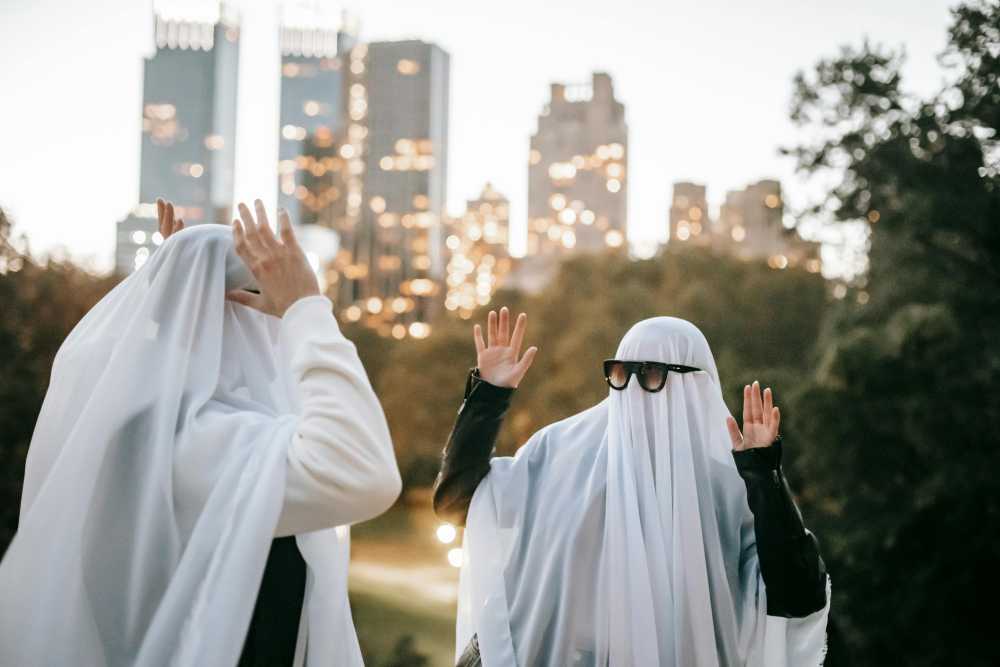
And while New York’s celebrations are truly in a class of their own, they are just one piece of the country's festive puzzle; for a complete overview of the nation's top events, be sure to explore our [Ultimate USA Holidays Guide: Top Picks].
1. Master the Art of a Holiday Budget
A trip to celebrate the holidays in New York can feel financially intimidating, but many of the city's most cherished traditions are surprisingly accessible. The secret is to balance a few well-chosen splurges with the wealth of free activities the city has to offer.
Some of the most unforgettable experiences won't cost you a dime. Watching the larger-than-life balloons at the Thanksgiving Day Parade, feeling the vibrant energy of the NYC Pride March, or joining the creative chaos of the Village Halloween Parade are all completely free to attend. The same goes for finding a spot in a public park to watch the Fourth of July fireworks or strolling through Brooklyn's Dyker Heights neighborhood to see the jaw-dropping, professionally-done Christmas light displays.
For ticketed events, like a terrifying tour of the Blood Manor haunted house or a glamorous New Year's Eve party, booking online weeks—or even months—in advance is the smartest move. You’ll often secure a better price and, more importantly, guarantee your spot before they inevitably sell out. When it comes to food, you can save a fortune by embracing the city's incredible culinary scene beyond pricey sit-down restaurants. Grab a classic New York slice, explore a bustling food hall like Chelsea Market, or enjoy a delicious and affordable meal from a street vendor.
2. Navigate the City Like a New Yorker
Let's be clear: tackling New York during a major holiday without a game plan is a rookie mistake. But with a little insider knowledge, you can bypass the chaos and experience the city at its most electric.
First and foremost, the city’s subway system is your best friend. During massive events like the New Year's Eve ball drop or the Macy's Thanksgiving Day Parade, many streets are completely closed to all traffic. Taxis and rideshares become impractical, with gridlock and surge pricing making them a slow and painfully expensive option. The subway, however, will keep running and is by far the most efficient way to bypass the chaos above ground. Download a transit app before you go and set up the OMNY tap-to-pay system on your phone for the most seamless travels.
When it comes to accommodation, booking far in advance is non-negotiable, particularly if your trip coincides with Christmas, New Year's Eve, or Thanksgiving. Hotels in Midtown Manhattan, while central, see their prices skyrocket during these peak times. For a more authentic and often more affordable stay, consider looking at neighborhoods in Brooklyn or Queens with easy subway access to the main attractions. You'll not only save money but also get a taste of local life away from the tourist hubs.
A Year of Unforgettable New York Celebrations
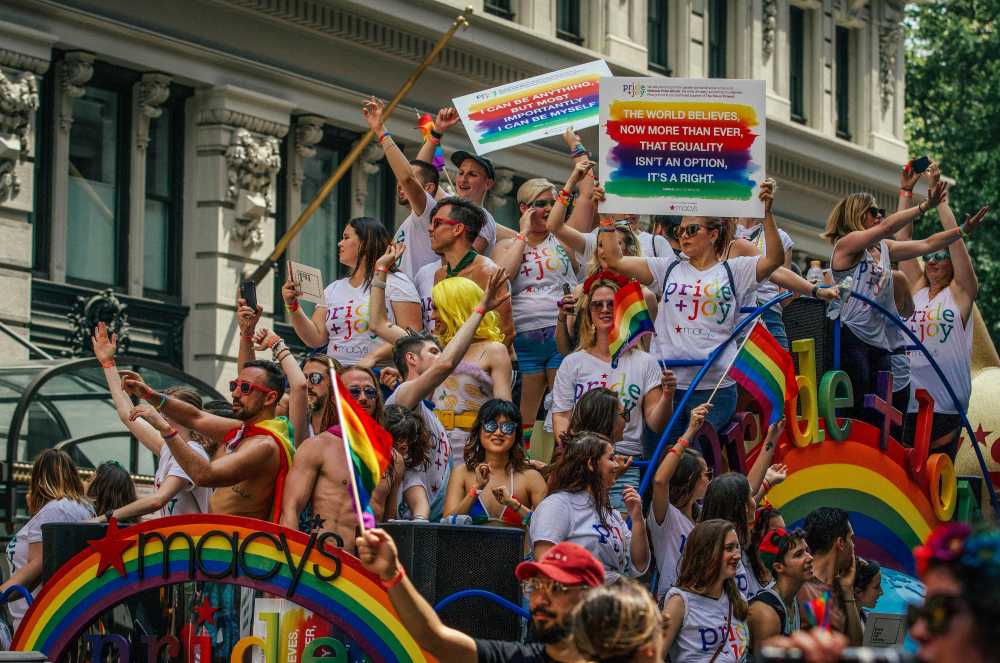
No matter when you visit, New York City is ready with a world-class event. Here’s a look at the must-do celebrations that define the city’s calendar, complete with the insider knowledge you need to experience them like a pro.
3. March for Love at the NYC Pride March (June)
The NYC Pride March is more than just a parade; it's a powerful and joyous declaration of identity, history, and resilience. Commemorating the 1969 Stonewall Uprising that ignited the modern fight for LGBTQ+ rights, this event transforms the streets of Manhattan into a vibrant sea of color, music, and celebration. The first march was held in 1970, and it has since grown into one of the largest Pride parades in the world.
On Sunday, the last Sunday of June, the festivities kick off between 11:00 AM and 12:00 PM. The route is a journey through historic and iconic neighborhoods, beginning at 26th Street and 5th Avenue, heading south toward the Stonewall National Monument on Christopher Street, and concluding near 15th Street and 7th Avenue. To truly soak in the atmosphere, find a spot along 5th Avenue early or position yourself near the end of the route where the energy is palpable.
For a deep dive into the route, accessibility, and how to best participate in the celebration, check out our complete guide: [NYC Pride: Parade Route Essentials].

4. Witness the July 4th Fireworks Spectacle (July)
Celebrating Independence Day in New York City means witnessing one of the most spectacular fireworks displays on the planet. The annual Macy's 4th of July Fireworks show is a breathtaking patriotic event, lighting up the skyline with a dazzling, perfectly choreographed pyrotechnic performance over the East River. This makes the waterfronts of Manhattan, Brooklyn, and Queens the most coveted front-row seats in town.
For the best views, head to parks along the Brooklyn waterfront, like Transmitter Park. Be prepared for an intense security presence; in past years, this has included everything from drones and metal detectors to NYPD scuba divers ensuring the area is safe. To secure a good spot, you’ll need to arrive by 6 PM at the latest. It's crucial to know which areas to avoid, as viewing is often restricted at FDR Midtown, Battery Park, and the Brooklyn Heights Promenade.
To get the full breakdown of the best viewing locations, what to bring, and how to navigate the crowds, see our detailed guide: [July 4th NYC: Best Fireworks Views].
5. Unleash Your Creativity at the Village Halloween Parade (October)
On October 31st, Greenwich Village undergoes a spooky and spectacular transformation. The Village Halloween Parade is a legendary New York institution, famous for its wild creativity, giant puppets, and an electric, anything-goes atmosphere. This isn't a spectator-only event; the parade’s official motto is "All those in costume are welcome to join!" This unique rule turns the parade into a massive, moving street party where thousands of New Yorkers showcase their most inventive and outrageous creations.
The parade kicks off at 7 PM, marching up Sixth Avenue. If you want to participate, you'll need to line up at the designated entry point with your costume on. For those who prefer to watch, find a spot along the route early, as the sidewalks fill up quickly. Beyond the parade, the city buzzes with Halloween energy, from elaborate rooftop parties to terrifying haunted houses.
For tips on creating the perfect costume, parade etiquette, and other spooky festivities, explore our complete guide: [Halloween NYC: 5 Spooky Parades].
6. Experience the Magic of the Thanksgiving Day Parade (November)
For millions, the Macy's Thanksgiving Day Parade is the official start of the holiday season. Waking up on the fourth Thursday of November to the sight of giant character balloons, elaborate floats, and the nation's best marching bands is a cherished American tradition. Seeing it in person is an experience of a lifetime. The parade kicks off at 8:30 AM sharp and concludes around noon, making its way from Central Park West and 77th Street down to the iconic Macy's flagship store at Herald Square.
To get a decent viewing spot, you need to be an early bird—plan to arrive by 6 AM and stake out a location along Central Park West or Sixth Avenue. The areas near the start and finish lines have restricted public viewing, so it's best to avoid them. Dress in warm layers, as November mornings can be frigid. For families, a word of caution: avoid bringing strollers into the most crowded sections, as they become nearly impossible to maneuver.
For a complete route map, a list of the best viewing spots, and tips for a stress-free morning, read our expert guide: [Thanksgiving Parade: 6 Prime Spots].
7. Embrace the Sparkle of Christmas in New York (December)
There is nothing in the world quite like Christmas in New York. The city transforms into a true winter wonderland, sparkling with millions of lights and filled with an almost tangible festive cheer. The undisputed heart of the celebration is the Rockefeller Center Christmas Tree, an iconic symbol of the season. For a magical, crowd-free photo opportunity, visit the tree at dawn. Nearby, the Saks Fifth Avenue facade comes alive with an enchanting holiday light and music show that runs every ten minutes after dusk.
For a quintessential holiday experience, head to the Bryant Park Winter Village, where you can skate on the ice rink and browse the charming pop-up shops for unique gifts. If you're looking for the most spectacular neighborhood light displays, take a trip to Dyker Heights in Brooklyn, where homeowners engage in a friendly competition to create the most over-the-top, dazzling decorations you've ever seen.
To discover the city's most enchanting holiday markets, light displays, and festive activities, explore our detailed guide: [Christmas in NYC: 7 Magical Markets].
8. Brave the New Year's Eve Ball Drop in Times Square (December)
The New Year's Eve ball drop in Times Square is the world's most famous countdown celebration. Being there in person as the crystal ball descends and confetti rains down on a million cheering people is an electrifying, once-in-a-lifetime experience. However, it requires serious endurance and planning. To secure a spot in one of the viewing pens, you must arrive by 3 PM on December 31st, and once you're in, there is no re-entry.
This means committing to standing in one spot for about nine hours without access to restrooms or food vendors outside your designated area. Public transportation is the only sane way to get there, as all surrounding streets are closed. Despite the challenges, those who brave the cold and the crowds are rewarded with an unforgettable memory and a front-row seat to a global tradition.
If you're ready to take on the challenge, our survival guide has all the essential tips you need to know before you go: [NYE Times Square: How to Survive Crowds].
9. Capture Unforgettable Photos
With so many iconic backdrops, your camera will be working overtime. But getting that perfect shot amidst the crowds requires a plan. Instead of just snapping away, think like a photographer. For the Rockefeller tree, try a low-angle shot looking up to capture its scale. During a parade, use a fast shutter speed to freeze the motion of the floats and performers.
To make your sightseeing even more efficient, a well-planned route is essential. We've curated a guide to the city's most stunning locations, from famous landmarks to hidden gems, so you can create your own unforgettable walking tour. Download our free [Best NYC Photo Spots Map] to discover the exact locations for your most memorable holiday pictures.
10. Dress for the Elements
New York weather is notoriously fickle, and being uncomfortable can ruin an otherwise perfect day. During the winter holidays, layering is not just a suggestion—it's a survival strategy. A thermal base layer, a fleece or sweater, and a windproof/waterproof outer jacket will allow you to adapt to changing conditions. Don't forget a warm hat, gloves, and a scarf. Most importantly, wear comfortable, broken-in waterproof boots. You will be doing an incredible amount of walking, and nothing ends a day of exploring faster than sore, cold feet. In the summer, lightweight and breathable fabrics are key, but always pack a light jacket or poncho, as summer thunderstorms can appear suddenly.

Take Your NYC Adventure to the Next Level
Planning a trip around one of New York's iconic holidays is just the beginning. To truly master the city, you need a resource that goes beyond the main events, helping you discover hidden gems, navigate the five boroughs like a pro, and find the best slice of pizza after a long day of sightseeing.
Our comprehensive [Travel Guide] is designed to be your ultimate companion for any New York City adventure. It’s packed with detailed neighborhood guides, curated restaurant recommendations for every budget, transportation hacks, and insider tips that will help you save time and money. Whether you're a first-time visitor or a seasoned traveler, this guide will unlock a side of the city that most tourists never see, turning a great holiday trip into an extraordinary one.
Are You an NYC Expert? Share Your Knowledge
Are you the go-to travel planner for your friends? Have you mastered the art of navigating NYC's biggest events? On TrekGuider, you can turn that hard-won expertise into a business. Our platform is built for travel creators to publish their own in-depth guides, sell digital products like custom maps or itineraries, and build a brand around their passion. Discover how top travel experts are monetizing their knowledge and find your own audience.

Your unforgettable New York holiday awaits. The energy is infectious, the memories are lasting, and the stories you'll bring home are priceless. So pick a celebration, book your ticket, and get ready to be part of the world's greatest show.
Don't Miss Out! Subscribe for Exclusive Content
Subscribe



Comments 0
No comments yet
Be the first to share your experience!
Dont Miss Out! Subscribe for Exclusive Content

San Francisco Cherry Blossoms: A Local's Guide to the Blooms


Halloween SF: Haunts Without Horrors

SF Festivals: 7 Must-See Lineups

Christmas SF: Lights & Wharf Wonders

SF Pride: 6 Route & Party Hacks

Chinese New Year SF: Parade Essentials
How to Plan a Stress-Free Hawaii Family Trip
TrekGuider @trekguider
Planning a family trip to Hawaii should feel exciting, but the reality can be overwhelming. You're juggling how to pack for unpredictable weather, what activities will actually entertain everyone from toddlers to teens, and how to manage the logistics without losing your mind. The fear of getting it wrong—forgetting something crucial or planning a day that ends in meltdowns—can quickly overshadow the promise of paradise.

Imagine arriving on Maui only to realize you’ve forgotten the reef-safe sunscreen now required by law, forcing a frantic, expensive search. Picture the meltdowns—from kids and adults alike—when a carefully planned beach day is met with groans of boredom, or the crushing disappointment of discovering the lūʻau you dreamed of has been sold out for weeks. Without a strategic plan, the logistical details can overshadow the magic you’re seeking.
This guide is the antidote to that anxiety. It’s your strategic playbook, crafted from hard-won experience to eliminate the guesswork and transform your planning process into an exciting prelude to your adventure. While this article drills down into Hawaii-specifics, it's part of our complete library of Family Travel Ideas: The 2026 Guide to Unforgettable Trips. Consider this your roadmap to a seamless, stress-free, and truly magical Hawaiian escape.
What to Bring and What to Leave Behind
A successful packing strategy for Hawaii isn't about bringing everything; it's about bringing the right things. The islands’ unique environment—from intense equatorial sun to sudden tropical showers—demands a thoughtful approach. For a deep dive into the core principles, our How to Pack Light Guide is a great resource. This Hawaii-specific blueprint ensures you’re prepared for every possibility without hauling unnecessary weight across the Pacific.
Your In-Flight & First-Day Survival Kit
Think of your carry-on bag as your mission-critical command center. If your checked luggage gets delayed, this bag should contain everything you need to not just survive, but thrive for the first 24 hours.
A Complete Change of Clothes for Everyone: One full, lightweight outfit per person. Don't forget underwear and socks.
Swimsuits: This is non-negotiable. You can change in the lobby restroom and head straight to the pool, starting your vacation immediately.
Essential Medications: All prescription medications, plus a small first-aid kit with children’s pain relievers, allergy medicine, band-aids, and antibacterial ointment.
Documents & Valuables: IDs, credit cards, and digital or printed copies of your key reservations (hotel, rental car, first big tour).
The "Boredom Buster" Kit: Fully charge all electronics and pre-load them with movies and games. For younger kids, pack a small bag with a new coloring book or a few wrapped dollar-store toys to reveal mid-flight.
A Feast of Snacks: Pack more than you think you’ll need to combat travel delays and grumpy tummies.
Empty Reusable Water Bottles: Fill them up post-security to stay hydrated and save money.
Your Flight Plan for Happy Kids
The long flight to Hawaii is often the most dreaded part of the trip. To make it a breeze, download our free, sanity-saving checklist.
Stress-Free Flying with Kids Guide
It's packed with simple, actionable tips to keep kids of all ages happy and occupied from takeoff to landing.
The Checked Luggage
Chaos is the enemy of a relaxing vacation. To combat this, we rely on a modular system built around packing cubes. This simple technique transforms your luggage from a chaotic pit into a structured, mobile dresser where everything has its place.

The Clothing System (Lightweight & Layered): Hawaii’s climate is defined by humidity and trade winds. Pack lightweight, breathable fabrics like cotton and linen. Focus on mix-and-match pieces. For a week, plan on 5-6 tops and 3-4 bottoms per person. Everyone should have a light jacket or cardigan for breezy evenings and a packable rain jacket.
The Beach Gear System (Protect & Play): This is the core of your Hawaii packing.
Reef-Safe Sunscreen: An absolute must. Pack at least one large tube of mineral-based (zinc oxide or titanium dioxide) sunscreen lotion.
Total Sun Protection: Wide-brimmed sun hats, UV-protective sunglasses, and long-sleeved rash guards for every family member.
Minimalist Beach Toys: A collapsible bucket and a few small shovels are all you need.
Goggles: For kids who love to put their face in the water, a good pair of goggles is invaluable.
The Footwear System (The Rule of Three): You only need three pairs of shoes per person.
Water Shoes/Aqua Socks: Essential for exploring rocky tide pools or beaches with sharp lava rock.
Sandals/Flip-Flops: For the beach, pool, and casual strolls.
Closed-Toe Shoes: A comfortable pair of sneakers for travel days, hikes, or activities like ziplining.
What to Leave at Home (And Rent or Buy in Hawaii)
Beach Towels: Every hotel and condo complex will provide these.
Bulky Floaties and Pool Noodles: Buy them there and leave them for another family when you depart.
Full-Sized Snorkel Sets: Renting high-quality, sanitized equipment on the island is far more convenient.
Formal Wear: Hawaii is overwhelmingly casual. A sundress or a collared shirt with nice shorts is as dressed-up as you’ll need to get.
Pro-Tip: Assign each family member a specific color of packing cubes. This simple trick makes it incredibly easy to identify whose clothes are whose.
Crafting Your Perfect Itinerary for Family Beach Vacations in Hawaii
While building sandcastles is a rite of passage, the true magic of Hawaii lies in its diverse experiences. Tailoring activities to your children's developmental stage is the secret to a trip that engages everyone. And to keep it all organized, our Travel Itinerary Template is a game-changer.
For Families with Toddlers & Preschoolers (Ages 0-5)
At this age, the goals are safety, sensory engagement, and maintaining routines. Focus on manageable outings that spark wonder without causing overstimulation.
Master the Art of the Lagoon: The man-made lagoons of Ko Olina on Oahu are a toddler parent’s paradise. The water is virtually waveless, creating a giant, safe saltwater pool. On Kauai, Lydgate Beach Park offers similarly protected swimming.
Meet the Marine Life (Up Close): The Maui Ocean Center is a world-class aquarium with a walk-through tunnel and touch pools. The Waikiki Aquarium on Oahu is smaller but equally captivating.
Discover the Magic of Shave Ice: Don't underestimate the joy of this simple treat. Trying authentic Hawaiian shave ice is a core memory on a hot afternoon.

For School-Aged Kids (Ages 6-12)
This is the golden age of family travel. Kids are old enough for bigger activities and to truly learn from their experiences.
Become a Junior Snorkeler: This is the perfect age to introduce kids to the underwater world. Start at an ultra-calm spot like Kapalua Bay on Maui or Hanauma Bay on Oahu (reservations required!).
Experience a Family Lūʻau: A lūʻau is a quintessential Hawaiian experience. Opt for one known for being family-friendly, like the Smith Family Garden Lūʻau on Kauai.
Become a Volcano Voyager: On the Big Island, a visit to Hawaiʻi Volcanoes National Park is like a real-life science lesson. Pick up a Junior Ranger booklet to transform your kids into active explorers.

For Teenagers (Ages 13-18)
For teenagers, the key is balancing family time with a sense of independence and adventure. Involve them in the planning.
Learn to Surf: Book a group lesson from a reputable surf school in a beginner-friendly area like Waikiki on Oahu or Kihei on Maui.
Conquer an Epic Hike: Challenge your teens with an iconic hike like the summit of Diamond Head on Oahu, which offers panoramic vistas of Waikiki.
Zipline Through Paradise: Soaring through the rainforest canopy on a zipline is a pure adrenaline rush that provides a thrilling adventure for the whole family.

Pro-Tip: The most popular activities in Hawaii—especially lūʻaus, timed-entry parks like Hanauma Bay, and surf lessons—book up weeks, if not months, in advance. Make your reservations the moment you have your travel dates confirmed.
The Aloha Code: Essential Rules for a Safe and Respectful Trip
A little local knowledge goes a long way. These are the non-negotiable rules for any family visiting the islands.
Ocean Safety Comes First
The Pacific Ocean is powerful. The most important rule in Hawaii is "Never turn your back on the ocean." Rogue waves can appear on even the calmest-looking days.
Swim at Lifeguarded Beaches: Whenever possible, choose a beach with a lifeguard on duty.
Understand Shore Break: Many Hawaiian beaches have a powerful shore break, where waves crash directly onto the sand. This can be dangerous for young children.
Respect the Warnings: Pay attention to all posted warning signs regarding strong currents, high surf, or dangerous marine life.
Protecting the 'Āina (Land)
Hawaii's coral reefs are fragile, living ecosystems. Protecting them is not just a suggestion; it's the law.

Use Mineral-Based LOTION Only: By law, you must only use sunscreens with zinc oxide or titanium dioxide. Critically, avoid aerosol sprays. Even "reef-safe" sprays settle on the sand and wash into the ocean, harming the reef.
Apply Early and Often: Apply sunscreen 20 minutes before sun exposure and reapply every two hours, or immediately after swimming.
Respecting the Wildlife
Hawaii is home to the Hawaiian green sea turtle (honu) and the endangered Hawaiian monk seal.

Keep Your Distance—It's the Law: You must maintain a distance of at least 10 feet (3 meters) from sea turtles and 50 feet (15 meters) from monk seals. It is illegal to touch, chase, or harass them.
View Responsibly: Use a zoom lens for photos. If an animal approaches you, calmly and slowly move away.
Frequently Asked Questions
What is the single most important thing to pack for a Hawaii family trip?
The most crucial item is reef-safe, mineral-based sunscreen LOTION. Sunscreens containing oxybenzone and octinoxate are banned in Hawaii to protect the coral reefs, and aerosol sprays are highly discouraged as they pollute the sand and water.
Is Hawaii a safe destination for toddlers and young children?
Absolutely. Many beaches are perfect for little ones, especially the man-made lagoons at Ko Olina on Oahu or the protected rock ponds at Lydgate Beach Park on Kauai, which have calm, waveless water perfect for safe splashing.
Do I really need to book Hawaiian activities in advance?
Yes, it is critical. Popular activities like lūʻaus, boat tours, surf lessons, and timed-entry parks like Hanauma Bay on Oahu often sell out weeks or even months in advance. Booking ahead is essential to avoid disappointment.
What are the essential types of shoes to bring to Hawaii?
You only need three pairs per person: water shoes for rocky beaches and tide pools, comfortable sandals or flip-flops for the beach and pool, and a pair of closed-toe sneakers for travel days and hiking.
Conclusion
The key to crafting the perfect trip isn’t about finding a secret beach; it’s about making a series of smart, informed choices. By implementing a strategic packing system and thoughtfully selecting age-appropriate activities, you transform the stress of planning into the joy of anticipation. You now have the framework to pack with confidence and design an itinerary that weaves together relaxation, adventure, and connection. This is how you create the legendary Hawaiian family vacation that becomes a key part of your family's story. For even more in-depth strategies on planning unforgettable trips anywhere in the world, explore our comprehensive Travel Guide. Aloha.
Don't Miss Out! Subscribe for Exclusive Content
SubscribeComments 0
No comments yet
Be the first to share your experience!
Dont Miss Out! Subscribe for Exclusive Content

Ultimate USA Holidays Guide: Top Picks

FTC Affiliate Disclosure Essentials: Stay Compliant as a Travel Creator

Essential Affiliate Tools: From Tracking to Full Optimization

Booking.com Affiliate Program Review: Pros, Cons, and Earnings Potential

Decoding Affiliate Commission Rates: Benchmarks for Travel Creators

Amazon Associates for Travel: Strategies to Maximize Commissions
Halloween NOLA: Voodoo Haunts Guide
TrekGuider @trekguider
Are you tired of the same predictable Halloween? The plastic skeletons, the generic haunted houses, and the soulless loop of monster-themed pop songs. You’re searching for an experience that’s genuinely unsettling, one steeped in real history and a palpable sense of the supernatural. You want a Halloween that feels less like a costume party and more like stepping through a veil into another world, and you've heard that New Orleans hosts some of the most legendary Halloween events USA has to offer.
The Crescent City promises exactly that, but navigating its intoxicating chaos can be a nightmare in itself. The French Quarter throngs with tourists, every corner has a barker selling a ghost tour, and the line between authentic tradition and cheap theatrics is dangerously blurred. How do you find the real Voodoo priestess and not a costumed actor? How do you walk the city’s most haunted streets safely? How do you experience the true, spine-chilling spirit of a New Orleans Halloween without getting lost in the tourist traps?
Consider this your sacred map. This guide cuts through the Bourbon Street noise to lead you directly to the soul of Halloween in New Orleans. We will explore the authentic Voodoo traditions that permeate the holiday, guide you through the macabre elegance of the city’s official parade, and reveal the best ways to encounter the spirits that never left. This isn’t just a trip; it’s an initiation into the most unique Halloween celebration in America.

Why a New Orleans Halloween is Unlike Any Other
Forget everything you know about Halloween. In New Orleans, the holiday isn’t just a single night of spooky fun; it’s a city-wide season where the veil between the living and the dead feels impossibly thin. The city's unique cultural gumbo—a rich mix of French, Spanish, African, and Creole heritage—has created a celebration that is deeply intertwined with its own ghost tales and Voodoo traditions. This isn't a manufactured haunt; the city's very foundations are built on a history of plagues, fires, and mysterious legends, providing a genuinely eerie backdrop that you can feel in the humid, heavy air.
This deep, almost sacred connection to its own folklore is what makes the city’s celebrations so profound, setting it apart from anywhere else in the country. It’s a key part of what we explore in our definitive guide to [New Orleans Holidays: Cultural Feasts]. While Mardi Gras has its world-famous pageantry, a New Orleans Halloween offers something more intimate, more mysterious. The holiday here incorporates authentic Vodou practices, with locals holding ceremonies to honor their ancestors and connect with the spirit world. It’s a time when the city’s folklore feels intensely alive, and every shadowy, gaslit courtyard seems to hold a story whispered on the breeze.
The Krewe of Boo: A Macabre March Through the Quarter
Forget your hometown’s charming little costume march. New Orleans doesn’t do 'quaint' for Halloween. Instead, it unleashes the Krewe of Boo, the city’s official, full-scale Mardi Gras-style parade dedicated entirely to the ghoulish, the ghostly, and the gloriously grotesque. Expect towering, professionally crafted floats depicting zombies, vampires, and monsters from Louisiana folklore, all rolling through the historic French Quarter under the watchful eyes of its centuries-old buildings.

Mark your calendar: the parade is scheduled to roll on the evening of Saturday, the last weekend of October. The route typically begins in the Marigny, travels through the French Quarter, and ends in the Warehouse District. Krewes on the floats don’t just wave; they throw unique Halloween-themed items to the screaming crowds below. Forget beads—you’re more likely to catch spooky-themed doubloons, pralines, or even ghoulish rubber chickens.
To make the most of the Krewe of Boo, follow these essential tips:
Arrive Early: The French Quarter becomes incredibly crowded. Find a spot along the route at least two hours before the parade starts, especially if you want a front-row view. The sections along Decatur Street or Canal Street are often prime locations.
Dress the Part: Costumes are not just encouraged; they are practically mandatory for the full experience. The more creative and elaborate, the better. You’re not just a spectator; you’re part of the city-wide spectacle.
Mind Your Throws: The items thrown from floats can be surprisingly heavy. Keep your head up and be aware of your surroundings to avoid getting bonked by a flying skeleton toy.
Plan Your Exit: Know how you’re getting back to your accommodations before the parade ends. Streets will be closed, and rideshares will be in high demand with significant surge pricing.
Pro-Tip: For a slightly less chaotic viewing experience, find a spot near the beginning of the route in the Marigny. The crowds are often thinner, and the krewes are just starting their procession, full of energy and with plenty of throws left to give.
Diving into the Voodoo Veil: Authentic Spiritual Experiences
The true magic of a New Orleans Halloween lies in its deep, misunderstood connection to Voodoo. This is not the sensationalized "voodoo doll" caricature you see in movies. Louisiana Voodoo, or Vodou, is a legitimate spiritual practice with West African roots, and Halloween aligns with a sacred time for honoring the dead and communicating with ancestors.
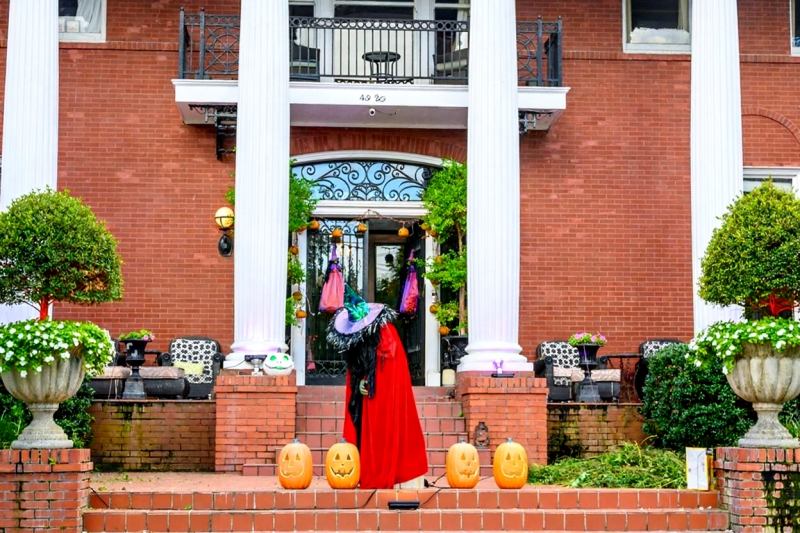
For a truly authentic experience, visitors should approach the city’s Voodoo culture with reverence and respect. Many of the most powerful moments happen away from the main tourist drags.
Visit St. Louis Cemetery No. 1: This is the final resting place of the legendary Voodoo Queen, Marie Laveau. During the Halloween season, ceremonies are often held near her grave, and it’s common to find offerings of flowers, candles, and other tokens left in her honor. Access is now restricted to licensed tour guides, but a guided visit provides invaluable historical context. Remember, this is a sacred site, not a theme park attraction. Behave with the utmost respect.
Explore Authentic Voodoo Shops: Skip the kitschy souvenir stores and seek out genuine Voodoo apothecaries and cultural centers. Shops like Voodoo Authentica or Island of Salvation Botanica are run by actual practitioners (Mambos and Houngans) who can provide insight into the religion’s true nature. Here, you can purchase handmade gris-gris bags, candles, and oils, and sometimes even arrange for a spiritual consultation or reading.
Attend a Public Ceremony (with permission): Some Voodoo communities hold public or semi-public ceremonies around Halloween to honor the spirits. These are deeply spiritual events, not performances. If you are fortunate enough to find an opportunity to attend one, do so quietly and respectfully. Do not take photos unless explicitly permitted, and consider leaving a small donation.
Haunted New Orleans: Top Tours for True Ghost Hunters
New Orleans is widely considered one of America’s most haunted cities, and there is no better time to connect with its resident spirits than Halloween. The city offers a dizzying array of ghost tours, but they are not all created equal. Here’s how to find a tour that delivers genuine chills instead of cheap jump-scares.
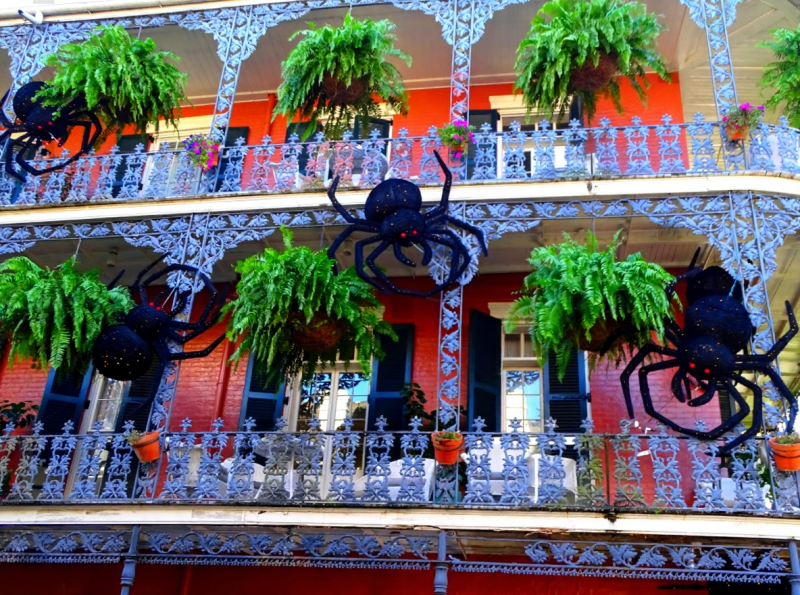
French Quarter Phantom Tours: These walking tours are the classic choice. The best ones are led by charismatic storytellers who are also passionate history buffs. They’ll guide you through the gaslit streets of the Vieux Carré, stopping at infamous locations like the LaLaurie Mansion (known for its horrific history of torture) and the Gardette-LePretre Mansion, site of a mysterious and bloody mass murder.
Cemetery "Cities of the Dead" Tours: Because New Orleans is built on a swampy delta with a high water table, its deceased are interred in elaborate, above-ground tombs, creating these hauntingly beautiful necropolises. A daytime tour of St. Louis Cemetery No. 1 or Lafayette Cemetery No. 1 is a must. You’ll learn about the city’s unique burial traditions and the famous (and infamous) figures buried within.
Vampire Legends Tours: New Orleans has a curious connection to vampire folklore, most famously through author Anne Rice. These tours dig into the city’s darker, bloodier legends, separating fact from fiction and exploring the real-life stories that may have inspired the myths of the undead.
Navigating these spooky streets after dark requires awareness, especially if you are traveling alone. It’s about being smart and prepared so you can fully immerse yourself in the experience without worry. That’s why our [Solo Female Travel Safety Guide] is an essential download for anyone exploring the city's haunts, offering practical tips for staying safe while seeking out the supernatural.
Beyond the Haunts: Legendary Parties & Top Halloween Events USA Style
When the sun goes down, New Orleans transforms into one giant, city-wide costume party. The energy is electric, and the people-watching is second to none, solidifying its reputation for hosting some of the best Halloween events USA has to offer.
The epicenter of the chaos is Bourbon Street, which becomes a pedestrian-only sea of costumed revelers. The street is lined with bars offering potent drinks in souvenir cups, and the historic wrought-iron balconies are packed with people throwing beads to the crowds below. While it’s an experience every visitor should have, it can be intense. The key to surviving and enjoying Bourbon Street is to stay in a group and remain aware of your surroundings at all times.
For a more curated experience, look for one of the many large-scale Halloween parties and balls held across the city. Events like the Endless Night Vampire Ball offer a more gothic, formal affair with a strict dress code, while numerous hotels and music venues host massive costume contests with significant cash prizes.
Pro-Tip: The best parties sell out weeks, if not months, in advance. As soon as you book your trip, start researching major events and purchase your tickets online. This will save you from waiting in long lines or, worse, being turned away at the door.
A Practical Guide to a Spooky & Safe New Orleans Halloween
To ensure your supernatural sojourn is memorable for all the right reasons, keep these practical tips in mind:
Book Everything in Advance: Halloween is one of the busiest times of the year in New Orleans. Flights, hotels, and popular tours should be booked months ahead to avoid surge pricing and lack of availability.
Comfort is Key: You will be doing a lot of walking. While your costume is important, make sure your footwear is comfortable enough to handle miles of cobblestone streets and uneven sidewalks. The weather in late October can also be unpredictable; it might be warm and humid or surprisingly cool, so pack layers.
Stay Hydrated and Fed: It’s easy to get caught up in the excitement (and the cocktails), but remember to drink plenty of water. Also, take advantage of the city’s incredible culinary scene. A hearty meal of gumbo or jambalaya will give you the energy you need for a long night of haunting.
Use Rideshares Wisely: While the French Quarter is walkable, you may need transportation to other neighborhoods. Use reputable rideshare apps, but be prepared for surge pricing during peak hours. Always confirm the license plate and driver before getting into a vehicle.
Planning a trip of this magnitude involves many moving parts. For a complete plan covering the best neighborhoods for accommodations, can't-miss restaurants, and a full itinerary for all the city's attractions, our comprehensive [Travel Guide] is the ultimate resource for your New Orleans adventure.
Embrace the Spirits of the Crescent City
A New Orleans Halloween is more than just a party; it's an immersion into a world of history, mystery, and vibrant tradition that you cannot find anywhere else. It’s a chance to walk in a city where the past is always present, where every corner holds a story, and where the spirits of centuries past feel like they’re just a whisper away. You now have the insider knowledge to bypass the tourist traps and experience the authentic, supernatural soul of one of the most captivating Halloween events USA has to offer.
You are ready to dance with ghosts in Jackson Square, to catch throws from a monster-themed float, and to feel the powerful spiritual energy that makes this celebration so unique.
Ready to plan the ultimate spooky getaway? Download our [Solo Female Travel Safety Guide] for peace of mind and grab your copy of the [Travel Guide] to make your trip seamless and unforgettable. The spirits of New Orleans are waiting for you.
Don't Miss Out! Subscribe for Exclusive Content
SubscribeComments 0
No comments yet
Be the first to share your experience!
Dont Miss Out! Subscribe for Exclusive Content
San Francisco Cherry Blossoms: A Local's Guide to the Blooms
Halloween SF: Haunts Without Horrors
SF Festivals: 7 Must-See Lineups
Christmas SF: Lights & Wharf Wonders
SF Pride: 6 Route & Party Hacks