
Miami Beach Holidays: Festive Escapes

TrekGuider @trekguider
Dreaming of a holiday getaway but utterly bored by the usual cold-weather clichés? You’re craving that festive spirit, but you want it served with a side of sunshine, warm sand, and an energy that feels electric. The problem is, finding a destination that genuinely blends holiday magic with a true beach escape often feels like a fool's errand.
You find yourself stuck in a familiar loop: either bundle up for another chilly winter market or settle for a generic beach trip that’s completely devoid of seasonal sparkle. The agitation builds as you picture navigating icy streets or, just as bad, missing out on that special holiday feeling while lounging on the sand. How do you possibly create a trip that delivers both the deep relaxation of a seaside retreat and the thrilling atmosphere of a major holiday? How do you plan the perfect beach holidays in Miami without falling into tourist traps or feeling like you’ve compromised on either the "beach" or the "holiday"?
The solution is simpler and far more spectacular than you imagine: Miami Beach. This is where traditional holidays are brilliantly reimagined under sunny skies and among palm trees wrapped in twinkling lights. It’s where the new year is welcomed with world-class fireworks over the ocean and patriotic celebrations happen with your toes buried in the sand. This guide is your definitive blueprint for crafting that ultimate festive escape. We’ll dive deep into how to experience Miami’s most iconic holidays with a unique coastal twist, transforming your vacation from a simple trip into a sun-drenched celebration you’ll never forget.
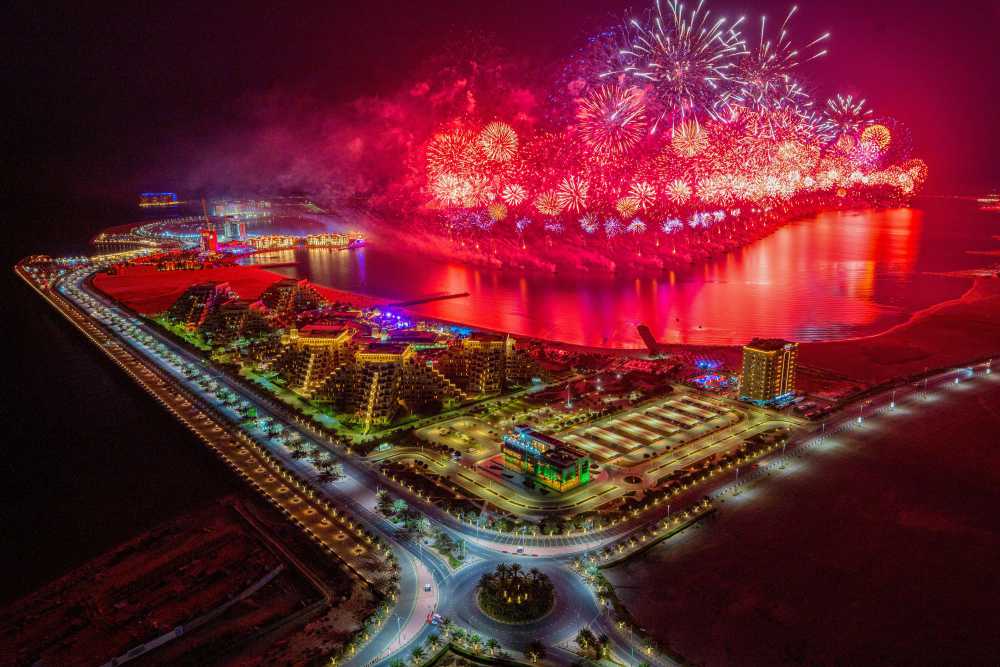
Why Miami Beach is the Ultimate Holiday Destination
Let's be honest: most holiday destinations force a choice between festive magic and beachside bliss. Miami throws that choice out the window. Here, the holiday season isn't defined by snow and scarves but by endless sunshine and turquoise water, all supercharged with a cultural energy that gives every celebration a unique pulse. This is the core of what makes beach holidays in Miami so magnetic—the ability to swap a white Christmas for a white-sand Christmas without losing an ounce of the magic.
The city’s approach to holidays is a spectacle in itself. Imagine watching a parade of multi-million-dollar yachts, decked out in elaborate Christmas lights, gliding across Biscayne Bay. Picture yourself counting down to midnight on New Year's Eve at a glamorous rooftop party overlooking the Atlantic. This fusion of festive tradition and tropical paradise is the core of Miami's appeal, a theme we explore from a bird's-eye view in our comprehensive guide to [Miami Holidays: 8 Beach Fest Vibes]. Miami offers a holiday experience that feels both exhilaratingly different and wonderfully familiar, allowing you to create entirely new traditions under the sun.

Mastering the Art of a Tropical Christmas
Forget everything you thought you knew about a traditional Christmas. In Miami, the holiday season is a brilliant, sun-kissed affair that trades snow flurries for gentle sea breezes and roaring fireplaces for the warm, golden glow of a beachside sunset.
Witness the Spectacle of Holiday Boat Parades
The quintessential Miami Christmas experience is, without a doubt, the holiday boat parade. Instead of floats rolling down a street, you’ll see dozens of vessels—from sleek sailboats to jaw-dropping yachts—illuminated with thousands of festive lights as they cruise along Biscayne Bay. These floating spectacles often feature live music, costumed characters, and breathtakingly creative displays that could only happen here. It’s a magical tradition that perfectly captures the city's nautical culture and festive spirit. The best parades can be viewed from several waterfront parks, but arriving early is non-negotiable if you want a good spot.
Discover Dazzling Light Displays with a Coastal Twist
While Miami may lack snow-covered pines, it more than compensates with its stunning and unique light displays. Palm trees lining iconic streets like Ocean Drive and Collins Avenue are wrapped in twinkling lights, creating a surreal and beautiful holiday landscape. For a truly immersive experience that’s perfect for families, a visit to the Christmas Wonderland at Tropical Park is a must. This sprawling event features miles of drive-thru light displays, classic carnival rides, and festive treats, offering a complete holiday experience with a distinctly Miami flavor.
Planning Your Tropical Christmas Experience:
Check Parade Schedules: Boat parade dates and routes are typically announced in early November. Check the official city and county tourism websites for the most up-to-date information to plan your viewing strategy.
Book Waterfront Dining: Many restaurants along the bay and the Intracoastal Waterway offer special holiday menus with prime, front-row views of the boat parades. Reservations are absolutely essential and should be made weeks, if not months, in advance.
Explore Neighborhood Lights: Beyond the main tourist hubs, wander through neighborhoods like Coral Gables and Coconut Grove, which also boast beautiful residential light displays perfect for a festive evening drive or stroll.
Pro-Tip: For a truly unforgettable view of the holiday boat parades, consider booking a spot on a public viewing cruise. You get the full festive atmosphere and an unbeatable vantage point without having to battle the massive crowds in the main parks.

Ringing in the New Year: Miami Beach Style
New Year's Eve in Miami is a world-renowned spectacle, famous for its explosive energy, celebrity sightings, and, of course, spectacular fireworks. Whether you're looking for a free, family-friendly block party or an ultra-exclusive VIP gala, the city offers a countdown for every style and budget.
The Epicenter of the Celebration: Bayfront Park
The heart of Miami's public NYE celebration is at Bayfront Park in Downtown Miami, just a short ride across the causeway from Miami Beach. This massive, free event features live music from chart-topping artists and culminates with the rise of "The Big Orange"—Miami's quirky answer to the Times Square Ball—up the side of the InterContinental Hotel. As the clock strikes midnight, a breathtaking fireworks display erupts over Biscayne Bay, illuminating the entire city skyline.
For a beach-centric view, find a spot on the eastern edge of South Pointe Park. You can see the downtown fireworks from a distance with the soothing sound of the waves as your personal soundtrack.
Glamorous Parties and Exclusive Events
For those seeking a more luxurious and high-octane celebration, South Beach is the undisputed playground.
High-End Clubs: For the ultimate splurge, world-famous nightclubs like LIV and Fontainebleau host legendary parties with A-list performers, though tickets regularly start at $200 and climb steeply.
Accessible Vibes: For a more accessible but still electric vibe, the bars in Coconut Grove offer vibrant street parties with cover charges hovering around a more manageable $50.
Unique Cruises: For a truly unique perspective, book a New-Year's-Eve cruise on Biscayne Bay; for around $150+, you get dinner, drinks, and an unbeatable, crowd-free view of the fireworks.

Patriotic Parties: Your Guide to Beach Holidays in Miami for July 4th
Independence Day in Miami is a classic American celebration with a distinct coastal identity. The day is all about sun, sand, and sizzling barbecues, followed by an evening of spectacular fireworks exploding over the water. It’s the perfect holiday to embrace the laid-back beach lifestyle while enjoying patriotic festivities.
The Main Event: Fireworks Over Biscayne Bay
While many smaller displays happen up and down the coast, the region's premier Independence Day celebration is hosted at Bayfront Park in Downtown Miami. This massive event draws huge crowds for a day of live music, food vendors, and family-friendly activities, all leading up to the main event: a dazzling, high-powered fireworks show over the bay.
The true pro move for experiencing this is to watch from the water. Chartering a boat or joining a group cruise provides an unparalleled, unobstructed view of the fireworks, far from the packed crowds on land. You can feel the boom of the explosions reverberate across the water as the vibrant colors reflect on the surface, creating a 360-degree spectacle you won't soon forget.
A Beach-Goer's Guide to the Fourth:
Claim Your Spot Early: If you plan to spend the day on the sand, arrive no later than mid-morning. The most popular spots on South Beach fill up quickly with families and groups setting up for a full day of fun.
Pack Smart: Bring plenty of water, high-SPF sunscreen, and shade (like an umbrella or tent). A portable grill can elevate your beach barbecue, but be sure to check and follow all local regulations regarding open flames.
Stay for the Local Show: Many local municipalities along the coast, from South Beach to North Beach, host their own smaller fireworks displays. Find a comfortable spot on the sand after sunset and enjoy a more intimate show with the sound of the ocean in the background.
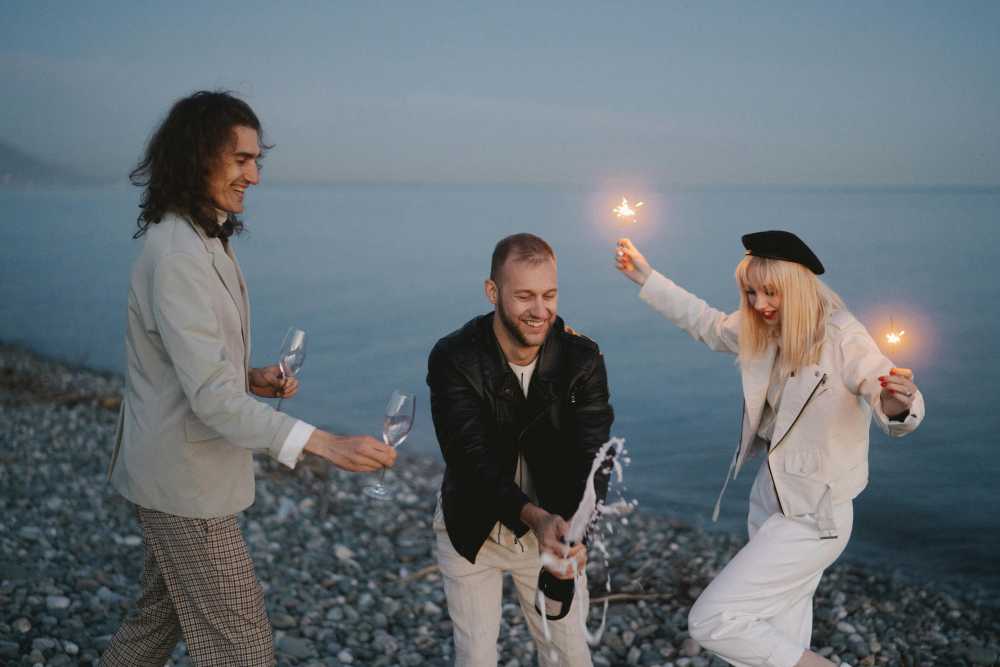
Planning Your Perfect Festive Escape: A Practical Guide
A successful festive escape to Miami Beach is all about smart, proactive planning. Navigating the holiday crowds, packing appropriately for the unique climate, and knowing how to find moments of tranquility are key to a stress-free and memorable trip.
What to Pack for a Festive Beach Holiday
Packing for a Miami holiday requires a strategic blend of beach casual and festive chic. Your suitcase should be a versatile mix that can take you from a sunny day on the sand to a glamorous New Year's Eve party without missing a beat.
Daytime Essentials: Lightweight, breathable clothing is a must. Pack multiple swimsuits, cover-ups, shorts, and tees. A wide-brimmed hat, powerful sunscreen, and polarized sunglasses are non-negotiable.
Evening Attire: Miami's nightlife and holiday events call for something more stylish. Pack a few dressier outfits—a cocktail dress, a sharp jumpsuit, or linen trousers with a crisp shirt.
Footwear: Include comfortable sandals for the beach, good walking shoes for exploring, and a pair of dressier shoes for evenings out.
Festive Touches: Don't forget a fun, festive accessory, like a Santa hat for a Christmas beach day or something sparkly for New Year's Eve.
Mastering the art of packing everything you need without overstuffing your luggage is a traveler's holy grail. For expert strategies on maximizing space and minimizing weight, our [How to Pack Light Guide] is an indispensable resource, filled with pro tips that will revolutionize how you prepare for any trip.
Navigating Crowds and Transportation
Holiday seasons are peak tourist times in Miami. To navigate the city like a pro:
Use Public Transit & Rideshares: Parking is notoriously difficult and expensive, especially in South Beach. Use the free Miami Beach Trolley to get around the island. For trips to the mainland for events at Bayfront Park, the elevated Metromover is a fantastic and free option. Rideshares are plentiful but expect significant surge pricing during major events.
Book Everything in Advance: This cannot be overstated. Accommodations, flights, rental cars, and tickets for special events should be booked months ahead to secure better prices and guarantee availability.
Embrace the Walk: South Beach is incredibly walkable. Staying in a central location will allow you to explore many attractions on foot, saving you time, money, and transportation headaches.
Pro-Tip: To escape the intense holiday crowds on South Beach, head north to Mid-Beach or North Beach. The vibe is more relaxed, the sands are just as beautiful, and you can still easily access the main event areas via a short rideshare or the free trolley.
Elevate Your Trip from Great to Unforgettable
You now have the insider knowledge to plan an incredible holiday escape to Miami Beach. You know where to find the best views for the fireworks, what to pack for a tropical Christmas, and how to navigate the city like a local. But planning is only half the battle. The real magic happens when every detail of your trip falls perfectly into place, allowing you to immerse yourself fully in the experience without an ounce of stress.
A truly unforgettable journey is built on a foundation of expert planning and deep, local insights. To transform this trip—and all your future travels—from simply great to absolutely seamless, you need a resource that goes beyond a single destination. Our comprehensive [Travel Guide] is the ultimate toolkit for the serious traveler. It’s packed with detailed U.S. itineraries, insider secrets for every major city, and practical advice that empowers you to travel smarter, not harder. Consider it your master key to unlocking the very best of the USA.

Your Sun-Drenched Holiday Awaits
Miami Beach offers a holiday experience unlike any other—a place where cherished festive traditions are celebrated under the warm embrace of the Florida sun. It’s a destination that proves you don’t have to choose between a relaxing beach vacation and a vibrant holiday celebration. You can, and should, have both. You now have the blueprint to design a trip that perfectly balances serene, sun-soaked days with dazzling, high-energy nights. Your dream of the perfect beach holidays in Miami is no longer just a fantasy; it’s a plan waiting to be executed. So pack your bags, leave the winter coat behind, and get ready to create a whole new set of holiday memories on the sand.
SEO Meta Title (Under 60 characters): Miami Beach Holidays: Your Guide to Festive Sun & Fun
URL Slug: miami-beach-holidays
SEO Meta Description (Under 155 characters): Swap snow for sand! Discover how to celebrate Christmas, NYE, and July 4th in Miami with our guide to tropical lights, beach parties, and festive escapes.
Don't Miss Out! Subscribe for Exclusive Content
Subscribe



Comments 0
No comments yet
Be the first to share your experience!
Dont Miss Out! Subscribe for Exclusive Content

San Francisco Cherry Blossoms: A Local's Guide to the Blooms


Halloween SF: Haunts Without Horrors

SF Festivals: 7 Must-See Lineups

Christmas SF: Lights & Wharf Wonders

SF Pride: 6 Route & Party Hacks

Chinese New Year SF: Parade Essentials
Ultra Festival: Beat the Heat Guide
TrekGuider @trekguider
You’ve done it. You scored the golden ticket to Ultra Music Festival, a three-day sonic pilgrimage in the heart of Miami where the world’s greatest DJs command colossal stages and the energy is nothing short of electric. But as the bass drops, so does the relentless Florida sun. The real problem isn't just the heat; it's the brutal combination of scorching temperatures, suffocating humidity, and tens of thousands of dancing bodies that can quickly turn your dream festival into a dehydrated, sun-stroked nightmare.
Imagine the agony of missing Skrillex’s closing set because you’re dizzy and nauseous, huddled in a medical tent. Picture the sheer frustration of tapping out before sunset on day one, your energy completely drained, while your friends rave on into the night. This isn't a scare tactic; it's a common reality for unprepared attendees who fatally underestimate the physical toll of partying under the Miami sun for three straight days. The line between an unforgettable weekend and a miserable, potentially dangerous one is drawn by a single thing: a bulletproof strategy.
This is that strategy. Forget the generic "drink water" advice you’ve heard a thousand times. This is your new bible for not just surviving, but truly conquering the heat at Ultra. We’re providing a pro-level, comprehensive blueprint covering everything from tactical gear selection and advanced hydration science to strategic stage navigation and leveraging festival tech for your safety. Follow these steps, and you won't just beat the heat—you'll own the entire experience, from the opening beat on Friday to the final fireworks on Sunday.
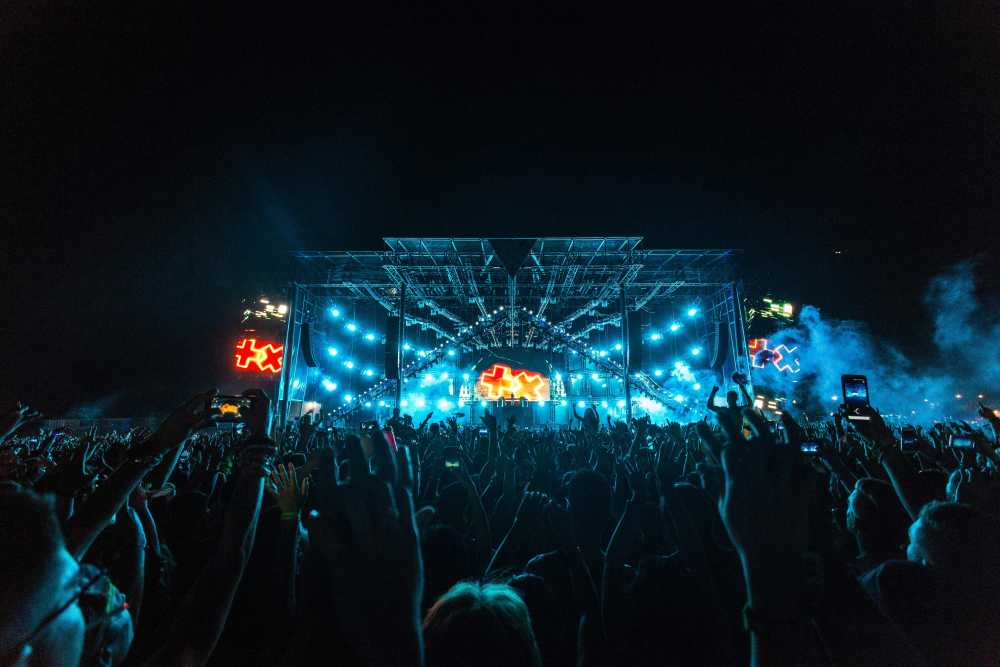
Understanding the Ultra Music Festival Environment: Sun, Crowds, and Sound
Before you can build a plan, you must understand the battlefield. Ultra Music Festival unfolds in late March at Bayfront Park, a beautiful but notoriously exposed venue. For 2025, the festival runs from March 28-30 (and for you long-term planners, March 27-29 in 2026), a time when Miami’s weather is deceptively intense. While the festival is at the heart of the city's vibrant event calendar—a scene we detail in our complete guide to [Miami Holidays: 8 Beach Fest Vibes]—its unique environment presents a specific set of challenges you must be prepared for.
The festival operates on a strict "rain or shine" policy, meaning you need to be ready for anything. The schedule itself is a marathon, not a sprint:
Friday, March 28: 4:00 PM – 12:00 AM
Saturday, March 29: 12:00 PM – 12:00 AM
Sunday, March 30: 12:00 PM – 10:00 PM
Notice that Saturday and Sunday demand ten to twelve hours of exposure. The primary obstacles you will face are:
Intense Solar Radiation: The Florida sun is powerful. Without adequate shade, direct exposure can lead to severe sunburn and rapidly increase your core body temperature.
Oppressive Humidity: Miami's humidity cripples your body's natural cooling system. It prevents sweat from evaporating effectively, making 85°F feel like a suffocating 95°F.
Massive Crowds: Dense crowds trap body heat, creating microclimates that are significantly hotter than the ambient air. Navigating these human seas requires immense physical energy.
Constant Movement: You’ll be walking, standing, and dancing for hours on end, burning calories and losing fluids at a dangerously accelerated rate.
The first and most critical mindset shift is to treat Ultra like an athletic event. Your preparation starts long before you ever step foot in Bayfront Park.

Pre-Festival Prep: Your Foundation for Success
Victory is won in the preparation. What you do in the days leading up to the festival and what you pack in your bag will absolutely dictate your endurance and enjoyment.
The Ultimate Packing List: Beyond the Basics
Your packing list is your first line of defense. Every single item should serve a purpose, primarily focused on cooling, hydration, and comfort.
Clothing (The Three B’s: Breathable, Bright, and Barely-There):
Fabrics: Choose lightweight, moisture-wicking materials like polyester, nylon, or bamboo blends. These technical fabrics pull sweat away from your skin, allowing it to evaporate and cool you down. Avoid cotton at all costs; it absorbs moisture, becoming a heavy, suffocating trap for heat.
Colors: Opt for light-colored clothing. White, beige, and pastels reflect sunlight rather than absorbing it like dark colors do.
Fit: Loose-fitting garments are your best friend. They allow for crucial airflow against your skin, preventing heat from getting trapped.
Footwear (Your Most Important Gear): You will be on your feet for 30+ hours over the weekend. Comfortable, well-worn sneakers are non-negotiable. Do not, under any circumstances, wear brand-new shoes, flimsy sandals, or heavy boots. Running or athletic shoes with proven arch support are ideal.
Hydration Hardware:
Hydration Pack: This is the single most important piece of gear you can bring. A CamelBak or a similar backpack with a water bladder allows you to carry 2-3 liters of water and sip continuously without fumbling with a bottle. Ensure it complies with the latest festival size and pocket regulations before you go.
Electrolyte Packets: Pack single-serving powders or tablets (like Liquid I.V., Nuun, or Pedialyte packets). They are small, light, and absolutely essential for true hydration.
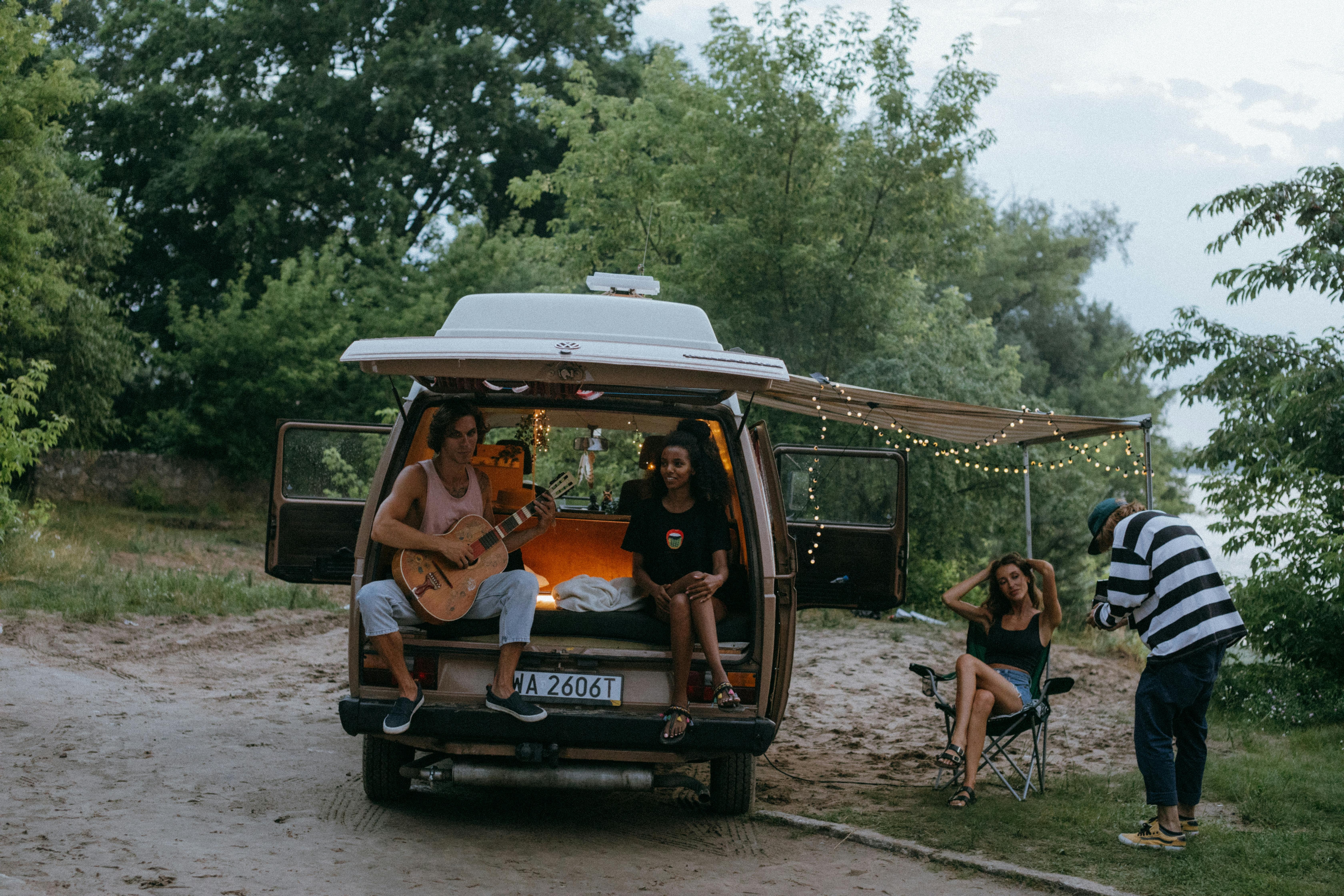
Sun & Heat Protection Arsenal:
Sweatproof Sunscreen: A broad-spectrum, water-resistant sunscreen with an SPF of 50 or higher is mandatory. Apply it generously 30 minutes before you enter and reapply every two hours, no exceptions.
Wide-Brimmed Hat: A bucket hat or other wide-brimmed hat provides a portable oasis of shade for your face, neck, and ears, significantly reducing your perceived temperature.
UV-Protective Sunglasses: Protect your eyes from the relentless glare and long-term sun damage.
Cooling Towel: These hyper-evaporative towels, when soaked in water, provide incredible cooling relief when worn around your neck.
Handheld Fan/Mister: A small, battery-operated fan can be a godsend in a stagnant, dense crowd, creating a personal breeze when you need it most.
Physical Conditioning: Don't Underestimate the Marathon
You wouldn't run a 10k without training, and you shouldn't tackle Ultra without some physical prep.
Pre-Hydrate Aggressively: Begin increasing your water intake 2-3 days before the festival. Your goal is to start Day 1 with your body in a state of optimal hydration, not playing a desperate game of catch-up.
Build Endurance: In the weeks leading up, incorporate some light cardio into your routine. Even 30 minutes of brisk walking or jogging a few times a week will dramatically improve your stamina.
Prioritize Sleep: Get a full 8 hours of sleep each night in the week before the festival. A sleep deficit severely impairs your body's ability to regulate temperature and recover.
Just as detailed planning is key for a scenic road trip, like the one we map out in our [Big Sur Map & Itinerary], careful preparation is essential for a massive festival. Don't leave your experience to chance.
Mastering Hydration: The Core of Your Ultra Music Festival Strategy
This is the most critical section of this guide. Proper hydration at Ultra is a science. Simply drinking water when you feel thirsty is a recipe for disaster; by the time you feel thirst, you are already significantly dehydrated.

Water Isn't Enough: The Critical Role of Electrolytes
When you sweat, you don't just lose water; you lose vital minerals called electrolytes—primarily sodium, potassium, and magnesium. These minerals are the spark plugs of your body, responsible for regulating nerve and muscle function, hydrating your cells, and balancing blood pressure. Replenishing them is just as important as replenishing water.
Why It Matters: Drinking excessive amounts of plain water without replacing electrolytes can lead to a dangerous condition called hyponatremia, where the sodium levels in your blood become dangerously diluted. Symptoms can mimic dehydration (nausea, headache, confusion) but can be far more severe.
Your Game Plan: For every two refills of your hydration pack with plain water, make the third refill an electrolyte mix. This simple rule ensures you are constantly replenishing what you're sweating out. Avoid relying on sugary energy drinks or sodas for hydration; they can often make dehydration worse.
Your Hydration Schedule: A Sip-by-Sip Plan
Discipline is everything. You need a proactive hydration schedule, not a reactive one.
The Morning Load-Up: Drink at least 16-20 ounces (about half a liter) of water with an electrolyte packet before you even leave for the festival.
The Immediate Refill: The very first thing you do upon entering Bayfront Park is locate a water station and fill your hydration pack to its maximum capacity.
The 15-Minute Rule: Take a few big sips of water from your pack every 15 minutes. Set a recurring alarm on your phone or watch if you have to. Do not wait until you feel thirsty.
The Proactive Refill: Never wait until your pack is empty to refill it. When it's about one-third full, make your way to a water station. The lines are shortest during non-peak times (e.g., during a headliner's set when everyone is at one stage, or early in the day).
The End-of-Night Recovery: Drink another 16-20 ounces of electrolyte-infused water before you go to sleep. This will supercharge your body's recovery overnight and prepare you for the next day.
Pro-Tip: As soon as you get inside, open the festival map on the official app and screenshot the locations of all free water refill stations. The stations located near smaller stages or along the perimeter of the park often have significantly shorter lines than the ones near the main stage.
Strategic Navigation and Lineup Planning
How you move through the festival and plan your day is just as important as what you pack. Wasting energy is a luxury you simply cannot afford.

Decoding the Festival Map for Heat Evasion
The festival grounds are a maze of stages, vendors, and people. Use the map to your real advantage.
Identify Cool Zones: Before you even start thinking about artists, scan the map for any designated shade structures, indoor stages (like the iconic Megastructure), or air-conditioned brand activations. These are your recovery oases.
Plan Efficient Routes: When moving from the Main Stage to the Resistance stage, don't just try to cut through the thickest part of the crowd. Use the perimeter walkways. It might be a slightly longer distance, but it will be faster and require far less energy than pushing through a human traffic jam.
Building a Smart Schedule: Pacing is Everything
With a 2025 lineup featuring titans like John Summit & Dom Dolla, Armin van Buuren, Tiësto, Chase & Status, and Deadmau5, the temptation is to sprint from stage to stage. This is a rookie mistake that will burn you out by 9 PM on Friday.
Prioritize Ruthlessly: Accept that you cannot see every artist. Pick your top 3-4 "can't-miss" sets for each day and build your schedule around them as anchors.
Schedule Deliberate Downtime: The hottest part of the day is typically between 2 PM and 5 PM. This is the perfect time to schedule a tactical break. Find a shady spot, sit down, focus on hydrating, and eat a proper meal. This planned rest will give you the energy you need for the headlining acts at night.
Embrace Discovery: Use the time between your must-see sets to explore smaller stages. They are often less crowded, providing more space to dance, breathe, and discover your new favorite artist.
Pro-Tip: When moving through a dense crowd to get closer to a stage, conserve energy by following directly behind a larger, determined person or group. Let them carve a path for you. It's a simple "drafting" trick that saves a surprising amount of physical effort.
Leveraging Technology and Safety Resources at Ultra Music Festival
In the modern festival era, your phone is an essential survival tool. Ultra has integrated technology to enhance attendee safety, and you should take full advantage of every resource.
Your Phone is Your Lifeline
The Official Ultra App: Download it well in advance. It contains the most up-to-date festival map, set times, and, most importantly, will send push notifications for any emergency alerts or important announcements.
The SaferWatch App: Ultra has partnered with the SaferWatch app, which allows you to report any safety or security concerns (medical emergencies, suspicious activity) directly and anonymously to festival staff in real-time. Have it downloaded and set up before you arrive.
Portable Charger: Your phone is useless with a dead battery. A fully charged portable power bank is not optional; it's mandatory.
Knowing Where to Go for Help
Even with perfect preparation, things can go wrong. Knowing how to recognize a problem and where to get help is crucial.
Locate Medical Tents: Just like the water stations, the first thing you should do is identify the location of all medical tents on your map. They are staffed with professionals who are there to help you, no questions asked. There is no shame in seeking help.
Recognize the Signs of Heat Exhaustion: Be aware of these symptoms in yourself and your friends:
Heavy sweating
Dizziness or lightheadedness
Nausea or vomiting
A throbbing headache
Cool, pale, clammy skin
If you or a friend experience these, get to a medical tent immediately. Do not try to "tough it out."
Be a Good Raver: The Ultra community is known for looking out for one another. If you see someone who looks unwell or is in distress, ask if they need help and guide them toward a medical tent or alert festival staff.

You're Ready to Conquer Ultra
The roar of the crowd, the earth-shaking bass, the Miami skyline lit up against the night sky—these are the moments that define the Ultra Music Festival experience. By approaching the weekend with the mindset of an endurance athlete, you are no longer at the mercy of the elements. You are in control. Preparation is your armor, hydration is your fuel, and a smart strategy is your map to victory. You now have the expert knowledge to stay cool, energized, and safe from the first set to the final encore.
You are now equipped to handle the heat, navigate the crowds, and fully immerse yourself in the magic of one of the world's greatest music festivals. This level of detailed planning is what transforms a good trip into an unforgettable one. For comprehensive strategies on navigating destinations and events worldwide, our master [Travel Guide] is the ultimate resource for the serious traveler. Now go, stay hydrated, and have the time of your life.
Don't Miss Out! Subscribe for Exclusive Content
SubscribeComments 0
No comments yet
Be the first to share your experience!
Dont Miss Out! Subscribe for Exclusive Content
San Francisco Cherry Blossoms: A Local's Guide to the Blooms
Halloween SF: Haunts Without Horrors
SF Festivals: 7 Must-See Lineups
Christmas SF: Lights & Wharf Wonders
SF Pride: 6 Route & Party Hacks
Chinese New Year SF: Parade Essentials
The Complete Guide to Solo Road Trips: Planning, Safety & Vehicle Prep
TrekGuider @trekguider
You see the pictures, you hear the stories—the ultimate solo road trip, a journey of pure freedom on the open road. But when you actually start to think about it, a wave of very real questions hits hard: What if I get a flat tire in the middle of nowhere? How do I stay safe alone at a motel? Can I really handle all the planning, driving, and navigating by myself?
That initial thrill can quickly turn to anxiety, paralyzing you before you even check your tire pressure. Without a rock-solid plan, a dream trip can easily become a stressful, expensive, or even dangerous ordeal. The difference between a life-changing experience and a cautionary tale lies in preparation. While the logistics of solo travel are unique, the core principles of smart preparation are universal—a foundation just as crucial when mapping out [Family Travel Ideas: The 2026 Guide to Unforgettable Trips] as it is for hitting the road alone.
This guide is your solution. It is the definitive roadmap designed to systematically dismantle every fear and answer every question. We will replace uncertainty with a comprehensive, step-by-step framework covering everything from strategic planning and budgeting to critical safety protocols and vehicle preparation. After reading this, you will not only feel capable but completely empowered to pack your bags, turn the key, and confidently embark on one of the great solo road trips you've always imagined.

Why a Solo Trip is a Powerful Investment in Yourself
Before we dive into logistics, let's anchor ourselves in the why. A solo road trip is more than a change of scenery; it’s an active opportunity to disconnect from the demands of daily life and reconnect with the one person you can sometimes lose track of: yourself.
Absolute Freedom: You decide when to start, where to stop, and how long to linger. There are no compromises on the itinerary, the music, or the choice between a greasy-spoon diner and a scenic picnic. Every decision is yours alone.
Radical Self-Reliance: Successfully navigating hundreds of miles on your own is a profound confidence builder. You’ll learn to solve problems on the fly, trust your judgment, and discover a deep well of resilience you never knew you had.
The Luxury of Headspace: The long stretches of highway provide the mental space for deep thought and reflection. It’s a chance to process, dream, and learn what truly energizes you without the noise of external influence.
The Blueprint: Strategic Planning for the Open Road
While the soul of a road trip lives in its moments of spontaneity, its backbone is forged in smart preparation. This isn't about creating a rigid, fun-killing schedule; it's about building the strong framework that enables true freedom and removes decision fatigue when it matters most.

Define Your Mission: Destination & Purpose
First things first: What kind of journey are you craving? Your answer will be the compass for your entire plan. Are you seeking:
Rejuvenation? Picture a scenic drive along Oregon's coast, with stops in quiet towns and fog-laced forests.
High Adventure? A route looping through Utah's "Mighty 5" national parks, filled with challenging hikes and epic vistas. Planning a park-centric journey is a classic for a reason, and our National Park Road Trip Checklist can be an invaluable tool.
Cultural Discovery? A trip winding through the historic backroads of New England or the music-rich towns of the Mississippi Delta.
Your "why" dictates your route. The iconic Pacific Coast Highway delivers on coastal drama, while a journey along Route 66 is a nostalgic dive into Americana. Use tools like Google Maps, Roadtrippers, and travel blogs to map a general path, but also search for terms like "scenic byways in California" (or whichever state you're exploring) to uncover less-traveled gems.
The Art of the Flexible Itinerary
A rigid, minute-by-minute schedule is the enemy of a great road trip. The goal is to create a structured yet pliable plan.
Respect Your Driving Limits: This is the golden rule. Aim for no more than 4-6 hours of actual driving per day. This prevents burnout, gives you ample time to explore your stops, and, crucially, ensures you can arrive at your lodging before dark.
Anchor Your Journey: Always pre-book your accommodation for the first night and the last night of your trip. This brackets your journey, removing the stress of finding a place to stay when you’re either buzzing with first-day energy or exhausted from the final leg.
Identify Key "Pillars": Pinpoint the 2-3 must-see sights, cities, or parks on your route. These are your pillars. Plan your overnight stays around them, giving yourself enough time to explore them properly.
Embrace the In-Between: For the days between your pillars, keep your plans loose. This is where the magic happens. It allows you to follow a sign for a quirky roadside museum, spend an extra two hours at a breathtaking viewpoint, or explore a town that just feels right.
Budgeting: Your Financial Freedom Fund
A clear budget isn't a leash; it’s the tool that frees you from financial stress on the road.
Fuel: Use an app like GasBuddy to estimate total fuel costs based on your car's MPG and planned mileage. Be conservative and round up.
Lodging: Research average costs for hotels, motels, or campgrounds in your target areas. Prices can fluctuate wildly by season and local events.
Food & Drink: Set a daily food budget. Packing a cooler with drinks, snacks, and breakfast items is a pro move that drastically cuts costs.
Activities: Account for national park passes (an "America the Beautiful" annual pass is often a great value), museum tickets, and tours.
The "Uh-Oh" Fund: This is non-negotiable. Set aside 15-20% of your total budget as a contingency. This fund is for the flat tire, the surprise concert ticket, or the necessary hotel upgrade after a rough day.
Pro-Tip: Before you go, call your bank and credit card companies to notify them of your travel plans. This prevents them from freezing your account due to "unusual activity" when you're buying gas 500 miles from home.
Mastering Solo Road Trips with Confidence
Your personal safety matters most. A proactive, systematic approach doesn't create fear; it builds the confidence you need to explore freely.

Personal Safety
Think of your awareness as your most critical travel companion—the one piece of gear that should never be packed away. It's your built-in radar for navigating the world with confidence.
Share Your Battle Plan: Leave a detailed copy of your itinerary with at least two trusted friends or family members. Include hotel names, addresses, and phone numbers.
The Daily Check-In: Establish a simple system. A quick "Made it to Flagstaff! All good." text each evening provides peace of mind for everyone.
Daylight is Your Ally: Plan your driving to end well before sunset. Navigating unfamiliar roads and finding your hotel is infinitely easier and safer in the light.
Trust Your Gut Instinct: Your intuition is a highly evolved threat-detection system. If a gas station, rest stop, or situation feels wrong, it is wrong for you. Leave immediately. Don't second-guess it.
Walk with Purpose: Project confidence. Be aware of your surroundings. Avoid looking lost or glued to your phone. If you need to check a map, step inside a coffee shop or store.
Social Media Lag Time: Share your amazing photos after you've left a location. Posting your real-time whereabouts can broadcast your solo status to the wrong people.
A DEEPER DIVE ON SAFETY
For many independent travelers, safety is the number one concern. We've compiled a comprehensive resource filled with actionable strategies and expert advice specifically for navigating the world on your own.
Download our free [Solo Female Travel Safety Guide] to build unshakeable confidence for your next adventure.
The Solo Mindset: From Loneliness to Solitude
Let’s address the elephant in the room: loneliness. It's a valid concern, but it's crucial to differentiate it from solitude. Loneliness is a lack; solitude is a presence—the presence of yourself.
Embrace Dinners for One: Bring a book or a journal. Use the time to people-watch and savor your meal without distraction.
Strike Up Casual Conversations: Chat with the barista, the park ranger, or the shopkeeper. These small interactions can provide a welcome dose of human connection without any obligation.
Schedule Calls Home: Plan a few calls with friends or family during your trip. Hearing a familiar voice can be a great reset if you're feeling isolated.
Your Co-Pilot Check
On a solo trip, your car isn't just transportation; it's your partner. Ensuring it's in peak condition is the single most important thing you can do before you leave.

The Pre-Flight Mechanical Inspection
At least one week before you depart, have your vehicle inspected by a trusted mechanic, or do it yourself if you're knowledgeable.
Tires (The Four You See and The One You Don't): Check the pressure on all four tires plus the spare. Inspect the tread depth using the "penny test." If the tread doesn't cover Lincoln's head, you need new tires.
Fluids: Check your oil, coolant, brake fluid, and windshield washer fluid. Get an oil change if you're within 1,000 miles of your next service interval.
Brakes: Listen for squealing. Feel for any vibration when braking. Don't compromise here; get them checked if there's any doubt.
Battery: Look for corrosion (a white, powdery substance) on the terminals. If your battery is over three years old, have it load-tested at an auto parts store (it's often free).
Lights & Wipers: Test all lights. Replace wiper blades if they're cracked or leave streaks. A sudden downpour is a terrible time to discover they're useless.
Building the Ultimate Roadside Emergency Kit
A well-stocked kit can turn a trip-ending crisis into a manageable inconvenience. Having a comprehensive checklist is key. A great starting point for any major is our [International Travel Checklist], which you can adapt for a domestic journey.
Jumper cables and a portable jump starter
Tire pressure gauge and a portable 12V air compressor
A complete first-aid kit
A powerful LED flashlight or headlamp (with extra batteries)
Basic toolkit (multi-tool, adjustable wrench, screwdrivers, gloves)
Duct tape and zip ties
Reflective warning triangles
A warm blanket, emergency rain poncho
High-energy, non-perishable snacks (protein bars, nuts)
At least one gallon of water
Pro-Tip: A portable jump starter (a small lithium-ion battery pack) is the best safety device a solo traveler can buy. It allows you to jump-start your own car without the need for another vehicle or the risk of asking a stranger for help.
Frequently Asked Questions
How much should I budget for a solo road trip?
Your main costs will be fuel, lodging, and food. A good starting point for a domestic US trip is to budget $150-$250 per day. This can be much lower if you're camping and cooking your own meals, or higher if you prefer nicer hotels and restaurants. Always add a 15-20% contingency fund for unexpected costs.
What's the best way to stay safe at rest stops or gas stations?
Choose busy, well-lit locations whenever possible. Before you get out of the car, take a moment to observe your surroundings. Stay off your phone, be aware of who is around you, and trust your gut instinct. If a place feels unsafe, leave and find the next one.
Is it better to book all my accommodations in advance for a solo trip?
We recommend a hybrid approach. Book your first and last nights in advance to reduce stress. For the nights in between, having flexibility is great, but it's wise to book your next night's stay at least 24 hours in advance, especially in popular areas, so you're not left scrambling at dusk.
Turn the Key: Your Adventure Begins Now
The journey of a thousand miles begins not with a single step, but with a decision—the decision to prepare. By now, the idea of a solo adventure should feel less like a daunting challenge and more like an exciting, achievable reality. You have the framework for careful planning, the knowledge to build a strong safety net, and the checklist to ensure your vehicle is a reliable partner.
You are equipped to handle the road with confidence and embrace the unparalleled freedom that only solo road trips can offer. The open road is not just a path to a new destination; it’s a path to a more capable and self-aware version of yourself. The planning is part of the adventure. The preparation is part of the empowerment. Now, it's time to put it all into action. Go create a story that is entirely your own.

Don't Miss Out! Subscribe for Exclusive Content
SubscribeComments 0
No comments yet
Be the first to share your experience!
Dont Miss Out! Subscribe for Exclusive Content
San Francisco Cherry Blossoms: A Local's Guide to the Blooms
Halloween SF: Haunts Without Horrors
SF Festivals: 7 Must-See Lineups
Christmas SF: Lights & Wharf Wonders
SF Pride: 6 Route & Party Hacks