
Best Family Vacations: How to Finally Pick the Right One

TrekGuider @trekguider
Staring at a map, overwhelmed by options? You're not alone. The pressure to choose the perfect family vacation—one that delights a toddler, engages a teen, and actually feels like a break for you—is immense. It’s a high-stakes puzzle where the fear of getting it wrong can be paralyzing. This guide is your solution.
It's engineered to cut through that noise. This isn't just another list; it's a practical plan designed to help you confidently identify the absolute best family vacations for your unique crew.
Building on the core principles of our Family Travel Ideas: The 2026 Guide to Unforgettable Trips, we apply our "travel style" analysis to 15 premier destinations. Each has been rigorously vetted for its appeal and, just as importantly, for its operational excellence in making family travel seamless. This is your definitive resource for turning the anxiety of planning into the pure excitement of a perfectly chosen adventure.
At a Glance: The Best Family Vacation for Your Crew
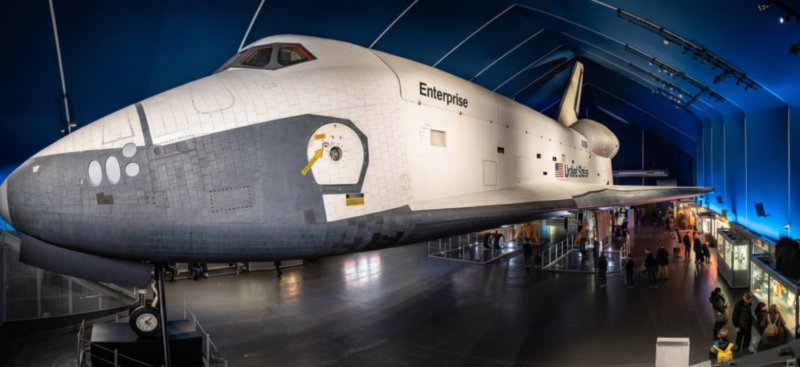
For the Relaxation-Oriented: Minimal Logistics, Maximum Restoration
These destinations are architected to reduce decision fatigue and eliminate logistical friction, making them ideal for first-time family travelers, those with very young children, or anyone whose primary objective is genuine rest.
1. Beaches Turks & Caicos: The Gold Standard of All-Inclusive
This resort functions as a self-contained vacation ecosystem, setting the industry standard for the luxury all-inclusive family model.
Strategic Advantage: The resort's primary asset is its comprehensive infrastructure for children of all ages, from certified nannies for infants to a sophisticated Xbox lounge for teens and a 45,000-square-foot waterpark. This allows for a rare vacation dynamic where parents can achieve genuine relaxation while children are safely and happily engaged. If this is your goal, be sure to read our guide on The Secret to Stress-Free All Inclusive Family Vacations.
Logistical Considerations: As a premium offering, this is one of the more expensive options. Booking at least six to nine months in advance is critical, especially for travel during school holidays. The flight to Providenciales (PLS) is direct from many major U.S. hubs.
2. Aulani, A Disney Resort & Spa, Hawaii: Sophisticated Island Magic
This resort masterfully blends the immersive storytelling of Disney with the rich cultural fabric of Hawaii, offering a sophisticated alternative to a theme park vacation.
Strategic Advantage: Aulani excels at creating parallel experiences for adults and children. While kids engage in the supervised activities at Aunty's Beach House (a best-in-class kids' club), adults can enjoy the adult-only pools, the Laniwai spa, or fine dining. The protected, calm lagoon is a significant safety feature for families with toddlers.
Logistical Considerations: The resort is located in Ko Olina, about 30-45 minutes from the Honolulu airport (HNL) and Waikiki. A rental car offers flexibility, but it's possible to remain on-resort. Book character dining and other popular experiences the moment your booking window opens.
3. A Family-Focused Cruise: The Multigenerational Solution
Modern cruise ships from lines like Royal Caribbean or Disney are floating resorts designed to cater to a wide array of interests and energy levels.
Strategic Advantage: A cruise is arguably the most efficient model for a multigenerational vacation. The vessel itself is the destination, offering a controlled environment with a vast spectrum of dining, entertainment, and relaxation options consolidated in one place. It solves the complex problem of coordinating activities and meals for a large, diverse group.
Logistical Considerations: Scrutinize the ship's itinerary and "at sea" days. Pay close attention to the specific amenities on your chosen ship, as they vary significantly. Shore excursions should be booked well in advance. While the base price can be appealing, budget carefully for additional costs like drink packages and gratuities.

For the Outdoor Adventurer: Immersive Natural Encounters
These destinations prioritize engagement with the natural world, offering a powerful antidote to a technologically saturated daily life. They are best suited for active families with school-aged children and teens.
4. Zion & Bryce Canyon National Parks, Utah: A Journey into the Sublime
This pairing offers a journey through two of the most geologically distinct and jaw-dropping landscapes in North America.
Strategic Advantage: The parks provide a "choose your own adventure" model of graduated physical challenges. Families can opt for accessible, paved paths like the Pa'rus Trail in Zion or undertake more strenuous, iconic hikes. This adaptability makes it suitable for families with varying fitness levels.
Logistical Considerations: These parks have seen a massive surge in popularity. Stay in Springdale for Zion and use the mandatory park shuttle. Lodging must be booked a year in advance. The best times to visit are spring and fall to avoid extreme summer heat. Grab our National Park Road Trip Checklist to stay organized.
5. Costa Rica: The Ultimate Eco-Adventure
A global pioneer in ecotourism, Costa Rica offers a safe, accessible, and exhilarating introduction to tropical biodiversity.
Strategic Advantage: The country's well-established tourism infrastructure is specifically geared toward family adventure. Reputable tour operators offer a seamless experience for activities like zip-lining, volcano hikes, and guided rainforest tours, managing all equipment and safety protocols. This allows families to experience high-adventure activities with a professional safety net.
Logistical Considerations: Don't attempt to see the entire country in one trip. A highly effective itinerary focuses on two regions: the Arenal area and the Manuel Antonio region. A 4x4 rental is advisable. Remember to download your International Travel Checklist before you go!
6. The Black Hills, South Dakota: An Iconic American Road Trip
This region offers a classic American road trip experience, combining national monuments with extensive outdoor recreation and a rich history of the American West. This is one of our favorite ideas for A Midwest Family Road Trip That Actually Wows Kids.
Strategic Advantage: The density and variety of attractions within a relatively compact geographical area minimize drive times and maximize engagement. In a single day, a family can visit Mount Rushmore, hike in Custer State Park, and drive the Needles Highway.
Logistical Considerations: Base your stay in a central location like Keystone or Custer. The best time to visit is late summer or early fall. Be prepared for crowds at major monuments; visiting early in the morning is a sound strategy.
Turn Your Plan Into Reality
Choosing the perfect trip is one thing—organizing it is another. To help you structure your days, track bookings, and keep all your plans in one place, download our free Travel Itinerary Template. It's the simple, powerful tool that turns your dream trip into a stress-free reality.
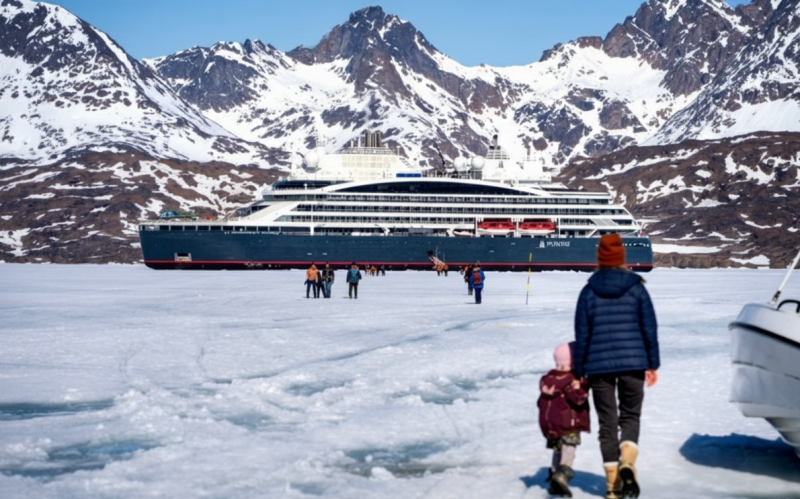
For the Curious Mind: Education through Exploration
These destinations are living classrooms, transforming history, culture, and science from abstract concepts into tangible, multi-sensory experiences.
7. Washington, D.C.: A Museum with a City Built Around It
The nation's capital offers an unparalleled density of world-class, and largely free, cultural and historical institutions.
Strategic Advantage: The Smithsonian Institution is a national treasure. The sheer quality and interactivity of the exhibits at the National Museum of Natural History and the National Air and Space Museum can ignite a child's curiosity in a way no textbook can.
Logistical Considerations: Don't attempt to conquer the entire National Mall in one day. A superior strategy is to select one or two museums per day. The city's Metro system is the most efficient mode of transport.
8. London, England: The Perfect First Trip "Across the Pond"
For many American families, London serves as the perfect gateway to international travel, offering a rich historical mix with the convenience of a shared language.
Strategic Advantage: History is palpable and accessible here. Standing in the Tower of London or touring the Churchill War Rooms provides a powerful, contextual understanding of world events. The city's blend of ceremony and modern attractions caters to a wide range of interests.
Logistical Considerations: The "Tube" (Underground) is exceptionally efficient. Purchase Oyster cards upon arrival. Book major attractions online in advance to secure timed entry slots.
9. Colonial Williamsburg, Virginia: America's Origin Story, Brought to Life
This destination offers a uniquely immersive and interactive journey into the origins of American democracy, operating as a carefully recreated 18th-century city.
Strategic Advantage: Williamsburg's strength lies in its "living history" model. Children don't just see artifacts behind glass; they interact with costumed historical interpreters—blacksmiths, printers, and political figures—who engage them in conversation and demonstrations.
Logistical Considerations: A multi-day pass is essential. The site is large and requires significant walking. Combine a visit with trips to nearby Jamestown and Yorktown for a complete "Historic Triangle" itinerary.
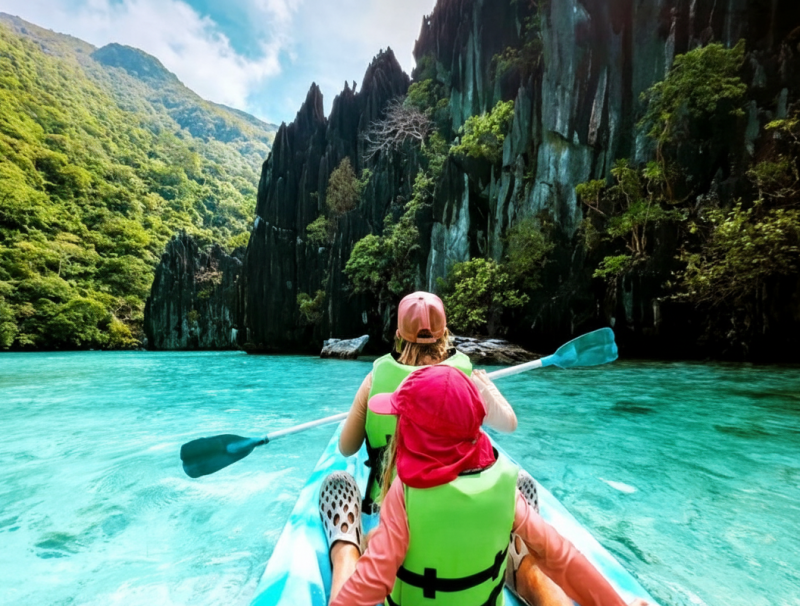
For the Budget-Conscious: High Value, Not High Cost
An impactful family vacation is determined by the quality of shared experience, not the size of the expenditure. These destinations offer an exceptional return on investment.
10. The Great Smoky Mountains National Park: America's Backyard
This is the most visited national park in the United States, in large part because it charges no entrance fee, offering an incredibly accessible natural landscape.
Strategic Advantage: The financial barrier to entry is virtually non-existent. Families can enjoy scenic drives, hiking trails, and abundant wildlife viewing for free. The nearby towns of Gatlinburg and Pigeon Forge offer a wide spectrum of affordable lodging and entertainment.
Logistical Considerations: The park's popularity, especially in October, means significant traffic congestion. Plan to enter the park very early in the day. A cabin rental can often be more cost-effective for a family than multiple hotel rooms.
11. The "Riviera Maya," Mexico: Sun, Cenotes, and Savings
This region boasts a strong infrastructure for budget-conscious travel, including affordable all-inclusive resorts and vacation rentals.
Strategic Advantage: The favorable exchange rate and competitive tourism market provide exceptional value. Families can experience beautiful beaches, unique cenotes (natural swimming holes), and world-class archaeological sites at a fraction of the cost of a comparable Caribbean vacation.
Logistical Considerations: Fly into Cancún (CUN). The summer and fall shoulder seasons offer the best pricing but coincide with hurricane season, making travel insurance a non-negotiable requirement. Consider our Mexico guide for more tips.
12. Wisconsin Dells, Wisconsin: The Waterpark Capital of the World
This Midwest destination offers a high concentration of family-friendly attractions at a family-friendly price point.
Strategic Advantage: Competition among the numerous resorts and waterparks keeps prices competitive. Many resorts offer packages that bundle lodging and park passes, providing significant value. It's a driveable destination for a large portion of the U.S. population.
Logistical Considerations: Summer is the peak season. Consider a visit in the shoulder seasons (late spring, early fall) for lower prices and fewer crowds, as many of the larger parks have extensive indoor facilities.

For Multigenerational Groups: Designing for a Diverse Team
These vacations are selected for their ability to comfortably accommodate a wide range of ages, mobility levels, and interests, facilitating connection across generations.
13. Orlando, Florida (Beyond the Parks): Your Private Command Center
Orlando's greatest asset for multigenerational travel is its vast inventory of large-scale vacation rental homes.
Strategic Advantage: Renting a 5- or 6-bedroom house with a private pool provides a central base for the entire family. It offers common spaces for gathering and private rooms for retreat, a dynamic that is impossible to replicate in a hotel.
Logistical Considerations: A rental home requires rental cars. Choose a location that offers a good balance between proximity to attractions and a quiet residential setting.
14. Hilton Head Island, South Carolina: Lowcountry Relaxation
This destination offers a more tranquil, nature-oriented coastal experience with a sophisticated infrastructure for large family groups.
Strategic Advantage: The island's design emphasizes outdoor activity for all ability levels. Grandparents can enjoy a leisurely bike ride on the 60+ miles of paved paths, parents can play golf, and kids can enjoy the calm waters of the Atlantic.
Logistical Considerations: The vacation rental market is robust. Reservations for popular summer weeks should be made up to a year in advance.
15. An Alaskan Cruise: Majesty for All Ages
An Alaskan cruise offers spectacular, large-scale scenery that can be appreciated by every generation, regardless of physical ability.
Strategic Advantage: The primary attraction—the dramatic landscape of glaciers, fjords, and mountains—is viewed directly from the ship. This makes it an ideal trip for family members with limited mobility.
Logistical Considerations: The cost can be high, but the value is strong. Book a ship with a naturalist onboard. Balcony rooms are worth the extra expense on this itinerary. The season is short (May-September), so book well in advance.
Frequently Asked Questions
What is the best age to take a child on their first major family vacation?
While travel is beneficial at any age, the "sweet spot" for memory and participation is often between 6 and 12 years old. At this stage, kids have the stamina for active days, are curious about new places, and are still happy with a family-focused agenda.
How can we find the best family vacation deals?
The most effective strategies are flexibility and advance planning. Traveling during "shoulder seasons" (just before or after peak season) can reduce costs significantly. Setting up price alerts and booking accommodations at least six months out are also key.
Are vacation rentals better than hotels for families?
It depends on your travel style. A vacation rental offers more space and a kitchen, ideal for longer stays and saving money on food. A hotel or resort provides more amenities, daily housekeeping, and on-site dining for a true break from domestic duties.
How do you manage screen time on a family vacation?
Set clear expectations beforehand. A great strategy is the "bookend rule": allow screens in the morning while getting ready and in the evening to wind down, but make the core of the day a screen-free zone for shared activities.
It's Time to Start Your Story
The perfect family vacation isn’t about finding a spot on a map; it's about finding the place that matches your family’s unique travel style. By choosing a destination architected for relaxation, adventure, or discovery, you stop just 'going on a trip' and start building a chapter in your family's story.
Now that you have the framework to make the right choice, the next step is bringing it to life. For detailed, expert-crafted plans for these destinations and beyond, explore our collection of in-depth guides, starting with our comprehensive Travel Guide.
Read the full guide: Family Travel Ideas: The 2026 Guide to Unforgettable Trips
Don't Miss Out! Subscribe for Exclusive Content
Subscribe



Comments 0
No comments yet
Be the first to share your experience!
Dont Miss Out! Subscribe for Exclusive Content

Ultimate USA Holidays Guide: Top Picks


FTC Affiliate Disclosure Essentials: Stay Compliant as a Travel Creator

Essential Affiliate Tools: From Tracking to Full Optimization

Booking.com Affiliate Program Review: Pros, Cons, and Earnings Potential

Decoding Affiliate Commission Rates: Benchmarks for Travel Creators

Top 11 High-Paying Affiliate Programs for Travel Bloggers
The Ultimate Travel First Aid Kit Checklist (2026)
TrekGuider @trekguider
But it doesn’t have to be that way. The single most powerful tool for ensuring a healthy, stress-free journey is one you create before you even leave home: a comprehensive travel first aid kit. This isn’t just a box of bandages; it’s a personalized arsenal of preparedness that empowers you to handle common health issues with confidence and ease. Building your own kit is at the heart of the proactive mindset we cover in our comprehensive The Ultimate Guide to Travel Safety: A 2026 Playbook. Think of this guide less as a simple shopping list and more as a masterclass in preparedness, backed by pharmacist-approved advice to help you build the ultimate defense against travel’s minor medical curveballs.
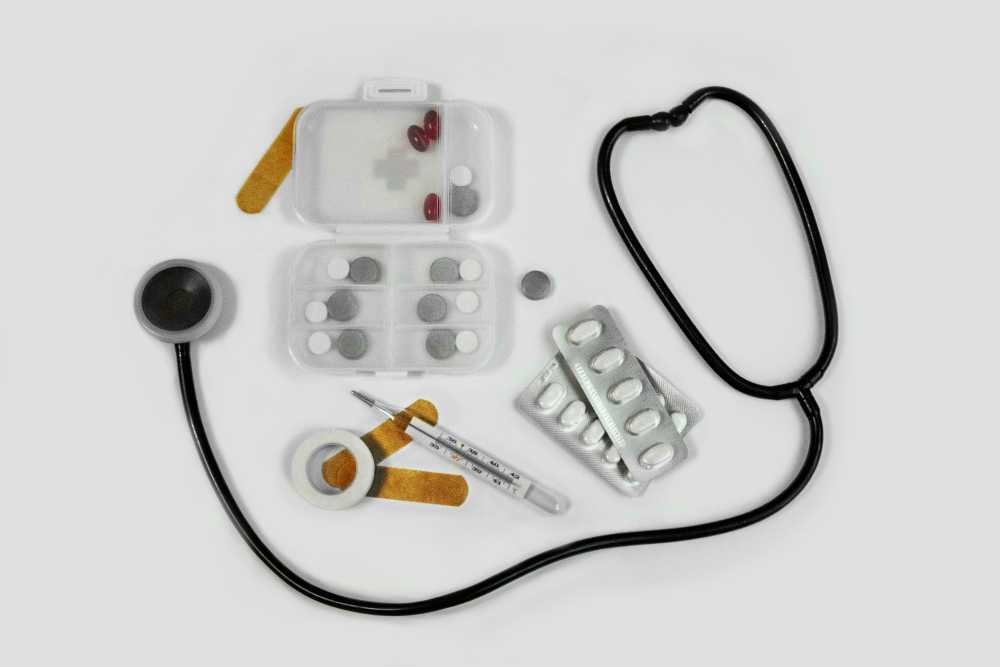
DIY vs. Pre-Made: Which Travel First Aid Kit is Right for You?
Before we dive into the specific items, it’s worth considering whether to build your kit from scratch or buy a pre-made one.
Pre-Made Kits: These offer undeniable convenience. They come in a compact case and provide a decent baseline of supplies. However, they are often filled with low-quantity, generic items and may lack the specific medications you need for your trip.
DIY Kits: Building your own kit requires a bit more effort upfront but is superior in every other way. It allows you to choose high-quality brands, pack sufficient quantities, and tailor the contents specifically to your destination, your planned activities, and your personal health needs.
Our recommendation? Start with a high-quality pre-made kit as your base and then use this checklist to supercharge it, swapping out generic items and adding the crucial medications and tools it’s missing. This hybrid approach gives you the best of both worlds.
The Core Components of Your Ultimate Travel First Aid Kit
A truly effective travel first aid kit is organized like a mobile clinic, with specific supplies to treat the most common categories of travel-related ailments. Here is the definitive breakdown of what you need.
Wound & Burn Care: For Life's Little Scrapes
From a papercut to a scraped knee on a cobblestone street, any break in the skin is an open invitation for infection, especially in new environments. Here’s how you shut that door, fast.
Antiseptic Wipes (BZK or alcohol-based): For cleaning wounds, scrapes, and your hands before providing treatment. Individual packets are perfect for travel.
Antibiotic Ointment (e.g., bacitracin): A crucial step to prevent infection in minor cuts, scrapes, and burns after cleaning.
Assorted Adhesive Bandages: Pack a variety of sizes. Fabric bandages are generally more durable and flexible than plastic ones.
Butterfly Bandages / Wound-Closure Strips: Essential for taping the edges of a minor cut together to help it heal cleanly.
Sterile Gauze Pads and a Roll of Gauze: For dressing larger wounds or as a compress to control bleeding. Pack a few different sizes.
Medical Adhesive Tape: To secure gauze and bandages in place.
Moleskin or Blister Treatment Pads: An absolute lifesaver for any trip involving significant walking or hiking. Apply it as soon as you feel a "hot spot" to prevent a blister from forming.
Aloe Vera Gel: Provides soothing relief for minor sunburns.
Pain, Fever & Sprains: Managing Aches and Injuries
Long days of sightseeing, sleeping in unfamiliar beds, and carrying luggage can lead to aches and pains. Be prepared to manage them effectively so they don't slow you down.
Pain Relievers/Fever Reducers: Pack both an ibuprofen-based and an acetaminophen-based option. Pharmacists consistently recommend trusted brands like Advil/Motrin (Ibuprofen) for inflammation and pain, and Tylenol (Acetaminophen) for general pain and fever.
Aspirin: While not for general pain relief for everyone, a dose of aspirin can be life-saving for an adult experiencing symptoms of a heart attack.
Elastic Wrap Bandage: Invaluable for providing support and compression to a sprained ankle, wrist, or knee.
Instant Cold Packs: These single-use packs are activated by squeezing them and are excellent for reducing swelling from sprains, strains, and other minor injuries in the first 24-48 hours.
Pro-Tip: Decant pills into small, clearly labeled travel containers to save space, but take a photo of the original packaging first. This helps you remember dosages and provides information for pharmacists or doctors abroad if needed.

Digestive Issues: Your Defense Against Traveler's Diarrhea
Let’s be direct: traveler’s diarrhea is the single most common illness to strike travelers, affecting up to 80% of visitors in some destinations. Having a dedicated section in your kit to manage digestive distress is absolutely critical.
Anti-diarrhea Medication: To manage symptoms when you need to travel or get through a planned activity. The top pharmacist-recommended brand is Imodium (Loperamide).
Antacids: For relief from indigestion, heartburn, and general upset stomach. Pepto-Bismol is another pharmacist-favorite that can also help with mild diarrhea.
Oral Rehydration Salts: This is arguably the most important item in this section. Dehydration is the primary risk of diarrhea and vomiting. These pre-measured packets mix with safe, bottled water to replenish the essential fluids and electrolytes your body has lost.
Anti-nausea or Motion Sickness Medication: Essential if you’re prone to motion sickness on planes, boats, or winding bus rides.
Allergies, Bites & Skin: Soothing Irritations
New environments mean new pollens, unfamiliar insects, and different plants. Be ready to tackle itches, rashes, and allergic reactions before they become a major annoyance.
Antihistamine (e.g., diphenhydramine): For treating allergic reactions, hives, and severe itching. Note that some antihistamines can cause drowsiness.
Hydrocortisone Cream (1%): A topical steroid cream that provides fast relief from the irritation and itching of rashes and insect bites.
Insect Repellent: In any region with mosquito-borne illnesses like Dengue or Malaria, this is as important as your passport. Choose a repellent with an effective active ingredient like DEET or Picaridin.
Epinephrine Auto-Injector (e.g., EpiPen): This requires a prescription and is absolutely essential for travelers with a history of severe allergic reactions (anaphylaxis).
Ready to Pack Like a Pro?
Your travel first aid kit is a critical piece of your travel puzzle, but it's not the only one. To ensure you don't overlook a single essential item—from documents and finances to clothing and gear—you need a master list. Our comprehensive, free checklist has you covered.
Download Your Free International Travel Checklist Now!
Essential Tools & Personal Medications
The final layer of your kit includes the tools to use your supplies effectively and your own personal health necessities.
Fine-Point Tweezers: For removing splinters, ticks, or other foreign objects from the skin.
Small, Rounded-Tip Scissors: For cutting medical tape, gauze, or moleskin. (Ensure they meet TSA guidelines if packing in a carry-on).
Disposable Non-Latex Gloves: To protect your hands and prevent infection when treating a wound on yourself or someone else.
Digital Thermometer: For accurately checking for fever.
Personal Medications: This is the most critical category. Pack a sufficient supply for your entire trip, plus at least a few extra days' worth in case of delays. Always keep your personal medications in your carry-on luggage in their original, labeled containers.
Pro-Tip: Before you leave, ask your doctor for a letter describing your condition and the medications you take, including their generic names. Keep a digital copy of this and your prescriptions on your phone. This can be invaluable if your medication is lost or you need to see a doctor abroad.

Beyond the Basics: Customizing Your Kit
The ultimate travel first aid kit is not one-size-fits-all. Once you have the core components, elevate your preparedness by customizing it for your specific journey.
By Destination:
Tropical/Developing Countries: Add anti-fungal cream, more insect repellent, and potentially a prescription for a standby antibiotic for severe traveler's diarrhea (consult your doctor).
High-Altitude Destinations: Speak with your doctor about medication to prevent altitude sickness.
By Activity:
Hiking/Trekking: Double down on blister care (moleskin, gel pads), pack an elastic wrap for sprains, and add pain-relieving gel.
Beach Vacation: Add extra aloe vera gel, sting-relief spray, and waterproof bandages.
By Traveler:
With Children: Include children’s formulations and dosages of pain/fever reducers, kid-friendly bandages, and any specific allergy medications they need.
Travel First Aid Kit FAQs
A great kit anticipates problems. Here are answers to common questions that take your preparedness to the next level.
1. What’s the first thing I should do if I get traveler’s diarrhea?
According to the CDC and travel medicine doctors, the first and most important step is oral rehydration. Dehydration is the biggest risk. Start sipping an Oral Rehydration Solution (ORS), sports drinks, or clear broths immediately. For mild to moderate cases that don't have a high fever or blood, an antimotility drug like Loperamide (Imodium) can help manage the symptoms. If symptoms are severe, incapacitating, or include a high fever or blood, it's time to consider a prescribed standby antibiotic and seek medical advice.
2. Should I pack a standby antibiotic in my kit?
This is a question for your doctor or a travel medicine clinic. For travelers heading to high-risk destinations where severe traveler's diarrhea is common, many doctors will provide a prescription for a standby antibiotic like Azithromycin. It’s not for mild cases but can significantly shorten the duration of a severe bout of illness. Discuss your itinerary with your doctor to see if this is right for you.
3. Is it okay to pack medications outside their original bottles to save space?
While it's tempting, it's safest to keep prescription medications in their original, clearly labeled containers. This avoids any confusion or legal issues with customs officials. For over-the-counter pills, you have more flexibility. If you use a travel pill organizer, consider taking a photo of the original packaging so you have the dosage information and ingredients handy.

Pack Confidence for Every Journey
A carefully assembled travel first aid kit does more than just prepare you for minor medical issues; it provides profound peace of mind. It transforms you from a worried passenger into a self-sufficient, empowered traveler, ready to handle the small bumps in the road so you can stay focused on the incredible experiences ahead. By following this checklist, you’re not just packing supplies—you’re packing the confidence to explore the world freely and fully.
Now that your health and safety are covered, you can focus on the other details that make a trip unforgettable. For a complete, deep-dive into every facet of trip planning, from health and safety to budgeting and logistics, our comprehensive Travel Guide is the only resource you'll ever need.
Meta Data Suggestions:
SEO Meta Title (55 characters): The Ultimate Travel First Aid Kit Checklist (2026)
URL Slug: travel-first-aid-kit-checklist
SEO Meta Description (154 characters): Build the perfect travel first aid kit. Our 2026 checklist, with pharmacist-approved tips, covers everything from wound care to stomach issues. Be prepared.
Don't Miss Out! Subscribe for Exclusive Content
SubscribeComments 0
No comments yet
Be the first to share your experience!
Dont Miss Out! Subscribe for Exclusive Content
Ultimate USA Holidays Guide: Top Picks
FTC Affiliate Disclosure Essentials: Stay Compliant as a Travel Creator
Essential Affiliate Tools: From Tracking to Full Optimization
Booking.com Affiliate Program Review: Pros, Cons, and Earnings Potential
Decoding Affiliate Commission Rates: Benchmarks for Travel Creators

Amazon Associates for Travel: Strategies to Maximize Commissions
5 Real Ways to Make Money Travel Blogging
TrekGuider @trekguider
You’ve done it. You launched your travel blog, pouring your heart into stories from the road and carefully crafting guides to your favorite destinations. But now, a daunting question looms: how do you turn this passion project into a sustainable business? You see other creators funding their adventures and building real careers, but the path from passion to profit seems shrouded in confusing advice and overwhelming options. You’re stuck wondering if you’re destined to make mere pennies from ads that clutter your site and annoy the very readers you’ve worked so hard to attract. The dream of a travel-funded life feels frustratingly out of reach.
Forget the noise. The truth is, building a profitable travel blog in 2026 isn't about chasing fleeting social media trends or plastering your site with intrusive ads. It’s about a strategic mindset shift: from hobbyist to entrepreneur. This guide cuts through the confusion to reveal five real, proven ways to make money travel blogging. We’ll de-emphasize the saturated, low-return methods and focus on the business models that give you the most control, the highest profit margins, and a direct connection with your audience. As we cover in our definitive list of The Best Travel Blogs to Follow in 2026, the most successful creators are building media brands, not just websites. This is your playbook for learning how to make money travel blogging by building a real, sustainable business around your expertise.
The Mindset Shift: From Blogger to Business Owner
Before we dive into the specific methods, it’s crucial to understand the fundamental shift happening in the creator economy. The most successful travel bloggers are no longer just content creators; they are media entrepreneurs. They understand that their blog is not the final product—it is the primary marketing engine that attracts a loyal community. Their goal is not to monetize pageviews with third-party ads, but to use their content to build trust and then sell their own proprietary products directly to their audience.
This product-first approach provides financial independence, dramatically higher profit margins, and a resilient business that isn't dependent on fluctuating algorithm changes. As you read through the methods below, constantly ask yourself: "How can I use this to build a direct relationship with my audience and eventually solve their problems with a product of my own?"
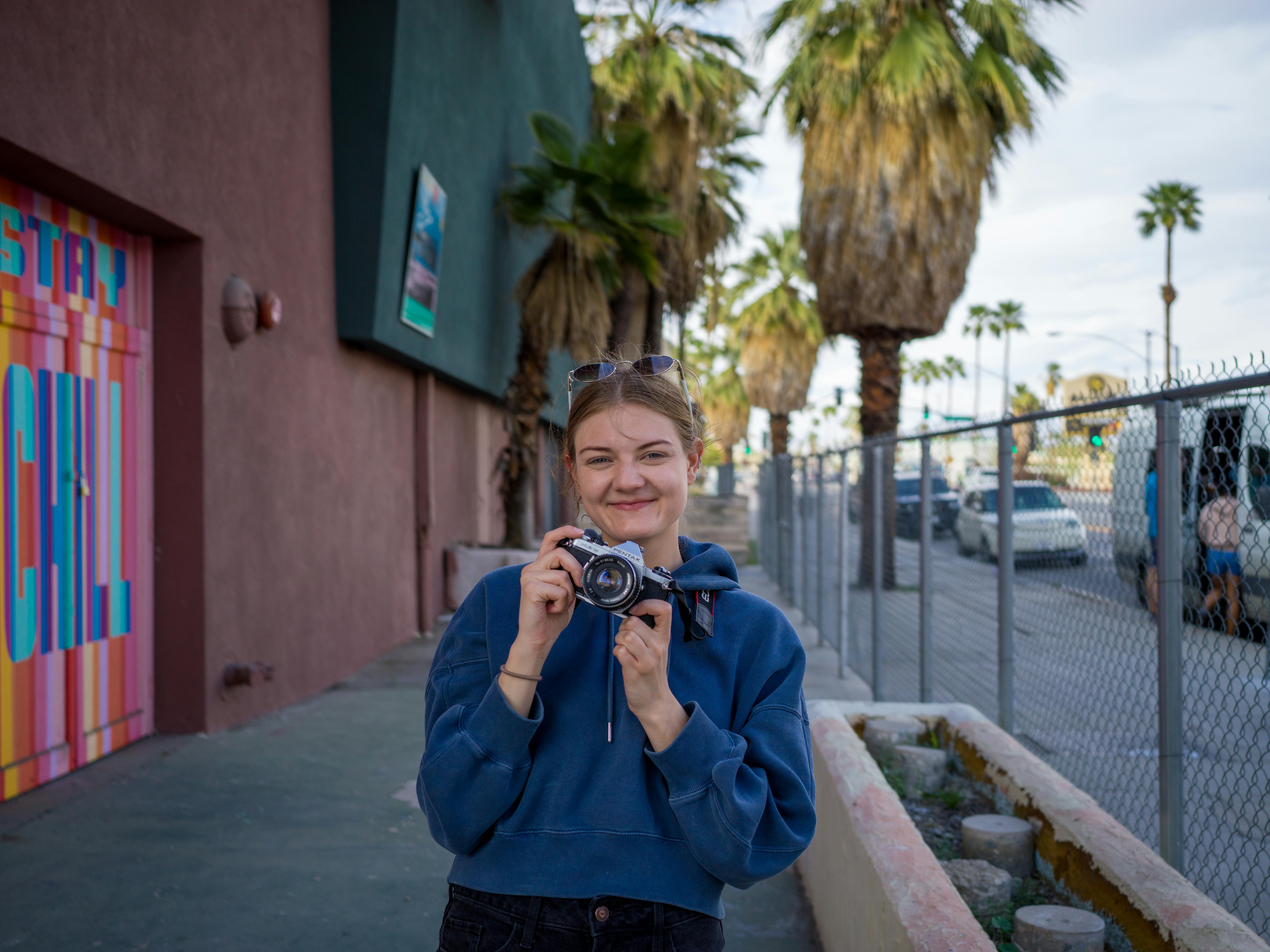
Method #1: Affiliate Marketing - Your First Step in How to Make Money Travel Blogging
Think of affiliate marketing as the most organic entry point into monetization. It's the process of earning a commission by promoting another company's products or services. When a reader clicks a unique affiliate link on your blog and makes a purchase, you earn a percentage of the sale at no extra cost to them.
You’re already recommending the hotels you stay in, the backpacks you carry, and the travel insurance you use. By incorporating affiliate links, you’re simply getting paid for the valuable, word-of-mouth recommendations you’re already providing.
Pros:
Authentic Integration: It can be seamlessly and authentically woven into your content, from gear reviews to hotel recommendations.
Passive Income Potential: An optimized, high-ranking blog post with affiliate links can generate income for years with little additional effort.
Scalable: As your blog traffic grows, so does your potential affiliate income.
Cons:
Requires Audience Trust: Your recommendations are only effective if your audience trusts your judgment. Promoting low-quality products can quickly erode that trust.
Inconsistent Income: Revenue is dependent on conversions and can fluctuate month to month.
Varying Commission Rates: Payouts can vary wildly, from a few percent on Amazon to 40-50% on digital products or courses.
To succeed with affiliate marketing, focus on promoting products and services you genuinely use and love. Write detailed, honest reviews that go beyond the product specs to explain how that item solved a specific problem for you on your travels. This builds the trust necessary to turn your recommendations into a reliable revenue stream.
Pro-Tip: Start with affiliate programs for products you already own and can photograph yourself. This adds a layer of authenticity that stock photos can never replicate and proves to your audience that you have real-world experience with what you're recommending.
Method #2: Sponsored Posts & Brand Collaborations
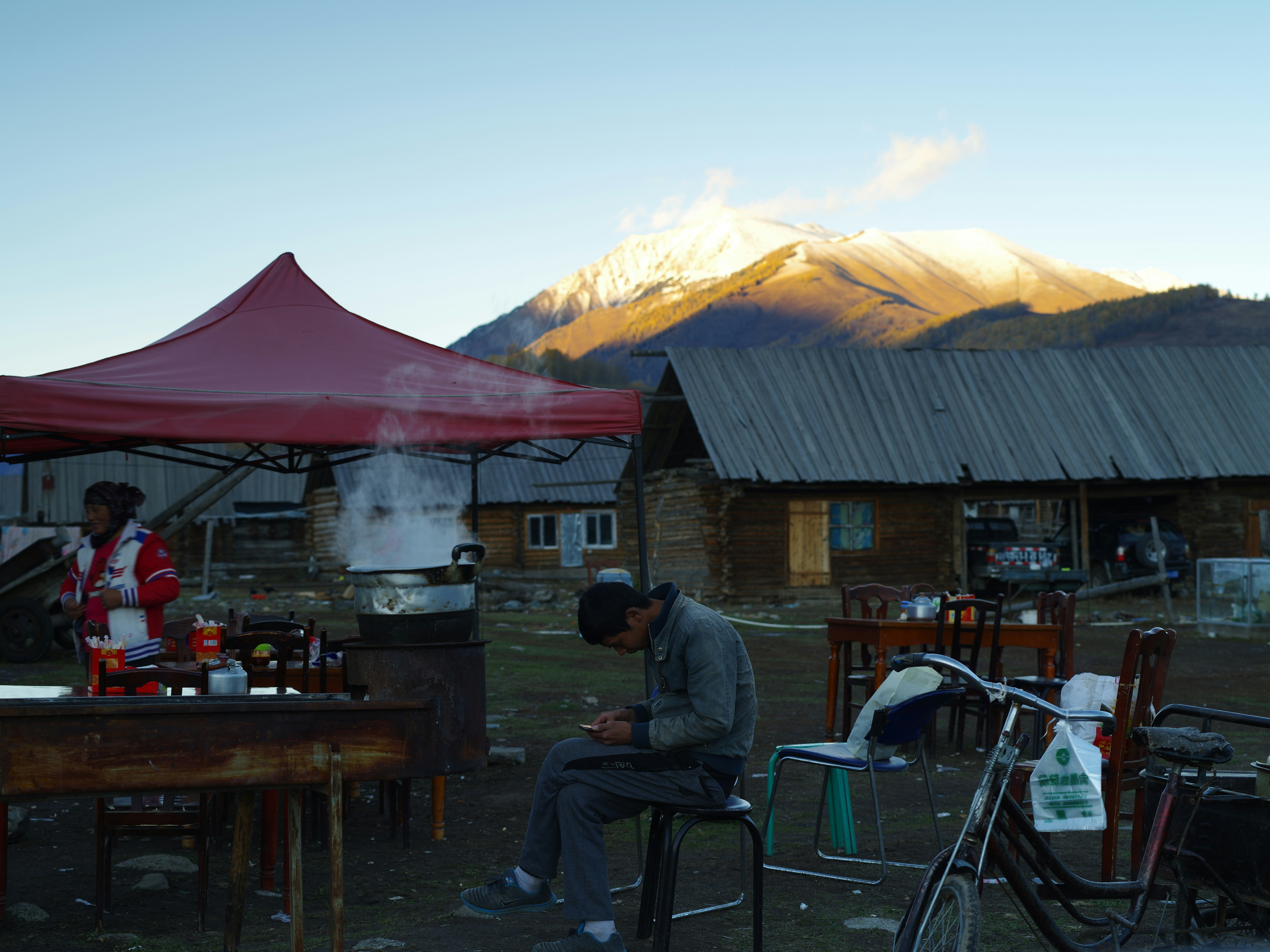
Once you’ve built that foundation of trust with authentic recommendations, the next natural step is to work directly with the brands you love. As your blog grows and you establish authority in a specific niche, brands may reach out to you for sponsored collaborations. This can range from a single sponsored blog or social media post to a multi-faceted campaign that includes video content and in-person ambassadorships.
This is often a very lucrative method, with a single project potentially earning you thousands of dollars and often including complimentary travel experiences. However, it requires a significant amount of work that isn't passive. You’ll be responsible for pitching, negotiating contracts, creating content to a specific brief, and reporting on the results.
The key to successful, long-term brand partnerships is unwavering authenticity. The most respected creators only partner with brands that align perfectly with their own values and audience's interests. As our 2026-2026 market analysis confirms, audience trust is the absolute currency of the creator economy, and frequent, inauthentic sponsored posts are the quickest way to devalue it. Your audience follows you for your perspective, not for a string of advertisements.
FTC Compliance: The Federal Trade Commission (FTC) has strict guidelines requiring "clear and conspicuous" disclosure of any sponsored content. This means using unambiguous language like #ad or #sponsored at the very beginning of your post or caption—not buried in a sea of hashtags.
Method #3: The Old Model - A Realistic Look at Display Advertising
While direct partnerships are based on the quality of your brand, the oldest model in the book is based purely on the quantity of your eyeballs. Display advertising is often the first monetization method new bloggers think of. You place code on your site, and ad networks like Google AdSense, Mediavine, or AdThrive automatically fill the space with banner ads. You get paid based on the number of people who see or click on these ads.
While display advertising can provide a stable and highly passive baseline income, it comes with significant drawbacks and should not be the primary goal for an aspiring creator.
The biggest issue is the high traffic requirement. To be accepted into premium ad networks like Mediavine, which offer much higher payouts than AdSense, you typically need a minimum of 50,000 monthly sessions. For a new blog, reaching that number can take years of consistent effort. Furthermore, ads can dramatically slow down your website and create a negative user experience, driving away the very readers you need to attract.
Most importantly, the income potential is inherently limited. Analysis of creator income shows that display ads have the lowest revenue potential per visitor compared to every other method on this list. Relying solely on ads means you are building a business on rented land, dependent on traffic from search engines and vulnerable to algorithm updates you can't control. Think of ad income as a potential bonus, not the foundation of your business.
Method #4: The Ultimate Guide on How to Make Money Travel Blogging by Selling Digital Products
This is it. The single most powerful, profitable, and sustainable way to make money as a travel creator. Creating and selling your own digital products—like e-books, itineraries, or planning templates—is the ultimate expression of the "blogger to business owner" mindset. This is the model that separates hobbyists from true media entrepreneurs.
Why is this model so effective?
Highest Profit Margins: You create the product once and can sell it an infinite number of times. You keep nearly all the revenue, with no middleman taking a significant cut.
Full Control: You own the product, the pricing, the branding, and—most importantly—the direct relationship with your customer.
Scalability: Unlike services or sponsored posts, your income isn't tied to the hours you work. You can make sales while you're sleeping, on a plane, or hiking a remote trail.
The financial difference is staggering. Data from industry reports shows that while a travel blog might earn an RPM (Revenue Per 1,000 visitors) of $20-$40 from display ads, the average RPM for digital products can be dramatically higher—sometimes 5 to 10 times what you'd earn from ads alone. This means that with the exact same amount of traffic, you have the potential to earn 7-10 times more revenue.

Consider a blog with 50,000 monthly visitors.
Display Ad Income: At a $30 RPM, that’s $1,500 per month.
Digital Product Income: If just 0.2% of those visitors (100 people) buy your $30 e-book, that’s $3,000 per month.
Even with a tiny conversion rate, digital products can double your income. This is how you build a truly independent and profitable media business.
Ready to Brainstorm Your First Product?
Feeling inspired but not sure what to create? We’ve built the ultimate resource to help you get started. Download our free guide to unlock dozens of proven ideas and find the perfect digital product for your audience.
Download Your Free Digital Product Ideas Guide Now!
10 Digital Product Ideas to Get You Started:
Hyper-Detailed Itinerary: A 7-Day "Off-the-Beaten-Path" guide to Kyoto, complete with a linked Google Map.
Lightroom Preset Pack: A collection of your signature photo edits to help followers achieve your look.
Travel Planning Template: A Notion or Google Sheets template to organize budgets, packing lists, and schedules.
Scavenger Hunt for Kids: A printable PDF scavenger hunt for a specific city like Rome or a museum.
E-book: A deep-dive guide on a topic you've mastered, like "How to Fly Business Class for the Price of Economy."
Mini-Course: Short video lessons on "How to Take Incredible Travel Photos with Just Your iPhone."
Language & Culture Cheat Sheet: A one-page PDF with essential phrases and etiquette for a country like Japan.
Packing List Bundle: A set of specialized packing lists for different trip types (ski trip, backpacking, etc.).
Stock Photo Pack: A bundle of high-resolution, royalty-free photos of a popular destination.
Paid Newsletter: Exclusive access to real-time flight deals or behind-the-scenes stories.
Pro-Tip: Before investing weeks into creating a full product, validate your idea. Mention it to your email list or on social media and offer a pre-sale with a small discount. If people are willing to pay for it before it even exists, you know you have a winning idea.
Method #5: Monetizing Your Expertise Directly with Services
The final way to monetize your travel blog is to sell your expertise as a service. Your blog acts as a powerful portfolio and lead-generation tool that proves your skills and attracts high-paying clients.
Examples of services you could offer include:
Personalized travel planning and itinerary design.
Freelance writing or photography for tourism boards and other brands.
Social media management for hospitality businesses.
One-on-one consulting for aspiring bloggers.
Offering services can be a fantastic way to generate significant income quickly, as high-ticket services can be priced in the hundreds or thousands of dollars. However, the major drawback is that this model is not scalable. You are directly trading your time for money. There's a finite number of clients you can take on, and if you stop working, the income stops too.
Many creators use services as a bridge to build capital and prove their expertise before packaging that knowledge into a more scalable digital product, which is often the ideal long-term strategy.
Frequently Asked Questions (FAQ)
How much traffic do you really need to make money travel blogging?
You can start making money with affiliate marketing from day one, even with low traffic. However, to generate a significant income from methods like premium display ads, you'll typically need at least 50,000 monthly sessions. For digital products, a smaller, highly engaged audience can be more valuable than a large, passive one.
What is the fastest way to start making money with a new blog?
Affiliate marketing is the fastest and easiest method to implement. By recommending products and services you already use in your content, you can add links and potentially start earning commissions immediately.
Can you really make a full-time income from a travel blog?
Absolutely, but it requires treating it like a real business. The creators who earn six-figure incomes are not just bloggers; they are entrepreneurs who have diversified their revenue streams, with a heavy emphasis on selling their own digital products and building a strong brand.
Your Path to a Profitable Travel Blog Starts Now
The journey of learning how to make money travel blogging is not about finding a single magic bullet. It’s about building a diversified, resilient business where each revenue stream supports the others. While affiliate marketing and brand partnerships can provide excellent income, the ultimate goal for any serious creator should be to build a business around their own products. By focusing on solving your audience's problems with high-value digital goods, you move from a content creator to a true entrepreneur.
You have unique experiences and hard-won knowledge that people are willing to pay for. It’s time to package that expertise, build your own travel media brand, and take control of your financial future.
Ready to start selling? The TrekGuider Platform is the easiest way to upload and sell your digital travel products, from itineraries to e-books. We handle the payments and delivery so you can focus on what you do best: creating and exploring.
Meta Data Suggestions:
SEO Meta Title (57 characters):
5 Real Ways to Make Money Travel Blogging (A 2026 Guide)
URL Slug:
how-to-make-money-travel- blogging
SEO Meta Description (154 characters):
Ready to earn an income from your travel blog? Discover 5 proven ways to make money, from affiliate marketing to selling digital products that you can create.
Don't Miss Out! Subscribe for Exclusive Content
SubscribeComments 0
No comments yet
Be the first to share your experience!
Dont Miss Out! Subscribe for Exclusive Content
FTC Affiliate Disclosure Essentials: Stay Compliant as a Travel Creator
Essential Affiliate Tools: From Tracking to Full Optimization

Avoid These 5 Affiliate Landing Page Mistakes for Better Conversions

Affiliate Keyword Research Mastery for Travel Blogs
Booking.com Affiliate Program Review: Pros, Cons, and Earnings Potential