
How to Plan a US Family Vacation That Actually Happens

TrekGuider @trekguider
Does the dream of a family vacation always seem to get buried under a pile of school projects and work deadlines? You want to make those precious memories, but the sheer effort of planning a big trip—the budget, the flights, the sprawling itinerary—feels completely overwhelming. That dream gets pushed to the “maybe next year” pile, and another opportunity slips away.
This is the cycle of vacation procrastination. The pressure to make every trip a grand, epic adventure creates a paralysis that keeps you at home. Weekends blur into a routine of errands and screen time, and you’re left with the nagging feeling that you’re not making the most of your time together.
This guide is the antidote. We’re here to champion the art of the short-form getaway—the powerful, transformative two- or three-day trip. A well-executed weekend escape can recharge your family, create lasting inside jokes, and deliver that essential change of scenery without the strain of a major holiday. While a grand tour has its place, as we explore in our comprehensive Family Travel Ideas: The 2026 Guide to Unforgettable Trips, mastering the weekend trip is a practical skill that pays dividends all year long. This is your roadmap to choosing the perfect spots for a quick, high-impact getaway that actually happens.

The Weekend Warrior: Why Short Trips Are a Family’s Secret Weapon
Before we dive into destinations, it’s crucial to understand the real advantage of short-form travel. In our fast-paced world, the weekend getaway isn’t a lesser version of a vacation; in many ways, it’s a superior model for modern families.
It Obliterates Decision Fatigue: Planning a three-day trip requires a fraction of the decisions needed for a ten-day epic. You’re choosing two nights of accommodation, not nine. You’re planning six meals, not thirty. This lower logistical barrier is the key to moving from idea to action.
It's a Budget-Friendly Power-Up: The math is simple. Fewer nights, fewer meals, and shorter travel distances mean a significantly lower overall cost. This makes travel more accessible more often.
It Forces Frequent Reconnection: Long breaks are fantastic, but the daily grind can quickly erode that post-vacation glow. Frequent weekend trips act as regular “reconnection points” for your family, reinforcing bonds and breaking up monotony.
It's a Low-Stakes Laboratory: A weekend trip is the perfect environment to test new travel styles. Want to see if your kids enjoy hiking? A two-night trip to a mountain town is a much lower-risk experiment than a full week in a national park.

The 72-Hour City Break: Culture and Energy for the Urban Explorer
A city break is a masterclass in efficiency. It's a high-impact dose of culture, cuisine, and energy, perfectly contained within a 72-hour window where your own two feet are the best mode of transport. These destinations are perfect for a short-form family vacation adventure.
Boston, Massachusetts: A Walk Through American History
For families with school-aged children, Boston is a living classroom. The city’s compact core makes it incredibly easy to explore on foot, turning a simple walk into an unforgettable journey.
Can't-Miss Experiences: Walk the 2.5-mile Freedom Trail, a red-brick line connecting 16 nationally significant historic sites. Kids will love the energy of Faneuil Hall Marketplace and the chance to climb aboard the USS Constitution (“Old Ironsides”). The Boston Children’s Museum is legendary for hands-on fun.
Must-Try Food: Grab a cannoli from Mike’s Pastry or Modern Pastry in the North End. For a classic experience, head to the Union Oyster House, one of America’s oldest restaurants.
Logistics: Leave the car behind. Boston is best navigated via the “T” (its subway system) and your own two feet.

Savannah, Georgia: Southern Charm and Spooky Stories
Savannah drips with Spanish moss and southern charm, offering a unique and atmospheric weekend escape. Its famous historic squares provide beautiful, built-in parks for kids to run around in between sightseeing.
Can't-Miss Experiences: Explore Forsyth Park and the 22 historic squares. For older kids and teens, take a family-friendly evening ghost tour to learn about the city’s spooky legends. A 20-minute drive to nearby Tybee Island offers a perfect beach day.
Must-Try Food: Enjoy classic southern cooking at The Olde Pink House or grab a casual slice at Vinnie Van Go-Go's in City Market. A scoop from Leopold's Ice Cream is non-negotiable.
Logistics: Savannah’s historic district is very walkable. A rental car is only necessary if you plan to visit Tybee Island.
Chicago, Illinois: Big City Fun, Midwestern Heart
The Windy City is a world-class destination that feels surprisingly manageable for a weekend. With its stunning lakefront, incredible museums, and friendly vibe, it’s a fantastic choice for an urban family getaway.
Can't-Miss Experiences: Millennium Park is a must-do for a picture with "The Bean" (Cloud Gate). See Sue, the world’s most complete T. rex, at The Field Museum. The Shedd Aquarium and the Adler Planetarium are conveniently located on the same Museum Campus. An architectural boat tour is a surprise hit with all ages.
Must-Try Food: You can’t leave Chicago without trying deep-dish pizza from Lou Malnati’s or Giordano’s. For a fun, casual meal, head to Portillo's for a classic Chicago-style hot dog.
Pro-Tip: If you plan on visiting multiple museums, look into the Chicago CityPASS. It can offer significant savings and often lets you skip long lines—a lifesaver with impatient kids.
The Nature Reset: Fresh Air and Open Spaces
Sometimes the best way to reconnect is to disconnect from everything else. These destinations offer stunning scenery and a much-needed change of pace, perfect for a rejuvenating weekend.

Asheville, North Carolina: Gateway to the Blue Ridge Mountains
Nestled in the heart of the Blue Ridge Mountains, Asheville is a vibrant, artsy town surrounded by breathtaking natural beauty. It’s the perfect basecamp for families who love the outdoors but also appreciate great food.
What to Do: The top attraction is the Blue Ridge Parkway, one of America’s most scenic drives. Pack a picnic and stop at the numerous overlooks. There are hundreds of hiking trails for all skill levels; the relatively easy Craggy Gardens Pinnacle trail offers huge 360-degree views.
Where to Stay: Consider renting a cabin just outside the city to fully immerse yourselves in the mountain setting.
Good to Know: The weather in the mountains can change quickly. Always pack rain jackets and an extra layer, even if the forecast looks clear.
The Poconos, Pennsylvania: A Four-Season Mountain Retreat
For generations, the Poconos have been a go-to weekend getaway for families in the Northeast, and for good reason. This region offers a massive variety of activities that change with the seasons.
What to Do: In the summer, enjoy boating on Lake Wallenpaupack. The region is also home to several excellent indoor waterparks, like Kalahari Resorts. In the fall, the foliage is spectacular. In the winter, Camelback Mountain offers family-friendly skiing and snow tubing.
Where to Stay: The Poconos excel at family-friendly resorts that offer all-in-one vacation experiences.
Pro-Tip: Many state parks have beautiful and affordable lodges or cabins that can be booked online. They offer a rustic, immersive experience with more amenities than camping.
Lake Tahoe, California/Nevada: Alpine Beauty and Recreation
Straddling the border of California and Nevada, Lake Tahoe is a stunning, crystal-clear alpine lake surrounded by the majestic Sierra Nevada mountains. It’s an outdoor playground that offers distinct experiences in winter and summer.
What to Do: Summer is all about the water. Visit Sand Harbor for its beautiful, family-friendly beach. Rent kayaks to explore the impossibly blue waters of Emerald Bay. In the winter, the area transforms into a ski destination, with resorts like Heavenly and Northstar.
Altitude Awareness: The base elevation at Lake Tahoe is over 6,200 feet. For the first day, take it easy and drink more water than you think you need to let your family acclimate.

A Guide to Flawless Execution
A list of great destinations is just a starting point. The real magic of a stress-free weekend lies in the execution. This is the playbook that separates the frazzled travelers from the weekend warriors.
1. Master the Clock: The Friday to Sunday Formula
The key to a successful weekend trip is maximizing your time.
The Friday Escape: If possible, pull the kids from school an hour or two early and hit the road before the evening rush hour. This single move can save you hours of traffic-induced stress.
Low-Key Arrival: Don’t schedule a major activity for your first night. Your goal is to get settled and have a simple dinner (pizza delivery is a weekend warrior’s best friend).
The Saturday Anchor: Make Saturday your main event day. This is when you’ll tackle your must-do activity, whether it’s a museum, a big hike, or a theme park.
The Sunday Send-off: Plan one final, short activity for Sunday morning before hitting the road, like a special brunch or a final walk on the beach. It makes the last day feel like part of the vacation, not just a travel day.
2. Pack with Precision: The Weekend Luggage System
Overpacking for a short trip is a common mistake that creates unnecessary hassle.
One Bag Per Person: Institute a strict one-bag-per-person rule. This empowers older kids to be responsible for their own things.
Embrace the Packing Cube: These small organizers are a game-changer. Use them to keep complete outfits together, making mornings incredibly fast.
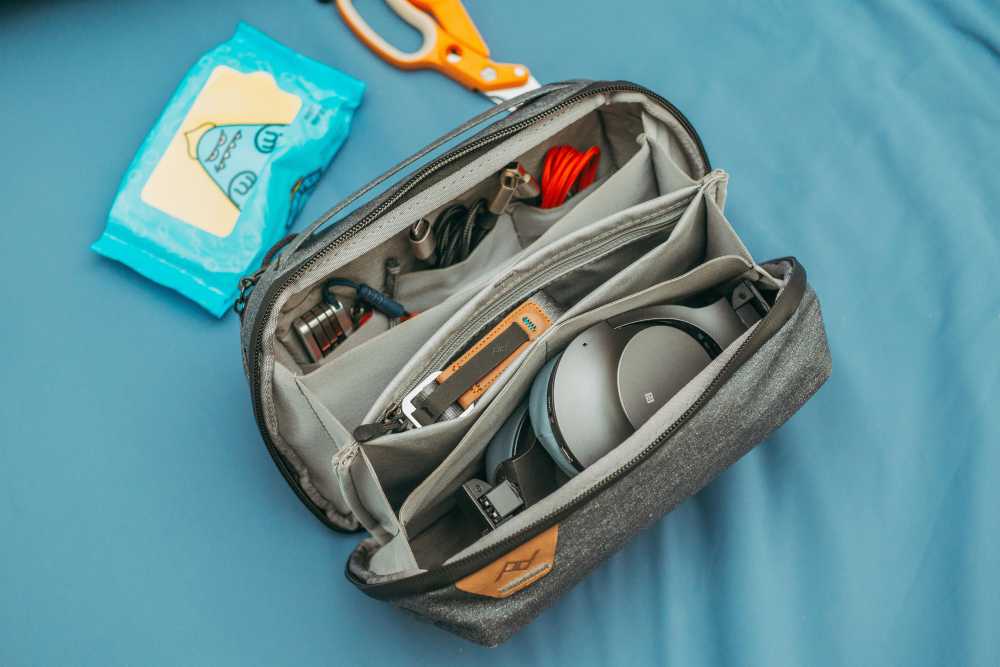
Build a “Go Bag”: For road trips, have one small bag that stays in the car with mission-critical essentials: snacks, wet wipes, a basic first-aid kit, portable chargers, and paper towels. A tool like our National Park Road Trip Checklist has great ideas for this, even if you aren't headed to a park.
Stop Dreaming, Start Planning
The perfect weekend trip doesn't have to be complicated. Our free, plug-and-play Travel Itinerary Template takes the guesswork out of planning. Get the simple, proven framework we use to organize our own family getaways Download the Free Template.
3. Budget for a Short Trip: Where to Splurge, Where to Save
A weekend budget requires a different mindset than a long vacation.
Splurge on Location: For a short trip, the location of your accommodation is critical. Spending a little extra to be in the heart of the action saves you hours of travel time—your most valuable commodity.
Save on Meals: You don’t need three sit-down restaurant meals a day. Plan on a fun, splurgy dinner on Saturday night, but save money by having breakfast in your hotel room and grabbing a casual lunch from a food truck or cafe.
Frequently Asked Questions
What's the biggest advantage of a short family trip?
The main advantage is the low logistical barrier. Planning for just two or three days drastically reduces decision fatigue, making it much easier to go from dreaming about a trip to actually booking it. This also makes travel more frequent and budget-friendly.
How can I save money on a weekend family vacation?
The best strategy is to splurge on a central location to save valuable travel time, while saving on meals. Pack your own breakfasts and snacks, and opt for casual lunches from cafes or food trucks instead of multiple expensive sit-down meals.
What is the best way to maximize time on a 2-3 day trip?
To make the most of your weekend, try to leave Friday afternoon to beat the worst of the traffic. Dedicate Saturday to your main "anchor" activity, and plan a smaller, final fun activity for Sunday morning so the last day still feels like part of the vacation.
The idea of a family vacation doesn't have to be a source of stress or be relegated to a once-a-year event. By embracing the power of the weekend getaway, you unlock the ability to punctuate your year with adventure, connection, and discovery. You now have a framework for choosing destinations and a playbook for executing the trip with precision.
The most important step is the next one: pick a date, book that room, and transform the idea of a trip into a tangible plan. The memories your family makes on a simple weekend trip will become just as cherished as those from a far-flung destination, and our comprehensive Travel Guide is ready when you are. Start planning today, because your next great family story is just a weekend away.
Don't Miss Out! Subscribe for Exclusive Content
Subscribe



Comments 0
No comments yet
Be the first to share your experience!
Dont Miss Out! Subscribe for Exclusive Content

San Francisco Cherry Blossoms: A Local's Guide to the Blooms


Halloween SF: Haunts Without Horrors

SF Festivals: 7 Must-See Lineups

Christmas SF: Lights & Wharf Wonders

SF Pride: 6 Route & Party Hacks

Chinese New Year SF: Parade Essentials
Crafting Travel Product Reviews That Drive Affiliate Sales
TrekGuider @trekguider
You’ve poured hours into it. The photos are stunning, the details are careful, and your personal story is woven throughout. You hit “publish” on your latest travel product review, certain that this is the one. But weeks later, the affiliate dashboard tells a familiar, frustrating story: plenty of clicks, but a whisper of commissions. You’re creating genuinely valuable content, but it feels like you’re leaving a fortune on the table, unable to bridge the chasm between your effort and your earnings.
This isn't just a feeling; it's a critical business problem. You see the industry reports—the affiliate marketing market soaring past $93 billion, with the average travel affiliate earning a reported $13,847 a month—and it feels like a world away. The issue isn't your passion or your expertise. The issue is that a travel product review that simply informs is a hobby; a review that is engineered to convert is a business. You're missing the formula, the psychological triggers, and the conversion-focused structure that turns a reader's trust into a reliable revenue stream.

Forget vague tips. This is a skill workshop—a definitive blueprint for how to write a product review that drives affiliate sales with the precision of a finely tuned engine. We will deconstruct the anatomy of a high-conversion review, from the headline that hooks to the call-to-action that closes. This is a masterclass in a single, vital skill, a topic we explore from every angle in our definitive command center for the entire affiliate ecosystem: [Travel Affiliate Programs: The 2026 Ultimate Guide].
The Mindset Shift: From "Informing" to "Converting"
The first and most crucial step is a fundamental mindset shift. Most creators approach a product review as a report. They list the features, describe their experience, and hope the reader is inspired enough to click. This is a passive strategy that yields passive results.
A high-earning creator understands that a product review is their most valuable sales asset. Its primary purpose is not just to describe the product, but to guide the reader to a confident purchase decision. Every word, every image, and every design element must work in concert to achieve one goal: to solve the reader's problem so effectively that clicking your affiliate link becomes the most logical and desirable next step.
This isn't about being a pushy salesperson. It's about being a master problem-solver. Your reader has arrived on your page with a need: "Is this the right backpack for my trip to Europe?" or "Will this travel insurance actually cover me if I get sick in Thailand?" A review that converts answers these questions with such clarity, authority, and empathy that it eliminates all doubt and inspires action.

The Anatomy of a High-Conversion Review: A 7-Part Formula
A product review that consistently drives sales is not an accident of creative inspiration; it is a carefully constructed system. By following this seven-part formula, you create a user experience that caters to every type of reader—from the quick skimmer to the deep diver—and guides them seamlessly toward conversion.
Part 1: The Headline That Hooks and Qualifies
Your headline has one job: to make an undeniable promise of value to a specific audience. It must grab attention in a crowded search result and instantly signal that your review will solve their problem. Generic headlines like "My Review of the Osprey Backpack" are a death sentence.
Instead, use proven, high-impact formulas:
The "Real World Test" Formula: The [Product Name] Review: After [Number] Miles / [Number] Countries / [Time Period]
Example: The Osprey Farpoint 40 Review: After 6 Months & 15 Countries
The "Balanced Verdict" Formula: [Product Name] Review: [Number] Things I Loved & [Number] I Hated
Example: The Away Bigger Carry-On Review: 5 Things I Loved & 2 I Hated
The "Is It Worth It?" Formula: Is the [Product Name] Worth the Hype? An Honest 2026 Review
Example: Is the Nomatic Travel Pack Worth the Hype? An Honest 2026 Review
These headlines work because they promise authenticity, detail, and a balanced perspective—exactly what a user wants when researching a purchase.
Part 2: The Empathetic Introduction (The Hook)
Your introduction must accomplish three things in the first 100 words: connect with the reader's problem, establish your authority, and present the product as the potential solution. Use the PAS (Problem, Agitate, Solve) framework for maximum impact.
Problem: "Finding the perfect carry-on backpack is a nightmare. Most are either too bulky, too disorganized, or fall apart after one trip."
Agitate: "You end up repacking at the airport check-in counter, digging through a black hole of gear to find your passport, or worse, dealing with a broken zipper mid-adventure."
Solve: "For the past six months, I've been testing the Osprey Farpoint 40 across Southeast Asia to see if it's the ultimate solution for one-bag travel. In this review, I'll break down exactly who this bag is for, who should avoid it, and whether it lives up to its legendary reputation."
Part 3: The "At a Glance" Summary Box
Many of your readers are skimmers. They are busy and want a quick verdict. An "At a Glance" summary box at the top of your review is the single best way to serve this audience and capture an immediate conversion.
This box should be visually distinct (using a different background color or a border) and contain:
Product Image: A high-quality, authentic photo of the product in use.
A Quick Summary: A one-sentence verdict. (e.g., "The ultimate travel backpack for versatile adventurers who value comfort and organization.")
Key Specifications: A bulleted list of the most important specs (e.g., Capacity, Weight, Dimensions).
Overall Rating: A simple star rating (e.g., 4.5 / 5 Stars).
The Primary CTA: A bold, unmissable button with a clear call-to-action.
Part 4: The Deep Dive: Storytelling Over Specs
This is the heart of your review. This is where amateurs list features, but professionals tell stories. Your mission is to translate every specification into a tangible, real-world benefit, wrapped in the context of your personal experience.
Amateur: "The backpack has a 15-inch padded laptop sleeve."
Professional: "The Padded Laptop Compartment That Saved My MacBook: When my bus in Vietnam took a corner too fast, my bag went flying. My heart stopped, but the heavily padded, suspended laptop sleeve kept my MacBook safe without a scratch. For digital nomads, that peace of mind is priceless."
Structure this section with clear H3 subheadings for each key feature or benefit (e.g., "Comfort & Fit," "Organization & Pockets," "Durability & Materials"). This makes the content scannable and allows readers to jump to the sections that matter most to them.

Part 5: The Unbeatable Proof: Your Photos & Videos
Stock photos are a conversion killer. They scream "I've never actually used this product." Your review's credibility hinges on authentic, high-quality visual proof.
Show the Product in Action: Include photos of you wearing the backpack, packing the suitcase, or using the camera in a real travel environment.
Highlight Key Features: Take detailed close-up shots of the zippers, the materials, the specific pockets you're talking about.
Embrace Video: This isn't just a nice-to-have; it's a strategic imperative. With industry projections showing that video will account for a staggering 55% of all affiliate traffic by 2026, embedding a short, authentic video review is one of the most powerful trust signals in your arsenal.
Part 6: The Honest Verdict: Pros, Cons, and "Who It's For"
Radical transparency is the ultimate trust signal. No product is perfect, and acknowledging its flaws makes your praise exponentially more believable.
Create a simple, two-column list of Pros and Cons. Be specific and honest. Then, create a dedicated section that clearly defines who this product is perfect for and, just as importantly, who should look for something else.
This Product is Perfect For: "Digital nomads, weekend travelers, and anyone who prioritizes a comfortable carry and smart organization."
You Should Avoid This Product If: "You're a photographer who needs to carry multiple camera bodies or if you require a fully waterproof bag for extreme conditions."
Part 7: The Compelling Conclusion & Final CTA
Your conclusion should be short, powerful, and decisive. Summarize the product's single biggest benefit and give the reader one final, clear instruction. Reiterate your overall verdict and guide them to the click with a final, compelling call-to-action button.

The Psychology of Persuasion: Advanced Conversion Tactics
A great structure is the foundation, but layering in proven psychological triggers is how you maximize conversions.
Build Unshakable Trust: Your FTC disclosure must be clear and placed at the very top of your review. This isn't just a legal requirement; it's a badge of honor that signals transparency.
Leverage Social Proof: Weave in screenshots of other positive reviews or user ratings. Phrases like "With over 5,000 five-star reviews on Amazon..." validate the reader's potential decision.
Create Urgency (Ethically): For products with fluctuating prices, like flights or hotels, use CTAs that encourage immediate action. "Check Today's Prices on Booking.com" is both helpful and urgent.
Pro-Tip: One of the most effective ways to increase conversions is to use a comparison table. Pit the product you're reviewing against its main competitor. This not only helps the reader make a final decision but also gives you the opportunity to place two high-value affiliate links side-by-side.
The Ultimate Conversion Play: From Affiliate to Owner
A product review is the perfect place to introduce your audience to your own high-value offerings. After you've solved their immediate problem, you can guide them toward a deeper solution that you control completely. This is the natural evolution of your expertise.
For example, after the main body of your review for a travel backpack, you could add a section like:
"Now that you've found the perfect backpack, the next step is knowing what to put inside it. For my complete, field-tested packing system, check out my 'Ultimate Carry-On Packing List' available on the [TrekGuider Platform]. It's the exact checklist I use to pack for every trip."
This is a natural, value-driven upsell that transitions the reader from a potential affiliate commission to a direct customer, where you keep a much larger share of the revenue.

Pro-Tip: To supercharge your affiliate sales, offer a "bonus stack" for anyone who buys through your link. For example, "If you purchase the Osprey Farpoint 40 through my link, just forward me your receipt and I'll send you my personal 'Perfect Packing' video tutorial for free!" This small, value-added incentive can dramatically increase your conversion rate.
Ready to Build Your Own High-Margin Product? The most profitable product you can ever promote is your own. Affiliate marketing is the perfect training ground, but selling your own digital products—like guides, itineraries, or presets—offers unparalleled profit margins and brand authority. Our free [Digital Product Ideas Guide] is packed with dozens of proven, profitable ideas specifically for travel creators. Download it today to find the perfect product for your audience and start building your content empire.
Frequently Asked Questions (FAQ)
1. How long should a product review be? There's no magic number, but a high-converting review is typically comprehensive, often falling between 1,500 and 3,000 words. The goal is to be the most thorough and helpful resource on the internet for that specific product. Answer every possible question a reader might have.
2. Is it better to review a product I got for free or one I bought myself? A product you purchased with your own money will always carry more weight and authenticity with your audience. However, if you do receive a product for free, you can still write a credible review as long as you are radically transparent about it in your disclosure and maintain an honest, balanced perspective.
3. How many affiliate links are too many in one review? Focus on strategic placement over sheer quantity. A high-converting review might only have 5-10 well-placed links. Include them in your summary box, on your primary CTA buttons, and contextually on the product name throughout the text. The goal is to make it easy for the reader to click when they are ready, not to overwhelm them with links on every other word.
Your Blueprint for a Profitable Review Engine
You now have the complete formula for how to write a product review that doesn't just get traffic—it gets results. By shifting your mindset from informing to converting and carefully applying this seven-part framework, you transform your content from a simple article into a high-performance business asset.
This is a system you can replicate for every product you recommend, creating a reliable and scalable engine for affiliate income. Stop guessing and start engineering. The path to becoming a top-earning travel creator is paved with reviews that are strategic, persuasive, and relentlessly helpful. Now, go build your engine.
Don't Miss Out! Subscribe for Exclusive Content
SubscribeComments 0
No comments yet
Be the first to share your experience!
Dont Miss Out! Subscribe for Exclusive Content

FTC Affiliate Disclosure Essentials: Stay Compliant as a Travel Creator

Essential Affiliate Tools: From Tracking to Full Optimization

Avoid These 5 Affiliate Landing Page Mistakes for Better Conversions

Affiliate Keyword Research Mastery for Travel Blogs

Booking.com Affiliate Program Review: Pros, Cons, and Earnings Potential

Decoding Affiliate Commission Rates: Benchmarks for Travel Creators
The Ultimate Solo Travel Packing List: A Modular Checklist
TrekGuider @trekguider
Staring at an empty suitcase can be overwhelming. This is not another generic article; this is your definitive, actionable solo travel packing list. It’s a methodical system designed to transform packing from a chore into an act of empowerment. We’ve built this checklist on a "Core + Modules" framework: a non-negotiable foundation of essentials, plus optional modules you can add for specific types of travel.
This tactical checklist is your "what." Before you dive into the specific items, we highly recommend reading our guide to to understand the minimalist systems and philosophy that make this list so powerful. Understanding the "why" will make packing the "what" intuitive and stress-free.

Your Core Essentials
Every trip, regardless of destination or duration, starts here. These are the non-negotiable items that form the base of any smart solo travel plan. Do not leave home without them.
Your Access to Everything
Your ability to move, transact, and prove your identity matters most. Build redundancy into your document strategy.
Passport/Visa: Check that your passport has at least six months of validity from your planned return date.
Digital & Physical Copies: Store a physical photocopy of your passport and driver's license in a separate bag from the originals. Keep high-quality photos of them in a secure cloud service (Google Drive, Dropbox) and in your email.
Travel Insurance Details: Carry a printed copy of your policy and save a PDF to your phone for offline access.
Multiple Bank Cards: Pack at least two different credit cards and one debit card. Store them in separate locations (e.g., one in your wallet, one in your daypack).
Emergency Cash: Hide $100-$200 USD deep within your main bag as a final safety net.
Bank Travel Notifications: Log into your banking apps and set a travel notice for your specific destinations and dates. This five-minute task prevents your accounts from being frozen for suspected fraud.
Your On-the-Go Wellness Kit
Stay healthy and comfortable on the road. The goal is a compact, leak-proof, and comprehensive kit.
Prescription Medications: Pack enough for your entire trip in their original, labeled containers. Bring a copy of the prescription itself.
Mini First-Aid Kit:
Pain relievers (Ibuprofen/Acetaminophen)
Assorted adhesive bandages
Antiseptic wipes
Blister treatment (e.g., Compeed)
Anti-diarrhea medication (e.g., Imodium)
Solid Toiletries: The ultimate packing hack. Eliminates liquid restrictions, prevents leaks, and lasts longer.
Solid shampoo bar
Solid conditioner bar
Solid soap bar
The Basics:
Toothbrush
Solid toothpaste tablets
Deodorant
Your Digital Lifeline
Your smartphone is your navigator, translator, and connection to the world. Keeping it powered is mission-critical.
Smartphone: Your all-in-one command center. Download offline maps for your destination.
Portable Power Bank: A non-negotiable safety item. Choose a 10,000mAh+ model from a reliable brand like Anker to guarantee 2-3 full phone charges. Keep it charged.
Universal Power Adapter: Invest in one high-quality universal adapter with multiple USB ports. This allows you to charge all your devices from a single outlet.
Noise-Canceling Headphones: Essential for focus and peace on loud flights, trains, or in shared hostel rooms.

Essential Solo Travel Safety Gear
This module proactively addresses the "what-if" scenarios, allowing you to explore with confidence and sleep soundly. The gear here is your first line of defense, but true confidence comes from preparation. For a complete guide to situational awareness and navigating new environments securely, our comprehensive article, Anxious to Adventurous: Solo Travel Tips for Confidence, is required reading.
For Your Accommodation
Portable Door Lock (e.g., Addalock): A small, lightweight device that braces your door from the inside, making it impossible to open even with a key.
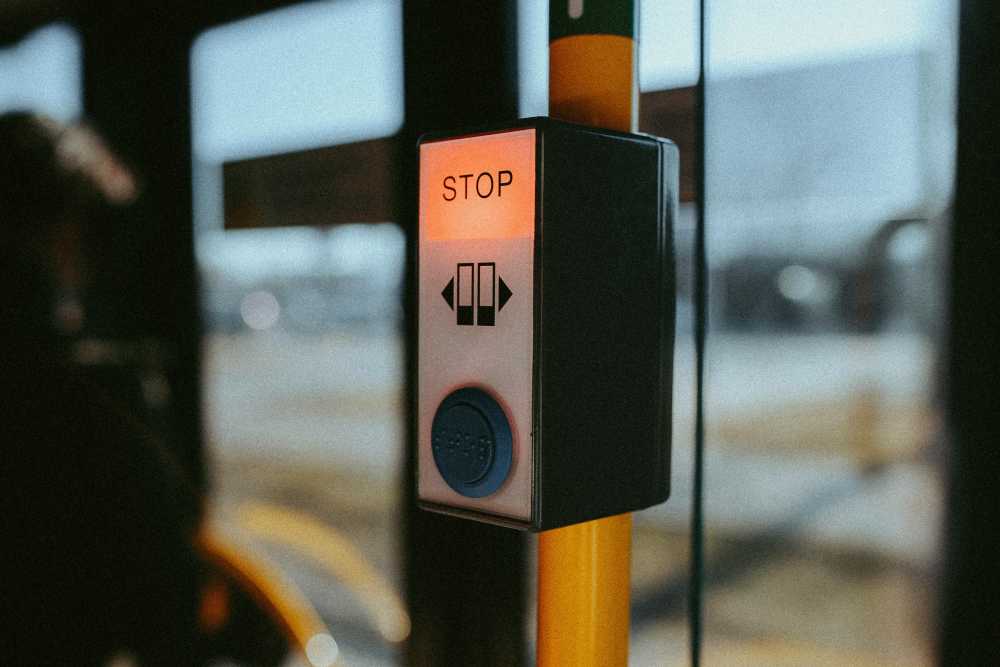
Door Stop Alarm: A wedge that slides under your door. If opened, it physically blocks the door while emitting a piercingly loud alarm.
For When You're Out & About
Anti-Theft Daypack (e.g., Pacsafe, Travelon): Choose a crossbody bag or backpack with slash-proof straps, lockable zippers, and RFID-blocking pockets.
Personal Safety Alarm: A keychain device that emits an ear-splitting siren and flashing strobe light to attract attention and disorient an attacker.
RFID-Blocking Wallet: Protects your passport and credit cards from electronic "skimming."
The 5-4-3-2-1 Formula
Pack less and wear more with a strategic, versatile wardrobe built on mix-and-match essentials. Choose a neutral color palette (black, gray, navy) for core items.
The 5-4-3-2-1 Formula (1-Week Framework)
5 Tops: Focus on wrinkle-resistant, odor-resistant fabrics. At least one should be merino wool—the ultimate travel fabric for temperature regulation and multi-day wear.
4 Bottoms: A typical mix includes one pair of comfortable travel pants, one pair of jeans or chinos, and one skirt or pair of shorts.
3 Accessories: A lightweight scarf or sarong is incredibly versatile (fashion, beach cover-up, towel, head covering).
2 Pairs of Shoes:
Pair 1: Supremely comfortable, broken-in walking shoes.
Pair 2: A versatile, slightly dressier option (flats, loafers, clean leather sneakers).
1 Jacket: A waterproof, windproof outer shell. Layer with a fleece or sweater for warmth as needed.
Climate Sub-Modules (Choose One)
Cold Climate Add-ons: One set of thermal base layers (top and bottom), a warm hat, gloves, and wool socks.
Tropical Climate Add-ons: A swimsuit, a quick-dry microfiber towel, a wide-brimmed sun hat, and sunglasses.
Digital Nomad's Checklist
This module is for anyone working on the road. It focuses on creating an efficient, ergonomic, and connected remote workstation.

Lightweight Laptop: An ultrabook (e.g., MacBook Air) offers the best balance of power and portability.
Portable Laptop Stand (e.g., Roost, Nexstand): The single best way to prevent neck and back pain.
Ergonomic Peripherals: A slim, portable keyboard (e.g., Logitech K380) and a portable mouse (e.g., Logitech MX Anywhere).
High-Quality Headphones with Mic: Essential for calls and focus in noisy environments.
eSIM: Use an app like Airalo to purchase and install a digital SIM card before you leave. Get connected the moment you land.
High-Capacity "PD" Power Bank: Ensure your power bank is "Power Delivery" rated and has enough capacity to charge your laptop, not just your phone.
What NOT to Pack
Knowing what to leave behind is as important as knowing what to bring.

Expensive or Sentimental Jewelry: Don't bring anything you would be devastated to lose.
Full-Sized Towel: Most accommodations provide them. If needed, a quick-dry travel towel is a superior option.
Multiple "Good" Outfits: Stick to versatile pieces that can be dressed up or down.
Physical Books: An e-reader provides an entire library at a fraction of the weight.
"Just in Case" Items: Unless you're traveling to a very remote location, you can buy most basic items at your destination.
Your Questions Answered
What should a solo female traveler add? Many add a versatile sarong (for modesty at religious sites), a silicone doorstop for extra security, and some opt for a fake wedding ring to deter unwanted attention.
How do I pack for a long-term trip in a carry-on? Commit to doing laundry. Pack one week's worth of clothing using the capsule method and plan to do laundry every 7-10 days.
What are the best shoes for solo travel? The ones you can walk in comfortably for 8+ hours. Never bring new, unbroken-in shoes on a trip.

By starting with the Core Essentials and adding modules tailored to your journey, you have now built the perfect solo travel packing list. This system eliminates guesswork, ensures you are prepared for your adventure, and empowers you to travel with the confidence of a pro.
Don't Miss Out! Subscribe for Exclusive Content
SubscribeComments 0
No comments yet
Be the first to share your experience!
Dont Miss Out! Subscribe for Exclusive Content

Ultimate USA Holidays Guide: Top Picks
FTC Affiliate Disclosure Essentials: Stay Compliant as a Travel Creator
Essential Affiliate Tools: From Tracking to Full Optimization
Booking.com Affiliate Program Review: Pros, Cons, and Earnings Potential
Decoding Affiliate Commission Rates: Benchmarks for Travel Creators
