
Is Solo Travel Safe? A Data-Driven Look at the Real Risks & How to Mitigate Them

TrekGuider @trekguider
You've pictured it a thousand times: a journey planned entirely for you, by you. The pure, unadulterated freedom of the open road. But then the doubt creeps in, fueled by worried questions and sensational headlines. Is it actually safe to venture out alone? That single question can be paralyzing, trapping you between a deep desire for adventure and a genuine concern for your well-being.
This constant drumbeat of fear can be deafening, causing you to second-guess your ambitions and question whether your dream of independent exploration is just a reckless fantasy.
This guide is your way through that noise. We believe that safe solo travel is not only possible but is one of the most profoundly empowering experiences a person can have. While we offer deep resources on all kinds of journeys, from group adventures detailed in our Family Travel Ideas: The 2026 Guide to Unforgettable Trips to individual quests, this article is dedicated to you, the solo explorer. It’s about replacing vague fears with a clear, data-driven assessment of the real risks and arming yourself with practical, proven strategies to manage them.

The Statistical Truth: Is Solo Travel Safe from a Data Perspective?
First, let's ground ourselves in reality, not headlines. The perception of danger, often amplified by a 24-hour news cycle, is frequently magnified far beyond the statistical truth. While any travel carries inherent risks, data shows that the world is not the uniformly dangerous place it's often made out to be.
Violent crime rates, for instance, have been on a global decline for decades. According to the United Nations Office on Drugs and Crime (UNODC), the global homicide rate has been steadily decreasing. Furthermore, areas popular with tourists are often more heavily policed and protected, simply because tourism is a vital economic engine for many countries.
The most common crimes affecting travelers are not violent assaults, but rather crimes of opportunity—preventable incidents that prey on distraction. These fall into three main categories:
Petty Theft: This is the undisputed champion of tourist troubles. It includes pickpocketing in crowded squares, snatching a phone left on a cafe table, and swiping an unattended bag. Data from cities like Barcelona and Rome consistently shows that this is, by a huge margin, the most reported crime against visitors.
Scams: From the aggressive "friendship bracelet" weavers in Paris to the notoriously creative taxi drivers in Bangkok, scams are designed to trick you out of your money through clever, non-violent deception.
Credit Card Fraud: Sophisticated skimming devices at ATMs or dishonest vendors can capture your card information, leading to fraudulent charges days or weeks later.

Understanding this allows for a critical mindset shift. The goal is not to build a fortress around yourself. It’s to develop smart, consistent habits that make you a "hard target" for these common, low-level threats. The answer to "is solo travel safe?" is overwhelmingly yes, provided you are prepared, aware, and informed.
Building Your Safety Foundation Before You Go
True travel safety isn't something you find; it's something you build. The foundation for a secure and confident solo trip is laid long before you ever start packing a bag. This pre-trip protocol is your blueprint for mitigating risk from the comfort of your own home.
1. Master Your Destination Before You Arrive

Every location has its own unique rhythm and set of unwritten rules. Conducting a deep analysis of your destination with safety as the primary lens is the first and most crucial step.
Consult Official Channels: Start with the U.S. Department of State's travel advisories. They provide detailed, country-specific information on everything from political unrest and health concerns to targeted advice for female or LGBTQ+ travelers. Pay attention to the overall country level, but also look for specific regional warnings.
Dig for Local Nuances: Go beyond official reports. Use travel blogs and forums to understand neighborhood dynamics. Instead of a generic search, use specific, targeted queries like "(City Name) solo female safety" or "scams to watch for in (Country)" on Reddit (r/solotravel) or Facebook groups. This uncovers the subtle, on-the-ground intelligence that guidebooks often miss.
Understand the Cultural Context: Research local customs, dress codes, and social norms. In some countries, what's considered a friendly gesture at home might be interpreted differently. Understanding and respecting the local culture not only enriches your experience but is also a powerful tool for blending in and avoiding unwanted attention.
2. Fortify Your Finances and Documents
The goal here is redundancy. You want to ensure that the loss of a single item—like your wallet or phone—is merely an inconvenience, not a trip-ending catastrophe.
Build a Digital Vault: Scan your passport, driver's license, visa, and the front and back of your credit cards. Save these as encrypted files in a secure cloud service (like Google Drive or Dropbox) and email a copy to yourself and a trusted contact. To ensure you don't miss any critical documents, our International Travel Checklist is an indispensable tool.
Distribute Your Itinerary: Leave a detailed copy of your itinerary—including flight numbers, accommodation names and addresses, and a general daily plan—with a family member or friend back home.
Diversify Your Money: Never depend on a single source of funds. Travel with at least two different credit cards and one debit card, and store them in separate locations. Keep one card in your wallet, one in a hidden pocket of your daypack, and perhaps a third in the safe back at your hotel.
Alert Your Banks: A simple but critical step. Inform your bank and credit card companies of your travel dates and destinations. This prevents their fraud detection systems from freezing your accounts when they see a transaction from a foreign country.
3. Travel Insurance
Think of travel insurance as your ultimate safety net. For a solo traveler, it's not a luxury; it's an absolute necessity. A comprehensive policy is your financial backstop for the unexpected. Look for coverage that includes:
Emergency medical and dental expenses
Emergency medical evacuation (this is critical and can cost tens of thousands of dollars without insurance)
Trip cancellation, delay, or interruption
Lost or stolen luggage and personal effects
A 24/7 emergency assistance hotline
Your On-the-Ground Toolkit for Staying Safe Solo
Once you arrive, your most powerful safety tool is situational awareness. This isn't about being paranoid; it's about being present, perceptive, and engaged with your surroundings.
Mastering the Art of Situational Awareness

This is the skill of observing your environment and making smart, proactive decisions based on what you see.
Walk with Purpose and Confidence: Even when you’re utterly lost, walk like you know exactly where you're going. Keep your head up, your shoulders back, and your pace steady. A confident posture is a natural deterrent.
Minimize Distractions, Maximize Perception: Avoid walking while staring down at your phone or wearing headphones in both ears. These actions scream "distracted tourist" and make you a prime target for pickpockets. Keep your phone in your pocket and one earbud out so you can hear your surroundings.
Blend In, Don't Stand Out: The goal is to look like a savvy local, not a bewildered tourist. Dress in a way that aligns with local styles—if locals don't wear shorts, maybe you shouldn't either. Avoid flashing expensive jewelry, wads of cash, or a high-end camera slung around your neck.
Trust Your Gut Instinct: Your intuition is a highly advanced, subconscious pattern-recognition machine. If a person, a dark alley, or a situation feels "off," it probably is. Don't hesitate or worry about being polite—remove yourself from the situation immediately.
Pro-Tip: Carry a "decoy" wallet. Get a cheap, old wallet and stock it with a small amount of local currency and some expired credit cards or old loyalty cards. Keep this in your pocket or an easily accessible part of your bag. In the unlikely event of a robbery, you can hand this over without losing your primary financial resources.
How to Guarantee Your Accommodation Is Safe for Solo Travel
Your hotel, hostel, or rental is your sanctuary. A few simple checks can ensure it stays that way.
Vet the Location: Before booking, use Google Street View to take a virtual walk around the block. Is it a deserted industrial area or a lively street with open cafes? Read recent reviews, specifically searching for keywords like "safe," "location," and "solo."
Secure Your Room: The moment you check in, test the locks on the door and windows. Always use the deadbolt and security chain when you're inside. For an incredibly effective and cheap extra layer of security, pack a simple rubber doorstop and wedge it under your door at night.
Use the Safe (That's What It's For): Don't leave your passport, extra cash, or spare credit cards lying around. Use the in-room safe. If you're in a hostel, choose one that offers secure individual lockers and bring your own padlock.
Digital Defense: Ensuring Your Solo Travel is Safe Online
In the 21st century, physical safety is only half the battle. Public Wi-Fi networks are notoriously insecure, making them prime hunting grounds for data thieves.
A VPN is Non-Negotiable: A Virtual Private Network (VPN) is an essential tool for any traveler. It encrypts your internet connection, creating a secure, private tunnel for your data that is unreadable to anyone snooping on the network.
Embrace Two-Factor Authentication (2FA): Activate 2FA on all your important accounts (email, banking, social media). This means that even if a thief manages to get your password, they can't access your accounts without a second, time-sensitive code sent to your device.
Be Wary of Public Computers: Avoid logging into sensitive accounts on public computers, like those in an internet cafe or hotel business center. If you absolutely must, use a private/incognito browsing window and be certain to log out of all accounts and clear the browser history before you leave.
Pro-Tip: Adapt the "Morning Photo" protocol for solo use. Each morning, send a quick photo of yourself (showing your outfit) and a brief text outlining your general plans for the day to a trusted contact back home. This creates a simple, timestamped visual record of your appearance and intended whereabouts.
A Crucial Guide for Solo Female Travelers

While the vast majority of safety advice is universal, it's a reality that women traveling alone can face a unique set of concerns and scrutiny. Adhering to the core principles of solo travel safety is therefore doubly important.
Confidence is Your Cloak: Your body language is your first line of defense. Walk tall, be assertive in your interactions, and don't be afraid to be firm or even loud if someone is making you uncomfortable. A simple, sharp "No" is a complete sentence in every language.
Be Mindful of Local Gender Dynamics: Research how men and women typically interact in your destination. In some conservative cultures, direct eye contact or an unsolicited smile from a woman can be misinterpreted as an invitation. Adapting your behavior isn't about submission; it's a sign of cultural respect and a smart safety tactic.
Strategically Handle Unwanted Attention: If you feel you are being followed or persistently harassed, walk directly into a busy shop, restaurant, or hotel lobby. Approach a staff member (especially another woman) and calmly explain the situation. A simple "that person is bothering me" is universally understood.
Use the "Ring" Trick: Many experienced solo female travelers wear a simple, plain band on their left ring finger, regardless of their actual marital status. It can be a simple, non-confrontational way to deter unwanted advances or questions about why you're alone.
Your Essential Toolkit for Confident Exploration
The advice in this section is just the beginning. For a deeper dive into female-specific safety strategies, real-world scenarios, and expert-level preparation, download our free Solo Female Travel Safety Guide. It's the definitive resource for every woman who's ready to see the world on her own terms.
Frequently Asked Questions
What is the most common crime against solo travelers?
The most common risks are crimes of opportunity, not violence. Petty theft, like pickpocketing and bag snatching in crowded tourist areas, is by far the most frequent issue. Being aware and keeping your valuables secure are your best defenses.
Is it safe for a woman to travel alone for the first time?
Absolutely. Thousands of women travel solo safely every day. The key is thorough preparation: choose a destination with a good safety record for solo women, research local customs, and follow the universal safety protocols outlined in this guide.
Should I carry my passport with me while I'm out exploring?
In most cases, it's safer to leave your passport secured in your hotel safe. Carry a photocopy or a digital image on your phone for identification purposes. Some countries legally require you to carry the original, so always verify the local law for your destination.
What is the single most important safety tip for a solo traveler?
Trust your intuition. More than any single gadget or tactic, your gut feeling is your best defense. If a situation or person feels wrong, remove yourself from it immediately without hesitation or apology.
Safety Is the Freedom to Explore
So, after all this, is solo travel safe? The answer is a resounding, confident yes. True safety on the road is not a matter of luck; it is the direct and empowering result of thoughtful preparation, heightened awareness, and a proactive mindset.

By shifting your perspective from a fear of the unknown to a healthy respect for the variables, you transform yourself from a potential target into a capable, worldly explorer. The strategies outlined here are not meant to make you fearful, but to make you free—free from the anxiety that holds you back, and free to embrace the incredible growth, perspective, and pure joy that only solo travel can provide. Armed with this knowledge and a commitment to smart travel practices, you can ensure your journey is not just memorable, but also profoundly safe.
Read the full guide: Family Travel Ideas: The 2026 Guide to Unforgettable Trips
Don't Miss Out! Subscribe for Exclusive Content
Subscribe



Comments 0
No comments yet
Be the first to share your experience!
Dont Miss Out! Subscribe for Exclusive Content

Ultimate USA Holidays Guide: Top Picks


FTC Affiliate Disclosure Essentials: Stay Compliant as a Travel Creator

Essential Affiliate Tools: From Tracking to Full Optimization

Booking.com Affiliate Program Review: Pros, Cons, and Earnings Potential

Decoding Affiliate Commission Rates: Benchmarks for Travel Creators

Amazon Associates for Travel: Strategies to Maximize Commissions
Choosing an All-Inclusive Family Resort? Read This First.
TrekGuider @trekguider
The idea of an all-inclusive resort is almost magical for parents: a place where "I'm hungry" is solved instantly, activities are endless, and your wallet can stay locked in the safe. But the dream can quickly turn into a pricey mistake with crowded pools, hidden fees, and lackluster kids' clubs. The key to securing that blissful, stress-free escape isn't luck—it's knowing exactly what to look for before you book.
For every family that returns refreshed, another comes back with cautionary tales. The difference between paradise and disappointment lies in the details. This guide is your battle plan to see past the glossy marketing photos and find true value.

We'll show you how to vet any resort and book a vacation that delivers on its promise. This advice is a perfect starting point for the hands-on planning that follows exploring broader Family Travel Ideas: The 2026 Guide to Unforgettable Trips.
The Real Genius of an All-Inclusive
Choosing an all-inclusive isn't just about unlimited snacks (though that helps). It's a strategic move to conserve your most valuable resources: mental energy and peace of mind.
The Freedom from Decision-Making: A great vacation shouldn't require a dozen decisions before breakfast. At the right resort, the only choice you need to make is between the pool and the beach. This freedom from constant planning is the ultimate luxury for a parent.
Lock In Your Budget, Then Forget About It: This is perhaps the biggest stress-reducer. You know the vast majority of your costs upfront, eliminating the constant mental math of vacation spending. It allows you to relax and say "yes" to another round of virgin piña coladas without wincing.
A Safe Harbor for Your Kids: The self-contained nature of a resort means you can relax your constant hyper-vigilance. It’s a secure environment where older kids can have a taste of independence (like walking to the ice cream stand on their own) and you can actually finish a chapter of your book. For more on this, explore The Secret to Stress-Free All Inclusive Family Vacations.
The Perfect Solution for Group Getaways: Trying to coordinate a trip with grandparents, cousins, or another family can be a logistical nightmare. An all-inclusive acts as the perfect home base, offering a wide array of food and activities to keep everyone happy without the need for complex daily planning.
Not All-Inclusives Are Created Equal
The term "all-inclusive" covers everything from sprawling theme parks to quiet beach retreats. The key is matching the resort's personality to your family's.

The Action-Packed Wonderland: Think massive water parks, character breakfasts, and a dizzying schedule of activities from sunrise to sunset.
Best For: Families who crave constant stimulation. If your kids thrive on energy and want to make a dozen new friends, this is your spot.
The Chic & Serene Escape: These smaller, more intimate properties focus on quality over quantity. Expect elevated dining, stunning design, and a more relaxed, upscale atmosphere.
Best For: Families with infants who just need a beautiful place to relax, or those with self-sufficient teenagers who cringe at organized fun. This is about connection, not chaos.
The Eco-Adventure Hub: Located in places like Costa Rica, these resorts weave nature and adventure into the all-inclusive package. Think guided jungle hikes, kayaking tours, and wildlife spotting included in your stay.
Best For: Active families who want the ease of an all-inclusive without being confined to a pool deck. It’s for those who want to explore the world, then come back for a hassle-free dinner.
The Savvy Parent's Vetting Checklist: 5 Things to Do Before You Book
Marketing photos sell a fantasy. Your job is to uncover the reality. Be ruthless. Use this five-point checklist to dissect any potential resort and ensure it’s the right fit for your family.

1. Interrogate the Kids' Club
A great kids' club is the key to unlocking actual adult relaxation. Don't just confirm its existence; investigate the details like a detective.
The Checklist:
Age Groups: Are kids lumped together, or are there separate programs for toddlers, little kids, and tweens? A 4-year-old and a 10-year-old have vastly different needs.
The Schedule: Ask for a sample weekly activity schedule. Is it creative and engaging (nature walks, craft projects, local cooking classes) or is it just screen time?
Staffing: What is the staff-to-child ratio? Are staff certified in CPR and first aid?
Security: What are the check-in and check-out procedures?
Green Flag: The resort proudly displays its kids' club schedule online.
Red Flag: The details are vague, and customer service can't provide specifics.
2. Scrutinize the Food & Drink Scene
"All-inclusive" shouldn't mean mediocre. You need to understand the logistics of how, when, and where you'll be eating.
The Checklist:
The Reservation Reality: How many restaurants require reservations? Can they be made before you arrive, or is it a mad dash each morning to book a spot for dinner?
Buffet Recon: Look at recent guest photos on TripAdvisor or Google, not just the professional ones. Does the buffet look fresh and varied? Are there plenty of simple, kid-friendly staples?
Hours of Operation: When do the restaurants and snack bars open and close? If your toddler is an early riser, a coffee shop that opens at 8 a.m. is a problem.
Green Flag: Multiple casual, drop-in dining options are available all day.
Red Flag: Reviews repeatedly mention long waits for tables or difficulty getting reservations.
3. Audit the "All-Included" Fine Print
The most frustrating part of a bad all-inclusive experience is the endless stream of upcharges. Your mission is to identify them beforehand.
The Checklist:
Activities: Is it just non-motorized water sports (kayaks, paddleboards)? Or are things like snorkel gear, a climbing wall, or an introductory scuba lesson included?
Drinks: Is it just local beer and well liquor? Are premium spirits, bottled water, and decent wine extra?
Hidden Fees: Look for mentions of "resort fees," Wi-Fi charges, or extra costs for premium beach chairs or cabanas.
Green Flag: The resort's website has a clear, detailed page listing exactly what’s included.
Red Flag: The language is vague, using phrases like "select beverages" or "some activities."
4. Evaluate the Resort Map
A sprawling, poorly planned resort can turn a simple trip to the pool into a 15-minute trek in the blazing sun with a tired toddler.
The Checklist:
The Golden Triangle: Look at the map. How far are the main family pool, the primary buffet, and the beach from the room blocks designated for families?
Quiet vs. Action: Does the resort have designated "quiet pools" or adults-only sections? This is a great sign—it means they're thinking about different types of guests.
Green Flag: The resort is thoughtfully laid out with key family amenities clustered together.
Red Flag: The resort is massive, and reviews mention needing to wait for golf carts to get anywhere.
5. Triangulate Real-World Reviews
Read reviews, but read them like a pro. Don't just skim the star ratings.
The Checklist:
Filter Everything: On sites like TripAdvisor, filter reviews specifically for "Family." The experience of a honeymooning couple is irrelevant to you.
Search for Keywords: Use the search function within reviews to look for terms relevant to you: "toddler," "stroller," "food allergies," or "teen."
Look for Patterns: Ignore the single 1-star review from an angry guest and the glowing 5-star review that sounds like it was written by the hotel manager. Look for consistent themes that appear in multiple reviews over several months. That’s the truth.
Green Flag: Recent family reviews are consistently positive about the staff and cleanliness.
Red Flag: Multiple families mention the same recurring problems (broken A/C, dirty pools, etc.).
Pro-Tips for Your First All-Inclusive Trip
Here's the insider knowledge that can make a good trip great.

Pack Your Own Insulated Cups: The resort cups are often tiny and flimsy. Bringing your own will keep your drink cold, reduce plastic waste, and save you countless trips to the bar.
Bring Small Bills for Tipping: While tips are often included, a few dollars for the bartenders, housekeeping staff, or kids' club counselors will ensure exceptional service.
Bring a Mini-Pharmacy: Don't pay $20 at the resort gift shop for children's Tylenol. Pack a small kit with essentials like pain relievers, allergy meds, upset stomach remedies, and plenty of waterproof Band-Aids.
The Early Bird Gets the Best Chair: In most resorts, the prime real estate by the pool is claimed early. If a shady spot is important, you may need to stake your claim before breakfast.
Make the Journey as Smooth as the Destination
The perfect resort vacation starts with a stress-free travel day. But flying with kids can feel like its own logistical puzzle. Our free guide is packed with pro tips on navigating airports, beating boredom, and arriving at your resort ready to relax.
Download the Stress-Free Flying with Kids Guide
Frequently Asked Questions
Are all-inclusive resorts really a good value?
They offer incredible value for convenience and budget control. While an a la carte trip might be cheaper, it requires far more planning and leaves you open to surprise costs. For parents who value a low-stress experience, the return on investment is huge.
What's the best age for a child to enjoy an all-inclusive?
The 4-12 age range is often the sweet spot, as kids are old enough for the kids' club but young enough to be dazzled by it all. That said, many resorts now have fantastic, dedicated programs for toddlers and teens, making them a great option for nearly any age.
How do I handle food allergies?
Reputable resorts take this very seriously. Contact the resort directly before booking to discuss their protocols. Once you arrive, ask to speak with the head chef, who can often arrange for safe, specially prepared meals.
What should I always pack for an all-inclusive trip?
Beyond your usual clothes, always pack your own insulated cups for drinks, a mini-pharmacy with kids' medicine and first-aid, and small bills for tipping. These items will save you money and hassle.
An all-inclusive family vacation, chosen wisely, is more than a trip—it's a reset button. By using this framework to look beyond the brochure, you can confidently select a resort that fits your family's unique style. You can trade planning and stress for presence and connection, and create memories that truly last.
Read the full guide: Family Travel Ideas: The 2026 Guide to Unforgettable Trips
Don't Miss Out! Subscribe for Exclusive Content
SubscribeComments 0
No comments yet
Be the first to share your experience!
Dont Miss Out! Subscribe for Exclusive Content
Ultimate USA Holidays Guide: Top Picks
FTC Affiliate Disclosure Essentials: Stay Compliant as a Travel Creator
Essential Affiliate Tools: From Tracking to Full Optimization
Booking.com Affiliate Program Review: Pros, Cons, and Earnings Potential
Decoding Affiliate Commission Rates: Benchmarks for Travel Creators

Top 11 High-Paying Affiliate Programs for Travel Bloggers
How to Plan a Stress-Free Hawaii Family Trip
TrekGuider @trekguider
Planning a family trip to Hawaii should feel exciting, but the reality can be overwhelming. You're juggling how to pack for unpredictable weather, what activities will actually entertain everyone from toddlers to teens, and how to manage the logistics without losing your mind. The fear of getting it wrong—forgetting something crucial or planning a day that ends in meltdowns—can quickly overshadow the promise of paradise.

Imagine arriving on Maui only to realize you’ve forgotten the reef-safe sunscreen now required by law, forcing a frantic, expensive search. Picture the meltdowns—from kids and adults alike—when a carefully planned beach day is met with groans of boredom, or the crushing disappointment of discovering the lūʻau you dreamed of has been sold out for weeks. Without a strategic plan, the logistical details can overshadow the magic you’re seeking.
This guide is the antidote to that anxiety. It’s your strategic playbook, crafted from hard-won experience to eliminate the guesswork and transform your planning process into an exciting prelude to your adventure. While this article drills down into Hawaii-specifics, it's part of our complete library of Family Travel Ideas: The 2026 Guide to Unforgettable Trips. Consider this your roadmap to a seamless, stress-free, and truly magical Hawaiian escape.
What to Bring and What to Leave Behind
A successful packing strategy for Hawaii isn't about bringing everything; it's about bringing the right things. The islands’ unique environment—from intense equatorial sun to sudden tropical showers—demands a thoughtful approach. For a deep dive into the core principles, our How to Pack Light Guide is a great resource. This Hawaii-specific blueprint ensures you’re prepared for every possibility without hauling unnecessary weight across the Pacific.
Your In-Flight & First-Day Survival Kit
Think of your carry-on bag as your mission-critical command center. If your checked luggage gets delayed, this bag should contain everything you need to not just survive, but thrive for the first 24 hours.
A Complete Change of Clothes for Everyone: One full, lightweight outfit per person. Don't forget underwear and socks.
Swimsuits: This is non-negotiable. You can change in the lobby restroom and head straight to the pool, starting your vacation immediately.
Essential Medications: All prescription medications, plus a small first-aid kit with children’s pain relievers, allergy medicine, band-aids, and antibacterial ointment.
Documents & Valuables: IDs, credit cards, and digital or printed copies of your key reservations (hotel, rental car, first big tour).
The "Boredom Buster" Kit: Fully charge all electronics and pre-load them with movies and games. For younger kids, pack a small bag with a new coloring book or a few wrapped dollar-store toys to reveal mid-flight.
A Feast of Snacks: Pack more than you think you’ll need to combat travel delays and grumpy tummies.
Empty Reusable Water Bottles: Fill them up post-security to stay hydrated and save money.
Your Flight Plan for Happy Kids
The long flight to Hawaii is often the most dreaded part of the trip. To make it a breeze, download our free, sanity-saving checklist.
Stress-Free Flying with Kids Guide
It's packed with simple, actionable tips to keep kids of all ages happy and occupied from takeoff to landing.
The Checked Luggage
Chaos is the enemy of a relaxing vacation. To combat this, we rely on a modular system built around packing cubes. This simple technique transforms your luggage from a chaotic pit into a structured, mobile dresser where everything has its place.

The Clothing System (Lightweight & Layered): Hawaii’s climate is defined by humidity and trade winds. Pack lightweight, breathable fabrics like cotton and linen. Focus on mix-and-match pieces. For a week, plan on 5-6 tops and 3-4 bottoms per person. Everyone should have a light jacket or cardigan for breezy evenings and a packable rain jacket.
The Beach Gear System (Protect & Play): This is the core of your Hawaii packing.
Reef-Safe Sunscreen: An absolute must. Pack at least one large tube of mineral-based (zinc oxide or titanium dioxide) sunscreen lotion.
Total Sun Protection: Wide-brimmed sun hats, UV-protective sunglasses, and long-sleeved rash guards for every family member.
Minimalist Beach Toys: A collapsible bucket and a few small shovels are all you need.
Goggles: For kids who love to put their face in the water, a good pair of goggles is invaluable.
The Footwear System (The Rule of Three): You only need three pairs of shoes per person.
Water Shoes/Aqua Socks: Essential for exploring rocky tide pools or beaches with sharp lava rock.
Sandals/Flip-Flops: For the beach, pool, and casual strolls.
Closed-Toe Shoes: A comfortable pair of sneakers for travel days, hikes, or activities like ziplining.
What to Leave at Home (And Rent or Buy in Hawaii)
Beach Towels: Every hotel and condo complex will provide these.
Bulky Floaties and Pool Noodles: Buy them there and leave them for another family when you depart.
Full-Sized Snorkel Sets: Renting high-quality, sanitized equipment on the island is far more convenient.
Formal Wear: Hawaii is overwhelmingly casual. A sundress or a collared shirt with nice shorts is as dressed-up as you’ll need to get.
Pro-Tip: Assign each family member a specific color of packing cubes. This simple trick makes it incredibly easy to identify whose clothes are whose.
Crafting Your Perfect Itinerary for Family Beach Vacations in Hawaii
While building sandcastles is a rite of passage, the true magic of Hawaii lies in its diverse experiences. Tailoring activities to your children's developmental stage is the secret to a trip that engages everyone. And to keep it all organized, our Travel Itinerary Template is a game-changer.
For Families with Toddlers & Preschoolers (Ages 0-5)
At this age, the goals are safety, sensory engagement, and maintaining routines. Focus on manageable outings that spark wonder without causing overstimulation.
Master the Art of the Lagoon: The man-made lagoons of Ko Olina on Oahu are a toddler parent’s paradise. The water is virtually waveless, creating a giant, safe saltwater pool. On Kauai, Lydgate Beach Park offers similarly protected swimming.
Meet the Marine Life (Up Close): The Maui Ocean Center is a world-class aquarium with a walk-through tunnel and touch pools. The Waikiki Aquarium on Oahu is smaller but equally captivating.
Discover the Magic of Shave Ice: Don't underestimate the joy of this simple treat. Trying authentic Hawaiian shave ice is a core memory on a hot afternoon.
For School-Aged Kids (Ages 6-12)
This is the golden age of family travel. Kids are old enough for bigger activities and to truly learn from their experiences.
Become a Junior Snorkeler: This is the perfect age to introduce kids to the underwater world. Start at an ultra-calm spot like Kapalua Bay on Maui or Hanauma Bay on Oahu (reservations required!).
Experience a Family Lūʻau: A lūʻau is a quintessential Hawaiian experience. Opt for one known for being family-friendly, like the Smith Family Garden Lūʻau on Kauai.
Become a Volcano Voyager: On the Big Island, a visit to Hawaiʻi Volcanoes National Park is like a real-life science lesson. Pick up a Junior Ranger booklet to transform your kids into active explorers.

For Teenagers (Ages 13-18)
For teenagers, the key is balancing family time with a sense of independence and adventure. Involve them in the planning.
Learn to Surf: Book a group lesson from a reputable surf school in a beginner-friendly area like Waikiki on Oahu or Kihei on Maui.
Conquer an Epic Hike: Challenge your teens with an iconic hike like the summit of Diamond Head on Oahu, which offers panoramic vistas of Waikiki.
Zipline Through Paradise: Soaring through the rainforest canopy on a zipline is a pure adrenaline rush that provides a thrilling adventure for the whole family.
Pro-Tip: The most popular activities in Hawaii—especially lūʻaus, timed-entry parks like Hanauma Bay, and surf lessons—book up weeks, if not months, in advance. Make your reservations the moment you have your travel dates confirmed.
The Aloha Code: Essential Rules for a Safe and Respectful Trip
A little local knowledge goes a long way. These are the non-negotiable rules for any family visiting the islands.
Ocean Safety Comes First
The Pacific Ocean is powerful. The most important rule in Hawaii is "Never turn your back on the ocean." Rogue waves can appear on even the calmest-looking days.
Swim at Lifeguarded Beaches: Whenever possible, choose a beach with a lifeguard on duty.
Understand Shore Break: Many Hawaiian beaches have a powerful shore break, where waves crash directly onto the sand. This can be dangerous for young children.
Respect the Warnings: Pay attention to all posted warning signs regarding strong currents, high surf, or dangerous marine life.
Protecting the 'Āina (Land)
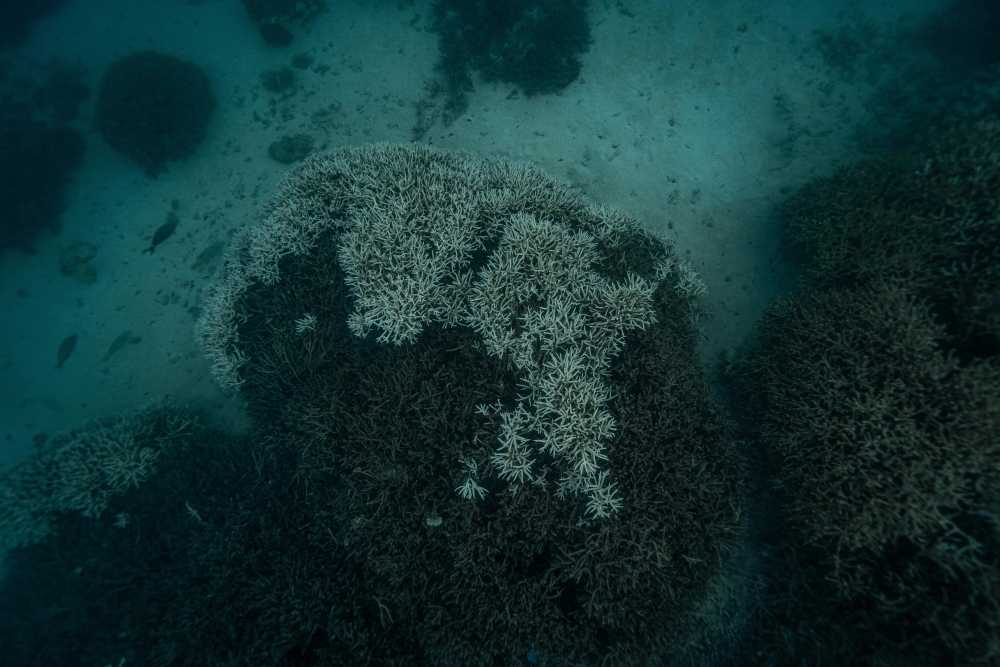
Hawaii's coral reefs are fragile, living ecosystems. Protecting them is not just a suggestion; it's the law.

Use Mineral-Based LOTION Only: By law, you must only use sunscreens with zinc oxide or titanium dioxide. Critically, avoid aerosol sprays. Even "reef-safe" sprays settle on the sand and wash into the ocean, harming the reef.
Apply Early and Often: Apply sunscreen 20 minutes before sun exposure and reapply every two hours, or immediately after swimming.
Respecting the Wildlife
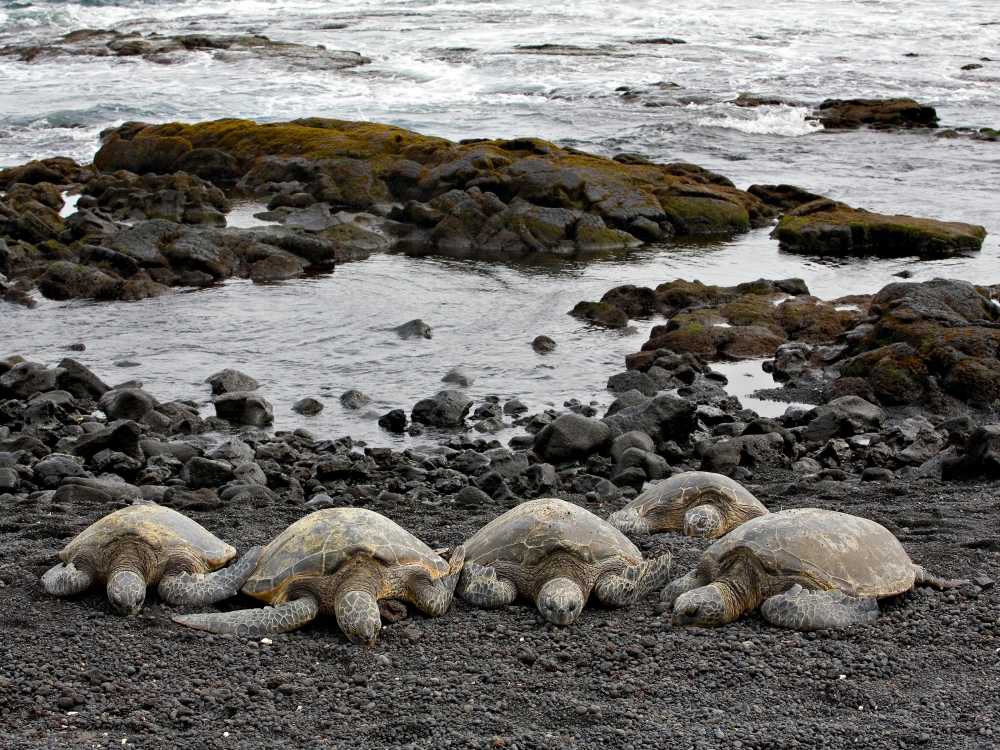
Hawaii is home to the Hawaiian green sea turtle (honu) and the endangered Hawaiian monk seal.

Keep Your Distance—It's the Law: You must maintain a distance of at least 10 feet (3 meters) from sea turtles and 50 feet (15 meters) from monk seals. It is illegal to touch, chase, or harass them.
View Responsibly: Use a zoom lens for photos. If an animal approaches you, calmly and slowly move away.
Frequently Asked Questions
What is the single most important thing to pack for a Hawaii family trip?
The most crucial item is reef-safe, mineral-based sunscreen LOTION. Sunscreens containing oxybenzone and octinoxate are banned in Hawaii to protect the coral reefs, and aerosol sprays are highly discouraged as they pollute the sand and water.
Is Hawaii a safe destination for toddlers and young children?
Absolutely. Many beaches are perfect for little ones, especially the man-made lagoons at Ko Olina on Oahu or the protected rock ponds at Lydgate Beach Park on Kauai, which have calm, waveless water perfect for safe splashing.
Do I really need to book Hawaiian activities in advance?
Yes, it is critical. Popular activities like lūʻaus, boat tours, surf lessons, and timed-entry parks like Hanauma Bay on Oahu often sell out weeks or even months in advance. Booking ahead is essential to avoid disappointment.
What are the essential types of shoes to bring to Hawaii?
You only need three pairs per person: water shoes for rocky beaches and tide pools, comfortable sandals or flip-flops for the beach and pool, and a pair of closed-toe sneakers for travel days and hiking.
Conclusion
The key to crafting the perfect trip isn’t about finding a secret beach; it’s about making a series of smart, informed choices. By implementing a strategic packing system and thoughtfully selecting age-appropriate activities, you transform the stress of planning into the joy of anticipation. You now have the framework to pack with confidence and design an itinerary that weaves together relaxation, adventure, and connection. This is how you create the legendary Hawaiian family vacation that becomes a key part of your family's story. For even more in-depth strategies on planning unforgettable trips anywhere in the world, explore our comprehensive Travel Guide. Aloha.
Read the full guide: Family Travel Ideas: The 2026 Guide to Unforgettable Trips
Don't Miss Out! Subscribe for Exclusive Content
SubscribeComments 0
No comments yet
Be the first to share your experience!
Dont Miss Out! Subscribe for Exclusive Content
Ultimate USA Holidays Guide: Top Picks
FTC Affiliate Disclosure Essentials: Stay Compliant as a Travel Creator
Essential Affiliate Tools: From Tracking to Full Optimization
Booking.com Affiliate Program Review: Pros, Cons, and Earnings Potential
Decoding Affiliate Commission Rates: Benchmarks for Travel Creators