
The Secret to a Solo Travel Blog People Actually Read

TrekGuider @trekguider
You’ve returned from a life-changing solo trip, your camera roll is full, and your head is buzzing with stories. You open up your laptop, ready to launch the blog you've been dreaming of, and... you freeze. Paralyzed by the thought that it's all been done before by influencers with perfect photos and unlimited budgets, you start to question everything. The pressure to present a flawless journey can feel immense, leaving you wondering if your own authentic, sometimes messy, experiences are even worth sharing.
What if the secret isn't to be perfect, but to be real? What if the moments of uncertainty, the budget-stretching decisions, and the quiet evenings spent alone are the very things that will make your readers connect with you on a deeper level? Your unique perspective is your single greatest asset. This is not just another list of generic topics. This is your playbook for turning your unique experiences—the good, the bad, and the beautifully mundane—into a solo travel blog that people will actually want to read.

First, Find Your Lane: Choosing a Powerful Solo Travel Niche
The travel blogging world is crowded, but most of it exists on a single, wide highway. The secret to standing out isn't to shout louder; it's to take a well-marked exit ramp into a specific niche.
"Niching down" isn't about limiting yourself; it's about becoming a big fish in a smaller, more passionate pond. Instead of being a generalist talking to everyone, you become the go-to expert for a specific type of solo traveler. This is how you build a loyal community that hangs on your every word.

For the Thrill-Seeker: The Adventurer
Your content revolves around the adrenaline of the journey, focusing on physically demanding, nature-based experiences.
"Training for the Inca Trail: My 3-Month Fitness Plan for Solo Hikers"
"My First Solo Scuba Dive: What to Expect in the Red Sea"
"Ranking the Best (and Safest) Destinations for Solo Rock Climbing"
"A Complete Gear Guide for a Multi-Day Solo Trek in Patagonia"
For the Knowledge-Seeker: The Culturalist
You travel for the stories, the art, and the history. Your blog is a treasure map to the world's most fascinating cultural experiences.
"How to Conquer the Uffizi Gallery in Florence as a Solo Traveler"
"Beyond the Temples: Finding Authentic Local Art in Kyoto"
"A Guide to Respectfully Visiting Historical Sites When You're Alone"
"The Ultimate 3-Day Historical Walking Tour of Rome for One"
For the Taste-Tester: The Foodie
Your itinerary is built around meals. You guide your readers on a culinary journey, helping them experience a destination one bite at a time.
"The Solo Foodie's Guide to the Best Street Food in Bangkok"
"How to Confidently Book a Table for One at a High-End Restaurant"
"I Took a Cooking Class in Tuscany Alone—Here’s What I Learned"
"Mapping Out the Perfect Solo Food Tour of Mexico City"
For the Quiet Observer: The Introvert
You prove solo travel isn't just for extroverts. Your blog focuses on mindful journeys, quiet retreats, and the profound joy of solitude.
"The Best Quiet Cafes in Paris for Reading and People-Watching"
"Why a Silent Retreat in a Japanese Monastery Was My Best Solo Trip Yet"
"A Guide to the Most Peaceful National Parks for Solo Exploration"
"How to Travel Solo Without Feeling Pressured to Socialize"
For the Savvy Saver: The Budget Backpacker
Your expertise lies in stretching every dollar. You provide actionable advice for long-term, sustainable travel on a shoestring.
"How I Traveled Through Southeast Asia for 3 Months on Under $3,000"
"An Honest Review of Hostel Life: The Good, The Bad, and The Smelly"
"The Ultimate Guide to Finding Cheap (But Amazing) Eats Anywhere"
"Workaway vs. Worldpackers: Which is Better for the Solo Traveler?"
Turn Problems into Your Best Posts
Every aspiring solo traveler has the same core fears: safety, loneliness, money, and logistics. When you address these fears head-on with honesty and practical advice, you don’t just get clicks—you build deep, lasting trust. Turning your fears into content is a powerful way to connect with readers. Of course, before you can write about overcoming these challenges, you need the right strategies to handle them in the first place. For a comprehensive breakdown of safety, budgeting, and planning, is your essential starting point. This is a crucial category of solo travel blog ideas because it provides immense value.

On Safety: Your Digital Bodyguard Content
"My Non-Negotiable Solo Female Safety Checklist for Southeast Asia"
"10 Things I Do to Feel Safer in a Hotel or Airbnb Alone"
"The Peace-of-Mind Apps on My Phone When I'm Traveling Solo"
"How to Handle Unwanted Attention: My Go-To Scripts"
On Loneliness: Writing About the Elephant in the Room
"What I Did When I Felt Crushing Loneliness in a Lisbon Crowd"
"A Guide to Making Friends on the Road (Even If You're an Introvert)"
"It's Okay to Be Sad: How I Deal with Homesickness During Long Trips"
"The Unexpected Joy of Dining Alone: A Mindset Shift"
On Money: From Budgeting Anxiety to Financial Freedom
"How I Saved $5,000 for My First Big Solo Trip (And You Can Too)"
"A Complete Breakdown of My Budget for One Month in Vietnam"
"The Worst Money Mistakes I've Made Traveling (And How to Avoid Them)"
"Credit Cards vs. Debit Cards vs. Cash: My Best Mix for Solo Travel"
On Photography: Nailing the Shot When You're the Whole Crew
"My No-Tripod Tricks for Amazing Solo Travel Photos"
"How to Ask Strangers to Take Your Photo (and Actually Get a Good One)"
"The Ultimate Guide to Using a GorillaPod and Your Phone's Self-Timer"
"The 'Video Screenshot' Hack That Changed My Solo Travel Photography"
Pro-Tip: When writing about challenges, use the "Problem-Solution-Transformation" framework. Start with the relatable problem ("I was terrified of eating alone"), explain your practical solution ("I started by sitting at the bar instead of a table"), and describe the transformation ("Now, it's one of my favorite parts of traveling and a great way to meet bartenders and other travelers").
The Unfiltered Guide: Reinventing the Destination Post
Forget the generic "Top 10 Things to Do" lists. Your readers crave authenticity. The best destination guides are filled with personal stories, honest opinions, and practical details that can't be found in a corporate guidebook. Share the mistakes and the magic.

The "First Impressions" Post
This is your raw, immediate reaction to a new place. It’s relatable and captures the feeling of arrival.
"24 Hours in Tokyo: The Honest Truth About Overwhelm and Wonder"
"My First Thoughts on Arriving in Cairo: A Sensory Overload"
"Landing in Iceland: What I Wish I'd Known Before Leaving the Airport"
The "Biggest Mistake" Post
Vulnerability builds trust. Sharing what went wrong is often more valuable than sharing what went right.
"The Tourist Trap I Fell For in Rome (And How You Can Avoid It)"
"Why I Hated My First Day in Paris (And How I Turned the Trip Around)"
"The Packing Mistake That Almost Ruined My Trip to the Andes"
The "A Day in the Life" Post
This format gives readers a true sense of your travel style. It’s less about a packed itinerary and more about the vibe.
"A Slow Travel Day in a Parisian Cafe: Journaling, Coffee, and Croissants"
"A Budget Backpacker's Day in Chiang Mai: Temples, Street Food, and Night Markets"
"My Digital Nomad Routine: A Work Day from a Beach in Portugal"
The "Hidden Gem" List
Go beyond the obvious landmarks. This is where you showcase your unique discoveries and provide immense value.
"5 Things to Do in Barcelona That Aren't in the Guidebooks"
"Forget the Main Square: Here Are the Best Neighborhoods to Explore in Prague"
"The Best Local Restaurant I Found in Florence (And How I Stumbled Upon It)"
Creative Formats to Keep Readers Hooked
Your blog doesn’t have to be an endless series of destination guides. Mixing up your content formats keeps your audience engaged and allows you to explore different facets of the solo travel experience, making your solo travel blog a dynamic resource.
Personal Essays: "How Solo Travel Forced Me to Face My Social Anxiety."
How-To Guides: "A Beginner's Guide to Using Public Transit in Europe."
Interviews: "I Interviewed a 70-Year-Old Solo Female Traveler: Here's Her Advice."
Gear Reviews: "The Only Backpack You Need for a Month-Long Trip: An In-Depth Review."
"A Week in My Wallet": A detailed, day-by-day spending diary from a specific city.
"What I Read on the Road": A list of books that shaped your journey.
Pro-Tip: Create templates for your most common post types. For example, have a "Day in the Life" template with sections for morning, afternoon, evening, what you ate, how much you spent, and a "vibe check." This streamlines your writing and creates consistency for readers.
Writing Blog Posts That Earn
From day one, you can be strategic about creating content that has the potential to earn an income. This isn't about selling out; it's about sustainably funding your work by providing genuinely valuable recommendations.

For Affiliate Income: The "Problem-Solver" Post
These posts recommend products or services you actually use and love. The key is to frame your recommendation as the hero of a story. Don't just list "My Favorite Power Bank." Write "The $30 Power Bank That Saved My Phone (and My Sanity) on a 14-Hour Train Ride."
"The 10 Travel Essentials I Never Leave Home Without"
"My Complete Solo Travel Tech Kit (Camera, Power Bank, and More)"
"Why Specific Travel Insurance is the Best for Solo Adventurers"
"The Most Comfortable Walking Shoes for Exploring Cities All Day"
For Building Your Email List: The "Lead Magnet" Post
Create content that naturally leads to a freebie (like a PDF checklist) that you offer in exchange for an email address. Your email list is one of your most valuable assets.
"My Ultimate Pre-Travel Planning Checklist (Get Your Free PDF!)"
"The 10 Most Important Phrases to Learn in Italian (Download the Cheatsheet)"
"How to Plan Your First Solo Trip in 10 Easy Steps (Free Workbook)"
For Selling Your Own Products: The "Appetizer" Post
Write a detailed, valuable free guide to a city, then offer a super-detailed, day-by-day downloadable itinerary for a small price for readers who want an expert plan without the work.
"The Perfect 3-Day Solo Solo Itinerary for Lisbon"
"How to Spend a Magical Week Alone in the Scottish Highlands"
"The Ultimate Solo Traveler's Guide to New York City"
Your Questions, Answered: A Solo Travel Blogger's FAQ
What should my first solo travel blog post be about?
Your first post should be your manifesto. Introduce yourself, share the story that sparked your love of solo travel, and most importantly, tell your readers why you're starting this blog and who it is for. Set the tone and make a promise about the authentic value you'll provide.
How do I make my travel blog stand out?
Find your unique niche and be ruthlessly authentic. Don't just share the postcard moments; share the challenges, the lessons learned, and your honest opinions. Your unique voice and real-world perspective are your biggest competitive advantages.
Do I need to be a great writer to start a travel blog?
You need to be a clear communicator. Write like you're talking to a friend. Use simple language, short paragraphs, and a conversational tone. Passion and honesty are far more important than a sophisticated vocabulary. You'll become a better writer simply by writing more.
Can I start a travel blog without traveling full-time?
Absolutely. Some of the most successful travel blogs are run by people with full-time jobs. You can blog about weekend trips, planning for a future big adventure, or exploring your own city like a tourist. Your audience will likely find this more relatable than the life of a full-time nomad.
Your Story Is Waiting
You’re standing at the trailhead of an incredible journey. That blinking cursor on a blank page isn't a barrier; it's a boarding pass. Every post you write, every story you share, and every fear you address is a step toward building something that is uniquely yours. This playbook of solo travel blog ideas is designed to give you the spark, but your experiences will provide the fire. Don't aim for perfection; aim for connection. Your story is waiting to be told.
Read the full guide: Anxious to Adventurous: The Ultimate Guide to Solo Travel Confidence
Don't Miss Out! Subscribe for Exclusive Content
Subscribe



Comments 0
No comments yet
Be the first to share your experience!
Dont Miss Out! Subscribe for Exclusive Content

FTC Affiliate Disclosure Essentials: Stay Compliant as a Travel Creator


Essential Affiliate Tools: From Tracking to Full Optimization

Avoid These 5 Affiliate Landing Page Mistakes for Better Conversions

Affiliate Keyword Research Mastery for Travel Blogs

Booking.com Affiliate Program Review: Pros, Cons, and Earnings Potential

Decoding Affiliate Commission Rates: Benchmarks for Travel Creators
Chicago Beer Fests: Top 6 Tastings
TrekGuider @trekguider
Chicago. The Windy City. A metropolis of staggering architecture, legendary deep-dish pizza, and a cultural pulse that's impossible to ignore. But for the discerning traveler, another current runs deep through its streets: a world-class, boundary-pushing craft beer scene. The problem? If you're searching for the best beer festivals Chicago has to offer, you're likely drowning in a generic sea of event listings and outdated guides. It’s a frustrating quest that can leave you wondering where the truly exceptional tasting experiences are hiding.
The agitation is real. You don't want to waste your precious travel time or money on a crowded, soulless festival with endless lines and a tap list dominated by macro-brews. You're hunting for something more—an authentic experience that pairs the city's vibrant energy with the innovative spirit of its local brewers. You risk missing out on that perfect pint, that unique seasonal ale enjoyed in a memorable setting, the very reason you sought out Chicago's beer culture. You want a curated path to the city's best pours, not just another tent in a park.
So, let's cut through the noise. I've personally vetted the city's event calendar to bring you a curated guide to the six most exceptional beer tasting experiences—moments that are woven directly into the fabric of Chicago's most iconic celebrations. This isn't just a list; it's your strategic plan for exploring the sudsy side of the city. We'll show you how to find craft beer havens at massive music festivals, what to sip while a river runs green, and where to find festive German lagers in the heart of downtown. These are the can't-miss moments that elevate a simple drink into a core Chicago memory, and they represent just one facet of the year-round excitement we detail in our complete guide to Chicago Holidays: Windy City Thrills.

1. Lollapalooza: An Unlikely Star Among Beer Festivals in Chicago
When you picture Lollapalooza, you see massive stages, roaring crowds, and a lineup of global music superstars. But tucked within this four-day musical marathon is one of the most unique settings for a craft beer experience in the city. Lollapalooza, taking over Grant Park from July 31 - the final day of the festival, is a city within a city, and its beverage program has evolved to satisfy the sophisticated palates of modern festival-goers.
Forget the days of limited options. The festival now boasts a dedicated "Craft Beer Oasis," a shaded haven where you can escape the pulsating crowds and explore a curated selection of Chicago's finest local breweries. Here, you can find everything from crisp, refreshing pilsners perfect for a sunny afternoon watching artists like Olivia Rodrigo or Sabrina Carpenter, to bold, hoppy IPAs that provide the perfect fuel for a night with headliners like Tyler the Creator, A$AP Rocky, and Korn.
Your Tasting Strategy:
Plan Your Pours: With gates open from 11 AM to 10 PM daily, pacing is key. Start your day with a lighter option, like a session ale or a kolsch, to stay hydrated. As the sun sets and the energy builds, transition to something with more character—perhaps a hazy IPA from a local favorite or a rich porter to savor during the final set.
Navigate Like a Pro: Before you even arrive, download the official Lollapalooza app. It’s your key to locating the craft beer tents, viewing digital menus, and identifying which vendors have the shortest lines. This simple step can save you precious time that is better spent enjoying the music.
Pairing is Everything: Think of your beer choice as part of the sensory experience. The bright, citrusy notes of a pale ale can perfectly complement the upbeat energy of a pop performance by an artist like TWICE, while the complex, dark notes of a stout might be the ideal companion for an intense rock set.
Pro-Tip: Lollapalooza is a "rain or shine" event. Pack a poncho. A sudden downpour can send crowds running for cover, creating the perfect five-minute window for you to walk right up to a beer tent with no line and discover your new favorite Chicago brew.

2. The St. Patrick's Day Green River Pour: A Uniquely Chicago Tradition
On Saturday, the Saturday before St. Patrick's Day, Chicago performs a miracle of civic engineering and festive spirit: it dyes its river a brilliant, shimmering emerald green. This spectacle, a tradition dating back to 1962, is the centerpiece of the city's St. Patrick's Day celebration and creates an unparalleled backdrop for a truly unique beer experience. While not a formal festival, the entire riverfront transforms into a massive, open-air party where the beer flows as freely as the green water.
The day kicks off as crews release 40 to 60 pounds of a secret, vegetable-based powder into the water, turning it a vibrant green for about five to six hours. This is followed by the grand parade—a tradition since 1843—which starts at 12:15 PM and marches down Columbus Drive. For a beer lover, the mission is clear: secure a spot with a view and a pint in hand.
Your Tasting Strategy:
Embrace the Theme: This is the one day of the year when ordering a green-dyed light lager is not just acceptable, but practically mandatory. It’s a novelty, a photo op, and a rite of passage for anyone celebrating in the city.
Seek Out Authenticity: Beyond the green beer, riverfront pubs and pop-up vendors will be pouring classic Irish styles. Look for a rich, creamy nitrogen-poured stout or a malty Irish red ale. These traditional brews offer a delicious, authentic contrast to the playful absurdity of the green river.
Location, Location, Location: The best views are from the bridges crossing the river or along the Riverwalk. Arrive early (by 9 AM) to claim your territory. Many local bars and restaurants with river views offer ticketed events that include drinks, providing a more comfortable (and less crowded) way to enjoy the spectacle.
This celebration is a photographer's dream. To make your photos of the emerald river and city skyline truly pop, consider using our collection of Free Travel Lightroom Presets, designed to enhance travel shots and make your memories look as vivid as the day itself.
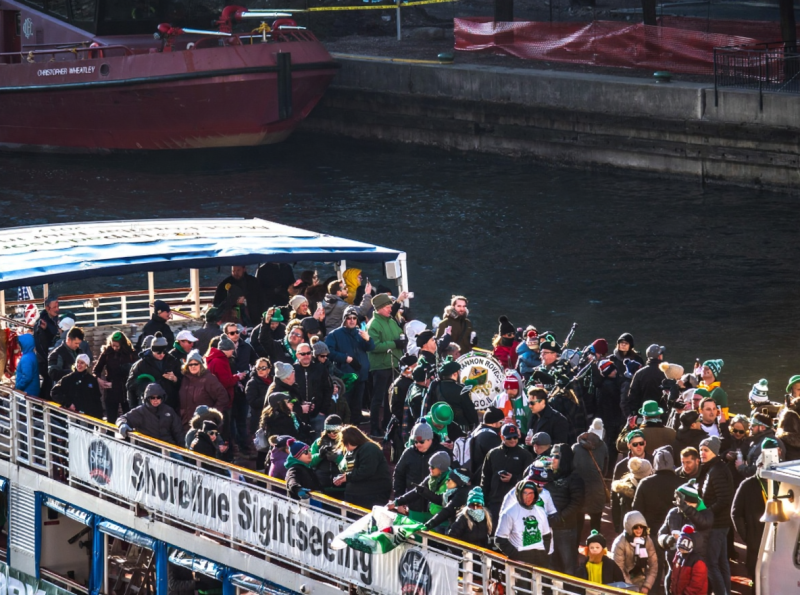
3. The Christkindlmarket Chalice: German Biers and Festive Cheer
As winter descends upon Chicago, Daley Plaza transforms into a magical, twinkling European village. This is the Christkindlmarket, a traditional German-style Christmas market that is at the heart of the city's holiday season. While families flock here for handcrafted ornaments and festive snacks, beer aficionados know it as the premier destination for authentic German winter brews.
The experience is famously centered around "Glühwein" (hot spiced wine), but the beer selection is equally impressive and essential to the market's charm. You won't find a sprawling list of experimental IPAs here. Instead, the focus is on classic, impeccably crafted German styles that are perfect for sipping in the chilly air.
Your Tasting Strategy:
Drink from the Boot: The most iconic part of the experience is drinking from the commemorative ceramic boot-shaped mug, or "Stiefel." Each year features a new design, making it a collectible souvenir. It’s the perfect vessel for a crisp German pilsner, a malty Märzen, or a dark, roasty Dunkel.
Explore Winter Styles: Look for seasonal specialties like a Doppelbock or a Winter Warmer. These beers are typically higher in alcohol and feature rich, malty flavors of caramel, toffee, and dark fruit, making them the perfect antidote to a cold Chicago evening.
Pair with German Fare: The beer is only half the story. Enhance your tasting by pairing your brew with traditional market food. A crisp pilsner cuts through the richness of a bratwurst, while the sweet maltiness of a bock beer beautifully complements a warm, soft pretzel or a bag of candied nuts.
Pro-Tip: The Christkindlmarket can get extremely crowded, especially on weekends. For a more relaxed tasting experience, visit on a weekday afternoon. You'll have more space to wander, shorter lines for beer and food, and a better chance to chat with the vendors about their offerings.

4. The July 4th Fireworks Flight: Patriotic Pints at Navy Pier
Independence Day in Chicago is a spectacular affair, culminating in a massive fireworks display over Lake Michigan, launched from the iconic Navy Pier. While thousands crowd the pier itself, the savvy beer lover knows the best experience is found away from the main throng, combining the stunning visuals with a curated taste of American craft brewing. This is your chance to create your own micro beer tasting against a patriotic backdrop.
The strategy is to find a rooftop bar or a comfortable perch with a clear view of the fireworks. Many establishments in the Streeterville and River North neighborhoods offer exactly this. The goal is to arrive by 7 PM, settle in, and order a "flight" of local craft beers to enjoy as the sky lights up.
Your Tasting Strategy:
Curate an All-American Flight: Work with your server to build a tasting flight that celebrates American brewing history and innovation. A perfect flight might include:
A Classic American Lager: A clean, crisp, and refreshing starting point.
An American Pale Ale (APA): The style that arguably launched the craft beer revolution, known for its balance of malt and citrusy hops.
A West Coast IPA: A bold, hop-forward brew that showcases the piney, bitter notes characteristic of the style.
A Midwest Stout: A rich, dark beer from a local Chicago or regional brewery, perhaps with notes of coffee or chocolate.
The Rooftop Advantage: Choosing a rooftop bar not only gives you a superior, less crowded view of the fireworks but also provides access to a full menu, comfortable seating, and proper glassware—all elements that elevate the beer tasting experience.
Timing is Key: Order your flight about 30-45 minutes before the fireworks are scheduled to begin. This gives you ample time to savor and compare each beer as the anticipation builds, culminating in the grand finale both in the sky and in your glass.

5. Neighborhood Street Fairs: The True Heart of Beer Festivals in Chicago
While the major events offer fantastic beer experiences, the heart and soul of the city's craft scene is found at its countless neighborhood street festivals. These weekend events, which pop up across Chicago's diverse communities from late spring to early fall, are the authentic gatherings that locals cherish. This is where you move beyond the big names and discover the hyper-local, experimental breweries that are pushing the boundaries of craft beer.
Exploring these festivals requires a spirit of adventure. One weekend you might be at a food-focused fest in the West Loop, the next at an art fair in Lincoln Park. The key is that nearly every one of them features a strong showing from local breweries, often pouring special, festival-only releases.
Your Tasting Strategy:
Follow the Breweries: Instead of searching for festivals, follow your favorite Chicago breweries on social media. They will always announce which neighborhood events they'll be pouring at, leading you directly to the best and most interesting beer selections.
Talk to the Brewers: At these smaller events, you often have the chance to speak directly with the brewers or brewery staff. Ask them what's new, what they're excited about, and what you should try. This insider access is invaluable for any true beer fan.
Go Beyond the Loop: Don't be afraid to hop on the 'L' train and explore festivals in neighborhoods like Logan Square, Pilsen, or Andersonville. This is where you'll find the city's most exciting and innovative breweries, far from the downtown crowds.
Discovering these hidden gems is the ultimate reward for any traveler. To plan your journey through the city's neighborhoods and uncover these and other off-the-beaten-path experiences, our comprehensive Travel Guide is the essential resource, packed with local insights and detailed maps.

6. The Cinco de Mayo Cerveza Celebration: Pints and Parades
On May 5th, Chicago's vibrant Mexican-American communities, particularly in the Little Village neighborhood, burst into celebration for Cinco de Mayo. The holiday, which commemorates the Mexican Army's 1862 victory at the Battle of Puebla, is marked by lively parades, incredible food, and, of course, fantastic beer. This is a cultural immersion that offers a unique and flavorful tasting experience far removed from a standard beer fest.
The centerpiece is the parade, a colorful procession of floats, dancers, and musicians. The surrounding streets become a festival in their own right, with vendors selling authentic Mexican cuisine and local bars and restaurants pouring a variety of Mexican and Mexican-inspired beers.
Your Tasting Strategy:
Start with the Classics: Begin with a classic Mexican-style lager. It’s light, crisp, and incredibly refreshing—the perfect beer for sipping in the sun while you watch the parade. Ask for it with a lime wedge for the full, traditional experience.
Explore Craft Interpretations: Many Chicago craft breweries create special releases for Cinco de Mayo. Look for creative interpretations like a lime-infused gose, a spicy habanero-laced stout, or a refreshing pale ale brewed with agave nectar.
The Ultimate Food Pairing: The real magic happens when you pair your beer with the food. The crispness of a lager perfectly cuts through the richness of tacos al pastor, while the subtle sweetness of an amber ale beautifully complements the smoky flavor of elotes (grilled street corn).
Your Ultimate Chicago Beer Adventure Awaits
Chicago's beer scene is as dynamic and diverse as the city itself. It isn't confined to traditional taprooms or designated festival grounds; it's woven into the very fabric of the city's greatest celebrations. By looking beyond the obvious, you can craft a tasting journey that is unique, memorable, and deeply connected to the local culture. From sipping German lagers at a Christmas market to enjoying an All-American flight during the July 4th fireworks, you now have the ultimate insider's guide to the best beer festivals Chicago has to offer—even the ones you didn't know existed. So go forth, raise a glass, and toast to the incredible spirit of the Windy City.
Don't Miss Out! Subscribe for Exclusive Content
SubscribeComments 0
No comments yet
Be the first to share your experience!
Dont Miss Out! Subscribe for Exclusive Content

San Francisco Cherry Blossoms: A Local's Guide to the Blooms

Halloween SF: Haunts Without Horrors

SF Festivals: 7 Must-See Lineups

Christmas SF: Lights & Wharf Wonders

SF Pride: 6 Route & Party Hacks

Chinese New Year SF: Parade Essentials
Budget Solo Travel: A Proven System for Trips Under $1000
TrekGuider @trekguider
Planning a solo trip should be thrilling. But for many, one question hangs in the air, casting a shadow of stress and analysis paralysis over the entire process: "How much will this actually cost?" You’ve scrolled through the endless, generic "tips," but you’re still left without a real plan, haunted by the specter of hidden fees, unexpected expenses, and the daunting idea that a trip under $1000 is pure fantasy.
This is not another list. This is your financial playbook. It’s a proven, three-phase system designed to dismantle uncertainty and empower you to plan an incredible adventure with total confidence. This guide to budget solo travel will give you the framework and the tools to build a realistic budget you can actually trust. A successful trip, however, involves more than just money. For a complete masterclass covering everything from safety to packing and meeting people, be sure to read our ultimate guide to .
The Strategic Foundation—The Decisions That Save the Most
The secret to a truly affordable solo trip isn't about pinching every penny until it screams. It’s about making a few smart, high-impact decisions long before you even think about packing. These foundational choices have the biggest impact on your bottom line and set the stage for a stress-free adventure.
Choose Your Playground Wisely
This is the single most important decision you will make. Your destination dictates the cost of everything else. A week in Zurich will cost exponentially more than a month in Hanoi, no matter how frugal you are. To keep your trip under $1000, you must focus on regions where your home currency has heavyweight buying power.
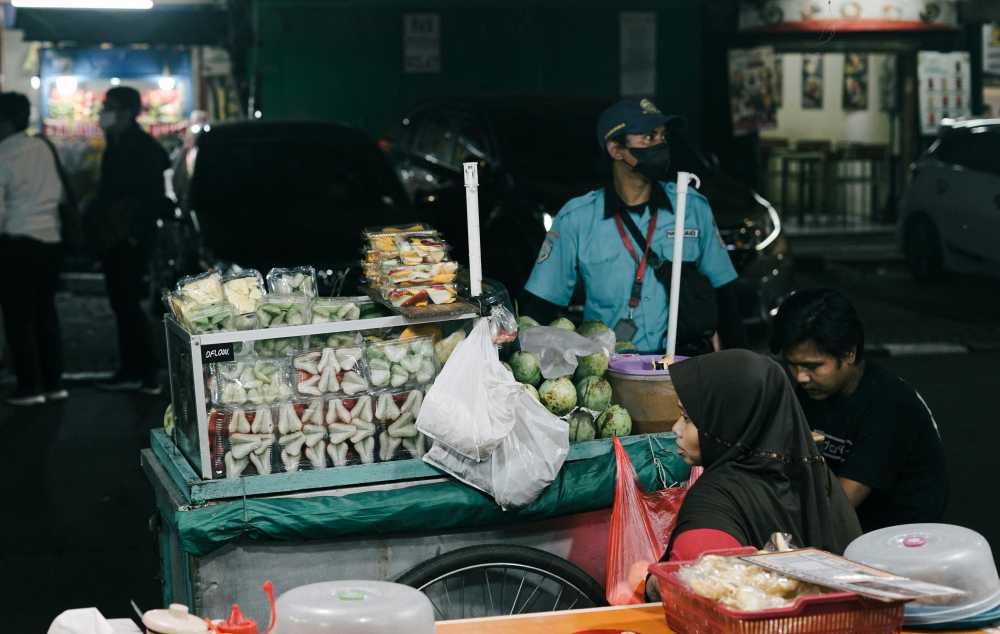
Southeast Asia (The Budget Gold Standard): Countries like Vietnam, Thailand, Cambodia, and Indonesia are legendary for a reason. You can feast on world-class street food for a couple of dollars, secure a clean, private guesthouse room for $20-$30, and witness breathtaking landscapes that cost absolutely nothing to enjoy.
Eastern Europe (Culture Without the Cost): Forget the well-trodden paths of Paris and Rome. Cities like Budapest (Hungary), Prague (Czech Republic), Krakow (Poland), and Lisbon (Portugal) offer centuries of history, stunning architecture, and vibrant culture at a price that feels like a pleasant time warp.
Latin America (Adventure Capital): For raw adventure and rich culture, destinations like Mexico, Colombia, Bolivia, and Guatemala provide unparalleled value. You can explore ancient Mayan ruins, hike active volcanoes, and immerse yourself in dynamic local life, all on a remarkably modest budget.

Master the Calendar
Timing isn't just important; it's everything. Every destination has three travel seasons, and knowing the difference is like having a cheat code.
High Season: Peak tourist time with postcard-perfect weather, but also the biggest crowds and eye-watering prices.
Low Season: The off-season, often with challenging weather, fewer open attractions, and rock-bottom prices.
Shoulder Season: The magic window. Nestled between the high and low seasons (typically April-May and September-October in the northern hemisphere), this is the budget traveler's sweet spot.
Traveling during the shoulder season means you get the best of both worlds: pleasant weather, far fewer tourists cluttering your photos, and dramatic drops in the cost of flights and accommodations. Visiting the Greek Islands in May instead of July, for instance, can easily cut your two biggest expenses by 30-50%.
Build Your Budget Blueprint
Let’s reframe the word "budget." It isn't a restriction; it's a permission slip. A well-crafted budget doesn't tell you what you can't do; it gives you the freedom to do what you want to do, without the guilt or anxiety. Here’s how to build one you can rely on.
Set Your Ceiling: Before anything else, define your absolute maximum trip cost. For this playbook, we're targeting a complete trip under $1000.
Become a Researcher: Open a spreadsheet and start plugging in real numbers. Use sites like Kayak, Booking.com, and detailed travel blogs to estimate average costs for your chosen destination. Be thorough.
Flights/Major Transport: Your biggest single purchase.
Accommodation: Your largest daily expense.
Food & Drink: A realistic mix of meals out, street food, and groceries.
Activities & Tours: Museum entries, day trips, cooking classes.
Local Transport: Subways, buses, and the occasional ride-share.
Travel Insurance: Non-negotiable. Don't even consider leaving home without it.
Build a Financial Safety Net: This is the pro move. Once you have your total estimated cost, add a 15-20% "contingency fund." This isn't for overspending; it’s for the unexpected. It’s the money that lets you say "yes" to a spontaneous adventure or handle a missed train without a panic attack. It’s the key to true peace of mind.

With that blueprint in hand, it’s time to move from strategy to action.
The Booking Engine—Locking in Value on Your Biggest Expenses
This is where the rubber meets the road. With your strategic plan in place, you can now book the core components of your trip with surgical precision, ensuring you get the absolute best value for every dollar spent.
Accommodation Strategy
For a solo traveler, a standard hotel room is almost always the least imaginative and most expensive option. The world of alternative accommodations is where you’ll find incredible value and far more interesting experiences.
Hostels (The Social Hub): The undisputed champion of budget solo travel. They offer dorm beds for incredibly low prices and have a built-in social atmosphere that’s perfect for meeting other travelers. If dorms aren’t your scene, a private room in a quality hostel gives you the perfect blend of privacy and community at a price well below a hotel.
Guesthouses & Local Inns: These smaller, often family-run establishments offer a direct line to the local culture. They're typically much cheaper than large hotel chains and infinitely more charming.
Apartment Rentals (with a Kitchen): For stays of three days or more, sites like Airbnb can be fantastic value. The real secret weapon here is the kitchen. Being able to prepare your own breakfast and the occasional dinner will slash your daily food costs.

How to Slay the Single Supplement Dragon
The "single supplement" is an infuriating fee that tour companies and cruise lines charge solo travelers to cover the perceived loss of a second person in a double-occupancy room. It’s a penalty for your independence, and you should refuse to pay it. Here’s how:
Seek Out Solo-Friendly Companies: Tour operators like Intrepid Travel, G Adventures, and Overseas Adventure Travel are built for travelers like you. They’ll match you with a same-sex roommate to eliminate the fee entirely.
Use the Calendar to Your Advantage: Companies are far more likely to waive the fee during the shoulder season when they have more empty spots to fill.
Become a Last-Minute opportunist: If your schedule is flexible, call companies a week or two before a tour's departure. They may be desperate to fill a final spot and will gladly waive the fee to make a sale.
Don't Be Afraid to Ask: If a solo option isn't listed online, pick up the phone. A friendly, direct request can often work wonders.
Transportation Hacks
Getting from Point A to Point B is a major budget item. A few smart moves here can free up hundreds of dollars for more exciting things.
Pack Light, Win Big: Master the art of carry-on-only travel. Checked baggage fees are a massive profit center for airlines, especially budget carriers. A well-packed carry-on is free, keeps you nimble, and prevents the nightmare of lost luggage.
Make Your Travel Day Your Hotel Night: For longer overland journeys, an overnight train or bus is a brilliant two-for-one hack. It combines your transportation and accommodation costs into a single ticket, saving you a night's expense and a full day of travel time.
Be a Flexible Flier: Use flight aggregators like Google Flights and Skyscanner like a pro. Their "price graph" and "entire month" views are your best friends, instantly showing you the cheapest days to fly. Always search in an incognito browser to prevent price hikes based on your search history.
Pro-Tip: When comparing flight prices, always factor in the "hidden" cost of airport transfers. A flight that looks $50 cheaper might land at a remote airport where a $70 taxi ride is your only option, completely negating your savings.
The Execution Playbook—Living Smart on the Ground
You’ve arrived. Your careful planning has paid off. Now, it's all about execution. Your daily habits and micro-decisions will determine your budget's success. This is where you shift your mindset from "tourist" to "savvy local."
The Food Budget
You don’t have to survive on protein bars to eat affordably. The key is a "High-Low" hybrid approach that lets you experience the best of the local food scene without blowing your budget.
Make Lunch the Main Event: In many cultures, lunch is the biggest meal of the day. Look for a "menu of the day" (or menu del día) where you can get a multi-course, high-quality meal for a fantastic price. Have a lighter, cheaper dinner.
Go on a Supermarket Safari: Your local grocery store is more than just a place for supplies; it’s a cultural institution. It’s perfect for grabbing breakfast items, picnic lunches, and local snacks.
Trust the Streets: In many destinations, especially in Asia and Latin America, the best, most authentic food is found at bustling street food stalls for a dollar or two. It’s a delicious, ultra-affordable way to dive deep into the local cuisine.
Maximize Your Experience, Not Your Spending
The most memorable travel moments are rarely the most expensive. Every city is overflowing with incredible, zero-cost experiences for those who know where to look.
Take a Free Walking Tour (On Day One): This should be your first activity in any new city. It’s a crash course in history, layout, and local culture. You’ll get your bearings and receive priceless insider tips from your guide. Just be sure to tip them what you feel the tour was worth.
Explore Public Parks and Spaces: From the lush gardens of Paris to the sprawling beaches of Rio, a city's public spaces are its soul. They cost nothing to enjoy and are perfect for people-watching.
Hunt for Free Museum Days: Nearly every major museum offers free admission on certain days of the month or evenings of the week. A quick Google search can save you a significant amount on entry fees.
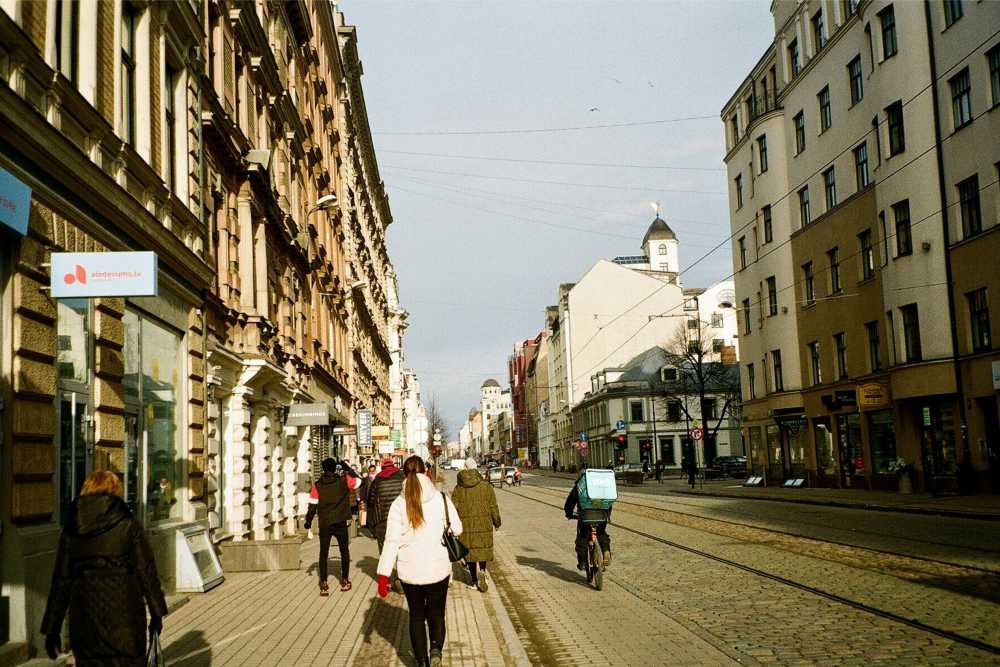
Embrace the Art of Wandering: The single best way to discover a city's hidden courtyards, charming side streets, and authentic local life is to put away the map and simply wander.

Your Blueprint for Affordable Adventure
This isn't just a collection of tips; it's a mindset. You now understand that successful budget solo travel is not a competition to spend the least amount of money possible. It's about the strategic allocation of your resources to maximize experience, discovery, and joy. It's the difference between being cheap and being smart.
Avoid the trap of "false economies"—like booking a hotel far outside the city to save $10, only to spend $15 and two hours on transport each day. But also, know when to embrace the "strategic splurge"—that one incredible meal, cooking class, or guided tour that will become the key element memory of your entire trip. You have the playbook. You have the system. You have the confidence to reject the anxiety of the unknown and step into the incredible freedom of solo travel. The world is not as expensive as you think.
Frequently Asked Questions (FAQ)
How much money do I really need for a trip under $1000?
Excluding your main international flight, a budget of $1000 can comfortably last for 2-4 weeks in high-value regions like Southeast Asia or parts of Eastern Europe. For a one-week trip including flights from the US, you’ll need to target shoulder-season deals to nearby destinations like Mexico and Central America, or watch for flash sales to Europe.
Is it cheaper to stay in a hostel or an Airbnb when solo?
A hostel dorm bed will almost always be your cheapest nightly option. A private room in a hostel is often comparable in price to a basic room in an Airbnb. An entire Airbnb apartment only becomes cost-effective if you stay long enough and use the kitchen religiously to offset the higher upfront cost.
What are the best apps for budget solo travel?
Skyscanner/Google Flights: For finding the cheapest flight dates.
Hostelworld/Booking.com: For finding and booking affordable accommodation.
Rome2rio: For figuring out the cheapest way to get between cities.
Trail Wallet/TravelSpend: For tracking every penny of your expenses in real-time.
How do I handle currency conversion and ATM fees abroad?
First, get a debit card from a bank that charges zero foreign transaction fees and reimburses ATM fees (Charles Schwab Bank is excellent for this). Always decline the "dynamic currency conversion" offered by ATMs and card machines—it's a scam with a terrible exchange rate. Always choose to be charged in the local currency.
Read the full guide: Anxious to Adventurous: The Ultimate Guide to Solo Travel Confidence
Don't Miss Out! Subscribe for Exclusive Content
SubscribeComments 0
No comments yet
Be the first to share your experience!
Dont Miss Out! Subscribe for Exclusive Content

Ultimate USA Holidays Guide: Top Picks
FTC Affiliate Disclosure Essentials: Stay Compliant as a Travel Creator
Essential Affiliate Tools: From Tracking to Full Optimization
Booking.com Affiliate Program Review: Pros, Cons, and Earnings Potential
Decoding Affiliate Commission Rates: Benchmarks for Travel Creators
