
Solo Travel Europe Without Going Broke: A Realist's Guide

TrekGuider @trekguider
Does the dream of a solo trip through Europe—wandering Rome’s ancient streets, finding the perfect café in Lisbon, or watching the sunset over the Danube in Budapest—feel just out of reach because of one major hurdle? The cost. For years, the myth has persisted that a European adventure requires a massive savings account. You've seen the glamorous photos, but you’re agitated by the nagging fear that traveling alone means paying double for everything and draining your bank account.
Let's put that fear to rest. The fantastic news is that this financial barrier is crumbling. The travel industry is finally waking up to the power of the solo traveler, and a smarter, more affordable way to explore the continent has emerged. This guide is your complete playbook for an incredible solo travel Europe adventure on a budget. We'll show you how to leverage Europe’s incredible network of hostels and trains, not as a sacrifice, but as a real advantage for a richer journey. These are the essential that transform financial anxiety into confident exploration.
The First, Most Important Decision: Mastering Europe's Budget Map
The single most powerful decision you will make for your budget happens before you book a single hostel or train ticket: choosing where to go. The secret to affordable solo travel Europe is understanding that the continent has two distinct economic personalities. Your first strategic move is to divide your map into two zones: the pricier West and North, and the wonderfully affordable East and South.
This isn’t about sacrificing iconic experiences; it’s about being smart. A daily backpacker budget in Western Europe (think France, the UK, Switzerland) can easily run you $75-$125. That same travel style in Eastern Europe (Hungary, Poland, Czech Republic) will cost closer to $40-$70. To put it bluntly: a single dinner in Zurich can cost more than your entire day’s budget in Krakow.
Your Budget-Friendly Hubs (East & South): These regions are your financial superpower. They offer world-class history and vibrant culture at a fraction of the cost. Prioritize cities like:
Budapest, Hungary: Famous for its stunning architecture and thermal baths.
Krakow, Poland: A historical gem with a lively, youthful energy.
Prague, Czech Republic: A fairytale city of spires and bridges.
Lisbon, Portugal: Coastal charm, fantastic food, and a laid-back vibe.
Seville, Spain: The heart of Andalusia, with passionate culture and sunny plazas.
Athens, Greece: The cradle of Western civilization, with ancient wonders at every turn.
The Splurge-Worthy Destinations (West & North): This doesn't mean you have to skip London, Paris, or Amsterdam. It just means you visit them strategically.
Pro-Tip: Embrace the "Hybrid Trip" Strategy. Don't think in terms of "either/or." Plan to spend the bulk of your trip—say, two weeks—exploring the more affordable regions. This allows you to "bank" significant savings, which you can then deploy for a shorter, more focused four or five-day splurge in a bucket-list city like Paris without breaking the bank.
Forging Your Financial Compass
A budget isn’t a restriction; it’s a tool of empowerment. It’s what allows you to travel without financial stress. Instead of a single magic number, let's break down the costs so you can build a personalized plan.
Deconstructing the Daily Costs: Where Does the Money Go?
Forget generic advice. Your daily budget is a deeply personal number that hinges on your travel style. To give you a real-world compass, we’ve broken down the three most common approaches we see on the road:
The Bare-Bones Backpacker: $45-$65 per day. This is for the traveler who stays exclusively in hostel dorms, cooks most meals in the hostel kitchen, and focuses on free activities like walking tours and exploring neighborhoods on foot.
The Savvy Mid-Ranger: $75-$130 per day. This is the sweet spot for most. It allows for a mix of hostel dorms with the occasional private room, eating one meal out per day at a casual spot, visiting paid attractions, and enjoying the local nightlife.
The Comfort-Conscious Budgeter: $135+ per day. This budget allows for private rooms in hostels or budget hotels, dining out more frequently, and participating in unique paid experiences or guided tours.
Pre-Trip Savings vs. On-the-Ground Spending
Remember that a significant chunk of your budget will be spent before you even leave home. Factor in these major upfront costs:
International Flights: Use tools like Google Flights and Skyscanner with flexible date searches to find the best deals.
Travel Insurance: This is non-negotiable. It’s your ultimate safety net for medical emergencies or trip cancellations.
Essential Gear: A quality, comfortable backpack and two pairs of versatile shoes are your most important investments.
For your money on the ground, be a financial ninja. Get a credit or debit card with no foreign transaction fees (like the Chase Sapphire Preferred or Capital One Venture). These 2-3% charges on every purchase add up shockingly fast. Crucially, always avoid the bright blue and yellow Euronet ATMs. They are predatory, charging outrageous conversion rates and hidden fees. Stick to official bank ATMs—look for the logos of major national banks like Deutsche Bank, BNP Paribas, or Santander. Your wallet will thank you.
Sleep Smart, Save Big
For solo travelers, where you sleep is more than just a bed—it’s your social hub, your sanctuary, and your savings engine.
Hostels: Your Social Hub and Savings Engine
Hostels are the undisputed key element of budget travel in Europe. A dorm bed will typically cost between $25 and $45, a massive saving compared to a hotel. But their true value lies beyond the price tag.
Built-in Community: Hostels are designed for social interaction. The common areas, shared kitchens, and organized events (like free walking tours or pub crawls) make it incredibly easy to meet other travelers if you choose to.
Safety & Security: Modern hostels are safer than ever. Look for properties with 24-hour reception, secure individual lockers for your valuables (always bring your own padlock), and female-only dorms if that makes you more comfortable.
Amenities that Save: The communal kitchen is a budget game-changer. Cooking just a few meals a week can save you hundreds over a long trip.
When booking on sites like Hostelworld, read recent reviews like a detective. Pay close attention to comments on cleanliness, location, security, and the overall "vibe" to find the perfect fit for you.
Beyond the Dorm: Other Budget-Friendly Options
While hostels are king, they aren't your only choice. The rise of "lifestyle" hotel brands like Moxy offers smaller, stylish single rooms that can be a great value. Renting a private room on Airbnb is another option, though often pricier than a hostel. A key piece of good news: the dreaded "single supplement" fee is slowly dying. The industry has recognized the solo travel boom, and more companies are offering true single-person pricing. Once you've locked in your home base, the next piece of the puzzle is mastering the art of getting from A to B without draining your travel fund.
Mastering the Rails & Roads
Europe’s transport network is a marvel, but choosing the cheapest option requires a strategic trade-off between cost, time, and convenience. This is a critical component of your plan for solo travel Europe on a budget.
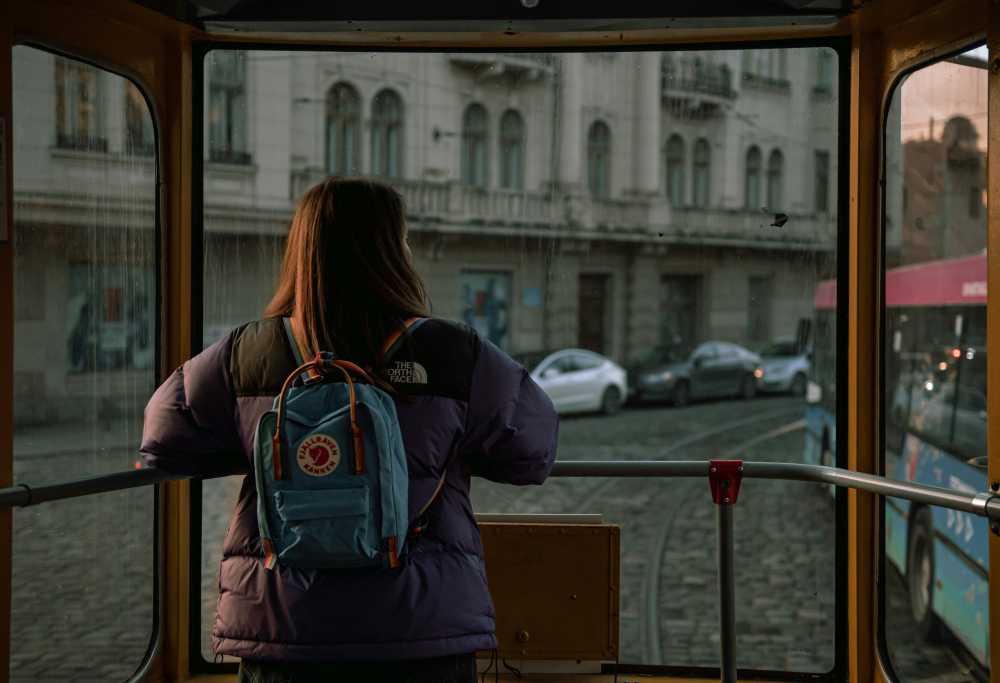
Eurail Pass vs. Point-to-Point Tickets
Is a Eurail Pass worth it for a solo traveler? The answer is: it depends.
Get a Eurail Pass if: You crave ultimate flexibility and plan to travel extensively through expensive countries like Germany, Switzerland, and Austria, where last-minute train tickets are costly.
Buy Point-to-Point Tickets if: You have a relatively fixed itinerary and are focusing on Southern or Eastern Europe. Booking individual bus or train tickets in advance on platforms like Omio or Trainline is almost always cheaper.
Pro-Tip: Before you buy a pass, map out your ideal route and price out each individual leg of the journey. Compare that total to the cost of the pass. This simple exercise can save you hundreds of dollars.
Eating Like Royalty on a Pauper's Budget
Forget surviving on instant noodles. Eating affordably in Europe can be one of the most delicious and authentic parts of your journey.
The Holy Trinity of Budget Eating
Supermarkets & Picnics: This is your #1 money-saving tactic. Visit a local grocery store or an outdoor market. Buy a fresh baguette, some regional cheese, local cured meats, fruit, and a bottle of wine for a few euros. Enjoying this feast in a Parisian park or along a Venetian canal is a 5-star experience at a 1-star price.
Hostel Kitchens: Cooking dinner with new friends in the hostel kitchen is a quintessential backpacking experience. It’s social, fun, and incredibly cheap.
Street Food & Local Markets: From gyros in Greece to pierogi in Poland, covered food halls and street food stalls are where you’ll find authentic, delicious local food for just a few dollars.

Smart Restaurant Hacks
When you do dine out, eat smart. Embrace the lunch special. Across Europe, especially the menu del día in Spain (which typically includes a starter, main, dessert, and a drink for a set price), restaurants offer multi-course lunch menus for a fraction of their dinner prices. And always use the Five Block Rule: walk at least five blocks away from any major tourist attraction before choosing a restaurant. You’ll almost always find better food at a lower price.
Two Field-Tested Budget Itineraries
Let's make this real. Here are two sample itineraries showing these principles in action.
The 3-Week Eastern Europe Classic (€50/day)
Route: Prague → Krakow → Budapest → Belgrade
The Vibe: This is the ultimate budget-friendly route through the heart of Central and Eastern Europe. You’ll experience stunning history, incredible nightlife, and delicious food and beer, all while your daily costs stay incredibly low. Transportation between these cities is fast, cheap, and easy via bus or train.
The 3-Week "Best of Both" Hybrid (€85/day)
Route: Lisbon → Seville → (Fly to) Rome → Florence → (Overnight bus to) Ljubljana
The Vibe: This itinerary demonstrates the Hybrid Strategy. You start in affordable and beautiful Portugal and Spain, then take a strategic budget flight to tackle your Italian bucket list. You finish in charming, budget-friendly Slovenia, using an overnight bus from Italy to save on both transport and a night's accommodation.
Your Top Budget Questions, Answered
How much money do I need for 1 month of solo travel in Europe?
A solo traveler can expect to spend between $1,500 (frugal backpacker in the East) and $4,500 (mid-range traveler including the West) for a one-month trip. Your destination choices and travel style are the biggest factors.
Is Europe safe for a first-time solo female traveler?
Absolutely. Europe is generally very safe for solo female travelers. Countries like Iceland, Portugal, and Slovenia are consistently ranked among the safest in the world. Standard precautions—being aware of your surroundings, securing your belongings, and trusting your gut—are key.
What is the absolute cheapest way to travel between countries in Europe?
The bus is almost always the cheapest option. Companies like Flixbus have an extensive network with fares as low as $5, making them a backpacker's best friend.
Should I travel in the summer or the off-season?
For budget travel, the shoulder seasons (April-May, September-October) are perfect. You’ll get pleasant weather with far fewer crowds and significantly lower prices for flights and accommodation compared to the peak summer months.
You now have the framework for an affordable and unforgettable European adventure. The key to a successful solo travel Europe journey on a budget isn't about restriction; it's about smart, strategic planning. By choosing your destinations wisely, embracing the social and economic power of hostels, and mastering the continent's incredible public transport, you transform a dream into an achievable, actionable plan. The freedom of the open road—and the railway—is yours for the taking.
Read the full guide: Anxious to Adventurous: The Ultimate Guide to Solo Travel Confidence
Don't Miss Out! Subscribe for Exclusive Content
Subscribe



Comments 0
No comments yet
Be the first to share your experience!
Dont Miss Out! Subscribe for Exclusive Content

Top 11 High-Paying Affiliate Programs for Travel Bloggers


High-Paying Affiliate Opportunities for Individual Travel Affiliates

Amazon Associates for Travel: Strategies to Maximize Commissions

How to Avoid Travel Scams: A Global Guide

A Woman's Guide to Safe Travel: 10 Critical Tips

7 Hotel Safety & Security Tips for Peace of Mind
9 Food Travel Blogs for Culinary Adventures
TrekGuider @trekguider
You're planning a trip, dreaming of sizzling street food, hidden family-run trattorias, and flavors you'll remember for a lifetime. But your research keeps hitting a wall. You're tired of the same generic "top 10 eats" lists that lead you to overpriced, mediocre tourist traps. It’s a frustrating cycle of clicking through sponsored reviews and superficial recommendations, leaving you feeling like you’ve barely scratched the surface of a destination’s true culinary soul. You end up on the wrong side of town, eating a forgettable meal, knowing you’re missing out—on the vibrant market stalls, the rich history behind the local dishes, and the genuine connection to a culture that only happens through its food.
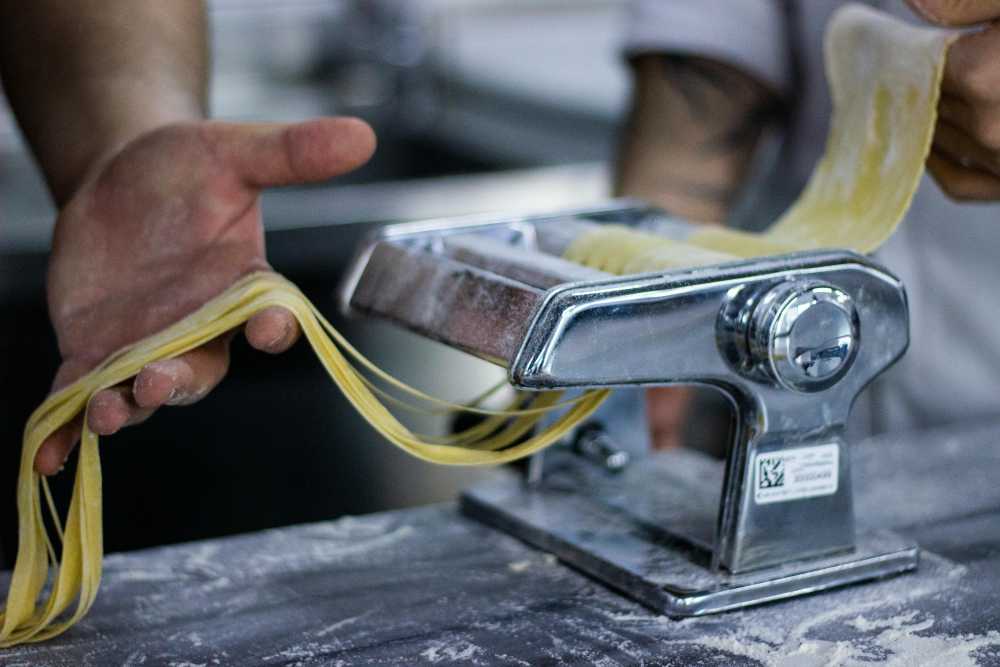
The solution is to stop following travel writers and start following culinary storytellers. The best food travel blogs go far beyond the plate. They are your expert guides to the history, people, and traditions that make a cuisine come alive. These creators understand that a dish is more than its ingredients; it’s a story waiting to be told. They take you on deep dives into local markets, introduce you to the artisans preserving tradition, and even teach you how to recreate iconic dishes yourself. This is how you transform a simple vacation into a true culinary adventure.
As we explore in our definitive guide to The Best Travel Blogs to Follow in 2026, finding the right niche expert is the single most important step in planning a transformative trip. This curated list will introduce you to the nine most valuable resources for planning your next food-focused journey.
Why Trust This List? Our Vetting Process
In a world saturated with algorithm-chasing 'Top 10 Eats' lists and perfectly filtered food photos, how do you find advice you can actually trust? More importantly, how do you distinguish a genuine culinary storyteller from a simple restaurant reviewer?
Our selection process is grounded in a dual-factor framework that combines hard data with the human element of excellence. We start with quantitative metrics like Domain Authority (DA), a score that a website's credibility to search engines, and social media engagement rates—which, according to recent market analysis, are far more telling than simple follower counts. This gives us a baseline of a blog's influence.
But data only gets you so far. The second, more crucial layer is a qualitative audit. We carefully analyze each blog for:
Deep Niche Expertise: The era of the generalist is over. We prioritize blogs that demonstrate profound, narrow expertise, establishing themselves as the go-to authority on culinary travel.
Originality & A Distinct Voice: We look for compelling storytellers, not content machines. The blogs on this list are run by writers with a unique perspective and a clear, engaging authorial voice.
Authenticity & Transparency: Trust is the currency of the creator economy. We select blogs that are transparent about their partnerships and share the complete picture of their journeys—the great, the good, and the occasional disaster.
This rigorous process ensures every blog featured here is not just popular, but genuinely valuable, trustworthy, and an authoritative resource for any traveler who believes food is the ultimate gateway to culture.

The Best Food Travel Blogs for Authentic Local Cuisine
These creators have dedicated their careers to seeking out the most authentic food experiences across the globe. They excel at telling the stories behind the food, providing the context that turns a meal into a memory.
1. Migrationology
Run by the endlessly enthusiastic Mark Wiens, Migrationology is a masterclass in using food as a lens for culture. Wiens’s philosophy is simple: “Food is the reason you should travel.” He goes far beyond restaurant reviews, creating mini-documentaries and articles that explore the history and cultural significance of every dish. His post on , for example, isn't just a review; it's an exploration of Malaysia's national dish, its regional variations, and its place in the heart of the Malaysian people. This is the blog you read to understand the why behind what you’re eating.
2. Legal Nomads
Jodi Ettenberg started Legal Nomads after leaving her career as a lawyer to travel the world. Her site has since become a treasure trove of narrative-driven food writing. What sets Legal Nomads apart is its intellectual curiosity. A prime example is Jodi's "," which traces the global migration of the humble chili from its origins in the Americas to its integration into cuisines across Asia and Europe. This dedication to deep-dive, historical content provides a rich, educational context you simply won't find on other platforms.
3. 2foodtrippers
Run by Daryl and Mindi Hirsch, 2foodtrippers is an invaluable resource for travelers who want practical, actionable food guides without any fluff. They are masters of the city-specific food guide, providing well-researched lists that help you eat well from your first day in a new destination. Their " " is a perfect example of their style: comprehensive, easy to navigate, and focused on authentic local specialties, from pastéis de nata to bifana sandwiches. They take the guesswork out of culinary exploration.
4. Authentic Food Quest
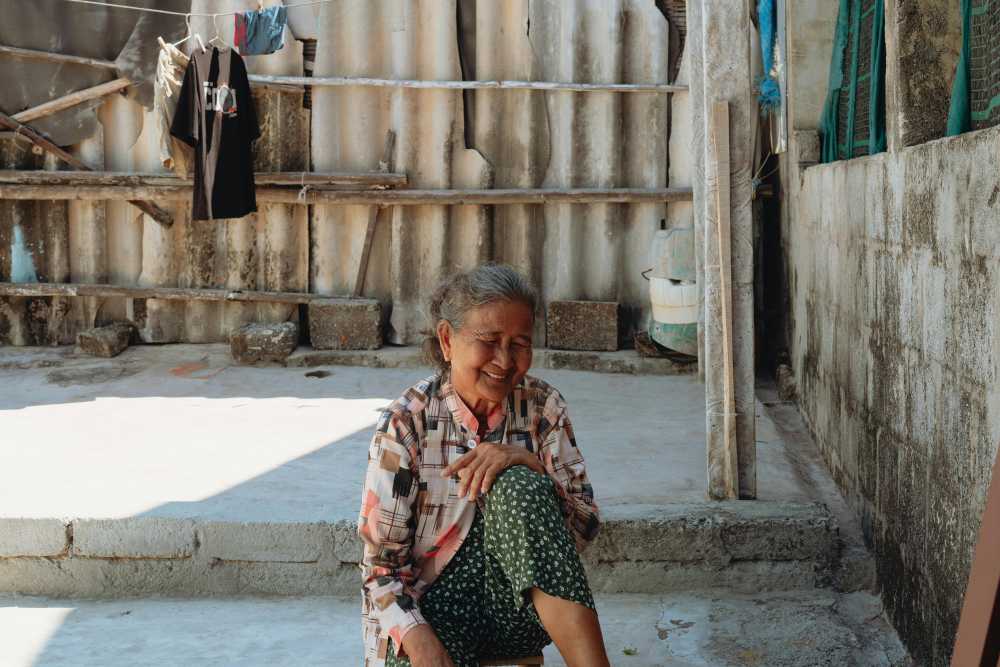
Claire and Rosemary, the founders of Authentic Food Quest, are on a mission to help travelers discover traditional dishes and the local food heroes who make them. Their entire philosophy is built around moving "beyond the tourist traps." They distinguish themselves by focusing heavily on participatory experiences. Their content consistently champions taking cooking classes on your travels, arguing it's one of the best ways to connect with a culture. This focus on hands-on learning makes their blog an essential read for anyone who wants to be an active participant in their culinary journey.
5. Will Travel for Food
JB and Renée are the creators of Will Travel for Food, a blog perfectly tailored for people visiting a destination for the first time. They specialize in creating comprehensive guides to the best local food in cities known for their culinary scenes. Their post, " ," is an accessible yet thorough introduction that helps newcomers navigate a complex food landscape with confidence. They excel at making exotic food scenes feel approachable and exciting for beginners.
6. The Travel Bite
The Travel Bite, founded by Rachelle Lucas, masterfully bridges the gap between travel and home cooking. While many blogs focus exclusively on the experience of eating abroad, The Travel Bite empowers you to bring those flavors back with you. Rachelle often includes recipes for iconic dishes she encounters on her travels, like her post on " ." This approach makes the blog incredibly valuable, extending the life of your culinary travels from a fleeting moment to a skill you can enjoy for years to come.
Your Culinary Adventure Awaits
Ready to plan a trip that tantalizes your taste buds? A great culinary journey starts with flawless planning. Don't let forgotten visas or last-minute packing stress get in the way of your next great meal.
Download our free International Travel Checklist today! It’s the ultimate step-by-step resource to ensure you're prepared for every aspect of your trip, so you can focus on what really matters: the food.
The New Wave of Food Travel: It's All About the Experience
The most sophisticated food travel blogs have evolved. They recognize that modern travelers crave immersion, not just information. This isn’t just a trend in food; it’s a seismic shift across the entire travel landscape. Our market analysis shows consumers are moving from passive observation to active participation. Food travelers now seek cooking classes over restaurant lists, and luxury travelers desire authentic cultural connections beyond opulent hotels. The most successful content is no longer a list, but an experiential guide. Here’s how top creators are leading the charge.
The Culinary Historian
A growing number of travelers are seeking more than just a good meal; they want to understand its context. This has given rise to a style of content best described as the "culinary historian" approach. These creators are digital storytellers who connect dishes to their cultural and historical roots. You can see this in the work of blogs like Migrationology and Legal Nomads, which transform a food review into a compelling lesson in history.
Pro-Tip: When you find a dish you love, search for its name plus "history" or "origin story." You'll often find blogs that have written deep-dive articles, giving you a much richer appreciation for what's on your plate.
The Local Market Deep Dive
Some of the most vibrant and authentic food in any destination is found not in restaurants, but in its local markets. A new wave of specialized platforms, like Culinary Backstreets and Traveling Spoon, are dedicated to this very experience. They build entire narratives and guided tours around exploring places like Tokyo's Tsukiji Outer Fish Market or Lisbon's Mercado da Ribeira. Content focused on market tours is invaluable because it tells a story about local ingredients, highlights the personalities of vendors, and provides a snapshot of daily life you can't get anywhere else.
The Hands-On Cooking Class
The ultimate way to connect with a cuisine is to learn how to make it yourself. Platforms like EatWith, The International Kitchen, and blogs like Authentic Food Quest are at the forefront, showcasing the immense value of cooking classes. Documenting a "Tuscan Cooking Class" provides a far more engaging and educational narrative than another passive dining review. For travelers heading to Italy, finding an authentic, non-touristy cooking class can be a challenge. Our Italy Travel Guide cuts through the noise, providing vetted recommendations for hands-on culinary experiences, from pasta making in Tuscany to pizza crafting in Naples. These resources empower you to bring home the ultimate souvenir: a new skill.
How to Use These Blogs to Plan Your Perfect Trip
Discovering great food travel blogs is the first step. The next is to use them as powerful planning tools to design your own perfect culinary itinerary.
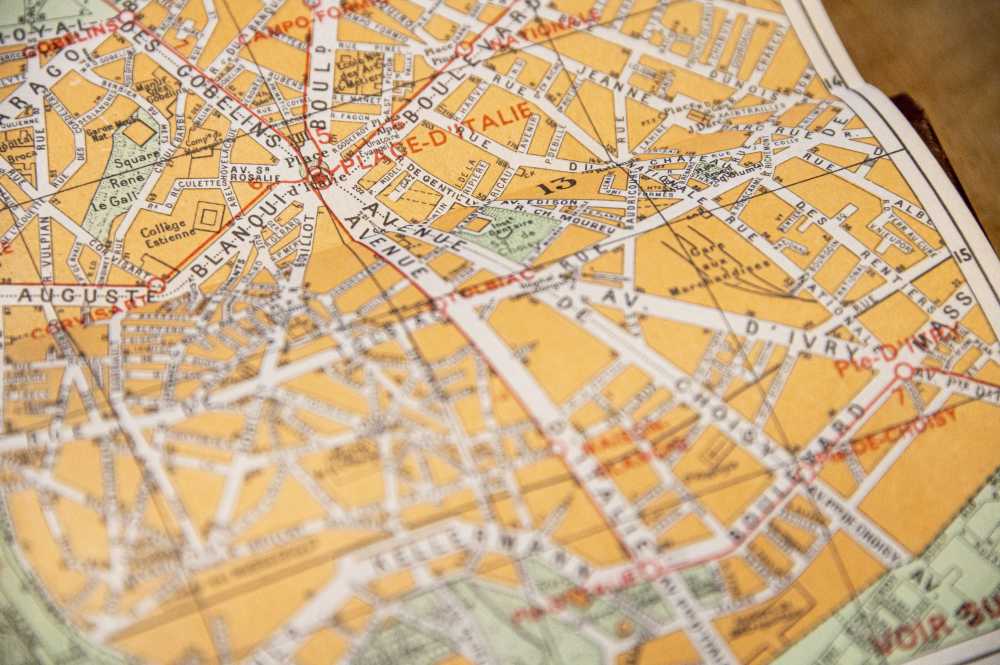
First, think of these blogs as your personal team of scouts. As you read, don't just consume the content—curate it. When a blogger mentions a restaurant, market, or dish that excites you, immediately save it to a custom Google My Map for your destination. Over time, you’ll build a visual database of vetted, high-quality recommendations. When you arrive, you’ll have a personalized map filled with promising options, allowing you to make spontaneous, informed decisions. Increasingly, the best creators are packaging their deep local knowledge into digital products you won't find anywhere else—think downloadable PDF guides with custom Google Maps or hyper-detailed itineraries. These are the kinds of expert-crafted resources you can discover on the TrekGuider Marketplace, connecting you directly with the creators who know these destinations best.

Pro-Tip: Color-code your map pins by category (e.g., green for coffee shops, blue for markets, red for fine dining, yellow for street food). This makes it incredibly easy to see what's nearby and choose an option that fits your current craving and budget.
Second, pay attention to the blogger’s palate. Food is subjective. Do they rave about spicy food? Are they passionate about fine dining, or do they prefer hole-in-the-wall street food stalls? Read several posts to get a feel for their unique perspective. If you find yourself consistently agreeing with their opinions, you’ve likely found a reliable guide. A blogger whose palate you trust is the most valuable travel planning asset you can have.
Frequently Asked Questions About Food Travel
What’s the difference between a food blog and a standard review site?
A review site (like Yelp or TripAdvisor) focuses on crowdsourced opinions and ratings, which can be useful for a quick snapshot. A high-quality food blog, however, offers a single, expert point of view. It provides deeper context, storytelling, and a curated perspective from a creator whose taste and expertise you can come to trust over time.
How can I tell if a food recommendation is sponsored?
Trustworthy bloggers are transparent. According to FTC guidelines, they must clearly disclose any paid partnerships or sponsored content. Look for disclaimers like "#ad," "#sponsored," or "Paid partnership with..." at the beginning of a post or caption. A lack of transparency is a major red flag.
Are there food blogs for specific dietary needs?
Absolutely. The trend toward niche expertise means there are fantastic blogs dedicated to every dietary preference. Searching for terms like "vegan food travel blogs," "gluten-free travel Paris," or "keto-friendly Italy" will uncover creators who specialize in navigating the world with specific dietary needs, offering invaluable, targeted advice.
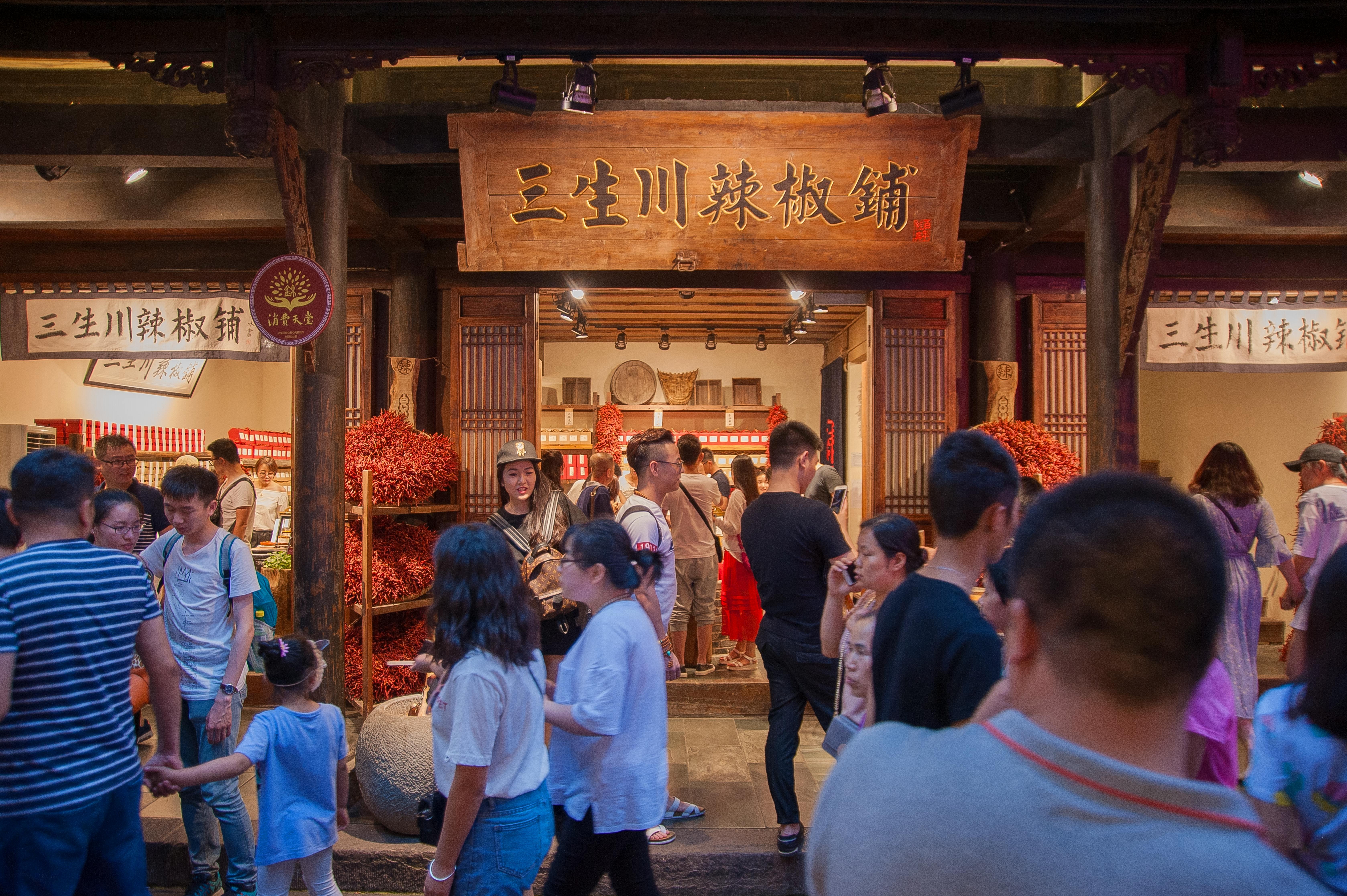
Your Culinary Journey Starts Now
The world of food is vast, vibrant, and deeply personal. Moving beyond generic restaurant lists and embracing the rich, contextual storytelling of dedicated food travel blogs is the key to unlocking truly authentic and unforgettable culinary experiences. The creators featured here are more than just reviewers; they are educators, historians, and passionate guides who provide the tools and inspiration you need to connect with a culture in the most delicious way possible. You are now equipped with the resources to stop being a tourist and start being a true culinary explorer. Your next adventure, filled with genuine flavors and lasting memories, is just a click away.
Don't Miss Out! Subscribe for Exclusive Content
SubscribeComments 0
No comments yet
Be the first to share your experience!
Dont Miss Out! Subscribe for Exclusive Content

Chicago Beer Fests: Top 6 Tastings

FTC Affiliate Disclosure Essentials: Stay Compliant as a Travel Creator

Essential Affiliate Tools: From Tracking to Full Optimization

Avoid These 5 Affiliate Landing Page Mistakes for Better Conversions

Affiliate Keyword Research Mastery for Travel Blogs

Booking.com Affiliate Program Review: Pros, Cons, and Earnings Potential
How to Plan Your First Solo Trip (and Conquer the Fear)
TrekGuider @trekguider
You’ve seen the photos, heard the stories, and a powerful idea has taken root: traveling the world on your own terms. But right behind that excitement, a wave of doubt probably follows. What if I get lonely? What if it’s not safe? What if I’m just not the kind of person who can do this?
Let’s take a breath. Feeling a mix of excitement and sheer terror is the unofficial rite of passage for every person who has ever considered traveling alone. It’s not a sign you should stop; it’s a sign you’re about to do something brave. This guide is your starting point. We’re not going to overwhelm you with packing lists or complex itineraries. Instead, we're going to focus on the most important first step: turning that anxiety into a quiet confidence and creating a simple, actionable plan to get you started. This is how to plan your first solo trip by conquering the fear first.
For the bigger picture on planning your first independent journey, explore

The Most Important Step: Your Mindset Shift
Before you book a single flight, the real journey begins in your mind. The psychological hurdles are the biggest barriers for most aspiring solo travelers. Let’s dismantle them together.
It's Normal to Feel Anxious. Here's How to Use It.
Feeling nervous before a big adventure is completely normal—it means you’re taking this exciting challenge seriously. The trick is to treat your fears not as stop signs, but as a pre-flight checklist.
Fear thrives on vague, undefined worries. Clarity is its kryptonite. So, grab a notebook and write down your top three concerns. Is it safety? Loneliness? Getting lost? By giving your anxieties a name, you take back control. For every worry, there is a practical solution, and you’ll find that a little preparation makes you feel capable, not scared.
The Antidote to "What If I'm Lonely?"
Let's reframe the biggest myth in solo travel. There is a world of difference between being alone and being lonely. Being alone is a superpower. For the first time, your schedule is 100% your own. You can spend three hours in a museum, change your entire plan on a whim, or eat gelato for dinner without a single committee meeting. This isn’t loneliness; it’s absolute freedom.
Remember, traveling solo doesn’t mean you’re isolated. It means you have complete control over your social thermostat. You can turn it up by joining a food tour or staying in a social guesthouse, or turn it down when you just need to recharge. This journey is an incredible chance to get comfortable in your own company—a skill that will empower you for the rest of your life.

How to Handle Naysayers (Even When They Mean Well)
Often, the most discouraging feedback comes from those who love us most. Their own fears, disguised as concern for you, can chip away at your resolve. Navigating these conversations requires a calm, confident strategy.
Present a Plan, Not a Plea: Instead of saying, “I’m thinking of going to Portugal alone,” try this: “I’m so excited—I've started planning a solo trip to Portugal for next year. I've found some amazing, highly-rated places to stay in a really safe neighborhood.” You are not asking for permission; you are sharing your exciting news.
Demonstrate Your Competence: Proactively show them you’re taking this seriously. Talk about the research you’re doing on safe destinations or the simple communication plan you'll have, like a daily WhatsApp check-in. When they see you’ve thought it through, their anxiety will decrease because yours already has.
Your 'First Three Steps' Action Plan
With your mindset fortified, it's time for action. We're going to keep it simple. Here are three manageable, non-intimidating first steps to turn your dream into a reality.

Step 1: Choose a Beginner-Friendly Destination
For your first trip, set yourself up for an overwhelming win. Choosing a destination that is known for being easy to navigate will boost your confidence for all future adventures. Look for places with:
A Welcoming Tourist Infrastructure: Places with reliable public transport, lots of accommodation choices, and readily available information (like Portugal, Japan, or Costa Rica) make logistics a breeze.
A High Safety Ranking: Use resources like the Global Peace Index to find countries known for safety and stability.
Ease of Communication: While you don't need to go somewhere that only speaks English, choosing a destination where it's widely spoken in tourist areas (like the Netherlands or Scandinavia) can reduce a layer of stress.
Ready to explore your options? For a deep dive into the pros and cons of different regions and a list of the top 10 safest countries for solo travelers, check out the ».
Step 2: Book Your First Night's Accommodation
Don't worry about planning the entire trip right now. The single most effective way to make your trip feel real is to commit to Day One. Research and book your accommodation for the first one or two nights. This simple action creates a secure "landing pad," transforming a vague idea into a concrete event with a date and an address. It’s your anchor, giving you a safe, secure base from which to start your adventure.
Step 3: Do a "Low-Stakes" Solo Practice Run
Build your solo muscle at home. Before you fly across the world, take yourself on a solo "date" for a full day in a nearby town or even a different neighborhood in your own city. Go to a museum alone. Navigate to a park you’ve never visited. Eat a meal at a restaurant by yourself. The point is to experience the feeling of navigating, making decisions, and enjoying your own company. This small taste of self-reliance will prove to you that you absolutely can do this.
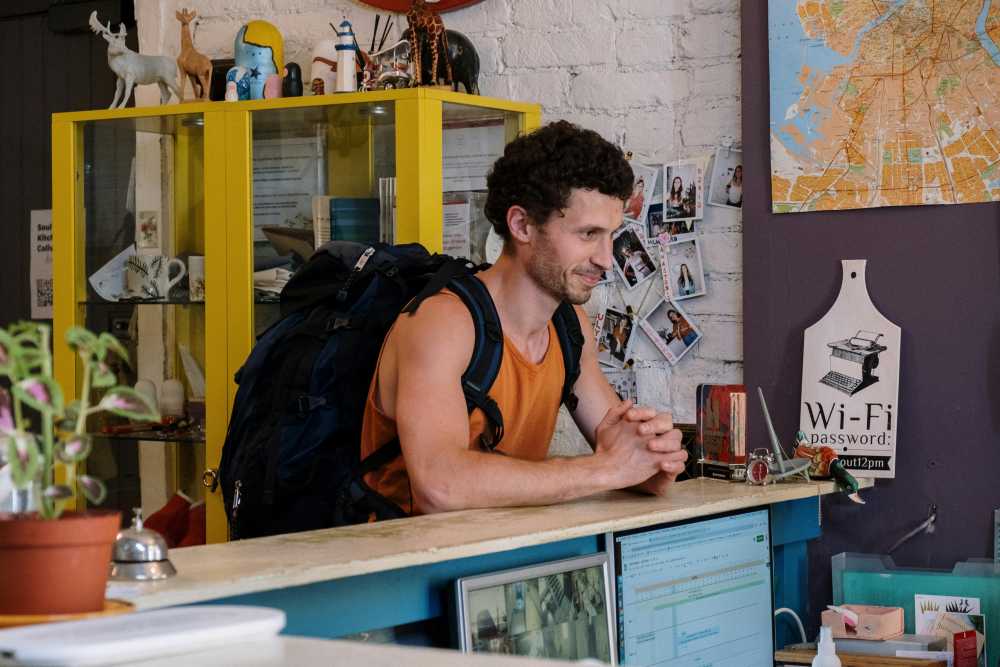
Your Adventure Is Closer Than You Think
You've already taken the hardest step: deciding to explore this possibility. The fear you feel is not a weakness; it's a gateway to discovering just how capable you are. By shifting your mindset and taking a few small, deliberate planning actions, you are building the foundation for an incredible adventure.
You don't need to have all the answers right now. You just need to be willing to take the next step.
Read the full guide: Anxious to Adventurous: The Ultimate Guide to Solo Travel Confidence
Don't Miss Out! Subscribe for Exclusive Content
SubscribeComments 0
No comments yet
Be the first to share your experience!
Dont Miss Out! Subscribe for Exclusive Content

Ultimate USA Holidays Guide: Top Picks
FTC Affiliate Disclosure Essentials: Stay Compliant as a Travel Creator
Essential Affiliate Tools: From Tracking to Full Optimization
Booking.com Affiliate Program Review: Pros, Cons, and Earnings Potential

Decoding Affiliate Commission Rates: Benchmarks for Travel Creators