
Art Basel Miami: 7 Insider Hacks

TrekGuider @trekguider
The email lands, the tickets are booked, and a jolt of excitement hits you. You’re finally going to Art Basel Miami, the undisputed heavyweight champion of art fairs in the Americas. But as you start scrolling through the endless lists of exhibitors, satellite fairs, and after-parties, a subtle wave of panic begins to set in. The sheer scale is dizzying—a sprawling, week-long labyrinth of priceless art, exclusive events, and shoulder-to-shoulder crowds. You start to worry you’ll spend more time stuck in traffic on the MacArthur Causeway than actually seeing art, that you'll miss the truly groundbreaking exhibits, and that you'll leave feeling like you barely scratched the surface.
This anxiety is the invisible wall that separates the tourists from the insiders. Every December, thousands of attendees arrive unprepared, succumbing to sensory overload and logistical nightmares. They wander aimlessly through the cavernous Miami Beach Convention Center, get hit with sticker shock from last-minute parking fees, and completely miss the vibrant, renegade energy of the satellite fairs where the art world’s future is being forged. They leave exhausted and defeated, with a camera roll of blurry photos and a profound sense of having missed out.
That won’t be you. This guide is your secret weapon, your backstage pass. We’ve distilled the chaos into seven actionable, pro-level hacks that will fundamentally transform your experience. You will learn to navigate the city’s complex geography, decode the schedule like a seasoned collector, and discover the hidden gems that most visitors fly right over. This isn't just an art fair; it's a city-wide cultural takeover, and it’s just one of the many incredible events that cement the city’s reputation as a year-round festival hub, a theme we explore in our complete guide to Miami Holidays: 8 Beach Fest Vibes. Prepare to conquer Art Basel Miami with the confidence of an insider.

Hack 1: Master the Map of Art Basel Miami—Go Beyond the Convention Center
The first mistake nearly every newcomer makes is thinking Art Basel Miami is a single event confined to the Miami Beach Convention Center (MBCC). While the MBCC is the mothership—an awe-inspiring spectacle of blue-chip art that you absolutely must see—the true soul of Miami Art Week pulses in the dozens of satellite fairs scattered across the city. Treating the MBCC as your only destination is like visiting Paris and only seeing the Eiffel Tower from the ground.
Think of the MBCC as your anchor, not your cage. By all means, start your journey there to get a feel for the sheer scale of the event.
Navigate the Core Strategically: The main fair is organized into distinct sectors designed to guide your experience. To avoid getting overwhelmed, prioritize starting with Meridians, which features massive, museum-quality installations that are often the most talked-about pieces of the show. Alternatively, head to the Nova sector, which showcases brand-new work from the world's most exciting emerging galleries.
Embrace the Satellites: The real discoveries—the moments that make your heart race—often happen outside the main hall. These smaller, more focused fairs are where you’ll find groundbreaking work from up-and-coming artists, often at more accessible price points. Plan to visit at least two or three.
Your Satellite Fair Hit List:
Untitled Art: Located directly on the sands of Ocean Drive, this fair’s stunning backdrop is part of the experience. It’s often free to access and is a fantastic place to see cutting-edge contemporary art in a uniquely Miami setting.
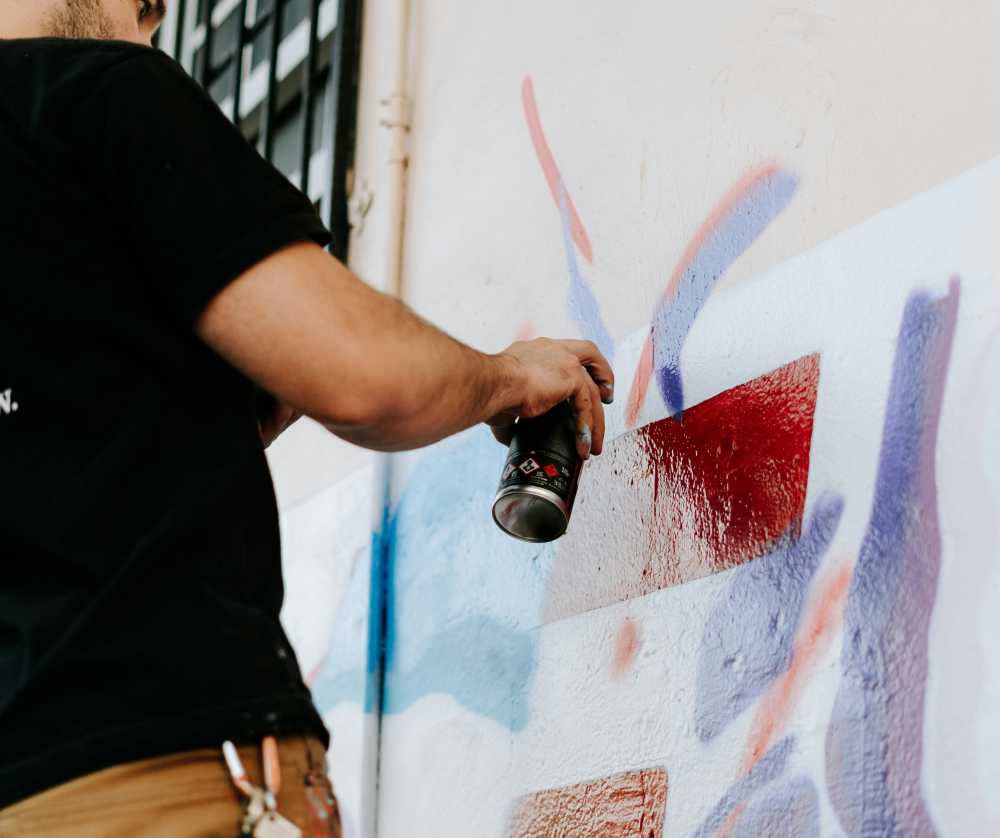
Wynwood Walls: While not a formal fair, this world-famous outdoor street art museum is an essential pilgrimage during Art Week. It’s completely free to view the incredible murals that cover the district, offering a raw and vibrant contrast to the polished booths of the main fair.
Design Miami/: Occurring concurrently just a stone's throw from the MBCC, this prestigious sister fair is dedicated to collectible design from the 20th and 21st centuries. It’s a must-see for anyone interested in the intersection of art, furniture, lighting, and objects d'art.
Pro-Tip: Don't try to be a hero and see everything in one day. Group your visits geographically. Dedicate one day to Miami Beach (MBCC, Untitled Art, Design Miami/) and another to the mainland neighborhoods like Wynwood and the Design District. This minimizes travel time and maximizes art time.

Hack 2: Conquer Transportation Like a Local
During Art Week, Miami’s already notorious traffic transforms into a city-wide parking lot. This isn't an exaggeration—with an economic impact of over $500 million, the event draws crowds on par with a Super Bowl, and it feels like every single attendee is in a car on the causeway next to you. Driving your own car is the single most stressful, time-consuming, and expensive mistake you can make.
Parking is not just difficult; it’s extremely limited and eye-wateringly expensive. To navigate the city like a pro, you must ditch the idea of driving.
Rideshares Are Non-Negotiable: Services like Uber and Lyft are your lifeline. While surge pricing will be in effect during peak hours, the cost is often still less than a parking garage, and it saves you the soul-crushing headache of navigating closed streets and full lots. Use the "schedule a ride" feature for early morning trips to beat the initial rush.
Leverage Public Transit: Miami-Dade's public transit system is a surprisingly effective and cost-efficient option. The elevated Metromover is free and circles the downtown area, connecting you to the Metrorail and bus routes that cross over to Miami Beach. It’s a great way to bypass the worst of the gridlock while getting a scenic view.
Book Parking in Advance (If You Must): If driving is your only option, do not leave it to chance. Use an app like SpotHero to reserve a parking spot weeks in advance. Be prepared to park a significant distance from the venue and use a rideshare or a long walk for the final leg of your journey.
Hack 3: Decode the Art Basel Miami Schedule—Public vs. Private Days
Understanding the rhythm of the Art Basel schedule is crucial. The fair is not open to the public for its entire duration, and showing up on the wrong day is a common and deflating rookie error. The opening days are reserved for the art world’s heaviest hitters.
Here is the official breakdown for the 2026 show:
Private Days (Invitation-Only): December 3rd – 4th, 2026. These first two days are the exclusive preview for serious collectors, museum curators, celebrities, and accredited media. Access is strictly by a VIP invitation from a participating gallery or Art Basel itself. This is when the majority of high-value sales are negotiated and finalized.
Public Days: December 5th – 7th, 2026. The fair opens its doors to the general public. The official hours are 11:00 AM to 6:00 PM.
While getting into the private viewings is tough without connections, it’s not impossible for aspiring collectors. The key is to build relationships with galleries you admire throughout the year. If you’re serious, inquire about access when you purchase work. For most visitors, the best strategy is to maximize the public days. Arrive shortly before the 11:00 AM opening time to get ahead of the intense afternoon crowds.

Hack 4: Network Smarter, Not Harder
Art Basel Miami is as much a networking event as it is an art exhibition. It’s where artists find gallery representation, collectors discover new talent, and creative professionals forge career-defining collaborations. However, simply handing out business cards in a crowded hall is about as effective as throwing them into the ocean. You need a targeted approach.
Do Your Homework: Before you arrive, study the exhibitor list. Identify the galleries that represent artists or styles that resonate with you. When you approach a gallerist, you can have a much more meaningful conversation if you can say, "I was so excited to see you were showing Artist's Name; I've been following their work since..."
Attend the Talks and Panels: The official Art Basel program is packed with fascinating talks and panel discussions. These are fantastic opportunities to learn directly from leading artists, curators, and critics. The Q&A sessions are a perfect, low-pressure environment to ask an intelligent question and make a memorable impression.
Use the Satellite Fairs: The atmosphere at satellite fairs is often more relaxed and accessible than at the MBCC. Gallerists and artists have more time and energy to engage in genuine conversation. This is where you can build real relationships that last beyond the week.
For many creative professionals, the sheer density of inspiration at Art Basel sparks a torrent of new business ideas. The challenge is turning that spark into a viable product. If you leave Miami buzzing with new concepts, the next step is to structure them for success. Our Digital Product Ideas Guide provides a complete framework for developing, launching, and monetizing your creative passion, helping you transform that art-world fire into a sustainable income stream.
Hack 5: Fuel Your Art Binge Strategically
Walking miles of concrete floors in convention centers and galleries is a marathon, not a sprint. If you don’t plan your food and hydration, you will burn out by day two, guaranteed. The food inside the convention center is notoriously overpriced and underwhelming. You need a better plan.
Book Dinner Reservations Yesterday: If you plan on dining at any of Miami’s top restaurants—especially in South Beach, Wynwood, or the Design District—you need to make reservations weeks, if not months, in advance.
Embrace High-Quality Casual Eats: For lunch, skip the long lines and high prices at sit-down restaurants. Miami has a phenomenal food truck scene, and many pop up near the major art hubs. This is a great way to grab a quick, delicious, and more affordable meal without losing an hour of your day.
Pack Your Own Survival Kit: Be your own hero. Pack a refillable water bottle (most venues have filling stations), a couple of protein bars, and a bag of almonds in your tote. Having snacks on hand will save you from paying $8 for a bottle of water and will keep your energy levels stable, preventing the dreaded "art fatigue" from setting in too early.
Pro-Tip: Many of the top-tier galleries host private cocktail receptions or breakfasts at their booths for their best clients. If you have an established relationship with a gallery, don't be shy about asking if they have any events planned. It’s a fantastic way to see the art and network in a much more civilized setting.
Hack 6: Prioritize Satellite Fairs for True Discovery
We mentioned this in Hack #1, but it’s so critical it deserves its own section. The satellite fairs are the lifeblood of Miami Art Week. While the main fair showcases the blue-chip, established titans of the art world, the satellite fairs are where you’ll find the raw, experimental, and often more exciting work from the next generation of art stars.
Making these fairs a priority will give you a more comprehensive and authentic view of the contemporary art landscape. You’ll see work you won’t find anywhere else and have the chance to buy original art from emerging artists before their prices skyrocket. Fairs like NADA (New Art Dealers Alliance) are renowned for their sharp focus on new talent and are a favorite among seasoned collectors looking for the next big thing. Don't just visit them if you have extra time; build your entire itinerary around them.

Hack 7: Plan Your Post-Basel Decompression
After several days of non-stop art, crowds, and social stimulation, you will experience a unique phenomenon known as "art fatigue." Your eyes will glaze over, and even a Picasso won't be able to hold your attention. It’s an inevitable part of the experience, but the pros know how to plan for it.
Schedule Deliberate Downtime: Do not book every single minute of your trip. Leave your final morning or afternoon completely open to do something unrelated to art. Go to the beach, sit by the hotel pool, or explore a quiet neighborhood like Coconut Grove. Let your brain breathe.
Book a Recovery Day: The ultimate pro-move is to add an extra day to your trip after the fairs close on December 7th. Let the art crowd fly home while you enjoy a quieter, more relaxed Miami. This day of decompression is crucial for processing the immense amount of visual information you’ve absorbed.
Stay Strategically: Consider booking your final night at a hotel slightly removed from the South Beach chaos. A calmer environment in a neighborhood like Coral Gables or Key Biscayne will help you recharge before heading home.
A successful trip isn't just about what you do during the event; it's about how you plan the entire journey. Creating a seamless travel experience, whether for a high-intensity week like Art Basel or a cross-country road trip, requires expert planning. For a comprehensive resource that covers every aspect of trip planning in the U.S., our Travel Guide is the ultimate tool for crafting perfect, stress-free itineraries.
Your Insider’s Guide to Conquering Art Basel
You are now armed with the strategies to transform your Art Basel Miami trip from an overwhelming ordeal into an unforgettable adventure. By looking beyond the convention center, mastering transportation, decoding the schedule, and networking with purpose, you can navigate the world’s most important art week with the ease and confidence of a veteran. Remember to fuel yourself properly, prioritize the satellite fairs for groundbreaking discoveries, and plan for some much-needed decompression.
With these seven insider hacks, your next Art Basel Miami experience will be defined by inspiration, connection, and discovery—not by stress and exhaustion. You are no longer just an attendee; you are an insider, ready to experience the very best the art world has to offer.
Meta Data Suggestions:
SEO Meta Title: Art Basel Miami: 7 Insider Hacks to Navigate Like a Pro
URL Slug: art-basel-miami-insider-hacks
SEO Meta Description: Conquer Art Basel Miami with 7 expert hacks. Learn to navigate satellite fairs, beat the traffic, and network smarter at the world's premier art event.
Don't Miss Out! Subscribe for Exclusive Content
Subscribe



Comments 0
No comments yet
Be the first to share your experience!
Dont Miss Out! Subscribe for Exclusive Content

San Francisco Cherry Blossoms: A Local's Guide to the Blooms


Halloween SF: Haunts Without Horrors

SF Festivals: 7 Must-See Lineups

Christmas SF: Lights & Wharf Wonders

SF Pride: 6 Route & Party Hacks

Chinese New Year SF: Parade Essentials
The Travel Blogger's Playbook to Affiliate Marketing Mastery
TrekGuider @trekguider
Most articles about affiliate marketing for bloggers give you a list. This is not one of those articles. A list won't teach you that the difference between earning $50 a month and $5,000 a month isn't the number of programs you join—it's the business strategy you deploy. The top 1% of travel bloggers don't just 'add links'; they build sophisticated affiliate marketing engines that run on audience trust, strategic content, and diversified revenue streams. This guide is the blueprint to that engine. We'll cover the programs, yes, but more importantly, we'll give you the complete practical plan to turn your passion into a predictable, profitable business.
At its core, affiliate marketing is beautifully simple: you earn a commission for recommending products and services you already use, love, and trust. When a reader clicks your unique referral link and makes a purchase, the brand pays you a percentage as a thank you. It's the most organic and authentic way for travel content creators to monetize their work, weaving recommendations seamlessly into the stories and advice they’re already sharing. This isn't about plastering your site with blinking, irrelevant banner ads; it's about monetizing the trust you’ve worked so hard to build.
The Foundation: Why Most Bloggers Fail at Affiliate Marketing (And How You'll Succeed)
Before we even mention a single program, let's address the hard truth: most bloggers who try affiliate marketing fail to earn anything meaningful. They treat it like a lottery, scattering links across their site and hoping for a lucky sale. This tactical, hope-based approach is doomed to fail.
Sustainable success in this field isn't about tactics; it's about strategy. It's about building a business system where affiliate income is the natural, inevitable byproduct of the immense value you provide. By understanding the common pitfalls from the outset, you can sidestep the mistakes 99% of bloggers make and architect a monetization engine built for long-term, predictable success.
It's a Business, Not a Tactic

Let’s start with the single most important mental shift you need to make: you are not just a blogger. You are the founder of a media company. Your blog is its flagship publication, and affiliate marketing for bloggers is your first—and most important—revenue division.
A tactical blogger asks, "Where can I put this link?" A strategic business owner asks, "What problem does my audience have, and which product is the absolute best solution I can recommend to solve it?" This subtle reframing changes everything. It shifts your focus from selling to serving. Your content transforms from a sales pitch into an indispensable resource, and your affiliate links become helpful signposts on your reader's journey, not distracting billboards. Master this mindset, and you've already won half the battle.
The Triangle of Trust: Niche, Audience, Authenticity
High affiliate conversion rates are a direct result of one thing: audience trust. You can have the most beautiful website and the cleverest link placements, but if your readers don't truly trust your recommendations, you will not make a single sale. In our experience, unshakable trust is built on three inseparable pillars:

A Well-Defined Niche: You cannot be everything to everyone. A laser-focused niche (e.g., "solo female travel in Southeast Asia," "luxury family travel in Europe," "budget backpacking in South America") allows you to become a true expert. This perceived expertise is the bedrock of authority and trust. If you're just getting started, our guide on is a crucial first step.
Deep Audience Understanding: Once you have your niche, you must become obsessed with understanding the people within it. What are their biggest fears about booking a trip? What are their most pressing, unanswered questions? What specific problems can you solve for them? When you understand your audience on this level, you can create content that speaks directly to their needs, making your affiliate recommendations feel less like an advertisement and more like a personal, can't-miss suggestion from a trusted friend.
Unshakeable Authenticity: This is the glue that holds it all together. Only recommend hotels, tours, gear, and services that you have used yourself and genuinely believe in. Your audience is savvy; they can spot a phony, profit-driven recommendation from a mile away. Had a bad experience with a popular tour? Say so. Found a hotel to be overrated? Share that, too. This radical honesty—even when it means forgoing a commission—builds immense long-term credibility that will pay dividends for years to come.
Why a Small, Engaged Audience is More Valuable Than a Large, Passive One
One of the most pervasive and damaging myths in the blogging world is that you need hundreds of thousands of page views to earn significant affiliate income. This is demonstrably false. While traffic is a component of the equation, it is far from the most important one. Engagement and intent matter infinitely more.
Consider two of our creators:
Blogger A has 100,000 monthly visitors to a generic "cheap travel deals" blog. Their audience is broad, unengaged, and looking for quick transactions. Their affiliate conversion rate is a dismal 0.1%.
Blogger B has just 5,000 monthly visitors to their niche blog about "scuba diving for beginners." Their audience is highly targeted, deeply engaged, and actively seeking expert advice. Their conversion rate on dive gear and course recommendations is a healthy 3%.
Despite having 20 times less traffic, Blogger B will earn significantly more affiliate income. Their audience isn't just passing by; they are leaning in, listening, and ready to act on trusted advice. The lesson is clear: do not wait for massive traffic to begin. Focus first on building a small, loyal, and highly engaged community. The income will follow.
Affiliate Networks vs. Direct Programs

Once you’ve built your foundation of trust, it’s time to understand the operational machinery of the affiliate world. There are two primary ways to partner with the brands you love: through large affiliate networks or by establishing direct, one-on-one partnerships. Making a deliberate choice here is a critical structural decision for your business, as we explore in our deep dive into .
What are Affiliate Networks? The Pros and Cons of Centralization
Affiliate networks like Travelpayouts, CJ Affiliate, or ShareASale act as massive marketplaces. They are the intermediaries connecting thousands of bloggers (publishers) with thousands of companies (brands). You join the network, and from one central dashboard, you can apply to the individual programs of countless brands, from hotel chains to tour operators.
The Pros of Affiliate Networks:
Radical Efficiency: This is the headline benefit. You get one login, one dashboard to track all your performance metrics, and one consolidated monthly payment. This dramatically simplifies the administrative side of your business.
A World of Variety: Networks give you instant access to a huge catalog of potential partners, making it easy to find and test programs that perfectly fit your niche.
Effortless Discovery: They are an excellent tool for discovering new and relevant brands you might not have found otherwise.
The Cons of Affiliate Networks:
Program Volatility: This is the biggest risk. A brand can leave a network at any time. If a major hotel chain you promote heavily switches networks, you could face the monumental task of finding and updating hundreds of links across your site.
A Middleman's Margin: Networks need to get paid, too. That often means the commission rate you see on a network is slightly lower than what you could get by negotiating a direct deal, as the network skims a percentage off the top for their services.
Impersonal Relationships: Communication is often filtered through the network, making it harder to build a strong, personal relationship with a brand's affiliate manager that could lead to special opportunities.
The Pros and Cons of Individual Partnerships
The alternative is to bypass the networks and apply directly to a brand's in-house affiliate program. Many of the world's top travel companies, from airlines to gear manufacturers, run their own programs for this very reason.
The Pros of Going Direct:
Higher Earning Potential: By cutting out the middleman, you can often secure higher commission rates. Over time, that extra 1-2% on your top partners adds up to significant income.
Powerful Relationships: A direct partnership allows you to build a real relationship with the affiliate manager. This can lead to exclusive coupon codes for your audience, co-branded marketing campaigns, and world-class support.
Fortress-Like Stability: Your partnership is not subject to the whims of a network. As long as the brand runs its program, your links are secure.
The Cons of Going Direct:
Administrative Overload: This is the trade-off. Every direct partnership means a separate login, a different dashboard, a unique payment threshold, and another platform to manage. Five direct partners are manageable; fifty is a nightmare.
Higher Barriers to Entry: It can be more difficult for new bloggers with low traffic to get approved for prestigious direct programs.
Time-Consuming Discovery: You have to actively hunt down these programs, which can be a significant time investment.
Our Verdict: A Hybrid Strategy for Maximum Earnings
For 99% of travel bloggers, the optimal approach is a hybrid strategy. It provides the perfect balance of efficiency and earning potential, giving you the best of both worlds.
Here’s the playbook: Start by joining one or two core affiliate networks (like Travelpayouts) to gain access to a broad range of programs. Use this to efficiently test what resonates with your audience. As you analyze your data, you will inevitably identify a small handful of "powerhouse" affiliates—the two or three brands that generate 80% of your income. For these mission-critical partners, it is absolutely worth the extra administrative effort to leave the network and establish a direct relationship. This hybrid model gives you operational simplicity for the masses and maximum profitability for your champions.
A Deep Dive into the Top 3 Travel Affiliate Networks
Choosing the right network is a foundational decision that will shape your workflow. While dozens of options exist, three platforms consistently rise to the top for travel bloggers due to their brand inventory, powerful features, and strategic focus.
Travelpayouts: The All-in-One Travel Specialist
Travelpayouts has masterfully positioned itself as the premier affiliate network built by travel experts, for travel experts. It consolidates over 100 of the world's leading travel brands into a single, intuitive platform, making it an incredibly powerful and efficient hub for your business.
The genius of Travelpayouts is its singular focus. You won't waste time sifting through irrelevant retail or finance offers. Every single brand, from giants like Booking.com (we have a dedicated if you want to dive deep) and Viator to niche local tour operators, is directly relevant to your content. Their standout feature is the "LinkSwitcher" tool—a brilliant script that automatically converts direct brand links on your site into your unique affiliate links. This alone can save you dozens of hours and is a game-changer for monetizing old content. For bloggers who want to cover every facet of travel without juggling ten different platforms, Travelpayouts is the undisputed champion.
Stay22: The Tech-Forward Accommodation Innovator

Stay22 is a more specialized but incredibly powerful player, particularly for bloggers whose content is heavily focused on accommodations. While they partner with all the major booking sites like Expedia and Hotels.com, their true advantage lies in their innovative, AI-powered technology.
Their flagship "Let Me Allez" script automatically scans your site for mentions of locations and hotels and converts them into monetized affiliate links—a massive time-saver. Even better, Stay22 enables you to create beautiful, interactive maps that display real-time accommodation options in a specific area. You can embed these maps directly into posts like "Where to Stay in Rome," providing immense visual value to your readers while seamlessly monetizing their journey. For creators who want to leverage cutting-edge tech to enhance user experience and maximize accommodation revenue, Stay22 is an essential tool.
CJ Affiliate (Commission Junction): The Legacy Giant with Global Reach
CJ Affiliate is one of the oldest and largest affiliate networks on the planet. While it isn't travel-specific, its sheer scale means it is home to some of the biggest names in the industry, including major airlines, hotel groups like IHG, and iconic tour companies like G Adventures.
The primary advantage of CJ is its vast scope. If your blog has a "lifestyle" component that extends beyond pure travel—perhaps into photography gear, outdoor clothing, or online courses—you can manage all those affiliate partnerships within the same CJ dashboard. This is a significant benefit for established, multi-niche bloggers aiming for diversification. While its interface can feel a bit more corporate than its travel-focused peers, its reliability, best-in-class tracking, and portfolio of top-tier brands make it a key element platform for any serious affiliate marketer.
Building Your Ultimate Affiliate Portfolio: Top Programs by Category
While networks provide the operational backbone, the heart of your strategy lies in the individual programs you champion. A well-curated portfolio is like a diversified investment portfolio; it maximizes returns by aligning with your audience's needs at every stage of their journey. We've handpicked some of the in the most critical categories, complete with the data you need to make smart, strategic decisions.

Accommodations: Booking.com, Agoda, Hostelworld
This is often the most lucrative category. You are helping your readers make one of the most important—and expensive—decisions of their trip.
Booking.com: The undisputed king. Its massive inventory, trusted brand name, and sky-high conversion rates make it a non-negotiable for nearly every travel blogger.
Commission Rate: ~4% of the booking value (varies)
Cookie Duration: Session-based. Strategic Implication: This means you need to capture high-intent readers who are ready to book now. Your content should be action-oriented.
Agoda: A powerhouse in the Asian travel market. If your blog focuses on Asia, featuring Agoda is a must to cater to regional preferences and pricing.
Commission Rate: Up to 7%
Cookie Duration: 30 days
Hostelworld: The go-to platform for budget and solo travelers. If your niche is backpacking or your audience skews younger, this program is essential.
Commission Rate: 20-40% of the deposit paid
Cookie Duration: 30 days
Tours & Activities: Viator & GetYourGuide
Tours and activities are a fantastic way to earn commission while genuinely enhancing your readers' trips. This is where you help them create memories.
Viator: Owned by TripAdvisor, Viator boasts an unparalleled inventory of tours worldwide. Its brand recognition and easy-to-use interface drive solid conversions.
Commission Rate: 8%
Cookie Duration: 30 days
GetYourGuide: A major competitor with a slightly more modern, curated feel. It's smart to join both, as some of the best tours are exclusive to one platform. This allows you to always recommend the absolute best option.
Commission Rate: 8-10%
Cookie Duration: 30 days
Flights & Transport: Skyscanner, Discover Cars
Flight commissions are notoriously low, but rental cars offer a significant earning opportunity.
Skyscanner: The most popular flight comparison tool. You won't get rich promoting it, but including Skyscanner links is a helpful service that builds reader trust.
Commission Rate: Varies (often a % of Skyscanner's revenue)
Cookie Duration: 30 days
Discover Cars: A leading car rental comparison site with stellar reviews. With rentals often costing hundreds of dollars, commissions can be substantial.
Commission Rate: Up to 70% of their profit
Cookie Duration: 365 days. Strategic Implication: A year-long cookie is a game-changer. A reader can click your link during initial research and book nine months later, and you still get paid.
Travel Insurance: SafetyWing & World Nomads
Promoting travel insurance is not just a smart business decision; it's an ethical obligation. It's a critical purchase, and the recurring commission models can build a foundation of predictable income.
SafetyWing: Hugely popular with digital nomads for its flexible monthly subscription model. This recurring commission is the holy grail for building a stable income base.
Commission Rate: 10% on all sales (including recurring subscriptions)
Cookie Duration: 365 days
World Nomads: An established and trusted name, particularly in the adventure travel community. Their brand authority helps convert readers who are on the fence.
Commission Rate: 10%
Cookie Duration: 60 days
Gear & Products: Amazon Associates, REI, Osprey

Recommending the gear you personally use is one of the most powerful forms of affiliate marketing. These recommendations are rooted in your authentic experience.
Amazon Associates: The world's largest affiliate program. While commissions can be low, its massive product selection and high likelihood of a user buying multiple items make it a necessary part of any gear strategy. For a deep dive, check out our guide on .
Commission Rate: 1-4% (varies by category)
Cookie Duration: 24 hours
REI: The gold standard for outdoor and adventure gear in the U.S. Their trusted brand and high-quality products make it a great alternative to Amazon for a specialized audience.
Commission Rate: 5%
Cookie Duration: 15 days
Osprey: Many top gear brands, like the beloved backpack manufacturer Osprey, run their own direct affiliate programs. If you're a passionate advocate for a specific brand, always check for a direct program—the commissions are often higher.
Commission Rate: 8%
Cookie Duration: 30 days
While linking to individual items is effective, many readers seek a curated, all-in-one solution. This is a perfect opportunity to link to your own helpful resource, like our free PDF on . It provides value far beyond a simple product link and opens an entirely new revenue stream when you create your own products.
How to Add Links That Actually Convert
Knowing which programs to join is science. Knowing how to integrate your links is art. The goal is for every link to feel like a natural, helpful extension of your content, not a jarring interruption. This requires a thoughtful approach to placement, context, and language.
The Golden Rule: Recommend, Don't Sell

Your role is that of a trusted advisor, not a used car salesman. Your content should be 95% pure, unadulterated value and 5% thoughtful recommendation. When you do recommend a product, it should feel like the logical conclusion to the problem you've been helping the reader solve. For a masterclass on this, read our guide on .
Instead of: "You should buy this backpack. Here's the link."
Try: "After testing three different carry-on backpacks on my last trip to Europe, the Osprey Farpoint 40 was the clear winner. Its clamshell design made packing a breeze, and the suspension system was comfortable even after a full day of navigating Prague's cobblestone streets. If you're looking for a versatile one-bag travel solution, this is the one I wholeheartedly recommend."
The second example works because it's rooted in experience, provides specific reasons, and is framed as a helpful solution.
Practical Placement: In-text Links, Comparison Tables, and Resource Pages
Forget flashy banner ads. They have abysmal click-through rates and cheapen your brand. The highest-converting links are almost always the ones most seamlessly integrated into your content. Mastering this requires a deeper understanding of search intent and SEO for.
In-Text Contextual Links: This is your bread and butter. A simple text link embedded naturally within a sentence—like one on the words "my favorite travel insurance"—is the most powerful and authentic way to make a recommendation.
Comparison Tables: When a reader is in the final decision-making phase, a simple, clear comparison table is an incredibly valuable tool. Creating a table comparing the features of 3-4 different travel insurance plans, complete with your affiliate links, can be a conversion powerhouse.
Resource Pages: Every blog needs a dedicated "Resources" or "Travel Gear" page. This acts as a curated list of all the products and services you use and recommend. It's a high-value asset for your readers and a simple way to house your most important links. Better yet, your TrekGuider creator page functions as an automatic, centralized hub for your audience, showcasing your articles, digital products, and top recommendations all in one place.
To elevate your destination guide from helpful to indispensable, embed a link to a product like the "Customizable Google Maps Itinerary for Rome" from the TrekGuider marketplace. This creates a powerful monetization stack: you earn affiliate commission from the hotel booking link within the guide and direct revenue from your high-value digital map, effectively doubling your earnings from a single reader.
A Simple Guide to Affiliate Disclosure
This is non-negotiable. For legal reasons (the FTC requires it) and for the even more important reason of maintaining audience trust, you must clearly and conspicuously disclose that you use affiliate links. The nuances are important, which is why we've created a dedicated guide on .
This is simple. A straightforward statement at the very top of your blog posts, before any affiliate links appear, is all you need. For example:
"A quick heads-up: This post contains affiliate links. If you make a purchase through one of them, I may earn a small commission at no extra cost to you. I only recommend products and services I personally use and love. Thanks for your support!"
Place a similar disclosure in your site's footer. Transparency isn't just a legal requirement; it's the currency of trust.
Using Affiliates to Validate Your Own Digital Products

This is the strategy that separates the top 1% of earners from everyone else. Affiliate marketing is not just a revenue stream; it is the ultimate market research tool. The data you collect should be the foundation for your next, more profitable venture: creating and selling your own digital products.
What Affiliate Data Tells You About Your Audience
Your affiliate dashboard is a goldmine. It's a direct, unfiltered look into the minds of your readers. Pay attention to the story it tells:
Which links get the most clicks? This reveals your audience's core interests. To get this data, you'll need the right tools, which we cover in our review of .
Which products actually sell? This tells you what they are willing to pay for.
What is the average purchase value? This helps you understand their budget.
If your article on "The Best Day Trips from Florence" consistently drives a high number of sales for a specific Vespa tour, that is a powerful signal. It tells you your audience is highly interested in Tuscan day trips and is willing to pay for a curated experience.
Creating Digital Products that Complement Your Affiliate Recommendations
Once you've identified these patterns, you can brainstorm digital products that offer a higher level of value than a simple affiliate link ever could. These products don't compete with your affiliate offers; they complement them. For inspiration, grab our free guide on .
This is precisely why we built TrekGuider. Instead of wrestling with e-commerce plugins, payment gateways, and file delivery systems, you can upload your guide to the TrekGuider marketplace in minutes. We handle the entire transaction, allowing you to focus on what you do best: creating invaluable resources for travelers.
Example: From Recommending a Viator Tour to Selling Your Custom Itinerary

Let's return to that Florence example. You see that the "Tuscany Vespa Tour" on Viator is a huge seller. Market validated. Now, you create your own premium digital product: "The Ultimate Self-Guided Vespa Itinerary for Tuscany." You could even bundle it with our comprehensive .
This downloadable PDF guide could include:
A detailed, day-by-day route optimized for jaw-dropping scenery.
A private Google Map with pinned locations for the best photo spots, local-approved lunch spots, and hidden gems.
A guide to renting a Vespa, including what to look for and what to avoid.
A checklist of what to pack for the perfect day.
You can sell this digital guide for $29, a price point that dwarfs the $5 commission you might earn from the tour booking. You've used affiliate data to validate an idea, created a more valuable solution, and built a revenue stream that you own 100%. This is the path from blogger to true business owner.
Frequently Asked Questions (FAQ Section)
How much can I realistically earn from affiliate marketing?
The range is massive. A new blogger should celebrate their first $100 month, which often takes 6-12 months of consistent work. An established blogger can earn $500 to $3,000 per month. A top-tier travel blog, run as a serious business, can generate well over $10,000 a month from affiliate revenue alone by focusing on . Your income will be a direct reflection of your audience's trust, the strategic quality of your content, and your commitment to this as a business.
How much traffic do I need to get started?
Forget the vanity metric of huge traffic numbers. Most affiliate programs have no minimum traffic requirements. You can be approved for Booking.com or Amazon Associates on day one. Your focus should be on creating high-quality, targeted content that answers a specific question for a small, engaged audience. One great article that ranks for a "buying intent" keyword—something you can master with —can earn more with 100 visitors than a generic post with 10,000.
Can I be an affiliate marketer without a blog?
Yes, you can. While a blog is the ideal asset because you own it, you can absolutely use affiliate links on other platforms. YouTube video descriptions, Instagram Stories (with a "link in bio" service), and even Pinterest are all viable channels. The core principles of trust, authenticity, and service remain exactly the same, regardless of the platform.
What's the difference between Pay-per-Sale and Pay-per-Lead?
These are the two main commission models:
Pay-per-Sale (PPS/CPA): This is the standard for travel. You earn a commission only when a reader clicks your link and completes a purchase.
Pay-per-Lead (PPL/CPL): Here, you earn a smaller, fixed fee when a reader simply signs up for something, like a newsletter, or a request for a quote. This is less common in travel but can be found with some travel agent services or cruise inquiries.
Your Action Plan: The First 30 Days to a Profitable Affiliate Strategy

Knowledge without action is just entertainment. Here is a simple, week-by-week checklist to take you from reading this guide to implementing a profitable affiliate marketing for bloggers engine. For even more actionable advice, check out our .
Week 1: The Foundation
[ ] Mindset Shift: Acknowledge you are building a business, not just a blog. Write down your income goal for the next 6 months.
[ ] Niche & Audience: Clearly define your niche and create a "reader persona"—a detailed description of your ideal audience member.
[ ] Trust Audit: Review your 10 most popular articles. Identify where you can add more value and authentic recommendations.
Week 2: The Ecosystem
[ ] Join a Network: Sign up for Travelpayouts. It's the most efficient starting point.
[ ] Apply to Core Programs: From within Travelpayouts, apply to Booking.com, Viator, and GetYourGuide.
[ ] Go Direct: Apply directly to the SafetyWing affiliate program and sign up for Amazon Associates.
Week 3: The Integration
[ ] Identify Opportunities: Go back to your top articles. Find 3-5 places in each where an affiliate link would be genuinely helpful.
[ ] Add Links & Disclosure: Generate your unique links and add them contextually. Add your affiliate disclosure to the top of each post.
[ ] Create Your Hubs: Build a "Resources" page on your blog and set up your free TrekGuider creator page to showcase your work.
Week 4: The Analysis & Next Steps
[ ] Learn Your Dashboard: Spend 30 minutes learning your affiliate dashboard. Pay attention to clicks to see what's resonating.
[ ] Plan New Content: Brainstorm 3 new "buying intent" articles (e.g., "The Best Travel Insurance for Europe," "A Review of the Osprey Fairview 40," "7 Unforgettable Day Trips from Rome").
[ ] Think Like an Owner: Start a list of potential digital product ideas based on your most popular content.
As you implement this plan and build your affiliate engine, remember that the ultimate goal is to own your revenue streams. To accelerate your transition from blogger to business owner, explore the "Travel Blogger's Business Toolkit" on the marketplace. It features professionally designed templates for media kits and brand proposals that will fast-track your growth.
Related Guides
- How to Start Affiliate Marketing as a Travel Creator
- Crafting Travel Product Reviews That Drive Affiliate Sales
- Social Media Affiliate Strategies Tailored for Travel Influencers
- 5 Critical Affiliate Marketing Mistakes to Dodge in 2026
- Amazon Associates for Travel: Strategies to Maximize Commissions
- High-Paying Affiliate Opportunities for Individual Travel Affiliates
- Referral Affiliate Programs in Travel: Boost Earnings Through Networks
- Top 11 High-Paying Affiliate Programs for Travel Bloggers
- 7 Proven Affiliate Marketing Tips to Skyrocket Travel Income
- Decoding Affiliate Commission Rates: Benchmarks for Travel Creators
- Booking.com Affiliate Program Review: Pros, Cons, and Earnings Potential
- Affiliate Keyword Research Mastery for Travel Blogs
- Avoid These 5 Affiliate Landing Page Mistakes for Better Conversions
- Essential Affiliate Tools: From Tracking to Full Optimization
- FTC Affiliate Disclosure Essentials: Stay Compliant as a Travel Creator
Don't Miss Out! Subscribe for Exclusive Content
SubscribeComments 0
No comments yet
Be the first to share your experience!
Dont Miss Out! Subscribe for Exclusive Content

FTC Affiliate Disclosure Essentials: Stay Compliant as a Travel Creator

Essential Affiliate Tools: From Tracking to Full Optimization

Avoid These 5 Affiliate Landing Page Mistakes for Better Conversions

Affiliate Keyword Research Mastery for Travel Blogs

Booking.com Affiliate Program Review: Pros, Cons, and Earnings Potential

Decoding Affiliate Commission Rates: Benchmarks for Travel Creators
Ultra Festival: Beat the Heat Guide
TrekGuider @trekguider
You’ve done it. You scored the golden ticket to Ultra Music Festival, a three-day sonic pilgrimage in the heart of Miami where the world’s greatest DJs command colossal stages and the energy is nothing short of electric. But as the bass drops, so does the relentless Florida sun. The real problem isn't just the heat; it's the brutal combination of scorching temperatures, suffocating humidity, and tens of thousands of dancing bodies that can quickly turn your dream festival into a dehydrated, sun-stroked nightmare.
Imagine the agony of missing Skrillex’s closing set because you’re dizzy and nauseous, huddled in a medical tent. Picture the sheer frustration of tapping out before sunset on day one, your energy completely drained, while your friends rave on into the night. This isn't a scare tactic; it's a common reality for unprepared attendees who fatally underestimate the physical toll of partying under the Miami sun for three straight days. The line between an unforgettable weekend and a miserable, potentially dangerous one is drawn by a single thing: a bulletproof strategy.
This is that strategy. Forget the generic "drink water" advice you’ve heard a thousand times. This is your new bible for not just surviving, but truly conquering the heat at Ultra. We’re providing a pro-level, comprehensive blueprint covering everything from tactical gear selection and advanced hydration science to strategic stage navigation and leveraging festival tech for your safety. Follow these steps, and you won't just beat the heat—you'll own the entire experience, from the opening beat on Friday to the final fireworks on Sunday.

Understanding the Ultra Music Festival Environment: Sun, Crowds, and Sound
Before you can build a plan, you must understand the battlefield. Ultra Music Festival unfolds in late March at Bayfront Park, a beautiful but notoriously exposed venue. For 2026, the festival runs from March 28-30 (and for you long-term planners, March 27-29 in 2026), a time when Miami’s weather is deceptively intense. While the festival is at the heart of the city's vibrant event calendar—a scene we detail in our complete guide to Miami Holidays: 8 Beach Fest Vibes—its unique environment presents a specific set of challenges you must be prepared for.
The festival operates on a strict "rain or shine" policy, meaning you need to be ready for anything. The schedule itself is a marathon, not a sprint:
Friday, March 28: 4:00 PM – 12:00 AM
Saturday, March 29: 12:00 PM – 12:00 AM
Sunday, March 30: 12:00 PM – 10:00 PM
Notice that Saturday and Sunday demand ten to twelve hours of exposure. The primary obstacles you will face are:
Intense Solar Radiation: The Florida sun is powerful. Without adequate shade, direct exposure can lead to severe sunburn and rapidly increase your core body temperature.
Oppressive Humidity: Miami's humidity cripples your body's natural cooling system. It prevents sweat from evaporating effectively, making 85°F feel like a suffocating 95°F.
Massive Crowds: Dense crowds trap body heat, creating microclimates that are significantly hotter than the ambient air. Navigating these human seas requires immense physical energy.
Constant Movement: You’ll be walking, standing, and dancing for hours on end, burning calories and losing fluids at a dangerously accelerated rate.
The first and most critical mindset shift is to treat Ultra like an athletic event. Your preparation starts long before you ever step foot in Bayfront Park.

Pre-Festival Prep: Your Foundation for Success
Victory is won in the preparation. What you do in the days leading up to the festival and what you pack in your bag will absolutely dictate your endurance and enjoyment.
The Ultimate Packing List: Beyond the Basics
Your packing list is your first line of defense. Every single item should serve a purpose, primarily focused on cooling, hydration, and comfort.
Clothing (The Three B’s: Breathable, Bright, and Barely-There):
Fabrics: Choose lightweight, moisture-wicking materials like polyester, nylon, or bamboo blends. These technical fabrics pull sweat away from your skin, allowing it to evaporate and cool you down. Avoid cotton at all costs; it absorbs moisture, becoming a heavy, suffocating trap for heat.
Colors: Opt for light-colored clothing. White, beige, and pastels reflect sunlight rather than absorbing it like dark colors do.
Fit: Loose-fitting garments are your best friend. They allow for crucial airflow against your skin, preventing heat from getting trapped.
Footwear (Your Most Important Gear): You will be on your feet for 30+ hours over the weekend. Comfortable, well-worn sneakers are non-negotiable. Do not, under any circumstances, wear brand-new shoes, flimsy sandals, or heavy boots. Running or athletic shoes with proven arch support are ideal.
Hydration Hardware:
Hydration Pack: This is the single most important piece of gear you can bring. A CamelBak or a similar backpack with a water bladder allows you to carry 2-3 liters of water and sip continuously without fumbling with a bottle. Ensure it complies with the latest festival size and pocket regulations before you go.
Electrolyte Packets: Pack single-serving powders or tablets (like Liquid I.V., Nuun, or Pedialyte packets). They are small, light, and absolutely essential for true hydration.

Sun & Heat Protection Arsenal:
Sweatproof Sunscreen: A broad-spectrum, water-resistant sunscreen with an SPF of 50 or higher is mandatory. Apply it generously 30 minutes before you enter and reapply every two hours, no exceptions.
Wide-Brimmed Hat: A bucket hat or other wide-brimmed hat provides a portable oasis of shade for your face, neck, and ears, significantly reducing your perceived temperature.
UV-Protective Sunglasses: Protect your eyes from the relentless glare and long-term sun damage.
Cooling Towel: These hyper-evaporative towels, when soaked in water, provide incredible cooling relief when worn around your neck.
Handheld Fan/Mister: A small, battery-operated fan can be a godsend in a stagnant, dense crowd, creating a personal breeze when you need it most.
Physical Conditioning: Don't Underestimate the Marathon
You wouldn't run a 10k without training, and you shouldn't tackle Ultra without some physical prep.
Pre-Hydrate Aggressively: Begin increasing your water intake 2-3 days before the festival. Your goal is to start Day 1 with your body in a state of optimal hydration, not playing a desperate game of catch-up.
Build Endurance: In the weeks leading up, incorporate some light cardio into your routine. Even 30 minutes of brisk walking or jogging a few times a week will dramatically improve your stamina.
Prioritize Sleep: Get a full 8 hours of sleep each night in the week before the festival. A sleep deficit severely impairs your body's ability to regulate temperature and recover.
Just as detailed planning is key for a scenic road trip, like the one we map out in our Big Sur Map & Itinerary, careful preparation is essential for a massive festival. Don't leave your experience to chance.
Mastering Hydration: The Core of Your Ultra Music Festival Strategy
This is the most critical section of this guide. Proper hydration at Ultra is a science. Simply drinking water when you feel thirsty is a recipe for disaster; by the time you feel thirst, you are already significantly dehydrated.

Water Isn't Enough: The Critical Role of Electrolytes
When you sweat, you don't just lose water; you lose vital minerals called electrolytes—primarily sodium, potassium, and magnesium. These minerals are the spark plugs of your body, responsible for regulating nerve and muscle function, hydrating your cells, and balancing blood pressure. Replenishing them is just as important as replenishing water.
Why It Matters: Drinking excessive amounts of plain water without replacing electrolytes can lead to a dangerous condition called hyponatremia, where the sodium levels in your blood become dangerously diluted. Symptoms can mimic dehydration (nausea, headache, confusion) but can be far more severe.
Your Game Plan: For every two refills of your hydration pack with plain water, make the third refill an electrolyte mix. This simple rule ensures you are constantly replenishing what you're sweating out. Avoid relying on sugary energy drinks or sodas for hydration; they can often make dehydration worse.
Your Hydration Schedule: A Sip-by-Sip Plan
Discipline is everything. You need a proactive hydration schedule, not a reactive one.
The Morning Load-Up: Drink at least 16-20 ounces (about half a liter) of water with an electrolyte packet before you even leave for the festival.
The Immediate Refill: The very first thing you do upon entering Bayfront Park is locate a water station and fill your hydration pack to its maximum capacity.
The 15-Minute Rule: Take a few big sips of water from your pack every 15 minutes. Set a recurring alarm on your phone or watch if you have to. Do not wait until you feel thirsty.
The Proactive Refill: Never wait until your pack is empty to refill it. When it's about one-third full, make your way to a water station. The lines are shortest during non-peak times (e.g., during a headliner's set when everyone is at one stage, or early in the day).
The End-of-Night Recovery: Drink another 16-20 ounces of electrolyte-infused water before you go to sleep. This will supercharge your body's recovery overnight and prepare you for the next day.
Pro-Tip: As soon as you get inside, open the festival map on the official app and screenshot the locations of all free water refill stations. The stations located near smaller stages or along the perimeter of the park often have significantly shorter lines than the ones near the main stage.
Strategic Navigation and Lineup Planning
How you move through the festival and plan your day is just as important as what you pack. Wasting energy is a luxury you simply cannot afford.

Decoding the Festival Map for Heat Evasion
The festival grounds are a maze of stages, vendors, and people. Use the map to your real advantage.
Identify Cool Zones: Before you even start thinking about artists, scan the map for any designated shade structures, indoor stages (like the iconic Megastructure), or air-conditioned brand activations. These are your recovery oases.
Plan Efficient Routes: When moving from the Main Stage to the Resistance stage, don't just try to cut through the thickest part of the crowd. Use the perimeter walkways. It might be a slightly longer distance, but it will be faster and require far less energy than pushing through a human traffic jam.
Building a Smart Schedule: Pacing is Everything
With a 2026 lineup featuring titans like John Summit & Dom Dolla, Armin van Buuren, Tiësto, Chase & Status, and Deadmau5, the temptation is to sprint from stage to stage. This is a rookie mistake that will burn you out by 9 PM on Friday.
Prioritize Ruthlessly: Accept that you cannot see every artist. Pick your top 3-4 "can't-miss" sets for each day and build your schedule around them as anchors.
Schedule Deliberate Downtime: The hottest part of the day is typically between 2 PM and 5 PM. This is the perfect time to schedule a tactical break. Find a shady spot, sit down, focus on hydrating, and eat a proper meal. This planned rest will give you the energy you need for the headlining acts at night.
Embrace Discovery: Use the time between your must-see sets to explore smaller stages. They are often less crowded, providing more space to dance, breathe, and discover your new favorite artist.
Pro-Tip: When moving through a dense crowd to get closer to a stage, conserve energy by following directly behind a larger, determined person or group. Let them carve a path for you. It's a simple "drafting" trick that saves a surprising amount of physical effort.
Leveraging Technology and Safety Resources at Ultra Music Festival
In the modern festival era, your phone is an essential survival tool. Ultra has integrated technology to enhance attendee safety, and you should take full advantage of every resource.
Your Phone is Your Lifeline
The Official Ultra App: Download it well in advance. It contains the most up-to-date festival map, set times, and, most importantly, will send push notifications for any emergency alerts or important announcements.
The SaferWatch App: Ultra has partnered with the SaferWatch app, which allows you to report any safety or security concerns (medical emergencies, suspicious activity) directly and anonymously to festival staff in real-time. Have it downloaded and set up before you arrive.
Portable Charger: Your phone is useless with a dead battery. A fully charged portable power bank is not optional; it's mandatory.
Knowing Where to Go for Help
Even with perfect preparation, things can go wrong. Knowing how to recognize a problem and where to get help is crucial.
Locate Medical Tents: Just like the water stations, the first thing you should do is identify the location of all medical tents on your map. They are staffed with professionals who are there to help you, no questions asked. There is no shame in seeking help.
Recognize the Signs of Heat Exhaustion: Be aware of these symptoms in yourself and your friends:
Heavy sweating
Dizziness or lightheadedness
Nausea or vomiting
A throbbing headache
Cool, pale, clammy skin
If you or a friend experience these, get to a medical tent immediately. Do not try to "tough it out."
Be a Good Raver: The Ultra community is known for looking out for one another. If you see someone who looks unwell or is in distress, ask if they need help and guide them toward a medical tent or alert festival staff.

You're Ready to Conquer Ultra
The roar of the crowd, the earth-shaking bass, the Miami skyline lit up against the night sky—these are the moments that define the Ultra Music Festival experience. By approaching the weekend with the mindset of an endurance athlete, you are no longer at the mercy of the elements. You are in control. Preparation is your armor, hydration is your fuel, and a smart strategy is your map to victory. You now have the expert knowledge to stay cool, energized, and safe from the first set to the final encore.
You are now equipped to handle the heat, navigate the crowds, and fully immerse yourself in the magic of one of the world's greatest music festivals. This level of detailed planning is what transforms a good trip into an unforgettable one. For comprehensive strategies on navigating destinations and events worldwide, our master Travel Guide is the ultimate resource for the serious traveler. Now go, stay hydrated, and have the time of your life.
Don't Miss Out! Subscribe for Exclusive Content
SubscribeComments 0
No comments yet
Be the first to share your experience!
Dont Miss Out! Subscribe for Exclusive Content
San Francisco Cherry Blossoms: A Local's Guide to the Blooms
Halloween SF: Haunts Without Horrors
SF Festivals: 7 Must-See Lineups
Christmas SF: Lights & Wharf Wonders
SF Pride: 6 Route & Party Hacks