
Top 10 Travel Affiliate Programs for 2026

TrekGuider @trekguider
You’ve launched your travel blog, pouring hours into crafting beautiful, helpful content. The passion is there, but a critical piece of the puzzle is missing: a reliable income stream. You know that affiliate marketing is at the heart of a profitable blog, but stepping into that world feels like navigating a dense, fog-covered jungle. Which programs are legitimate? Which ones actually pay well? And how do you choose partners that your audience will genuinely thank you for recommending?
The wrong choice can be costly. You risk wasting months promoting programs with rock-bottom commission rates, impossibly short cookie durations, or, worst of all, recommending subpar products that shatter the trust you’ve worked so hard to build. This indecision is a major roadblock, keeping your blog a passion project when it has the potential to be a profitable business.
This guide is your machete to clear a path through that jungle. We are cutting through the noise to bring you a curated, vetted, and strategic list of the top 10 travel affiliate programs for 2026. This isn't just a list; it's a strategic analysis designed to equip you with the knowledge to build a powerful and profitable travel affiliate marketing foundation. Think of this as a tactical deep-dive—one essential component of the much larger business strategy we cover in our ultimate guide to How to Make Money Online: A Creator's Guide for 2026.

The Anatomy of a Winning Affiliate Program
Before we dive into the list, it’s crucial to understand the criteria that separate the best programs from the rest. A successful travel affiliate marketing strategy isn’t just about chasing the highest commission rate; it's about building a portfolio of reliable partners that align with your brand and serve your audience.
Commission Rate & Type: This is the percentage or flat fee you earn per sale. Look for rates that fairly compensate you for the value you provide. For high-ticket items like multi-day tours, a 6% commission can be far more lucrative than a 10% commission on a low-cost item.
Cookie Duration: When a reader clicks your affiliate link, a small tracking file (a "cookie") is placed on their browser. The cookie duration is the period during which you will be credited for the sale if they make a purchase. A 30, 60, or even 90-day cookie is vastly superior to a "session-based" cookie that expires as soon as the user closes their browser.
Brand Recognition & Trust: Promoting well-known, trusted brands like Booking.com or REI leads to higher conversion rates. Your audience is already familiar with them and is more likely to make a purchase.
Average Order Value (AOV): This is the average amount a customer spends in a single transaction. A program with a high AOV, like a tour company, can result in substantial commissions even with a modest commission rate. A $2,600 tour booking with a 6% commission earns you $156 from a single click.

The Top 10 Travel Affiliate Programs for Bloggers in 2026
Here is our definitive list, broken down by category to help you build a diversified affiliate portfolio that covers every stage of the travel planning process.
Accommodation Affiliate Programs
For most travelers, booking accommodation is the first and most expensive part of their trip, making this category a foundational pillar of your affiliate income.
1. Booking.com
Let's start with the undisputed heavyweight. Booking.com is a global powerhouse, a name so synonymous with travel that it’s practically a verb. That massive inventory and ironclad reputation translate directly into higher conversions for you.
Commission Rate: 25-40% of Booking.com's commission (which nets out to roughly 4% of the total booking value for you).
Cookie Duration: Session-based.
Strategic Insight: The session-based cookie is a major drawback—your reader must book immediately. However, the conversion rate is so high that it remains an essential program. The key is to link to specific properties at the exact moment a reader is making a decision (e.g., within a hotel review or a "Where to Stay" guide).
2. Expedia Group
The Expedia Group affiliate program is your versatile all-in-one tool, giving you access to a huge portfolio of brands including Expedia, Hotels.com, and the vacation rental giant Vrbo under a single umbrella.
Commission Rate: 2-6% on hotels and vacation rentals.
Cookie Duration: 7 days.
Strategic Insight: Access to Vrbo is the main prize here, allowing you to monetize the lucrative vacation rental market. The 7-day cookie, while not long, is a significant improvement over Booking.com's model, giving your readers a bit more time to decide.
Tours & Activities Affiliate Programs
This is where you can earn some of the highest commissions per sale. Tours and activities have a high AOV and are a natural fit for itinerary-based blog posts and destination guides.

3. GetYourGuide
With a modern, user-friendly platform and an excellent selection of tours worldwide, GetYourGuide has become a favorite among travel creators for a reason.
Commission Rate: 8-10%.
Cookie Duration: 30 days.
Strategic Insight: GetYourGuide excels in its creator tools, including easy-to-embed widgets that showcase tours visually within your posts. A solid commission rate and a generous 30-day cookie make this a top-tier, reliable choice.
4. Viator
Owned by TripAdvisor, Viator is one of the largest tour marketplaces online, boasting a massive inventory that covers virtually every corner of the globe.
Commission Rate: 8%.
Cookie Duration: 30 days.
Strategic Insight: The sheer breadth of Viator's offerings is its superpower. No matter how niche your destination, you will almost certainly find a relevant tour to promote. This makes it an invaluable tool for creators who cover a wide range of locations.
5. G Adventures
Specializing in small-group adventure travel, G Adventures offers high-ticket, multi-day tours that can result in massive commissions.
Commission Rate: 6% of booking value.
Cookie Duration: 60 days.
Strategic Insight: This program is all about the Average Order Value. With an average booking of approximately $2,600, a 6% commission translates to over $150 from a single sale. The long 60-day cookie is essential for these high-consideration purchases.
6. Take Walks
This program focuses on high-quality, small-group walking tours in major cities across the globe, led by expert local guides.
Commission Rate: 15%.
Cookie Duration: 45 days.
Strategic Insight: A massive 15% commission rate is almost unheard of in this space. For bloggers who focus on major European and North American cities, this program can be an absolute goldmine. Promoting their unique "skip-the-line" tours is an easy sell.
Ready to Build Your Own Products?
Seeing the high commissions on tours and experiences should get you thinking. Once you've mastered earning from other people's products, the next step is to create your own. Selling your own digital products offers unparalleled profit margins and gives you full control. But what should you create?
Our free Digital Product Ideas Guide is the perfect brainstorming tool. It’s packed with proven concepts for travel creators, from eBooks and templates to interactive maps and presets that your audience will love.
Download Your Free Digital Product Ideas Guide Here
Flights & Deals Affiliate Programs
While direct flight commissions are notoriously low, these programs offer creative ways to monetize this essential part of travel planning.
7. Skyscanner
As one of the world's most trusted flight search engines, Skyscanner is a brand your audience already knows and uses.
Commission Rate: 20% of Skyscanner's revenue per click-out.
Cookie Duration: 30 days.
Strategic Insight: You don't get paid for a flight booking, but for the traffic you send. While per-click earnings are small, this allows you to monetize readers in the early, research phase of planning. It’s a volume game, best for blogs with significant traffic.
8. Dollar Flight Club
This is a subscription-based service that sends cheap flight alerts directly to its members. Its affiliate program is incredibly lucrative.
Commission Rate: 50% recurring commission.
Cookie Duration: 90 days.
Strategic Insight: A 50% recurring commission is a game-changer. You get half of the subscription fee not just once, but for as long as the member you referred remains active. This is how you build a predictable, passive affiliate income stream.
Gear & Insurance Affiliate Programs
Recommending the gear you personally use and the insurance that protects you is an authentic way to serve your audience while earning a commission.
9. World Nomads
World Nomads is one of the most popular and trusted travel insurance providers, especially within the backpacking and adventure travel communities.
Commission Rate: ~10%.
Cookie Duration: 60 days.
Strategic Insight: Travel insurance is a necessary purchase you should be recommending for your audience's safety. Promoting a trusted brand is a valuable service, and the program rewards you with a solid commission and a generous 60-day cookie.
10. REI
For outdoor and adventure travel, REI is the gold standard for high-quality gear. The brand is synonymous with trust and quality, making it a high-converting partner.
Commission Rate: ~5%.
Cookie Duration: 15 days.
Strategic Insight: While the 5% commission seems modest, the AOV at REI is often high as customers purchase big-ticket items. Recommending a specific backpack or tent you’ve tested for months is one of the most authentic promotions you can make.
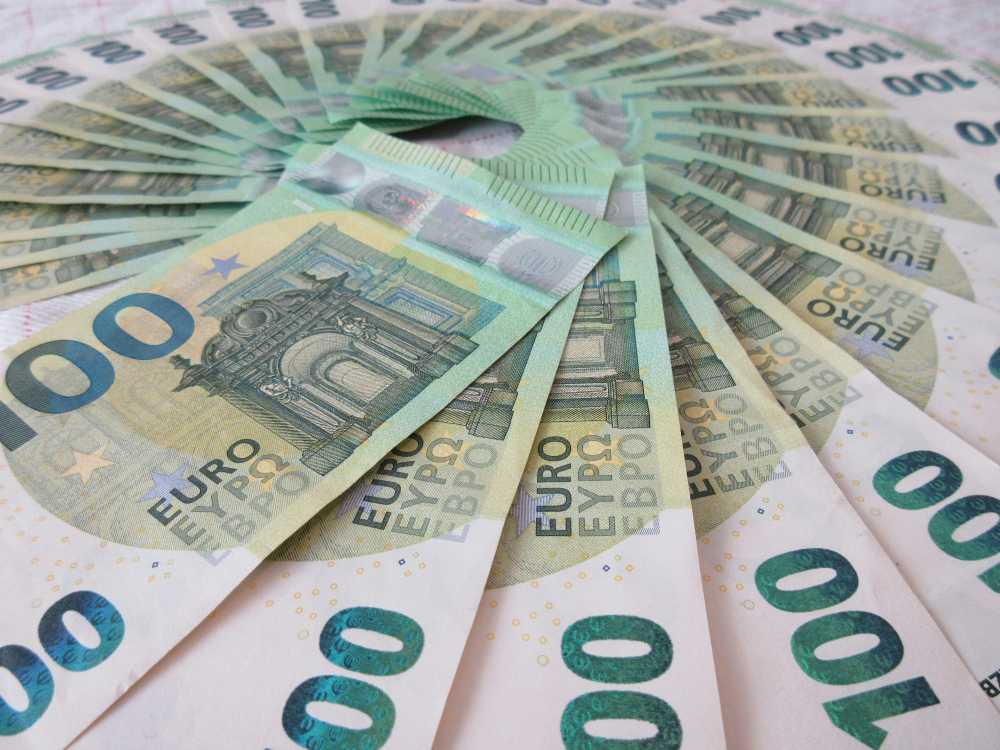
The Golden Rule: Diversify Your Portfolio
Pro-Tip: The most successful affiliate marketers build a diversified portfolio. Don't rely on a single program. This strategy of diversification is your only defense against platform risk. As we saw when Amazon dramatically slashed its commission rates with little warning, building your entire income on a single partner is a recipe for disaster. By joining programs across accommodations, tours, and gear, you create a more resilient business.
Getting Accepted and Maximizing Your Earnings
Getting accepted into these programs is just the entry ticket. The real work—and the real money—lies in your strategy. And at the heart of that strategy is one non-negotiable word: trust.
Always prioritize authenticity. Only recommend products and services you have personally used or thoroughly vetted. Your audience values your honest, first-hand experience above all else. When you integrate affiliate links, do so contextually within helpful content. A link to a Viator tour is most powerful inside a 3-day itinerary for that city. You can even package these recommendations into a premium Travel Guide, selling your expertise directly to your audience. A specialized marketplace like TrekGuider becomes an invaluable partner here, giving every creator a professional, customizable storefront to connect with travelers who are actively searching for expert resources.

Frequently Asked Questions (FAQ)
1. How many affiliate programs should I join as a beginner?
Start with 2-3 programs that are the absolute best fit for your niche. It's better to deeply integrate a few relevant programs into your content than to shallowly sprinkle links from a dozen different sources. Master these first before expanding.
2. Can I get rejected from affiliate programs? What should I do?
Yes, and it's common for new bloggers with low traffic. Don't be discouraged. Most rejections are automated. Focus on building your content library (aim for 15-20 high-quality posts) and growing your traffic. Re-apply in 3-6 months when your site's metrics have improved.
3. Is travel affiliate marketing still profitable in 2026?
Absolutely. The creator economy is projected to nearly double from $250 billion to almost $500 billion by 2027. While competition is higher, the audience of online buyers is also larger than ever. The key to success is building trust with a specific niche audience and promoting products that genuinely solve their problems.
Your Path to a Profitable Blog Starts Now
Choosing the right partners is one of the most critical decisions in your blogging journey. This curated list removes the guesswork, providing you with a powerful roster of the industry's best programs. By aligning with these trusted brands, you can confidently serve your audience with valuable recommendations while building a sustainable and profitable business.
You now have the blueprint. The next step is to take action. Review this list, identify the programs that best fit your niche, and start the application process. This is the foundational step in building a strong travel affiliate marketing strategy that will power your blog for years to come.
Meta Data
SEO Meta Title (Under 60 characters):
Top 10 Travel Affiliate Programs for Bloggers (2026)
URL Slug:
top-travel-affiliate-programs
SEO Meta Description (Under 155 characters):
Ready to monetize your blog? Discover the 10 best travel affiliate programs for 2026. We break down commissions, pros, and cons to boost your income.
Read the full guide: The Travel Blog Business Plan: How to Make Real Money in 2026
Don't Miss Out! Subscribe for Exclusive Content
Subscribe


Comments 0
No comments yet
Be the first to share your experience!
Dont Miss Out! Subscribe for Exclusive Content

FTC Affiliate Disclosure Essentials: Stay Compliant as a Travel Creator


Essential Affiliate Tools: From Tracking to Full Optimization

Avoid These 5 Affiliate Landing Page Mistakes for Better Conversions

Affiliate Keyword Research Mastery for Travel Blogs

Booking.com Affiliate Program Review: Pros, Cons, and Earnings Potential

Decoding Affiliate Commission Rates: Benchmarks for Travel Creators
The 5 Unexpected Benefits of Traveling by Yourself
TrekGuider @trekguider
You’re on the fence. The idea of a solo trip is a powerful, persistent whisper, promising adventure and absolute freedom. You see the photos—a lone backpacker watching a sunrise over a mountain peak, a woman confidently navigating a bustling foreign market—and you feel an undeniable pull. But that whisper is quickly drowned out by a chorus of doubts. Is it safe? Will I be lonely? What will people think? The logistical hurdles seem daunting, but it’s the deeper, more personal questions that truly hold you back, anchoring your dream in the harbor of "maybe someday."
This hesitation is a thief, quietly stealing what could be the most profound and transformative experience of your life. It’s a feeling shared by many, yet the data shows a powerful movement underway. Women now constitute a staggering 84% of the solo travel market, and a recent report found that a staggering 68% of women who travel solo are pursuing personal growth. They aren’t just seeking a vacation; they’re making an investment in themselves. For a complete tactical guide on how to get started, our comprehensive pillar page, The Ultimate Guide to Solo Female Travel (15 Essential Tips), is your roadmap from daydream to departure. But first, you need to understand the destination is not just a place on a map; it's a new version of yourself.

This is the definitive "why." These are the five unexpected benefits of solo travel that don’t just make for a great vacation—they have the power to fundamentally reshape your life, long after you’ve unpacked your bags.
1. You'll Discover a Reservoir of Radical Self-Reliance
At home, you exist within a comfortable web of support. When your car makes a strange noise, you call a mechanic. When you’re unsure of directions, you rely on a shared decision. On a solo trip, that web is gone. Suddenly, you are your own navigator, translator, problem-solver, and chief decision-maker. Every choice, from which train to catch to what to eat for dinner, rests solely on your shoulders.
But this isn't a burden; it's a battlefield promotion. You learn—through the direct, undeniable evidence of your own successes—that you are more capable and resourceful than you ever gave yourself credit for. When you successfully navigate a foreign subway system in a language you don’t speak or handle a cancelled flight on your own, you are forging a new neural pathway—one that screams competence.
Travel creator Christine Kaaloa of GRRRLTRAVELER found herself in this very position when she had to unexpectedly continue a trip through India alone. She recalls, "Although I had self-doubt and worry, the moment I committed to my new solo status, a rush of freedom, courage and survival instinct automatically snapped into place. I knew I would do whatever it took to survive and turn this trip into the best trip of my life (which it was)!" This is the essence of radical self-reliance. It’s the quiet, unshakable confidence that comes from knowing, not just hoping, that you can handle whatever the world throws your way.
Pro-Tip: Before your trip, download offline maps of your destination via Google Maps. This allows your phone's GPS to function without a data connection, giving you a powerful navigational tool that boosts your confidence and allows you to explore without the fear of getting truly lost.
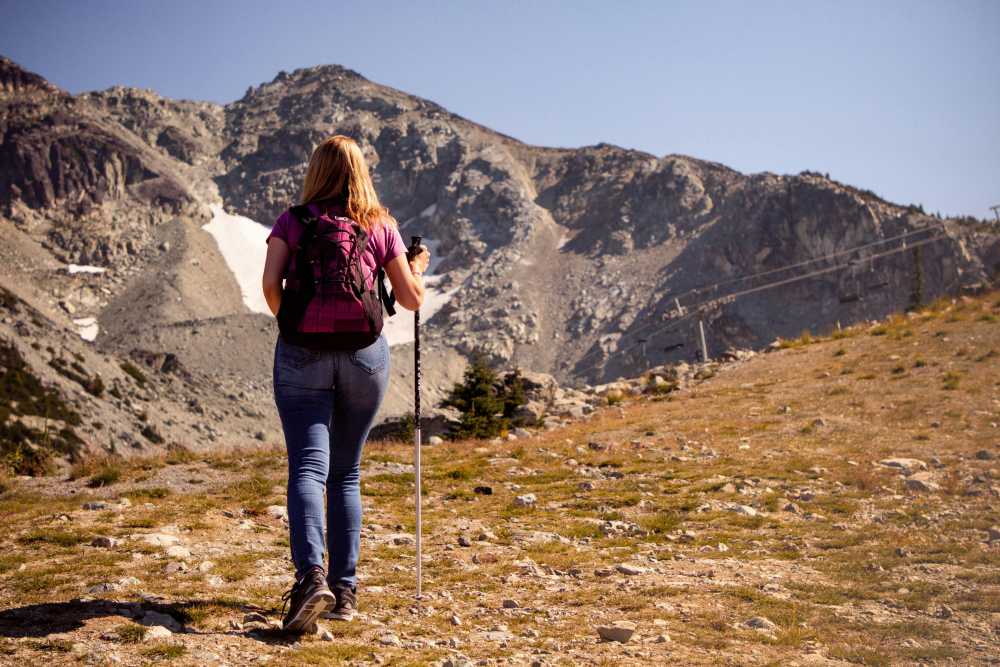
2. You'll Forge Unbreakable Adaptability and Resilience
Travel is rarely seamless. Flights get delayed, reservations are lost, weather turns sour. When you travel with others, these challenges are often met with group deliberation or shared complaint. When you are alone, you are the sole architect of the solution.
This constant, low-stakes problem-solving is a masterclass in resilience. A missed train is no longer a crisis; it’s a puzzle to be solved. Do you find the next train, or do you take this as an opportunity to explore the small town you're currently in? This forced adaptability teaches you to think on your feet, to pivot without panic, and to find the opportunity hidden within the obstacle.
Psychologists note that this process of overcoming minor adversities builds a powerful resilience that translates directly back to your life at home. After you’ve successfully re-booked a cancelled flight in a foreign airport at 3 AM, a challenging project at work suddenly seems far less intimidating. You learn to trust your ability to navigate uncertainty, a skill that is invaluable in every aspect of life. You stop seeing setbacks as failures and start seeing them as unexpected detours on an already incredible adventure. This is one of the most practical and enduring benefits of solo travel.
3. You’ll Experience Authentic, Unfiltered Self-Discovery
Who are you when no one is watching? At home, we are often defined by our roles: employee, daughter, partner, friend. Our choices, from the restaurant we pick to the movie we watch, are often subtle compromises, influenced by the preferences and expectations of those around us. Solo travel is a powerful act of stripping all of that away.
In the anonymity of a new place, you are free. Free from your social context, free from the expectations of others, and free from your own well-worn habits. This creates a unique and sacred space for introspection. You have the quiet moments to ask yourself, without any external influence, what you truly want to do. Do you want to spend six hours in an art museum, or would you rather sit in a park and read all afternoon? Do you want to wake up for the sunrise hike, or sleep in and enjoy a leisurely breakfast?
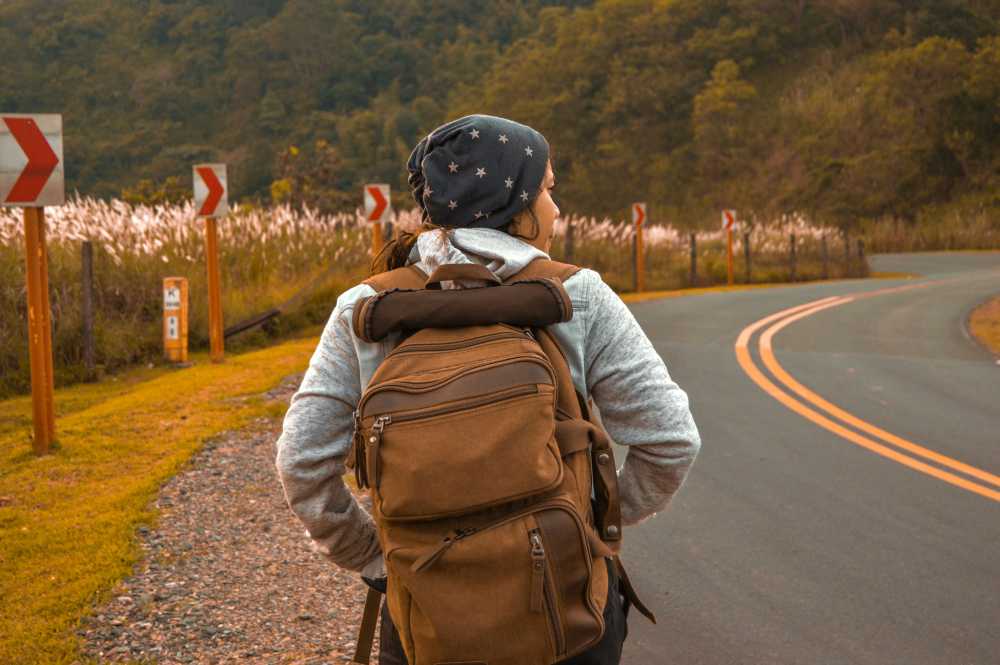
This is more than just freedom; it’s a process of authentic self-discovery. You begin to distinguish your own desires from the desires you’ve absorbed from your environment. You reconnect with your own intuition, your own rhythm, and your own passions. As Alice Teacake of Teacake Travels puts it, her mission as a solo traveler has always been to "reach my full potential by facing my fears and pushing my boundaries." This journey of self-discovery is the first step on that path.
The journey of self-discovery begins with the first step: planning an adventure that is 100% for you.
Design a Trip That's Truly Yours
Our free Travel Itinerary Template is the perfect tool to start mapping out the trip of your dreams. Download it now to organize your thoughts, plan your days, and take control of your adventure from the very beginning.
4. You’ll Unlock a State of True Mindfulness and Presence
When you travel with a companion, much of your attention is naturally directed toward them—through conversation, shared decision-making, and the simple act of experiencing things together. While wonderful, this constant social interaction can create a filter between you and your surroundings.
When you travel alone, that filter dissolves. Without the distraction of constant conversation, your senses are heightened. You become acutely aware of the world around you in a way that is profoundly mindful. You notice the fine details of the architecture, the specific aroma of the street food, the cadence of the local language, the way the light hits a cobblestone street in the late afternoon. You become an observer, not just a visitor.
This state of heightened awareness is a form of mindfulness, allowing you to be fully present in the moment. You absorb your destination with a depth and richness that is often missed in a group. A meal isn't just a meal; it's a quiet meditation on new flavors. A walk through a city isn't just a route from A to B; it's an immersive experience of sights, sounds, and smells. You learn to find richness in the small, quiet moments that are often overlooked, and this ability to be fully present is a skill that dramatically enhances your quality of life, both on the road and at home.
Pro-Tip: Use your solo meals as a dedicated mindfulness practice. Put your phone away, bring a journal, and spend the time actively observing the world around you. Write down what you see, hear, and taste. This transforms a potentially awkward moment into a rich, reflective experience.
5. You'll Master the Empowering Benefits of Solo Travel: "Alone" vs. "Lonely"
Let’s address the biggest fear head-on: loneliness. The specter of profound social isolation—of having no one to share a beautiful sunset with—can be the single most powerful deterrent to a solo trip. But one of the most profound benefits of solo travel is learning the crucial and empowering distinction between being "lonely" and being "alone."
Loneliness is a feeling of lack, of involuntary isolation. Being alone, on the other hand, can be a choice—a state of contentment, peace, and self-possession. Solo travel is your training ground for mastering this skill. It forces you to get comfortable in your own skin, to find joy in your own company, and to realize that you are enough.
This fear is universal. Alexandra Baackes of Alex in Wanderland recalls the night before her first solo trip: "she cried; terrified over the thought of eating dinner alone, getting lost in the airport, and having her camera stolen." That summer, she fell "head-over-flip-flops in love with the adrenaline of travel." Her story is proof of the fact that courage isn't the absence of fear, but the act of moving forward despite it. You will have moments where you feel a pang of loneliness, but you will also have moments of pure, unadulterated joy in your own solitude. You learn that you can be both independent and connected, seeking out social interaction on your own terms and then retreating into your peaceful solitude when you choose. This ability to be at peace with oneself is a superpower.

Frequently Asked Questions About Solo Travel's Personal Growth
I'm an introvert. Will I still experience these benefits?
Absolutely. In fact, many introverts find solo travel to be the ideal way to explore. It allows you to engage with the world on your own terms, without the social battery drain of constant group interaction. The self-reliance and resilience you build are universal, and you have complete control over when and how you socialize.
Is it selfish to travel by myself?
Not at all. Investing in your own growth, resilience, and happiness is one of the least selfish things you can do. The confident, capable, and more worldly person you become after a solo trip is a gift to everyone in your life.
How long does a trip need to be to feel these benefits?
It's not about the duration, but the intention. A long weekend trip to a new city where you are fully responsible for your own itinerary can be just as impactful as a month-long backpacking adventure. The key is to step outside your comfort zone and embrace the autonomy, no matter the timeline.
Your Journey Awaits
The call to travel solo is a call to grow. It’s an invitation to discover the depths of your own capability, to find comfort in your own company, and to see the world not as a scary, intimidating place, but as a vast and beautiful classroom. The fears are valid, but they are not your future. The profound benefits of solo travel—radical self-reliance, unbreakable resilience, authentic self-discovery, heightened mindfulness, and the mastery of solitude—are the rewards that await you on the other side of that fear.
This is your "why." It’s one of the most direct and powerful investments you can ever make in yourself. The question is no longer "should I go?" but rather, "how can I not?"

The path to your transformation starts with a single step. On the TrekGuider marketplace, you can explore a collection of expert-written travel guides from seasoned solo travelers, packed with the kind of real-world advice that builds confidence. Find your destination, build your plan, and begin the adventure that will change your life. The world is waiting.
Meta Data Suggestions:
SEO Meta Title (59 characters): 5 Unexpected Benefits of Solo Travel for Personal Growth
URL Slug: /benefits-of-solo-travel
SEO Meta Description (154 characters): Thinking about a solo trip? Discover the 5 unexpected benefits of solo travel, from radical self-reliance to authentic self-discovery. It's more than a trip; it's a transformation.
Don't Miss Out! Subscribe for Exclusive Content
SubscribeComments 0
No comments yet
Be the first to share your experience!
Dont Miss Out! Subscribe for Exclusive Content

Ultimate USA Holidays Guide: Top Picks
FTC Affiliate Disclosure Essentials: Stay Compliant as a Travel Creator
Essential Affiliate Tools: From Tracking to Full Optimization
Booking.com Affiliate Program Review: Pros, Cons, and Earnings Potential
Decoding Affiliate Commission Rates: Benchmarks for Travel Creators

Amazon Associates for Travel: Strategies to Maximize Commissions
San Francisco Cherry Blossoms: A Local's Guide to the Blooms
TrekGuider @trekguider
The cherry blossom experience in San Francisco is not a grand, sweeping spectacle. It’s something more intimate, more soulful. It’s about turning a corner in a vibrant, historic neighborhood and finding yourself under a delicate canopy of blossoms, the scent of ramen broth mixing with the faint fragrance of spring. It’s a celebration rooted not in diplomacy, but in the fierce resilience of a community.
This is a concentrated jewel box of culture. But that intimacy comes with its own challenges. The Northern California Cherry Blossom Festival, the largest on the West Coast, packs over 220,000 people into the tight-knit blocks of Japantown. A poorly planned visit can quickly devolve into a frustrating battle with crowds, leaving you with more stress than serenity.
This isn’t just another guide. This is your strategic playbook for experiencing San Francisco’s cherry blossoms like a local. We’ll deconstruct the bloom’s tricky timing, reveal the best viewing spots both in and out of the festival’s epicenter, and provide the transportation hacks you need to navigate the city like a pro. By the end of this, you’ll have a plan to witness one of America’s most meaningful cultural celebrations in all its glory.

A Story of Resilience: The Soul of the Festival
To truly appreciate the blossoms here, you have to understand their story. San Francisco’s are proof of a community’s will to survive. Japantown, or Nihonmachi, is one of only three remaining in the United States, a neighborhood that has weathered unimaginable challenges.
After the forced internment of Japanese Americans during WWII, the community returned to find their homes and businesses lost. In the 1960s, city redevelopment projects displaced thousands more. The Northern California Cherry Blossom Festival was born from this turmoil. First held in 1968, it was a defiant celebration of culture and a powerful statement that the community was here to stay.
So when you stand in the Peace Plaza, you’re standing on historic ground. That iconic, five-tiered structure is the Peace Pagoda, a gift from San Francisco’s sister city of Osaka, designed by the renowned Japanese architect Yoshiro Taniguchi. It’s not just a landmark; it’s the spiritual anchor of the entire festival. Every blossom that blooms here feels more meaningful because of the history it represents.
Decoding the Bloom: Festival Dates vs. Nature’s Whim
The first mistake visitors make is confusing the festival schedule with the flowers’ schedule. They are two separate things.
For your planning purposes, here are the official festival dates, which traditionally span two weekends in April:
2026 Northern California Cherry Blossom Festival: April 12-13 & April 19-20, 2026
But here’s the critical distinction every visitor must understand: the festival dates are not the bloom dates. The festival is a fixed celebration of culture, while the blossoms themselves are a fleeting, unpredictable miracle of nature. Your goal is to find the magic window where the two overlap.

The Nuance of "Peak Bloom" in the Bay Area
In San Francisco, "peak bloom" is a rolling event, not a single moment. It depends on the tree variety and the city’s famously fickle microclimates.
The First Wave (Yoshino): The delicate, pale pink Yoshino cherry trees are typically the first to bloom, usually from late March into early April. These are the classic, ethereal blossoms you see in the Japanese Tea Garden.
The Second Wave (Kwanzan): Following the Yoshino are the Kwanzan cherry trees, which produce much fuller, fluffier, and deeper pink blossoms. These are hardier and their bloom often coincides perfectly with the festival’s second weekend and the Grand Parade, making for a spectacular show in Japantown.
Predicting the bloom is an art, not a science. A warm, dry winter can sometimes delay the bloom, as the trees need a certain number of "chill hours" to properly set their buds. Your best bet is to monitor social media. The official festival website and the Instagram accounts for the Japanese Tea Garden and SF Botanical Garden are invaluable resources for real-time updates.
Your Strategic Viewing Guide
You can experience the blossoms in three distinct ways: embracing the festival’s vibrant chaos, seeking tranquil beauty in a world-class garden, or discovering a hidden gem beloved by locals.
1. The Epicenter: Japantown & The Peace Plaza
During the festival weekends, the blocks around the Peace Plaza transform into a bustling hub of Japanese culture. You’ll find everything from traditional music and martial arts demonstrations to mouth-watering street food.
In Japantown, timing isn’t just important—it’s everything. It’s the difference between a serene morning stroll among the blossoms and being swept up in a shoulder-to-shoulder river of festival-goers.
Pro-Tip for Foodies: The food booths, known as yatai, are a massive draw. Don't miss the Takoyaki (octopus balls) from Kagura or the sweet, red-bean-filled Imagawayaki. To beat the lines, arrive right at 11 AM when the festival opens and eat first. The lines can be an hour long by 1 PM.
Pro-Tip for Photographers: The best shot of the Peace Pagoda framed by blossoms is from the Webster Street Bridge overlooking the plaza. For street scenes, a weekday morning before the festival begins offers beautiful, soft light and empty streets.
Go Deeper: For those who want to go even deeper, this is the perfect opportunity to connect with a local expert. The history of Japantown is complex and deeply moving, and a guided walk can reveal stories you’d never find on your own.
2. The Oasis: Golden Gate Park
If you need a break from the festival energy, a short bus ride will take you to the serene landscapes of Golden Gate Park, home to two premier blossom-viewing locations.
The Japanese Tea Garden: This is the oldest public Japanese garden in the United States, and it is an absolute masterpiece. The cherry trees here are artfully placed around the Drum Bridge, pagodas, and koi ponds. It’s a photographer’s dream. There is an entrance fee, but it’s worth every penny. To avoid crowds, purchase your ticket online in advance and go on a weekday morning.
The San Francisco Botanical Garden: Just a short walk from the Tea Garden, the SFBG offers a more sprawling, less crowded experience. Head to the Temperate Asia collection to find their grove of cherry trees. It’s a perfect spot for a quiet picnic under the petals.
3. The Secret Spot: The Palace of Fine Arts
For a truly local experience, head to the Marina district. Tucked away behind the iconic rotunda of the Palace of Fine Arts is a small, enchanting grove of cherry trees. The blossoms here often peak a bit later, sometimes into early May. The sight of the delicate pink flowers against the Greco-Roman architecture is breathtaking and feels like a hidden secret. It’s the perfect place to escape the crowds and enjoy a quiet moment.
Logistics Masterclass: Getting Around
Rule number one: Do not drive to Japantown during the festival. You will spend your entire day circling for non-existent parking. Here’s how to do it right:
Public Transit (Muni): This is your best friend. The 38-Geary and 38R-Geary Rapid buses run constantly along a major corridor and stop one block from the festival. The 2-Clement and 22-Fillmore are also excellent options. Use a Clipper card or the MuniMobile app to make things seamless.
Parking (If You Absolutely Must): The only sane option is the Japan Center Main Garage. The entrance is on Geary Blvd. On festival weekends, you must arrive before 10 AM, or you will find it full.
Ride-Sharing: A good option, but set your drop-off and pick-up points at least three blocks away from the festival’s core (e.g., at Geary & Laguna or Post & Franklin) to avoid getting stuck in gridlock.
Don't-Miss Festival Highlights
The festival’s crown jewel is the Grand Parade, which closes out the final Sunday of the event. This is a spectacular procession that starts near City Hall and travels up Post Street into the heart of Japantown. You’ll see everything from taiko drummers and dancers to the newly crowned Cherry Blossom Queen and her court—a leadership program for young Japanese American women.
The parade’s incredible finale is the Taru Mikoshi. This is a massive, ornate portable shrine weighing over 1,000 pounds, carried on the shoulders of over 100 chanting participants. It’s a powerful, energetic display of community spirit and a must-see spectacle.

Your Pre-Trip Checklist
A little preparation goes a long way in San Francisco.
Dress in Layers: This is the golden rule of SF. A chilly, foggy morning can become a sunny, breezy afternoon in an instant. A fleece or mid-layer under a windbreaker is the standard local uniform for a reason.
Comfortable Shoes: You will be walking. A lot. The hills are no joke. This is not the time to break in new shoes.
Portable Power Bank: Between navigating, taking photos, and using transit apps, your phone battery won’t stand a chance. A power bank is essential.
Cash: While most vendors take cards, the lines for ATMs are long and the smaller food stalls are often cash-only.
The Cherry Blossom Festival is one of the city's signature spring events. For a complete look at what's happening year-round, our complete guide to San Francisco Holidays: Bay Area Buzz is the essential next read for planning a trip around the city's top seasonal events.
An Unforgettable Bloom
San Francisco’s cherry blossom celebration offers something truly special: a world-class cultural event with the heart of a neighborhood block party. It’s a chance to not only witness the stunning beauty of spring but to feel the powerful spirit of a community that has refused to be erased.
By timing your visit strategically, knowing where to find your own quiet corner, and embracing the city’s public transit, you can bypass the stress and create a truly unforgettable memory. You’re no longer just a tourist; you’re an insider, ready to experience this beautiful and meaningful spectacle to its fullest.
Capture the Perfect Bloom
You’re going to take hundreds of photos of the cherry blossoms—don’t let them get lost on your camera roll. Our free collection of Travel Lightroom Presets is designed to make your photos pop with just one click. Transform your shots of the delicate pink petals and vibrant festival scenes into professional-quality images you’ll be proud to share.
Frequently Asked Questions (FAQ)
When is the absolute best time to see the cherry blossoms in San Francisco? While the festival is in mid-to-late April, the "best" time depends on what you want to see. For the most ethereal, classic blossoms in a garden setting, aim for the first week of April at the Japanese Tea Garden. For the full, vibrant festival experience with the fluffy Kwanzan blossoms, the second weekend of the festival is your best bet.
Is the Northern California Cherry Blossom Festival free? Yes, attending the festival in Japantown, including all the stage performances and watching the parade, is completely free. You will need to pay for food, drinks, and any items from craft vendors. Note that visiting the Japanese Tea Garden in Golden Gate Park requires a separate admission fee.
How much time should I budget for the festival? If you plan to eat, watch a few performances, and browse the stalls, give yourself at least 3-4 hours in Japantown. If you want to see the parade, plan for that to take an additional 2 hours of your day.
Is the festival kid-friendly? Absolutely. Kids love the energy, the food, and the parade. There are also often hands-on cultural activities like origami folding. However, the crowds can be overwhelming for small children, so a weekday visit or arriving right at the opening on a weekend is recommended.
Can I see cherry blossoms in San Francisco outside of Japantown and Golden Gate Park? Yes! Besides our "secret spot" at the Palace of Fine Arts, you can often find beautiful blooming trees scattered in residential neighborhoods like the Richmond and Sunset districts. Keep your eyes peeled in late March and April—you’ll be surprised where they pop up.
Don't Miss Out! Subscribe for Exclusive Content
SubscribeComments 0
No comments yet
Be the first to share your experience!
Dont Miss Out! Subscribe for Exclusive Content

Halloween SF: Haunts Without Horrors

SF Festivals: 7 Must-See Lineups

Christmas SF: Lights & Wharf Wonders

SF Pride: 6 Route & Party Hacks

Chinese New Year SF: Parade Essentials
