
7-Day Solo Travel Itinerary: A Perfect First-Trip Template

TrekGuider @trekguider
You're ready for an adventure that's entirely your own. No more compromising on destinations, no more syncing schedules. Just you, the open road, and the profound freedom of solo travel.

But a blank page can be intimidating. The excitement of the idea is quickly replaced by the paralysis of planning. Where do I start? How do I build a solo travel itinerary that's exciting but not overwhelming? How do I stay safe?
The good news is that you don't need to reinvent the wheel. You need a proven framework, a reliable playbook to guide you. This article provides the ultimate solution: a flexible 7-day solo travel itinerary that acts as the perfect template for your first independent adventure. It’s designed to eliminate guesswork, build confidence, and ensure an unforgettable experience.
While planning a trip for one has a very different set of challenges than coordinating group travel, as detailed in our guide to Family Travel Ideas: The 2026 Guide to Unforgettable Trips, the need for a solid plan remains universal. This guide is your key to unlocking that journey, transforming apprehension into pure excitement.
Your Pre-Flight Checklist: Engineering a Stress-Free Start
A smooth trip begins long before you pack your bags. Solid preparation is the antidote to travel anxiety, transforming "what ifs" into "I've got this."

1. Choose a Beginner-Friendly Destination
For your first solo trip, set yourself up for success by picking a location known for its strong tourist infrastructure and safety. You're looking for a "soft landing."
Top Contenders: Think cities like Lisbon (Portugal Travel Guide), Dublin, Kyoto (Japan Travel Guide), or Vancouver. These spots are celebrated for being affordable, walkable, friendly, and supremely safe.
The Litmus Test: Can you get around easily on public transport? Is it known for being safe, particularly for solo travelers? Is Wi-Fi widely available?
2. Select Your Home Base Wisely
Your accommodation is more than a place to sleep; it's your sanctuary and command center.
Boutique Hostels (with Private Rooms): The gold standard for many first-timers. You get the social energy of a common room and organized tours, plus the quiet retreat of your own space. It's the perfect balance of community and privacy.
Boutique Hotels or Guesthouses: A step up in privacy and comfort. Small, locally-owned spots often provide a warmer, more personal touch than soulless chains, and the staff can be a goldmine of local tips.
Centrally Located Airbnbs: Ideal if you crave a "live like a local" vibe and a kitchen. Stick exclusively to hosts with a "Superhost" designation and dozens of positive reviews that specifically mention safety, cleanliness, and an excellent location.
3. A Quick Word on Budgeting for Your First Solo Trip
A clear budget isn't a restriction; it's freedom. It frees you from money-related stress on the road. For a 7-day city trip, a simple framework is:
Fixed Costs: Pre-booked flights and accommodation.
Daily Average: Set a realistic daily budget for food, activities, and transport. Research costs in your chosen city (e.g., a meal in Lisbon is far cheaper than in Zurich). A good starting point for many European or North American cities is $75-$125 per day.
Contingency Fund: Always have an extra 20% of your total budget tucked away in a separate account for unexpected opportunities or emergencies.
4. A Pro's Approach to Solo Safety
Your confidence is directly linked to how safe you feel. Build a fortress of preparation. For a deeper dive, especially for female travelers, our Solo Female Travel Safety Guide is an essential resource.
Digital Security: Download offline maps of your city on Google Maps. Use a VPN on public Wi-Fi. Scan your passport and important documents and save them to a secure cloud service like Dropbox.
Situational Awareness: The "Morning Photo" protocol is a great habit for solo travelers. Snap a quick selfie each morning. In an emergency, it provides an exact, current visual reference.
Contingency Plan: Before you leave, share your detailed itinerary with someone at home. Establish a simple check-in cadence (e.g., a quick "all good" text each night).
Financial Safety: Carry a "decoy" wallet with a small amount of cash and an expired credit card. Keep your primary cards and the bulk of your cash in a secure money belt or a hidden internal pocket. Never keep all your money in one place.
Pro-Tip: Download the Noonlight app. It's a discreet safety button on your phone. If you're feeling uneasy, you can hold your thumb on the button. Release it and don't enter your PIN, and it will automatically alert local authorities with your exact location.
Your Ultimate Pre-Trip Tool
Feeling organized is feeling confident. Before you book a single flight, download our free International Travel Checklist. It’s a comprehensive resource that covers everything from passports and visas to packing and travel insurance, ensuring you don't miss a single crucial step.
The Perfect 7-Day Solo Travel Itinerary Blueprint
This is your playbook. The specific sights will change, but the strategic rhythm of this week is designed to maximize discovery while preventing burnout.

Day 1: Land Softly, Start Slow
Your only goal on day one is to land softly. Forget the pressure to do anything "touristy." The mission is simple: arrive, check-in, and breathe.
Afternoon (Arrival & Settle): Navigate from the airport to your lodging using a pre-vetted option—an official taxi stand, Uber/Lyft, or the city's express train. Avoid unsolicited ride offers. Once you drop your bags, take 30 minutes to actually unpack. This small act of nesting transforms a sterile room into your personal space.
Late Afternoon (The Reconnaissance Walk): Take a short, aimless walk with a purpose: to locate your vitals. Find the nearest ATM, pharmacy, small grocery store, and metro/bus stop. This simple recon mission builds a mental map and makes you feel instantly more capable.
Evening (The Easiest Dinner Ever): Your first meal should be low-stress. Find a casual, well-lit café or bistro within a few blocks of your accommodation. Ask for a table with a view of the street. This isn't just dinner; it's your first immersion.
Day 2: Find Your Anchor, Catch the Vibe
Today is about orientation. You'll anchor yourself with a major landmark and then plug into the city's authentic energy.
Morning (The Iconic Anchor): Head to the city's most famous landmark—the one on all the postcards. Book your ticket online, weeks in advance, to bypass the soul-crushing queues. Seeing this "anchor point" early gives your mental map a center of gravity.
Lunch (A Feast for the Senses): Skip the tourist-trap restaurants and head for a bustling local food market. It's a vibrant, low-pressure way to sample authentic cuisine. Graze from different stalls, trying whatever looks and smells incredible.
Afternoon (The Ultimate Solo Travel Hack): Join a "free" walking tour (they run on tips, so bring cash). A passionate local guide will give you a brilliant crash course in the city's history, secrets, and layout. It's also an effortless way to be around fellow travelers.
Evening (Culture or Comfort): If you're energized, catch a local performance—traditional music, a play, anything that gives you a taste of the culture. If you're tired, there is zero shame in a simple dinner and an early night. Listen to your body.
Day 3: Pursue Your Passion
This is your trip. Today is dedicated entirely to whatever makes you tick.

Morning (The Deep Dive):
Art Lover? Lose yourself in a world-class museum or hunt for street art in a bohemian neighborhood.
History Buff? Explore that niche museum or archaeological site that fascinates you.
Foodie? Take a local cooking class. It's one of the best ways to meet people, learn a skill, and eat an amazing meal.
Nature Enthusiast? Escape to the city's largest park or botanical garden for a few hours of green therapy.
Afternoon (The Art of Getting Lost): Pick a neighborhood that intrigued you and put your phone on airplane mode. Allow yourself to wander without a destination. Follow a charming alleyway, pop into a random shop, sit on a bench. This is where the magic happens.
Evening (A Table for One, with a View): Treat yourself. Find a restaurant or rooftop bar with a spectacular view. Order a great meal, and toast to your adventure. Worried about dining alone? Bring a journal and write about your day—it makes you look like a mysterious travel writer, not a lonely tourist.
Day 4: Gain Perspective with a Day Trip
Escaping the city for a day provides a vital change of scenery and proves your growing travel competence.
Full Day: Choose a destination one or two hours away by train or bus. Think a coastal village, a historic castle, or a national park. The journey itself is part of the adventure.
The Mission: This trip breaks the routine and shows you a completely different facet of the country. It also flexes your navigation skills and builds immense confidence. Successfully planning and executing a day trip on your own is a huge milestone.
Logistics: Research train/bus schedules the night before. Pack a small daypack with a water bottle, snacks, a portable charger, and a light jacket.
Day 5: Live Like You Belong Here
Today, your goal is to blend in. Shed the tourist skin and adopt the rhythms of a local.

Morning (The Café Ritual): Find a small, neighborhood café far from the tourist trail. Order a coffee, grab a pastry, and settle in with a book or journal for an hour. Watch the morning commute, listen to the chatter—just be.
Mid-Day (A Mundane Mission): Do a normal-person errand. Browse a local bookstore, buy fruit at a grocer, or find a post office to mail cards home. These simple tasks ground you in the reality of the place.
Afternoon (Scheduled Downtime): Hit the pause button. You are not a travel machine. Go back to your room for a nap. Read a book on a park bench. Do absolutely nothing. This is a vital part of sustainable travel.
Evening (The Local's Recommendation): Ask a local you've had a pleasant interaction with—your barista, a friendly shopkeeper—"Where's your favorite place to eat around here?" Their recommendation will almost always be more authentic and delicious than anything on a top-ten list.
Day 6: The Open Road and a Fond Farewell
Leave this day largely unplanned. It's a blank page for you to fill with whatever your heart desires.
Morning (Encore or Exploration): Is there a neighborhood you fell in love with? Go back. Did a fellow traveler tell you about a hidden gem you can't stop thinking about? Go find it. This is your flex day to chase your curiosity.
Afternoon (Meaningful Mementos): If you're buying souvenirs, seek out items that tell a story. Skip the generic trinkets and look for local crafts, specialty foods, a vintage poster, or a book from a local author.
Evening (The Last Supper): Make your final dinner a celebration of your journey. Return to a favorite spot or try that one special place you've been saving. As you eat, reflect on the week. Think about what you've learned, the challenges you've overcome, and the person you've become.
Day 7: Depart with Your Head Held High
The last day is for a smooth, grateful exit. No frantic rushing.
Morning: Enjoy one last coffee and pastry at your favorite café. Take a final, mindful walk down a beloved street, soaking in the sights and sounds.
Pack & Go: Head back to your room for a final pack-up. Leave ample time for your journey to the airport. Strolling calmly to your gate is a far better feeling than sprinting.
At the Airport: Once you're through security, pause. Take a deep breath. You did it. You took the dream of solo travel and forged it into reality. Acknowledge the magnitude of that achievement.
Frequently Asked Questions
What is the best way to handle feeling lonely on a solo trip?
It's completely normal to feel a pang of loneliness. The best strategy is to be proactive. Stay in social accommodations like a boutique hostel, join a walking tour or a cooking class on days you crave interaction, and find a cozy café to simply be around the comforting buzz of other people.
Is it awkward to eat at restaurants alone?
Not at all! It's a skill that gets easier with practice. Start with casual cafes, bring a book or journal to feel more comfortable, and try sitting at the bar where you can often chat with the bartender. Soon you'll find it's a peaceful and empowering experience.
How can I stay safe when going out at night by myself?
A: Prioritize well-lit, busy areas and research neighborhoods beforehand. Tell someone where you're going, use ride-sharing apps like Uber instead of walking in unfamiliar areas late at night, and always be mindful of your drink. Trust your intuition—if a place feels off, leave immediately.
What's the most common mistake first-time solo travelers make?
The most common mistake is over-scheduling. New solo travelers often try to fill every single minute to avoid being alone with their thoughts. The real magic happens in the unplanned moments, so be sure to build plenty of downtime and flexibility into your itinerary.
Welcome Home, Traveler: This Is Just the Beginning
Walk through that arrival gate on your way home, and you won't be the same person who left. A solo trip is a declaration—proof that you are more capable, resilient, and fiercely independent than you might have ever allowed yourself to believe.

This solo travel itinerary was never just about seeing a new place; it was about discovering a new version of yourself. Use this template, adapt it, and carry the confidence you've earned into planning your next adventure. When you're ready to go from template to a fully-realized plan, our comprehensive Travel Guide is the perfect next step to turning your dream trip into a reality. Because this isn't the end of one journey; it's the beginning of a lifetime of them.
Read the full guide: Family Travel Ideas: The 2026 Guide to Unforgettable Trips
Don't Miss Out! Subscribe for Exclusive Content
Subscribe



Comments 0
No comments yet
Be the first to share your experience!
Dont Miss Out! Subscribe for Exclusive Content

Ultimate USA Holidays Guide: Top Picks


FTC Affiliate Disclosure Essentials: Stay Compliant as a Travel Creator

Essential Affiliate Tools: From Tracking to Full Optimization

Booking.com Affiliate Program Review: Pros, Cons, and Earnings Potential

Decoding Affiliate Commission Rates: Benchmarks for Travel Creators

Amazon Associates for Travel: Strategies to Maximize Commissions
FTC Affiliate Disclosure Essentials: Stay Compliant as a Travel Creator
TrekGuider @trekguider
Let’s talk about the single most valuable asset in your travel content business: trust. It’s the bedrock of your brand, the reason your audience listens, and the currency that turns recommendations into revenue. Yet, there’s a legal landmine many creators unwittingly step on that can shatter that trust in an instant: the Federal Trade Commission (FTC).

In a creator economy where the affiliate marketing industry is a $93 billion juggernaut, operating with professional integrity isn't just good ethics—it's a brilliant business strategy. The creators hitting the reported average of $13,847 a month aren't just getting lucky; they're building resilient businesses on a foundation of transparency. But the rules around disclosure can feel like a confusing maze of legalese, leading many to either ignore them or implement them incorrectly. This isn't just a minor slip-up; it's a mistake that can get you kicked out of affiliate programs, alienate your audience, and attract unwanted legal attention.
This guide is your definitive, jargon-free map through that maze. We're breaking down the exact rules, providing copy-and-paste templates for every platform, and giving you the confidence to monetize ethically and legally. Mastering compliance is at the heart of a successful business, a topic we explore from every angle in our comprehensive pillar page on Travel Affiliate Programs: The 2026 Ultimate Guide.
What Exactly Is an FTC Affiliate Disclosure?
At its heart, an FTC affiliate disclosure is a simple, honest statement. It informs your audience that you have a "material connection" to a product or service you're recommending. In plain English, if you stand to earn a commission, get a free product, or receive any compensation when someone uses your link, you are legally required to tell them.
This isn't just red tape. It serves two purposes that are vital to your business:
It’s the Law: The FTC is America's consumer protection agency. Its job is to prevent deceptive advertising, and hiding a paid endorsement is considered deceptive. Compliance is non-negotiable.
It Forges Unbreakable Trust: In the creator world, transparency is a superpower. When you're upfront about your affiliate relationships, you prove you have nothing to hide. This makes your audience more likely to trust your recommendations, not less, because they see you as an honest broker.
Pro-Tip: Stop thinking of your FTC affiliate disclosure as a legal chore. Start seeing it as a badge of honor that signals your commitment to professionalism and respect for your audience.

The "Clear and Conspicuous" Standard: Your Four-Point Compliance Checklist
The FTC’s mandate boils down to two words: "clear and conspicuous." This isn’t just vague legalese; it’s an actionable standard built on four pillars. If your disclosure fails on even one, it’s not compliant.
1. Prominence: It Must Be Impossible to Miss
Your disclosure can't be an afterthought. It needs to be presented in a font, color, and location that a typical user can't help but see. That means no tiny, light-gray text hidden in a crowded footer.
2. Presentation: It Must Be in Plain English
Ditch the corporate jargon. Your disclosure needs to be written in simple, straightforward language that anyone can understand instantly.
Excellent: "This post contains affiliate links. If you buy something through one of these links, I may earn a commission at no extra cost to you."
Poor: "This site is a participant in affiliate advertising programs designed to provide a means for sites to earn advertising fees."
3. Placement: It Must Appear Before Any Links
This is the rule creators break most often. The disclosure must be placed where your audience will see it before they scroll to your first affiliate link. Placing it at the bottom of your post is a clear violation.
4. Proximity: It Must Be Close to the Action
The disclosure should be as close to your recommendations as possible. For a blog post, a single, clear statement at the very top of the article is the gold standard and covers all the links that follow.

Your Platform-by-Platform Disclosure Playbook (with Templates)
The four pillars apply everywhere, but how you build them changes with the platform. Here’s your definitive guide.
For Your Travel Blog or Website
This is your home base, and the rules are clearest here. Your disclosure must be at the top of the article, before the main content begins.
Compliant Placement: At the very beginning of the post.
Non-Compliant Placement: In the sidebar, in the footer, or on a separate "Disclosures" page.
Template You Can Use:
(Heads up! This post contains affiliate links. If you book or buy something through one of my links, I may earn a small commission at no extra cost to you. This helps me keep the adventures coming. Thanks for your support!)
For Instagram (Posts, Stories, and Reels)
On social media, disclosures must be instantly visible without a user having to click "see more."
Compliant Placement: Within the first three lines of the caption.
Non-Compliant Placement: Buried in a long block of hashtags at the end.
Pro-Tip: For maximum clarity, the FTC recommends using simple, unambiguous terms.
Templates You Can Use:
For Captions: Start your caption with Ad: or Sponsored:.
Hashtags: Use clear, upfront hashtags like #ad or #sponsored. While #affiliate is used, it's less clear to the average consumer.
For Stories/Reels: The best method is using Instagram's built-in "Paid Partnership" label. If that's not an option, superimpose clear text like "Ad" or "Sponsored" on the screen and mention it verbally.

For YouTube Videos
A compliant YouTube video requires a two-pronged disclosure: one verbal, one written.
Compliant Placement: Stated verbally near the beginning of the video AND written in the description box above the "show more" fold.
Non-Compliant Placement: Only written in the description box where a user has to click to see it.
Templates You Can Use:
Verbal Script: "Just a quick heads-up before we get started—this video contains affiliate links. So if you decide to book that incredible tour I'm about to show you, I might earn a small commission, which is a huge help in supporting this channel!"
Description Box Text: DISCLOSURE: This video and description may contain affiliate links, which means that if you click on one of the product links, I’ll receive a small commission at no additional cost to you.
Don't Forget Referral Links
The rules for an FTC affiliate disclosure extend beyond traditional product sales. They cover any "material connection," and that absolutely includes referral programs. If you share a link that gives a friend a discount and earns you a credit or bonus, that relationship must be disclosed.
This is particularly relevant for modern creator platforms. For example, when you invite fellow creators to join the TrekGuider Seller Platform using your unique referral link, you must be transparent about the fact that you stand to benefit. The best disclosures frame this as a win-win.
Templates for Referral Links:
Simple & Direct: "This is my referral link. If you sign up, I may receive a bonus from TrekGuider."
Benefit-Focused: "Use my link to join the TrekGuider Seller Platform! You'll get mention the benefit, e.g., a 15% discount on your first purchase, and I'll get a small commission to help support my work."
The Travel Creator's Toolkit
Mastering compliance is a key part of building a professional content business. To help you organize your entire strategy—from legal checklists to content templates—we've created the ultimate resource bundle. It’s designed to help you operate like a pro from day one.
Download Your Free Bundle: The Travel Creator's Toolkit Today!
Frequently Asked Questions (FAQ)
1. Is it enough to have a "Disclosure Policy" page on my website? No. While having a dedicated policy page is a good practice, it does not satisfy the FTC's requirement for a disclosure that is proximate to the recommendation. The disclosure must be on the same page as the affiliate links themselves.
2. Do I need to disclose if I received a product for free, even if I'm not getting paid? Yes. Receiving a product or service for free (like a complimentary hotel stay or a free piece of luggage) is considered a "material connection" and must be disclosed just as you would a monetary commission.
3. Can I just use #affiliate in my social media posts? While it's better than nothing, the FTC has indicated that it prefers clearer, more universally understood terms like #ad or #sponsored. The term "affiliate" may not be clear to everyone in your audience.
Your Commitment to Transparency
The world of FTC affiliate disclosure is not designed to be a trap. It’s a framework for honest communication. By embracing these rules, you’re not just protecting yourself legally; you’re making a powerful statement to your audience that you value their trust above all else.
You now have the knowledge and the templates to implement compliant disclosures with confidence across every platform. See this not as a chore, but as a professional standard that elevates your brand. In the creator economy, transparency isn't just good policy—it's the ultimate currency.
Read the full guide: The Travel Blogger's Playbook to Affiliate Marketing Mastery
Don't Miss Out! Subscribe for Exclusive Content
SubscribeComments 0
No comments yet
Be the first to share your experience!
Dont Miss Out! Subscribe for Exclusive Content
Ultimate USA Holidays Guide: Top Picks
Essential Affiliate Tools: From Tracking to Full Optimization

Avoid These 5 Affiliate Landing Page Mistakes for Better Conversions

Affiliate Keyword Research Mastery for Travel Blogs
Booking.com Affiliate Program Review: Pros, Cons, and Earnings Potential
Decoding Affiliate Commission Rates: Benchmarks for Travel Creators
5 Things to Never Do When Traveling Alone
TrekGuider @trekguider
Let’s be honest: society tells women two conflicting stories about traveling alone. On one hand, you have the romanticized, 'Eat, Pray, Love' fantasy of a life-changing journey of self-discovery. On the other, you have a much darker, fear-based narrative—a constant, insidious whisper of warnings about dark alleys and stranger danger. This conflict creates a paralyzing anxiety, trapping would-be adventurers between a deep desire for freedom and a legitimate concern for their well-being. The constant worry about solo travel women safety can feel so overwhelming that the dream of an independent trip starts to feel reckless or irresponsible.

But what if that choice—between being adventurous and being safe—is a false one? What if safety isn't the opposite of adventure, but the very foundation that makes true adventure possible? Confident and secure solo travel is not about eliminating risk; it’s about mastering it. It requires transforming abstract fear into a series of manageable, concrete challenges that you can systematically overcome with the right knowledge and preparation. This guide is your strategic playbook. Bridging the gap between fear and freedom, it combines official expert advice with the hard-won wisdom of experienced travelers. For the bigger picture on planning your first independent journey, explore . This article, however, is your deep dive into the specific art of navigating the world as a strong, savvy, and secure solo female traveler.
Your Pre-Flight Mission: Master Your Destination Before You Go
Incredible journeys are born from careful preparation. The most impactful steps you take to ensure your safety happen long before you ever pack your bag. This proactive phase is the single greatest antidote to travel anxiety, systematically dismantling worries by replacing them with a robust, well-researched plan.
Step 1: Research is Your First and Best Line of Defense
Knowledge is power, and in the context of solo travel, it is your primary shield. A multi-pronged research strategy empowers you to make informed decisions, transforming the unknown into the familiar.
Official Advisories: Your first, non-negotiable stop is the U.S. Department of State's travel advisories. Understand their four-level system (Level 1: Exercise Normal Precautions, Level 2: Exercise Increased Caution, Level 3: Reconsider Travel, Level 4: Do Not Travel). This provides the official, high-level safety assessment for any country you plan to visit.
Cultural Norms: Go beyond government warnings and dig into local customs. Researching appropriate dress codes and social etiquette is not just a sign of respect; it's a key safety strategy. Blending in helps you avoid unwanted attention and navigate social interactions more smoothly.
Location-Specific Vetting: Don't stop at the country level. True safety planning is granular. You must research specific cities and, even more importantly, individual neighborhoods. A city can be generally safe, but have pockets of high crime.
Pro-Tip: Adopt this three-tier research process for total clarity.
Macro-Level (The Official View): Start with the U.S. State Department for the non-negotiable baseline.
Meso-Level (The Community View): Move to community sources like the Solo Female Travelers Club forums or trusted travel blogs for recent, on-the-ground experiences.
Micro-Level (The Street View): Finally, get hyper-local. Use Google Maps Street View to virtually "walk" around a potential hotel. Check local news sites for recent incidents and browse local subreddits for candid discussions about neighborhood safety.

Step 2: Choosing Your Safe Haven: A Masterclass in Vetting Accommodations
Your accommodation is more than just a place to sleep; it’s your secure base of operations. Treat its selection with the seriousness it deserves. While it can be tempting to book the cheapest option, a slight increase in your budget can yield a massive return in safety and peace of mind. Prioritize properties with 24-hour reception, a critical feature for late-night arrivals or if you find yourself in an emergency and need immediate assistance.
When analyzing reviews, learn to read between the lines. Use the search function to look for keywords like "solo female," "safe at night," "helpful staff," and "secure lockers." These comments provide invaluable insights from travelers who share your priorities.
Finally, protect your privacy during the check-in process. When registering, use only your first initial and last name. Avoid titles like "Ms." or "Mrs." that advertise your gender and marital status. It's a small, simple step that prevents staff or other guests from making assumptions about you being alone.
Step 3: Your At-Home Support Network: The Lifeline You Set Up in Advance
Traveling solo never means being completely isolated. A pre-planned, strong communication strategy is a crucial safety net that provides peace of mind for both you and your loved ones back home.
The Itinerary Share: Before you leave, share a comprehensive copy of your itinerary with a trusted friend or family member. This should include flight numbers, hotel names, addresses, and phone numbers, and a general outline of your plans.
The Power of Live Location: Leverage modern technology for an added layer of security. Apps like Apple's "Find My" or the location-sharing feature in WhatsApp allow you to share your real-time GPS location with a trusted contact for the duration of your trip.
Official Registration: Enroll in the U.S. Department of State's free Smart Traveler Enrollment Program (STEP). This service allows the local U.S. embassy to send you security alerts and helps them locate you in an emergency. It's the official, government-backed component of your support network.
Street Smarts on the Ground
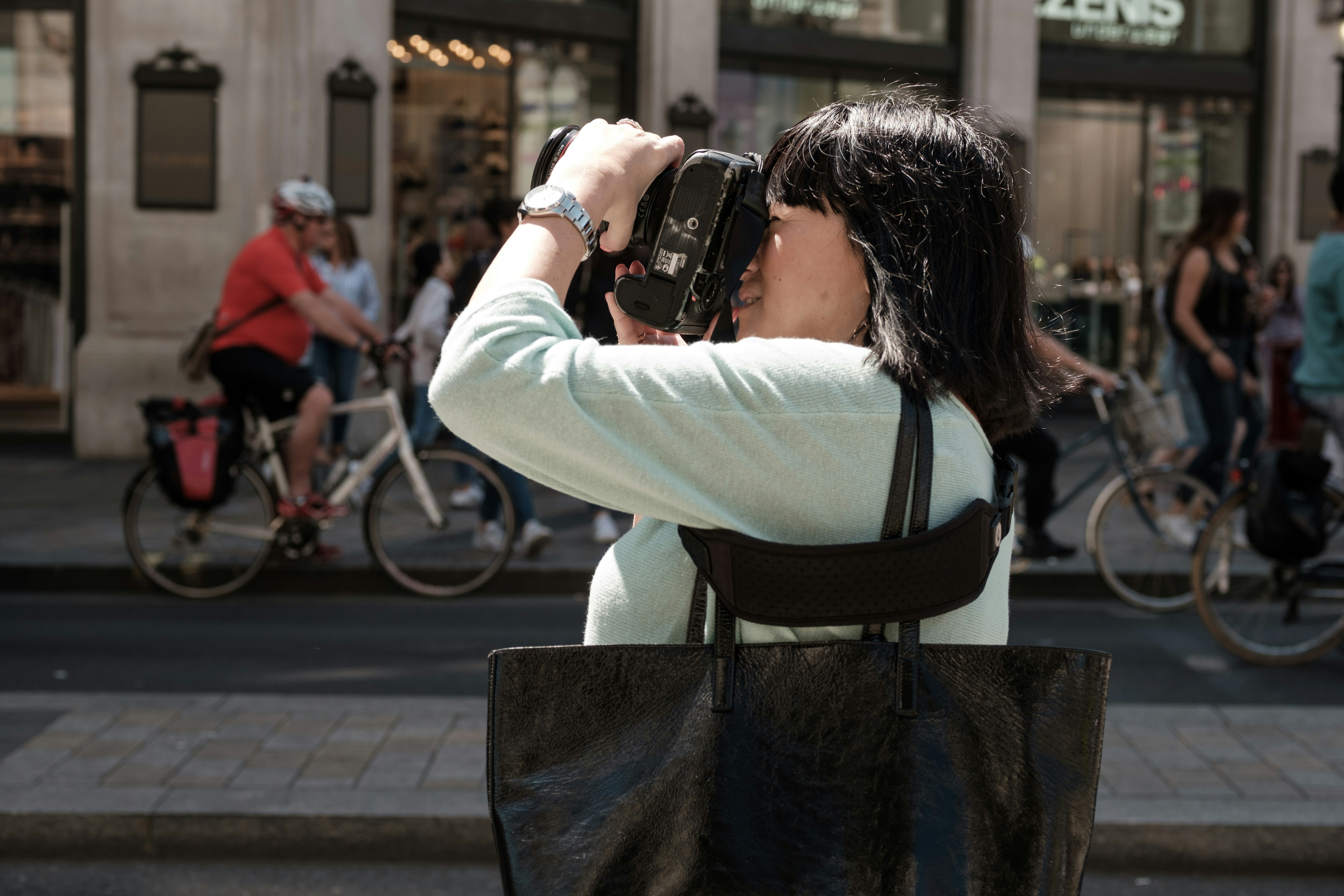
Once your trip begins, safety becomes an active practice. It's about conscious behavior, unwavering situational awareness, and projecting a quiet confidence that makes you a less appealing target for opportunistic individuals.
The Golden Rules of Solo Travel Women Safety: 5 Things to Never Do
This is your non-negotiable list of on-the-ground rules, learned from the collective wisdom of thousands of experienced solo female travelers.
NEVER Advertise You're Alone: Master the art of the "white lie." If a stranger's questions make you uncomfortable, mentioning a husband who is "meeting you shortly" or a friend who is "waiting at the hotel" is a highly effective way to shut down unwanted advances. It’s not about shame; it’s about smart information management.
NEVER Bury Your Head in Your Phone: Project confidence, even if you don't feel it. Walk with your head up, shoulders back, and make brief, deliberate eye contact. If you need to check a map, step into a shop or cafe rather than stopping in the middle of a busy sidewalk, which marks you as a lost and distracted tourist.
NEVER Let Politeness Override Your Instincts: This is the most critical rule. Women are often socialized to be polite, but your safety is far more important than a stranger's feelings. If someone or something feels wrong, it is wrong. Trust that gut feeling. Use a firm voice, direct language ("Leave me alone"), and remove yourself from the situation immediately. Being safe is more important than being polite.
NEVER Be Out of Touch: Your communication plan isn't a one-time setup; it's a daily practice. A quick "Goodnight" text or email to your at-home contact maintains that vital link and ensures someone knows you're safe at the end of each day.
NEVER Do Abroad What You Wouldn't Do at Home: This is a simple but powerful gut-check. If you wouldn't walk down a dark, unfamiliar alley alone at 3 AM in your own city, don't do it in Rome or Bangkok. Your common sense is one of your most valuable travel companions.
Mastering Movement: Transportation Safety for the Solo Traveler
How you get from point A to point B is a frequent point of vulnerability. Understanding the hierarchy of safe options is key.
The Gold Standard (App-Based Ride-Shares): Services like Uber and Lyft offer unparalleled safety features. The digital record of the ride, driver identification, PIN verification, and real-time trip sharing create a powerful digital paper trail that deters bad behavior.
Official Taxis: If using a taxi, ensure it is a licensed, reputable one. Look for official markings and a visible meter. Be especially wary of unlicensed "fake taxis," a common scam at airports.
Public Transit: While often practical, public transport requires heightened awareness. Avoid completely empty train cars, which increase isolation, as well as overly crowded ones, which are ideal for pickpockets.
The Hard No: There is no ambiguity here. Do not hitchhike. Ever.
Socializing and Nightlife: How to Stay Safe While Having Fun
Experiencing local culture often includes nightlife, but it demands extra vigilance. One of the biggest concerns is drink spiking. Follow these steps without fail: never accept a drink from a stranger, always watch your drink being made, and physically cover the top of your glass with your hand when you're not sipping it.
Above all, continue to trust your gut. If you get a strange vibe from a new acquaintance, that's all the reason you need to politely excuse yourself and leave. If you ever start to feel strange or unwell in a way that seems inconsistent with your alcohol consumption, immediately inform a trusted person (like a bartender), call for local emergency help, and, if abroad, contact the nearest U.S. embassy.
A Nuanced Guide to Solo Travel Women Safety in the USA
One of the biggest mistakes in travel planning is treating the United States as a single, homogenous entity. Safety in the USA varies dramatically by region, state, city, and even by neighborhood. As one traveler wisely noted, "Do research on specific neighborhoods/towns you want to visit rather than the country as a whole."
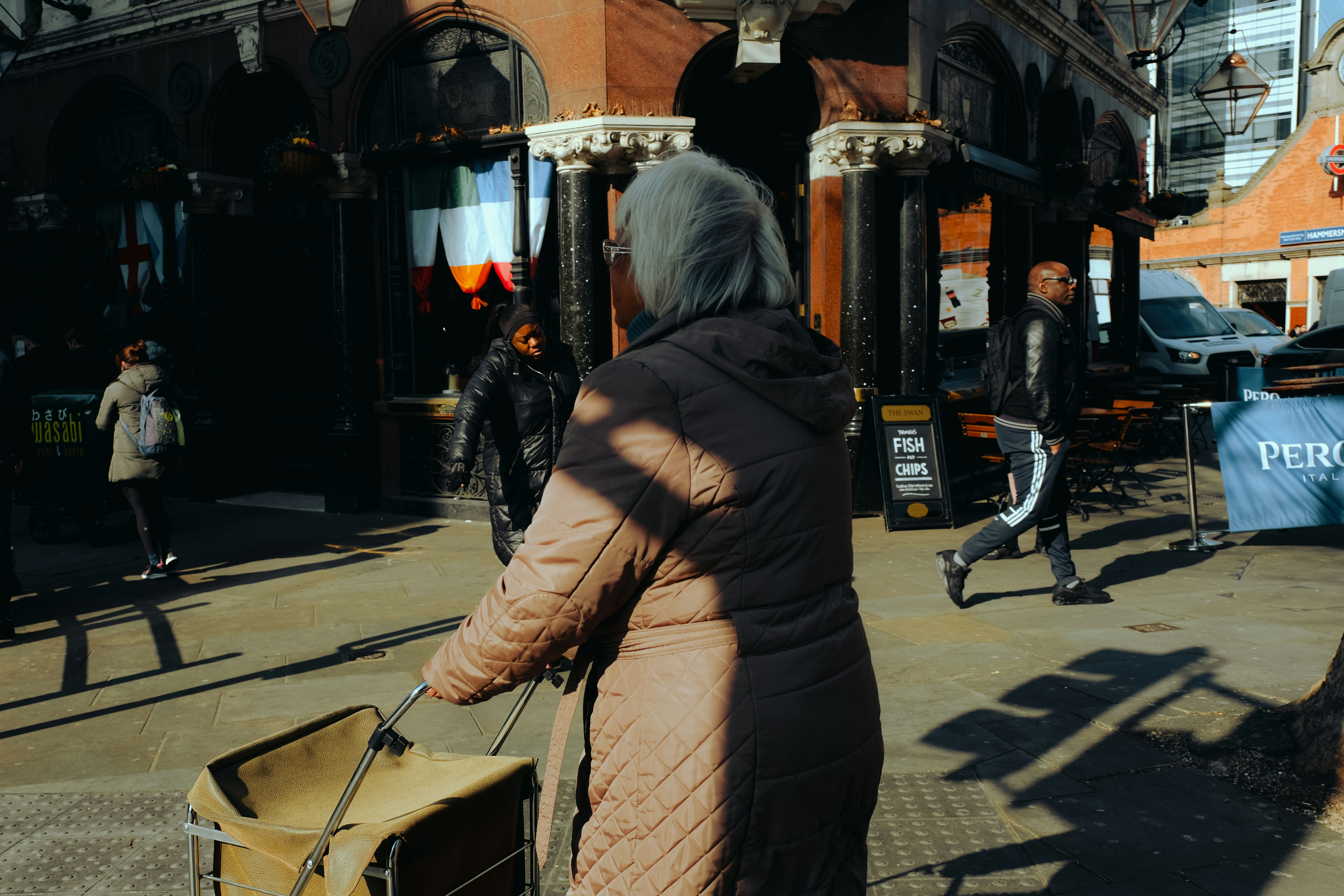
The USA is Not a Monolith: A Framework for Regional Risk Assessment
Understanding the context of your environment is critical. The risks in a major city are different from those in a remote national park.
Urban vs. Rural vs. Wilderness: Major cities like New York or Chicago present higher risks of theft and scams, but offer the "safety in numbers" of bustling streets. Rural or wilderness areas, like national parks, involve risks of isolation, wildlife encounters, and the need for self-sufficiency.
State-by-State Variation: Safety metrics can vary wildly. States like Vermont and Maine consistently rank as among the safest, while certain neighborhoods within large cities require a much higher degree of caution, especially after dark.
Pro-Tip: Use this four-step USA Location Vetting Checklist for any domestic trip. 1) Check City-Level Crime Statistics: Look up official data on city police department websites or the FBI's crime data explorer. 2) Use Neighborhood-Specific Tools: Websites like NeighborhoodScout offer detailed local data. Also, use the local knowledge on forums like Reddit (e.g., asking about a specific block on r/AskNYC). 3) Read Local News: A quick Google News search for the neighborhood can reveal any recent patterns of crime. 4) Analyze Accommodation Reviews: Look for reviews that specifically mention feeling safe walking in the immediate area at night.
Practical Scenarios: City Streets, National Parks, and Road Trips
Major Cities (e.g., New York, San Francisco): Understand the rhythm of the city. Subways are generally safe during the day but require more caution late at night. Be aware of common urban scams, like someone trying to "help" you with a broken ATM.
National Parks: The primary risks here are environmental. Always check the weather forecast, carry more water than you think you'll need, be aware of local wildlife, and inform a park ranger or friend of your hiking plans and expected return time.
The Great American Road Trip: Secure your vehicle. Never leave valuables in plain sight, especially at trailheads or in busy city centers. Be cautious at remote, unlit rest stops at night; well-lit, busy truck stops are often a safer choice.

Your Emergency Action Plan & Toolkit
Planning for the worst isn't about fear; it's about building resilience. Knowing exactly what to do in a crisis reduces panic and leads to better outcomes.
Your Step-by-Step Emergency Response Plan
If you are in immediate physical danger, follow these steps in order:
Attract Attention: Get loud. Yell, scream, blow a whistle, or use a personal safety alarm. Creating a disturbance is your best defense.
Contact Local Authorities: In the United States, the emergency number is 911. In Europe, it's 112, and in the UK, it's 999. Save the correct number in your phone.
Contact the U.S. Embassy: If you are abroad, the nearest U.S. embassy or consulate is a critical resource for American citizens who are victims of crime.
Seek Medical Attention: In the event of an assault, seeking immediate medical care is crucial. This is vital for your health and for the collection of potential evidence.
Contact Support Networks: Organizations like the Rape, Abuse, and Incest National Network (RAINN) have 24/7 hotlines and offer confidential support, no matter where you are.

At-a-Glance Emergency Resource Directory
The World is Ready For You. Are You?
Safe solo travel women safety is not about living in a bubble of fear. It is the exact opposite. It's about having the confidence and competence to step out of your comfort zone, armed with the knowledge that you are prepared, aware, and fully capable of handling whatever comes your way. Through diligent research, unwavering trust in your instincts, and a commitment to smart, conscious decision-making, you transform yourself from a potential target into a savvy, empowered world traveler. The world is vast and beautiful, and it is waiting for you to explore it—safely, and on your own terms.
We encourage you to build this community of empowered travelers. Share your own hard-won safety tips in the comments below, and please, share this article with any woman in your life who dreams of a solo adventure.
Read the full guide: Anxious to Adventurous: The Ultimate Guide to Solo Travel Confidence
Don't Miss Out! Subscribe for Exclusive Content
SubscribeComments 0
No comments yet
Be the first to share your experience!
Dont Miss Out! Subscribe for Exclusive Content

How to Avoid Travel Scams: A Global Guide

Is Public WiFi Safe? How to Protect Your Data Abroad

A Woman's Guide to Safe Travel: 10 Critical Tips

7 Hotel Safety & Security Tips for Peace of Mind

9 Beach Safety Tips That Could Save Your Life
