
Solo Travel for Men: An Honest Guide to the Road Less Traveled

TrekGuider @trekguider
You feel that pull, don't you? It's the spark you get from a photo of a rugged coastline or a bustling foreign market—the call to adventure, to test your limits, and see the world on your own terms. But then the "what ifs" rush in. Are the logistics too complicated? Will it be lonely? Is it weird to travel by yourself? This guide is here to tell you those fears are normal, but they shouldn't be the reason you stay home. This is your definitive playbook for planning and executing your first incredible solo trip.
This hesitation is the silent thief of profound, life-altering experiences. It keeps you anchored in the familiar while a world of opportunity for growth, resilience, and radical self-discovery passes you by. Every year you put it off is a year you don't learn what you're truly made of when no one else is around to rely on. The comfort zone, once a safe harbor, slowly becomes a cage.
While the ultimate goal for many is creating unforgettable memories with loved ones, a journey of self-discovery through solo travel can be the most profound preparation. It builds the confidence and worldview that enriches every future trip, including those you'll find in Family Travel Ideas: The 2026 Guide to Unforgettable Trips.
Let's cut through the noise. This isn't another blog post filled with vague platitudes. This is an operational playbook, a mission briefing for one of the most rewarding journeys you'll ever undertake. We will dismantle every one of your concerns and equip you with the tools, tactics, and confidence to take that first monumental step. By the end of this guide, the idea of traveling alone won't be an intimidating fantasy; it will be your next actionable, exciting mission.
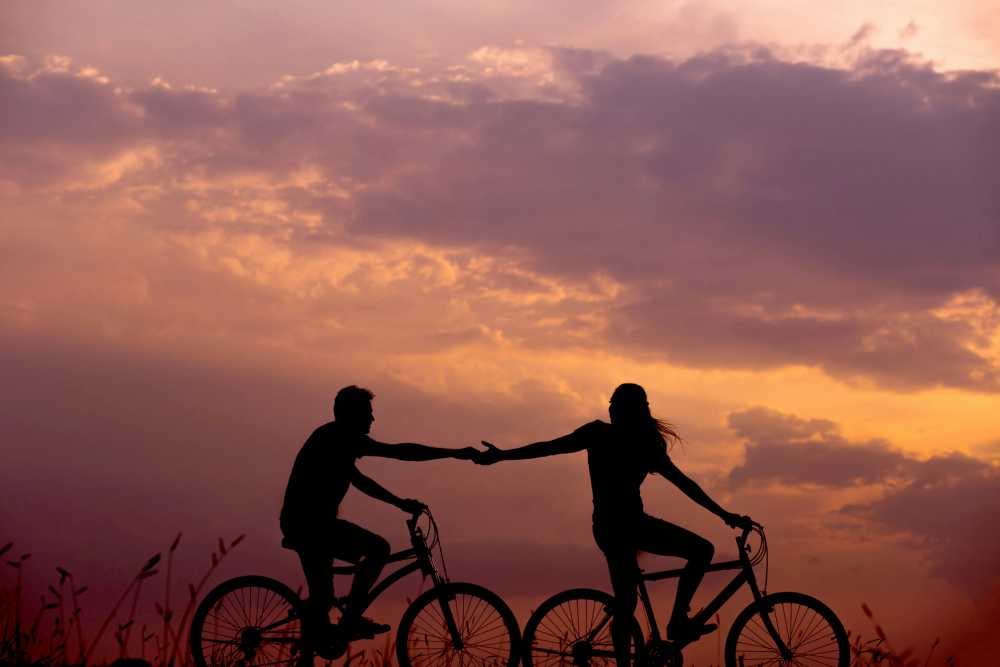
Why Going It Alone is a Modern Rite of Passage
In our day-to-day lives, men are often slotted into specific roles: the provider, the leader, the planner, the rock. These roles, while important, can also be limiting. Solo travel is a powerful antidote, a hard reset that strips away these external expectations and forces you to confront a more fundamental question: Who are you when no one is watching? The benefits aren't just about cool stories; they are tangible upgrades to your character.
Radical Self-Reliance: When you're alone in a new country and you miss the last train, there's no one to turn to for a solution. You have to figure it out. This isn't a hypothetical exercise; it's a real-time test of your problem-solving skills. You learn to trust your own judgment, navigate ambiguity, and find solutions under pressure. This builds a deep, unshakable confidence that permeates every other area of your life.
The Power of Decisive Action: At home, decisions can be made by committee. On the road, you are the committee. Where to eat, what to see, when to splurge, when to save—every choice is yours. This constant cycle of decision and consequence sharpens your instincts and teaches you to be decisive, cutting through the paralysis of overthinking.
A Hard Reset for the Mind: Routine is the enemy of growth. Solo travel is the ultimate pattern interrupt. It forces you out of your physical, mental, and social comfort zones, exposing you to new perspectives, cultures, and ways of thinking. This novelty stimulates your brain, fostering a level of creativity and open-mindedness that's difficult to achieve when you're stuck in a rut.
Forging Genuine Human Connection: Traveling with a partner or group can create a social bubble. When you travel alone, you are more approachable and more motivated to connect with others. These interactions—with fellow travelers in a hostel common room, a local shopkeeper, or a guide—are often more authentic and memorable. You learn to listen more and connect with people from vastly different backgrounds, building empathy and social skills.
A Step-by-Step Playbook for Launching Your Solo Journey
The biggest hurdle isn't the cost or the time off; it's inertia. Faced with a world of options, it's easy to get stuck in the planning phase forever. This playbook is designed to break that inertia and propel you from your couch to the boarding gate.
Step 1: Define Your Mission. What Kind of Solo Trip Are You After?
Before you look at a map, look in the mirror. Why are you doing this? Your motivation should define your destination.
The Recharge: Is the goal to decompress and escape the daily grind? You're looking for low-stress, high-comfort environments. Think a quiet coastal town in Portugal, a laid-back island in Thailand, or a cabin in a national park. The mission is relaxation, not a logistical marathon.
The Skill Acquisition: Do you want to learn something new? Pick a place that's a hub for that skill. Head to Costa Rica to learn to surf, to Chiang Mai for a Thai cooking course, or to the Alps for an introductory mountaineering class. This gives your trip a clear purpose and a built-in social structure.
The Frontier Test: Is this about pushing your limits and seeing what you're made of? This calls for a more adventurous destination. Consider trekking in Patagonia, motorbiking through Vietnam, or exploring the cultural depths of Colombia. These trips build maximum resilience.
Step 2: Choose Your Destination
Your first solo trip should be a win. It's about building confidence, not testing your absolute limits. Here are three archetypes for a successful first mission:
The Easy-Win (English-Speaking & High-Infrastructure): These are destinations where the learning curve is gentle. Think Ireland, Scotland, Australia, or New Zealand. The lack of a language barrier removes a major layer of stress, and the well-trodden tourist paths mean logistics are straightforward. You can focus on the experience of being alone without battling constant communication challenges.
The Adventure Hub (Activity-Focused): If your goal is to be active, choose a place known for it. The national parks of the Western USA for hiking, the mountains of British Columbia for biking, or Queenstown, New Zealand for adrenaline sports. These places are full of other active, often solo, travelers, making it easy to meet like-minded people.
The Backpacker's Trail (Social & Budget-Friendly): Southeast Asia (Thailand, Vietnam) or parts of South America (Peru, Colombia) are legendary for a reason. They offer an incredible value for money and a built-in social infrastructure of hostels, tours, and transportation that caters specifically to independent travelers. It's almost impossible not to meet people.
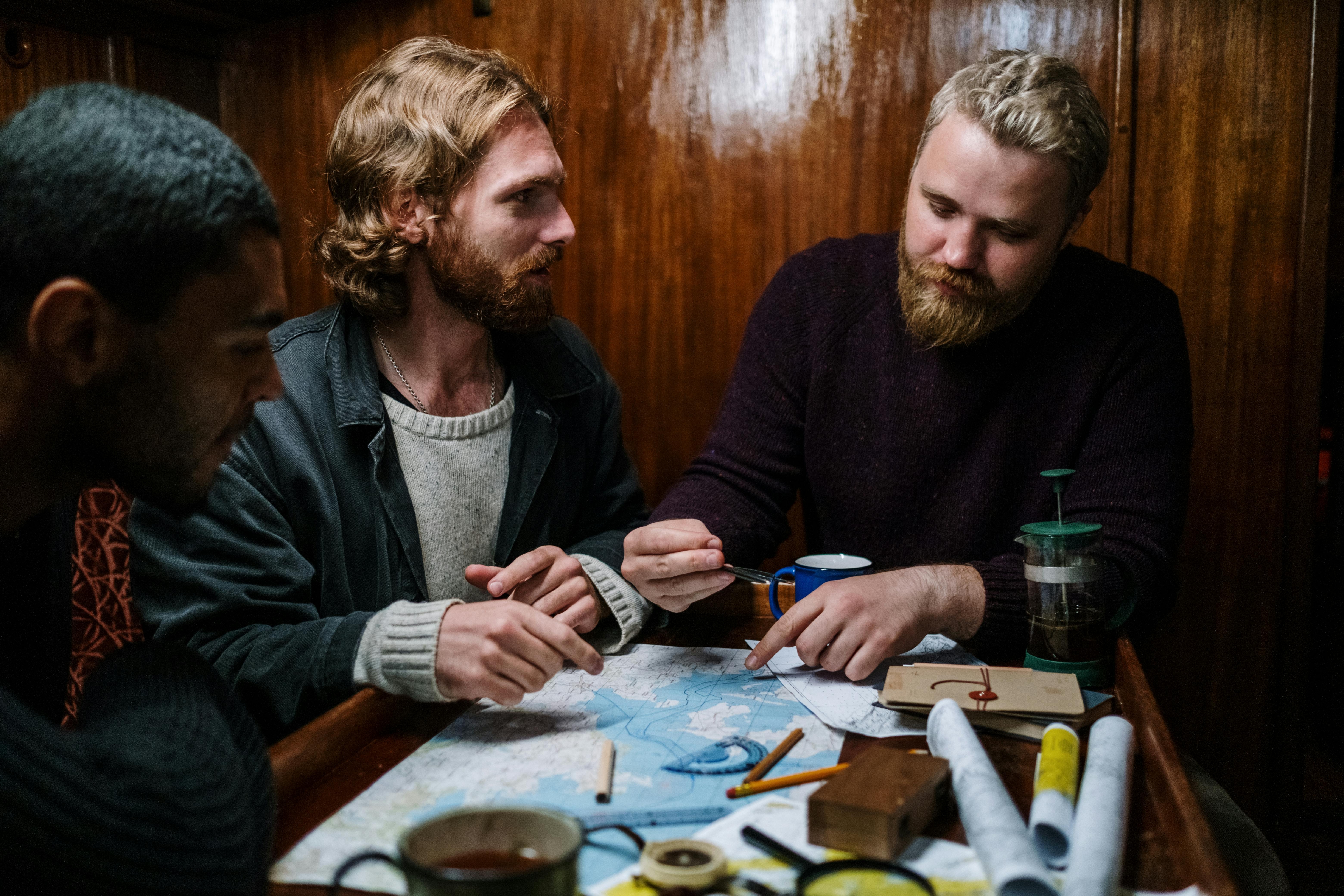
Step 3: The Budget
Your budget dictates your trip's style and duration. Be realistic and thorough. A well-structured plan, perhaps organized with a Travel Itinerary Template, is your best friend here.
Big Ticket Items: Start with the non-negotiables: flights and accommodation. Use tools like Google Flights and Skyscanner to track prices. For lodging, hostels are the most budget-friendly and social option, while private rooms on Airbnb or budget hotels offer more solitude.
Daily Expenses: Research the average daily cost in your chosen destination using sites like Numbeo. This includes food, local transport, and activities. A good rule of thumb is to estimate this and then add a 20% buffer.
Contingency Fund: This is non-negotiable. Have access to an extra $500-$1000 for emergencies—a missed flight, a medical issue, or a lost phone. This isn't for souvenirs; it's your get-out-of-jail-free card.
Pro-Tip: Always carry a portable power bank. A dead phone in an unfamiliar city isn't just an inconvenience; it's a safety risk. It’s your map, translator, and lifeline. Charge it religiously every night.
Step 4: Packing
Overpacking is a rookie mistake. Every item you bring is something you have to carry. The goal is to be prepared, not to bring your entire apartment.

The Right Bag: A travel backpack (40-50L) is far more versatile than a rolling suitcase. It forces you to be disciplined and can handle cobblestone streets, crowded trains, and hostel staircases with ease.
The Clothing Trinity: Pack items that are versatile, quick-drying, and layerable. Merino wool is the gold standard for travel clothing; it's temperature-regulating, odor-resistant, and comfortable. Aim for a week's worth of clothes and plan to do laundry.
3-4 merino wool t-shirts/henleys
1-2 pairs of versatile travel pants (not jeans)
1 pair of shorts (if climate appropriate)
1 packable rain jacket
1 mid-layer fleece or hoodie
4-5 pairs of wool socks and underwear
Essential Gear:
Packing cubes to organize everything.
A quick-dry travel towel.
A universal power adapter.
A basic first-aid kit with pain relievers, blister care, and any personal medications.
A padlock for hostel lockers.
Your Free Toolkit for Smarter Packing
Packing light is a skill. Our free How to Pack Light Guide is a masterclass in efficiency, showing you exactly how to fit everything you need into a single carry-on. Download it now and transform the way you prepare for any trip.
Tactics for Mastering the Solo Experience
Planning is only half the battle. Thriving on the road requires a specific mindset and a set of practical skills. This is where the real growth happens.
Neutralizing the "Big Three" Anxieties of Solo Travel for Men
Let’s address the elephants in the room head-on. These are the primary concerns that hold men back, and each one has a practical solution.
The Fear of Loneliness: This is the most common fear, but it's often misplaced. Being alone is not the same as being lonely.
Stay in Social Environments: Choose hostels with good common areas and organized events (like pub crawls or walking tours). This is the single easiest way to meet other travelers.
Embrace Day Tours: Joining a food tour, a hiking group, or a historical walking tour provides structured, low-pressure social interaction.
Learn a Few Key Phrases: Simply learning "Hello," "Please," and "Thank you" in the local language can break down barriers and make you seem more approachable.
Concerns About Safety: The world is generally safer than the news suggests, but being smart is non-negotiable.
Master Situational Awareness: This is your primary weapon. Constantly run a mental checklist: Where are the exits? Who seems out of place? Walk with purpose and confidence. Avoid flashing expensive electronics or large amounts of cash.
Secure Your Valuables: Keep your passport, extra cash, and credit cards locked in your accommodation. Carry only what you need for the day in a front pocket or a secure bag. Never put your wallet in your back pocket.
Inform Someone: Share your itinerary with a friend or family member back home and check in regularly.
Trust Your Gut: If a situation or a person feels off, it probably is. Remove yourself from the situation immediately. Don't worry about being polite; your safety is your only priority.
The Social Stigma (Is it "Weird"?): Let's be blunt: No one cares. The idea that it's strange for a man to travel alone is a self-imposed mental barrier. In the travel world, it's completely normal. You will see hundreds of other people doing the exact same thing.
How to Meet People Without Being Awkward
The Common Room is Your Stage: In a hostel, the common area is designed for interaction. Don't just sit in a corner on your phone. Sit at a communal table. A simple "Hey, where are you from?" is the universal icebreaker.
Ask for Advice: People love to be helpful. Asking another traveler for a restaurant recommendation is a low-stakes way to start a conversation that can easily lead to "Hey, I was about to head there now, want to join?"
Mastering the Art of Dining Alone: For many, this is surprisingly intimidating.
Sit at the Bar: It's more social and less formal than a table for one. You can chat with the bartender or the people next to you.
Bring a Prop: A book or a journal can make you feel less self-conscious, but try not to hide behind it. Make eye contact and be open to conversation.
Choose Casual Spots: Street food stalls, food halls, and casual eateries are much more comfortable for solo diners than formal restaurants.

Pro-Tip: The "Leading Question" technique is your best conversational tool. Instead of asking a closed question like "Are you having a good trip?" ask an open-ended one like, "What's been the most unexpected thing you've done in this city?" This invites a story, not a one-word answer.
Frequently Asked Questions
What's the best type of accommodation for a first-time solo male traveler?
For maximizing social opportunities and minimizing cost, hostels are unbeatable. Look for ones with highly-rated common areas and organized social events. If you need more privacy and have a larger budget, a private room in an Airbnb or a centrally-located hotel are also great options.
How do I handle eating alone in restaurants without feeling awkward?
Confidence is key. Sit at the bar whenever possible, as it's a more social and casual setting. Choosing less formal spots like food halls or bustling cafes can also feel more comfortable than a quiet, formal restaurant.
Is solo travel for men expensive?
It doesn't have to be. Your biggest expenses will be flights and accommodation. By choosing budget-friendly destinations (like Southeast Asia or Eastern Europe), staying in hostels, and eating like a local, you can travel for a fraction of what a typical resort vacation would cost.
What are some of the safest destinations for a first solo trip?
Countries with a strong tourism infrastructure and low crime rates are excellent starting points. Consider places like Portugal, Ireland, New Zealand, Japan, and South Korea. These destinations offer a great balance of adventure and security.
The Only Thing Left Is to Go
The journey of solo travel for men is far more than a simple vacation. It's a deliberate act of self-investment. It's an opportunity to strip away the noise of daily life, challenge your own preconceived limits, and build a more resilient, resourceful, and worldly version of yourself. The skills you learn are not just travel skills; they are life skills. You will return home not just with photos, but with a quiet confidence that can only be forged in the fires of experience.
The path is laid out. The excuses have been dismantled. The only thing left is to take the first step. Start the research, check the flights, and request the time off. Your adventure is waiting, but it demands that you go out and claim it.

Read the full guide: Family Travel Ideas: The 2026 Guide to Unforgettable Trips
Don't Miss Out! Subscribe for Exclusive Content
Subscribe



Comments 0
No comments yet
Be the first to share your experience!
Dont Miss Out! Subscribe for Exclusive Content

Ultimate USA Holidays Guide: Top Picks


FTC Affiliate Disclosure Essentials: Stay Compliant as a Travel Creator

Essential Affiliate Tools: From Tracking to Full Optimization

Booking.com Affiliate Program Review: Pros, Cons, and Earnings Potential

Decoding Affiliate Commission Rates: Benchmarks for Travel Creators

Amazon Associates for Travel: Strategies to Maximize Commissions
10 Must-Read Solo Travel Blogs for 2026
TrekGuider @trekguider
You're dreaming of a solo trip. You can practically feel the freedom of setting your own itinerary, the electric thrill of navigating a new city, and the profound experience of discovering the world—and yourself—on your own terms. But then, the static of doubt creeps in. Is it safe? Can I afford it? Where do I even begin? The internet is a firehose of generic advice, leaving you feeling more overwhelmed than empowered. You see the perfectly curated Instagram feeds, but what you crave are the real stories, the hard-won lessons, and the practical safety tips from people who have actually walked the path you’re about to take. You don’t just need inspiration; you need a roadmap and reassurance from trusted voices who truly get it.
This is where the right solo travel blogs become the most valuable tool in your travel planning arsenal. Forget endless, aimless scrolling. We’ve done the heavy lifting, applying a rigorous, data-driven vetting process to identify the absolute best, most authoritative solo travel experts to guide you. This isn’t just another list; it’s a curated collection of mentors designed to help you conquer your doubts and plan the adventure of a lifetime. As we cover in our comprehensive guide to The Best Travel Blogs to Follow in 2026, finding a niche expert is the key to unlocking truly valuable advice. This handpicked list is your first step toward transforming your solo travel dream into a well-planned, confident reality.
How We Vetted the Best: Our Data-Driven Approach
To build this definitive list, we moved beyond superficial vanity metrics. A huge follower count can be misleading; true authority is built on a foundation of expertise, trust, and genuine community. We applied a dual-factor framework, combining hard data with the human element of excellence.
Quantitative Authority Signals: We started with the data layer. We analyzed each blog’s Domain Rating (DR) using tools like Ahrefs, which measures a site's backlink profile to estimate its authority in the eyes of search engines. But we didn't stop there. We also dove into their social media, prioritizing engagement rate over raw follower counts. After all, a smaller, highly engaged community is far more valuable than a large, passive one. We used a standard industry formula to see who was truly connecting with their audience:
Engagement Rate=Follower Count(Likes+Comments+Shares+Saves)×100
This metric served as a powerful proxy for brand loyalty and content that genuinely resonates.
Qualitative Excellence: Data only tells part of the story. The blogs that made this final cut excel in the areas that matter most: exceptional writing and originality, deep niche expertise, a professional and user-friendly site design, and a real, tangible connection with their community. They are transparent, authentic, and have earned the trust of their readers through years of high-quality, reliable content.
This rigorous process ensures that every blog recommended below is a trusted resource you can count on not just for inspiration, but for actionable advice.
The Best Solo Female Travel Blogs (For Safety & Empowerment)
For many women, the biggest barrier to solo travel isn't cost or logistics—it's safety. These bloggers tackle that concern head-on, providing the practical advice and empowering stories you need to explore the world with confidence.

1. Adventurous Kate
Website: adventurouskate.com
A true pioneer in the industry, Kate McCulley has been traveling the world solo since 2010. Kate’s blog isn’t just a resource; it’s the gold standard for solo female travel safety. She methodically covers everything from granular, destination-specific safety guides to the often-overlooked internal challenges, like managing anxiety on the road. It’s this kind of on-the-ground intelligence that pairs perfectly with a comprehensive resource like our own Spain Travel Guide—one of the many expert-written guides you can find on the TrekGuider marketplace.
2. Be My Travel Muse
Website: bemytravelmuse.com
If your vision of solo travel involves more than just big cities and popular landmarks, Kristin Addis is your guide. She specializes in off-the-beaten-path, adventurous solo travel for women. Her content is for the woman who wants to hike in Patagonia, dive in the Philippines, or road trip through Namibia alone. She provides the logistical details and courage needed to tackle less conventional destinations with confidence.
3. GRRRLTRAVELER
Website: grrrltraveler.com
Christine Kaaloa offers a unique and highly valuable perspective, blending solo travel advice with her expertise as a video creator. What sets GRRRLTRAVELER apart is its laser focus on "street smart" safety. Christine provides incredibly practical, subtle tips that go beyond the basics, like her guide to the " She empowers her readers by teaching them how to be resilient, resourceful, and aware, no matter where they are.
Your Ultimate Safety Toolkit
Feeling inspired? The expert advice from these bloggers is invaluable. But reading tips is one thing; internalizing them is another. To help you consolidate these life-saving strategies into one place, we’ve created an actionable checklist that you can use for every trip you plan.
Download our free Solo Female Travel Safety Guide now! This comprehensive guide distills wisdom from top experts and government sources into a step-by-step checklist to help you prepare for a safe and incredible solo adventure.
The Best Budget Solo Travel Blogs (For Making Your Dream a Reality)
After safety, the next big question for many aspiring solo travelers is: "How can I possibly afford this?" These blogs demystify the finances of travel, proving that you don't need a massive trust fund to see the world—you just need a smart strategy.

4. Nomadic Matt
Website: nomadicmatt.com
Matt Kepnes is a titan of the budget travel world, and his blog is an essential starting point for anyone looking to travel more for less. While his advice applies to all travelers, his extensive library of content is particularly valuable for solo travelers who bear the full financial burden of a trip. His post, "," is a masterclass in shifting your mindset from "I can't afford it" to "How can I afford it?"
5. The Broke Backpacker
Website: thebrokebackpacker.com
Will Hatton is all about shoestring travel and long-term adventures. His blog is for the aspiring nomad who wants to truly immerse themselves in the backpacker lifestyle. He offers raw, unfiltered advice on everything from finding work on the road to surviving in hostels. His philosophical and practical posts, like " ," provide both the inspiration and the practical plan for making long-term solo travel a reality.
6. Never Ending Footsteps
Website: neverendingfootsteps.com
Lauren Juliff’s blog is a powerful resource that combines practical budget travel advice with an honest and open discussion of overcoming travel anxiety. For many first-time solo travelers, fear and anxiety are major hurdles. Lauren’s journey of traveling for over a decade despite her anxiety is incredibly reassuring. She provides detailed budget breakdowns from her travels, proving that a life of adventure is attainable and manageable.
But what if your travel dreams are less about stretching a dollar and more about stretching your comfort zone? For those who equate travel with adrenaline, the next set of blogs are your essential reading.
The Best Adventure Solo Travel Blogs (For the Thrill-Seekers)
If your idea of travel involves breathtaking landscapes, physical challenges, and a healthy dose of adrenaline, these are the solo travel blogs you need to follow. They cater to the outdoor enthusiast and prove that the world’s greatest adventures are accessible to the solo explorer.
7. Expert Vagabond
Website: expertvagabond.com
Matthew Karsten is an adventure travel photographer and writer who has been exploring the world for over a decade. His blog is a treasure trove of stunning photography and gripping stories from some of the world's most remote corners. For the solo traveler with an appetite for true adventure, his detailed guides on experiences like "" offer both the inspiration to dream big and the practical information needed to follow in his footsteps.
8. The Planet D
Website: theplanetd.com
While Dave and Deb are a travel couple, their motto, "Adventure is for Everyone," makes their blog an essential resource for solo travelers. They have tackled some of the most epic adventures imaginable, from kayaking in Antarctica to cycling the continent of Africa. Their blog is brilliantly organized by destination and activity, making it an incredible resource for a solo traveler planning an ambitious, adventure-focused itinerary.
9. Nomadasaurus
Website: nomadasaurus.com
Alesha and Jarryd are masters of overland and trekking adventures. Their blog has evolved over the years, but its core has always been a passion for sustainable adventure travel. For the solo traveler looking to plan a multi-day hike or an extensive overland journey, their incredibly detailed guides, like "," are second to none. They provide the nitty-gritty logistical details that are crucial for a successful and safe solo adventure.
The Must-Follow New Voice in Solo Travel
10. Travel Off Script
Website: traveloffscript.com
Quincy Morris represents the new generation of solo travelers. Her blog, Travel Off Script, focuses on empowering women to travel solo through curated guides and practical tips. She blends luxury, adventure, and culture, offering a fresh perspective on what solo travel can be. Her content, such as "" is perfect for the modern woman looking for sophisticated and empowering travel experiences.
Frequently Asked Questions About Solo Travel
You've got the inspiration, now let's tackle some of the lingering questions. We've compiled answers to the most common queries from aspiring solo travelers.

1. Is it safe to travel solo as a woman?
Yes, with the right preparation and awareness. Safety is a primary concern, but it's manageable. The key is proactive planning. Before you go, thoroughly research your destination's cultural norms, especially regarding dress codes. Consult U.S. State Department advisories for reliable safety information. While traveling, maintain situational awareness, trust your intuition, avoid disclosing that you're alone, and use digital tools like location-sharing apps with a trusted contact back home.
Pro-Tip: A widely recommended tactic from veteran solo travelers is to avoid disclosing to strangers that you are traveling alone. According to safety experts, if questioned, it’s often safer to mention you’re meeting a friend, partner, or group later.
2. How do I choose my first solo travel destination?
For a first trip, choose a destination known for its safety, good tourism infrastructure, and ease of navigation. Countries in Western Europe (like Portugal or Ireland), Southeast Asia (like Thailand or Vietnam), and destinations like New Zealand or Costa Rica are popular choices for a reason. Pick a place where you feel a genuine pull of interest, as your enthusiasm will help you overcome any first-timer nerves.
3. What's the biggest mistake first-time solo travelers make?
Over-scheduling. The beauty of solo travel is the freedom to be spontaneous. Many first-timers pack their itinerary so tightly they leave no room for serendipity—the unexpected detours, the long coffee shop conversations, or the decision to spend an entire afternoon in a park. Plan your key activities, but leave plenty of unstructured time to simply wander and explore.
4. How do I deal with loneliness or meet people on the road?
Loneliness can happen, but it's often fleeting. Staying in social accommodations like hostels is the easiest way to meet fellow travelers. Joining a small group day tour, taking a local cooking class, or even just sitting at a communal table or bar can spark conversations. Remember, many other people are in the same boat. A simple "hello" can go a long way.
Your Journey Starts Now
The path to a life-changing solo trip begins with a single step: gathering the right information from people you trust. The journey from dream to destination can feel daunting, but you are now armed with a list of expert mentors who have paved the way. These incredible solo travel blogs provide the proof that traveling alone is not only possible but is one of the most empowering and rewarding experiences you can have. Dive into their stories, absorb their advice, and start planning your own chapter. The world is waiting for you.
Meta Data Suggestions:
SEO Meta Title (57 characters): 10 Must-Read Solo Travel Blogs for 2026 | TrekGuider
URL Slug: solo-travel-blogs
SEO Meta Description (154 characters): Planning a solo trip? Discover the 10 best solo travel blogs of 2026. Get expert safety tips, budget advice, and answers to your top solo travel questions.
Don't Miss Out! Subscribe for Exclusive Content
SubscribeComments 0
No comments yet
Be the first to share your experience!
Dont Miss Out! Subscribe for Exclusive Content
FTC Affiliate Disclosure Essentials: Stay Compliant as a Travel Creator
Essential Affiliate Tools: From Tracking to Full Optimization

Avoid These 5 Affiliate Landing Page Mistakes for Better Conversions

Affiliate Keyword Research Mastery for Travel Blogs
Booking.com Affiliate Program Review: Pros, Cons, and Earnings Potential
Decoding Affiliate Commission Rates: Benchmarks for Travel Creators
The Sanity-Saving System for Your Next Family Road Trip
TrekGuider @trekguider
Staring down a long family road trip and picturing more chaos than cherished memories? You're not alone. The line between an 'epic family adventure' and a 'mobile hostage situation' can be perilously thin, often hinging on a single forgotten charging cable or a rogue juice box.
The internet offers an avalanche of checklists, but this overload often creates more anxiety than it solves. What you really need isn't another random list—it's a bulletproof system designed to transform potential chaos into predictable calm.
This is that system. Forget frantic, last-minute packing. We're moving beyond what to pack and showing you how to orchestrate a seamless journey, from pre-trip vehicle checks to a sanity-saving in-car entertainment strategy.
While this guide focuses on the mechanics of a successful road trip, it’s a critical component of a larger travel philosophy. For a broader look at destinations and trip styles, be sure to explore our comprehensive guide to Family Travel Ideas: The 2026 Guide to Unforgettable Trips to find your next perfect adventure.

Your Pre-Launch Sequence: Mastering the 2-Week Countdown
A smooth trip begins long before you pull out of the driveway. This phase is about laying a foundation of safety and organization, giving you unshakable peace of mind before the wheels even start rolling.
The Essential Vehicle Safety Audit: Your First Step
Two weeks before your departure date, it’s time to give your vehicle a thorough check-up. While entrusting this to a certified mechanic is the gold standard, you can perform a solid initial inspection yourself.
Tires: Check the pressure on all four tires (and the spare!) to ensure it matches the recommended PSI on the driver’s side doorjamb. Inspect the tread for wear; a simple way to do this is with a penny. If you can see all of Lincoln's head, it’s time for new tires.
Fluids: Check and top off all essential fluids, including engine oil, coolant, brake fluid, and windshield washer fluid.
Brakes: Listen for any squeaking or grinding noises. If you notice any changes in performance or feel a vibration when braking, have them inspected by a professional immediately.
Lights & Wipers: Test all exterior and interior lights. Check your wiper blades for signs of cracking or wear and replace them if necessary. A sudden downpour is a terrible time to discover your wipers are shot.
Child Car Seat Safety
Vehicle safety extends to your most precious cargo. An improperly installed car seat can be a critical point of failure in an accident. Take these steps:
Check for Recalls: Visit the National Highway Traffic Safety Administration (NHTSA) website to ensure your car seat model has not been recalled.
Verify Fit: Ensure your child meets the height and weight requirements for their current seat.
Confirm Installation: A properly installed car seat should not move more than one inch in any direction at the belt path. Many local fire departments have certified technicians who will inspect your installation for free.
Assembling Your Complete Roadside Emergency Kit
Your vehicle should be equipped with more than just a jack and spare tire. A well-stocked roadside emergency kit is a non-negotiable part of your travel gear.
Jumper cables
Tire pressure gauge and portable air compressor
A well-stocked first-aid kit
Roadside flares or reflective triangles
A multi-tool and a small set of wrenches
Duct tape (because it fixes everything)
Flashlight with extra batteries
Portable phone charger or power bank
High-energy, non-perishable snacks and bottled water
Documentation & Digital Organization
Ensure your car's registration and insurance information are current and easily accessible. It's also wise to have digital copies saved to your phone. Use an app to plan your route, but to keep everything in one place—from reservations to daily plans—a dedicated Travel Itinerary Template is invaluable.
Your Ultimate Road Trip Blueprint
Planning a trip through America's greatest landscapes? Don't leave anything to chance. Our free, printable National Park Road Trip Checklist covers everything from vehicle prep to the one snack you can't forget. Download it now and guarantee a smoother adventure.
A System for Your Family Road Trip Essentials
Effective packing is about organization and accessibility, not just volume. This system ensures that everything you need is exactly where you need it, preventing roadside archaeology in your trunk.

The "Car Command Center": Organizing Your In-Reach Essentials
The front passenger seat area is your mission control. Use a seat-back organizer or a small bin to keep critical items within arm’s reach.
Phone mounts and charging cables
A roll of paper towels and a pack of wet wipes
Hand sanitizer
A small trash bag or designated car trash can
Lip balm, pain relievers, and personal medications
Sunglasses for the driver and co-pilot
The Comfort Kit: Blankets, Pillows, and Personal Items
A comfortable child is a happy child. For each kid, pack a small bag containing their comfort items like a travel pillow, a soft blanket, noise-canceling headphones, and a reusable water bottle.
The Kids' "Go-Bags": Empowering Young Travelers
Give each child a small backpack that is their responsibility. This fosters independence and dramatically reduces "Can you get my...?" requests. Let them help pack it with small toys, a coloring book, a reading book, and their tablet (if applicable).
The Overnight Bag: The Hotel Stop Lifesaver
If your trip includes an overnight hotel stay, this single tactic will save your sanity. Pack one duffel bag with everything the entire family needs for a single night: a change of clothes for everyone, pajamas, toiletries, medications, and charging cables. This prevents you from lugging every suitcase into the hotel.
Your In-Car Entertainment Playbook
Boredom is the mortal enemy of a peaceful road trip. Don’t leave entertainment to chance; deploy a structured strategy to keep spirits high and sibling squabbles low.
Your Secret Weapon Against Boredom
Instead of giving kids all their new activities at once, wrap a few small, inexpensive items and present one every hour or two. The anticipation and novelty work wonders to break up the monotony.
Pro-Tip: Use a hanging shoe organizer on the back of the front seat. Each pocket can hold a new activity, snack, or surprise. This visual countdown gives kids a clear answer to "how much longer?"
The Screen-Free Activity Arsenal
Engage their minds and prevent the glazed-over look of too much screen time with these proven winners:
Audiobooks: A captivating story can make hours fly by. Borrow digital audiobooks for free from your local library using the Libby app.
Podcasts for Kids: Shows like "Wow in the World" or "Story Pirates" are both entertaining and educational.
The License Plate Game: A classic for a reason. Find a printable checklist online to track which states you’ve found.
Travel Journals: Give each older child a blank notebook and encourage them to document the trip.
Travel Bingo: Create or print bingo cards with things to spot on the road (a red truck, a cow, a bridge, etc.).
Using Technology as a Tool, Not a Crutch
Screen time isn't the enemy, but mindless screen time can lead to crankiness. Use it strategically.
Download Everything: Do not rely on cellular service. Download movies, shows, and games onto tablets before you leave.
Set Clear Boundaries: Establish rules for screen time before you start the car.
Invest in Headphone Splitters: This cheap device allows two kids to watch the same movie on one device, preventing arguments.
Mastering Snacks and Drinks for the Road
Constant stops for overpriced gas station food can derail your budget and schedule. A well-planned mobile kitchen keeps everyone fed, hydrated, and happy.

How to Pack a Cooler for Freshness
Pre-chill: Bring your cooler inside the night before and pre-chill it with a "sacrificial" bag of ice.
Ice on the Bottom: Use solid blocks of ice or frozen water bottles on the bottom, as they melt slower than cubed ice.
Layer Strategically: Place drinks at the bottom and more delicate items like sandwiches on top.
Fill the Gaps: Air is the enemy of cold. Fill any empty space with extra ice cubes.
The "Low-Mess" Snack Box
Keep a separate, easily accessible box with snacks that don't require refrigeration and minimize mess. Think protein-packed (string cheese, nuts), clean fruits & veggies (grapes, baby carrots), and crunchy classics (pretzels, goldfish).
Pro-Tip: Use a craft organizer or a tackle box with small compartments to create a "snackle box." This turns snack time into a fun, self-serve activity.
Setting the Tone for a Great Trip
The final piece of your strategy involves managing expectations and the rhythm of the journey itself.
The 2-Hour Rule: Making Pit Stops Part of the Adventure
Plan to stop every two to three hours, even if nobody needs a bathroom break. Use your map app to find interesting parks, quirky roadside attractions, or local ice cream shops. Some of the 4 Unforgettable National Park Family Travel Ideas make for incredible, itinerary-worthy stops.
Embracing Spontaneity
No matter how well you plan, things will go wrong. You’ll hit traffic, or a child will have a meltdown. The most important thing you can pack is a flexible mindset. A relaxed attitude from the parents is contagious and sets the tone for the entire trip.
Frequently Asked Questions
How do you survive a 12-hour car ride with kids?
The key is breaking the trip into manageable chunks. Use the "Slow Reveal" method for new toys and activities, and plan to stop every 2-3 hours. Have one longer stop at a park or playground midday to burn off significant energy.
What are the best mess-free snacks for toddlers in the car?
Focus on dry, bite-sized items that won't cause a sticky disaster. Puffs, small crackers (like goldfish), dry cereal, and raisins are all excellent choices. Avoid anything juicy or crumbly like peaches or flaky pastries.
What should I check on my car before a long road trip?
At a minimum, you must check your tire pressure (including the spare), oil and other fluid levels, brakes, lights, and windshield wipers. For maximum peace of mind on a major trip, have a trusted mechanic perform a full inspection.
Your System for a Memorable Journey
You now have more than just a packing list; you have a complete, systems-based playbook for executing a smooth and memorable road trip. By investing time in this preparation, you’re not eliminating challenges—you're building the confidence and structure to handle them with grace.
You are transforming the drive from a stressful chore into a core part of the family adventure. Pack your bags, load up the car, and get ready to create memories that will last a lifetime.
Read the full guide: Family Travel Ideas: The 2026 Guide to Unforgettable Trips
Don't Miss Out! Subscribe for Exclusive Content
SubscribeComments 0
No comments yet
Be the first to share your experience!
Dont Miss Out! Subscribe for Exclusive Content
Ultimate USA Holidays Guide: Top Picks
FTC Affiliate Disclosure Essentials: Stay Compliant as a Travel Creator
Essential Affiliate Tools: From Tracking to Full Optimization
Booking.com Affiliate Program Review: Pros, Cons, and Earnings Potential
Decoding Affiliate Commission Rates: Benchmarks for Travel Creators