
A Woman's Guide to Safe Travel: 10 Critical Tips

TrekGuider @trekguider
The desire to see the world is a powerful, universal calling. It’s a yearning for new horizons, different cultures, and the thrill of discovery. But for women, this excitement is often tangled with a unique and persistent thread of concern. The questions are constant and valid: Will I be safe? How will I be treated? How do I handle unwanted attention? This undercurrent of anxiety is the problem—it threatens to shrink your map, limit your experiences, and steal the spontaneous joy that travel is supposed to ignite.
This fear is agitated by vague warnings from well-meaning friends and family. You’re told to "be careful" but rarely taught how to be confident. You’re handed a list of places to avoid instead of a set of skills to navigate any place on Earth. This narrative can make you feel like a potential victim rather than the powerful, capable explorer you are. It’s time to change that story. This guide is your solution, a definitive playbook for empowerment. It’s not a list of restrictions; it’s a masterclass in preparation, cultural fluency, and unshakeable self-assurance. We’ve synthesized insights from security experts, cultural specialists, and veteran female travelers to bring you 10 critical tips for women's travel safety. These strategies are a vital part of the complete approach to preparedness we champion in our [The Ultimate Guide to Travel Safety: A 2026 Playbook]. Let’s begin.

The Foundation: Mindset, Research, and Preparation
True safety isn't a reaction; it's a foundation you build long before you leave home. It’s about cultivating a mindset of proactive awareness and arming yourself with knowledge. These foundational principles transform you from a tourist into a savvy, self-assured traveler.
Tip 1: Master the Art of Proactive Research
Going beyond booking flights and hotels is the first step in empowered travel. Your research needs to include a deep dive into the cultural norms and expectations for women in your destination. This isn't about judging a culture; it's about understanding it so you can navigate it respectfully and safely.
Middle East & North Africa: In many conservative countries, modesty matters most. Research the local expectation for dress, which often means covering your shoulders, cleavage, and knees with loose-fitting clothing. Carrying a lightweight scarf is always a smart move, as it's required for entering mosques and can be used to show respect in more traditional areas.
India: While dress codes are relaxing in major cities, modesty is still advisable, especially in rural areas and at religious sites. Public displays of affection are generally frowned upon and can draw unwanted attention.
Japan & parts of Southeast Asia: In cultures that value public harmony, like Japan's, loud conversations on trains or buses are considered rude. In Thailand, the head is sacred; never touch someone's head. Conversely, feet are considered lowly, so avoid pointing them at people or religious icons.
Latin America: Personal space is generally much smaller than in other cultures. People stand closer when talking, and greetings often involve a kiss on the cheek. Knowing this can prevent you from misinterpreting a normal social custom as an invasion of your space.
This research isn't about limiting your freedom. It's about gaining cultural fluency, which allows you to move with more confidence and less friction.
Tip 2: Project Unshakeable Confidence (Even When Faking It)
Your body language is your first and most powerful line of defense. Potential harassers and scammers are opportunistic; they look for people who seem lost, timid, or distracted. Your goal is to project an aura of confidence and awareness that makes you a "hard target."
Walk with Purpose: Move with a steady, determined pace, as if you know exactly where you're going—even if you're just exploring.
Keep Your Head Up: Avoid looking down at your phone or the ground. Keep your head on a swivel, actively scanning your environment and making brief, deliberate eye contact with those around you.
Maintain Assertive Posture: Stand tall with your shoulders back. This non-verbally communicates that you are aware, present, and not an easy target.
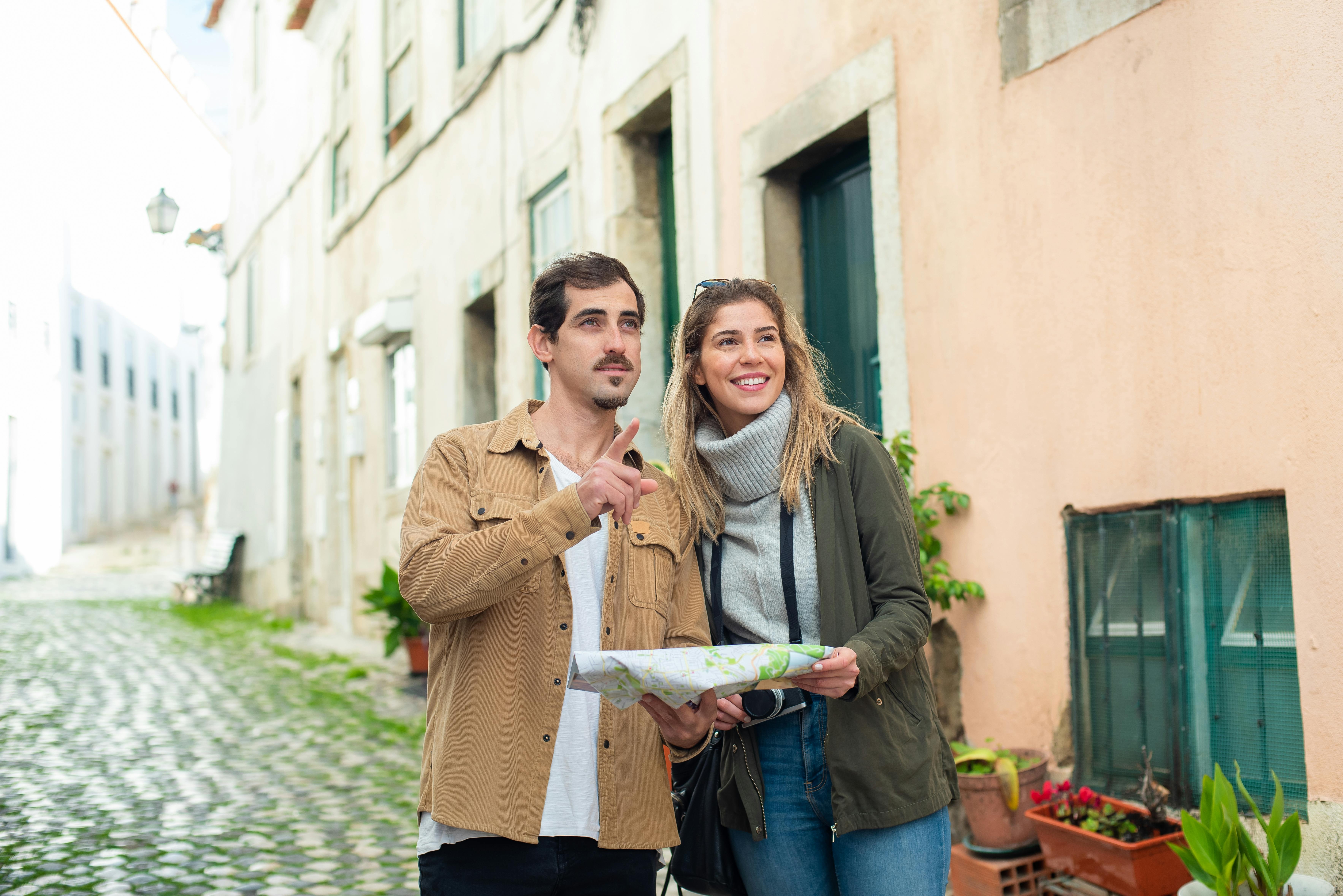
Even if you're feeling nervous or lost on the inside, projecting confidence on the outside is a powerful deterrent. If you need to check a map, step into a café or shop to do so discreetly.
Tip 3: Trust Your Intuition—It’s Your Superpower
Psychologists and security experts agree: that "gut feeling" is a legitimate and powerful threat-detection tool. It's your subconscious mind processing thousands of subtle environmental and behavioral cues that something is "off" long before your conscious mind can articulate why.
If a person, a street, or a situation feels wrong, it is wrong for you.
Do not dismiss that feeling. Do not worry about being "rude" or overreacting. Your safety is more important than anyone else's opinion. Treat your intuition as an infallible guide. If a conversation makes you uncomfortable, end it and walk away. If a street looks sketchy, turn around and take a different route. If the friendly stranger inviting you for tea seems too good to be true, he is. Leave immediately, without hesitation or apology.
Your Digital and Social Safety Net for Women's Travel Safety
In today's world, you are never truly alone unless you choose to be. Technology and global communities have created a powerful safety net that you can, and should, leverage on every trip. Setting this up before you go is one of the most important aspects of modern women's travel safety.
Tip 4: Join a Sisterhood: Leverage Female Travel Networks
The beautiful truth of modern travel is that the shared experience of women has forged an incredible global sisterhood. Tapping into this collective wisdom before and during your trip is like having thousands of savvy, experienced friends on speed dial.
The Solo Female Traveler Network (SoFe): One of the largest and most active communities, SoFe's Facebook groups are a treasure trove of real-time advice, support, and meetup opportunities. Its mission is to empower women to travel solo with confidence.
Wanderful: This global "travel sisterhood" connects women through online networks, local chapters with in-person events, and group trips. Their focus is on building an inclusive and supportive ecosystem for all female travelers.
Host A Sister: This highly-engaged Facebook group operates on a principle of cultural exchange, allowing women to find or offer safe accommodation with other women around the world. It's a powerful tool for finding trusted lodging and making authentic connections.
On the TrekGuider platform, you can explore our Catalog of Authors to discover and follow trusted female travel creators, accessing their expert guides and articles all in one place.
Tip 5: Share Your Itinerary and Use Safety Apps
Always leave a copy of your detailed itinerary with a trusted friend or family member back home. This should include flight numbers, accommodation addresses and phone numbers, and a general outline of your plans. Establish a check-in schedule—a quick text or email each morning—so they know when to worry and when not to.
Amplify this with technology. Use a personal safety app like bSafe, which can share your GPS location with "Guardians" in real-time, activate a voice-command SOS alarm, and even live-stream and record video during an emergency. Other highly-rated options include Noonlight, which connects you to professional emergency dispatchers, and Life360, which is excellent for private location sharing with a trusted circle.
Pro-Tip: Before you leave, create a "digital decoy." On a secure cloud drive, keep encrypted copies of your passport, visa, and credit cards. On your phone's notes app, create a fake list of passwords (e.g., "Email: 12345678," "Bank: password123"). In the unlikely event you are ever forced to hand over your phone and passwords, you can provide the useless decoy list while your real information remains secure.
Your Ultimate Solo Travel Playbook
Ready to take your preparedness to the next level? For a deep dive into cultural etiquette, responding to harassment, and strategies for building unshakeable confidence, you need our comprehensive playbook. It's the ultimate resource for any woman dreaming of exploring the world on her own terms.
Download your free [Solo Female Travel Safety Guide] now!
In the Field: Street Smarts and Cultural Fluency
Once you're on the ground, your preparation meets reality. This is where your research, mindset, and social savviness come together to create a seamless and safe experience.
Tip 6: Dress to Blend, Not to Brand
Your clothing is your most immediate form of non-verbal communication. While you should always express yourself, making strategic wardrobe choices is a key tool for blending in and deterring unwanted attention. Observe what local women are wearing—not just other tourists—and aim for a similar level of modesty and formality. In many cultures, this simple act of respect can dramatically reduce the amount of attention you receive.

Tip 7: Master Your "De-escalation Script" for Harassment
Street harassment is an unfortunate reality in many parts of the world. The key to handling it is to have a pre-planned response so you don't freeze in the moment. Experts recommend a tiered approach:
Ignore First: Often, a harasser's goal is to get a reaction. The safest and most effective initial response is to not engage. Avoid eye contact, do not respond verbally, and continue walking with purpose as if you heard nothing.
Get Loud and Firm: If ignoring doesn't work and the person becomes persistent, use a strong, firm voice and assertive body language. Say a clear, simple command like "Stop," "Go away," or "Leave me alone." Learning this phrase in the local language is incredibly effective.
Move to a Safe Place: Your priority is to remove yourself from the situation. Walk directly into a public, populated place like a shop, a café, or a hotel lobby. If you feel you are being followed, do not lead them back to your own hotel.
Tip 8: Understand Local Interaction Norms
Knowing the local customs for social interaction is critical for avoiding misunderstandings that could compromise your safety. As mentioned in Tip 1, different cultures have vastly different norms. In the Middle East, a woman should typically wait for a man to extend his hand before offering a handshake; a hand over the heart is a respectful alternative. In Latin America, standing very close while talking is normal. Understanding these nuances prevents you from misinterpreting friendliness as aggression or vice-versa.
Smart Choices for Accommodation and Transport
Where you sleep and how you get there are two of the most important safety decisions you'll make every day.
Tip 9: Choose Your Accommodation Wisely
Your hotel or rental is your sanctuary. Protect it. When booking, read reviews specifically from other solo female travelers—they will often highlight safety aspects others might overlook. Consider accommodations with 24-hour reception, interior corridors (rather than motel-style doors that open to the outside), and positive reviews about staff helpfulness. Female-only hostel dorms are also an excellent and secure option.

Tip 10: Be Strategic About Transportation
Arriving in a new city late at night can be disorienting and put you in a vulnerable position. Try to schedule flights that land during the day. Before you arrive, research the safest way to get from the airport to your accommodation and pre-book with a reputable company if possible. When using taxis or ride-shares, always perform a safety check. Match the license plate and driver with the app, and never get in if they don't match.
Pro-Tip: When you get in a taxi or ride-share, start a real or fake phone call. Say loudly and clearly, "Hi, I'm in the car now. The license plate is [read the plate number]. I'll be there in about 20 minutes, you can track my ride on the app. See you soon!" This immediately informs the driver that you are being monitored, which can be a powerful deterrent to any wrongdoing.
Women's Travel Safety FAQ
A prepared mind is a safe mind. Here are expert answers to common questions.

1. What's the best response if I'm approached by "fake police"?
This is a common scam where criminals impersonate officers to demand an on-the-spot "fine." Real police will not demand cash. Remain calm and never hand over your wallet or passport. State firmly and politely, "I understand. I am happy to go with you to the official police station to handle this." This will almost always cause the scammers to back down.
2. Is it safe to wear jewelry when traveling?
It's generally wise to leave expensive or sentimental jewelry at home. Flashy items can attract unwanted attention and make you a target for theft. A simple wedding band is usually fine, but consider leaving valuable engagement rings or designer watches in a safe place. The goal is to blend in, not to stand out.
3. I'm worried about being scammed. What's a good general rule?
Trust your skepticism. Many scams work by exploiting your politeness or greed. The "found ring" scam, for example, preys on your desire for a deal. A universal rule is to be wary of any unsolicited help or offers from strangers, no matter how friendly they seem. A firm, polite "No, thank you" while walking away is your best defense against most ploys.
Travel with Empowered Confidence
The goal of women's travel safety is not to build a fortress of fear that separates you from the world. It is to build a foundation of knowledge that gives you the freedom to engage with the world fully and fearlessly. By mastering research, cultivating confidence, leveraging your community, and practicing situational awareness, you are not just keeping yourself safe—you are taking control of your journey. You are proving that a woman's place is wherever she wants it to be. The world is waiting. You are capable, you are strong, and now, you are prepared.
For a complete master plan covering every aspect of your journey—from health and financial safety to packing and logistics—our all-encompassing [Travel Guide] is the only resource you'll ever need.

Meta Data Suggestions:
SEO Meta Title (58 characters): A Woman's Guide to Safe Travel: 10 Critical Tips (2026)
URL Slug: womens-travel-safety-tips
SEO Meta Description (154 characters): Empower your journey with 10 critical women's travel safety tips. Learn how to navigate cultures, respond to harassment, and travel solo with confidence.
Don't Miss Out! Subscribe for Exclusive Content
Subscribe



Comments 0
No comments yet
Be the first to share your experience!
Dont Miss Out! Subscribe for Exclusive Content

How to Avoid Travel Scams: A Global Guide


Is Public WiFi Safe? How to Protect Your Data Abroad

7 Hotel Safety & Security Tips for Peace of Mind

9 Beach Safety Tips That Could Save Your Life

How to Stay Safe While Hiking: A Hiker's Safety Guide

7 Travel Insurance Red Flags to Spot Before You Buy
9 Food Travel Blogs for Culinary Adventures
TrekGuider @trekguider
You're planning a trip, dreaming of sizzling street food, hidden family-run trattorias, and flavors you'll remember for a lifetime. But your research keeps hitting a wall. You're tired of the same generic "top 10 eats" lists that lead you to overpriced, mediocre tourist traps. It’s a frustrating cycle of clicking through sponsored reviews and superficial recommendations, leaving you feeling like you’ve barely scratched the surface of a destination’s true culinary soul. You end up on the wrong side of town, eating a forgettable meal, knowing you’re missing out—on the vibrant market stalls, the rich history behind the local dishes, and the genuine connection to a culture that only happens through its food.
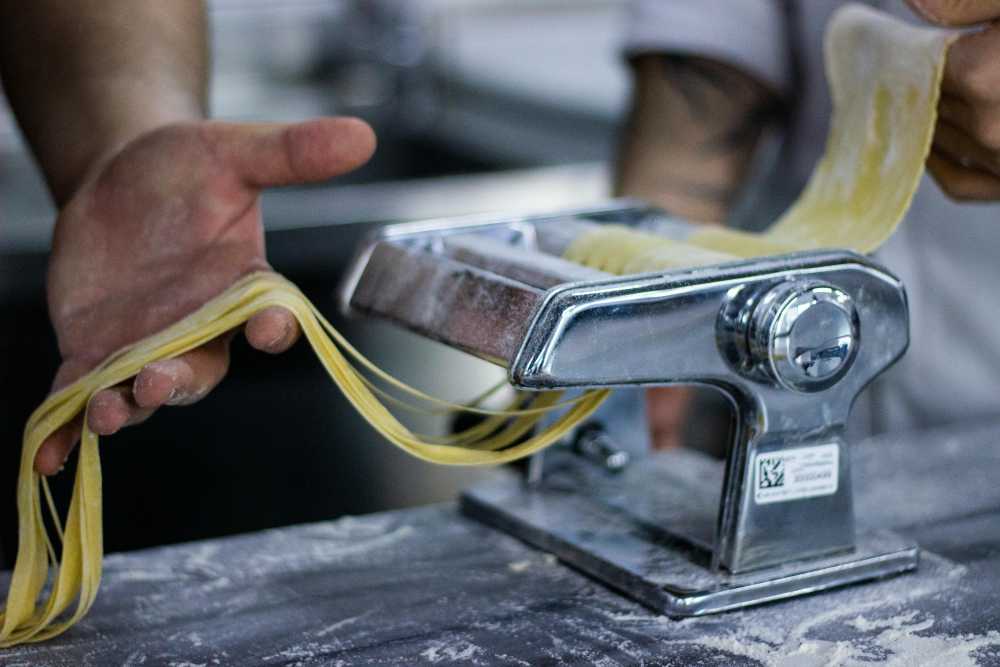
The solution is to stop following travel writers and start following culinary storytellers. The best food travel blogs go far beyond the plate. They are your expert guides to the history, people, and traditions that make a cuisine come alive. These creators understand that a dish is more than its ingredients; it’s a story waiting to be told. They take you on deep dives into local markets, introduce you to the artisans preserving tradition, and even teach you how to recreate iconic dishes yourself. This is how you transform a simple vacation into a true culinary adventure.
As we explore in our definitive guide to [The Best Travel Blogs to Follow in 2026], finding the right niche expert is the single most important step in planning a transformative trip. This curated list will introduce you to the nine most valuable resources for planning your next food-focused journey.
Why Trust This List? Our Vetting Process
In a world saturated with algorithm-chasing 'Top 10 Eats' lists and perfectly filtered food photos, how do you find advice you can actually trust? More importantly, how do you distinguish a genuine culinary storyteller from a simple restaurant reviewer?
Our selection process is grounded in a dual-factor framework that combines hard data with the human element of excellence. We start with quantitative metrics like Domain Authority (DA), a score that a website's credibility to search engines, and social media engagement rates—which, according to recent market analysis, are far more telling than simple follower counts. This gives us a baseline of a blog's influence.
But data only gets you so far. The second, more crucial layer is a qualitative audit. We carefully analyze each blog for:
Deep Niche Expertise: The era of the generalist is over. We prioritize blogs that demonstrate profound, narrow expertise, establishing themselves as the go-to authority on culinary travel.
Originality & A Distinct Voice: We look for compelling storytellers, not content machines. The blogs on this list are run by writers with a unique perspective and a clear, engaging authorial voice.
Authenticity & Transparency: Trust is the currency of the creator economy. We select blogs that are transparent about their partnerships and share the complete picture of their journeys—the great, the good, and the occasional disaster.
This rigorous process ensures every blog featured here is not just popular, but genuinely valuable, trustworthy, and an authoritative resource for any traveler who believes food is the ultimate gateway to culture.

The Best Food Travel Blogs for Authentic Local Cuisine
These creators have dedicated their careers to seeking out the most authentic food experiences across the globe. They excel at telling the stories behind the food, providing the context that turns a meal into a memory.
1. Migrationology
Run by the endlessly enthusiastic Mark Wiens, Migrationology is a masterclass in using food as a lens for culture. Wiens’s philosophy is simple: “Food is the reason you should travel.” He goes far beyond restaurant reviews, creating mini-documentaries and articles that explore the history and cultural significance of every dish. His post on , for example, isn't just a review; it's an exploration of Malaysia's national dish, its regional variations, and its place in the heart of the Malaysian people. This is the blog you read to understand the why behind what you’re eating.
2. Legal Nomads
Jodi Ettenberg started Legal Nomads after leaving her career as a lawyer to travel the world. Her site has since become a treasure trove of narrative-driven food writing. What sets Legal Nomads apart is its intellectual curiosity. A prime example is Jodi's "," which traces the global migration of the humble chili from its origins in the Americas to its integration into cuisines across Asia and Europe. This dedication to deep-dive, historical content provides a rich, educational context you simply won't find on other platforms.
3. 2foodtrippers
Run by Daryl and Mindi Hirsch, 2foodtrippers is an invaluable resource for travelers who want practical, actionable food guides without any fluff. They are masters of the city-specific food guide, providing well-researched lists that help you eat well from your first day in a new destination. Their " " is a perfect example of their style: comprehensive, easy to navigate, and focused on authentic local specialties, from pastéis de nata to bifana sandwiches. They take the guesswork out of culinary exploration.
4. Authentic Food Quest
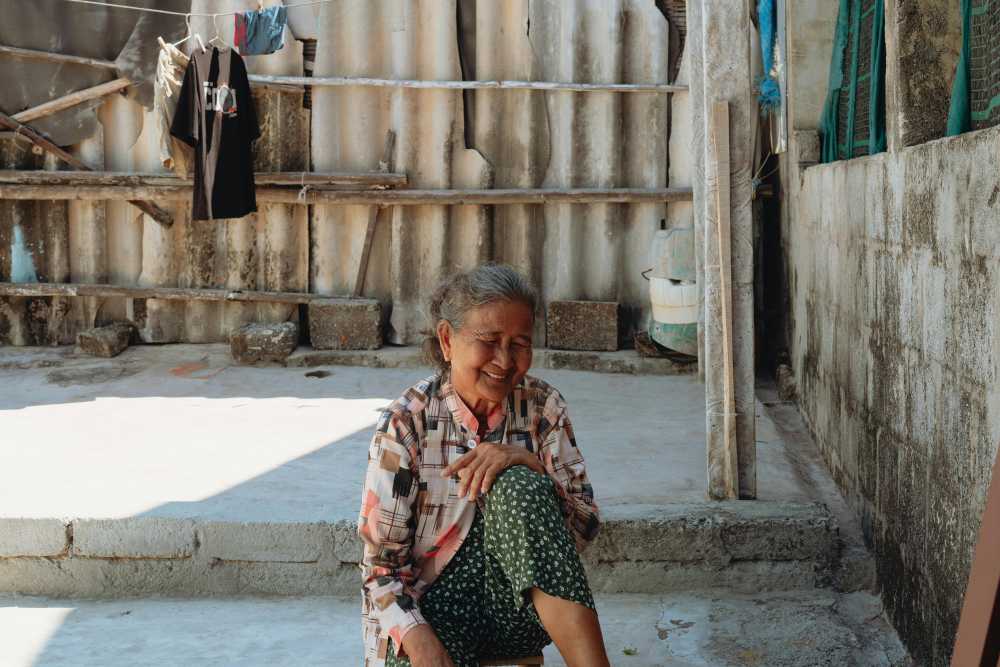
Claire and Rosemary, the founders of Authentic Food Quest, are on a mission to help travelers discover traditional dishes and the local food heroes who make them. Their entire philosophy is built around moving "beyond the tourist traps." They distinguish themselves by focusing heavily on participatory experiences. Their content consistently champions taking cooking classes on your travels, arguing it's one of the best ways to connect with a culture. This focus on hands-on learning makes their blog an essential read for anyone who wants to be an active participant in their culinary journey.
5. Will Travel for Food
JB and Renée are the creators of Will Travel for Food, a blog perfectly tailored for people visiting a destination for the first time. They specialize in creating comprehensive guides to the best local food in cities known for their culinary scenes. Their post, " ," is an accessible yet thorough introduction that helps newcomers navigate a complex food landscape with confidence. They excel at making exotic food scenes feel approachable and exciting for beginners.
6. The Travel Bite
The Travel Bite, founded by Rachelle Lucas, masterfully bridges the gap between travel and home cooking. While many blogs focus exclusively on the experience of eating abroad, The Travel Bite empowers you to bring those flavors back with you. Rachelle often includes recipes for iconic dishes she encounters on her travels, like her post on " ." This approach makes the blog incredibly valuable, extending the life of your culinary travels from a fleeting moment to a skill you can enjoy for years to come.
Your Culinary Adventure Awaits
Ready to plan a trip that tantalizes your taste buds? A great culinary journey starts with flawless planning. Don't let forgotten visas or last-minute packing stress get in the way of your next great meal.
Download our free [International Travel Checklist] today! It’s the ultimate step-by-step resource to ensure you're prepared for every aspect of your trip, so you can focus on what really matters: the food.
The New Wave of Food Travel: It's All About the Experience
The most sophisticated food travel blogs have evolved. They recognize that modern travelers crave immersion, not just information. This isn’t just a trend in food; it’s a seismic shift across the entire travel landscape. Our market analysis shows consumers are moving from passive observation to active participation. Food travelers now seek cooking classes over restaurant lists, and luxury travelers desire authentic cultural connections beyond opulent hotels. The most successful content is no longer a list, but an experiential guide. Here’s how top creators are leading the charge.
The Culinary Historian
A growing number of travelers are seeking more than just a good meal; they want to understand its context. This has given rise to a style of content best described as the "culinary historian" approach. These creators are digital storytellers who connect dishes to their cultural and historical roots. You can see this in the work of blogs like Migrationology and Legal Nomads, which transform a food review into a compelling lesson in history.
Pro-Tip: When you find a dish you love, search for its name plus "history" or "origin story." You'll often find blogs that have written deep-dive articles, giving you a much richer appreciation for what's on your plate.
The Local Market Deep Dive
Some of the most vibrant and authentic food in any destination is found not in restaurants, but in its local markets. A new wave of specialized platforms, like Culinary Backstreets and Traveling Spoon, are dedicated to this very experience. They build entire narratives and guided tours around exploring places like Tokyo's Tsukiji Outer Fish Market or Lisbon's Mercado da Ribeira. Content focused on market tours is invaluable because it tells a story about local ingredients, highlights the personalities of vendors, and provides a snapshot of daily life you can't get anywhere else.
The Hands-On Cooking Class
The ultimate way to connect with a cuisine is to learn how to make it yourself. Platforms like EatWith, The International Kitchen, and blogs like Authentic Food Quest are at the forefront, showcasing the immense value of cooking classes. Documenting a "Tuscan Cooking Class" provides a far more engaging and educational narrative than another passive dining review. For travelers heading to Italy, finding an authentic, non-touristy cooking class can be a challenge. Our [Italy Travel Guide] cuts through the noise, providing vetted recommendations for hands-on culinary experiences, from pasta making in Tuscany to pizza crafting in Naples. These resources empower you to bring home the ultimate souvenir: a new skill.
How to Use These Blogs to Plan Your Perfect Trip
Discovering great food travel blogs is the first step. The next is to use them as powerful planning tools to design your own perfect culinary itinerary.
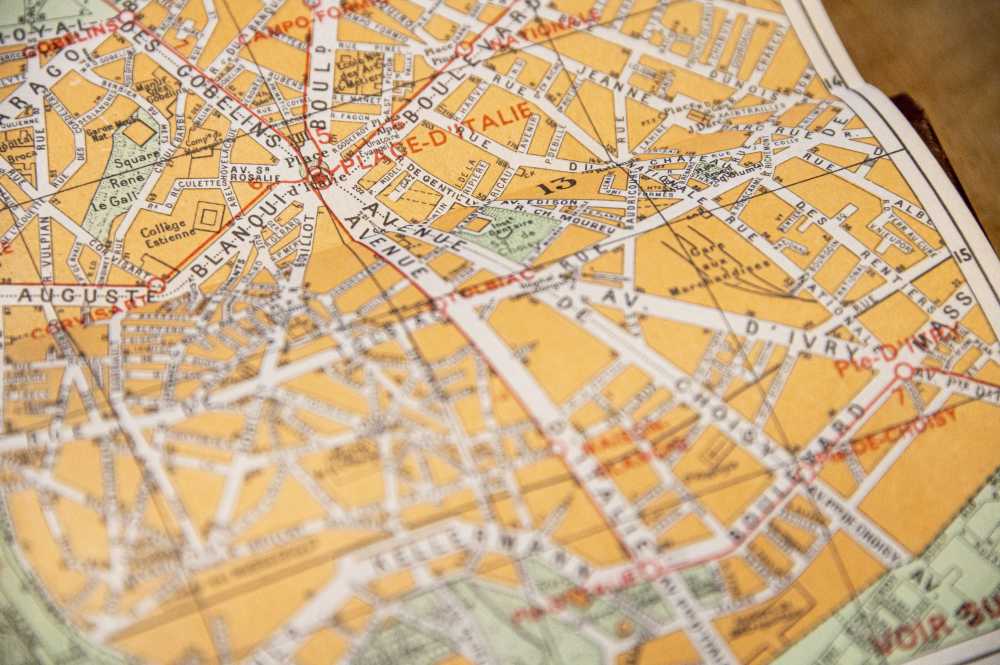
First, think of these blogs as your personal team of scouts. As you read, don't just consume the content—curate it. When a blogger mentions a restaurant, market, or dish that excites you, immediately save it to a custom Google My Map for your destination. Over time, you’ll build a visual database of vetted, high-quality recommendations. When you arrive, you’ll have a personalized map filled with promising options, allowing you to make spontaneous, informed decisions. Increasingly, the best creators are packaging their deep local knowledge into digital products you won't find anywhere else—think downloadable PDF guides with custom Google Maps or hyper-detailed itineraries. These are the kinds of expert-crafted resources you can discover on the [TrekGuider Marketplace], connecting you directly with the creators who know these destinations best.

Pro-Tip: Color-code your map pins by category (e.g., green for coffee shops, blue for markets, red for fine dining, yellow for street food). This makes it incredibly easy to see what's nearby and choose an option that fits your current craving and budget.
Second, pay attention to the blogger’s palate. Food is subjective. Do they rave about spicy food? Are they passionate about fine dining, or do they prefer hole-in-the-wall street food stalls? Read several posts to get a feel for their unique perspective. If you find yourself consistently agreeing with their opinions, you’ve likely found a reliable guide. A blogger whose palate you trust is the most valuable travel planning asset you can have.
Frequently Asked Questions About Food Travel
What’s the difference between a food blog and a standard review site?
A review site (like Yelp or TripAdvisor) focuses on crowdsourced opinions and ratings, which can be useful for a quick snapshot. A high-quality food blog, however, offers a single, expert point of view. It provides deeper context, storytelling, and a curated perspective from a creator whose taste and expertise you can come to trust over time.
How can I tell if a food recommendation is sponsored?
Trustworthy bloggers are transparent. According to FTC guidelines, they must clearly disclose any paid partnerships or sponsored content. Look for disclaimers like "#ad," "#sponsored," or "Paid partnership with..." at the beginning of a post or caption. A lack of transparency is a major red flag.
Are there food blogs for specific dietary needs?
Absolutely. The trend toward niche expertise means there are fantastic blogs dedicated to every dietary preference. Searching for terms like "vegan food travel blogs," "gluten-free travel Paris," or "keto-friendly Italy" will uncover creators who specialize in navigating the world with specific dietary needs, offering invaluable, targeted advice.
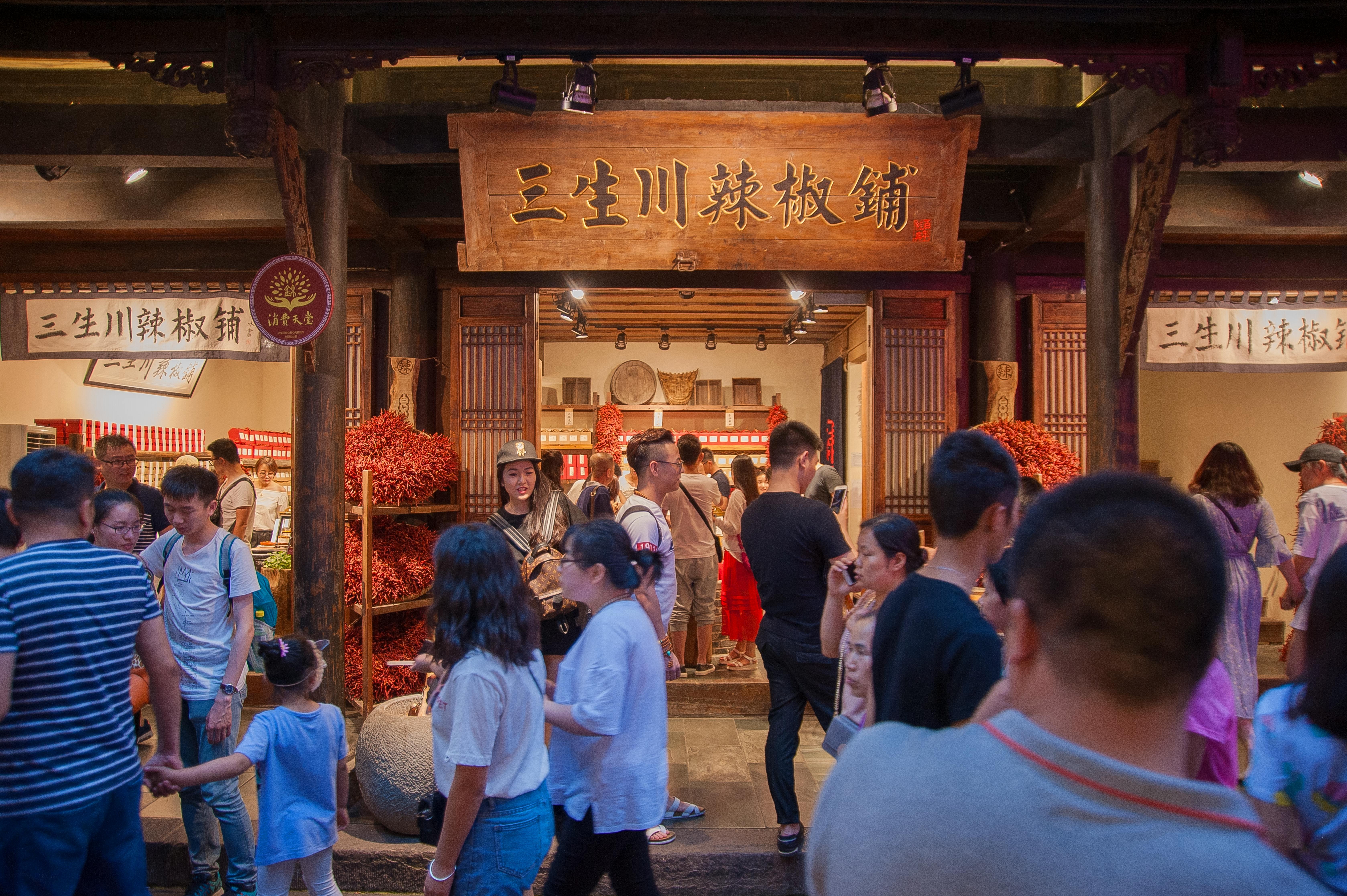
Your Culinary Journey Starts Now
The world of food is vast, vibrant, and deeply personal. Moving beyond generic restaurant lists and embracing the rich, contextual storytelling of dedicated food travel blogs is the key to unlocking truly authentic and unforgettable culinary experiences. The creators featured here are more than just reviewers; they are educators, historians, and passionate guides who provide the tools and inspiration you need to connect with a culture in the most delicious way possible. You are now equipped with the resources to stop being a tourist and start being a true culinary explorer. Your next adventure, filled with genuine flavors and lasting memories, is just a click away.
Don't Miss Out! Subscribe for Exclusive Content
SubscribeComments 0
No comments yet
Be the first to share your experience!
Dont Miss Out! Subscribe for Exclusive Content

Chicago Beer Fests: Top 6 Tastings

FTC Affiliate Disclosure Essentials: Stay Compliant as a Travel Creator

Essential Affiliate Tools: From Tracking to Full Optimization

Avoid These 5 Affiliate Landing Page Mistakes for Better Conversions

Affiliate Keyword Research Mastery for Travel Blogs

Booking.com Affiliate Program Review: Pros, Cons, and Earnings Potential
How to Start a Travel Blog in 2026 (For Profit)
TrekGuider @trekguider
Do you find yourself endlessly scrolling through travel photos, dreaming of turning your own adventures into something more? The idea of starting a travel blog is captivating—a path to sharing your stories, connecting with a global community, and building a life of freedom. But that initial spark is often extinguished by a wave of overwhelm. The market seems impossibly crowded, the technical steps feel like learning a new language, and the road from passion project to profitable business is shrouded in mystery.
You see other creators living the dream, and you know you have the stories and the drive. But the fear of pouring your heart, time, and savings into a simple online diary that never earns a dime is paralyzing. You're not looking to build a hobby; you're looking to build a real asset, a brand, a business. You need more than just another checklist—you need a battle-tested business plan.
This is that plan. Forget the outdated advice. This is your comprehensive, step-by-step playbook on how to start a travel blog that is engineered for profit from day one. We’ll move beyond the basics of setting up a website and dive deep into the strategy of building a modern media brand. The goal isn't just to get you a byline; it's to get you paid. Before you can join the ranks of [The Best Travel Blogs to Follow in 2026], you need a rock-solid foundation, and that’s exactly what we’re going to build—right now.
Why Start a Travel Blog in 2026? The Shift to Media Entrepreneur
Let's address the elephant in the room: is travel blogging still a viable business? The answer is an emphatic yes, but the game has fundamentally changed. The global travel blogging market, valued at an impressive $4.5 billion in 2026, is projected to double to $9 billion by 2032. That growth isn't for hobbyists; it's for savvy creators who understand the key market shift.

Success is no longer about simply documenting your trips. The most successful bloggers are evolving from content creators into media entrepreneurs. They are building focused, niche brands that serve a specific audience with unparalleled expertise. They understand that their blog is not the final product; it is the marketing engine for their actual products. This guide is built on that modern, profitable philosophy.
Phase 1: Building Your Brand Foundation (Before You Touch a Computer)
The single biggest mistake new bloggers make is rushing the technical setup. In 2026, the strategic barriers to success are significantly higher than the technical ones. Dedicate 80% of your initial effort to this phase, and you’ll be miles ahead of the competition.

Step 1: Niche Down to Stand Out
The era of the generalist travel blog is over. To succeed, you cannot be everything to everyone. You must become the undisputed, go-to expert for a specific audience. This is called "niching down," and frankly, it’s the most critical strategic decision you'll make. A narrow focus allows you to build deep expertise, attract a loyal and targeted audience, and charge premium prices for your knowledge.
Based on current market trends, here are five sub-niches with significant growth and commercial potential for 2026:
Accessible Travel: This historically underserved market caters to travelers with disabilities, offering content on wheelchair-friendly destinations and sensory-friendly experiences.
National Parks for Families: This niche combines the booming interest in outdoor, domestic travel with the evergreen family market, providing guides on kid-friendly hikes and lodging.
Vegan Food Travel: A highly specific subset of the food travel niche, this area serves a passionate and growing demographic with guides to plant-based restaurants and cooking classes worldwide.
Digital Nomad & Remote Work Lifestyle: With the explosion of remote work, this niche focuses on the logistics of the lifestyle—managing visas, finding reliable WiFi, and balancing work with travel.
Sustainable & Eco-Tourism: Driven by a powerful wave of consumer consciousness, this niche highlights eco-friendly accommodations, low-impact tours, and tips for responsible travel.
Step 2: Define Your Ideal Reader
Once you have your niche, get granular. Create a detailed profile of your ideal reader. Don't just think about demographics; think about psychographics.
What are their biggest travel-related frustrations?
What does their dream trip look like, and what's stopping them from taking it?
What kind of budget are they working with?
What questions do they type into Google at 11 PM while trip planning?
Understanding their pain points is the key to creating content and products they will feel were made just for them.
Step 3: Choose a Brandable Blog Name
Your blog name is a critical piece of your brand identity. It should be memorable, easy to spell, and hint at what your blog is about. Follow this practical framework to find the perfect name:
Keyword Brainstorming: List words associated with your niche, tone, and audience. For a "Sustainable & Eco-Tourism" blog, you might list: Green, Conscious, Atlas, Compass, Earth, Kind, Trek, Journey, Collective.
Apply Naming Formulas: Experiment with common conventions using your keywords.
Niche-Specific: The Vegan Voyager, The Frugal Flier
Alliteration: Roaming Roads, Compass Chronicles
Evocative & Abstract: The Saffron Trail, Velvet Atlas
Modern & Simple: The Travel Edit, Trip Theory
Verify Availability: This is non-negotiable. Your chosen name must be available as a .com domain. A ".com" is the universal standard and signals professionalism. Simultaneously, check if the name is available as a consistent handle on your primary social media platforms (Instagram, TikTok, Pinterest, etc.).
Conduct Conflict Avoidance: Do a quick Google search to ensure the name isn't already heavily associated with another major brand.
Pro-Tip: Your blog name is your brand's first impression. A short, memorable, and easily pronounceable name with an available .com domain is the gold standard for building a serious online business.
Step 4: Secure Your Digital Real Estate
Found a name that's available? Don't wait. Immediately purchase the .com domain and create the social media accounts. This secures your brand identity across the web, even if you don't plan to use all the platforms right away.
Phase 2: The Smart Launchpad — Build Your Business, Not Just a Website
With your brand strategy set, it's time to build your blog's home. For years, this meant wrestling with web hosting, WordPress installations, themes, and a dozen plugins before you could even write a word. This was the slow, expensive, and technically frustrating path.
In 2026, the smartest creators are skipping that entire phase. Instead of building a house from scratch on an empty plot of land, they're launching their business from a penthouse suite in a bustling city. They are plugging directly into a marketplace ecosystem like TrekGuider, which is designed specifically for travel entrepreneurs. This approach lets you bypass the technical headaches and focus on what actually drives your business forward: creating high-value content and selling digital products.

Step 5: Launch Your Professional Creator Page in Minutes
Instead of buying a domain and hosting, your first step is to set up your professional creator page on the TrekGuider marketplace. This is your new home base, a beautiful, pre-built landing page that establishes your brand's credibility from day one—no coding or design skills required. Within minutes, you can have:
A professional bio and profile photo that tells your story.
A showcase for your digital products, front and center.
A feed of your latest articles published on the platform.
Direct links to all your social media channels.
A built-in donation feature for your audience to support you directly.
Step 6: Upload Your Digital Products and Start Selling
The old way involved researching and configuring complex e-commerce plugins. The TrekGuider way is to simply upload your digital products. Whether you've created a custom map, an in-depth city guide, a PDF itinerary, or an e-book, our platform is built to handle the sale and delivery. You can start monetizing your expertise immediately by listing your products in our catalog, where they're discoverable by a global audience of travelers ready to buy.
Step 7: Publish Your First Articles and Tap into a New Audience
Forget worrying about SEO plugins and site speed. Your blog now lives within our Articles and News section. You can publish your high-quality, long-form content directly onto the platform. Every article you publish is automatically featured on your creator page and becomes discoverable to the entire TrekGuider community. You're not just writing for your existing audience; you're tapping into a built-in stream of traffic from day one, dramatically accelerating your growth.
Step 8: Focus on Creation, Not Maintenance
By building your presence on our marketplace, you eliminate the hidden work that plagues self-hosted bloggers: website security, plugin updates, theme compatibility issues, and performance optimization. We handle the entire technical infrastructure. Your time is freed up to focus on the only two things that will grow your income: creating exceptional content that helps travelers and developing valuable digital products they want to buy. This is the ultimate accelerator for building a travel blog for profit.
Phase 3: Content Strategy & Launching for Profit
With your brand strategy in place and your website built, you're ready to focus on the two things that will actually grow your business: creating world-class content and intelligent monetization.
Step 9: Develop Your Foundational Content Strategy
Before you write a single word, plan your first 10-20 "pillar" articles. These are in-depth, foundational posts that cover the core topics of your niche. A solid content strategy ensures you are purposefully creating assets that will attract your ideal reader and rank in search engines. This is the real secret behind how to start a travel blog that gets traffic. For example, if your niche is "National Parks for Families," your pillar posts might be "The Ultimate Guide to Visiting Yellowstone with Kids" and "10 Best Toddler-Friendly Hikes in Zion National Park."
Step 10: Writing and Publishing Your First Posts
With your content plan in place, it's time to create. Focus on producing the highest quality content possible. Your goal is to be so incredibly helpful that your readers feel like they've struck gold. Write in-depth, solve their problems, and let your unique personality shine through. Publish at least 5-10 of your pillar articles before you officially "launch" your blog to the world.
Step 11: Monetization: Planning for Profit from Day One
A profitable blog diversifies its income. While there are five primary monetization models, one stands far above the rest for long-term, scalable profit.
The future is selling your own digital products.
While display ads seem like the easiest path, they are the least profitable. To make a significant income, you need massive traffic. Digital products, on the other hand, allow you to generate substantial revenue with a much smaller, more engaged audience. The data is clear: recent blogger surveys show the average revenue per 1,000 visitors (RPM) for digital products can be as high as $283.64, compared to just $33.80 for ads.

A simple calculation shows that if just 0.2% of 50,000 monthly visitors (100 people) buy your $30 digital product, you earn $3,000. That same traffic might only generate $1,000-$2,000 from ads. This is the core of the modern travel creator's business model. Instead of earning pennies from ads, you build valuable assets that solve your audience's problems directly.
A few examples of high-value digital products include:
A hyper-detailed "7-Day Off-the-Beaten-Path Itinerary for Kyoto."
A Lightroom "Tropical Blues & Greens" preset pack.
A comprehensive travel planning template for Notion or Google Sheets.
An e-book like "The Ultimate Guide to Travel Hacking."
And when you're ready to sell your own itineraries, templates, or photo presets, a platform like the [TrekGuider Platform] gives you the tools to build your own digital storefront, connect directly with your customers, and build a sustainable business you control.
Frequently Asked Questions
How much does it really cost to start a travel blog?
While you can start for a very low cost, plan for a realistic initial investment of $150-$200 for your first year. This covers three years of quality hosting (like Hostinger, to lock in low rates), your domain name, and a premium theme. Think of it as the startup cost for your business.
How long does it take to make money travel blogging?
Treat it like a business, not a get-rich-quick scheme. It typically takes 6-12 months of consistent, high-quality content creation and promotion before you start seeing meaningful traffic from search engines. Most bloggers start earning their first significant income in the 12-24 month range.
Do I need to be traveling full-time to have a travel blog?
Absolutely not. Some of the most successful blogs are run by people with full-time jobs who are experts on a specific destination or travel style (e.g., weekend trips, maximizing vacation days). Your expertise and the value you provide are far more important than being a full-time nomad.
Your Journey as a Creator Starts Now
Starting a travel blog in 2026 is less about being a writer and more about being an entrepreneur. It's about building a focused brand, serving a specific audience with undeniable value, and creating assets that generate income long after you've hit "publish." You are no longer just a traveler; you are the CEO of your own media company.
The path from dreamer to doer is paved with strategic action. You now have the complete playbook for how to start a travel blog for profit in 2026. The overwhelm is gone, replaced by a clear, step-by-step plan.
Your journey starts now. Take the first step, choose your niche, and start building the travel media brand of your dreams.
Meta Data Suggestions:
SEO Meta Title (59 characters): How to Start a Travel Blog in 2026 (For Profit)
URL Slug: how-to-start-a-travel-blog
SEO Meta Description (154 characters): A step-by-step business playbook for aspiring creators. Learn how to start a travel blog for profit, from niche selection and tech setup to monetization.
Don't Miss Out! Subscribe for Exclusive Content
SubscribeComments 0
No comments yet
Be the first to share your experience!
Dont Miss Out! Subscribe for Exclusive Content
FTC Affiliate Disclosure Essentials: Stay Compliant as a Travel Creator
Essential Affiliate Tools: From Tracking to Full Optimization
Avoid These 5 Affiliate Landing Page Mistakes for Better Conversions
Affiliate Keyword Research Mastery for Travel Blogs
Booking.com Affiliate Program Review: Pros, Cons, and Earnings Potential
