
Solo Travel Blog Monetization: Turning Stories into Income

TrekGuider @trekguider
You've seen the Instagram posts tagged '#digitalnomad' and wondered if it's actually real. Can a solo travel blog—your solo travel blog—truly become a source of income, or is it just a path to burnout? The truth is, most new bloggers fail because they follow a random list of 'monetization ideas.' They're missing the most critical element: a strategic, time-based plan. This is not a list of ideas. This is your 24-month roadmap, grounded in real data from six-figure bloggers, showing you exactly what to do, when to do it, and the income you can realistically expect at each stage. This is your guide to successful solo travel blog monetization.

Moving from Hobbyist to Business Owner
The first and most critical shift you must make is mental. Your blog is no longer just a personal travel diary; it is the central asset of a new business. Every decision, from the topics you cover to the way you structure your articles, must be made with a clear purpose: to provide immense value to a specific audience. Before you can monetize effectively, you must provide that value, which starts with mastering the fundamentals. For a complete playbook on creating world-class content and navigating your journey, review our comprehensive .
This business-oriented mindset means prioritizing the single most important driver of revenue: Search Engine Optimization (SEO). While social media can provide fleeting traffic spikes, SEO delivers a consistent, sustainable stream of readers who are actively searching for the solutions you provide. These are the people who will click your links, book tours, and buy your products. From this day forward, think of yourself not as a blogger, but as the CEO of a media company whose primary asset is high-ranking, helpful content.
What to Expect and When
Forget the overnight success stories. Building a profitable blog is a marathon, not a sprint. Having a realistic timeline prevents discouragement and keeps you focused on the right tasks at the right time.

Year 1 Expectations: Building Traffic and Earning Your First ~$2,000
The first year is all about laying the foundation. Your primary goal is not to make a full-time income, but to publish a critical mass of high-quality, SEO-optimized content and establish topical authority in your niche. You'll spend the first few months writing and publishing consistently without seeing much traffic, and that's completely normal.
Data from established bloggers shows that you can expect to make your first affiliate sale around month four or five. By the end of the first year, a dedicated blogger can realistically earn between $1,000 and $5,000. This income will come almost exclusively from strategic affiliate marketing.
Year 2 Expectations: Scaling to a Viable Income ($20,000 - $40,000)
Year two is the scaling phase. The content you published in your first year begins to mature and rank higher in Google search results, leading to a significant increase in traffic. This is the year you'll likely cross the critical threshold needed to qualify for premium ad networks. This combination of escalating affiliate commissions and new, high-earning display ad revenue is what transforms your blog from a side hustle into a viable business. It's not uncommon for bloggers who were earning $200/month at the end of year one to be earning $2,000-$4,000/month by the end of year two.
(Months 1-6): Laying the Foundation for Your Solo Travel Blog Monetization
Welcome to the grind. In this foundational phase, you are building the powerful engine of your business long before you see significant fuel (i.e., traffic). Success here isn't measured in dollars; it's measured in discipline and consistent output.
Your Primary Focus: Publishing High-Quality, SEO-Optimized Content
Think of high-quality content as the real estate upon which you'll build your entire business. It's the non-negotiable asset that makes all future income possible. In these first six months, your goal should be to publish 25-40 thoroughly researched, long-form articles that target specific keywords your audience is searching for. Every article should aim to be the single best resource on the internet for its given topic. This early library of content is what Google will eventually reward with traffic.
Method 1: Strategic Affiliate Marketing (The Best First Step)
Affiliate marketing is the practice of earning a commission by promoting another company's products or services. It is the perfect first monetization method because most programs have no minimum traffic requirements. You can, and should, include affiliate links from day one.
The key is to recommend products you genuinely use and trust. Your recommendations must be woven naturally into helpful content. Don't just list products; explain why a certain backpack is perfect for a carry-on-only trip or how a specific travel insurance policy saved you during an emergency. A crucial element of this is transparency. Always include a clear affiliate disclosure at the top of your posts. This isn't just an FTC requirement; it's a critical component of building long-term trust with your audience.
Choosing the Right Affiliate Platforms: A Data-Driven Comparison
Start with a mix of affiliate aggregators and direct programs to maximize your opportunities.
Travelpayouts: An excellent starting point. It's an aggregator that gives you access to dozens of travel brands like Booking.com, GetYourGuide, and Hostelworld through a single platform, making it easy to manage your links and payments.
Stay22: A powerful, map-based tool specifically for accommodations. It often has a higher conversion rate than other hotel affiliate links because it shows users a variety of options on a map, which is incredibly helpful in the travel planning process.
Direct Programs: Many essential travel brands have their own programs. Be sure to sign up for:
Amazon Associates: For all the physical gear you recommend, from packing cubes to portable chargers.
Booking.com / Agoda: The top platforms for hotel bookings worldwide.
GetYourGuide / Viator: The leaders in tours, activities, and attraction tickets.
Pro-Tip: Don't go back and add affiliate links later. Research and include relevant links in every article as you write it. This saves an immense amount of time and ensures your monetization efforts start from the moment you hit "publish."
(Months 7-18): Scaling Traffic and Unlocking Serious Income
With a solid foundation of content beginning to rank, you now shift your focus from pure production to growing the one metric that unlocks the next level of income: monthly sessions.
Your Primary Focus: Reaching 50,000+ Monthly Sessions
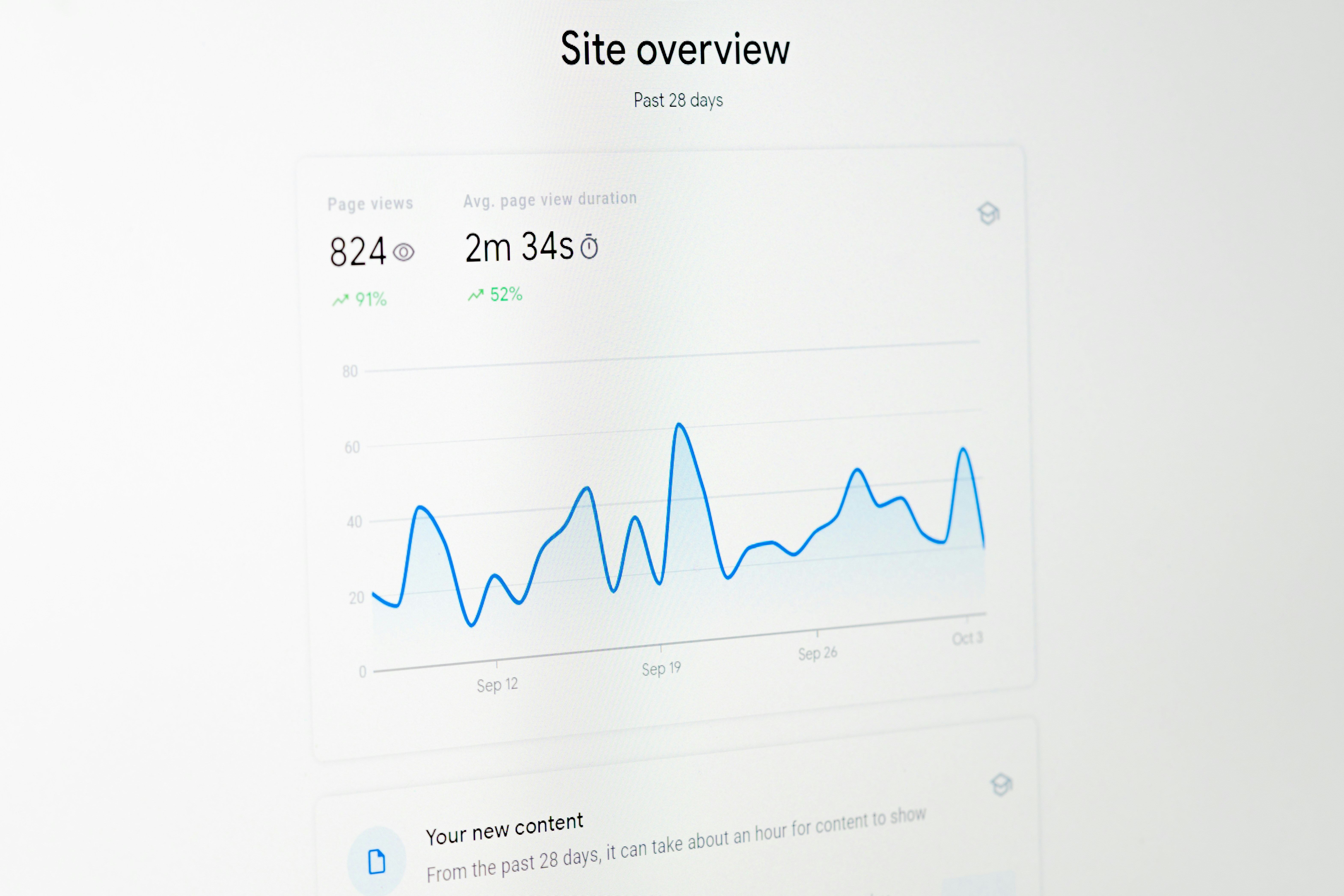
This is the magic number. Crossing the threshold of 50,000 monthly sessions (the number of visits to your site, as measured by Google Analytics) is the key inflection point where your income potential grows exponentially. It signals to premium ad networks that you have a substantial and engaged audience, making you a valuable partner. Reaching this level requires continued content production and a focus on building high-quality backlinks to your articles.

Method 2: Display Advertising (Unlocking Passive Income)
Display ads are the advertisements you see placed within the content of a website. When you have significant traffic, this becomes a powerful and almost entirely passive income stream. The key is to work with the right network.
The Ad Network Ladder: From Beginner to Premium
Not all ad networks are created equal. Your goal is to climb the ladder to a premium network as quickly as possible.
Avoid Google AdSense: Many new bloggers start here, which is a major mistake. AdSense pays extremely low rates, often resulting in an RPM (Revenue Per Mille, or earnings per 1,000 pageviews) of just $1-$3. It clutters your site for pennies.
Starter Networks (The Stepping Stone): Networks like Journey by Mediavine (requires 10,000 monthly sessions) or Ezoic offer a significant step up from AdSense. They are a great intermediate goal.
Premium Networks (The Goal): This is where serious income begins.
Mediavine: The gold standard for many bloggers. They require a minimum of 50,000 monthly sessions. Mediavine is known for its incredible support and high RPMs, often in the $20 - $40+ range. They command higher rates from advertisers because of their high-quality publisher network and direct sales teams.
Raptive (formerly AdThrive): The top tier. Raptive requires 100,000 monthly sessions and is known for having some of the highest RPMs in the industry for the same reasons.
Getting accepted into Mediavine is a major milestone. For a blog with 50,000 sessions, a $25 RPM translates to $1,250 in passive income per month. This is in addition to your growing affiliate revenue.
(Months 19+): The CEO Phase—Building a Diversified Travel Brand
Once you have stable traffic and income from ads and affiliates, you can move into the final phase: maximizing profitability by leveraging your most valuable asset—your audience's trust.
Building Brand Authority and Audience Trust
At this stage, your readers see you as a trusted expert. They've followed your advice, booked hotels you recommended, and bought gear you reviewed. This trust is the asset you will now monetize directly, leading to the highest profit margins possible.
Method 3: Selling Your Own Digital Products (The Highest Profit Margin)
Creating and selling your own products is the holy grail of solo travel blog monetization. You control the price, the product, and you keep nearly 100% of the revenue. This requires a loyal audience that trusts your expertise, which is why it's an advanced strategy.

Examples of high-value digital products for a solo travel audience include:
Comprehensive E-books: A deep dive into a specific topic, like "The Ultimate Guide to Solo Female Travel in Southeast Asia."
Printable Destination Itineraries: Detailed day-by-day plans for cities like Rome, Tokyo, or Lisbon that your readers can purchase and download.
Trip Planning Templates: Customizable spreadsheets or Notion templates that help your readers organize their own trips.
Digital Packing Lists: Niche-specific checklists for different types of travel (e.g., carry-on only, winter travel, hiking).
Pro-Tip: Validate your product idea before you build it. Send a survey to your email list or poll your audience on social media, asking what they struggle with most. If dozens of people say "planning my Italy itinerary is overwhelming," you have a winning product idea.
Method 4: Sponsored Content and Brand Partnerships
Sponsored content, where a brand pays you for a dedicated article or mention, represents a shift from passive to active income. While it can be lucrative, with sponsored posts often fetching $1,000 or more, you shouldn't just wait for opportunities to land in your inbox. As your brand authority grows, you can proactively pitch partnerships. Create a professional media kit—a one-page PDF outlining your website traffic, audience demographics, and core values—and reach out to brands you already use and love with a specific collaboration idea.
Frequently Asked Questions (FAQ Section)
How much money can you make from a travel blog?
In your first year, aim for $1,000-$5,000. By the end of year two, $20,000-$40,000 is a realistic target for dedicated bloggers. Established, six-figure travel bloggers who have diversified into ads, affiliates, and digital products can earn well over $100,000 per year.
How long does it take to make $1000 a month blogging?
For most travel bloggers who consistently publish high-quality, SEO-optimized content, it takes between 12 and 18 months to consistently earn $1,000 per month. This milestone typically occurs after being accepted into a premium ad network like Mediavine.
Do I need a large social media following to make money?
No. This is a common and damaging myth. The most profitable travel blogs focus on SEO. You can make a full-time income from a travel blog with fewer than 1,000 Instagram followers if your website traffic from Google is high and consistent.
What are the initial costs of starting a profitable travel blog?
The essential startup costs are minimal. You'll need a domain name (around $15/year) and web hosting (around $5-$15/month). Investing in a premium WordPress theme ($60 one-time) and an SEO tool like Keysearch ($17/month) are highly recommended but not strictly necessary on day one.
Turning your passion for solo travel into a profitable business is not a dream; it's a project. It requires a strategic plan, immense dedication, and an unwavering focus on providing real value. This roadmap has shown you the what and the when. By following this phased approach to solo travel blog monetization, you move beyond wishful thinking and begin the methodical work of building a business that can fund your travels and your life. The journey is long, but the destination—a life of freedom and financial independence—is worth every step.
Don't Miss Out! Subscribe for Exclusive Content
Subscribe



Comments 0
No comments yet
Be the first to share your experience!
Dont Miss Out! Subscribe for Exclusive Content

FTC Affiliate Disclosure Essentials: Stay Compliant as a Travel Creator


Essential Affiliate Tools: From Tracking to Full Optimization

Avoid These 5 Affiliate Landing Page Mistakes for Better Conversions

Affiliate Keyword Research Mastery for Travel Blogs

Booking.com Affiliate Program Review: Pros, Cons, and Earnings Potential

Decoding Affiliate Commission Rates: Benchmarks for Travel Creators
The Sanity-Saving System for Your Next Family Road Trip
TrekGuider @trekguider
Staring down a long family road trip and picturing more chaos than cherished memories? You're not alone. The line between an 'epic family adventure' and a 'mobile hostage situation' can be perilously thin, often hinging on a single forgotten charging cable or a rogue juice box.
The internet offers an avalanche of checklists, but this overload often creates more anxiety than it solves. What you really need isn't another random list—it's a bulletproof system designed to transform potential chaos into predictable calm.
This is that system. Forget frantic, last-minute packing. We're moving beyond what to pack and showing you how to orchestrate a seamless journey, from pre-trip vehicle checks to a sanity-saving in-car entertainment strategy.
While this guide focuses on the mechanics of a successful road trip, it’s a critical component of a larger travel philosophy. For a broader look at destinations and trip styles, be sure to explore our comprehensive guide to Family Travel Ideas: The 2026 Guide to Unforgettable Trips to find your next perfect adventure.

Your Pre-Launch Sequence: Mastering the 2-Week Countdown
A smooth trip begins long before you pull out of the driveway. This phase is about laying a foundation of safety and organization, giving you unshakable peace of mind before the wheels even start rolling.
The Essential Vehicle Safety Audit: Your First Step
Two weeks before your departure date, it’s time to give your vehicle a thorough check-up. While entrusting this to a certified mechanic is the gold standard, you can perform a solid initial inspection yourself.
Tires: Check the pressure on all four tires (and the spare!) to ensure it matches the recommended PSI on the driver’s side doorjamb. Inspect the tread for wear; a simple way to do this is with a penny. If you can see all of Lincoln's head, it’s time for new tires.
Fluids: Check and top off all essential fluids, including engine oil, coolant, brake fluid, and windshield washer fluid.
Brakes: Listen for any squeaking or grinding noises. If you notice any changes in performance or feel a vibration when braking, have them inspected by a professional immediately.
Lights & Wipers: Test all exterior and interior lights. Check your wiper blades for signs of cracking or wear and replace them if necessary. A sudden downpour is a terrible time to discover your wipers are shot.
Child Car Seat Safety
Vehicle safety extends to your most precious cargo. An improperly installed car seat can be a critical point of failure in an accident. Take these steps:
Check for Recalls: Visit the National Highway Traffic Safety Administration (NHTSA) website to ensure your car seat model has not been recalled.
Verify Fit: Ensure your child meets the height and weight requirements for their current seat.
Confirm Installation: A properly installed car seat should not move more than one inch in any direction at the belt path. Many local fire departments have certified technicians who will inspect your installation for free.
Assembling Your Complete Roadside Emergency Kit
Your vehicle should be equipped with more than just a jack and spare tire. A well-stocked roadside emergency kit is a non-negotiable part of your travel gear.
Jumper cables
Tire pressure gauge and portable air compressor
A well-stocked first-aid kit
Roadside flares or reflective triangles
A multi-tool and a small set of wrenches
Duct tape (because it fixes everything)
Flashlight with extra batteries
Portable phone charger or power bank
High-energy, non-perishable snacks and bottled water
Documentation & Digital Organization
Ensure your car's registration and insurance information are current and easily accessible. It's also wise to have digital copies saved to your phone. Use an app to plan your route, but to keep everything in one place—from reservations to daily plans—a dedicated Travel Itinerary Template is invaluable.
Your Ultimate Road Trip Blueprint
Planning a trip through America's greatest landscapes? Don't leave anything to chance. Our free, printable National Park Road Trip Checklist covers everything from vehicle prep to the one snack you can't forget. Download it now and guarantee a smoother adventure.
A System for Your Family Road Trip Essentials
Effective packing is about organization and accessibility, not just volume. This system ensures that everything you need is exactly where you need it, preventing roadside archaeology in your trunk.

The "Car Command Center": Organizing Your In-Reach Essentials
The front passenger seat area is your mission control. Use a seat-back organizer or a small bin to keep critical items within arm’s reach.
Phone mounts and charging cables
A roll of paper towels and a pack of wet wipes
Hand sanitizer
A small trash bag or designated car trash can
Lip balm, pain relievers, and personal medications
Sunglasses for the driver and co-pilot
The Comfort Kit: Blankets, Pillows, and Personal Items
A comfortable child is a happy child. For each kid, pack a small bag containing their comfort items like a travel pillow, a soft blanket, noise-canceling headphones, and a reusable water bottle.
The Kids' "Go-Bags": Empowering Young Travelers
Give each child a small backpack that is their responsibility. This fosters independence and dramatically reduces "Can you get my...?" requests. Let them help pack it with small toys, a coloring book, a reading book, and their tablet (if applicable).
The Overnight Bag: The Hotel Stop Lifesaver
If your trip includes an overnight hotel stay, this single tactic will save your sanity. Pack one duffel bag with everything the entire family needs for a single night: a change of clothes for everyone, pajamas, toiletries, medications, and charging cables. This prevents you from lugging every suitcase into the hotel.
Your In-Car Entertainment Playbook
Boredom is the mortal enemy of a peaceful road trip. Don’t leave entertainment to chance; deploy a structured strategy to keep spirits high and sibling squabbles low.

Your Secret Weapon Against Boredom
Instead of giving kids all their new activities at once, wrap a few small, inexpensive items and present one every hour or two. The anticipation and novelty work wonders to break up the monotony.
Pro-Tip: Use a hanging shoe organizer on the back of the front seat. Each pocket can hold a new activity, snack, or surprise. This visual countdown gives kids a clear answer to "how much longer?"
The Screen-Free Activity Arsenal
Engage their minds and prevent the glazed-over look of too much screen time with these proven winners:
Audiobooks: A captivating story can make hours fly by. Borrow digital audiobooks for free from your local library using the Libby app.
Podcasts for Kids: Shows like "Wow in the World" or "Story Pirates" are both entertaining and educational.
The License Plate Game: A classic for a reason. Find a printable checklist online to track which states you’ve found.
Travel Journals: Give each older child a blank notebook and encourage them to document the trip.
Travel Bingo: Create or print bingo cards with things to spot on the road (a red truck, a cow, a bridge, etc.).
Using Technology as a Tool, Not a Crutch
Screen time isn't the enemy, but mindless screen time can lead to crankiness. Use it strategically.
Download Everything: Do not rely on cellular service. Download movies, shows, and games onto tablets before you leave.
Set Clear Boundaries: Establish rules for screen time before you start the car.
Invest in Headphone Splitters: This cheap device allows two kids to watch the same movie on one device, preventing arguments.
Mastering Snacks and Drinks for the Road
Constant stops for overpriced gas station food can derail your budget and schedule. A well-planned mobile kitchen keeps everyone fed, hydrated, and happy.

How to Pack a Cooler for Freshness
Pre-chill: Bring your cooler inside the night before and pre-chill it with a "sacrificial" bag of ice.
Ice on the Bottom: Use solid blocks of ice or frozen water bottles on the bottom, as they melt slower than cubed ice.
Layer Strategically: Place drinks at the bottom and more delicate items like sandwiches on top.
Fill the Gaps: Air is the enemy of cold. Fill any empty space with extra ice cubes.
The "Low-Mess" Snack Box
Keep a separate, easily accessible box with snacks that don't require refrigeration and minimize mess. Think protein-packed (string cheese, nuts), clean fruits & veggies (grapes, baby carrots), and crunchy classics (pretzels, goldfish).
Pro-Tip: Use a craft organizer or a tackle box with small compartments to create a "snackle box." This turns snack time into a fun, self-serve activity.
Setting the Tone for a Great Trip
The final piece of your strategy involves managing expectations and the rhythm of the journey itself.
The 2-Hour Rule: Making Pit Stops Part of the Adventure
Plan to stop every two to three hours, even if nobody needs a bathroom break. Use your map app to find interesting parks, quirky roadside attractions, or local ice cream shops. Some of the 4 Unforgettable National Park Family Travel Ideas make for incredible, itinerary-worthy stops.
Embracing Spontaneity
No matter how well you plan, things will go wrong. You’ll hit traffic, or a child will have a meltdown. The most important thing you can pack is a flexible mindset. A relaxed attitude from the parents is contagious and sets the tone for the entire trip.
Frequently Asked Questions
How do you survive a 12-hour car ride with kids?
The key is breaking the trip into manageable chunks. Use the "Slow Reveal" method for new toys and activities, and plan to stop every 2-3 hours. Have one longer stop at a park or playground midday to burn off significant energy.
What are the best mess-free snacks for toddlers in the car?
Focus on dry, bite-sized items that won't cause a sticky disaster. Puffs, small crackers (like goldfish), dry cereal, and raisins are all excellent choices. Avoid anything juicy or crumbly like peaches or flaky pastries.
What should I check on my car before a long road trip?
At a minimum, you must check your tire pressure (including the spare), oil and other fluid levels, brakes, lights, and windshield wipers. For maximum peace of mind on a major trip, have a trusted mechanic perform a full inspection.
Your System for a Memorable Journey
You now have more than just a packing list; you have a complete, systems-based playbook for executing a smooth and memorable road trip. By investing time in this preparation, you’re not eliminating challenges—you're building the confidence and structure to handle them with grace.
You are transforming the drive from a stressful chore into a core part of the family adventure. Pack your bags, load up the car, and get ready to create memories that will last a lifetime.
Don't Miss Out! Subscribe for Exclusive Content
SubscribeComments 0
No comments yet
Be the first to share your experience!
Dont Miss Out! Subscribe for Exclusive Content

Ultimate USA Holidays Guide: Top Picks
FTC Affiliate Disclosure Essentials: Stay Compliant as a Travel Creator
Essential Affiliate Tools: From Tracking to Full Optimization
Booking.com Affiliate Program Review: Pros, Cons, and Earnings Potential
Decoding Affiliate Commission Rates: Benchmarks for Travel Creators

Amazon Associates for Travel: Strategies to Maximize Commissions
5 Critical Affiliate Marketing Mistakes to Dodge in 2026
TrekGuider @trekguider
Let’s be honest. You’re creating fantastic travel content, but your affiliate dashboard looks like a ghost town. You’re putting in the hours, but the income isn’t following. It’s the single most frustrating part of this business, and it’s a sign that something is fundamentally wrong with your strategy.
You see the industry reports—the affiliate marketing world soaring past 93 billion, with the average travel affiliate earning a reported $13,847 a month—and it feels like it’s happening in another universe. It’s not. The difference is strategy. The highest-earning creators aren't just better at creating content; they're better at avoiding the invisible but critical affiliate marketing mistakes that silently sabotage a business.

This is your definitive "what not to do" playbook. We’re exposing the five most destructive pitfalls that derail even the most talented travel creators. Dodging these errors is the key to plugging the leaks in your strategy, protecting your brand, and finally building the profitable, resilient business you deserve. For a complete command of the entire affiliate ecosystem, from program selection to advanced conversion tactics, our definitive pillar page, [Travel Affiliate Programs: The 2026 Ultimate Guide], is your essential command center.
Mistake #1: Ignoring the Law (The FTC Disclosure Fail)
Of all the affiliate marketing mistakes a creator can make, this one is the most dangerous. In the rush to monetize, many either forget to disclose their affiliate relationships or, more commonly, do it incorrectly. They bury a vague statement in the footer, hide it on a separate page, or tuck it into a block of hashtags. They treat it as a legal chore to be minimized.
Why It's Critical: This isn't just bad practice; it's illegal. In the U.S., the Federal Trade Commission (FTC) legally requires a "clear and conspicuous" disclosure of any "material connection" between you and a brand. Failing to comply can get you kicked out of affiliate programs and attract unwanted legal attention. More importantly, it shatters the single most valuable asset you own: your audience's trust. In the creator economy, transparency isn't just a virtue; it's a non-negotiable business strategy.
The Fix: Embrace Radical Transparency.
Your disclosure must be impossible to miss and easy to understand. It’s not a footnote; it’s a badge of honor that signals your professionalism. A compliant disclosure meets four simple criteria:
Placement: It must appear before any affiliate links. For a blog post, this means at the very top of the article.
Prominence: It must be easy to see, in a readable font and color.
Presentation: It must be in plain, simple language that anyone can understand.
Proximity: It must be on the same page as the links themselves.

Pro-Tip: A simple, friendly disclosure at the top of your post is perfect. Something like: (Heads up! This post contains affiliate links. If you book or buy something through one of my links, I may earn a small commission at no extra cost to you. This helps me keep the adventures coming. Thanks for your support!)
Mistake #2: Building Your Business on Rented Land (The "Social-Only" Trap)
You've built a thriving community on Instagram or TikTok. Your engagement is high, and your audience trusts you. So, you decide to run your entire affiliate business from that platform, relying on a "link in bio" tool as your sole monetization engine. This strategy is incredibly common, and it's one of the most fragile business models a creator can adopt.
Why It's Critical: When your business lives exclusively on a social media platform, you are building on rented land. You don't own your audience, you don't control the algorithm, and you don't set the rules. A single algorithm change can vaporize your reach overnight. In the worst-case scenario, your account can be suspended, and your entire business vanishes in an instant.

The Fix: Build Your Empire on an Owned Platform.
Your social media channels are phenomenal for audience engagement, but your website or blog is your single most important strategic asset. An owned platform is your digital home base.
It's an Asset You Control: You dictate the content, user experience, and monetization strategy, insulating your business from volatile algorithms.
It's a Long-Term Traffic Engine: A well-optimized blog post can rank on Google for years, becoming an evergreen asset that drives affiliate sales while you sleep.
It's Your Hub for Deeper Monetization: An owned platform is the perfect place to evolve beyond affiliate links and start selling your own digital products. Modern creator platforms like the [TrekGuider Platform] are designed specifically for this, giving you a central hub to publish your articles right alongside the premium guides, maps, and itineraries you sell—establishing you as a multi-faceted expert.
Mistake #3: Putting All Your Eggs in One Basket (The Over-Reliance Risk)
For many creators, "affiliate marketing" is synonymous with one program: Amazon Associates. It's easy to join and has an unmatched variety of products, so it's tempting to make it the beginning and end of your affiliate strategy. This hyper-focus on a single program is a ticking time bomb.
Why It's Critical: Relying on one affiliate program for the majority of your income is a high-risk gamble. That program holds all the power. They can—and do—change their terms with little warning. Amazon itself has famously slashed commission rates in key categories overnight, decimating the incomes of creators who were not diversified. If that program shuts down or terminates your account, your business is crippled.
The Fix: Build a Diversified and Resilient Affiliate Portfolio.
A professional affiliate marketer is like a smart investor: they diversify. Aim to build a strong portfolio of 3-5 core affiliate programs that align with your niche. A healthy mix for a travel creator should cover all aspects of a trip:
Accommodations: Expedia Group or Agoda
Tours & Activities: Viator or GetYourGuide
Travel Insurance: SafetyWing or World Nomads
Gear & Apparel: Amazon Associates plus a specialty retailer like REI
This diversification creates multiple, independent income streams. A negative change in one program will be a minor setback, not an existential threat to your business.

Mistake #4: Chasing Commissions, Not Solving Problems
You're researching programs and see two options for a travel backpack. Program A offers a 3% commission, while Program B offers a flashy 10%. You immediately sign up for Program B and start promoting that backpack, even though you know the one from Program A is a slightly better product for your audience. This is the siren song of high commissions, and it leads directly onto the rocks of broken trust.
Why It's Critical: This is the fastest way to destroy your brand. Your audience follows you for your authentic expertise. The moment they sense you are prioritizing your own paycheck over their best interests, that trust evaporates. They can smell a hard sell a mile away. Once trust is gone, your influence is gone, and your ability to earn any income—from any source—is gone with it.

The Fix: Adopt an "Audience-First" Mentality.
Your long-term success is directly proportional to the amount of trust you build. Make it your mission to recommend only the best possible solution for your audience, regardless of the commission.
Promote What You Use and Love: The most powerful reviews come from genuine, personal experience.
Be Radically Honest: If a product has flaws, mention them. This balanced perspective makes your praise exponentially more believable.
Solve the Problem, Don't Push the Product: Frame your content around solving your audience's problems. The product is simply the tool that helps them achieve their goal.
Pro-Tip: Often, the product with the lower commission rate can actually be more profitable if it has a higher conversion rate or a longer cookie duration. Always prioritize the best product for your audience; the trust you build will lead to far more sales in the long run.
Mistake #5: Not Reading the Fine Print (Violating Program Terms)
You've been approved for a new affiliate program and you're excited to get started. You skim the welcome email, grab your links, and start promoting. You don't bother to read the full Terms of Service because it's long, boring, and filled with legalese. This is a simple oversight that gets countless creators kicked out of programs, often with all of their pending commissions forfeited.
Why It's Critical: Every affiliate program has a strict set of rules, and ignorance is not an excuse. Violating these terms—even accidentally—can result in immediate and permanent termination. All the hard work you put into driving sales becomes worthless in an instant.

The Fix: Treat It Like a Business Contract (Because It Is).
Take 15 minutes to carefully read the Terms of Service for every program you join. Pay special attention to the most common violations:
PPC Bidding Restrictions: Most programs forbid you from bidding on their branded keywords (e.g., "G Adventures promo code") in Google Ads.
Self-Referrals: You are almost never allowed to use your own affiliate links to make personal purchases.
Link Cloaking Rules: Some programs have specific rules about how you can present or "cloak" their links.
Referral Program Terms: This applies equally to referral programs. You must understand the specific conditions for a successful conversion. For example, a platform might have bonus terms that require a referred user to make a purchase within a 7-day window for you to earn a commission. Ignoring these details means you do all the work of referring a new user without getting the reward.
Frequently Asked Questions (FAQ)
1. What's the single biggest mistake new affiliates make? The most common error is Mistake #4: chasing high commissions instead of solving their audience's problems. This erodes trust, which is the foundation of any successful creator business. Always recommend the best product, not just the one that pays the most.
2. How quickly can I fix these mistakes? You can start fixing them today. These aren't technical challenges; they are strategic shifts. You can add a proper disclosure to your top posts in minutes, decide to build out your own website this week, and diversify your program portfolio over the next month. It's about changing your approach.
3. Is it better to have a blog or just use social media for affiliate marketing? While you can earn money on social media, it's a high-risk strategy. As we covered in Mistake #2, a blog or website is an asset you own and control. The smartest strategy is to use social media to drive traffic to your owned platform, where you have full control over monetization and your audience relationship.
Build a Bulletproof Business Avoiding these critical affiliate marketing mistakes isn't about being restrictive; it's about being a professional. To build your business the right way from the ground up, with professional systems and a clear strategy, you need the right resources. Our ultimate resource bundle, [The Travel Creator's Toolkit], is packed with the checklists, templates, and guides you need to start building a profitable and resilient content empire today. Download it for free and turn your passion into a profession.
Don't Miss Out! Subscribe for Exclusive Content
SubscribeComments 0
No comments yet
Be the first to share your experience!
Dont Miss Out! Subscribe for Exclusive Content
Ultimate USA Holidays Guide: Top Picks
FTC Affiliate Disclosure Essentials: Stay Compliant as a Travel Creator
Essential Affiliate Tools: From Tracking to Full Optimization
Avoid These 5 Affiliate Landing Page Mistakes for Better Conversions
Affiliate Keyword Research Mastery for Travel Blogs