
Luxury Solo Travel: How to Plan an Upscale Independent Journey

TrekGuider @trekguider
You're dreaming of a different kind of solo trip—one defined by five-star comfort and total freedom, not spartan hostels. You imagine indulging in exquisite meals and unwinding in a beautiful hotel, all on your own terms. The problem? The world of upscale travel often feels built for two, and the logistical hurdles of planning a high-end trip for one—from navigating single supplements to ensuring your safety—can feel daunting enough to keep your dream grounded.
This is where that narrative changes. Planning a luxury solo travel experience isn't about extravagance for its own sake; it's about mindfully curating a journey that prioritizes your comfort, interests, and personal growth. It's about trading frantic group schedules for the quiet confidence of a bespoke itinerary designed just for you.
This guide is your strategic roadmap to crafting that exact journey. While many travel styles exist, the art of the independent, upscale journey offers a unique form of enrichment. Even those accustomed to coordinating complex group getaways with help from guides like our «Family Travel Ideas: The 2026 Guide to Unforgettable Trips» will find that planning for one requires a different, more introspective approach. We will deconstruct every element of the process, transforming the complexities of planning into clear, actionable steps.

The Unmatched Freedom of Going It Alone
Before diving into logistics, the first and most crucial step is a mental one. True luxury solo travel is defined not just by thread counts and Michelin stars, but by the unparalleled freedom it affords. It's the freedom to be gloriously selfish with your time.
Freedom of Pace: Wake up with the sun for a private yoga session or sleep in until noon. Spend six hours captivated by a single gallery in a museum or tick off a dozen sights in a day. There are no compromises and no negotiations—only your own rhythm.
Freedom of Interest: Pursue your passions without reservation. This is your opportunity to take that week-long Italian cooking course, go on a multi-day wildlife photography safari, or simply read a novel from cover to cover on a private balcony overlooking the sea.
Freedom of Connection: Traveling alone doesn’t mean being lonely. It means you control your social interactions. You can choose solitude and introspection or engage with fellow travelers and locals at your leisure, leading to more authentic and meaningful connections.
When you truly embrace this mindset, the journey transforms from a simple vacation into a powerful investment in yourself—an act of deliberate self-care and discovery, set against a backdrop of impeccable comfort.
How to Budget for a Solo Trip (Without Sacrificing the Luxury)
An upscale journey requires a strategic financial plan, but it's more flexible than you might think. The key is to define what "luxury" means to you and allocate your resources accordingly. For one person, it might be a business-class flight; for another, it's a private guide for a historical site.
Define Your Luxury Priorities: What are the 3-5 elements that will make this trip feel truly special? Is it the hotel? The dining experiences? The unique activities? Be honest with yourself and make these the key elements of your budget.
Navigate the "Single Supplement": This is an infamous surcharge that hotels and tour operators sometimes add for single occupancy. However, it's becoming less common as smart companies recognize the growing market of solo travelers. When researching, look for "no single supplement" deals or book with companies that specialize in solo travel. Boutique hotels are often more flexible than large chains.
The 40/40/20 Rule for Solo Luxury: A helpful framework for budgeting is:

40% on Accommodations & Transport: This is your foundation. Secure your high-quality hotel and comfortable travel first.
40% on Experiences & Dining: This is the heart of your trip. Allocate generously for bespoke tours, fine dining, spa treatments, and any classes or activities that align with your passions.
20% on Ancillaries & Contingency: This covers shopping, local transport, tips, and a crucial buffer for spontaneous opportunities or unforeseen needs.
Pro-Tip: Consider traveling during the "shoulder season" (the months just before or after the peak season). You'll often find significantly lower prices on flights and five-star hotels, fewer crowds, and a more relaxed atmosphere, allowing your luxury budget to stretch even further.
Your Sanctuary: Why a Boutique Hotel Is Your Best Bet
Your accommodation is more than just a place to sleep; it’s your home base, your sanctuary, and a critical component of the luxury experience. For a solo traveler, the right choice balances comfort, security, and opportunities for connection.

For the discerning solo traveler, boutique hotels are almost always the superior choice. They operate on a human scale, creating an environment that feels both exclusive and welcoming. Here’s why they excel:
Personalized Service: Staff are more likely to know your name and preferences, providing a sense of being cared for that can be comforting when traveling alone.
Prime Locations: They are often situated in the most vibrant, walkable neighborhoods, making it easy and safe to explore on foot.
Curated Atmosphere: From chic design to intimate common areas like a library bar or rooftop terrace, boutique hotels provide pleasant spaces to relax outside of your room without feeling isolated.
Enhanced Security: With fewer guests and a more attentive front desk, security is often implicitly higher.
When booking your stay, look beyond the photos. Dig into the details and prioritize properties that offer a 24/7 front desk, high-quality on-site dining (a wonderful, safe option for dinner), and rave reviews from other solo travelers.
Dining Solo: How to Savor the Experience
One of the biggest anxieties for first-time solo travelers is the thought of eating alone. It's time to reframe this. Dining solo is not a fallback; it's a culinary experience in its purest form, free from the distraction of conversation. It's a chance to truly focus on the food, the atmosphere, and your own thoughts.

Own Your Table: Walk in with confidence. When the host asks, "Just one?" answer with a warm, "Yes, a table for one, please." There is no shame in it—in fact, it's a power move.
Choose Your Perch: The best seat in the house for a solo diner is often at the bar or a chef's counter. It feels more natural, provides a bit of entertainment, and opens the door for casual conversation with the bartender or chef if you're in the mood.
Come Prepared: Bring a book or a journal. It’s a perfect companion that signals you're content and engaged in your own world.
Try a Social Dining App: If you want a guaranteed social experience, look into services like Eatwith, which connects travelers with local hosts for authentic, home-cooked meals.
A Blueprint for the Perfect Solo Pace
The beauty of a solo itinerary is its absolute flexibility. The goal is to create a structure that guides your trip without constraining it. A well-designed plan ensures you experience the highlights while leaving ample room for spontaneity.

The "Anchor & Explore" Method
A highly effective strategy is to anchor each day with one significant, pre-booked activity and leave the surrounding hours free for exploration.
Book Your Anchors: Before you leave, book the one thing you absolutely do not want to miss each day. This could be a 10:00 AM ticket to the Uffizi Gallery (our Italy Travel Guide can help with this), a 2:00 PM private surfing lesson, or a 7:00 PM dinner reservation at a coveted restaurant. This provides a gentle structure and ensures you don't miss out.
Research the Periphery: Identify points of interest, cafes, shops, and parks located near your anchor activity. Make a list of these potential spots in a digital map app.
Embrace Serendipity: After your anchor activity, wander. Use your researched list as a loose guide, but allow yourself to be drawn in by an interesting side street or a charming bookstore. This blend of planning and spontaneity is the sweet spot of solo travel.
Pro-Tip: Hire a private guide for your first full day in a new city. This is an incredible investment for a solo traveler. It serves as a comprehensive orientation, provides deep cultural context, helps you feel more confident navigating, and gives you a local contact who can offer personalized recommendations for the rest of your trip.
A Proactive Guide to Luxury Solo Travel Safety
For many, safety is the primary concern associated with traveling alone. A proactive, systems-based approach can mitigate risks and build the quiet confidence needed to explore freely.
Digital & Financial Security
Use a VPN: Always use a Virtual Private Network (VPN) on your phone and laptop when connecting to public Wi-Fi. This encrypts your data, protecting it from prying eyes.
Inform Your Bank: Notify your bank and credit card companies of your travel dates to prevent your accounts from being frozen.
Carry a Backup: Have at least two different credit cards and a small amount of local currency. Keep them in separate places (e.g., one in your wallet, one in the hotel safe).
Situational Awareness & Physical Safety
The Morning Photo Protocol: A simple but brilliant tactic: take a quick photo of your outfit each morning. In the unlikely event you need assistance, it provides an exact, current visual reference.
Project Confidence: Walk with purpose and be aware of your surroundings. Avoid staring at your phone while walking in unfamiliar areas.
Trust Your Intuition: If a situation or a person feels off, it probably is. Remove yourself immediately without worrying about being polite.
Share Your Itinerary: Leave a copy of your itinerary, including hotel details and flight numbers, with a trusted friend or family member back home. Arrange for regular, brief check-ins.
Your Essential Safety Toolkit
Feeling confident and prepared is the ultimate travel luxury. To help you master the art of awareness and risk mitigation, we’ve created a comprehensive resource filled with expert, field-tested advice. Download your free copy of the Solo Female Travel Safety Guide and travel with total peace of mind.
Packing for Effortless Elegance
Packing for a high-end journey is about selecting versatile, high-quality pieces, not about bringing a massive wardrobe. The goal is elegant efficiency. Our How to Pack Light Guide offers a masterclass on this, but here are the core principles:

Adopt a Color Palette: Choose a base of two or three neutral colors (like black, navy, or beige) and one or two accent colors. This ensures every piece can be mixed and matched.
Focus on Fabrics: Prioritize fabrics that travel well, resist wrinkles, and are comfortable, such as merino wool, cashmere, and high-quality knits.
The Power of Accessories: A beautiful scarf, a statement piece of jewelry, or a fine leather belt can completely transform a simple outfit, taking it from daytime exploring to an elegant dinner.
Your Carry-On is Command Central: It should contain all medications, a full change of clothes, electronics, and travel documents.
By investing in versatile, quality pieces, you can pack light without sacrificing an ounce of style.
Frequently Asked Questions
What is the best way to avoid the "single supplement" fee?
The best strategies are to travel during the shoulder season when demand is lower, look for tour companies and cruise lines that specifically offer "no single supplement" deals, and favor boutique hotels, which are often more willing to negotiate or offer single-occupancy rates.
Is luxury solo travel safe, especially for women?
Yes, it is very safe with the right preparation. The key is proactive risk mitigation: choosing safe accommodations, maintaining situational awareness, protecting your digital information, and having contingency plans. Our
provides an in-depth framework for this.
How can I avoid feeling lonely when traveling by myself?
Balance your solitude with planned social interactions. Book a small group tour, take a cooking class, or stay at a boutique hotel with inviting common areas. Choosing to dine at a chef's counter or bar is also a great way to open the door for casual, low-pressure conversation.
The Ultimate Reward
The path to a remarkable luxury solo travel experience is paved with mindful preparation. By shifting your mindset to embrace freedom, strategically planning your budget, and choosing your accommodations and activities with intention, you transform a potentially intimidating prospect into an empowering and deeply personal adventure.
This is your opportunity to reconnect with yourself and see the world through a lens that is uniquely your own. You now possess the framework and expert strategies to move from dreaming to doing. The world of upscale independent travel is not a secret club; it’s a rewarding path available to anyone with the confidence to plan it, and our
library is the perfect place to start researching your first destination.
Read the full guide: Family Travel Ideas: The 2026 Guide to Unforgettable Trips
Don't Miss Out! Subscribe for Exclusive Content
Subscribe



Comments 0
No comments yet
Be the first to share your experience!
Dont Miss Out! Subscribe for Exclusive Content

Ultimate USA Holidays Guide: Top Picks

FTC Affiliate Disclosure Essentials: Stay Compliant as a Travel Creator

Essential Affiliate Tools: From Tracking to Full Optimization

Booking.com Affiliate Program Review: Pros, Cons, and Earnings Potential

Decoding Affiliate Commission Rates: Benchmarks for Travel Creators

Amazon Associates for Travel: Strategies to Maximize Commissions
Solo Travel Blog Monetization: Turning Stories into Income
TrekGuider @trekguider
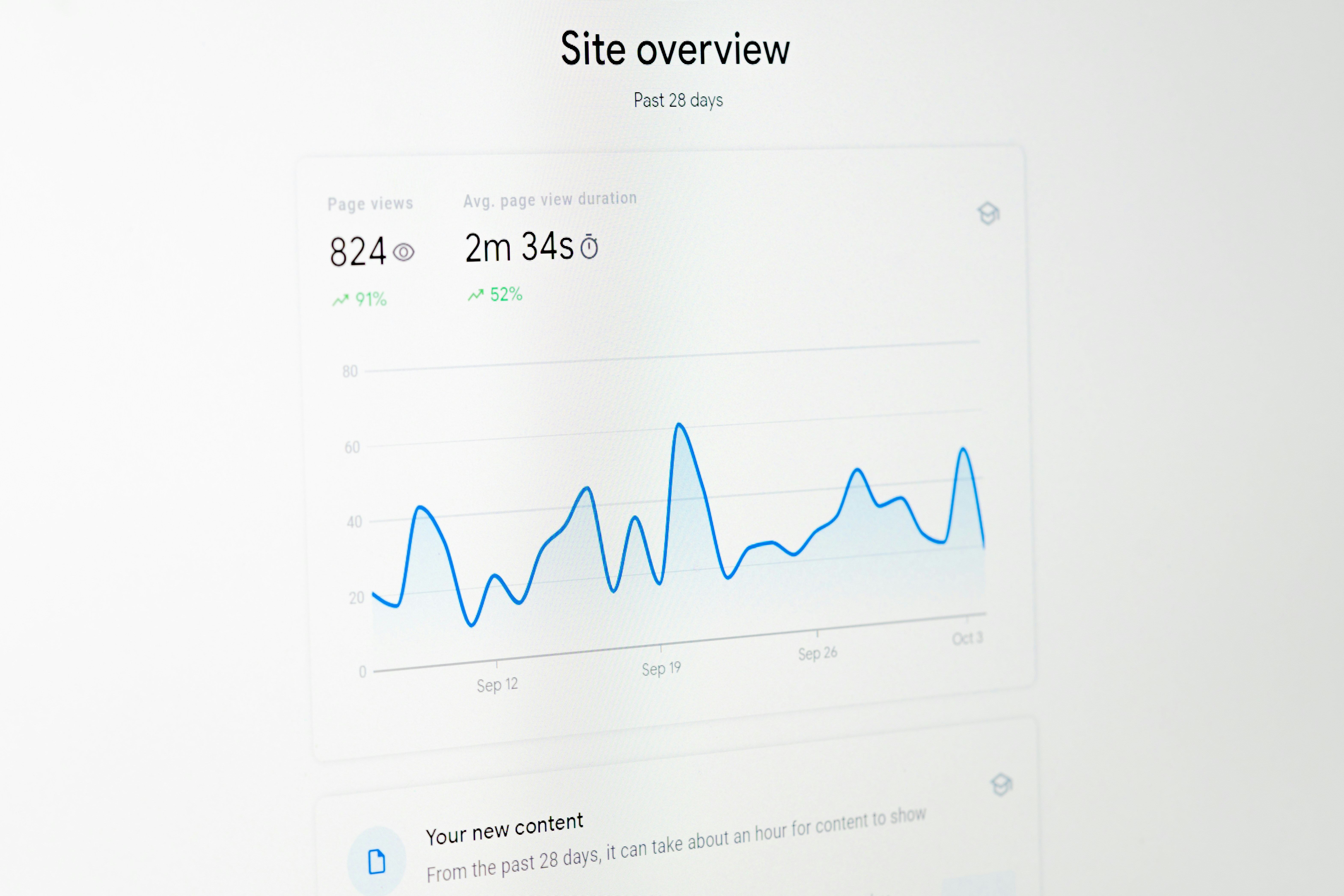
You've seen the Instagram posts tagged '#digitalnomad' and wondered if it's actually real. Can a solo travel blog—your solo travel blog—truly become a source of income, or is it just a path to burnout? The truth is, most new bloggers fail because they follow a random list of 'monetization ideas.' They're missing the most critical element: a strategic, time-based plan. This is not a list of ideas. This is your 24-month roadmap, grounded in real data from six-figure bloggers, showing you exactly what to do, when to do it, and the income you can realistically expect at each stage. This is your guide to successful solo travel blog monetization.

Moving from Hobbyist to Business Owner
The first and most critical shift you must make is mental. Your blog is no longer just a personal travel diary; it is the central asset of a new business. Every decision, from the topics you cover to the way you structure your articles, must be made with a clear purpose: to provide immense value to a specific audience. Before you can monetize effectively, you must provide that value, which starts with mastering the fundamentals. For a complete playbook on creating world-class content and navigating your journey, review our comprehensive .
This business-oriented mindset means prioritizing the single most important driver of revenue: Search Engine Optimization (SEO). While social media can provide fleeting traffic spikes, SEO delivers a consistent, sustainable stream of readers who are actively searching for the solutions you provide. These are the people who will click your links, book tours, and buy your products. From this day forward, think of yourself not as a blogger, but as the CEO of a media company whose primary asset is high-ranking, helpful content.
What to Expect and When
Forget the overnight success stories. Building a profitable blog is a marathon, not a sprint. Having a realistic timeline prevents discouragement and keeps you focused on the right tasks at the right time.

Year 1 Expectations: Building Traffic and Earning Your First ~$2,000
The first year is all about laying the foundation. Your primary goal is not to make a full-time income, but to publish a critical mass of high-quality, SEO-optimized content and establish topical authority in your niche. You'll spend the first few months writing and publishing consistently without seeing much traffic, and that's completely normal.
Data from established bloggers shows that you can expect to make your first affiliate sale around month four or five. By the end of the first year, a dedicated blogger can realistically earn between $1,000 and $5,000. This income will come almost exclusively from strategic affiliate marketing.
Year 2 Expectations: Scaling to a Viable Income ($20,000 - $40,000)
Year two is the scaling phase. The content you published in your first year begins to mature and rank higher in Google search results, leading to a significant increase in traffic. This is the year you'll likely cross the critical threshold needed to qualify for premium ad networks. This combination of escalating affiliate commissions and new, high-earning display ad revenue is what transforms your blog from a side hustle into a viable business. It's not uncommon for bloggers who were earning $200/month at the end of year one to be earning $2,000-$4,000/month by the end of year two.
(Months 1-6): Laying the Foundation for Your Solo Travel Blog Monetization
Welcome to the grind. In this foundational phase, you are building the powerful engine of your business long before you see significant fuel (i.e., traffic). Success here isn't measured in dollars; it's measured in discipline and consistent output.
Your Primary Focus: Publishing High-Quality, SEO-Optimized Content
Think of high-quality content as the real estate upon which you'll build your entire business. It's the non-negotiable asset that makes all future income possible. In these first six months, your goal should be to publish 25-40 thoroughly researched, long-form articles that target specific keywords your audience is searching for. Every article should aim to be the single best resource on the internet for its given topic. This early library of content is what Google will eventually reward with traffic.
Method 1: Strategic Affiliate Marketing (The Best First Step)
Affiliate marketing is the practice of earning a commission by promoting another company's products or services. It is the perfect first monetization method because most programs have no minimum traffic requirements. You can, and should, include affiliate links from day one.
The key is to recommend products you genuinely use and trust. Your recommendations must be woven naturally into helpful content. Don't just list products; explain why a certain backpack is perfect for a carry-on-only trip or how a specific travel insurance policy saved you during an emergency. A crucial element of this is transparency. Always include a clear affiliate disclosure at the top of your posts. This isn't just an FTC requirement; it's a critical component of building long-term trust with your audience.
Choosing the Right Affiliate Platforms: A Data-Driven Comparison
Start with a mix of affiliate aggregators and direct programs to maximize your opportunities.
Travelpayouts: An excellent starting point. It's an aggregator that gives you access to dozens of travel brands like Booking.com, GetYourGuide, and Hostelworld through a single platform, making it easy to manage your links and payments.
Stay22: A powerful, map-based tool specifically for accommodations. It often has a higher conversion rate than other hotel affiliate links because it shows users a variety of options on a map, which is incredibly helpful in the travel planning process.
Direct Programs: Many essential travel brands have their own programs. Be sure to sign up for:
Amazon Associates: For all the physical gear you recommend, from packing cubes to portable chargers.
Booking.com / Agoda: The top platforms for hotel bookings worldwide.
GetYourGuide / Viator: The leaders in tours, activities, and attraction tickets.
Pro-Tip: Don't go back and add affiliate links later. Research and include relevant links in every article as you write it. This saves an immense amount of time and ensures your monetization efforts start from the moment you hit "publish."
(Months 7-18): Scaling Traffic and Unlocking Serious Income
With a solid foundation of content beginning to rank, you now shift your focus from pure production to growing the one metric that unlocks the next level of income: monthly sessions.
Your Primary Focus: Reaching 50,000+ Monthly Sessions
This is the magic number. Crossing the threshold of 50,000 monthly sessions (the number of visits to your site, as measured by Google Analytics) is the key inflection point where your income potential grows exponentially. It signals to premium ad networks that you have a substantial and engaged audience, making you a valuable partner. Reaching this level requires continued content production and a focus on building high-quality backlinks to your articles.

Method 2: Display Advertising (Unlocking Passive Income)
Display ads are the advertisements you see placed within the content of a website. When you have significant traffic, this becomes a powerful and almost entirely passive income stream. The key is to work with the right network.
The Ad Network Ladder: From Beginner to Premium
Not all ad networks are created equal. Your goal is to climb the ladder to a premium network as quickly as possible.
Avoid Google AdSense: Many new bloggers start here, which is a major mistake. AdSense pays extremely low rates, often resulting in an RPM (Revenue Per Mille, or earnings per 1,000 pageviews) of just $1-$3. It clutters your site for pennies.
Starter Networks (The Stepping Stone): Networks like Journey by Mediavine (requires 10,000 monthly sessions) or Ezoic offer a significant step up from AdSense. They are a great intermediate goal.
Premium Networks (The Goal): This is where serious income begins.
Mediavine: The gold standard for many bloggers. They require a minimum of 50,000 monthly sessions. Mediavine is known for its incredible support and high RPMs, often in the $20 - $40+ range. They command higher rates from advertisers because of their high-quality publisher network and direct sales teams.
Raptive (formerly AdThrive): The top tier. Raptive requires 100,000 monthly sessions and is known for having some of the highest RPMs in the industry for the same reasons.
Getting accepted into Mediavine is a major milestone. For a blog with 50,000 sessions, a $25 RPM translates to $1,250 in passive income per month. This is in addition to your growing affiliate revenue.
(Months 19+): The CEO Phase—Building a Diversified Travel Brand
Once you have stable traffic and income from ads and affiliates, you can move into the final phase: maximizing profitability by leveraging your most valuable asset—your audience's trust.
Building Brand Authority and Audience Trust
At this stage, your readers see you as a trusted expert. They've followed your advice, booked hotels you recommended, and bought gear you reviewed. This trust is the asset you will now monetize directly, leading to the highest profit margins possible.
Method 3: Selling Your Own Digital Products (The Highest Profit Margin)
Creating and selling your own products is the holy grail of solo travel blog monetization. You control the price, the product, and you keep nearly 100% of the revenue. This requires a loyal audience that trusts your expertise, which is why it's an advanced strategy.

Examples of high-value digital products for a solo travel audience include:
Comprehensive E-books: A deep dive into a specific topic, like "The Ultimate Guide to Solo Female Travel in Southeast Asia."
Printable Destination Itineraries: Detailed day-by-day plans for cities like Rome, Tokyo, or Lisbon that your readers can purchase and download.
Trip Planning Templates: Customizable spreadsheets or Notion templates that help your readers organize their own trips.
Digital Packing Lists: Niche-specific checklists for different types of travel (e.g., carry-on only, winter travel, hiking).
Pro-Tip: Validate your product idea before you build it. Send a survey to your email list or poll your audience on social media, asking what they struggle with most. If dozens of people say "planning my Italy itinerary is overwhelming," you have a winning product idea.
Method 4: Sponsored Content and Brand Partnerships
Sponsored content, where a brand pays you for a dedicated article or mention, represents a shift from passive to active income. While it can be lucrative, with sponsored posts often fetching $1,000 or more, you shouldn't just wait for opportunities to land in your inbox. As your brand authority grows, you can proactively pitch partnerships. Create a professional media kit—a one-page PDF outlining your website traffic, audience demographics, and core values—and reach out to brands you already use and love with a specific collaboration idea.
Frequently Asked Questions (FAQ Section)
How much money can you make from a travel blog?
In your first year, aim for $1,000-$5,000. By the end of year two, $20,000-$40,000 is a realistic target for dedicated bloggers. Established, six-figure travel bloggers who have diversified into ads, affiliates, and digital products can earn well over $100,000 per year.
How long does it take to make $1000 a month blogging?
For most travel bloggers who consistently publish high-quality, SEO-optimized content, it takes between 12 and 18 months to consistently earn $1,000 per month. This milestone typically occurs after being accepted into a premium ad network like Mediavine.
Do I need a large social media following to make money?
No. This is a common and damaging myth. The most profitable travel blogs focus on SEO. You can make a full-time income from a travel blog with fewer than 1,000 Instagram followers if your website traffic from Google is high and consistent.
What are the initial costs of starting a profitable travel blog?
The essential startup costs are minimal. You'll need a domain name (around $15/year) and web hosting (around $5-$15/month). Investing in a premium WordPress theme ($60 one-time) and an SEO tool like Keysearch ($17/month) are highly recommended but not strictly necessary on day one.
Turning your passion for solo travel into a profitable business is not a dream; it's a project. It requires a strategic plan, immense dedication, and an unwavering focus on providing real value. This roadmap has shown you the what and the when. By following this phased approach to solo travel blog monetization, you move beyond wishful thinking and begin the methodical work of building a business that can fund your travels and your life. The journey is long, but the destination—a life of freedom and financial independence—is worth every step.
Read the full guide: Anxious to Adventurous: The Ultimate Guide to Solo Travel Confidence
Don't Miss Out! Subscribe for Exclusive Content
SubscribeComments 0
No comments yet
Be the first to share your experience!
Dont Miss Out! Subscribe for Exclusive Content
FTC Affiliate Disclosure Essentials: Stay Compliant as a Travel Creator
Essential Affiliate Tools: From Tracking to Full Optimization

Avoid These 5 Affiliate Landing Page Mistakes for Better Conversions

Affiliate Keyword Research Mastery for Travel Blogs
Booking.com Affiliate Program Review: Pros, Cons, and Earnings Potential
Decoding Affiliate Commission Rates: Benchmarks for Travel Creators
A Midwest Family Road Trip That Actually Wows Kids
TrekGuider @trekguider
Planning a family road trip through the Midwest can feel like a gamble. You're dreaming of open roads and unforgettable memories, but you're worried about endless stretches of flat highway, the inevitable chorus of "Are we there yet?", and the challenge of keeping everyone—from toddlers to teens—genuinely engaged. The real challenge isn't just finding a destination; it's crafting an adventure that truly feels exciting.
That anxiety can paralyze your planning. You want to create cherished memories, but you're afraid a Midwest trip will fall flat, leaving the kids glued to their screens and you feeling like you wasted precious vacation time.
What if we told you that the Midwest is hiding some of the country’s most spectacular scenic drives, unique adventures, and family-friendly destinations? This is your complete playbook for unlocking that magic. It’s a step-by-step guide to transforming apprehension into anticipation. Using these strategies alongside our comprehensive Family Travel Ideas: The 2026 Guide to Unforgettable Trips will empower you to plan a journey your family will not only survive but truly love.

Why a Midwest Family Road Trip is America’s Best-Kept Secret
While coastal destinations and sprawling national parks out west get much of the attention, a Midwest family road trip offers a unique combination of advantages that are hard to beat.
Let's be honest: the Midwest is the unsung hero of American travel. It’s where your travel budget breathes a sigh of relief and where genuine discovery replaces battling crowds for the same old photo op.
Your Budget Goes Further: This is the most significant advantage. Gas, food, lodging, and attraction prices are often considerably lower than in other popular tourist regions. This allows your travel budget to stretch, meaning you can do more, see more, and stress less about every little expense.
Fewer Crowds, More Discovery: Forget waiting in long lines or jockeying for a photo op. Many of the Midwest’s most beautiful spots, from stunning lakeshores to dramatic canyons, feel like your own private discovery. This creates a more relaxed and immersive experience where your family can connect with the place, and each other.
Authentic Americana at Its Best: The Midwest is the heartland for a reason. A road trip here is a journey through charming small towns, historic river ports, and quirky roadside attractions that feel like a step back in time. It’s an opportunity to connect with a different pace of life and create genuine memories.
A Surprisingly Diverse Landscape: The stereotype of a flat, boring landscape couldn't be more wrong. The Midwest is home to towering sand dunes, lush forests filled with waterfalls, dramatic rock formations carved by ancient glaciers, and the majestic, ocean-like Great Lakes. The natural diversity is astounding and offers a perfect playground for families who love the outdoors.

Convinced? Good. Now, let's trade theory for asphalt. We’ve mapped out four distinct, battle-tested blueprints for a Midwest family road trip that delivers on that promise of adventure and charm.
Curated Midwest Family Road Trip Itineraries
Forget aimless driving. These routes are packed with compelling stops, stunning scenery, and activities for all ages. They are proven blueprints for a successful Midwest family road trip.
1. The Great River Road: A Journey Along the Mississippi
Following the course of the mighty Mississippi River, this National Scenic Byway offers a captivating journey through the heart of America. While the full route is immense, the stretches through Wisconsin, Iowa, and Illinois are particularly rich for a family adventure.
Route Snapshot: Start in Red Wing, Minnesota, and wind your way south to Hannibal, Missouri. This 300-mile segment can be comfortably enjoyed over 3-5 days.
Can't-Miss Stops:
National Eagle Center (Wabasha, MN): Get an up-close look at resident bald and golden eagles and learn about their importance to the river's ecosystem.
Pikes Peak State Park (McGregor, IA): Offering one of the most iconic views of the Mississippi River Valley, this park features easy, family-friendly hiking trails to stunning overlooks.
Galena, Illinois: This beautifully preserved 19th-century town is a treasure. Stroll the historic Main Street and take a trolley tour to learn about its rich history.
Mark Twain Boyhood Home & Museum (Hannibal, MO): Step directly into the world of Tom Sawyer and Huckleberry Finn. It’s a magical experience for kids and adults alike.

2. Michigan's Gold Coast: Lake Michigan Circle Tour
The eastern shore of Lake Michigan boasts some of the most beautiful freshwater coastline in the world, with towering sand dunes, charming beach towns, and impossibly blue water. The iconic M-22 scenic highway is the star of this show.
Route Snapshot: A 4-7 day trip starting from Traverse City, heading south along the coast to Saugatuck.
Sample 5-Day Itinerary:
Day 1: Traverse City: Arrive in the "Cherry Capital of the World." Explore downtown and relax on the beaches of Grand Traverse Bay.
Day 2: Sleeping Bear Dunes National Lakeshore: Dedicate a full day to this natural wonder. The Dune Climb is a rite of passage with a rewarding view.
Day 3: M-22 South: Slowly make your way down the coast, stopping in idyllic towns like Frankfort and Manistee.
Day 4: Silver Lake Sand Dunes: For a dose of adrenaline, rent a dune buggy or take a guided tour across the massive dunes.
Day 5: Saugatuck/Douglas: End your trip in these charming sister art towns. Browse galleries and enjoy a final sunset over Lake Michigan.
Pro-Tip: Pack a cooler with lunch and snacks before driving the Pierce Stocking Scenic Drive in Sleeping Bear Dunes. The pull-offs and picnic areas offer million-dollar views, making for a much more memorable and affordable lunch.

3. The Black Hills & Badlands Loop, South Dakota
This route packs an incredible amount of iconic American landmarks and otherworldly landscapes into a manageable loop. It’s an epic adventure that feels worlds away from the everyday and is one of our favorite 4 Unforgettable National Park Family Travel Ideas.
Route Snapshot: A 4-6 day loop starting and ending in Rapid City, South Dakota.
Must-Do Experiences:
Badlands National Park: Drive the Badlands Loop Road (Highway 240), stopping at the overlooks to marvel at the surreal, eroded buttes.
Custer State Park: Drive the Wildlife Loop Road for near-guaranteed sightings of massive bison herds, pronghorn, and cheeky prairie dogs.
Mount Rushmore National Memorial: See the iconic monument and walk the Presidential Trail for different perspectives. The evening lighting ceremony is a must.
Wall Drug Store: No trip is complete without stopping at this world-famous roadside attraction. It’s a kitschy, fun-filled labyrinth that kids will absolutely love.

4. Ohio's Hocking Hills Scenic Byway
For families who love to hike, this corner of southeastern Ohio is a paradise. The Hocking Hills Scenic Byway connects a series of state parks renowned for their stunning gorges, recessed caves, and beautiful waterfalls.
Route Snapshot: Perfect for a long weekend (2-4 days), based out of the towns of Logan or Nelsonville.
Key Hiking & Activity Hubs:
Old Man's Cave: The most popular area, featuring a spectacular gorge with multiple waterfalls and a fantastic 1-2 hour hiking loop.
Ash Cave: The largest recess cave in the state, accessible via an easy, flat, and wheelchair/stroller-friendly trail.
Cedar Falls: A powerful waterfall in a wild, scenic gorge with a beautiful hiking trail.
Rock House: The only true cave in the park, this tunnel-like corridor is an adventurous spot for kids to explore.

Stay Organized on the Open Road
Feeling inspired by these National Park adventures? Don't let the planning details slow you down. Our free National Park Road Trip Checklist is the perfect tool to ensure you have everything you need, from the right gear to the must-have snacks, for a smooth and memorable journey.
The Ultimate Midwest Road Trip Planning Toolkit
A great itinerary is only half the battle. Flawless execution comes from smart planning.
Budgeting for Your Midwest Adventure
Your money goes further in the Midwest. Maximize your budget with these tips:
Picnic Power: Pack a cooler. Many scenic drives, state parks, and roadside stops have beautiful picnic areas. Eating one meal a day this way can save a family of four $50-$80 daily.
State Park Perks: Annual passes for state parks can offer incredible value if you plan to visit multiple parks within one state.
Look for Free Attractions: From hiking trails to small-town museums, the Midwest is full of free, enriching experiences.
Packing Smart for Four-Season Weather
Midwest weather is famously unpredictable. The key is layering.
The Holy Trinity: Always pack a lightweight rain jacket, a fleece or sweatshirt, and a mix of short and long-sleeved shirts for everyone, regardless of the season.
Footwear is Key: Pack comfortable, broken-in walking shoes. Include waterproof hiking shoes if you plan to visit places like Hocking Hills.
The Analog & Digital Car Kit: Don't forget a first-aid kit, jumper cables, a portable phone charger, and a physical road atlas. Download maps and playlists for offline use.

Pro-Tip: Create a "Go-Box" for the car. Use a plastic bin and stock it with essentials: paper towels, wet wipes, hand sanitizer, sunscreen, bug spray, and trash bags. Keeping it all in one place prevents frantic searching.
The Commander’s Guide to In-Car Harmony
The real challenge of a road trip isn't the driving; it's managing the tiny humans in the back seat. Check out The Sanity-Saving System for Your Next Family Road Trip for our full strategy.
Set the Terms of Engagement: Before you leave, have a family meeting. Discuss the route, set expectations for driving time, and agree on rules for screen time and snacks.
Embrace the Surprise Stop: The best memories often come from unplanned detours. Build buffer time into your schedule to explore that quirky museum or scenic overlook.
The Snack Bag is Sacred: Do not underestimate the power of snacks. Pack a mix of healthy options and special "road trip only" treats to diffuse budding meltdowns.
Frequently Asked Questions
What is the best time of year for a Midwest road trip?
The ideal time is from late spring to early fall (May through October). This window offers the most pleasant weather for hiking and outdoor activities, with fall providing the added bonus of spectacular foliage, especially in Michigan and along the Mississippi River.
Is the Midwest really just flat cornfields?
Absolutely not! This is the biggest misconception about the region. As this guide shows, the Midwest is home to incredibly diverse landscapes, including the towering sand dunes of Lake Michigan, the dramatic cliffs of Pictured Rocks, the otherworldly Badlands of South Dakota, and the lush, waterfall-filled gorges of Hocking Hills, Ohio.
How much should I budget for a Midwest family road trip?
One of the Midwest's biggest advantages is its affordability. Compared to popular coastal destinations, you can expect to spend significantly less on lodging, food, and attractions. A family of four can often travel comfortably on $150-$250 per day, especially when using tips like picnicking.
What are some can't-miss states for a Midwest family road trip?
Based on the variety of attractions, Michigan is fantastic for its stunning coastline and dunes. South Dakota offers iconic national parks and monuments. Ohio's Hocking Hills region is a paradise for hikers, and the states along the Great River Road (like Wisconsin and Iowa) are rich in history and scenic beauty.
Your Midwest Adventure Awaits
The Midwest is not "flyover" country; it’s "drive-through" country in the best possible way. It’s a region of surprising beauty, authentic charm, and boundless opportunities for family connection. This guide has given you the blueprints and the tools to move from dreaming to doing.
A successful trip isn’t about a perfect, problem-free journey; it’s about creating a shared story of discovery and laughter on the open road. Pick a route, start planning, and get ready to create a treasure trove of memories your family will cherish for years to come.
Read the full guide: Family Travel Ideas: The 2026 Guide to Unforgettable Trips
Don't Miss Out! Subscribe for Exclusive Content
SubscribeComments 0
No comments yet
Be the first to share your experience!
Dont Miss Out! Subscribe for Exclusive Content
San Francisco Cherry Blossoms: A Local's Guide to the Blooms
Halloween SF: Haunts Without Horrors
SF Festivals: 7 Must-See Lineups
Christmas SF: Lights & Wharf Wonders

SF Pride: 6 Route & Party Hacks
