

TrekGuider @trekguider
How to Make Family Travel Planning Actually Easy

Staring down the logistics of a family vacation can feel less like an adventure and more like a high-stakes, unpaid second job. The dream of relaxing on a sun-drenched beach is often buried under an avalanche of budgets, schedules, and the wildly different demands of a toddler and a teen. If you’re feeling the pressure to create a perfect, frictionless experience, you’re not alone—the mental load is immense.
This constant juggling act leaves you feeling stressed before you’ve even packed a bag. But what if the planning process itself could be a seamless and satisfying part of the journey? You don't need a business degree to succeed—you just need the right playbook. This is that playbook. We’ve created a comprehensive guide that transforms a daunting task into a manageable process, clearing the path to the best Family Travel Ideas: The 2026 Guide to Unforgettable Trips.
The Strategic Blueprint (6+ Months Before Your Trip)
A truly relaxing vacation is built long before you ever pack a bag. The decisions you make in this early stage form a rock-solid foundation that prevents costly mistakes and eliminates last-minute panic. This is where you align expectations, define your financial reality, and get the core logistics in order.
Define Your Family's Travel Style
The most common mistake is choosing a trip that’s fundamentally mismatched with your family’s personality. A rustic camping trip will be a disaster for a family that craves resort amenities. Before you do anything else, take a moment for an honest assessment.
Ask yourselves:
Are we Relaxation-Oriented or Adventure-Seekers? Do we want to spend our days lounging by a pool, or are we happiest when hiking, biking, or exploring?
Do we prefer Structure or Spontaneity? Does a detailed itinerary make us feel secure, or does it feel restrictive?
Are we City Explorers or Nature Lovers? Do we draw energy from bustling streets and museums, or from quiet trails and scenic vistas?
What is our "Pace-Maturity"? Can our kids handle long days of sightseeing, or do we need to build in significant downtime and nap schedules?
Answering these questions creates a filter that immediately narrows down your options. It stops you from planning a trip you think you should want, and helps you focus on the one your family will actually enjoy. For more help with this crucial first step, see our guide on Best Family Vacations: How to Finally Pick the Right One.
Host a "Family Dream Session" to Get Everyone on Board
Getting buy-in from the entire crew early on is the secret to a harmonious trip. This turns "your" trip into "our" trip and builds collective excitement.
For younger kids: Frame choices in simple terms. "Would you rather build sandcastles at the beach or see really big animals at a national park?"
For older kids and teens: Give them genuine responsibility. Task them with researching and pitching two or three activity options for the trip.
Make it fun: Host a "dream session" over pizza with a map spread out on the table. Create a shared vision board on Pinterest where everyone can add images of what they'd like to see, do, and eat.
Craft a Realistic Vacation Budget That Works
Nothing kills the vacation buzz faster than money stress. A clear budget isn’t a restriction; it’s a powerful tool that makes decisions easier and eliminates worry.
Determine a Total Trip Number: Decide on a realistic, all-in amount you are comfortable spending. Work backward from this number.
Use the 50/30/20 Rule: Allocate your funds to provide structure.
50% for Core Costs: This covers the non-negotiables: flights/fuel and accommodations.
30% for Experiences: This is your budget for activities, tours, park tickets, and dining out.
20% for Contingency & Extras: This covers souvenirs and, crucially, a 10-15% buffer for the unexpected. This emergency fund is your key to a stress-free mindset.
Account for Hidden Costs: Don't forget easily overlooked expenses like airport parking, baggage fees, hotel resort fees, and travel insurance.
Automate Your Savings: Create a dedicated high-yield savings account for your trip (e.g., "Hawaii 2026") and set up automatic transfers. This makes the goal feel tangible and motivating.
Track Everything: Use a simple spreadsheet or a budgeting app to monitor your spending and ensure you stay on track.

Conduct a Critical Document Audit
This is the most time-sensitive task in this entire phase. Do not procrastinate.
Passports: Physically locate every passport and check the expiration date. Many countries require your passport to be valid for at least six months after your planned return date. If anyone’s is expiring within a year, start the renewal process now.
Visas: Do a quick search for visa requirements for your top destination choices.
Digital Backups: Take a photo of each passport's information page and save it to a secure cloud service like Google Drive or Dropbox. This can be a lifesaver.
For a comprehensive list of everything you might need for a trip abroad, our International Travel Checklist is an essential resource.
Locking in the Logistics (3-5 Months Before Your Trip)
With your destination direction clear and documents verified, it’s time to commit. This phase is about securing the key elements of your trip at the best possible prices. This is a key part of successful family travel planning.
Choose the Perfect Destination & Accommodations
Where you stay is more than just a place to sleep; it’s your command center.
Hotels vs. Vacation Rentals: Hotels offer amenities like pools and housekeeping. Vacation rentals (like Airbnb or Vrbo) provide invaluable assets like a full kitchen (critical for picky eaters), separate bedrooms (a lifesaver for different bedtimes), and a washing machine.
The Amenity Checklist: When booking, look for game-changing features like a kitchen, on-site laundry, and a pool or nearby playground for easy entertainment.
Pro-Tip: When traveling with infants, call the hotel directly to confirm the availability and condition of amenities like cribs. Don't rely solely on an online icon.
Secure Your Flights, Lodging, and Rental Car
The best family-friendly options get snatched up quickly, especially during school breaks.
Become a Flight Hawk: Use tools like Google Flights to set price alerts for your route. For international travel, the 2-3 month window is often the sweet spot.
Book Your Home Base: Lock in your preferred hotel or vacation rental now for the best selection.
Reserve Your Wheels: If you need a rental car—especially a larger SUV or van—book it early. Waiting is a recipe for sky-high prices or no availability at all.
Invest in Peace of Mind with Travel Insurance
Think of travel insurance not as an expense, but as an essential piece of safety equipment. It’s the safety net that protects your financial investment and ensures your family’s health is covered. A good policy must include strong coverage for trip cancellation, emergency medical expenses, and emergency medical evacuation. Use a comparison site like Squaremouth or InsureMyTrip to easily compare policies.
Fleshing Out the Details (1-2 Months Before Your Trip)
The skeleton of your trip is built. Now it’s time to add the muscle and personality by planning your daily adventures and handling key logistics back home.

Build a Flexible Itinerary (and Avoid the Over-scheduling Trap)
A great itinerary is a guide, not a straitjacket. The goal is to minimize on-the-ground stress, not to schedule every second.
The "One Big Thing" Rule: Anchor each day with only one primary activity (e.g., a museum visit, a specific hike). Everything else is a bonus.
Schedule Downtime: This is the golden rule of family travel. Intentionally block out "do nothing" time. Alternate busy days with relaxed ones to prevent meltdowns.
Delegate and Empower: Assign each child or teen a "planning day." Let them choose the main activity or where the family eats dinner from a pre-approved list.
Transform Your Itinerary from a To-Do List to a Done Deal
A well-structured plan is the secret to a low-stress vacation. Stop trying to organize everything in a messy document or a string of emails. Download our free Travel Itinerary Template to build a clear, flexible, and easy-to-follow plan that the whole family can use.
Pre-Book "Must-Do" Tickets and Reservations
For bucket-list attractions that are known to sell out or have long lines (like the Colosseum or a popular luau), booking your tickets online a month in advance is a game-changer. This simple step can save you hours of waiting.
Arrange Home, Pet, and Plant Care
Pet Sitter/Kennel: Confirm dates and details with your pet care provider.
House Sitter: Finalize plans and do a walkthrough of your home’s quirks.
Inform a Neighbor: Give a trusted neighbor your itinerary and contact info, and ask them to keep an eye on your place.
The Final Countdown (The Week Before Departure)
The excitement is building! This week is all about tying up loose ends, starting the physical packing process, and prepping your home for departure.
Pack Smart, Not Heavy: A Strategy for Families
Overpacking is a travel sin. It creates heavy luggage and decision fatigue. For a deeper dive into minimalism, grab our popular How to Pack Light Guide.

Create a "Staging Area": Designate a guest bed or a corner as your packing zone. As you think of items throughout the week, put them there to prevent last-minute scrambling.
Use Packing Cubes: These are non-negotiable. Assign each family member a color to keep clothes organized and make finding items a 10-second job.
Pack by Outfit: Lay out complete outfits for each day, including socks and accessories. This prevents overpacking "just in case" items.
Pro-Tip: Snap a picture of each child's daily outfit on your phone. This visual checklist makes it easy for them to get dressed and ensures you don't forget anything.
The 1-Week Rule: For trips longer than seven days, pack for one week and plan to do laundry.
Prepare Your Carry-On Command Center: Your carry-on is your lifeline. It must contain a complete change of clothes for everyone, all essential medications, a "boredom-busting" kit, and portable power banks with charging cables.
Handle Last-Minute Finances and Confirmations
Triple-Check Reservations: Quickly reconfirm flight times, hotel bookings, and car rental details.
Notify Your Banks: Call your credit card companies to set a travel notice to prevent your cards from being frozen for suspected fraud.
Get Local Currency: If traveling internationally, get a small amount of local currency to cover immediate expenses like a taxi or snacks upon arrival.
Prep Your Tech for Travel
The Great Charge-Up: Charge every single electronic device to 100%—phones, tablets, and power banks.
The Great Download: Download everything you might need: movies, playlists, podcasts, and offline Google Maps for your destination. Never rely on spotty airport Wi-Fi.
An Age-by-Age Guide to a Smoother Journey
Tailoring your strategy to your kids' developmental stages is the secret to travel harmony. Generic advice falls flat. Here’s how to adapt your approach.

Traveling with Infants & Toddlers (Ages 0-4)
Packing: Create a "Blowout Bag" for your carry-on with two full changes of clothes, extra diapers, and wipes. Consider using a gear rental service like BabyQuip at your destination for bulky items.
Transit: Gate-check your stroller to have it immediately upon deplaning. Pack a small bag of new, quiet toys (stickers, gel window clings) to reveal during the flight. For more pro tips, check out our Stress-Free Flying with Kids Guide.
On-the-Ground: Try to maintain your child's nap and sleep schedule as much as possible. A well-rested child is a happy traveler.
Traveling with Young Children (Ages 5-10)
On-the-Ground: Balance "adult" activities with kid-focused fun. For every museum, plan a trip to a playground. Give them a simple camera and assign them the role of "Official Trip Documentarian."
Pro-Tip: Before visiting a historical site, find a short, engaging, kid-friendly YouTube video about it. Five minutes of prep provides context and can prevent an hour of whining.
Souvenir Hack: Give them their own vacation spending money. This empowers them, teaches budgeting, and instantly ends the "Can I have this?" negotiations.
Traveling with Tweens & Teens (Ages 11-17)
Transit: Respect their need for space. A long travel day is a great time for them to listen to music or watch their own movies. Don't force family games.
On-the-Ground: The key is autonomy.
Grant them planning power: Make them responsible for planning one full day of the trip.
Schedule solo time: Allow for supervised periods of independence, like exploring a shopping district while you visit a nearby coffee shop.
Wi-Fi is a utility: Acknowledge that connecting with friends is important to them. Ensure your accommodation has reliable Wi-Fi and treat it like you would hot water.
The Ultimate Departure Day Checklist
The day is here! The goal is a calm, orderly exit. Run through this final checklist before you head out the door.
Last-Minute Grab List
Toiletries used this morning (toothbrushes, hairbrush)
Phone chargers that were used overnight
Daily medications
Each child's essential comfort item ("lovey")
Final Home Security Check
Adjust thermostat (up in summer, down in winter)
Empty all trash cans and run the dishwasher
Unplug non-essential small appliances
Check that all windows and doors are locked
The Final Sweep
Do one last walkthrough, grab your cooler of snacks, take a deep breath, and lock the door. You did it. Let the adventure begin.
Frequently Asked Questions
What is the biggest mistake in family travel planning?
The most common mistake is choosing a vacation that doesn't match your family's true travel style. Planning an intense, adventure-packed trip for a family that prefers to relax by the pool is a recipe for stress. An honest assessment of your family's preferences is the most important first step.
How much should I budget for a family vacation?
A great starting point is the 50/30/20 rule. Allocate 50% of your total budget to core costs like flights and lodging, 30% to experiences like activities and dining, and reserve 20% for extras and a crucial contingency fund for unexpected costs.
What is the "One Big Thing" rule for family itineraries?
Recommended: Stress-Free Flying with Kids: Airport, TSA, and In-Flight Guide
Recommended: Travel Guide: Trip Planning, Flights, and Avoiding Tourist Traps
The "One Big Thing" rule is a simple way to avoid over-scheduling. Instead of packing your day with activities, anchor each day with just one primary event, like a museum visit or a specific hike. This creates a flexible structure and leaves room for spontaneous fun and much-needed downtime.
Your Plan is Your Passport to Presence
The goal of careful family travel planning is not to eliminate every possible hiccup, but to build a resilient, flexible framework that allows your family to navigate challenges together. By following this guide, you’ve transformed a daunting task into a manageable process. You are the architect of your family's most precious memories.
The shared discovery and laughter are the ultimate return on your investment. Now, go and enjoy the incredible experience you've worked so hard to create by exploring all the Family Travel Ideas: The 2026 Guide to Unforgettable Trips that await.

Read the full guide: Family Travel Ideas: The 2026 Guide to Unforgettable Trips
Travel News


Comments 0
No comments yet
Be the first to share your experience!
You May Also Like

Ultimate USA Holidays Guide: Top Picks

FTC Affiliate Disclosure: Stay Compliant as a Travel Creator

Essential Affiliate Tools: From Tracking to Full Optimization

Booking.com Affiliate Review: Pros, Cons & Earnings

Decoding Affiliate Commission Rates: Benchmarks for Travel Creators

Top 11 High-Paying Affiliate Programs for Travel Bloggers
TrekGuider @trekguider
Transportation Safety: Staying Safe on Planes & Trains

There's a certain magic to being in transit—that liminal space where you're neither here nor there, just a passenger watching the world blur past your window. It’s the very heart of travel, but it’s also a moment of profound vulnerability. The problem is, amidst the controlled chaos of an airport, the anonymous bustle of a train station, or the quiet confines of a taxi, our focus can drift.
This constant motion agitates a core travel anxiety: the fear that one moment of distraction could lead to a lost passport, a stolen wallet, or a compromised sense of security that sours an entire trip. But it doesn't have to be this way. The solution is to trade that anxiety for a set of simple, repeatable habits—a tactical playbook for navigating every mode of transport with unshakable confidence. This guide delivers the essential transportation safety tips you need, broken down by the unique challenges of air, rail, and ground travel. Mastering these routines is a critical part of any smart travel strategy, a foundation we explore in our comprehensive guide to The Ultimate Guide to Travel Safety: A 2026 Playbook.
Think of your journey in stages, with each mode of transport presenting its own unique playbook. We’ll start where most international trips begin: the controlled chaos of the airport.
Mastering the Airport: Your Guide to Air Travel Security
An airport is a marvel of modern logistics, but for a traveler, it’s a gauntlet of queues, checkpoints, and crowds. Its process-driven environment creates unique security challenges, but a few smart transportation safety tips can make all the difference from the moment you pack your bags to the second you reclaim them.
Before You Leave: Smart Packing & Luggage Security
Your airport safety strategy begins at home. How you pack and secure your luggage is your first and most important line of defense.
Never Pack Valuables in Checked Luggage: This is the cardinal rule of air travel. If it’s valuable or irreplaceable, it belongs with you in the cabin. Your carry-on is the only secure place for:
Passport, IDs, and all travel documents
Cash, credit cards, and debit cards
Electronics (laptops, tablets, cameras, power banks)
Essential medications (plus extra for delays)
Jewelry and any other items of sentimental or high monetary value
Use Globally Recognized Locks: The TSA needs to be able to inspect checked bags. If you use a non-approved lock, they will cut it off. To avoid this, use locks recognized by the TSA. According to their official guidelines, these can be opened by security officers using universal master keys. Look for the Travel Sentry (red diamond) or Safe Skies logo when buying a lock. This isn't just a U.S. system; it's a global standard used by security agencies in Canada, the UK, Germany, Japan, and dozens of other countries.
Make Your Bag Stand Out: In a sea of black roller bags, a little personality is a security feature. Use a colorful luggage strap, a unique tag, or a bright ribbon to make your bag instantly identifiable. This dramatically reduces the chance of an accidental bag swap at the carousel.
Photograph Your Evidence: Before you hand over your bag, take a quick photo of your packed suitcase (both open and closed). If your bag is lost, delayed, or damaged, this provides an indisputable visual record for your airline and insurance claims.

Pack Smarter, Not Harder
A lighter bag is a safer bag. It’s easier to manage, less likely to be checked, and keeps your essentials within arm's reach. Our definitive guide shows you how to fit everything you need into a single carry-on, saving you time, money, and the stress of lost luggage.
Download the Free How to Pack Light Guide
Navigating the Security Checkpoint
The security line is a notorious chokepoint where travelers are distracted, rushed, and temporarily separated from their belongings. This is a time for heightened focus.
Guard Your Bins: As your items slide onto the conveyor belt, keep your eyes on them. Wait to walk through the metal detector until you see your bins beginning to enter the X-ray machine. This minimizes the time your valuables are sitting unattended on the other side.
Consolidate Before the Line: Don't wait until you're at the bins to fumble with loose items. Before you even join the queue, place your phone, wallet, passport, and boarding pass inside a zipped pocket of your jacket or deep within your carry-on.
Beware of Coordinated Distractions: Professional thieves sometimes work in teams at security. One person might create a delay in front of you (e.g., setting off the metal detector repeatedly) while an accomplice on the other side of the scanner quickly grabs your emerging laptop or wallet. Be patient, but stay vigilant and focused on your belongings.
On the Rails: A Playbook for Safe Train Travel
Train travel offers a romantic and scenic way to see the world, but the open nature of stations and the shared spaces on board require a specific approach to security.
General Security on Daytime Trains
During the day, the primary risk is opportunistic theft in crowded stations or on busy carriages.
Maintain Physical Contact: In a chaotic station, your luggage should be in direct physical contact with you at all times. Loop a strap around your foot or keep a hand on the handle. When waiting on a platform, stand with your back to a wall and your bags in front of you.
Position Luggage Strategically: On the train, store your main suitcase on an overhead rack that is across the aisle from you, not directly above. This keeps it constantly within your line of sight. If you must use the large luggage racks at the end of a carriage, use a lightweight cable lock to secure your bag to the rack itself.
Never Let Your Daypack Go: Your small bag containing your valuables should be treated as an extension of your body. Keep it on your lap, on the seat next to you, or in a crossbody position. When you get up to use the restroom or walk to the dining car, it goes with you. No exceptions.

Overnight on the Rails: Your Security Checklist
Sleeping on a train is an unforgettable experience, but it’s also when you are most vulnerable. Follow these three protocols to ensure a safe and restful journey.
Physically Secure Your Main Luggage: A thief can silently walk through a dark train car and lift a bag from an unlocked compartment. Make your bag an inconvenient, noisy target. Use a small cable lock or even your bag’s own strap to attach it to a fixed object like:
The luggage rack frame
The ladder to the top bunk
The metal frame under your seat
Keep Essential Valuables on Your Person: Your most critical items—passport, phone, cash, cards—should never be in your main luggage while you sleep. The only secure place is on your body.
Use a money belt worn under your clothes.
Sleep with your small daypack physically on your bunk. Use it as a pillow or loop a strap around your arm or leg. This ensures your essentials remain safe even if your main bag is compromised.
Secure Your Compartment Door: The door is your primary barrier. As soon as everyone is settled for the night, lock it from the inside. Private sleeper cabins have strong locks. In a shared couchette, have a polite conversation with your cabin mates and agree to keep the door locked. Train staff or border officials will knock loudly enough to wake you if they need entry.
Pro-Tip: When booking a bunk in a shared couchette, the top bunk is often the most secure choice. It is harder for anyone to access your belongings without waking you and keeps you out of the general foot traffic in the compartment.
On the Ground: Staying Safe in Taxis & Ride-Shares
Your journey isn’t over until you’ve reached your hotel. Ground transportation is the final leg, and it’s a critical moment to apply your safety knowledge.

Your Ride-Share Safety Checklist
Ride-sharing apps have built-in safety features, but they only work if you use them. Before you get into any vehicle, run through this non-negotiable verification checklist.
Verify the Vehicle:
Match the License Plate: This is the most important step. The license plate number in the app must match the plate on the car. If it doesn’t, do not get in. Cancel the ride and report the mismatch.
Match the Car Details: Confirm the make, model, and color of the car also match the information in the app.
Verify the Driver:
Check the Driver's Photo: Glance at the driver and ensure they match the photo in the app.
Confirm Your Name: Ask the driver, "Who are you here for?" or "What's my name?" They must be able to say your name. Never volunteer it by asking, "Are you here for Jane?" This gives a fraudulent driver the information they need.
Use PIN Verification: Many apps now offer a PIN verification feature. Enable it. The trip cannot start until you provide the correct PIN to your driver, guaranteeing you are in the right car.
Share Your Trip Details:
As soon as the trip starts, use the app’s built-in "Share Trip Status" function. This sends a live map of your journey, including the car's route and your ETA, to a trusted contact.
Sit in the Back Seat:
Especially when traveling alone, sitting in the back provides personal space and allows you to exit from either side of the vehicle if you feel uncomfortable.
Trust Your Instincts:
If anything feels off—the driver, the vehicle, the situation—do not get in. Cancel the ride, report your concerns, and order another car. Your safety is worth more than a cancellation fee.
Navigating Taxis and Tuk-Tuks Safely
When using traditional taxis, you are more reliant on your own judgment and vigilance.
Insist on the Meter: The "broken meter" is one of the oldest travel scams in the book, designed to lock you into a wildly inflated flat fare. Before getting in, point to the meter and say, "Meter, please." If the driver refuses, simply find another taxi.
Follow Your Route: Have your destination pulled up on a map app on your phone. This helps you ensure the driver is taking a logical route and not an inefficient "scenic" one designed to drive up the fare.
Use Official Taxi Ranks: At airports and train stations, always use the designated, official taxi queue. Avoid the freelance drivers who approach you in the arrivals hall, as they are often unlicensed and operating illegally.
Pro-Tip: Ask your hotel or restaurant to call a taxi for you. They almost always have a relationship with a reputable, trusted local company. Before you get in, take a quick, discreet photo of the taxi's license plate and driver ID card (usually displayed on the dash).

Frequently Asked Questions (FAQ)
Q: What's the safest way to carry my passport and money while in transit? A: The best method is to use multiple locations. Keep your passport, one credit card, and the bulk of your cash in a secure money belt or neck wallet worn under your clothing. Keep a small amount of daily cash and a second credit card in a more accessible wallet in a front pocket or a secure crossbody bag.
Q: Are airport charging stations safe to use? A: Avoid using the public USB ports. Hackers can modify these stations for "juice jacking," which can install malware or steal data from your phone. Always use your own AC power adapter and plug it into a standard electrical outlet, or carry a portable power bank.
Q: Should I use my phone's data plan abroad or rely on public WiFi? A: Using your own cellular data plan (either an international plan or a local SIM card) is always more secure than public WiFi. If you must use public WiFi, you absolutely need to use a VPN (Virtual Private Network) to encrypt your connection and protect your data from hackers.
Travel with Confidence
Transportation is the thread that connects the incredible moments of your journey. By mastering these transportation safety tips, you transform these in-between moments from periods of uncertainty into a seamless and secure part of your adventure. Whether you’re locking your bag before a flight, securing your cabin on an overnight train, or verifying your ride-share before hopping in, these proactive habits build a powerful foundation of security.
This allows you to move through the world not with fear, but with the calm confidence of a prepared and savvy traveler. For a more comprehensive look at planning your entire journey, our all-encompassing Travel Guide is the perfect resource. And for expert advice on navigating the specific transit systems of your next destination—from the Tokyo Metro to the Swiss rail network—be sure to explore the detailed guides from our expert creators on the TrekGuider. You're now equipped to handle the journey, so you can focus on the destination.
Travel News
Comments 0
No comments yet
Be the first to share your experience!
You May Also Like
Ultimate USA Holidays Guide: Top Picks
FTC Affiliate Disclosure: Stay Compliant as a Travel Creator
Essential Affiliate Tools: From Tracking to Full Optimization
Booking.com Affiliate Review: Pros, Cons & Earnings
Decoding Affiliate Commission Rates: Benchmarks for Travel Creators

Amazon Associates for Travel: Strategies to Maximize Commissions
TrekGuider @trekguider
How to Plan Your First Solo Trip (and Conquer the Fear)

You’ve seen the photos, heard the stories, and a powerful idea has taken root: traveling the world on your own terms. But right behind that excitement, a wave of doubt probably follows. What if I get lonely? What if it’s not safe? What if I’m just not the kind of person who can do this?
Let’s take a breath. Feeling a mix of excitement and sheer terror is the unofficial rite of passage for every person who has ever considered traveling alone. It’s not a sign you should stop; it’s a sign you’re about to do something brave. This guide is your starting point. We’re not going to overwhelm you with packing lists or complex itineraries. Instead, we're going to focus on the most important first step: turning that anxiety into a quiet confidence and creating a simple, actionable plan to get you started. This is how to plan your first solo trip by conquering the fear first.
For the bigger picture on planning your first independent journey, explore
The Most Important Step: Your Mindset Shift
Before you book a single flight, the real journey begins in your mind. The psychological hurdles are the biggest barriers for most aspiring solo travelers. Let’s dismantle them together.
It's Normal to Feel Anxious. Here's How to Use It.
Feeling nervous before a big adventure is completely normal—it means you’re taking this exciting challenge seriously. The trick is to treat your fears not as stop signs, but as a pre-flight checklist.
Fear thrives on vague, undefined worries. Clarity is its kryptonite. So, grab a notebook and write down your top three concerns. Is it safety? Loneliness? Getting lost? By giving your anxieties a name, you take back control. For every worry, there is a practical solution, and you’ll find that a little preparation makes you feel capable, not scared.
The Antidote to "What If I'm Lonely?"
Recommended: The Solo Female Travel Safety Guide
Recommended: How to Pack Light: The Carry-On Guide
Let's reframe the biggest myth in solo travel. There is a world of difference between being alone and being lonely. Being alone is a superpower. For the first time, your schedule is 100% your own. You can spend three hours in a museum, change your entire plan on a whim, or eat gelato for dinner without a single committee meeting. This isn’t loneliness; it’s absolute freedom.
Remember, traveling solo doesn’t mean you’re isolated. It means you have complete control over your social thermostat. You can turn it up by joining a food tour or staying in a social guesthouse, or turn it down when you just need to recharge. This journey is an incredible chance to get comfortable in your own company—a skill that will empower you for the rest of your life.

How to Handle Naysayers (Even When They Mean Well)
Often, the most discouraging feedback comes from those who love us most. Their own fears, disguised as concern for you, can chip away at your resolve. Navigating these conversations requires a calm, confident strategy.
Present a Plan, Not a Plea: Instead of saying, “I’m thinking of going to Portugal alone,” try this: “I’m so excited—I've started planning a solo trip to Portugal for next year. I've found some amazing, highly-rated places to stay in a really safe neighborhood.” You are not asking for permission; you are sharing your exciting news.
Demonstrate Your Competence: Proactively show them you’re taking this seriously. Talk about the research you’re doing on safe destinations or the simple communication plan you'll have, like a daily WhatsApp check-in. When they see you’ve thought it through, their anxiety will decrease because yours already has.
Your 'First Three Steps' Action Plan
With your mindset fortified, it's time for action. We're going to keep it simple. Here are three manageable, non-intimidating first steps to turn your dream into a reality.

Step 1: Choose a Beginner-Friendly Destination
For your first trip, set yourself up for an overwhelming win. Choosing a destination that is known for being easy to navigate will boost your confidence for all future adventures. Look for places with:
A Welcoming Tourist Infrastructure: Places with reliable public transport, lots of accommodation choices, and readily available information (like Portugal, Japan, or Costa Rica) make logistics a breeze.
A High Safety Ranking: Use resources like the Global Peace Index to find countries known for safety and stability.
Ease of Communication: While you don't need to go somewhere that only speaks English, choosing a destination where it's widely spoken in tourist areas (like the Netherlands or Scandinavia) can reduce a layer of stress.
Ready to explore your options? For a deep dive into the pros and cons of different regions and a list of the top 10 safest countries for solo travelers, check out the ».
Step 2: Book Your First Night's Accommodation
Don't worry about planning the entire trip right now. The single most effective way to make your trip feel real is to commit to Day One. Research and book your accommodation for the first one or two nights. This simple action creates a secure "landing pad," transforming a vague idea into a concrete event with a date and an address. It’s your anchor, giving you a safe, secure base from which to start your adventure.
Step 3: Do a "Low-Stakes" Solo Practice Run
Build your solo muscle at home. Before you fly across the world, take yourself on a solo "date" for a full day in a nearby town or even a different neighborhood in your own city. Go to a museum alone. Navigate to a park you’ve never visited. Eat a meal at a restaurant by yourself. The point is to experience the feeling of navigating, making decisions, and enjoying your own company. This small taste of self-reliance will prove to you that you absolutely can do this.
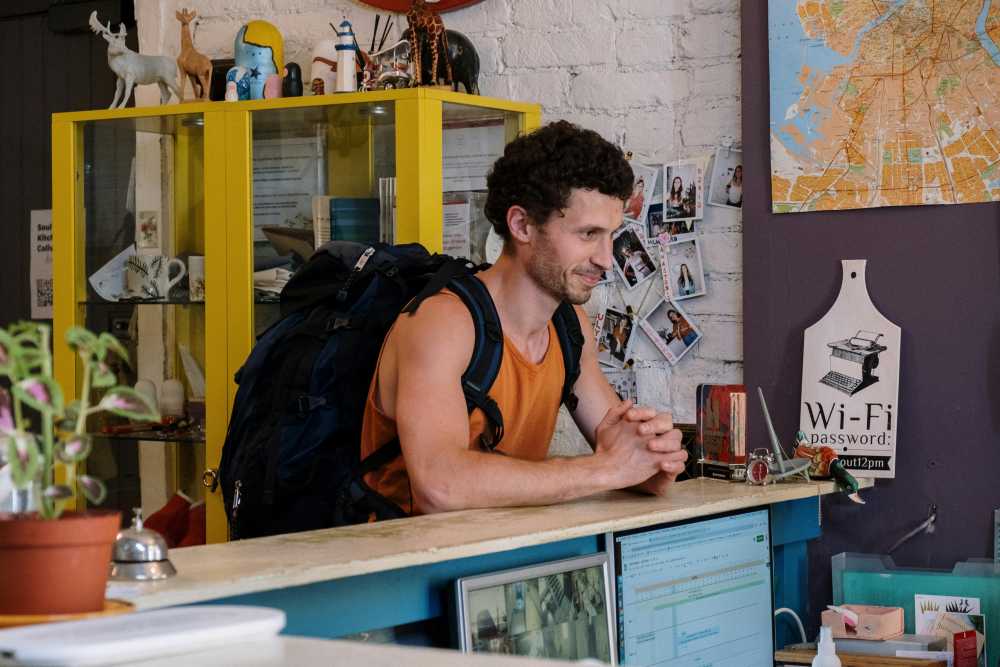
Your Adventure Is Closer Than You Think
You've already taken the hardest step: deciding to explore this possibility. The fear you feel is not a weakness; it's a gateway to discovering just how capable you are. By shifting your mindset and taking a few small, deliberate planning actions, you are building the foundation for an incredible adventure.
You don't need to have all the answers right now. You just need to be willing to take the next step.
Read the full guide: Anxious to Adventurous: The Ultimate Guide to Solo Travel Confidence
Travel News
Comments 0
No comments yet
Be the first to share your experience!
You May Also Like
Ultimate USA Holidays Guide: Top Picks
FTC Affiliate Disclosure: Stay Compliant as a Travel Creator
Essential Affiliate Tools: From Tracking to Full Optimization
Booking.com Affiliate Review: Pros, Cons & Earnings
Decoding Affiliate Commission Rates: Benchmarks for Travel Creators