
July 4th NYC: Best Fireworks Views

TrekGuider @trekguider
Trying to see the Macy's 4th of July fireworks in New York City can feel like plotting a military campaign. You know it’s one of the most spectacular patriotic displays on the planet, a dazzling barrage of color and sound against the world’s most famous skyline. But the thought of navigating the colossal crowds, deciphering the cryptic official viewing spots, and battling for a sliver of sidewalk with a view of a brick wall is enough to trigger a full-blown anxiety attack.
You’re haunted by visions of being pinned for hours in a human gridlock, craning your neck to see absolutely nothing, with no access to a restroom or a bottle of water. What if you spend all day planning, only to find your chosen spot has been unceremoniously cordoned off by the NYPD? The dream of a magical Independence Day quickly sours into a logistical nightmare, leaving you sweating on a crowded street corner wondering why you didn't just stay home and watch it on TV.
Forget the chaos. This is your definitive battle plan for conquering the crowds and securing a breathtaking view. We’ve distilled the official intel and insider secrets into a foolproof strategy. Whether you want a free patch of grass with a picnic or a more civilized vantage point, this guide will equip you for an unforgettable Fourth of July in New York.

Understanding the Main Event: The Macy's Fireworks Spectacular
Let’s be clear about the sheer scale of this operation. The Macy's 4th of July Fireworks isn't just a show; it's the nation's largest pyrotechnic spectacle, a city-shaking tradition that paints the skyline with thousands of carefully choreographed shells launched from barges on the water. For Friday, July 4, 2026, the show continues its reign on the East River, meaning the most coveted views will be found along the waterfronts of Brooklyn, Queens, and Manhattan.
This isn't a casual affair where you can wander up a few minutes before showtime. It's a massive, city-wide celebration that demands a solid game plan. While the fireworks are an undisputed summer highlight, they're just one piece of the city's vibrant celebratory calendar, which we cover in our definitive guide to New York Holidays: 10 Must-Do Events. Thinking about your trip through this lens—as one epic event among many—is the key to unlocking a truly memorable visit.
The Best Free Viewing Spots for the Fourth of July in New York
Securing a great free spot is the holy grail for most spectators. It requires a healthy dose of patience and impeccable timing, but the reward is a front-row seat to history without spending a dime. The secret is knowing precisely where to go and, just as critically, which tourist traps to avoid.
Brooklyn's Cinematic Waterfront Views
For years, the Brooklyn waterfront has offered the most cinematic views of the fireworks, framing the pyrotechnics against the iconic Manhattan skyline. This is where you go for the postcard shot.
Transmitter Park (Greenpoint): Consistently hailed as a top-tier viewing location, this park offers a direct, jaw-droppingly clear sightline across the East River. Its open, grassy layout is a godsend, providing more room to spread out a blanket than the narrow promenades elsewhere. But its reputation precedes it. To claim a decent piece of turf, you must arrive by 6 PM at the absolute latest.
Domino Park (Williamsburg): With its clever multi-level design, reclaimed factory artifacts, and ample seating, Domino Park is a phenomenal—and popular—option. The elevated walkway provides a unique perspective, and the park's modern amenities (hello, clean restrooms!) make the long wait far more civilized.
East River State Park (Williamsburg): Just a short walk from Domino Park, this location offers a more traditional park experience with a sprawling grassy lawn. It’s a magnet for families and larger groups looking to set up a proper picnic and make a full day of it.
Manhattan's Official Front Lines (and What to Expect)
Manhattan offers official, NYPD-managed viewing points that get you incredibly close to the action. However, this proximity comes at the cost of the highest crowd density and the tightest security.
Official Access Points: The city announces these designated entry points a few days before the event, typically along the FDR Drive in the East Village, Murray Hill, and Midtown East. Check the official Macy's or NYC websites on the day of the event for the exact cross-streets.
The No-Go Zones: Heed the official warnings. The city explicitly advises spectators to avoid FDR Drive in Midtown, Battery Park, and the Brooklyn Heights Promenade. These areas will either be completely closed to the public or offer severely obstructed views. Don't be the tourist who wastes hours trekking to a dead end.
Queens: The Savvy Spectator's Choice
Often overlooked by the masses flocking to Brooklyn, the Queens waterfront in Long Island City provides views that are every bit as stunning, but often with slightly more breathing room.
Gantry Plaza State Park: This park is a true gem, famous for its iconic Pepsi-Cola sign and beautifully restored waterfront gantries. It offers a sweeping panorama of the Midtown skyline, which serves as the ultimate canvas for the fireworks display.
Hunter's Point South Park: Located just south of Gantry Plaza, this park boasts a vast, open green space perfect for laying down a blanket. It’s an excellent alternative for those looking to escape the most intense choke points in Manhattan and Brooklyn.

Pro-Level Strategy: Navigating Security and Human Gridlock
Experiencing the Fourth of July in New York is as much about logistical prowess as it is about patriotic fervor. This is not a casual security checkpoint. The NYPD's presence is comprehensive, involving everything from drones providing aerial surveillance and metal detectors at entry points to NYPD scuba divers patrolling the river itself. This isn't to intimidate, but to ensure a safe event for millions.
Your Arrival and Entry Checklist
Embrace the Early Bird Ethos: We cannot overstate this. For prime real estate like Transmitter Park, a 6 PM arrival is the bare minimum. For the official Manhattan zones, dedicated viewers begin lining up in the early afternoon. The later you arrive, the more likely you are to be watching the back of someone's head.
Pack Like a Pro: You will be on your feet or sitting on the ground for hours. Comfort matters most, but you also need to breeze through security. Large backpacks, coolers, alcohol, and lawn chairs are almost always prohibited. Knowing what to bring—and what to leave behind—is crucial. Our How to Pack Light Guide offers brilliant strategies for carrying just the essentials, a skill that's just as valuable for a day in the city as it is for a week-long trip.
Trust but Verify (Your Sources): On July 4th, follow the NYPD and Macy's on social media or refresh their websites. Viewing points can and do change or close without notice based on crowd capacity. A quick check before you head out can save you from a massive, frustrating detour.
The Buddy System is Non-Negotiable: In crowds of this magnitude, getting separated is incredibly easy. Establish a clear, unambiguous meeting point in advance (e.g., "the corner of X and Y," not "by the hot dog stand"). Keep your phones fully charged, and consider sharing your location with your group via a mapping app.
Pro-Tip: Public transportation is your only sane option. Do not even entertain the idea of driving. Street closures begin in the early afternoon, and parking is a fantasy. The subway is the most efficient way to get close to the action, but expect platforms and train cars to be packed to capacity. Plan your route, buy your MetroCard in advance, and budget at least double the normal travel time.

Beyond the Fireworks: Mastering the All-American Picnic
The fireworks are the grand finale, but Independence Day is an all-day affair. A classic American picnic is the perfect way to spend the afternoon, soaking in the city's festive energy in a more relaxed setting before diving into the waterfront fray.
Prime Picnic Parks (Well Away from the Fireworks Chaos)
Central Park: It’s the quintessential NYC experience for a reason. Head to the vast Sheep Meadow or the Great Lawn, find a spot under a tree, and enjoy the people-watching. You won't see the main fireworks from here, but it’s the perfect stage for your pre-show festivities.
Prospect Park, Brooklyn: Often called Brooklyn's answer to Central Park, the Long Meadow in Prospect Park offers a similarly idyllic and expansive setting. It’s a favorite among locals and provides a more laid-back, community-focused vibe.
Governors Island: A quick and scenic ferry ride away, Governors Island is a true urban oasis. With its sprawling lawns, hammocks, and unparalleled views of the Statue of Liberty, it’s an ideal place to decompress for the day before heading back for the evening's main event.
Your Picnic Pack-Out List
The Spread: Stick to classics that travel well: gourmet sandwiches, cold fried chicken, pasta salads, and fresh fruit. Most importantly, bring more water than you think you'll need. Remember that alcohol is prohibited in public parks.
The Comfort Kit: A large, durable blanket is your foundation. Sunscreen, hats, and sunglasses are absolutely essential for a long day outdoors.
The Clean-Up Crew: Pack a dedicated trash bag and commit to the golden rule of picnicking: leave your spot cleaner than you found it.

Paid Options for a Crowd-Free Fourth of July in New York
If the idea of battling the masses for a patch of grass makes you want to run for the hills, several paid alternatives offer a more comfortable and exclusive experience. These options require booking far in advance and come at a premium, but for many, the guaranteed view and amenities are worth every penny.
Rooftop Bars and Viewing Parties
Many hotels and restaurants with prime real estate in Midtown East, Williamsburg, and Long Island City host ticketed fireworks viewing parties. These events typically include an open bar, food, and live music, all with an elevated, unobstructed view high above the street-level chaos. Expect tickets to start in the low hundreds and sell out weeks, if not months, ahead of time.
Fireworks Cruises on the East River
For a truly cinematic experience, watch the fireworks from the water itself. Numerous companies offer July 4th dinner cruises that place you directly on the East River, offering an unparalleled, up-close perspective of the show.
The Perks: You get a completely unobstructed view, dinner and drinks are often included, and you have access to clean, private restrooms—a luxury that cannot be overstated.
The Price: This is the most expensive option, with prices frequently ranging from $150 to over $500 per person. They are incredibly popular and must be booked months in advance.
Pro-Tip: When booking any ticketed event, do your due diligence. Scrutinize the venue's location on a map to confirm its viewing position relative to the fireworks barges. Search for reviews and photos from previous years' events to ensure the view is as spectacular as advertised. Not all "river views" are created equal.

Your Mission: An Unforgettable Independence Day
You are now armed with the strategy and insider intelligence to make your Fourth of July in New York a resounding success. The key is to decide on your desired experience—a free-for-all on the grass, a civilized seat at a rooftop bar, or a luxurious view from the water—and plan with precision. Arrive early, pack smart, and stay informed.
This is about more than just watching fireworks; it's about taking part in a quintessential American tradition in the most dynamic city on Earth. You're no longer a tourist hoping for a lucky break; you're an insider with a plan. Go forth, claim your spot, and create some dazzling memories. And when you're ready to plan your next great urban adventure, our comprehensive Travel Guide is packed with the expert resources you need to make every trip a masterpiece.
Don't Miss Out! Subscribe for Exclusive Content
Subscribe



Comments 0
No comments yet
Be the first to share your experience!
Dont Miss Out! Subscribe for Exclusive Content
San Francisco Cherry Blossoms: A Local's Guide to the Blooms
Halloween SF: Haunts Without Horrors
SF Festivals: 7 Must-See Lineups
Christmas SF: Lights & Wharf Wonders

SF Pride: 6 Route & Party Hacks

Chinese New Year SF: Parade Essentials
The Best Travel Blogs to Follow in 2026
TrekGuider @trekguider
The world of travel blogging is in the midst of a profound transformation. The era of the generic, sun-drenched listicle is fading, making way for a sophisticated, multi-billion-dollar ecosystem of niche experts, media entrepreneurs, and deeply authentic storytellers. In this new landscape, the best travel blogs are no longer just digital postcards. They are indispensable masterclasses in specific travel styles, invaluable resources for navigating complex journeys, and thriving communities built on a foundation of hard-won trust. They are the definitive guides that can fundamentally change how you see and experience the world.
Here at TrekGuider, we live at the epicenter of this evolution. We know that finding a truly exceptional travel blog is like being handed a key that unlocks a hidden dimension of a destination. It’s the difference between a good trip and a genuinely life-changing one. That’s why we’ve gone deep, undertaking a comprehensive analysis of the 2026-2026 travel blogosphere to bring you this definitive guide. We’ve looked beyond the vanity metrics to identify the true market leaders—the creators who combine deep, demonstrable expertise with exceptional content that serves, inspires, and empowers their readers.
This isn't just another list. This is your curated portal to the most valuable voices in travel today. Whether you're seeking inspiration for a family adventure, a culinary exploration, or the strategic blueprint to build a travel brand of your own, you’ve come to the right place. Let's explore the creators and resources that are defining the future of travel.
What Makes a Travel Blog "The Best" in 2026?
In a market saturated with content, separating the signal from the noise is everything. Our selection process is not based on whims or follower counts; it is grounded in a rigorous, dual-factor vetting framework that combines empirical data with the essential, human elements of brand excellence. This ensures every blog we recommend is not just popular, but genuinely authoritative, trustworthy, and immensely valuable to its readers.
Beyond Follower Counts: Our Data-Driven Vetting Process
Our analysis begins with a layer of quantitative data to objectively gauge a blog's authority within the digital ecosystem. We look for tangible signals of credibility and influence.
Domain Authority (DA) and Domain Rating (DR): These are the industry’s primary metrics, developed by Moz and Ahrefs respectively, for estimating a website's ranking potential. Calculated on a 100-point logarithmic scale, they primarily measure the quantity and quality of backlinks pointing to a site. A high score is a powerful indicator of a blog's credibility in the eyes of search engines.
Social Media Engagement Rate: Raw follower count is an increasingly misleading metric. We prioritize the quality of an audience over its size. A far more accurate measure of influence is the engagement rate, which reflects the proportion of an audience that actively interacts with content. A common way to calculate it is to add up the total interactions on a post (likes, comments, shares, and saves), divide that sum by the account's total follower count, and then multiply by 100 to get the engagement rate as a percentage.
A high engagement rate is a strong proxy for true brand loyalty and community health.
However, data only provides a snapshot. The soul of a great travel blog is found in its connection with its audience. Our qualitative criteria assess this human layer of excellence:
Quality of Writing & Originality: We seek out a distinct authorial voice, compelling personal storytelling, and a unique perspective that transcends generic travel advice.
Niche Specificity & Expertise: The era of the generalist travel blog is over. The market leaders of 2026 are deep, narrow experts in a specific sub-niche, whether it's vegan food travel, family RV trips, or solo hiking adventures.
User Experience (UX) & Site Design: A professional, clean, and easy-to-navigate website is a non-negotiable signal of credibility and a deep respect for the reader's time and experience.
Authenticity & Transparency: Trust is the ultimate currency of the creator economy. We champion blogs that are unflinchingly honest, sharing both the incredible highs and the inevitable lows of travel, and which provide clear, conspicuous disclosures of sponsored content, adhering strictly to the latest FTC guidelines.
Finally, we look for third-party validation from respected industry bodies. Accolades from organizations like the Travel Media Awards (UK), the North American Travel Journalists Association (NATJA) Awards, and the Inspire Global Media Awards serve as powerful, independent signals of a creator's quality, influence, and professionalism.

The Best Travel Blogs for Your Next Adventure
Consider this your personal launchpad for travel inspiration. We've curated the top blogs by travel style, allowing you to bypass the noise and connect directly with the perfect creator to guide your next journey. Each section below serves as a rich introduction to a specific travel niche, highlighting what makes the leading blogs in that space so exceptional before linking out to our more comprehensive, in-depth guide on the topic.

For the Modern Family: Navigating the World with Kids
Family travel is a delicate art, a complex puzzle of logistics, and, when done right, one of the most rewarding experiences imaginable. The best family travel blogs are indispensable because they understand that advice is never one-size-fits-all. The challenges of traveling with a toddler—managing rigid nap schedules, packing an arsenal of gear, and navigating public tantrums—are an entirely different universe from the psychological and social hurdles of traveling with teenagers, who crave independence, personal space, and a reliable WiFi connection. Top creators in this space are masters of targeted, practical advice. Blogs like the venerable Ytravelblog and the inspiring The Jetsetting Family excel at providing field-tested solutions for specific age groups. They don't justshow you glossy, idealized photos; they deliver real-world strategies and destination guides that address the actual pain points of parents. They offer solutions for everything from surviving long-haul flights with a two-year-old to planning a trip that a sixteen-year-old will actually enjoy. These creators prove that adventure doesn't stop when you have kids—it just evolves into a richer, more meaningful chapter.
For a complete breakdown of the top resources for parents of all ages, see our detailed guide: 11 Best Family Travel Blogs for Real Advice.

For the Culinary Explorer: Tasting the Globe One Dish at a Time
Food is more than sustenance; it’s a culture’s autobiography, a direct line to its history, its people, and its soul. The leading food travel blogs of 2026 have moved far beyond the simple restaurant review. They are culinary ethnographers, telling the rich, subtle stories behind the dishes we love. These creators recognize that modern food travelers are no longer passive consumers; they are active participants seeking immersive, hands-on experiences. Blogs like Mark Wiens's Migrationology and Jodi Ettenberg's Legal Nomads are standard-bearers of this craft. They don’t just tell you what to eat; they explore the history of chili peppers or dive deep into the cultural significance of Nasi Lemak, Malaysia's national food, transforming a meal into a lesson. They guide you through the chaotic beauty of local markets, from Tokyo's Tsukiji Outer Fish Market to Lisbon's Mercado da Ribeira, and inspire you to roll up your sleeves in a hands-on cooking class. This profound approach elevates food from a checklist item to the very heart of the travel experience.
Ready to start a culinary journey? Discover the best guides to lead the way: 9 Food Travel Blogs for Culinary Adventures.

For the Discerning Traveler: A New Definition of Luxury
The very definition of luxury travel has been rewritten. According to industry analysis from leading authorities like Skift and Virtuoso, the market has pivoted sharply from conspicuous consumption toward meaningful, personalized, and conscious experiences. The new luxury is less about material opulence and more about access to unique moments, personal growth, and authentic cultural connections. It’s about what Virtuoso calls "balanced adventuring"—journeys that artfully combine physical exhilaration with deep mental relaxation. This evolution is a direct response to major global shifts, including a post-pandemic re-evaluation of personal values and the tangible effects of climate change. Top-tier luxury blogs like A Luxury Travel Blog and the experiential travel company Black Tomato are chronicling this movement. They spotlight emerging trends like "coolcations" (a surge in travel to cooler climates like Iceland and Antarctica), wellness retreats that go "beyond the spa" to include silent meditation and digital detoxes, and the critical rise of sustainable, eco-luxury hotels. They understand that modern luxury is about transformation, not just transaction.
To discover the blogs that are defining the future of high-end travel, explore our curated list: Top 7 Luxury Travel Blogs Redefining Style.

For the Independent Spirit: Empowering Solo Journeys
Traveling alone is one of the most profoundly empowering and liberating experiences a person can undertake. For the rapidly growing number of solo travelers—a movement largely led by women—access to trusted information is the critical first step in building the confidence to take that first journey. While the rewards are immense, safety remains a primary concern, and the best solo travel blogs address this head-on with practical, expert-backed advice. Creators like the renowned Adventurous Kate and the intrepid Be My Travel Muse have built their brands on providing the essential toolkit for solo adventurers. They offer in-depth guides on everything from mitigating risks like theft and harassment to the vital importance of pre-trip research using official sources like the U.S. State Department. But their value extends far beyond safety checklists. They segment their content to address the specific needs of different solo traveler archetypes, whether you're a woman seeking safety tips for the Amalfi Coast, a budget backpacker navigating Southeast Asia, or a thrill-seeker planning a solo expedition to Patagonia. These blogs are your trusted companions in waiting, offering both inspiration and reassurance in equal measure.
Find the resources and stories to inspire your own solo adventure in our comprehensive guide: 10 Must-Read Solo Travel Blogs for 2026.
For the Savvy Saver: Making Dream Trips a Reality
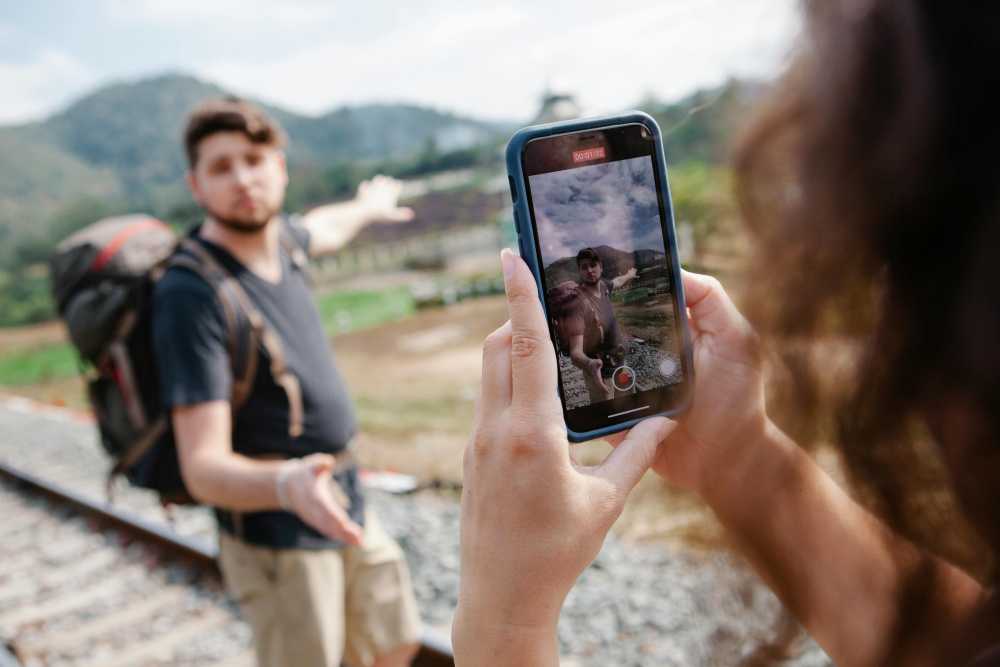
Let’s address the single greatest misconception in travel: that it has to be expensive. The most empowering blogs in the budget space are not just about finding cheap hostels; they are masterclasses in financial literacy for a life of adventure, built on the foundational principle that travel is a matter of priority, not privilege. The most valuable content in this niche offers a powerful one-two punch of achievable trip ideas and the actionable financial planning to make them happen. Industry titans like Nomadic Matt and The Broke Backpacker have perfected this formula. They provide an incredible degree of transparency with detailed, line-item budget breakdowns for countries around the world, empowering readers to craft their own realistic spending plans. But just as importantly, they teach the crucial long-term strategies needed to fund these adventures. They cover everything from the "pay yourself first" model of automating savings to the more advanced art of "travel hacking"—the strategic use of credit card rewards points to drastically reduce the cost of flights and hotels. These blogs are your personal finance coaches for a life of travel.
Learn the proven methods for traveling more while spending less in our ultimate guide: How to Travel More: 8 Best Budget Blogs.
For the Thrill-Seeker: From Gentle Hikes to Epic Expeditions
"Adventure travel" is a wonderfully broad term that encompasses a wide spectrum of activities, from a leisurely hike in a national park to a high-stakes mountaineering expedition in the Himalayas. To provide real value, blogs in this space must specialize. The industry makes a clear distinction between "soft" and "hard" adventure, and the best creators typically build their authority in one category, catering to audiences with specific skill levels and risk tolerances. Soft adventure, characterized by low-to-moderate risk and little required experience, is exemplified by blogs like The Planet D, which showcases accessible yet thrilling experiences like kayaking in Antarctica. Hard adventure, defined by high risk and the need for significant technical skill, is the domain of creators like Expert Vagabond, who documents grueling treks across Greenland’s Arctic Circle Trail. By focusing on a specific part of the adventure spectrum, these blogs build deep trust with their audience, providing the right gear reviews, training advice, and destination inspiration for their chosen level of thrill.
Find the perfect blog to fuel your next adrenaline rush right here: Top 9 Adventure Travel Blogs to Follow Now.
From Inspiration to Itinerary: Where to Find the Experts
Discovering these world-class blogs is the first step. But what happens when you’re ready to move from inspiration to planning? Many of the expert creators setting the standard in family, food, and adventure travel are also entrepreneurs. They distill their hard-won knowledge into invaluable digital products—like hyper-detailed itineraries, downloadable maps, and in-depth guides.
The TrekGuider Marketplace is where you find them. It’s a curated platform where you can discover and instantly purchase these high-quality resources directly from the vetted, on-the-ground experts you follow and trust. It’s the bridge that turns their expertise into your next unforgettable trip.
Feeling Inspired? Start Planning Your Next Trip Today!
Seeing what's possible is the first step. The next is making it happen. To help you turn inspiration into action, we've created a comprehensive trip planning resource.
Download our free Travel Itinerary Template to organize your budget, packing lists, flight details, and daily schedules all in one place.
From Traveler to Creator: Building Your Own Travel Blog
Perhaps reading about these incredible creators has sparked a different kind of ambition—not just to travel, but to build something of your own. The technical barriers to launching a blog are lower than ever, but the strategic thinking required for success is significantly higher. This section is for the aspiring media entrepreneurs ready to turn their passion into a profession. Here, we provide a detailed overview of the key strategies you'll need to master, linking out to our in-depth, step-by-step guides.
How to Start a Travel Blog in 2026 (And Actually Succeed)
Launching a successful travel blog today demands a fundamental mindset shift: you are not just starting a website; you are building a media brand. While the technical setup is more accessible than ever, your pre-launch efforts should be overwhelmingly focused on strategy and differentiation. A winning launch can be broken down into three critical phases.
Phase 1 is Strategy & Branding. This is where 90% of your success is determined. It involves the crucial work of identifying a specific, underserved, and potentially profitable sub-niche—like accessible travel or national parks for families—to avoid the trap of being a generalist. It means creating a detailed persona of your ideal reader and developing a unique brand identity, voice, and mission that will resonate with them.
Phase 2 is Technical Setup. This covers the practical steps: choosing a reliable web host (like SiteGround for support or Hostinger for value), installing WordPress (the industry standard), and setting up essential plugins and analytics to track your performance from day one.
Phase 3 is Content & Launch. This final phase involves developing a content strategy for your first 10-20 foundational "pillar" articles, producing that high-quality content with an eye on SEO, and finally, launching your blog to the world. Approaching your launch with this methodical, business-first mindset is the single greatest factor in determining your long-term success in a competitive market.
For a complete, step-by-step business playbook that covers everything from niche selection to your launch day checklist, see our comprehensive guide: How to Start a Travel Blog in 2026 (For Profit).
Finding Your Voice: 50+ Travel Blog Name Ideas
Choosing a name for your blog is a critical, foundational step in building your brand. It needs to be memorable, evocative, and, most importantly, available. This process should be treated as a practical branding workshop, not a frantic search for something that "sounds cool." A systematic framework is the most effective way to land on the perfect name. First, brainstorm a cloud of keywords associated with your specific niche, your target audience, and your desired tone. For a luxury family blog, your list might include: Luxe, Journey, Quest, Collective, Heirloom, Atlas. Next, apply common naming formulas to generate creative combinations. Experiment with alliteration (Roaming Roads), portmanteaus (Foodventure), or simply using your own name to build a personal brand (Adventurous Kate). Don't hesitate to use online blog name generators to spark unexpected ideas. The final, non-negotiable step is to verify availability. This is a two-pronged check: you need an available .com domain—the undisputed professional standard—and you need consistent, matching handles across your key social media platforms (Instagram, TikTok, etc.). A quick Google search and a basic check of the database can also help you avoid obvious brand conflicts before you invest in your new identity.
For a complete framework and dozens of categorized name ideas to spark your creativity, check out our brainstorming guide: 50+ Travel Blog Name Ideas (And How to Choose).
The Business of Blogging: How to Make Money Travel Blogging
The most successful travel blogs are not hobbies; they are diversified media businesses that employ a strategic mix of monetization models. While methods like display advertising, affiliate marketing, and sponsored posts all have a role to play, the most profitable, sustainable, and scalable model by far is selling your own digital products. The data is unequivocal. A blog with 50,000 monthly pageviews might earn $1,000-$2,000 from a premium ad network like Mediavine. In stark contrast, if just 0.2% of those same visitors (a mere 100 people) purchase a $30 digital product—like a detailed itinerary, a packing list bundle, or a Lightroom preset pack—the revenue is $3,000. This simple math illustrates a profound shift in the creator economy. The most successful bloggers are transitioning from being content publishers who serve an algorithm to being media entrepreneurs who use their content to acquire customers for their own products.
This is the future of the creator economy, and TrekGuider is the platform built for it. We provide creators with the tools they need to succeed, including a dedicated publishing platform to build authority, a personal creator page to act as a central hub for their brand, and a full suite of monetization tools to sell their digital products and build a sustainable business.
To dive deep into each revenue stream and learn how to build a profitable creator business, read our full guide: 5 Real Ways to Make Money Travel Blogging.

Never Run Out of Ideas: 75+ Travel Blog Post Prompts
A successful content strategy is not about randomly posting when inspiration strikes. It's about methodically creating a library of content that targets various stages of the user journey, from initial awareness to the final booking decision. This means building a healthy mix of articles designed to serve different user intents. Informational Guides (e.g., "The Ultimate Guide to...") are the foundation of your SEO strategy, capturing top-of-funnel search traffic and establishing your authority. Inspirational Stories (e.g., "How Traveling to Country Changed My Perspective") are crucial for building a deep, personal connection with your audience and fostering a loyal community. Transactional Reviews (e.g., "Is the City Name Pass a Good Value?") target bottom-of-funnel users who are actively in the decision-making phase and ready to make a purchase. How-To Tutorials (e.g., "How to Pack for Two Weeks in a Carry-On") provide immense practical value, building trust and positioning you as a helpful expert. Finally, highly shareable Listicles (e.g., "15 Must-See Places...") are perfect for social media promotion and driving waves of new traffic to your site. By intentionally creating content for each of these categories, you build a strong and resilient content ecosystem.
For a massive bank of strategic content prompts categorized by user intent, explore our ultimate resource: 75+ Travel Blog Post Ideas to Beat Writer's Block.
Mastering the Craft: Essential Skills for Modern Travel Bloggers
To stand out in today's crowded market, you need to be more than just a writer. A professional travel blog is a multimedia platform, and developing a core set of creative skills is absolutely non-negotiable for building a respected brand.
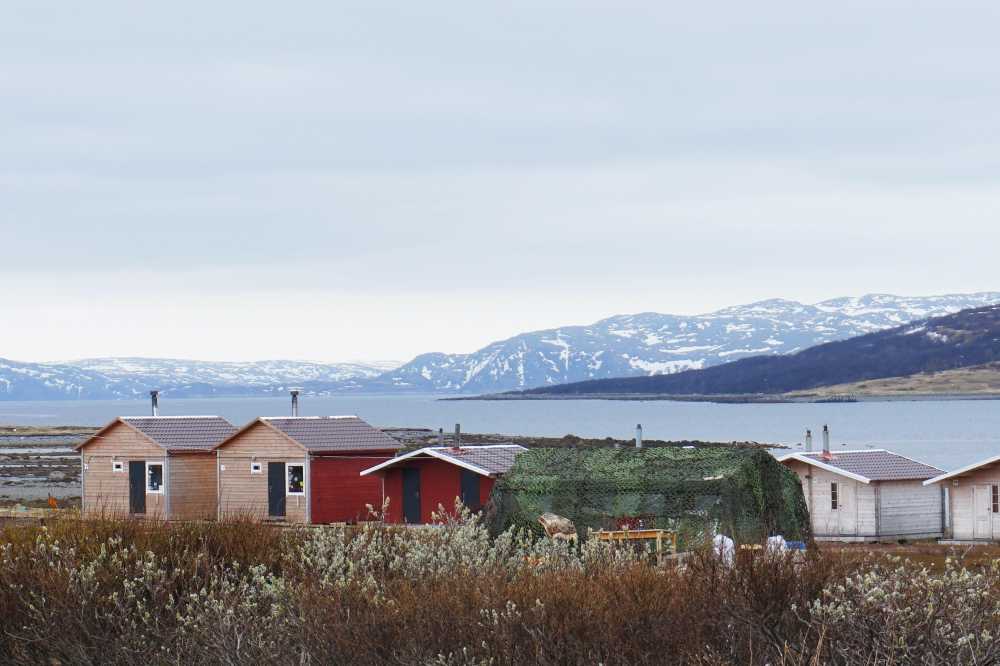
Capturing the Moment: A Guide to Better Travel Photography
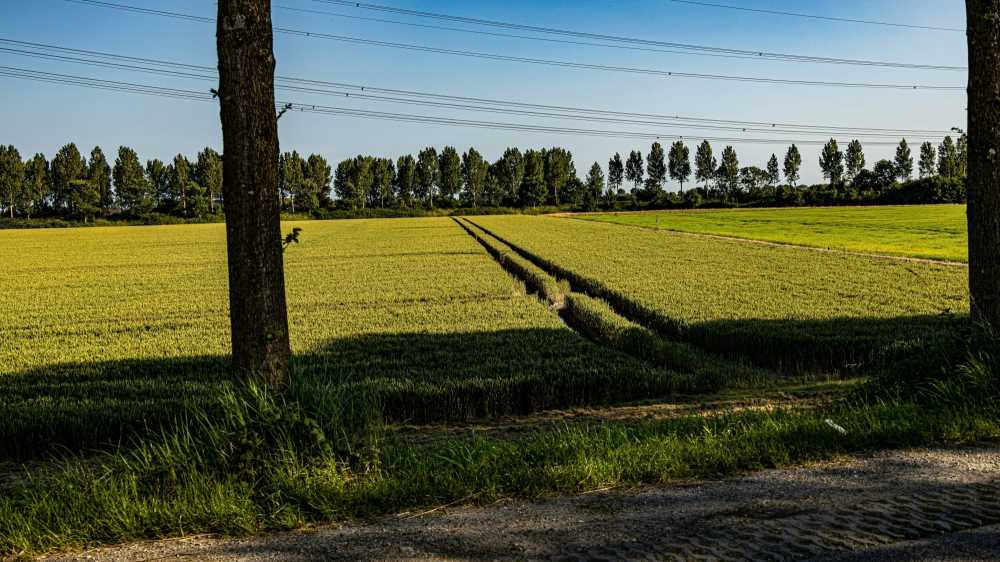
High-quality visual storytelling is no longer a differentiator; it is a baseline requirement for any professional travel blog. The good news is that you don't need the most expensive equipment to take stunning photos; you simply need to master a few fundamental principles. The best camera for travel is often the one you're most willing to carry, and today's market offers incredible options at every price point, from the durable and lightweight OM System OM-5 (perfect for hikers and adventurers) to the powerful hybrid Fujifilm X-T5 for creators who need both high-quality stills and professional-grade video. But the gear is only half the equation. Mastering a few essential composition techniques will dramatically improve your images overnight. Practice the Rule of Thirds to create more balanced and visually interesting shots. Use Leading Lines—like a winding road, a river, or a fence—to guide the viewer's eye through the frame and create a sense of depth. Most importantly, learn to see the light. Shooting during the Golden Hour—that magical period just after sunrise and before sunset—will reward you with soft, warm, and vibrant light that makes any scene more beautiful. By combining the right gear with a solid understanding of creative techniques, you can produce compelling photography that captures the essence of your travels and stops readers in their scroll.
To learn about the best gear, editing techniques, and tutorials from the pros, see our complete guide: 7 Best Travel Photography Blogs for Tips.
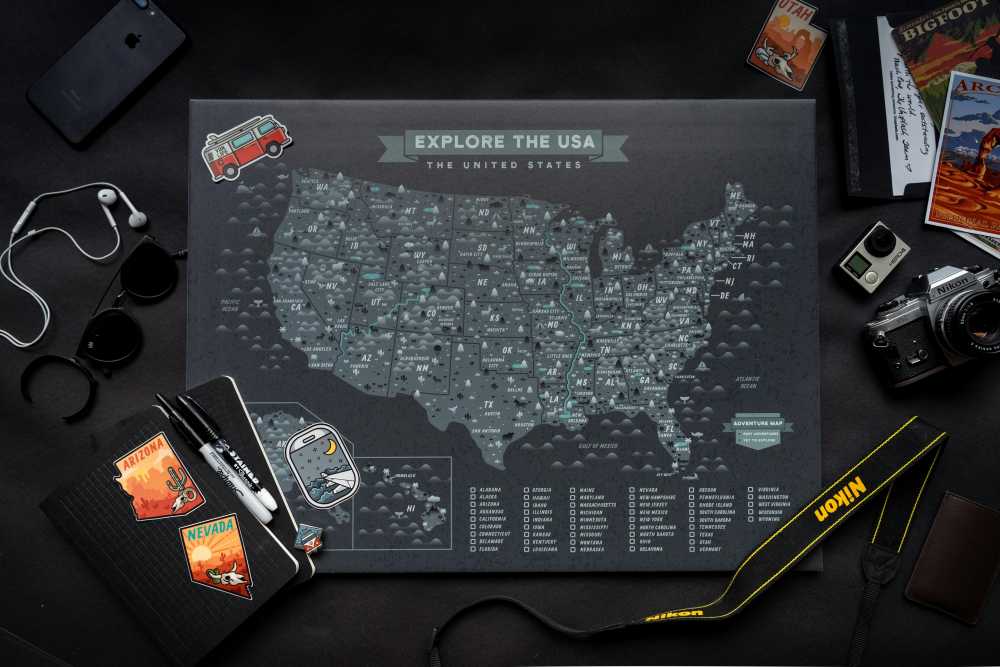
Your Journey Starts Now
The landscape of travel media has never been more dynamic, nor more full of opportunity. The best travel blogs of 2026 are specialized, authentic, and business-savvy. They are your go-to resources for planning deeply personal adventures and your inspiration for building a meaningful, independent career. The common thread that connects the family blogger, the solo adventurer, and the aspiring creator is a deep passion for seeing the world and sharing it in a way that genuinely helps others.
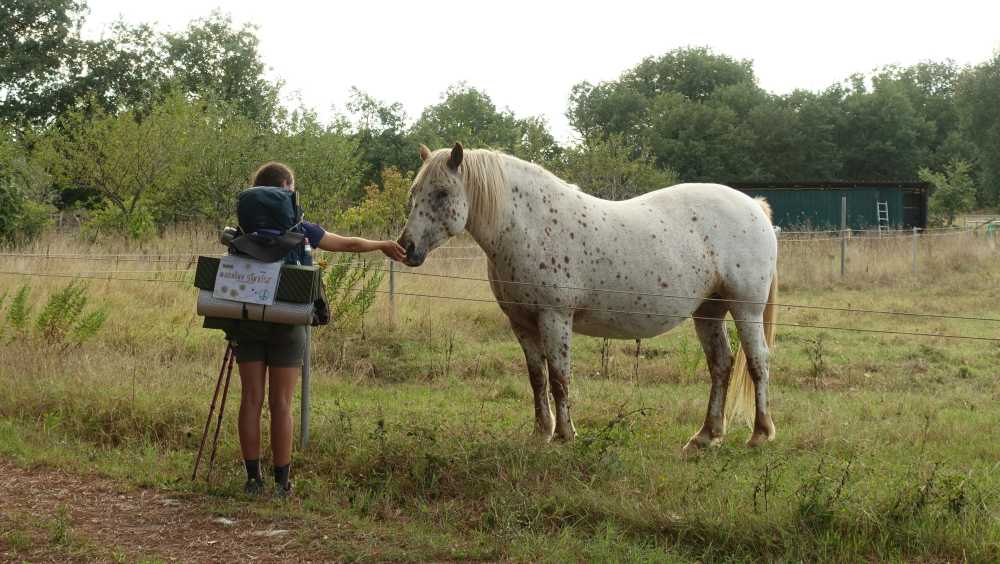
Whether you're here to find the perfect itinerary or to build your own media empire, the journey starts with a single step. Use these blogs as your guides. Let their stories fuel your wanderlust. And if you feel the call to create, use their success as your blueprint. The world is waiting for your unique perspective. And whether you are planning your next trip with one of our Travel Guide products or are ready to start selling your own on our platform, we're here to help you every step of the way.
Don't Miss Out! Subscribe for Exclusive Content
SubscribeComments 0
No comments yet
Be the first to share your experience!
Dont Miss Out! Subscribe for Exclusive Content

Ultimate USA Holidays Guide: Top Picks

FTC Affiliate Disclosure Essentials: Stay Compliant as a Travel Creator

Essential Affiliate Tools: From Tracking to Full Optimization

Avoid These 5 Affiliate Landing Page Mistakes for Better Conversions

Affiliate Keyword Research Mastery for Travel Blogs

Booking.com Affiliate Program Review: Pros, Cons, and Earnings Potential
Solo Travel Seniors Tips: Comfortable Adventures After 50
TrekGuider @trekguider
Are you dreaming of exploring the cobblestone streets of Rome or the vibrant markets of Thailand, but a nagging voice in your head keeps asking, "Is it too late? Is it safe for me to go alone?" You are not alone in feeling this way. For many seniors, the freedom of retirement brings a powerful urge to travel, followed closely by a wave of practical concerns about safety, health, and loneliness. This flood of generic advice online, often aimed at 20-something backpackers, can feel more discouraging than helpful. This guide is here to silence that voice of doubt. We're not just giving you a list of solo travel seniors tips; we're giving you a complete, step-by-step blueprint for transforming apprehension into adventure. This is your practical roadmap to becoming a safe, confident, and empowered senior solo traveler.

Building the Confidence to Go It Alone
Before you book a flight or pack a bag, the most important journey is the one that happens in your mind. Acknowledging your fears is the first step toward conquering them. For many mature travelers, the concerns are not just about logistics but about a deeper sense of vulnerability. Let's dismantle these worries with a new perspective, framing them not as stop signs, but as guideposts for smart preparation.
The Fear of Loneliness
The image of a lonely dinner for one is a powerful deterrent. However, the reality of modern solo travel is far from isolating. The key is to reframe your thinking. You are not "alone"; you are "independent." This is a journey you have gifted yourself, where every decision—from the museum you visit to the time you wake up—is entirely your own. This freedom is a luxury. Remember, solitude can be a profound source of peace and self-discovery, and when you do crave connection, you'll find countless opportunities to engage on your own terms.
The Fear of Safety
It's wise to be cautious, but it's counterproductive to be paralyzed by fear. The 24-hour news cycle can paint the world as a terrifying place, but billions of people live safe, ordinary lives every day. Your strategy is not to build a fortress of fear but to develop a toolkit of awareness. By learning to recognize and avoid common scams, securing your belongings intelligently, and trusting your intuition, you transform yourself from a potential "soft target" into a savvy, confident traveler who is in control of their environment. Many of the safest places for senior solo travel, like Portugal and Japan, have remarkably low crime rates.
The Fear of "Am I Fit Enough?"
Forget the notion that travel must be a whirlwind of non-stop activity. The greatest advantage of traveling solo after 50 is that you set the pace. There is no one to keep up with and no one to impress. If you want to spend an entire afternoon reading at a Parisian café, you can. If you need a mid-day nap to recharge, your schedule allows it. Embracing your own natural rhythm is not a limitation; it's a smarter, more sustainable way to travel that prevents burnout and allows you to truly savor every moment.
A Pre-Trip Checklist for Total Peace of Mind
Confidence is born from competence. There is no greater antidote to pre-travel anxiety than a rock-solid plan that systematically turns "what-ifs" into "I've-got-this." This checklist covers the essential solo travel seniors tips for building an unshakeable foundation for your adventure.

Choosing Your Destination: Prioritize Safety, Accessibility, and Passion
Your first solo trip should be an unequivocal success. Set yourself up for it by choosing a destination that aligns with your needs.
Safety & Infrastructure: Start with countries renowned for safety and excellent tourist infrastructure. Destinations like Iceland, New Zealand, Costa Rica, and much of Scandinavia are popular for a reason. Use resources like the U.S. Department of State's travel advisories to check for any current issues.
Accessibility: Consider the physical demands. Research your target city's topography—are there lots of steep hills? Look into its public transit system. A city known for its walkability and excellent, accessible subway, like Lisbon or Copenhagen, can be far more enjoyable.
Your Passion: This is your trip. Choose a place that genuinely excites you, whether it's the art museums of Florence, the gardens of Kyoto, or the historical sites of Quebec City.
Booking Logistics
The physical and mental stress of travel often peaks during transit. Minimize it with a few key decisions.
Flights: Whenever possible, book direct flights. Avoiding the rush and potential confusion of a tight connection is worth a modest premium. Pay the extra fee to check your luggage; navigating an airport unencumbered is a simple but significant luxury.
Arrival: Pre-book your airport transfer. Knowing a reputable car service or shuttle will be waiting for you eliminates the uncertainty of haggling for a taxi or navigating public transport after a long flight.
Accommodations
Where you stay is your sanctuary. For senior solo travelers, location and comfort matter most.
Location is Everything: Choose a hotel or apartment in a central, well-lit, and safe neighborhood. Use the map view during your search to ensure you're close to public transport and amenities.
Read the Reviews: Look for recent reviews from other solo travelers. Pay attention to comments about the safety of the area at night, noise levels, and the helpfulness of the staff.
Amenities that Matter: An elevator, 24-hour reception, and an in-room safe are non-negotiable for peace of mind.
Your Itinerary and the STEP Program
Sharing your plans is a critical safety measure. Provide a detailed copy of your itinerary—including flight numbers, hotel addresses, and contact numbers—to a trusted friend or family member. For U.S. citizens, enrolling in the free Smart Traveler Enrollment Program (STEP) is a wise move. This registers your trip with the nearest U.S. Embassy or Consulate, who can then contact you in an emergency. Enrolling also makes it easier for family to get in touch with you through the embassy in a true crisis.
With these age-specific details handled, you can broaden your preparation by exploring our ultimate guide, which is packed with dozens of universal applicable to adventurers of all ages.
Your Well-Being on the Road
Managing your health on the road is at the heart of a successful trip. This isn't just about packing pills; it's about a complete approach that ensures you can enjoy every day to the fullest. This is one of the most crucial areas for solo travel seniors tips.

The Pre-Travel Doctor's Visit & Smart Medication Management
Schedule a visit with your doctor 4-6 weeks before your departure.
Discuss your itinerary and any necessary vaccinations or preventative medications.
Obtain a letter from your doctor detailing any prescription medications you carry.
Pro-Tip: When getting a doctor's note for your prescriptions, also ask for the generic names of your medications. Brand names can vary dramatically between countries, and knowing the generic name can be a lifesaver if you need a refill abroad.
Always pack your medications in your carry-on bag in their original containers. Bring more than you need to cover any potential travel delays.
Acknowledging Your Limits
The "fear of missing out" can lead to over-scheduled days and total exhaustion.
The One Big Thing Rule: Plan just one major activity per day (e.g., a museum visit, a walking tour). Anything else you do is a bonus.
Schedule Downtime: Intentionally block out time in your itinerary for rest. An afternoon nap or a quiet hour with a book can make all the difference for your evening energy levels.
Listen to Your Body: If you wake up feeling tired, give yourself permission to have a slow morning. Flexibility is a solo travel superpower.
Leveraging Accessibility Services Everywhere
Asking for assistance is a sign of a smart, prepared traveler, not a weakness.
Airports: Don't hesitate to request wheelchair assistance when booking your flight. It can make navigating long terminals and security lines infinitely less stressful.
Attractions: Most major museums and tourist sites offer accessibility services, such as elevators, ramps, and sometimes even free admission for a companion. Check their websites in advance to know what's available.
A Practical Guide to Situational Awareness
Your best safety tool is your brain. Being aware and projecting confidence makes you a far less appealing target for opportunistic thieves and scammers.

Securing Your Valuables: A Three-Tiered System
The Crossbody Bag: A secure crossbody bag, worn in front of your body with a locking zipper, is your best friend for daily essentials. It keeps your hands free and your belongings in your line of sight.
The Money Belt (for transit days): On days you're moving between cities, a money belt worn under your clothes is the most secure place for your passport, extra credit cards, and the bulk of your cash.
The Hotel Safe: Upon arrival at your hotel, immediately lock your passport, extra cash, and any valuable electronics you don't need for the day in the room safe.
How to Avoid Looking Like an Easy Target
Walk with Purpose: Even when you're just exploring, walk as if you know where you're going. If you need to check a map, step into a shop or café rather than stopping in the middle of a busy sidewalk.
Dress Modestly: Research local customs and aim to dress like the locals. Avoid flashy jewelry or expensive-looking accessories that draw unnecessary attention.
Limit Phone Distraction: Keep your phone tucked away in crowded areas like subways or markets. Being engrossed in your screen makes you oblivious to your surroundings.
Your Oldest and Best Security System
Your intuition is a powerful, time-honed survival mechanism. If a person or a situation feels "off," it is. You don't need to justify it or worry about being rude. Remove yourself from the situation immediately. This is the most important of all safety-related solo travel seniors tips.
Pro-Tip: Learn a few key phrases in the local language, such as "Hello," "Thank you," and most importantly, "No, thank you." A firm "No, thank you" in their own language, delivered with direct eye contact, is a powerful and universally understood deterrent.
Four Low-Pressure Ways to Connect on the Road
Traveling solo doesn't have to mean traveling lonely. The beauty is choosing when and how you connect with others. Here are four easy strategies to meet people.

The Power of a Shared Interest
This is the ultimate hack for effortless socializing. Joining a small-group walking tour, a cooking class, or a wine tasting event instantly connects you with like-minded travelers. The shared activity provides a natural icebreaker, and conversations flow easily. You might just meet a dinner companion for the evening.
The Art of Dining Solo
Eating alone can be a joy, not a fear.
Sit at the Bar: The bar or chef's counter is a more casual setting and perfect for solo diners. You can often strike up a pleasant conversation with the bartender or your neighbors.
Bring a Prop: A book or a journal can be a comfortable companion. It signals you're content but still approachable.
Look for Communal Tables: Many modern restaurants and food halls feature large communal tables, which are an open invitation for conversation.
The "Bold Title Book" Technique
This clever tip comes from veteran solo travelers. Carry a book with an intriguing or bold title. When you're sitting in a park or café, it can be a fantastic conversation starter as curious people inquire about what you're reading.
The "Solo-Friendly" Group Tour
If you want the freedom of a solo trip with the security and social structure of a group, consider companies that specialize in small-group tours for mature travelers. Companies like Road Scholar or Overseas Adventure Travel offer fantastic itineraries that handle all the logistics and provide a built-in community of fellow travelers, often with options to avoid the dreaded single supplement fee.
Your Questions Answered
What is the best travel insurance for seniors?
Look for a comprehensive policy that has high limits for emergency medical coverage and, crucially, a waiver for pre-existing conditions. Companies like Allianz Travel Insurance, Travel Guard, and World Nomads are highly regarded, but always read the policy details carefully to ensure it meets your specific health needs. The best travel insurance for over 65 is one that provides total peace of mind.
How can I avoid the single supplement fee?
The single supplement is an extra charge for a solo traveler to compensate a hotel or tour operator for the loss of a second person's revenue. To avoid it, look for tour companies that either waive the fee or offer to match you with a roommate. Booking accommodations in guesthouses or apartments rather than traditional hotels can also eliminate this cost.
What are the best smartphone apps for a senior solo traveler?
Google Maps: Essential for navigation. Download offline maps of your destination before you leave.
Google Translate: Use the camera and conversation features to overcome language barriers.
WhatsApp: A free and easy way to stay in touch with family and friends back home using Wi-Fi.
TripIt: Organizes all your travel confirmations (flights, hotels, rental cars) into one master itinerary.
You’ve earned the wisdom and the time to see the world on your own terms. Now, with this guide, you also have the playbook for doing it with confidence. Armed with these solo travel seniors tips, you can move forward with the assurance that you are not just capable, but perfectly equipped for the adventure of a lifetime. The world is not just for the young; it's for the curious, the brave, and the young at heart. Go and claim your corner of it.
Read the full guide: Anxious to Adventurous: The Ultimate Guide to Solo Travel Confidence
Don't Miss Out! Subscribe for Exclusive Content
SubscribeComments 0
No comments yet
Be the first to share your experience!
Dont Miss Out! Subscribe for Exclusive Content
Ultimate USA Holidays Guide: Top Picks
FTC Affiliate Disclosure Essentials: Stay Compliant as a Travel Creator
Essential Affiliate Tools: From Tracking to Full Optimization
Booking.com Affiliate Program Review: Pros, Cons, and Earnings Potential

Decoding Affiliate Commission Rates: Benchmarks for Travel Creators
