
Solo Travel Europe Without Going Broke: A Realist's Guide

TrekGuider @trekguider
Does the dream of a solo trip through Europe—wandering Rome’s ancient streets, finding the perfect café in Lisbon, or watching the sunset over the Danube in Budapest—feel just out of reach because of one major hurdle? The cost. For years, the myth has persisted that a European adventure requires a massive savings account. You've seen the glamorous photos, but you’re agitated by the nagging fear that traveling alone means paying double for everything and draining your bank account.

Let's put that fear to rest. The fantastic news is that this financial barrier is crumbling. The travel industry is finally waking up to the power of the solo traveler, and a smarter, more affordable way to explore the continent has emerged. This guide is your complete playbook for an incredible solo travel Europe adventure on a budget. We'll show you how to leverage Europe’s incredible network of hostels and trains, not as a sacrifice, but as a real advantage for a richer journey. These are the essential that transform financial anxiety into confident exploration.
The First, Most Important Decision: Mastering Europe's Budget Map
The single most powerful decision you will make for your budget happens before you book a single hostel or train ticket: choosing where to go. The secret to affordable solo travel Europe is understanding that the continent has two distinct economic personalities. Your first strategic move is to divide your map into two zones: the pricier West and North, and the wonderfully affordable East and South.
This isn’t about sacrificing iconic experiences; it’s about being smart. A daily backpacker budget in Western Europe (think France, the UK, Switzerland) can easily run you $75-$125. That same travel style in Eastern Europe (Hungary, Poland, Czech Republic) will cost closer to $40-$70. To put it bluntly: a single dinner in Zurich can cost more than your entire day’s budget in Krakow.
Your Budget-Friendly Hubs (East & South): These regions are your financial superpower. They offer world-class history and vibrant culture at a fraction of the cost. Prioritize cities like:
Budapest, Hungary: Famous for its stunning architecture and thermal baths.
Krakow, Poland: A historical gem with a lively, youthful energy.
Prague, Czech Republic: A fairytale city of spires and bridges.
Lisbon, Portugal: Coastal charm, fantastic food, and a laid-back vibe.
Seville, Spain: The heart of Andalusia, with passionate culture and sunny plazas.
Athens, Greece: The cradle of Western civilization, with ancient wonders at every turn.
The Splurge-Worthy Destinations (West & North): This doesn't mean you have to skip London, Paris, or Amsterdam. It just means you visit them strategically.
Pro-Tip: Embrace the "Hybrid Trip" Strategy. Don't think in terms of "either/or." Plan to spend the bulk of your trip—say, two weeks—exploring the more affordable regions. This allows you to "bank" significant savings, which you can then deploy for a shorter, more focused four or five-day splurge in a bucket-list city like Paris without breaking the bank.
Forging Your Financial Compass
A budget isn’t a restriction; it’s a tool of empowerment. It’s what allows you to travel without financial stress. Instead of a single magic number, let's break down the costs so you can build a personalized plan.
Deconstructing the Daily Costs: Where Does the Money Go?
Forget generic advice. Your daily budget is a deeply personal number that hinges on your travel style. To give you a real-world compass, we’ve broken down the three most common approaches we see on the road:

The Bare-Bones Backpacker: $45-$65 per day. This is for the traveler who stays exclusively in hostel dorms, cooks most meals in the hostel kitchen, and focuses on free activities like walking tours and exploring neighborhoods on foot.
The Savvy Mid-Ranger: $75-$130 per day. This is the sweet spot for most. It allows for a mix of hostel dorms with the occasional private room, eating one meal out per day at a casual spot, visiting paid attractions, and enjoying the local nightlife.
The Comfort-Conscious Budgeter: $135+ per day. This budget allows for private rooms in hostels or budget hotels, dining out more frequently, and participating in unique paid experiences or guided tours.
Pre-Trip Savings vs. On-the-Ground Spending
Remember that a significant chunk of your budget will be spent before you even leave home. Factor in these major upfront costs:
International Flights: Use tools like Google Flights and Skyscanner with flexible date searches to find the best deals.
Travel Insurance: This is non-negotiable. It’s your ultimate safety net for medical emergencies or trip cancellations.
Essential Gear: A quality, comfortable backpack and two pairs of versatile shoes are your most important investments.
For your money on the ground, be a financial ninja. Get a credit or debit card with no foreign transaction fees (like the Chase Sapphire Preferred or Capital One Venture). These 2-3% charges on every purchase add up shockingly fast. Crucially, always avoid the bright blue and yellow Euronet ATMs. They are predatory, charging outrageous conversion rates and hidden fees. Stick to official bank ATMs—look for the logos of major national banks like Deutsche Bank, BNP Paribas, or Santander. Your wallet will thank you.
Sleep Smart, Save Big
For solo travelers, where you sleep is more than just a bed—it’s your social hub, your sanctuary, and your savings engine.
Hostels: Your Social Hub and Savings Engine
Hostels are the undisputed key element of budget travel in Europe. A dorm bed will typically cost between $25 and $45, a massive saving compared to a hotel. But their true value lies beyond the price tag.

Built-in Community: Hostels are designed for social interaction. The common areas, shared kitchens, and organized events (like free walking tours or pub crawls) make it incredibly easy to meet other travelers if you choose to.
Safety & Security: Modern hostels are safer than ever. Look for properties with 24-hour reception, secure individual lockers for your valuables (always bring your own padlock), and female-only dorms if that makes you more comfortable.
Amenities that Save: The communal kitchen is a budget game-changer. Cooking just a few meals a week can save you hundreds over a long trip.
When booking on sites like Hostelworld, read recent reviews like a detective. Pay close attention to comments on cleanliness, location, security, and the overall "vibe" to find the perfect fit for you.
Beyond the Dorm: Other Budget-Friendly Options
While hostels are king, they aren't your only choice. The rise of "lifestyle" hotel brands like Moxy offers smaller, stylish single rooms that can be a great value. Renting a private room on Airbnb is another option, though often pricier than a hostel. A key piece of good news: the dreaded "single supplement" fee is slowly dying. The industry has recognized the solo travel boom, and more companies are offering true single-person pricing. Once you've locked in your home base, the next piece of the puzzle is mastering the art of getting from A to B without draining your travel fund.
Mastering the Rails & Roads
Europe’s transport network is a marvel, but choosing the cheapest option requires a strategic trade-off between cost, time, and convenience. This is a critical component of your plan for solo travel Europe on a budget.

Eurail Pass vs. Point-to-Point Tickets
Is a Eurail Pass worth it for a solo traveler? The answer is: it depends.
Get a Eurail Pass if: You crave ultimate flexibility and plan to travel extensively through expensive countries like Germany, Switzerland, and Austria, where last-minute train tickets are costly.
Buy Point-to-Point Tickets if: You have a relatively fixed itinerary and are focusing on Southern or Eastern Europe. Booking individual bus or train tickets in advance on platforms like Omio or Trainline is almost always cheaper.
Pro-Tip: Before you buy a pass, map out your ideal route and price out each individual leg of the journey. Compare that total to the cost of the pass. This simple exercise can save you hundreds of dollars.
Eating Like Royalty on a Pauper's Budget
Forget surviving on instant noodles. Eating affordably in Europe can be one of the most delicious and authentic parts of your journey.
The Holy Trinity of Budget Eating
Supermarkets & Picnics: This is your #1 money-saving tactic. Visit a local grocery store or an outdoor market. Buy a fresh baguette, some regional cheese, local cured meats, fruit, and a bottle of wine for a few euros. Enjoying this feast in a Parisian park or along a Venetian canal is a 5-star experience at a 1-star price.
Hostel Kitchens: Cooking dinner with new friends in the hostel kitchen is a quintessential backpacking experience. It’s social, fun, and incredibly cheap.
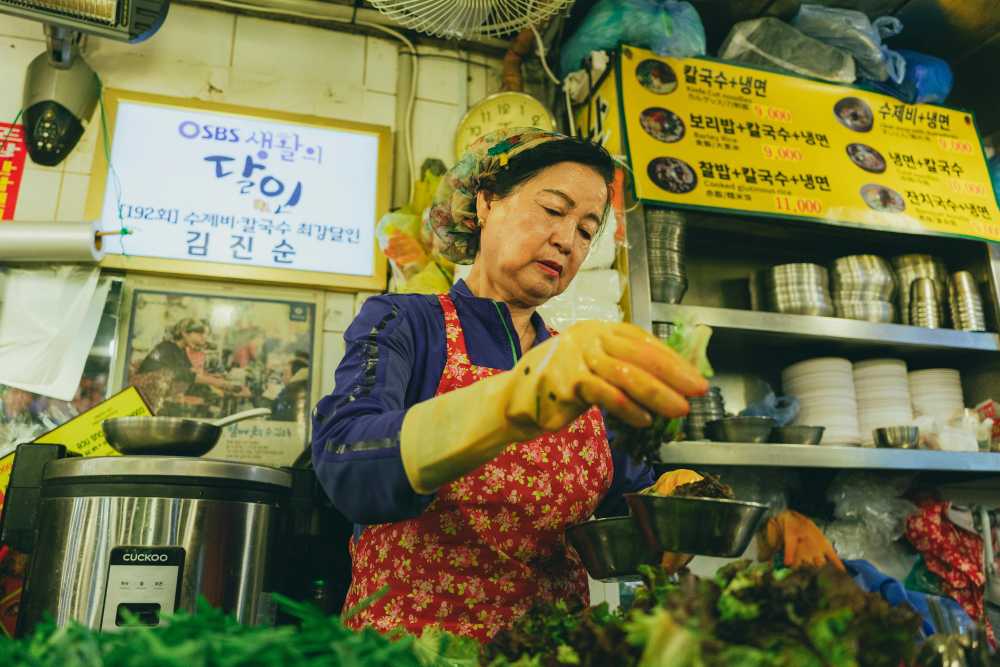
Street Food & Local Markets: From gyros in Greece to pierogi in Poland, covered food halls and street food stalls are where you’ll find authentic, delicious local food for just a few dollars.

Smart Restaurant Hacks
When you do dine out, eat smart. Embrace the lunch special. Across Europe, especially the menu del día in Spain (which typically includes a starter, main, dessert, and a drink for a set price), restaurants offer multi-course lunch menus for a fraction of their dinner prices. And always use the Five Block Rule: walk at least five blocks away from any major tourist attraction before choosing a restaurant. You’ll almost always find better food at a lower price.
Two Field-Tested Budget Itineraries
Let's make this real. Here are two sample itineraries showing these principles in action.
The 3-Week Eastern Europe Classic (€50/day)
Route: Prague → Krakow → Budapest → Belgrade
The Vibe: This is the ultimate budget-friendly route through the heart of Central and Eastern Europe. You’ll experience stunning history, incredible nightlife, and delicious food and beer, all while your daily costs stay incredibly low. Transportation between these cities is fast, cheap, and easy via bus or train.
The 3-Week "Best of Both" Hybrid (€85/day)
Route: Lisbon → Seville → (Fly to) Rome → Florence → (Overnight bus to) Ljubljana
The Vibe: This itinerary demonstrates the Hybrid Strategy. You start in affordable and beautiful Portugal and Spain, then take a strategic budget flight to tackle your Italian bucket list. You finish in charming, budget-friendly Slovenia, using an overnight bus from Italy to save on both transport and a night's accommodation.
Your Top Budget Questions, Answered
How much money do I need for 1 month of solo travel in Europe?
A solo traveler can expect to spend between $1,500 (frugal backpacker in the East) and $4,500 (mid-range traveler including the West) for a one-month trip. Your destination choices and travel style are the biggest factors.
Is Europe safe for a first-time solo female traveler?
Absolutely. Europe is generally very safe for solo female travelers. Countries like Iceland, Portugal, and Slovenia are consistently ranked among the safest in the world. Standard precautions—being aware of your surroundings, securing your belongings, and trusting your gut—are key.
What is the absolute cheapest way to travel between countries in Europe?
The bus is almost always the cheapest option. Companies like Flixbus have an extensive network with fares as low as $5, making them a backpacker's best friend.
Should I travel in the summer or the off-season?
For budget travel, the shoulder seasons (April-May, September-October) are perfect. You’ll get pleasant weather with far fewer crowds and significantly lower prices for flights and accommodation compared to the peak summer months.
You now have the framework for an affordable and unforgettable European adventure. The key to a successful solo travel Europe journey on a budget isn't about restriction; it's about smart, strategic planning. By choosing your destinations wisely, embracing the social and economic power of hostels, and mastering the continent's incredible public transport, you transform a dream into an achievable, actionable plan. The freedom of the open road—and the railway—is yours for the taking.
Read the full guide: Anxious to Adventurous: The Ultimate Guide to Solo Travel Confidence
Don't Miss Out! Subscribe for Exclusive Content
Subscribe



Comments 0
No comments yet
Be the first to share your experience!
Dont Miss Out! Subscribe for Exclusive Content

Top 11 High-Paying Affiliate Programs for Travel Bloggers

High-Paying Affiliate Opportunities for Individual Travel Affiliates

Amazon Associates for Travel: Strategies to Maximize Commissions

How to Avoid Travel Scams: A Global Guide

A Woman's Guide to Safe Travel: 10 Critical Tips

7 Hotel Safety & Security Tips for Peace of Mind
6 Proven Models to Make Money Online Blogging
TrekGuider @trekguider
You’ve launched your travel blog, a digital space filled with your passion, expertise, and stunning photography. The problem? It feels more like an expensive hobby than a business. You're caught in a strategic fog, constantly hearing about different ways to monetize but paralyzed by the sheer number of options. Should you chase ad revenue, dive into affiliate marketing, or invest months creating a digital product?
This confusion is more than just frustrating; it's a barrier to growth. Every month spent hesitating is a month of lost income and mounting burnout. You see other creators achieving financial freedom and can't help but wonder what strategic blueprint they're following. You're putting in the work, but without a clear understanding of the fundamental business models, your efforts feel scattered and ineffective, keeping your dream of a profitable blog just out of reach.

It's time to trade that confusion for clarity. This article is your high-level strategy session. We will demystify the process by providing a strategic analysis of the six proven models to make money online blogging. We’ll move beyond tactics ("how") and focus on strategy ("what" and "why"), comparing the pros, cons, and profit potential of each approach. This is the essential framework you need to choose the right path for your blog and your goals. Think of this as your strategic map—for the full, step-by-step expedition, be sure to read our ultimate guide on How to Make Money Online: A Creator's Guide for 2026.
Model 1: Display Advertising (The Traffic Monetizer)
Display advertising is often the first monetization model bloggers think of. It involves placing ads on your website, typically managed through an ad network, and earning revenue based on the number of people who see or click on them. It’s a passive model that directly translates website traffic into income.
Pros:
Truly Passive Income: Once set up, ad networks automatically fill your ad spaces, generating revenue from your existing traffic without requiring any additional action per visitor.
Low Barrier to Entry (Theoretically): While premium networks have high traffic thresholds, the basic concept of placing ads is straightforward and doesn't require direct selling.
Cons:
Requires Massive Traffic: Meaningful revenue is almost entirely dependent on having a large and consistent stream of visitors. For context, our research shows only 4% of global creators earn over $100,000 per year, and those with high ad revenue are traffic powerhouses.
Can Degrade User Experience: Ads can be intrusive, slow down your website's loading speed, and detract from the professional aesthetic you’ve worked hard to create.
Who It's Best For: Established bloggers with high, consistent search engine traffic. This is typically not a lucrative model for beginners, but it becomes a reliable income floor for blogs with over 50,000 monthly sessions.
Pro-Tip: Aspiring bloggers should skip low-paying beginner networks like Google AdSense. Instead, focus 100% of your energy on growing traffic to meet the minimum requirements for premium ad networks like Mediavine (50,000 monthly sessions) or Raptive. The revenue difference is dramatic and can single-handedly take a blog's income past the $1,000/month mark.

Model 2: Affiliate Marketing (The Trusted Recommender)
Affiliate marketing is a performance-based model where you earn a commission for promoting another company’s products or services. You place a unique, trackable link in your content, and when a reader makes a purchase through that link, you receive a percentage of the sale. It allows you to monetize your genuine recommendations.
Pros:
Low Cost of Entry: You don't need to create a product, handle inventory, or manage customer service. You simply recommend products you already use and trust.
Scalable and Passive: A single, high-performing blog post with affiliate links can rank on Google for years, generating commissions long after you’ve hit publish.
Cons:
Dependency on Partners: You are reliant on the affiliate partner's terms. Commission rates can be changed or eliminated with little notice, as seen when Amazon dramatically cut its rates for many categories.
Reputational Risk: Your credibility is on the line. If you recommend a poor-quality product, you risk eroding the trust you've built with your audience, which is your most valuable asset.
Who It's Best For: Bloggers in any niche who have built a foundation of trust with their audience. It's an ideal "next step" after you've started generating traffic, as it allows you to monetize your expertise without the heavy lift of product creation.
Model 3: Digital Products (The Scalable Asset)
This is where you ascend the monetization ladder, transforming your expertise into scalable assets you own completely. This model involves creating and selling your own intangible products that can be distributed repeatedly online. For travel bloggers, this includes eBooks, online courses, itinerary templates, and Lightroom presets.
Pros:
Exceptionally High Profit Margins: With no inventory or shipping costs, digital products offer unparalleled profitability. The "create once, sell forever" model means nearly every sale after you recoup your time investment is pure profit.
Full Ownership and Control: You control the product, the pricing, the marketing, and the customer relationship. This insulates your business from the volatility of ad networks and affiliate partners.
Positions You as an Expert: Selling a high-quality product like a comprehensive Travel Guide solidifies your authority in your niche like nothing else. Once created, a platform like the TrekGuider marketplace gives you an immediate, professional storefront to connect with travelers actively seeking that expertise.
Cons:
Significant Upfront Investment: Creating a high-quality product requires a substantial investment of time, research, and effort before you ever make a dollar.
Requires Marketing and Sales Skills: You are responsible for everything, from building a high-converting sales page to handling customer service inquiries.
Who It's Best For: Established bloggers with a proven, engaged audience that has a specific problem you can solve. With the e-learning market alone projected to reach an incredible $848 billion by 2030, this model has the highest long-term ceiling for growth.
This is the model with the highest ceiling, but it requires the right tools to get started. That's why we built a launchpad for creators ready to build their own assets.

Your Creator Business Launchpad
Feeling inspired to build your own assets but not sure where to begin? The first step is to master the tools of the trade. Our The Travel Creator's Toolkit is a free collection of resources designed to help you streamline your workflow, create stunning content, and build a business that lasts. It includes templates, checklists, and guides to accelerate your journey from blogger to entrepreneur.
Download Your Free Travel Creator's Toolkit Now
Model 4: Services (The Cashflow Generator)
This is the most direct way to make money online blogging: selling your time, skills, or expertise. For a travel creator, this could mean freelance writing for tourism boards, offering social media management for hotels, providing one-on-one trip planning consultation, or offering photography services.
Pros:
Fastest Path to Significant Income: Services are often the quickest way to generate substantial revenue, especially for new creators who have a marketable skill but not yet a large audience.
Premium Pricing Potential: You can charge high rates based on your expertise and the value you deliver to a client.
Cons:
Not Scalable (Active Income): This model involves a direct trade of time for money. There is a hard ceiling on your potential earnings because there are only so many hours in a day. If you stop working, the income stops.
Can Lead to Burnout: Juggling client work with building your own blog can be demanding and can distract from creating the long-term assets that lead to passive income.
Who It's Best For: New bloggers with a professional skill (writing, photography, marketing) who need to generate income quickly. It's also great for experts in a specific field who want to validate their knowledge before packaging it into a more scalable digital product.
Pro-Tip: Frame your services as a strategic launchpad, not a permanent business model. Use the active income from freelance work to pay your bills and fund the time you need to invest in building scalable, passive income streams like affiliate content and digital products.
Model 5: Sponsored Content, the Right Way to Make Money Online Blogging with Brands
Also known as brand partnerships, this model involves collaborating with companies to create content that promotes their products or services in exchange for a fee. This can range from a single sponsored blog post to a long-term brand ambassadorship.
Pros:
Can Be Extremely Lucrative: Sponsored content can be a massive source of revenue. In fact, our 2026 Creator Monetization Report found that 69% of creators cite brand partnerships as their most profitable income stream.
Enhances Credibility: Partnering with respected brands that align with your values can enhance your own credibility and authority in your niche.
Cons:
Requires an Established, Engaged Audience: Brands want to see a strong track record and a clear return on their investment, which typically means you need a substantial and highly engaged following to attract premium partnerships.
Risk of Losing Audience Trust: Income can be inconsistent and dependent on securing new deals. More importantly, if a sponsorship feels inauthentic or is not disclosed transparently, it can permanently damage your relationship with your audience.
Who It's Best For: Influential bloggers with a highly engaged, niche audience. This model works best when you have a strong brand identity that is attractive to companies targeting your specific demographic.

Model 6: Subscriptions & Memberships (The Community Builder)
This model generates predictable, recurring revenue by charging a regular fee (monthly or annually) for access to exclusive content, a private community, or premium features. This could be a paid newsletter, a private Slack or Discord group, or a membership site with exclusive articles and videos.
Pros:
Predictable, Recurring Revenue: Subscriptions provide a stable and forecastable income stream, which is a huge advantage over the fluctuating nature of ad revenue or one-off product sales.
Fosters a Loyal Community: This model is designed to serve your most dedicated fans, creating a loyal and highly engaged community around your brand.
Cons:
Requires Constant Value Delivery: To prevent churn (cancellations), you must consistently deliver high-value, exclusive content. The pressure to "feed the beast" can be intense.
Subscriber Fatigue is Real: In a world saturated with subscriptions, convincing new members to sign up can be challenging.
Who It's Best For: Creators with a highly dedicated and engaged audience who are looking for a deeper connection. It's an advanced model that works best when you've already established significant authority and trust.
Frequently Asked Questions About Monetization Models
1. What's the best model for a brand new blogger?
For immediate income, Services are unmatched if you have a marketable skill like writing or design. However, for long-term, scalable growth, your initial focus should be on creating high-quality content that will eventually support Affiliate Marketing and Display Advertising once your traffic grows.
2. Is it better to focus on one model or do everything at once?
Focus on one, then stack. The most common mistake is trying to do everything and mastering nothing. Follow the "Monetization Ladder" concept. For example, master creating content that drives affiliate revenue. Once that system is working, use your authority to build and sell a Digital Product. Trying to launch a course, a membership, and a freelance business all at once is a recipe for burnout.
3. How much traffic do I really need for display ads to be worthwhile?
Don't even consider it until you can qualify for a premium ad network. The industry standard benchmarks are 50,000 monthly sessions for Mediavine or 100,000 monthly pageviews for Raptive. Anything less than that, and your time is far better spent on content creation and affiliate strategy.
Choosing Your Path

There is no single "best" way to make money online blogging. The most successful creators understand that these models are not mutually exclusive; they are rungs on a "Monetization Ladder." A new blogger might start by offering services to generate immediate cash flow. As their traffic grows, they add display advertising and affiliate marketing. Finally, with an established and trusting audience, they ascend to the highest rung by launching their own digital products and membership communities.
You now have the practical plan to analyze these models and choose the right one for your current stage. Don't fall into the trap of trying to do everything at once. Pick a path, master it, and then climb to the next rung. This is how you build a diversified, resilient, and highly profitable blogging business.
Read the full guide: The Travel Blog Business Plan: How to Make Real Money in 2026
Don't Miss Out! Subscribe for Exclusive Content
SubscribeComments 0
No comments yet
Be the first to share your experience!
Dont Miss Out! Subscribe for Exclusive Content

FTC Affiliate Disclosure Essentials: Stay Compliant as a Travel Creator

Essential Affiliate Tools: From Tracking to Full Optimization

Avoid These 5 Affiliate Landing Page Mistakes for Better Conversions

Affiliate Keyword Research Mastery for Travel Blogs

Booking.com Affiliate Program Review: Pros, Cons, and Earnings Potential

Decoding Affiliate Commission Rates: Benchmarks for Travel Creators
How to Plan a US Family Vacation That Actually Happens
TrekGuider @trekguider
Does the dream of a family vacation always seem to get buried under a pile of school projects and work deadlines? You want to make those precious memories, but the sheer effort of planning a big trip—the budget, the flights, the sprawling itinerary—feels completely overwhelming. That dream gets pushed to the “maybe next year” pile, and another opportunity slips away.
This is the cycle of vacation procrastination. The pressure to make every trip a grand, epic adventure creates a paralysis that keeps you at home. Weekends blur into a routine of errands and screen time, and you’re left with the nagging feeling that you’re not making the most of your time together.
This guide is the antidote. We’re here to champion the art of the short-form getaway—the powerful, transformative two- or three-day trip. A well-executed weekend escape can recharge your family, create lasting inside jokes, and deliver that essential change of scenery without the strain of a major holiday. While a grand tour has its place, as we explore in our comprehensive Family Travel Ideas: The 2026 Guide to Unforgettable Trips, mastering the weekend trip is a practical skill that pays dividends all year long. This is your roadmap to choosing the perfect spots for a quick, high-impact getaway that actually happens.

The Weekend Warrior: Why Short Trips Are a Family’s Secret Weapon
Before we dive into destinations, it’s crucial to understand the real advantage of short-form travel. In our fast-paced world, the weekend getaway isn’t a lesser version of a vacation; in many ways, it’s a superior model for modern families.
It Obliterates Decision Fatigue: Planning a three-day trip requires a fraction of the decisions needed for a ten-day epic. You’re choosing two nights of accommodation, not nine. You’re planning six meals, not thirty. This lower logistical barrier is the key to moving from idea to action.
It's a Budget-Friendly Power-Up: The math is simple. Fewer nights, fewer meals, and shorter travel distances mean a significantly lower overall cost. This makes travel more accessible more often.
It Forces Frequent Reconnection: Long breaks are fantastic, but the daily grind can quickly erode that post-vacation glow. Frequent weekend trips act as regular “reconnection points” for your family, reinforcing bonds and breaking up monotony.
It's a Low-Stakes Laboratory: A weekend trip is the perfect environment to test new travel styles. Want to see if your kids enjoy hiking? A two-night trip to a mountain town is a much lower-risk experiment than a full week in a national park.

The 72-Hour City Break: Culture and Energy for the Urban Explorer
A city break is a masterclass in efficiency. It's a high-impact dose of culture, cuisine, and energy, perfectly contained within a 72-hour window where your own two feet are the best mode of transport. These destinations are perfect for a short-form family vacation adventure.
Boston, Massachusetts: A Walk Through American History
For families with school-aged children, Boston is a living classroom. The city’s compact core makes it incredibly easy to explore on foot, turning a simple walk into an unforgettable journey.
Can't-Miss Experiences: Walk the 2.5-mile Freedom Trail, a red-brick line connecting 16 nationally significant historic sites. Kids will love the energy of Faneuil Hall Marketplace and the chance to climb aboard the USS Constitution (“Old Ironsides”). The Boston Children’s Museum is legendary for hands-on fun.
Must-Try Food: Grab a cannoli from Mike’s Pastry or Modern Pastry in the North End. For a classic experience, head to the Union Oyster House, one of America’s oldest restaurants.
Logistics: Leave the car behind. Boston is best navigated via the “T” (its subway system) and your own two feet.

Savannah, Georgia: Southern Charm and Spooky Stories
Savannah drips with Spanish moss and southern charm, offering a unique and atmospheric weekend escape. Its famous historic squares provide beautiful, built-in parks for kids to run around in between sightseeing.
Can't-Miss Experiences: Explore Forsyth Park and the 22 historic squares. For older kids and teens, take a family-friendly evening ghost tour to learn about the city’s spooky legends. A 20-minute drive to nearby Tybee Island offers a perfect beach day.
Must-Try Food: Enjoy classic southern cooking at The Olde Pink House or grab a casual slice at Vinnie Van Go-Go's in City Market. A scoop from Leopold's Ice Cream is non-negotiable.
Logistics: Savannah’s historic district is very walkable. A rental car is only necessary if you plan to visit Tybee Island.
Chicago, Illinois: Big City Fun, Midwestern Heart
The Windy City is a world-class destination that feels surprisingly manageable for a weekend. With its stunning lakefront, incredible museums, and friendly vibe, it’s a fantastic choice for an urban family getaway.
Can't-Miss Experiences: Millennium Park is a must-do for a picture with "The Bean" (Cloud Gate). See Sue, the world’s most complete T. rex, at The Field Museum. The Shedd Aquarium and the Adler Planetarium are conveniently located on the same Museum Campus. An architectural boat tour is a surprise hit with all ages.
Must-Try Food: You can’t leave Chicago without trying deep-dish pizza from Lou Malnati’s or Giordano’s. For a fun, casual meal, head to Portillo's for a classic Chicago-style hot dog.
Pro-Tip: If you plan on visiting multiple museums, look into the Chicago CityPASS. It can offer significant savings and often lets you skip long lines—a lifesaver with impatient kids.
The Nature Reset: Fresh Air and Open Spaces
Sometimes the best way to reconnect is to disconnect from everything else. These destinations offer stunning scenery and a much-needed change of pace, perfect for a rejuvenating weekend.

Asheville, North Carolina: Gateway to the Blue Ridge Mountains
Nestled in the heart of the Blue Ridge Mountains, Asheville is a vibrant, artsy town surrounded by breathtaking natural beauty. It’s the perfect basecamp for families who love the outdoors but also appreciate great food.
What to Do: The top attraction is the Blue Ridge Parkway, one of America’s most scenic drives. Pack a picnic and stop at the numerous overlooks. There are hundreds of hiking trails for all skill levels; the relatively easy Craggy Gardens Pinnacle trail offers huge 360-degree views.
Where to Stay: Consider renting a cabin just outside the city to fully immerse yourselves in the mountain setting.
Good to Know: The weather in the mountains can change quickly. Always pack rain jackets and an extra layer, even if the forecast looks clear.
The Poconos, Pennsylvania: A Four-Season Mountain Retreat
For generations, the Poconos have been a go-to weekend getaway for families in the Northeast, and for good reason. This region offers a massive variety of activities that change with the seasons.
What to Do: In the summer, enjoy boating on Lake Wallenpaupack. The region is also home to several excellent indoor waterparks, like Kalahari Resorts. In the fall, the foliage is spectacular. In the winter, Camelback Mountain offers family-friendly skiing and snow tubing.
Where to Stay: The Poconos excel at family-friendly resorts that offer all-in-one vacation experiences.
Pro-Tip: Many state parks have beautiful and affordable lodges or cabins that can be booked online. They offer a rustic, immersive experience with more amenities than camping.
Lake Tahoe, California/Nevada: Alpine Beauty and Recreation
Straddling the border of California and Nevada, Lake Tahoe is a stunning, crystal-clear alpine lake surrounded by the majestic Sierra Nevada mountains. It’s an outdoor playground that offers distinct experiences in winter and summer.
What to Do: Summer is all about the water. Visit Sand Harbor for its beautiful, family-friendly beach. Rent kayaks to explore the impossibly blue waters of Emerald Bay. In the winter, the area transforms into a ski destination, with resorts like Heavenly and Northstar.
Altitude Awareness: The base elevation at Lake Tahoe is over 6,200 feet. For the first day, take it easy and drink more water than you think you need to let your family acclimate.

A Guide to Flawless Execution
A list of great destinations is just a starting point. The real magic of a stress-free weekend lies in the execution. This is the playbook that separates the frazzled travelers from the weekend warriors.
1. Master the Clock: The Friday to Sunday Formula
The key to a successful weekend trip is maximizing your time.
The Friday Escape: If possible, pull the kids from school an hour or two early and hit the road before the evening rush hour. This single move can save you hours of traffic-induced stress.
Low-Key Arrival: Don’t schedule a major activity for your first night. Your goal is to get settled and have a simple dinner (pizza delivery is a weekend warrior’s best friend).
The Saturday Anchor: Make Saturday your main event day. This is when you’ll tackle your must-do activity, whether it’s a museum, a big hike, or a theme park.
The Sunday Send-off: Plan one final, short activity for Sunday morning before hitting the road, like a special brunch or a final walk on the beach. It makes the last day feel like part of the vacation, not just a travel day.
2. Pack with Precision: The Weekend Luggage System
Overpacking for a short trip is a common mistake that creates unnecessary hassle.
One Bag Per Person: Institute a strict one-bag-per-person rule. This empowers older kids to be responsible for their own things.
Embrace the Packing Cube: These small organizers are a game-changer. Use them to keep complete outfits together, making mornings incredibly fast.
Build a “Go Bag”: For road trips, have one small bag that stays in the car with mission-critical essentials: snacks, wet wipes, a basic first-aid kit, portable chargers, and paper towels. A tool like our National Park Road Trip Checklist has great ideas for this, even if you aren't headed to a park.
Stop Dreaming, Start Planning
The perfect weekend trip doesn't have to be complicated. Our free, plug-and-play Travel Itinerary Template takes the guesswork out of planning. Get the simple, proven framework we use to organize our own family getaways Download the Free Template.
3. Budget for a Short Trip: Where to Splurge, Where to Save
A weekend budget requires a different mindset than a long vacation.
Splurge on Location: For a short trip, the location of your accommodation is critical. Spending a little extra to be in the heart of the action saves you hours of travel time—your most valuable commodity.
Save on Meals: You don’t need three sit-down restaurant meals a day. Plan on a fun, splurgy dinner on Saturday night, but save money by having breakfast in your hotel room and grabbing a casual lunch from a food truck or cafe.
Frequently Asked Questions
What's the biggest advantage of a short family trip?
The main advantage is the low logistical barrier. Planning for just two or three days drastically reduces decision fatigue, making it much easier to go from dreaming about a trip to actually booking it. This also makes travel more frequent and budget-friendly.
How can I save money on a weekend family vacation?
The best strategy is to splurge on a central location to save valuable travel time, while saving on meals. Pack your own breakfasts and snacks, and opt for casual lunches from cafes or food trucks instead of multiple expensive sit-down meals.
What is the best way to maximize time on a 2-3 day trip?
To make the most of your weekend, try to leave Friday afternoon to beat the worst of the traffic. Dedicate Saturday to your main "anchor" activity, and plan a smaller, final fun activity for Sunday morning so the last day still feels like part of the vacation.
The idea of a family vacation doesn't have to be a source of stress or be relegated to a once-a-year event. By embracing the power of the weekend getaway, you unlock the ability to punctuate your year with adventure, connection, and discovery. You now have a framework for choosing destinations and a playbook for executing the trip with precision.
The most important step is the next one: pick a date, book that room, and transform the idea of a trip into a tangible plan. The memories your family makes on a simple weekend trip will become just as cherished as those from a far-flung destination, and our comprehensive Travel Guide is ready when you are. Start planning today, because your next great family story is just a weekend away.
Read the full guide: Family Travel Ideas: The 2026 Guide to Unforgettable Trips
Don't Miss Out! Subscribe for Exclusive Content
SubscribeComments 0
No comments yet
Be the first to share your experience!
Dont Miss Out! Subscribe for Exclusive Content
San Francisco Cherry Blossoms: A Local's Guide to the Blooms
Halloween SF: Haunts Without Horrors
SF Festivals: 7 Must-See Lineups
Christmas SF: Lights & Wharf Wonders

SF Pride: 6 Route & Party Hacks
