
Choosing an All-Inclusive Family Resort? Read This First.

TrekGuider @trekguider
The idea of an all-inclusive resort is almost magical for parents: a place where "I'm hungry" is solved instantly, activities are endless, and your wallet can stay locked in the safe. But the dream can quickly turn into a pricey mistake with crowded pools, hidden fees, and lackluster kids' clubs. The key to securing that blissful, stress-free escape isn't luck—it's knowing exactly what to look for before you book.
For every family that returns refreshed, another comes back with cautionary tales. The difference between paradise and disappointment lies in the details. This guide is your battle plan to see past the glossy marketing photos and find true value.

We'll show you how to vet any resort and book a vacation that delivers on its promise. This advice is a perfect starting point for the hands-on planning that follows exploring broader Family Travel Ideas: The 2026 Guide to Unforgettable Trips.
The Real Genius of an All-Inclusive
Choosing an all-inclusive isn't just about unlimited snacks (though that helps). It's a strategic move to conserve your most valuable resources: mental energy and peace of mind.
The Freedom from Decision-Making: A great vacation shouldn't require a dozen decisions before breakfast. At the right resort, the only choice you need to make is between the pool and the beach. This freedom from constant planning is the ultimate luxury for a parent.
Lock In Your Budget, Then Forget About It: This is perhaps the biggest stress-reducer. You know the vast majority of your costs upfront, eliminating the constant mental math of vacation spending. It allows you to relax and say "yes" to another round of virgin piña coladas without wincing.
A Safe Harbor for Your Kids: The self-contained nature of a resort means you can relax your constant hyper-vigilance. It’s a secure environment where older kids can have a taste of independence (like walking to the ice cream stand on their own) and you can actually finish a chapter of your book. For more on this, explore The Secret to Stress-Free All Inclusive Family Vacations.
The Perfect Solution for Group Getaways: Trying to coordinate a trip with grandparents, cousins, or another family can be a logistical nightmare. An all-inclusive acts as the perfect home base, offering a wide array of food and activities to keep everyone happy without the need for complex daily planning.
Not All-Inclusives Are Created Equal
The term "all-inclusive" covers everything from sprawling theme parks to quiet beach retreats. The key is matching the resort's personality to your family's.

The Action-Packed Wonderland: Think massive water parks, character breakfasts, and a dizzying schedule of activities from sunrise to sunset.
Best For: Families who crave constant stimulation. If your kids thrive on energy and want to make a dozen new friends, this is your spot.
The Chic & Serene Escape: These smaller, more intimate properties focus on quality over quantity. Expect elevated dining, stunning design, and a more relaxed, upscale atmosphere.
Best For: Families with infants who just need a beautiful place to relax, or those with self-sufficient teenagers who cringe at organized fun. This is about connection, not chaos.
The Eco-Adventure Hub: Located in places like Costa Rica, these resorts weave nature and adventure into the all-inclusive package. Think guided jungle hikes, kayaking tours, and wildlife spotting included in your stay.
Best For: Active families who want the ease of an all-inclusive without being confined to a pool deck. It’s for those who want to explore the world, then come back for a hassle-free dinner.
The Savvy Parent's Vetting Checklist: 5 Things to Do Before You Book
Marketing photos sell a fantasy. Your job is to uncover the reality. Be ruthless. Use this five-point checklist to dissect any potential resort and ensure it’s the right fit for your family.

1. Interrogate the Kids' Club
A great kids' club is the key to unlocking actual adult relaxation. Don't just confirm its existence; investigate the details like a detective.
The Checklist:
Age Groups: Are kids lumped together, or are there separate programs for toddlers, little kids, and tweens? A 4-year-old and a 10-year-old have vastly different needs.
The Schedule: Ask for a sample weekly activity schedule. Is it creative and engaging (nature walks, craft projects, local cooking classes) or is it just screen time?
Staffing: What is the staff-to-child ratio? Are staff certified in CPR and first aid?
Security: What are the check-in and check-out procedures?
Green Flag: The resort proudly displays its kids' club schedule online.
Red Flag: The details are vague, and customer service can't provide specifics.
2. Scrutinize the Food & Drink Scene
"All-inclusive" shouldn't mean mediocre. You need to understand the logistics of how, when, and where you'll be eating.
The Checklist:
The Reservation Reality: How many restaurants require reservations? Can they be made before you arrive, or is it a mad dash each morning to book a spot for dinner?
Buffet Recon: Look at recent guest photos on TripAdvisor or Google, not just the professional ones. Does the buffet look fresh and varied? Are there plenty of simple, kid-friendly staples?
Hours of Operation: When do the restaurants and snack bars open and close? If your toddler is an early riser, a coffee shop that opens at 8 a.m. is a problem.
Green Flag: Multiple casual, drop-in dining options are available all day.
Red Flag: Reviews repeatedly mention long waits for tables or difficulty getting reservations.
3. Audit the "All-Included" Fine Print
The most frustrating part of a bad all-inclusive experience is the endless stream of upcharges. Your mission is to identify them beforehand.
The Checklist:
Activities: Is it just non-motorized water sports (kayaks, paddleboards)? Or are things like snorkel gear, a climbing wall, or an introductory scuba lesson included?
Drinks: Is it just local beer and well liquor? Are premium spirits, bottled water, and decent wine extra?
Hidden Fees: Look for mentions of "resort fees," Wi-Fi charges, or extra costs for premium beach chairs or cabanas.
Green Flag: The resort's website has a clear, detailed page listing exactly what’s included.
Red Flag: The language is vague, using phrases like "select beverages" or "some activities."
4. Evaluate the Resort Map
A sprawling, poorly planned resort can turn a simple trip to the pool into a 15-minute trek in the blazing sun with a tired toddler.
The Checklist:
The Golden Triangle: Look at the map. How far are the main family pool, the primary buffet, and the beach from the room blocks designated for families?
Quiet vs. Action: Does the resort have designated "quiet pools" or adults-only sections? This is a great sign—it means they're thinking about different types of guests.
Green Flag: The resort is thoughtfully laid out with key family amenities clustered together.
Red Flag: The resort is massive, and reviews mention needing to wait for golf carts to get anywhere.
5. Triangulate Real-World Reviews
Read reviews, but read them like a pro. Don't just skim the star ratings.
The Checklist:
Filter Everything: On sites like TripAdvisor, filter reviews specifically for "Family." The experience of a honeymooning couple is irrelevant to you.
Search for Keywords: Use the search function within reviews to look for terms relevant to you: "toddler," "stroller," "food allergies," or "teen."
Look for Patterns: Ignore the single 1-star review from an angry guest and the glowing 5-star review that sounds like it was written by the hotel manager. Look for consistent themes that appear in multiple reviews over several months. That’s the truth.
Green Flag: Recent family reviews are consistently positive about the staff and cleanliness.
Red Flag: Multiple families mention the same recurring problems (broken A/C, dirty pools, etc.).
Pro-Tips for Your First All-Inclusive Trip
Here's the insider knowledge that can make a good trip great.

Pack Your Own Insulated Cups: The resort cups are often tiny and flimsy. Bringing your own will keep your drink cold, reduce plastic waste, and save you countless trips to the bar.
Bring Small Bills for Tipping: While tips are often included, a few dollars for the bartenders, housekeeping staff, or kids' club counselors will ensure exceptional service.
Bring a Mini-Pharmacy: Don't pay $20 at the resort gift shop for children's Tylenol. Pack a small kit with essentials like pain relievers, allergy meds, upset stomach remedies, and plenty of waterproof Band-Aids.
The Early Bird Gets the Best Chair: In most resorts, the prime real estate by the pool is claimed early. If a shady spot is important, you may need to stake your claim before breakfast.
Make the Journey as Smooth as the Destination
The perfect resort vacation starts with a stress-free travel day. But flying with kids can feel like its own logistical puzzle. Our free guide is packed with pro tips on navigating airports, beating boredom, and arriving at your resort ready to relax.
Download the Stress-Free Flying with Kids Guide
Frequently Asked Questions
Are all-inclusive resorts really a good value?
They offer incredible value for convenience and budget control. While an a la carte trip might be cheaper, it requires far more planning and leaves you open to surprise costs. For parents who value a low-stress experience, the return on investment is huge.
What's the best age for a child to enjoy an all-inclusive?
The 4-12 age range is often the sweet spot, as kids are old enough for the kids' club but young enough to be dazzled by it all. That said, many resorts now have fantastic, dedicated programs for toddlers and teens, making them a great option for nearly any age.
How do I handle food allergies?
Reputable resorts take this very seriously. Contact the resort directly before booking to discuss their protocols. Once you arrive, ask to speak with the head chef, who can often arrange for safe, specially prepared meals.
What should I always pack for an all-inclusive trip?
Beyond your usual clothes, always pack your own insulated cups for drinks, a mini-pharmacy with kids' medicine and first-aid, and small bills for tipping. These items will save you money and hassle.
An all-inclusive family vacation, chosen wisely, is more than a trip—it's a reset button. By using this framework to look beyond the brochure, you can confidently select a resort that fits your family's unique style. You can trade planning and stress for presence and connection, and create memories that truly last.
Read the full guide: Family Travel Ideas: The 2026 Guide to Unforgettable Trips
Don't Miss Out! Subscribe for Exclusive Content
Subscribe



Comments 0
No comments yet
Be the first to share your experience!
Dont Miss Out! Subscribe for Exclusive Content

Ultimate USA Holidays Guide: Top Picks

FTC Affiliate Disclosure Essentials: Stay Compliant as a Travel Creator

Essential Affiliate Tools: From Tracking to Full Optimization

Booking.com Affiliate Program Review: Pros, Cons, and Earnings Potential

Decoding Affiliate Commission Rates: Benchmarks for Travel Creators

Top 11 High-Paying Affiliate Programs for Travel Bloggers
New York Holidays: 10 Must-Do Events
TrekGuider @trekguider
New York City doesn’t just celebrate holidays; it becomes the main event. From the first crisp autumn air that signals the start of parade season to the dazzling fireworks that burst over the East River, the city offers an energy you simply won't find anywhere else. Planning a trip around the holidays in New York is more than a vacation—it’s an immersion, a chance to step directly into the scenes you’ve watched on screen your whole life.
Whether you're dreaming of ice skating beneath the world-famous Rockefeller Center tree, marching with millions for Pride, or securing the perfect spot to watch giant balloons float down Broadway, this guide is your essential starting point. We'll walk you through the city's most iconic celebrations and provide the insider tips you need to navigate the crowds, sidestep the stress, and create memories that last. Forget just visiting; it's time to be part of the magic.

And while New York’s celebrations are truly in a class of their own, they are just one piece of the country's festive puzzle; for a complete overview of the nation's top events, be sure to explore our Ultimate USA Holidays Guide: Top Picks.
1. Master the Art of a Holiday Budget
A trip to celebrate the holidays in New York can feel financially intimidating, but many of the city's most cherished traditions are surprisingly accessible. The secret is to balance a few well-chosen splurges with the wealth of free activities the city has to offer.
Some of the most unforgettable experiences won't cost you a dime. Watching the larger-than-life balloons at the Thanksgiving Day Parade, feeling the vibrant energy of the NYC Pride March, or joining the creative chaos of the Village Halloween Parade are all completely free to attend. The same goes for finding a spot in a public park to watch the Fourth of July fireworks or strolling through Brooklyn's Dyker Heights neighborhood to see the jaw-dropping, professionally-done Christmas light displays.
For ticketed events, like a terrifying tour of the Blood Manor haunted house or a glamorous New Year's Eve party, booking online weeks—or even months—in advance is the smartest move. You’ll often secure a better price and, more importantly, guarantee your spot before they inevitably sell out. When it comes to food, you can save a fortune by embracing the city's incredible culinary scene beyond pricey sit-down restaurants. Grab a classic New York slice, explore a bustling food hall like Chelsea Market, or enjoy a delicious and affordable meal from a street vendor.
2. Navigate the City Like a New Yorker
Let's be clear: tackling New York during a major holiday without a game plan is a rookie mistake. But with a little insider knowledge, you can bypass the chaos and experience the city at its most electric.
First and foremost, the city’s subway system is your best friend. During massive events like the New Year's Eve ball drop or the Macy's Thanksgiving Day Parade, many streets are completely closed to all traffic. Taxis and rideshares become impractical, with gridlock and surge pricing making them a slow and painfully expensive option. The subway, however, will keep running and is by far the most efficient way to bypass the chaos above ground. Download a transit app before you go and set up the OMNY tap-to-pay system on your phone for the most seamless travels.
When it comes to accommodation, booking far in advance is non-negotiable, particularly if your trip coincides with Christmas, New Year's Eve, or Thanksgiving. Hotels in Midtown Manhattan, while central, see their prices skyrocket during these peak times. For a more authentic and often more affordable stay, consider looking at neighborhoods in Brooklyn or Queens with easy subway access to the main attractions. You'll not only save money but also get a taste of local life away from the tourist hubs.

A Year of Unforgettable New York Celebrations
No matter when you visit, New York City is ready with a world-class event. Here’s a look at the must-do celebrations that define the city’s calendar, complete with the insider knowledge you need to experience them like a pro.
3. March for Love at the NYC Pride March (June)
The NYC Pride March is more than just a parade; it's a powerful and joyous declaration of identity, history, and resilience. Commemorating the 1969 Stonewall Uprising that ignited the modern fight for LGBTQ+ rights, this event transforms the streets of Manhattan into a vibrant sea of color, music, and celebration. The first march was held in 1970, and it has since grown into one of the largest Pride parades in the world.
On Sunday, the last Sunday of June, the festivities kick off between 11:00 AM and 12:00 PM. The route is a journey through historic and iconic neighborhoods, beginning at 26th Street and 5th Avenue, heading south toward the Stonewall National Monument on Christopher Street, and concluding near 15th Street and 7th Avenue. To truly soak in the atmosphere, find a spot along 5th Avenue early or position yourself near the end of the route where the energy is palpable.
For a deep dive into the route, accessibility, and how to best participate in the celebration, check out our complete guide: NYC Pride: Parade Route Essentials.

4. Witness the July 4th Fireworks Spectacle (July)
Celebrating Independence Day in New York City means witnessing one of the most spectacular fireworks displays on the planet. The annual Macy's 4th of July Fireworks show is a breathtaking patriotic event, lighting up the skyline with a dazzling, perfectly choreographed pyrotechnic performance over the East River. This makes the waterfronts of Manhattan, Brooklyn, and Queens the most coveted front-row seats in town.
For the best views, head to parks along the Brooklyn waterfront, like Transmitter Park. Be prepared for an intense security presence; in past years, this has included everything from drones and metal detectors to NYPD scuba divers ensuring the area is safe. To secure a good spot, you’ll need to arrive by 6 PM at the latest. It's crucial to know which areas to avoid, as viewing is often restricted at FDR Midtown, Battery Park, and the Brooklyn Heights Promenade.
To get the full breakdown of the best viewing locations, what to bring, and how to navigate the crowds, see our detailed guide: July 4th NYC: Best Fireworks Views.
5. Unleash Your Creativity at the Village Halloween Parade (October)
On October 31st, Greenwich Village undergoes a spooky and spectacular transformation. The Village Halloween Parade is a legendary New York institution, famous for its wild creativity, giant puppets, and an electric, anything-goes atmosphere. This isn't a spectator-only event; the parade’s official motto is "All those in costume are welcome to join!" This unique rule turns the parade into a massive, moving street party where thousands of New Yorkers showcase their most inventive and outrageous creations.
The parade kicks off at 7 PM, marching up Sixth Avenue. If you want to participate, you'll need to line up at the designated entry point with your costume on. For those who prefer to watch, find a spot along the route early, as the sidewalks fill up quickly. Beyond the parade, the city buzzes with Halloween energy, from elaborate rooftop parties to terrifying haunted houses.
For tips on creating the perfect costume, parade etiquette, and other spooky festivities, explore our complete guide: Halloween NYC: 5 Spooky Parades.

6. Experience the Magic of the Thanksgiving Day Parade (November)
For millions, the Macy's Thanksgiving Day Parade is the official start of the holiday season. Waking up on the fourth Thursday of November to the sight of giant character balloons, elaborate floats, and the nation's best marching bands is a cherished American tradition. Seeing it in person is an experience of a lifetime. The parade kicks off at 8:30 AM sharp and concludes around noon, making its way from Central Park West and 77th Street down to the iconic Macy's flagship store at Herald Square.
To get a decent viewing spot, you need to be an early bird—plan to arrive by 6 AM and stake out a location along Central Park West or Sixth Avenue. The areas near the start and finish lines have restricted public viewing, so it's best to avoid them. Dress in warm layers, as November mornings can be frigid. For families, a word of caution: avoid bringing strollers into the most crowded sections, as they become nearly impossible to maneuver.
For a complete route map, a list of the best viewing spots, and tips for a stress-free morning, read our expert guide: Thanksgiving Parade: 6 Prime Spots.
7. Embrace the Sparkle of Christmas in New York (December)
There is nothing in the world quite like Christmas in New York. The city transforms into a true winter wonderland, sparkling with millions of lights and filled with an almost tangible festive cheer. The undisputed heart of the celebration is the Rockefeller Center Christmas Tree, an iconic symbol of the season. For a magical, crowd-free photo opportunity, visit the tree at dawn. Nearby, the Saks Fifth Avenue facade comes alive with an enchanting holiday light and music show that runs every ten minutes after dusk.
For a quintessential holiday experience, head to the Bryant Park Winter Village, where you can skate on the ice rink and browse the charming pop-up shops for unique gifts. If you're looking for the most spectacular neighborhood light displays, take a trip to Dyker Heights in Brooklyn, where homeowners engage in a friendly competition to create the most over-the-top, dazzling decorations you've ever seen.
To discover the city's most enchanting holiday markets, light displays, and festive activities, explore our detailed guide: Christmas in NYC: 7 Magical Markets.

8. Brave the New Year's Eve Ball Drop in Times Square (December)
The New Year's Eve ball drop in Times Square is the world's most famous countdown celebration. Being there in person as the crystal ball descends and confetti rains down on a million cheering people is an electrifying, once-in-a-lifetime experience. However, it requires serious endurance and planning. To secure a spot in one of the viewing pens, you must arrive by 3 PM on December 31st, and once you're in, there is no re-entry.
This means committing to standing in one spot for about nine hours without access to restrooms or food vendors outside your designated area. Public transportation is the only sane way to get there, as all surrounding streets are closed. Despite the challenges, those who brave the cold and the crowds are rewarded with an unforgettable memory and a front-row seat to a global tradition.
If you're ready to take on the challenge, our survival guide has all the essential tips you need to know before you go: NYE Times Square: How to Survive Crowds.
9. Capture Unforgettable Photos
With so many iconic backdrops, your camera will be working overtime. But getting that perfect shot amidst the crowds requires a plan. Instead of just snapping away, think like a photographer. For the Rockefeller tree, try a low-angle shot looking up to capture its scale. During a parade, use a fast shutter speed to freeze the motion of the floats and performers.
To make your sightseeing even more efficient, a well-planned route is essential. We've curated a guide to the city's most stunning locations, from famous landmarks to hidden gems, so you can create your own unforgettable walking tour. Download our free Best NYC Photo Spots Map to discover the exact locations for your most memorable holiday pictures.
10. Dress for the Elements
New York weather is notoriously fickle, and being uncomfortable can ruin an otherwise perfect day. During the winter holidays, layering is not just a suggestion—it's a survival strategy. A thermal base layer, a fleece or sweater, and a windproof/waterproof outer jacket will allow you to adapt to changing conditions. Don't forget a warm hat, gloves, and a scarf. Most importantly, wear comfortable, broken-in waterproof boots. You will be doing an incredible amount of walking, and nothing ends a day of exploring faster than sore, cold feet. In the summer, lightweight and breathable fabrics are key, but always pack a light jacket or poncho, as summer thunderstorms can appear suddenly.

Take Your NYC Adventure to the Next Level
Planning a trip around one of New York's iconic holidays is just the beginning. To truly master the city, you need a resource that goes beyond the main events, helping you discover hidden gems, navigate the five boroughs like a pro, and find the best slice of pizza after a long day of sightseeing.
Our comprehensive Travel Guide is designed to be your ultimate companion for any New York City adventure. It’s packed with detailed neighborhood guides, curated restaurant recommendations for every budget, transportation hacks, and insider tips that will help you save time and money. Whether you're a first-time visitor or a seasoned traveler, this guide will unlock a side of the city that most tourists never see, turning a great holiday trip into an extraordinary one.
Are You an NYC Expert? Share Your Knowledge
Are you the go-to travel planner for your friends? Have you mastered the art of navigating NYC's biggest events? On TrekGuider, you can turn that hard-won expertise into a business. Our platform is built for travel creators to publish their own in-depth guides, sell digital products like custom maps or itineraries, and build a brand around their passion. Discover how top travel experts are monetizing their knowledge and find your own audience.

Your unforgettable New York holiday awaits. The energy is infectious, the memories are lasting, and the stories you'll bring home are priceless. So pick a celebration, book your ticket, and get ready to be part of the world's greatest show.
Don't Miss Out! Subscribe for Exclusive Content
SubscribeComments 0
No comments yet
Be the first to share your experience!
Dont Miss Out! Subscribe for Exclusive Content
San Francisco Cherry Blossoms: A Local's Guide to the Blooms
Halloween SF: Haunts Without Horrors
SF Festivals: 7 Must-See Lineups
Christmas SF: Lights & Wharf Wonders

SF Pride: 6 Route & Party Hacks

Chinese New Year SF: Parade Essentials
The 7 Solo Female Travel Safety Rules You Can't Ignore
TrekGuider @trekguider
You feel the magnetic pull of the world, a deep-seated desire to explore ancient cities, wander through breathtaking landscapes, and discover it all on your own terms. The dream of solo travel is vibrant and powerful. But for so many women, that dream is shadowed by a persistent and paralyzing question: "But will I be safe?"
This isn't just a fleeting thought; it's a formidable barrier. It’s a shared, valid concern that echoes across the travel community. A staggering 66% of women who travel solo report worrying about their personal safety, and for the 59% of women who have yet to start their first independent journey, these concerns are the second-largest obstacle holding them back. The fear is real, and it is robbing you of what could be the most transformative experience of your life. But what if you could systematically dismantle that fear, replacing it with an unshakable foundation of competence?
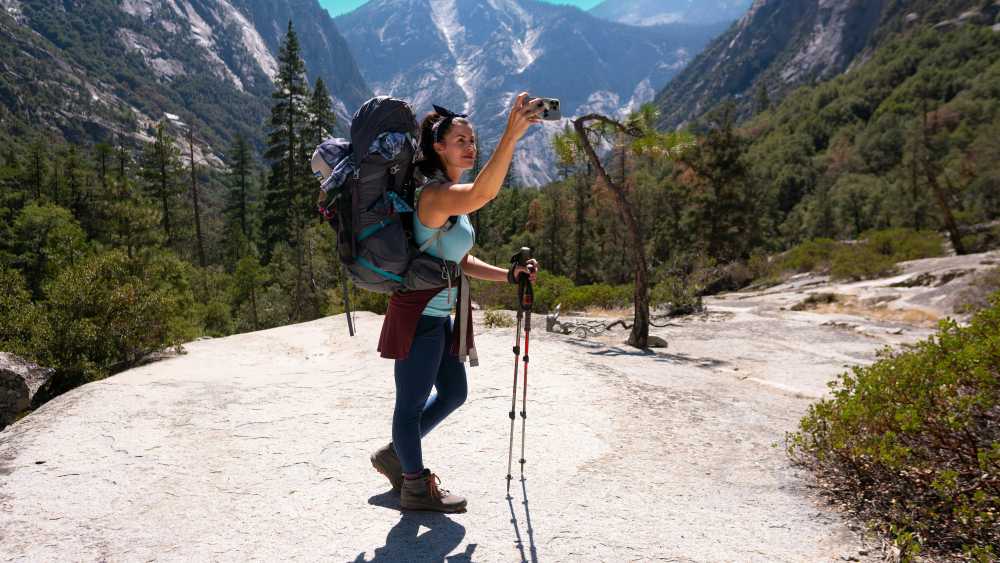
This guide is your tactical blueprint to do exactly that. We are moving beyond vague reassurances and diving into the essential, non-negotiable rules of solo female travel safety. This isn't about seeing the world through a lens of paranoia; it's about equipping yourself with the knowledge to navigate it intelligently. For a complete overview of the journey, start with our comprehensive pillar guide, The Ultimate Guide to Solo Female Travel (15 Essential Tips). These seven rules, however, are the bedrock—the field-tested strategies that will transform you from a worrier into a prepared and confident global explorer.
Rule 1: Build a "Lifeline Home" Before You Leave
The single most important phase of your safety strategy happens before you ever pack a bag. Creating a strong communication and information bridge between you and a trusted emergency contact back home is non-negotiable. This "mission control" is your ultimate safety net, ensuring that if you are ever unreachable, someone you trust has every critical detail needed to help.
Your "lifeline" packet should be a comprehensive dossier containing both physical and digital copies of the following, based on recommendations from the U.S. Department of State:
A Complete Itinerary: Detail your trip on a day-by-day basis, including flight numbers, train schedules, and the names, addresses, and phone numbers of all booked accommodations.
Copies of All Important Documents: Include the photo page of your passport, any necessary visas, your driver's license, and a full copy of your travel insurance policy, complete with the policy number and the 24/7 emergency assistance phone number.
Financial Information: Provide photocopies of the front and back of every credit and debit card you are carrying. The international toll-free numbers on the back are essential for canceling them if they are lost or stolen.
A Pre-Arranged Communication Plan: Establish a clear plan for when you will check in (e.g., a quick text upon arrival in a new city). Crucially, agree on a protocol for what your contact should do if you miss a check-in (e.g., wait 12 hours, then contact your hotel, then contact the nearest embassy).

Pro-Tip: The single most effective safety action you can take in under five minutes is to enroll your trip with the U.S. Department of State’s free Smart Traveler Enrollment Program (STEP). This provides the nearest U.S. Embassy or Consulate with your itinerary, creating a three-way digital bridge connecting you, your emergency contact, and the State Department for a coordinated response in a worst-case scenario.
Rule 2: Master Your Sanctuary with an Unbreakable Arrival Protocol
Think of your accommodation as more than just a place to sleep. It’s your secure base of operations, your private sanctuary to rest and recharge. Ensuring its integrity from the moment you arrive is a critical habit that provides profound peace of mind. Adopt this methodical security check and perform it automatically every single time you enter a new room.
Prop the Door Open. Before you fully enter, use your main piece of luggage to prop the door open. This simple action prevents the door from closing and locking behind you, guaranteeing an immediate escape route should the room not be empty.
Conduct a Full Room Sweep. With the door still open, perform a quick but thorough physical search. Check under the bed, behind all curtains, inside closets, and in the bathroom, including behind the shower curtain.
Verify All Locks. Once the room is confirmed to be empty, close the door and immediately test all locking mechanisms. Engage the deadbolt, chain lock, or security latch. Go to every window and any balcony doors to ensure they lock securely.
Deploy Your Personal Security. Your own devices provide a layer of protection entirely within your control. Immediately place a rubber wedge doorstop alarm under the main door or install a portable door lock like an Addalock. These inexpensive, lightweight devices are highly effective at preventing unauthorized entry, even from someone with a key card.
Locate and Map Emergency Exits. Find the fire exit map on the back of the door. Identify the two nearest exits, then physically walk the route to each one, counting the doors you pass. This mental map is invaluable for navigating in darkness or smoke.
Perform a Hidden Camera Scan. In an age of miniaturized electronics, a quick scan for hidden cameras is a prudent measure. Use your phone's flashlight to look for the tell-tale glint of a tiny lens in unexpected places like smoke detectors, alarm clocks, and USB wall chargers. In the dark, use your phone's front-facing camera (which is more sensitive to infrared light) to scan the space. Look for the small, often blinking, IR lights used by night-vision cameras that are invisible to the naked eye.
Adopt a "Verify, Then Open" Door Policy. Make it your strict policy to never open your door to an unsolicited knock. If someone claims to be from housekeeping, call the front desk using the room phone to verify they sent a staff member to your room.

YOUR ULTIMATE SAFETY TOOLKIT
Mastering your environment is the first step to confident travel. True preparedness means having the right tools for every situation. Our free, downloadable Solo Female Travel Safety Guide is the perfect companion to these rules. It's a comprehensive checklist and resource guide covering everything from what to pack to what to do in an emergency.
Rule 3: Take Absolute Control of Your Ground Transportation
Moving through an unfamiliar city can be a point of high vulnerability. Whether you’re using a ride-sharing app or a local taxi, you must shift from being a passive passenger to an active participant in your own safety. Adhere to this strict set of protocols for every single ride.
The "Match, Name, Share" Protocol for Ride-Shares
Match: Before you get in, carefully match the vehicle's make, model, and license plate number with the information in the app. Check that the driver's appearance matches their profile photo. If anything is off, do not get in the car.
Name: This is a critical verification step. Do not approach a vehicle and ask, "Are you here for Jane?" This gives a potential imposter the information they need. Instead, from a safe position on the curb, ask the driver, "Who are you here for?" A legitimate driver will be able to state your name correctly.
Share: Before your ride begins, use the app's built-in "Share Trip Status" feature. This sends a live map of your journey to a trusted contact, allowing them to track your progress in real-time.
Universal Rules for Every Ride
The Backseat Protocol: As a solo traveler, always sit in the back seat on the side opposite the driver. This creates crucial physical distance and gives you access to two separate exits.
The Route Protocol: Keep your own mapping application, like Google Maps, open on your phone throughout the journey. If the driver takes a significant, unexplained detour, you are empowered to question it. If the response makes you uncomfortable, end the ride in a safe, well-lit public area.

Rule 4: Create Layers of Personal and Digital Security
Your solo female travel safety strategy should be built on layers and redundancy. This means pairing smart practices with an effective toolkit of personal security devices and ensuring your digital lifelines are always active.
Your Personal Security Toolkit
Personal Safety Alarm: This is arguably the most valuable device for a solo traveler. An alarm like the She's Birdie emits an extremely loud siren (130+ decibels) and a flashing strobe light to startle an attacker and attract immediate attention. They are small, legal everywhere, and attach to a keychain for instant access.
Anti-Theft Bag: Invest in a bag with features like RFID-blocking pockets (to protect from electronic skimming), slash-proof fabric, and lockable zippers. A crossbody style worn in front of your body offers the most security.
Portable Door Lock / Alarm: As mentioned in Rule 2, carrying your own lock gives you absolute control over the security of your room, ensuring your sanctuary remains impenetrable.

Your Digital Security Layer
Your phone is your map, translator, and lifeline. A solar-powered power bank adds a critical layer of resilience to a standard one, ensuring you can maintain a charge even during power outages or on multi-day treks.
Rule 5: Project Confidence and Practice Proactive Situational Awareness
How you carry yourself has a profound impact on how you are perceived. Projecting confidence—even when you're feeling uncertain—is a powerful deterrent. Walk with purpose, keep your head up, and make brief eye contact. This signals that you are aware of your surroundings, not an easy target.
This confidence is fueled by situational awareness. It's not about being paranoid; it's about being present.
Understand the Local Landscape: Before arriving, research common tourist scams. A 2024 report noted that 29% of solo female travelers had experienced a theft or attempted scam. Knowing the playbook for ploys like the "friendship bracelet" or "spilled drink" allows you to disengage before you become a victim.
Trust Your Intuition: Your intuition is your most finely tuned security equipment. If a person, place, or situation feels "off," it probably is. You do not need a logical reason. Honor it. Cross the street, leave the bar, get in a different train car. Acting on your intuition is not rude; it is intelligent.
Manage Your Inputs: Be mindful of your alcohol consumption. Your awareness is your primary defense, and anything that dulls it increases your vulnerability.

Rule 6: Embrace That Safety Anxiety Decreases with Experience
It's crucial to understand the psychology of solo travel fear. The data reveals a powerful truth: the act of traveling solo is the most effective antidote to the fear of it.
Among women who have taken fewer than six solo trips, 77% report worrying about safety. That number drops dramatically to just 55% for those who have traveled solo more than ten times. This establishes a direct, negative correlation between experience and anxiety.
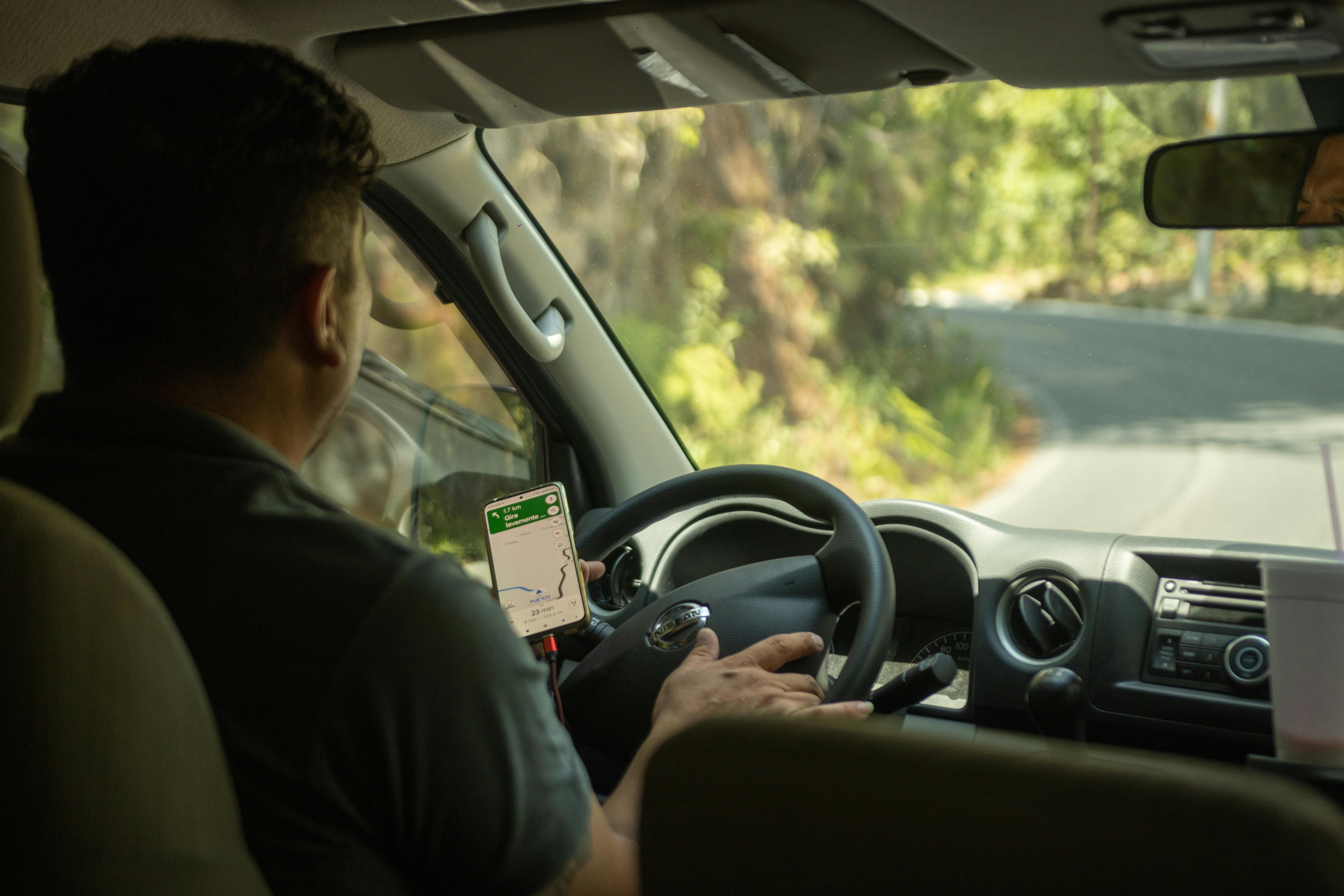
Every time you successfully navigate a new city and overcome a challenge, you are collecting real-world evidence of your own competence. This direct experience systematically replaces abstract, media-fueled fear with managed, situational awareness. You learn that while vigilance is essential, you are far more capable than you imagined. The goal of your first trip is to break this cycle of fear and begin the empowering loop of experience.
Rule 7: Never Outsource Your Safety to Chance—The Travel Insurance Mandate
For a solo traveler, travel insurance isn't an optional add-on; it is a foundational pillar of your financial security. A cheap policy is not a good deal if it doesn't have the right coverage. When evaluating policies, ensure the plan includes strong coverage in these key areas:
Emergency Medical Coverage: A policy should offer a minimum of $250,000 in benefits.
Emergency Medical Evacuation: This covers the potentially astronomical cost of transporting you to a hospital with adequate facilities or back home.
Emergency Medical Reunion (Companion Coverage): This is vital for solo travelers. If you are hospitalized, this coverage pays for a family member's transportation and accommodation to be at your bedside, providing invaluable logistical and emotional support.
Trip Interruption and Cancellation: This reimburses your non-refundable trip costs if you have to cancel or cut your trip short for a covered reason.
Frequently Asked Questions About Solo Female Travel Safety
What's the single most important safety device I should buy?
A personal safety alarm. While a doorstop and anti-theft bag are excellent, a loud, attention-grabbing alarm is the most versatile tool for deterring a potential threat in any public situation, day or night.
I'm nervous about nightlife. Should I just avoid going out after dark?
Not at all! The key is to be strategic. Have your transportation planned in advance—know exactly how you're getting home. Nurse your drink and never leave it unattended. Stick to well-lit, reputable areas and consider starting with a structured activity, like a group tour or a show, rather than just wandering.
How do I handle street harassment without escalating the situation?
The most effective strategy is confident disengagement. Do not respond or make prolonged eye contact. Project purpose and keep walking. In many cases, a reaction is what the harasser is seeking. If you feel you are being followed, walk into a busy, open shop or restaurant immediately.
Are group tours a good option for a safety-conscious first-timer?
Absolutely. An estimated 75% of women who have never traveled alone would be more likely to do so on a group tour. They provide a "scaffolded" entry into the world of solo travel. You can find tours vetted and reviewed by other solo female travelers on platforms like TrekGuider, which is a great way to build foundational confidence.

Your Journey to Confident Exploration Starts Now
The narrative around solo female travel safety is too often dominated by fear. But the data tells a different, more empowering story of capability and resilience. These seven rules are your framework—a practical system for managing risk and moving through the world with intelligent confidence. By internalizing these strategies, you build a foundation of competence from which you can freely and bravely explore.
Now that you have the safety blueprint, the truly exciting part can begin. Explore our collection of expert-written Travel Guide resources to find your perfect destination, and remember to download the essential Solo Female Travel Safety Guide. The world is waiting for you to discover it—and yourself.
Meta Data Suggestions:
SEO Meta Title (59 characters): The 7 Essential Solo Female Travel Safety Rules for 2026
URL Slug: solo-female-travel-safety-rules
SEO Meta Description (154 characters): From accommodation security to transport protocols, these 7 non-negotiable solo female travel safety rules will empower you to explore the world with confidence.
Don't Miss Out! Subscribe for Exclusive Content
SubscribeComments 0
No comments yet
Be the first to share your experience!
Dont Miss Out! Subscribe for Exclusive Content

How to Avoid Travel Scams: A Global Guide

Is Public WiFi Safe? How to Protect Your Data Abroad

A Woman's Guide to Safe Travel: 10 Critical Tips

7 Hotel Safety & Security Tips for Peace of Mind

9 Beach Safety Tips That Could Save Your Life
