
Solo Travel in Asia: Afford Your Dream Trip (No More Guessing)

TrekGuider @trekguider
You see the photos in your feed: the vibrant street food stalls of Hanoi, the serene, golden temples of Chiang Mai, the almost impossibly turquoise waters of the Philippines. You want that. But a cloud of anxiety hangs over the dream: the budget. You’ve seen the blogs promising epic adventures for "$30 a day," but a nagging voice in your head questions the reality. How can that possibly be the whole story? It feels like you're missing a huge piece of the financial puzzle, making it impossible to know if your hard-earned savings are really enough.
Let's be clear: you're right to be skeptical. The internet is a minefield of incomplete advice that conveniently ignores the thousands of dollars you'll spend on flights, comprehensive travel insurance, visas, and pre-trip vaccinations before your boots even touch the ground. This "per-day" myth is a dangerous fantasy that leads to stress and budget blowouts. You don't need a fantasy; you need a plan based on reality.

This is that guide. We're cutting through the noise to give you a reality-based playbook for budget solo travel in Asia, built on hard data and real-world experience. We will tackle the Total Trip Cost head-on, giving you a complete financial blueprint that empowers you to plan with unshakable confidence. While this guide is your financial strategy, mastering the art of traveling alone is equally crucial. For a complete playbook on mindset, safety, and logistics, be sure to read our comprehensive guide on .
Asia: The Undisputed Epicenter for Budget Solo Travel
For decades, Asia has been the champion for independent travelers seeking the ultimate trifecta: unparalleled diversity, profound cultural experiences, and an astonishingly low cost of living. The continent offers a sensory feast, from the futuristic skyline of Tokyo to the ancient, jungle-claimed ruins of Angkor Wat and the snow-capped Himalayan peaks of Nepal.
What makes it uniquely perfect for budget solo travel is the well-trodden "Banana Pancake Trail"—the unofficial network of routes across Southeast Asia that has created a strong and welcoming infrastructure for backpackers. This translates to an abundance of affordable hostels, cheap and mind-blowingly delicious street food on every corner, accessible transportation, and a built-in community of fellow travelers. It’s an environment practically engineered for exploration, where your dollar stretches further than almost anywhere else on Earth, allowing for longer, more immersive journeys without bankrupting you.

The World's Best Bargains: A Data-Driven Ranking of Asia's Top 10 Budget Nations
The sheer number of options in Asia can be overwhelming. To cut through the noise, we've created a composite ranking based on average daily cost, safety (using data from the Global Peace Index), ease of solo travel, and overall experience value. This is your starting point for planning an incredible budget solo travel in Asia itinerary.
The "Big 4" for Ultimate Value: Vietnam, Cambodia, Nepal, Thailand
These four nations are the undisputed kings of the classic backpacker circuit, and for good reason. This is where your travel fund has superpowers. Here, a daily budget of $25-35 isn't about survival; it's about thriving. We're talking $8 for a clean hostel dorm bed, $2 for a world-class bowl of Phở or Pad Thai from a street vendor, and less than $1 for a local beer. The value proposition is simply unbeatable for anyone planning budget solo travel in Asia.
The Best of the Rest: Indonesia, The Philippines, Laos, Malaysia
This next tier offers world-class experiences with a slight step up in daily cost. The Philippines is an archipelago of some of the planet's most beautiful beaches, a paradise for island hopping and diving. Laos offers a more tranquil, less-trodden path with breathtaking mountain scenery and a deeply relaxed atmosphere. And Malaysia, particularly the island of Penang, is a food lover's dream, blending Malay, Chinese, and Indian culinary traditions into a spectacular and affordable street food scene.
The Rising Star: Uzbekistan
Largely absent from mainstream guides, Uzbekistan is a hidden gem for the budget-conscious history buff. As a central hub of the ancient Silk Road, its cities—Samarkand, Bukhara, and Khiva—are architectural masterpieces of complex tilework and soaring minarets. With a high degree of safety, incredibly friendly locals, and rock-bottom prices, it offers a unique cultural experience far from the tourist crowds.
The Great Debate: How to Conquer Japan on a Backpacker's Budget
Japan has a reputation for being prohibitively expensive, but here's the inside scoop: thanks to a favorable currency exchange rate and a unique social infrastructure, it has become surprisingly accessible. The key is to travel like a local, not a tourist.
Sleep in capsule hotels: These futuristic pods offer a clean, private, and safe place to sleep for a fraction of the price of a standard hotel.
Embrace the conbini: Japanese convenience stores (7-Eleven, FamilyMart) are a culinary marvel. You can get delicious and healthy meals like onigiri (rice balls), sandwiches, and bento boxes for just a few dollars.
Focus on free attractions: Many of Japan's most beautiful sights, from serene Shinto shrines and sprawling city parks to vibrant neighborhoods like Harajuku, are completely free to explore.
By adopting these strategies, you can experience one of the world's most fascinating cultures on a budget of around $50-70 a day.
Your No-Nonsense Guide to a Realistic Budget for Solo Travel in Asia
Let's build your real-world budget. While daily spending is the fun part, a successful trip requires a holistic financial plan that starts long before you book your flight.
The Daily Budget Benchmark: What $30, $50, and $75 a Day Really Buys You

$30/Day (The Shoestring Backpacker): This is tight but achievable in the "Big 4." It covers a bed in a dorm hostel, exclusively eating street food, walking as your primary transport, and sticking to mostly free activities.
$50/Day (The Flashpacker): This is the sweet spot for a comfortable budget solo travel in Asia experience. It allows for a private room in a hostel or a budget guesthouse, a mix of street food and restaurant meals, the occasional Grab ride, and entry fees for major attractions.
$75/Day (The Comfort Seeker): At this level, you can afford budget hotels, enjoy meals in nice restaurants, take domestic flights to save time, and participate in more expensive activities like scuba diving courses without constantly checking your bank account.
Deconstructing Your On-the-Ground Costs: A Percentage-Based Breakdown
Once you land, a good rule of thumb for allocating your daily funds is:
Accommodation: 35%
Food & Drink: 25%
Activities & Attractions: 15%
In-Country Transport: 15%
Miscellaneous (laundry, SIM card, etc.): 10%
The Hidden Costs: Budgeting for the "Big 4"
This is the most important part of your budget—the major expenses you'll pay before you leave. Ignoring these is the #1 mistake aspiring travelers make.
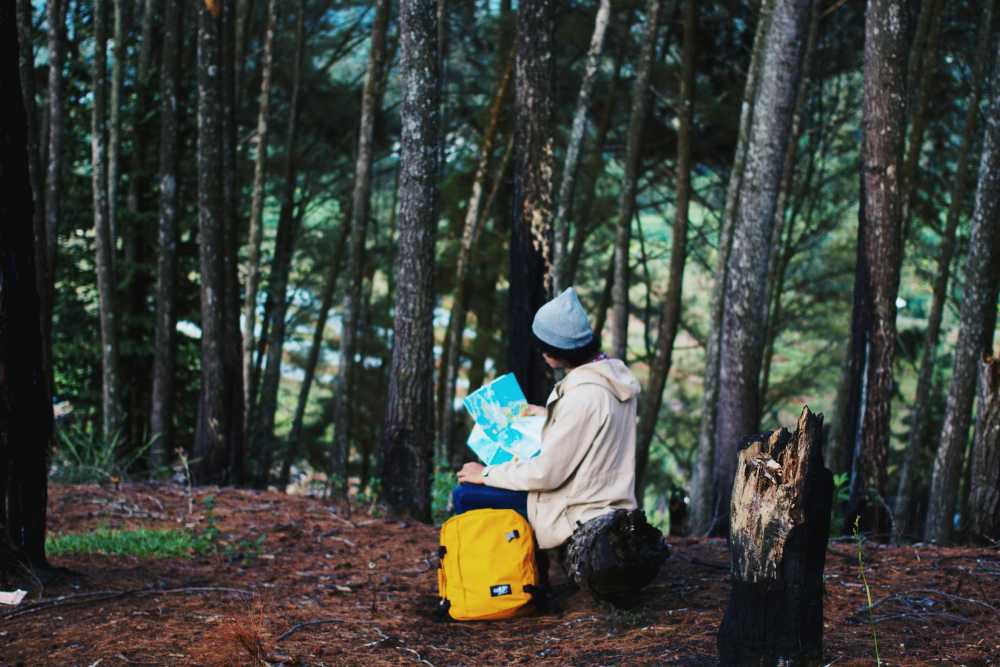
International Flights: This will likely be your single largest expense, ranging from $700 to $1,500+ for a round-trip ticket from the U.S. Use tools like Google Flights and Skyscanner, be flexible with your dates, and consider flying during the shoulder seasons (e.g., April-May, September-October) for huge savings.
Travel Insurance: A serious medical emergency or trip cancellation can be financially catastrophic without it. A comprehensive policy from a reputable provider like SafetyWing or World Nomads for a multi-month trip can cost between $300 and $700. It is the single most important investment you will make in your safety.
Visas: Costs and requirements vary wildly. Some countries offer free entry for U.S. citizens, while others require visas costing $30 to $100+. Research the official embassy websites for every country on your itinerary and budget accordingly.
Vaccinations & Meds: A pre-trip consultation with a travel doctor is essential. The cost of recommended vaccinations (like Typhoid, Hepatitis A, and Japanese Encephalitis) can easily add up to several hundred dollars.
Pro-Tip: Use Google Flights' 'Explore' map feature with flexible dates to visually find the cheapest entry point into Asia. Often, flying into a major hub like Bangkok (BKK) or Kuala Lumpur (KUL) and then taking a budget flight with AirAsia is significantly cheaper than a direct flight to your final destination.
Field Notes on Safety for Budget Solo Travel in Asia
Your safety matters most. Being prepared and aware isn't about being paranoid; it's about traveling with the quiet confidence of a pro.

Pre-Trip Protocol: Before you leave, make two photocopies of your passport, visa, and credit cards. Leave one set at home and keep the other in a separate bag from the originals. Save encrypted digital copies in a secure cloud service.
On-the-Ground Awareness: Petty theft is the most common crime. Be vigilant in crowded markets and on public transport. Never flash expensive electronics. Be politely skeptical of overly friendly strangers offering unsolicited help—these are often the lead-in to common tourist scams.
Accommodation Strategy: Read recent reviews from other solo travelers, especially solo women. Choose hostels or hotels in central, well-lit areas. Your accommodation is your safe haven; it's worth paying a few extra dollars for a better location and peace of mind.
A Note for Solo Female Travelers: While most of Asia is very safe, it’s smart to be mindful of cultural norms. In more conservative regions or when visiting temples, carry a scarf or sarong to cover your shoulders and knees. Trust your gut instinct—it is your most reliable safety tool. If a situation feels wrong, it is. Leave immediately.
Hacks to Stretch Your Travel Fund Further
Mastering a few key strategies can save you thousands over the course of a long trip.
Accommodation Hacks
Go analog for long stays. If you plan to stay a week or more, email or call the hostel directly to ask for a weekly rate. You can often get a 15-20% discount.
Master the art of the overnight journey. An overnight bus or train isn't just transport; it's a mobile hotel room that saves you one night's accommodation cost. In countries like Vietnam and Thailand, look for 'VIP' or 'sleeper' options, which often cost only a few dollars more for a fully reclining seat or bunk—an unbeatable value.
Food & Drink Hacks
Eat where the locals eat. Street food stalls and hole-in-the-wall restaurants with plastic stools and long lines of locals are where you'll find the most authentic and delicious food for the lowest prices.
Carry a reusable water bottle with a built-in filter (like a Lifestraw or Grayl). This saves you money on bottled water and dramatically reduces your plastic waste.
Transportation Hacks
Download Grab or Go-Jek. These ride-sharing apps are ubiquitous in Southeast Asia and offer fair, fixed pricing, eliminating the need to haggle with tuk-tuk or taxi drivers.
For long-haul bus and train travel, use a portal like 12Go Asia to compare prices and book tickets in advance, especially on popular routes.
Financial & Tech Hacks
Get a Wise (formerly TransferWise) card. This multi-currency account allows you to hold different currencies and withdraw money from ATMs with minimal fees, saving you a fortune on bank charges compared to your home debit card.
Buy an eSIM from a provider like Airalo before you leave home. This gives you affordable data the second you land, a massive convenience and safety advantage for navigating to your hostel.
Extending Your Trip: The Work-Exchange Secret
Platforms like Workaway and Worldpackers are game-changers for long-term budget solo travel in Asia. They connect you with hosts (often hostels, farms, or families) who offer free accommodation and sometimes food in exchange for a few hours of work per day. This is a phenomenal way to stretch your budget for months.
Pro-Tip: When withdrawing cash, always decline the ATM's "dynamic currency conversion." This is a fancy term for a terrible exchange rate. By choosing to be charged in the local currency (e.g., Thai Baht), you let your own bank handle the conversion at a much fairer rate, saving you 5-10% on every withdrawal.
Your Essential Asia Solo Travel Toolkit
Leverage technology to make your trip smoother, safer, and cheaper.

Financial: Wise, Revolut
Connectivity: Airalo, Holafly
Navigation: Google Maps (with offline maps downloaded!), Maps.me
Transportation: Grab, Go-Jek, 12Go Asia, Skyscanner
Accommodation: Booking.com, Hostelworld, Agoda
The Only Thing Left is to Go
The dream of an extended trip through Asia is not a fantasy reserved for the wealthy; it is an achievable goal for anyone armed with a solid, reality-based plan. By moving past the incomplete "per-day" myth and embracing a Total Trip Cost approach, you give yourself the financial clarity needed to travel with confidence, not anxiety. The strategies and tips in this guide are your blueprint. The path to a successful budget solo travel in Asia adventure is clear. The world is waiting for you.
Read the full guide: Anxious to Adventurous: The Ultimate Guide to Solo Travel Confidence
Don't Miss Out! Subscribe for Exclusive Content
Subscribe



Comments 0
No comments yet
Be the first to share your experience!
Dont Miss Out! Subscribe for Exclusive Content

Top 11 High-Paying Affiliate Programs for Travel Bloggers

High-Paying Affiliate Opportunities for Individual Travel Affiliates

Amazon Associates for Travel: Strategies to Maximize Commissions

How to Avoid Travel Scams: A Global Guide

A Woman's Guide to Safe Travel: 10 Critical Tips

7 Hotel Safety & Security Tips for Peace of Mind
The Complete Guide to Solo Road Trips: Planning, Safety & Vehicle Prep
TrekGuider @trekguider
You see the pictures, you hear the stories—the ultimate solo road trip, a journey of pure freedom on the open road. But when you actually start to think about it, a wave of very real questions hits hard: What if I get a flat tire in the middle of nowhere? How do I stay safe alone at a motel? Can I really handle all the planning, driving, and navigating by myself?
That initial thrill can quickly turn to anxiety, paralyzing you before you even check your tire pressure. Without a rock-solid plan, a dream trip can easily become a stressful, expensive, or even dangerous ordeal. The difference between a life-changing experience and a cautionary tale lies in preparation. While the logistics of solo travel are unique, the core principles of smart preparation are universal—a foundation just as crucial when mapping out Family Travel Ideas: The 2026 Guide to Unforgettable Trips as it is for hitting the road alone.
This guide is your solution. It is the definitive roadmap designed to systematically dismantle every fear and answer every question. We will replace uncertainty with a comprehensive, step-by-step framework covering everything from strategic planning and budgeting to critical safety protocols and vehicle preparation. After reading this, you will not only feel capable but completely empowered to pack your bags, turn the key, and confidently hit the road for one of the great solo road trips you've always imagined.

Why a Solo Trip is a Powerful Investment in Yourself
Before we dive into logistics, let's anchor ourselves in the why. A solo road trip is more than a change of scenery; it’s an active opportunity to disconnect from the demands of daily life and reconnect with the one person you can sometimes lose track of: yourself.
Absolute Freedom: You decide when to start, where to stop, and how long to linger. There are no compromises on the itinerary, the music, or the choice between a greasy-spoon diner and a scenic picnic. Every decision is yours alone.
Radical Self-Reliance: Successfully navigating hundreds of miles on your own is a profound confidence builder. You’ll learn to solve problems on the fly, trust your judgment, and discover a deep well of resilience you never knew you had.
The Luxury of Headspace: The long stretches of highway provide the mental space for deep thought and reflection. It’s a chance to process, dream, and learn what truly energizes you without the noise of external influence.
The Blueprint: Strategic Planning for the Open Road
While the soul of a road trip lives in its moments of spontaneity, its backbone is forged in smart preparation. This isn't about creating a rigid, fun-killing schedule; it's about building the strong framework that enables true freedom and removes decision fatigue when it matters most.
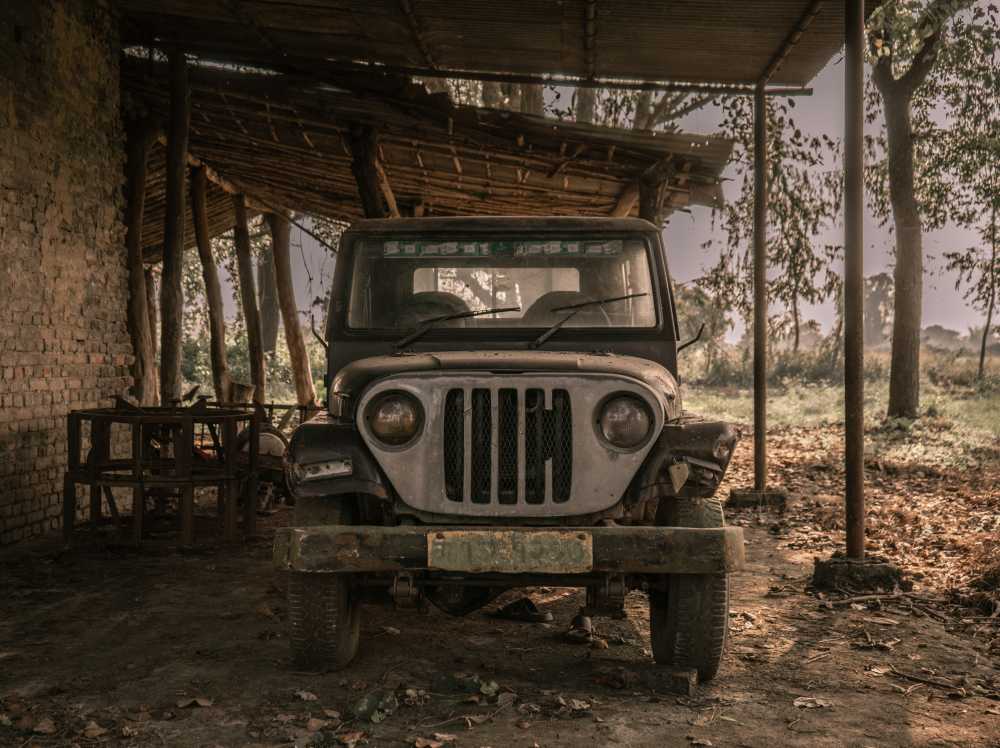
Define Your Mission: Destination & Purpose
First things first: What kind of journey are you craving? Your answer will be the compass for your entire plan. Are you seeking:
Rejuvenation? Picture a scenic drive along Oregon's coast, with stops in quiet towns and fog-laced forests.
High Adventure? A route looping through Utah's "Mighty 5" national parks, filled with challenging hikes and epic vistas. Planning a park-centric journey is a classic for a reason, and our National Park Road Trip Checklist can be an invaluable tool.
Cultural Discovery? A trip winding through the historic backroads of New England or the music-rich towns of the Mississippi Delta.
Your "why" dictates your route. The iconic Pacific Coast Highway delivers on coastal drama, while a journey along Route 66 is a nostalgic dive into Americana. Use tools like Google Maps, Roadtrippers, and travel blogs to map a general path, but also search for terms like "scenic byways in California" (or whichever state you're exploring) to uncover less-traveled gems.
The Art of the Flexible Itinerary
A rigid, minute-by-minute schedule is the enemy of a great road trip. The goal is to create a structured yet pliable plan.
Respect Your Driving Limits: This is the golden rule. Aim for no more than 4-6 hours of actual driving per day. This prevents burnout, gives you ample time to explore your stops, and, crucially, ensures you can arrive at your lodging before dark.
Anchor Your Journey: Always pre-book your accommodation for the first night and the last night of your trip. This brackets your journey, removing the stress of finding a place to stay when you’re either buzzing with first-day energy or exhausted from the final leg.
Identify Key "Pillars": Pinpoint the 2-3 must-see sights, cities, or parks on your route. These are your pillars. Plan your overnight stays around them, giving yourself enough time to explore them properly.
Embrace the In-Between: For the days between your pillars, keep your plans loose. This is where the magic happens. It allows you to follow a sign for a quirky roadside museum, spend an extra two hours at a breathtaking viewpoint, or explore a town that just feels right.
Budgeting: Your Financial Freedom Fund
A clear budget isn't a leash; it’s the tool that frees you from financial stress on the road.
Fuel: Use an app like GasBuddy to estimate total fuel costs based on your car's MPG and planned mileage. Be conservative and round up.
Lodging: Research average costs for hotels, motels, or campgrounds in your target areas. Prices can fluctuate wildly by season and local events.
Food & Drink: Set a daily food budget. Packing a cooler with drinks, snacks, and breakfast items is a pro move that drastically cuts costs.
Activities: Account for national park passes (an "America the Beautiful" annual pass is often a great value), museum tickets, and tours.
The "Uh-Oh" Fund: This is non-negotiable. Set aside 15-20% of your total budget as a contingency. This fund is for the flat tire, the surprise concert ticket, or the necessary hotel upgrade after a rough day.
Pro-Tip: Before you go, call your bank and credit card companies to notify them of your travel plans. This prevents them from freezing your account due to "unusual activity" when you're buying gas 500 miles from home.
Mastering Solo Road Trips with Confidence
Your personal safety matters most. A proactive, systematic approach doesn't create fear; it builds the confidence you need to explore freely.

Personal Safety
Think of your awareness as your most critical travel companion—the one piece of gear that should never be packed away. It's your built-in radar for navigating the world with confidence.
Share Your Battle Plan: Leave a detailed copy of your itinerary with at least two trusted friends or family members. Include hotel names, addresses, and phone numbers.
The Daily Check-In: Establish a simple system. A quick "Made it to Flagstaff! All good." text each evening provides peace of mind for everyone.
Daylight is Your Ally: Plan your driving to end well before sunset. Navigating unfamiliar roads and finding your hotel is infinitely easier and safer in the light.
Trust Your Gut Instinct: Your intuition is a highly evolved threat-detection system. If a gas station, rest stop, or situation feels wrong, it is wrong for you. Leave immediately. Don't second-guess it.
Walk with Purpose: Project confidence. Be aware of your surroundings. Avoid looking lost or glued to your phone. If you need to check a map, step inside a coffee shop or store.
Social Media Lag Time: Share your amazing photos after you've left a location. Posting your real-time whereabouts can broadcast your solo status to the wrong people.
A DEEPER DIVE ON SAFETY
For many independent travelers, safety is the number one concern. We've compiled a comprehensive resource filled with actionable strategies and expert advice specifically for navigating the world on your own.
Download our free Solo Female Travel Safety Guide to build unshakeable confidence for your next adventure.
The Solo Mindset: From Loneliness to Solitude
Let’s address the elephant in the room: loneliness. It's a valid concern, but it's crucial to differentiate it from solitude. Loneliness is a lack; solitude is a presence—the presence of yourself.
Embrace Dinners for One: Bring a book or a journal. Use the time to people-watch and savor your meal without distraction.
Strike Up Casual Conversations: Chat with the barista, the park ranger, or the shopkeeper. These small interactions can provide a welcome dose of human connection without any obligation.
Schedule Calls Home: Plan a few calls with friends or family during your trip. Hearing a familiar voice can be a great reset if you're feeling isolated.
Your Co-Pilot Check
On a solo trip, your car isn't just transportation; it's your partner. Ensuring it's in peak condition is the single most important thing you can do before you leave.

The Pre-Flight Mechanical Inspection
At least one week before you depart, have your vehicle inspected by a trusted mechanic, or do it yourself if you're knowledgeable.
Tires (The Four You See and The One You Don't): Check the pressure on all four tires plus the spare. Inspect the tread depth using the "penny test." If the tread doesn't cover Lincoln's head, you need new tires.
Fluids: Check your oil, coolant, brake fluid, and windshield washer fluid. Get an oil change if you're within 1,000 miles of your next service interval.
Brakes: Listen for squealing. Feel for any vibration when braking. Don't compromise here; get them checked if there's any doubt.
Battery: Look for corrosion (a white, powdery substance) on the terminals. If your battery is over three years old, have it load-tested at an auto parts store (it's often free).
Lights & Wipers: Test all lights. Replace wiper blades if they're cracked or leave streaks. A sudden downpour is a terrible time to discover they're useless.
Building the Ultimate Roadside Emergency Kit
A well-stocked kit can turn a trip-ending crisis into a manageable inconvenience. Having a comprehensive checklist is key. A great starting point for any major is our International Travel Checklist, which you can adapt for a domestic journey.
Jumper cables and a portable jump starter
Tire pressure gauge and a portable 12V air compressor
A complete first-aid kit
A powerful LED flashlight or headlamp (with extra batteries)
Basic toolkit (multi-tool, adjustable wrench, screwdrivers, gloves)
Duct tape and zip ties
Reflective warning triangles
A warm blanket, emergency rain poncho
High-energy, non-perishable snacks (protein bars, nuts)
At least one gallon of water
Pro-Tip: A portable jump starter (a small lithium-ion battery pack) is the best safety device a solo traveler can buy. It allows you to jump-start your own car without the need for another vehicle or the risk of asking a stranger for help.
Frequently Asked Questions
How much should I budget for a solo road trip?
Your main costs will be fuel, lodging, and food. A good starting point for a domestic US trip is to budget $150-$250 per day. This can be much lower if you're camping and cooking your own meals, or higher if you prefer nicer hotels and restaurants. Always add a 15-20% contingency fund for unexpected costs.
What's the best way to stay safe at rest stops or gas stations?
Choose busy, well-lit locations whenever possible. Before you get out of the car, take a moment to observe your surroundings. Stay off your phone, be aware of who is around you, and trust your gut instinct. If a place feels unsafe, leave and find the next one.
Is it better to book all my accommodations in advance for a solo trip?
We recommend a hybrid approach. Book your first and last nights in advance to reduce stress. For the nights in between, having flexibility is great, but it's wise to book your next night's stay at least 24 hours in advance, especially in popular areas, so you're not left scrambling at dusk.
Turn the Key: Your Adventure Begins Now
The journey of a thousand miles begins not with a single step, but with a decision—the decision to prepare. By now, the idea of a solo adventure should feel less like a daunting challenge and more like an exciting, achievable reality. You have the framework for careful planning, the knowledge to build a strong safety net, and the checklist to ensure your vehicle is a reliable partner.
You are equipped to handle the road with confidence and embrace the unparalleled freedom that only solo road trips can offer. The open road is not just a path to a new destination; it’s a path to a more capable and self-aware version of yourself. The planning is part of the adventure. The preparation is part of the empowerment. Now, it's time to put it all into action. Go create a story that is entirely your own.

Don't Miss Out! Subscribe for Exclusive Content
SubscribeComments 0
No comments yet
Be the first to share your experience!
Dont Miss Out! Subscribe for Exclusive Content
San Francisco Cherry Blossoms: A Local's Guide to the Blooms
Halloween SF: Haunts Without Horrors
SF Festivals: 7 Must-See Lineups
Christmas SF: Lights & Wharf Wonders

SF Pride: 6 Route & Party Hacks

Chinese New Year SF: Parade Essentials
15 Travel Blog Niche Ideas with Low Competition
TrekGuider @trekguider
You have a burning passion for travel and a library of stories to tell. The idea of starting a travel blog feels like a natural calling—a potential path to a life with more freedom, adventure, and purpose. But a single, paralyzing question stops you cold: What could I possibly write about that hasn't already been said a thousand times?
Let’s be clear: this fear of competition is not just justified; it's rational. In a creator economy projected to swell from $250 billion to nearly $500 billion by 2027, the digital world is a deafening roar of content. Simply launching a generic "travel blog" today is a recipe for failure, a surefire way to get lost in the noise and join the ranks of abandoned passion projects. You're stuck in a state of "pre-beginner paralysis," putting your dream on hold because you don't have a unique angle.
This guide is your map out of that paralysis. We are going to solve this problem by providing a curated list of 15 low-competition travel blog niche ideas designed to help you stand out and build a dedicated audience from day one. This isn't just a brainstorming list; it's a strategic blueprint for choosing a profitable corner of the travel world you can definitively own. This is the critical first step in building a real business, a foundational move on the path we map out in our ultimate guide to How to Make Money Online: A Creator's Guide for 2026.

Why a Niche Isn't Optional—It's Your Only Strategy
The hard truth of the modern creator economy is that the rewards are not evenly distributed. Our research reveals a stark power-law curve where a tiny fraction of creators captures the vast majority of the revenue. Only about 4% of global creators earn an income exceeding $100,000 per year. These top earners aren't just lucky; they are strategic. They operate as "Creator CEOs," and they understand that the only way to succeed in a crowded market is to be a big fish in a small pond.
Specificity is your single greatest real advantage. By choosing a well-defined niche, you:
Face Less Competition: Instead of competing with giants on broad terms like "Italy travel," you can become the go-to authority for a specific topic, like "accessible travel in the Italian countryside."
Build Authority Faster: It's exponentially easier to be seen as an expert on a narrow subject. This focus allows you to create truly in-depth, valuable content that establishes unshakable trust and credibility.
Attract a Dedicated Audience: A niche blog speaks directly to the needs and passions of a specific group of people, creating a loyal community that is far more engaged—and valuable—than any general audience.
Monetize More Effectively: A targeted audience is a goldmine for advertisers and affiliate partners. Brands will pay a premium to reach a highly engaged, niche demographic that they know is interested in their products.
In 2026, "niching down" isn't a suggestion; it's the foundational business decision that separates thriving creator enterprises from struggling hobbies.

15 Low-Competition Travel Blog Niche Ideas for 2026
This list is designed to spark your imagination and highlight underserved corners of the travel market. As you read, think not just about the topic, but about the specific person you would be serving and the clear monetization paths available.
1. Eco-Friendly & Sustainable Travel
Focus on low-impact tourism, conservation-focused experiences, eco-certified resorts, and ethical travel practices.
Target Audience: Environmentally conscious travelers, from millennials to families, who want their tourism dollars to make a positive impact.
Monetization: Affiliate partnerships with sustainable travel companies, eco-lodges, green-certified gear brands (like Patagonia), and carbon offsetting programs.
2. Remote Work & "Workation" Travel
Become the ultimate resource for the growing army of digital nomads and remote workers. Create guides on finding accommodations with reliable WiFi, the best co-working spaces, and navigating complex visa requirements.
Target Audience: Remote workers, digital nomads, and companies with flexible work policies.
Monetization: Affiliate links for long-term stay platforms (like Agoda or Vrbo), travel insurance for nomads (like SafetyWing), and essential productivity gear.
3. Wellness & Mindfulness Retreats
Center your content around yoga retreats, meditation centers, silent retreats, and health-focused travel experiences.
Target Audience: Individuals seeking rejuvenation, stress relief, and personal growth through travel.
Monetization: High-commission affiliate programs for retreat centers and wellness brands, or selling your own digital products like guided meditation audio tracks.
4. Culinary Tourism (Hyper-Niche)
Don't just be a "food travel" blog. Go deeper. Focus on a specific cuisine (e.g., "Exploring the Regional Cuisines of Southern Italy"), a specific dish (e.g., "The Global Search for the Perfect Ramen"), or a dietary need (e.g., "Gluten-Free Travel in Southeast Asia").
Target Audience: Foodies with specific interests or dietary restrictions who plan their trips around eating.
Monetization: Affiliate links for cooking classes and food tours (like Take Walks or GetYourGuide), and selling your own niche digital cookbooks.
5. Film & TV Location Tourism
Create detailed guides to visiting the real-life filming locations of popular movies and TV shows. Think "A Game of Thrones Fan's Guide to Croatia" or "A Harry Potter Fan's Guide to the UK."
Target Audience: Passionate fans of specific franchises who want to step into the world of their favorite stories.
Monetization: Affiliate links for themed tours, local hotels in filming locations, and official merchandise.

6. Traveling with Pets
Provide practical, in-depth advice on pet-friendly accommodations, airline policies, required documentation, and activities for traveling with dogs or other animals.
Target Audience: Dedicated pet owners who refuse to leave their furry family members behind.
Monetization: Affiliate programs for pet-friendly hotel chains (like Kimpton), pet travel gear, and specialized pet insurance.
7. Off-the-Beaten-Path Destinations
Focus exclusively on underrated cities, remote regions, and hidden gems that are not yet mainstream tourist attractions. Become the expert on places most other bloggers ignore.
Target Audience: Adventurous, independent travelers looking to escape the crowds and discover unique, authentic places.
Monetization: Affiliate links for boutique hotels and local tour operators in these lesser-known areas, who often offer higher commission rates.
8. Multi-Generational Family Travel
Tailor your content to the unique challenges and joys of planning trips for large family groups that include children, parents, and grandparents.
Target Audience: The family "planners" (often moms or grandmas) organizing large group vacations.
Monetization: Affiliate partnerships with villa rentals, all-inclusive resorts, cruise lines, and tour companies that offer family-friendly packages.
9. Accessible Travel
Create invaluable guides and resources for travelers with disabilities, focusing on wheelchair-accessible hotels, attractions, transportation, and tours.
Target Audience: A critically underserved market of travelers with mobility challenges and their families.
Monetization: Building direct affiliate partnerships with specialized travel agencies, accessible accommodation providers, and mobility equipment rental companies.
10. Seasonal & Event-Driven Travel
Center your blog around traveling for specific annual events. This could be major cultural festivals (Oktoberfest, Dia de los Muertos), sporting events (Olympics, World Cup), or natural phenomena (cherry blossoms in Japan, Northern Lights).
Target Audience: Enthusiasts and fans traveling for a specific, time-sensitive purpose.
Monetization: Affiliate income from event tickets, flights, and hotels, which are often booked far in advance at premium prices.

11. Expat & Moving Abroad Guides
Focus on the complex logistical aspects of moving to another country, including navigating visas, setting up bank accounts, finding housing, and integrating into a new culture.
Target Audience: Individuals and families planning to relocate for work, study, or retirement.
Monetization: Affiliate programs for international moving companies, language learning software (like Babbel), and specialized visa services.
12. Adventure Travel for Beginners
Demystify adventure activities for newcomers. Create content that breaks down how to get started in hiking, scuba diving, rock climbing, or kayaking in a way that is accessible and not intimidating.
Target Audience: Individuals who are curious about adventure travel but don't know where to start and feel overwhelmed.
Monetization: Affiliate links for beginner-friendly tours, introductory courses, and entry-level gear from trusted brands like REI.
13. Historical & Archaeological Travel
Create deep dives into historical sites, ancient ruins, and archaeological tours. Go beyond the surface-level facts and explore the compelling stories behind the world's most significant historical locations.
Target Audience: History buffs, lifelong learners, and travelers who crave intellectual depth in their journeys.
Monetization: Affiliate partnerships with expert-led tour companies and selling your own in-depth historical Travel Guide—a perfect product to list on a specialized marketplace like TrekGuider where travelers are actively searching for expert knowledge.
14. Volunteer & "Travel for a Cause" Tourism
Focus on the world of ethical volunteering opportunities, social impact tours, and ways to support local communities while traveling.
Target Audience: Socially conscious travelers, students, and gap-year participants looking for meaningful, purpose-driven experiences.
Monetization: Partnering directly with vetted non-profit organizations and ethical tour operators.
15. The Micro-Destination Blog
Instead of covering the world, become the single greatest expert on one specific city, region, or small country. Aim to be the undisputed authority on "Everything You Need to Know About Visiting Malta" or "The Ultimate Guide to Portland, Oregon."
Target Audience: Anyone and everyone planning a trip to that one specific destination.
Monetization: Dominate the local market by building direct affiliate partnerships with every relevant hotel, restaurant, and tour operator in that one area.
Brainstorming Your Next Move: From Niche to Product
Feeling inspired? The logical next step after choosing a powerful niche is to brainstorm a digital product that perfectly serves that specific audience. Creating your own asset is the fastest path to profitability. Our free Digital Product Ideas Guide is the perfect tool to help you move from idea to income.
From Inspiration to Viability: The 5-Step Validation Gauntlet for your travel blog niche ideas
Having a great idea is only the first step. Before you invest hundreds of hours into a new blog, you must run your chosen niche through a rigorous validation process. A validated niche has proven audience demand and proven income potential. Use this five-step checklist.
Map the Keyword Landscape: This is your data-driven reality check. Use an SEO tool to analyze search volume. You're not looking for massive, competitive terms. Instead, you're hunting for a healthy ecosystem of "long-tail" keywords (phrases of 3+ words) with lower competition. A high volume of specific questions indicates a hungry and engaged audience.
Reverse-Engineer the Revenue: Competition is validation. Find 3-5 established creators in your potential niche and become a student of their business. Your goal isn’t to analyze their content, but their monetization. Are they running premium ads? Do they have a strong affiliate strategy? Crucially, are they selling their own digital products? If you can clearly see multiple paths to profitability, it validates the niche’s commercial viability.
Listen in on the Community: Go where your target audience gathers online. Search for relevant subreddits (like r/digitalnomad or r/solotravel), dive into niche Facebook Groups, and explore online forums. Pay close attention to the questions people are asking, the problems they are facing, and the recommendations they are seeking. A constant stream of discussion is a powerful sign of a passionate audience.
Confirm Affiliate Availability: This is a straightforward way to test income potential. Search major affiliate networks like CJ Affiliate and ShareASale for brands and products related to your niche. The existence of multiple, high-quality affiliate programs proves that companies are actively spending money to reach customers in that market.
Check the Trend Lines: Use Google Trends to analyze the long-term interest in your niche topic. Is interest stable or growing over time, or is it a declining fad? A niche with sustained or increasing interest over the past five years is a much safer business to build than a topic that saw a brief, fleeting spike in popularity.
Pro-Tip: True validation comes from the intersection of these methods. A niche is a "go" when you find clear evidence of both Audience Interest (from keyword research and social listening) and Commercial Intent (from competitor analysis and affiliate program availability). Don't proceed until you have both.

Frequently Asked Questions (FAQ)
1. Is it okay if other blogs already exist in my chosen niche?
Yes, it's more than okay—it's a good sign! A complete lack of competitors could be a red flag that there is no audience or market for the topic. The presence of a few successful blogs proves that a market exists and that there are viable ways to make money. Your goal isn't to be the first, but to be better, more specific, or to offer a unique perspective.
2. How narrow is too narrow for a travel blog niche?
A niche is too narrow only if there isn't a passionate audience or a clear path to monetization. A blog exclusively about "left-handed rock climbing in northern Chile" might be too specific. A blog about "adventure travel for beginners," however, is a fantastic niche. Use the validation steps above; if you can't find search volume, online communities, or relevant products to promote, you may need to broaden your focus slightly.
3. Do I have to be a world-class expert to start a niche blog?
You don't need to be the world's foremost authority, but you do need to be more knowledgeable than your target reader and intensely curious to learn more. The best niche blogs are often written by "expert learners" who document their journey of mastering a topic, bringing their audience along for the ride. Authenticity and a commitment to providing genuine value are more important than having all the answers from day one.
Your Journey Starts with a Single, Smart Choice
The dream of a successful travel blog is more attainable today than ever before, but only for those who approach it as a business from the very beginning. The days of the generic travelogue are over. Your path to a profitable and sustainable creator business begins with a single, crucial decision: your niche.
You now have a list of promising, low-competition travel blog niche ideas and a proven framework for validating your own. Don't let indecision be the roadblock that keeps you from starting. Use this guide to analyze your passions, research the market, and choose a corner of the travel world you can enthusiastically own. This focused approach is the key to getting noticed, building a loyal audience, and turning your passion for travel into a thriving enterprise.

Meta Data Suggestions
SEO Meta Title (58 characters):
15 Low-Competition Travel Blog Niche Ideas for 2026
URL Slug:
/travel-blog-niche-ideas
SEO Meta Description (154 characters):
Stuck on what to blog about? Discover 15 low-competition travel blog niche ideas to help you stand out, attract a loyal audience, and build a profitable blog.
Read the full guide: The Travel Blog Business Plan: How to Make Real Money in 2026
Don't Miss Out! Subscribe for Exclusive Content
SubscribeComments 0
No comments yet
Be the first to share your experience!
Dont Miss Out! Subscribe for Exclusive Content

Ultimate USA Holidays Guide: Top Picks

FTC Affiliate Disclosure Essentials: Stay Compliant as a Travel Creator

Essential Affiliate Tools: From Tracking to Full Optimization

Avoid These 5 Affiliate Landing Page Mistakes for Better Conversions

Affiliate Keyword Research Mastery for Travel Blogs
