
Best Family Vacations: How to Finally Pick the Right One

TrekGuider @trekguider
Staring at a map, overwhelmed by options? You're not alone. The pressure to choose the perfect family vacation—one that delights a toddler, engages a teen, and actually feels like a break for you—is immense. It’s a high-stakes puzzle where the fear of getting it wrong can be paralyzing. This guide is your solution.
It's engineered to cut through that noise. This isn't just another list; it's a practical plan designed to help you confidently identify the absolute best family vacations for your unique crew.
Building on the core principles of our Family Travel Ideas: The 2026 Guide to Unforgettable Trips, we apply our "travel style" analysis to 15 premier destinations. Each has been rigorously vetted for its appeal and, just as importantly, for its operational excellence in making family travel seamless. This is your definitive resource for turning the anxiety of planning into the pure excitement of a perfectly chosen adventure.
At a Glance: The Best Family Vacation for Your Crew
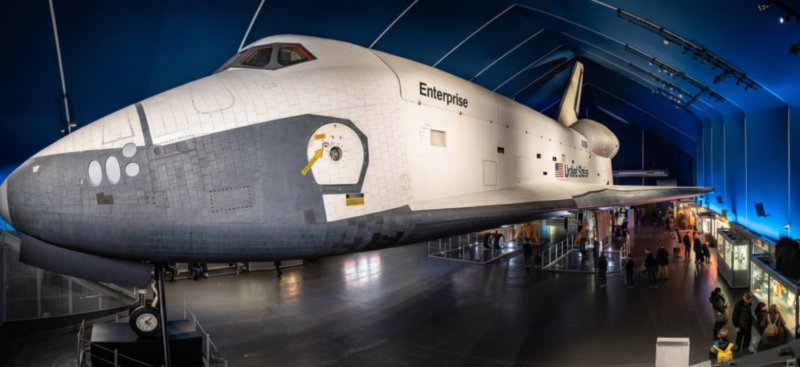
For the Relaxation-Oriented: Minimal Logistics, Maximum Restoration
These destinations are architected to reduce decision fatigue and eliminate logistical friction, making them ideal for first-time family travelers, those with very young children, or anyone whose primary objective is genuine rest.
1. Beaches Turks & Caicos: The Gold Standard of All-Inclusive
This resort functions as a self-contained vacation ecosystem, setting the industry standard for the luxury all-inclusive family model.
Strategic Advantage: The resort's primary asset is its comprehensive infrastructure for children of all ages, from certified nannies for infants to a sophisticated Xbox lounge for teens and a 45,000-square-foot waterpark. This allows for a rare vacation dynamic where parents can achieve genuine relaxation while children are safely and happily engaged. If this is your goal, be sure to read our guide on The Secret to Stress-Free All Inclusive Family Vacations.
Logistical Considerations: As a premium offering, this is one of the more expensive options. Booking at least six to nine months in advance is critical, especially for travel during school holidays. The flight to Providenciales (PLS) is direct from many major U.S. hubs.
2. Aulani, A Disney Resort & Spa, Hawaii: Sophisticated Island Magic
This resort masterfully blends the immersive storytelling of Disney with the rich cultural fabric of Hawaii, offering a sophisticated alternative to a theme park vacation.
Strategic Advantage: Aulani excels at creating parallel experiences for adults and children. While kids engage in the supervised activities at Aunty's Beach House (a best-in-class kids' club), adults can enjoy the adult-only pools, the Laniwai spa, or fine dining. The protected, calm lagoon is a significant safety feature for families with toddlers.
Logistical Considerations: The resort is located in Ko Olina, about 30-45 minutes from the Honolulu airport (HNL) and Waikiki. A rental car offers flexibility, but it's possible to remain on-resort. Book character dining and other popular experiences the moment your booking window opens.
3. A Family-Focused Cruise: The Multigenerational Solution
Modern cruise ships from lines like Royal Caribbean or Disney are floating resorts designed to cater to a wide array of interests and energy levels.
Strategic Advantage: A cruise is arguably the most efficient model for a multigenerational vacation. The vessel itself is the destination, offering a controlled environment with a vast spectrum of dining, entertainment, and relaxation options consolidated in one place. It solves the complex problem of coordinating activities and meals for a large, diverse group.
Logistical Considerations: Scrutinize the ship's itinerary and "at sea" days. Pay close attention to the specific amenities on your chosen ship, as they vary significantly. Shore excursions should be booked well in advance. While the base price can be appealing, budget carefully for additional costs like drink packages and gratuities.

For the Outdoor Adventurer: Immersive Natural Encounters
These destinations prioritize engagement with the natural world, offering a powerful antidote to a technologically saturated daily life. They are best suited for active families with school-aged children and teens.
4. Zion & Bryce Canyon National Parks, Utah: A Journey into the Sublime
This pairing offers a journey through two of the most geologically distinct and jaw-dropping landscapes in North America.
Strategic Advantage: The parks provide a "choose your own adventure" model of graduated physical challenges. Families can opt for accessible, paved paths like the Pa'rus Trail in Zion or undertake more strenuous, iconic hikes. This adaptability makes it suitable for families with varying fitness levels.
Logistical Considerations: These parks have seen a massive surge in popularity. Stay in Springdale for Zion and use the mandatory park shuttle. Lodging must be booked a year in advance. The best times to visit are spring and fall to avoid extreme summer heat. Grab our National Park Road Trip Checklist to stay organized.
5. Costa Rica: The Ultimate Eco-Adventure
A global pioneer in ecotourism, Costa Rica offers a safe, accessible, and exhilarating introduction to tropical biodiversity.
Strategic Advantage: The country's well-established tourism infrastructure is specifically geared toward family adventure. Reputable tour operators offer a seamless experience for activities like zip-lining, volcano hikes, and guided rainforest tours, managing all equipment and safety protocols. This allows families to experience high-adventure activities with a professional safety net.
Logistical Considerations: Don't attempt to see the entire country in one trip. A highly effective itinerary focuses on two regions: the Arenal area and the Manuel Antonio region. A 4x4 rental is advisable. Remember to download your International Travel Checklist before you go!
6. The Black Hills, South Dakota: An Iconic American Road Trip
This region offers a classic American road trip experience, combining national monuments with extensive outdoor recreation and a rich history of the American West. This is one of our favorite ideas for A Midwest Family Road Trip That Actually Wows Kids.
Strategic Advantage: The density and variety of attractions within a relatively compact geographical area minimize drive times and maximize engagement. In a single day, a family can visit Mount Rushmore, hike in Custer State Park, and drive the Needles Highway.
Logistical Considerations: Base your stay in a central location like Keystone or Custer. The best time to visit is late summer or early fall. Be prepared for crowds at major monuments; visiting early in the morning is a sound strategy.
Turn Your Plan Into Reality
Choosing the perfect trip is one thing—organizing it is another. To help you structure your days, track bookings, and keep all your plans in one place, download our free Travel Itinerary Template. It's the simple, powerful tool that turns your dream trip into a stress-free reality.
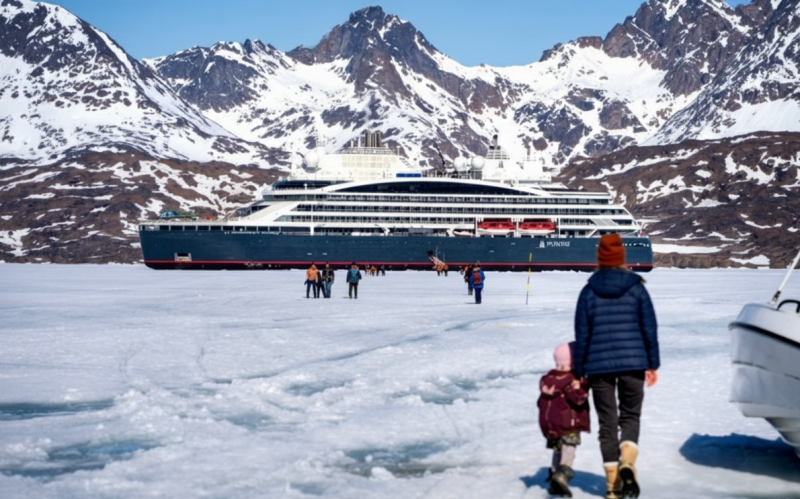
For the Curious Mind: Education through Exploration
These destinations are living classrooms, transforming history, culture, and science from abstract concepts into tangible, multi-sensory experiences.
7. Washington, D.C.: A Museum with a City Built Around It
The nation's capital offers an unparalleled density of world-class, and largely free, cultural and historical institutions.
Strategic Advantage: The Smithsonian Institution is a national treasure. The sheer quality and interactivity of the exhibits at the National Museum of Natural History and the National Air and Space Museum can ignite a child's curiosity in a way no textbook can.
Logistical Considerations: Don't attempt to conquer the entire National Mall in one day. A superior strategy is to select one or two museums per day. The city's Metro system is the most efficient mode of transport.
8. London, England: The Perfect First Trip "Across the Pond"
For many American families, London serves as the perfect gateway to international travel, offering a rich historical mix with the convenience of a shared language.
Strategic Advantage: History is palpable and accessible here. Standing in the Tower of London or touring the Churchill War Rooms provides a powerful, contextual understanding of world events. The city's blend of ceremony and modern attractions caters to a wide range of interests.
Logistical Considerations: The "Tube" (Underground) is exceptionally efficient. Purchase Oyster cards upon arrival. Book major attractions online in advance to secure timed entry slots.
9. Colonial Williamsburg, Virginia: America's Origin Story, Brought to Life
This destination offers a uniquely immersive and interactive journey into the origins of American democracy, operating as a carefully recreated 18th-century city.
Strategic Advantage: Williamsburg's strength lies in its "living history" model. Children don't just see artifacts behind glass; they interact with costumed historical interpreters—blacksmiths, printers, and political figures—who engage them in conversation and demonstrations.
Logistical Considerations: A multi-day pass is essential. The site is large and requires significant walking. Combine a visit with trips to nearby Jamestown and Yorktown for a complete "Historic Triangle" itinerary.
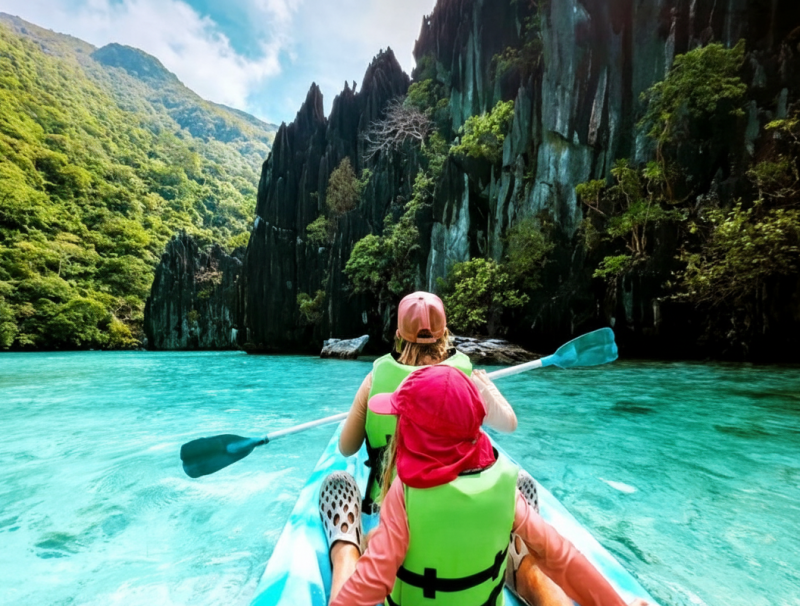
For the Budget-Conscious: High Value, Not High Cost
An impactful family vacation is determined by the quality of shared experience, not the size of the expenditure. These destinations offer an exceptional return on investment.
10. The Great Smoky Mountains National Park: America's Backyard
This is the most visited national park in the United States, in large part because it charges no entrance fee, offering an incredibly accessible natural landscape.
Strategic Advantage: The financial barrier to entry is virtually non-existent. Families can enjoy scenic drives, hiking trails, and abundant wildlife viewing for free. The nearby towns of Gatlinburg and Pigeon Forge offer a wide spectrum of affordable lodging and entertainment.
Logistical Considerations: The park's popularity, especially in October, means significant traffic congestion. Plan to enter the park very early in the day. A cabin rental can often be more cost-effective for a family than multiple hotel rooms.
11. The "Riviera Maya," Mexico: Sun, Cenotes, and Savings
This region boasts a strong infrastructure for budget-conscious travel, including affordable all-inclusive resorts and vacation rentals.
Strategic Advantage: The favorable exchange rate and competitive tourism market provide exceptional value. Families can experience beautiful beaches, unique cenotes (natural swimming holes), and world-class archaeological sites at a fraction of the cost of a comparable Caribbean vacation.
Logistical Considerations: Fly into Cancún (CUN). The summer and fall shoulder seasons offer the best pricing but coincide with hurricane season, making travel insurance a non-negotiable requirement. Consider our Mexico guide for more tips.
12. Wisconsin Dells, Wisconsin: The Waterpark Capital of the World
This Midwest destination offers a high concentration of family-friendly attractions at a family-friendly price point.
Strategic Advantage: Competition among the numerous resorts and waterparks keeps prices competitive. Many resorts offer packages that bundle lodging and park passes, providing significant value. It's a driveable destination for a large portion of the U.S. population.
Logistical Considerations: Summer is the peak season. Consider a visit in the shoulder seasons (late spring, early fall) for lower prices and fewer crowds, as many of the larger parks have extensive indoor facilities.
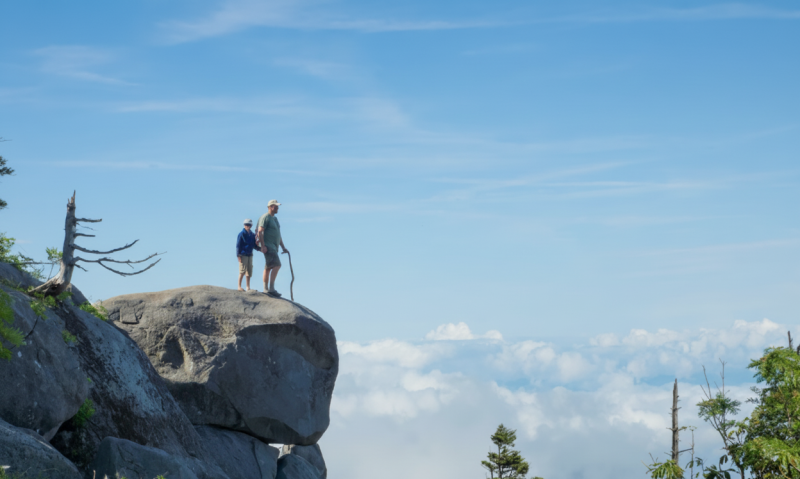
For Multigenerational Groups: Designing for a Diverse Team
These vacations are selected for their ability to comfortably accommodate a wide range of ages, mobility levels, and interests, facilitating connection across generations.
13. Orlando, Florida (Beyond the Parks): Your Private Command Center
Orlando's greatest asset for multigenerational travel is its vast inventory of large-scale vacation rental homes.
Strategic Advantage: Renting a 5- or 6-bedroom house with a private pool provides a central base for the entire family. It offers common spaces for gathering and private rooms for retreat, a dynamic that is impossible to replicate in a hotel.
Logistical Considerations: A rental home requires rental cars. Choose a location that offers a good balance between proximity to attractions and a quiet residential setting.
14. Hilton Head Island, South Carolina: Lowcountry Relaxation
This destination offers a more tranquil, nature-oriented coastal experience with a sophisticated infrastructure for large family groups.
Strategic Advantage: The island's design emphasizes outdoor activity for all ability levels. Grandparents can enjoy a leisurely bike ride on the 60+ miles of paved paths, parents can play golf, and kids can enjoy the calm waters of the Atlantic.
Logistical Considerations: The vacation rental market is robust. Reservations for popular summer weeks should be made up to a year in advance.
15. An Alaskan Cruise: Majesty for All Ages
An Alaskan cruise offers spectacular, large-scale scenery that can be appreciated by every generation, regardless of physical ability.
Strategic Advantage: The primary attraction—the dramatic landscape of glaciers, fjords, and mountains—is viewed directly from the ship. This makes it an ideal trip for family members with limited mobility.
Logistical Considerations: The cost can be high, but the value is strong. Book a ship with a naturalist onboard. Balcony rooms are worth the extra expense on this itinerary. The season is short (May-September), so book well in advance.
Frequently Asked Questions
What is the best age to take a child on their first major family vacation?
While travel is beneficial at any age, the "sweet spot" for memory and participation is often between 6 and 12 years old. At this stage, kids have the stamina for active days, are curious about new places, and are still happy with a family-focused agenda.
How can we find the best family vacation deals?
The most effective strategies are flexibility and advance planning. Traveling during "shoulder seasons" (just before or after peak season) can reduce costs significantly. Setting up price alerts and booking accommodations at least six months out are also key.
Are vacation rentals better than hotels for families?
It depends on your travel style. A vacation rental offers more space and a kitchen, ideal for longer stays and saving money on food. A hotel or resort provides more amenities, daily housekeeping, and on-site dining for a true break from domestic duties.
How do you manage screen time on a family vacation?
Set clear expectations beforehand. A great strategy is the "bookend rule": allow screens in the morning while getting ready and in the evening to wind down, but make the core of the day a screen-free zone for shared activities.
It's Time to Start Your Story
The perfect family vacation isn’t about finding a spot on a map; it's about finding the place that matches your family’s unique travel style. By choosing a destination architected for relaxation, adventure, or discovery, you stop just 'going on a trip' and start building a chapter in your family's story.
Now that you have the framework to make the right choice, the next step is bringing it to life. For detailed, expert-crafted plans for these destinations and beyond, explore our collection of in-depth guides, starting with our comprehensive Travel Guide.
Read the full guide: Family Travel Ideas: The 2026 Guide to Unforgettable Trips
Don't Miss Out! Subscribe for Exclusive Content
Subscribe



Comments 0
No comments yet
Be the first to share your experience!
Dont Miss Out! Subscribe for Exclusive Content

Ultimate USA Holidays Guide: Top Picks

FTC Affiliate Disclosure Essentials: Stay Compliant as a Travel Creator

Essential Affiliate Tools: From Tracking to Full Optimization

Booking.com Affiliate Program Review: Pros, Cons, and Earnings Potential

Decoding Affiliate Commission Rates: Benchmarks for Travel Creators

Top 11 High-Paying Affiliate Programs for Travel Bloggers
7 Best Travel Photography Blogs for Tips
TrekGuider @trekguider
You know the feeling. You’re standing before a truly breathtaking scene—a fiery sunset melting into the ocean, a frenetic city street alive with energy, a mountain range so vast it stills your breath. You raise your camera, convinced you can bottle that magic. But when you get home, the photos on your screen are a pale imitation. The colors look washed out, the epic scale feels diminished, and the raw emotion of the moment is gone. It's the most common frustration in photography.
The gap between the photos you take and the professional shots you admire isn't about money or a more expensive camera. It's about knowledge. It's about seeing the world through a trained eye and understanding the techniques that transform a simple snapshot into a powerful story. The secret is learning from those who have already walked the path and mastered the craft. In a world saturated with social media portfolios, however, finding true educators can feel impossible.
That’s why we’ve sifted through the noise for you. We’ve identified the creators who are dedicated to teaching—the ones who provide the actionable advice, in-depth tutorials, and honest gear reviews that will actually make you a better photographer. If you’re ready to finally start creating travel photos that do your memories justice, you’re in the right place. These are the best travel photography blogs for real, practical tips. And for panoramic view of the top creators ac across every niche, our definitive guide to The Best Travel Blogs to Follow in 2026 is your essential starting point.
What Separates a Portfolio from a Powerhouse Educational Blog?
Before we dive in, let’s clarify our criteria. A gallery of beautiful photos is inspiring, but it won’t teach you how to improve. The blogs on this list were handpicked because they are exceptional educational platforms that empower their audience.
According to our 2026-2026 market analysis, the most authoritative blogs share key traits that set them apart. First is niche specificity and expertise; they establish themselves as deep experts in a specific domain, whether it’s adventure photography or post-processing. Second is the quality of writing and originality, allowing them to deconstruct complex topics—like the exposure triangle or advanced composition—into language anyone can understand. They are teachers, not just tastemakers.
The Top 7 Travel Photography Blogs for Actionable Advice
These seven blogs deliver on the promise of education. Each offers a unique perspective and a wealth of knowledge to help you improve your craft, whether you’re starting out or looking to refine your professional skills.
1. Expert Vagabond (Matthew Karsten)
For the photographer who thrives in the wild, there’s no better mentor than Matthew Karsten of Expert Vagabond. With over a decade of professional experience shooting in some of the world's most remote corners, Karsten doesn’t just show you the shot; he shows you the grit behind it. His gear guides are legendary for their depth, explaining not just what he uses, but why a particular piece of equipment is e essential for a specific environment. This is the ultimate resource for learning to create stunning images under rugged, challenging conditions.
2. Along Dusty Roads (Andrew & Emily)
Andrew and Emily are masters of mood. Their work has a distinct, cinematic quality, and their blog is an incredible resource for learning how to evoke emotion through imagery. While they offer detailed guides on photography techniques, their true genius lies in post-processing. Their Lightroom tutorials are models of clarity, focused on teaching you how to use editing to enhance the story of your image, not just apply a generic filter. They prove that the art happens just as much in the digital darkroom as it does in the camera.
3. BucketListly Blog (Pete R.)
If you love the tech behind the art, BucketListly Blog is your paradise. Pete’s gear reviews are exhaustive, moving far beyond spec sheets to deliver careful real-world performance analysis. He covers everything from the latest flagship mirrorless cameras to the best travel drones and action cameras. What makes his blog essential is its dual focus on both photography and videography, making it a one-stop shop for the modern hybrid creator who needs to produce elite content in multiple formats.
4. I Hit The Button (Andy Feliciotti)
The name says it all. This blog is laser-focused on the science and art of photography. Andy Feliciotti dives deep into the technical craft, offering detailed explorations of topics like long exposure, astrophotography, and advanced composition. This is where you go when you’re ready to move beyond beginner tips and truly understand the why behind a great photo. It’s the perfect resource for the photographer who loves to geek out on the details and push their creative boundaries.

5. The Blonde Abroad (Kiersten Rich)
Kiersten Rich is a powerhouse in the travel industry, and her photography is a masterclass in creating a vibrant, aspirational brand. Her blog is an excellent resource for anyone looking to master lifestyle and portrait travel photography. She offers fantastic, practical tips on everything from styling and wardrobe choices to using presets to achieve a cohesive, professional aesthetic. Her content is especially helpful for solo travelers who want to learn how to take incredible photos of themselves.
6. The Planet D (Dave & Deb)
Dave and Deb have been exploring the world for over a decade, and their photography captures the sheer scale and grandeur of our planet's most epic landscapes. Their blog is a fantastic learning tool for anyone looking to improve their landscape and wildlife photography. They provide practical, field-tested advice on what lenses to use for sweeping vistas, how to shoot in harsh weather conditions (like Antarctica!), and how to tell a story of adventure through a series of powerful images.
7. The Lovers Passport (Stephen & Giselle)
Focused on couple’s travel, The Lovers Passport is an invaluable resource for anyone wanting to learn how to weave human elements into their photography. They excel at breaking down how to plan and execute an epic shot, from location scouting with Google Earth to posing subjects to create a compelling narrative. Their guides are packed with practical advice on making a destination feel both grand in scale and deeply intimate at the same time.
Decoding the Masters: Key Lessons from the Pros
Studying the work of these top-tier photographers reveals a set of shared principles. Their incredible images are not the result of magic, but a consistent application of three core pillars: strategic gear selection, timeless composition, and masterful post-processing.

It Starts with the Right Gear (But Not How You Think)
A unanimous philosophy among these pros is that the best camera for travel is the one you’re willing to carry. A bulky, heavy kit is a liability, not an asset. The market trend is toward smaller, lighter, yet incredibly powerful mirrorless systems.
Beyond the camera, your core kit should include a few essentials: a versatile "walk-around" lens (like a 24-70mm), extra batteries, and a solid camera bag.
Pro-Tip: A lightweight carbon fiber tripod is the single best investment for elevating your landscape photography. It allows you to shoot at "golden hour" with a low ISO for clean images and enables creative long exposures that are impossible handheld.
Mastering the Fundamentals of Composition
Gear is just a tool. The real art lies in arranging the elements within your frame. The best photographers use these timeless principles to tell a story.
Rule of Thirds: Mentally divide your frame into a 3x3 grid. By placing your subject along a line or at an intersection, you create a more balanced and visually engaging image than a simple centered shot.
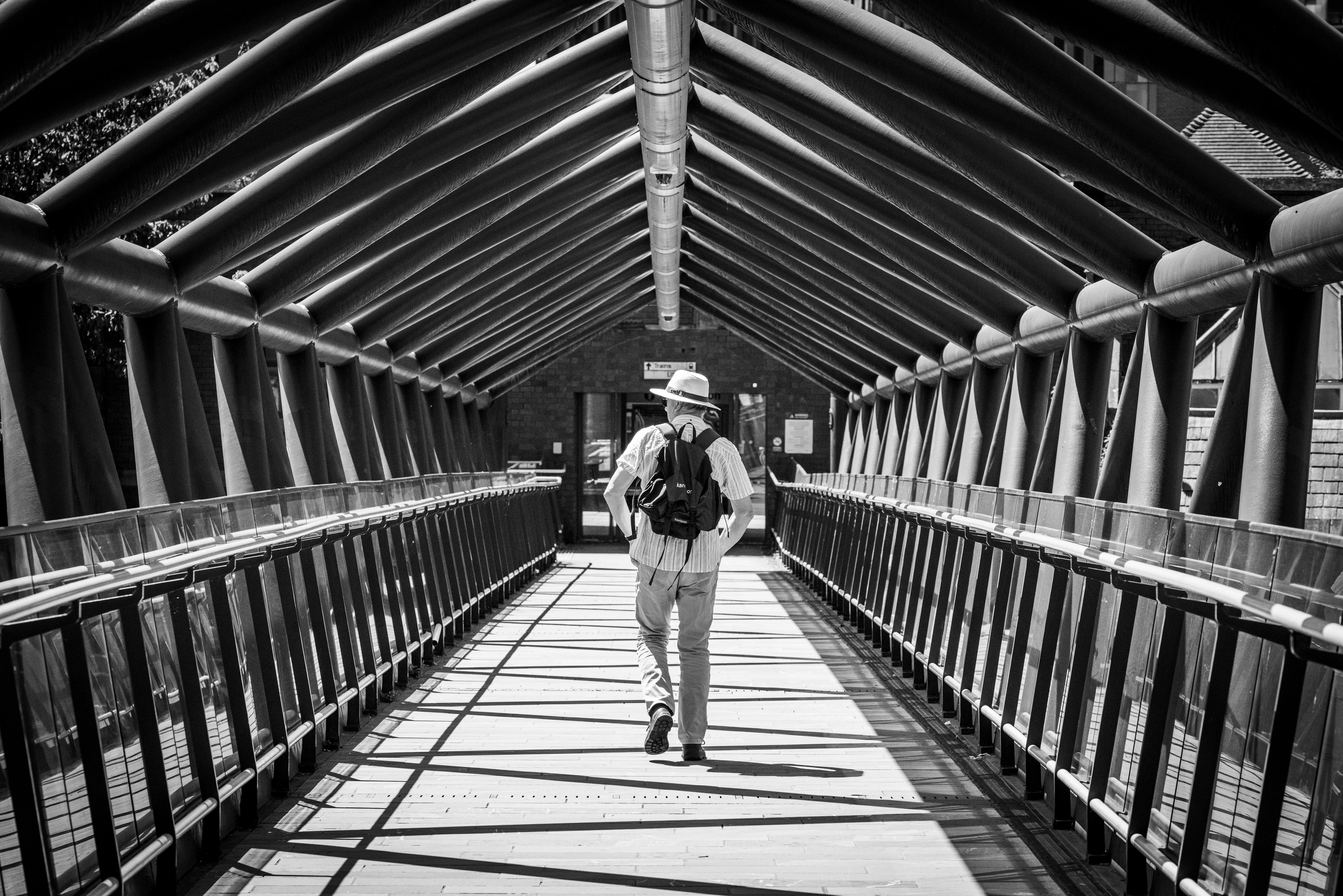
Leading Lines: Use a road, river, or fence to create a line that guides the viewer's eye through the scene toward your main subject. This technique is a powerful way to create a sense of depth.
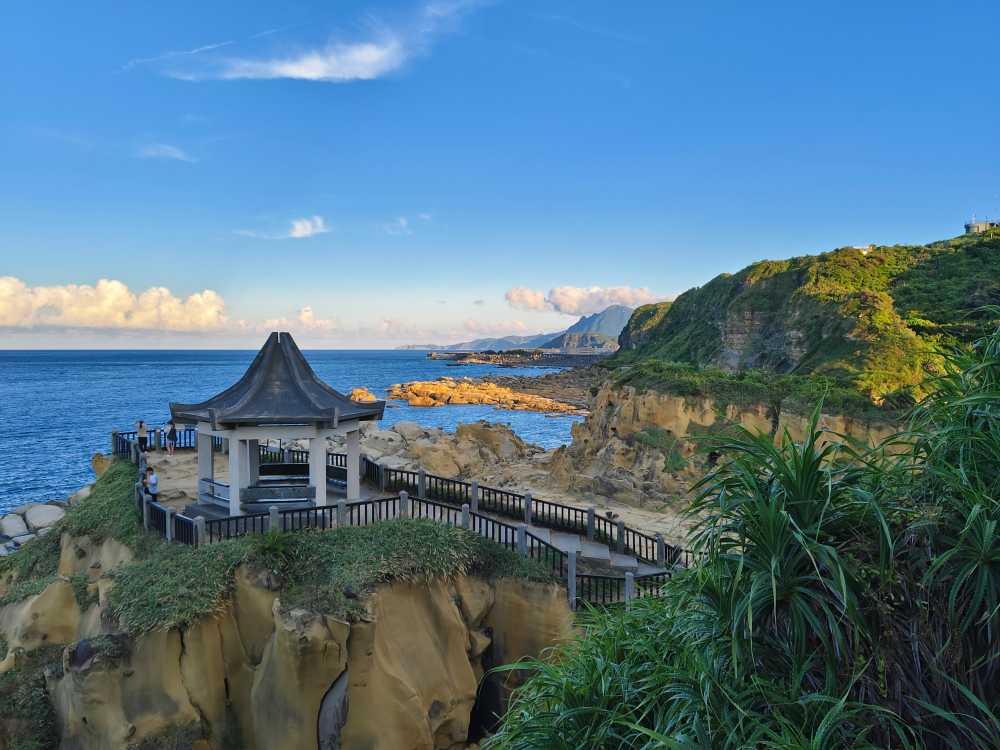
Shooting at Golden Hour: The hour after sunrise and before sunset offers soft, warm, directional light. This is far more flattering and dramatic than the harsh, flat light of midday.
Framing: Use foreground elements like an archway, a window, or tree branches to create a natural frame around your subject. This adds context and draws the viewer's focus.
Changing Perspective: Don't shoot everything from eye level. Get low to the ground to emphasize a foreground or find a high vantage point for a unique, sweeping overview. This simple shift can make a scene extraordinary.
Ready to Practice Your Composition Skills? Download the free Best NYC Photo Spots Map and start capturing incredible cityscapes today!
The Digital Darkroom: Post-Processing is Half the Battle
Every single professional photo you admire has been post-processed. Editing is not about "fixing" a bad photo; it's about enhancing a good one to fully realize your creative vision. The blogs we've highlighted consistently teach three key areas of editing in software like Adobe Lightroom.
Using Lightroom Presets: Presets are one-click settings that create a consistent aesthetic. They are excellent learning tools for understanding how different settings interact to create a professional look.
Editing Sunset Photos: This is a classic challenge that requires balancing the extreme dynamic range between the bright sky and the dark landscape. Tutorials will teach you how to use tools like graduated filters and the shadow/highlight sliders to balance the exposure and bring out the rich, vibrant colors.
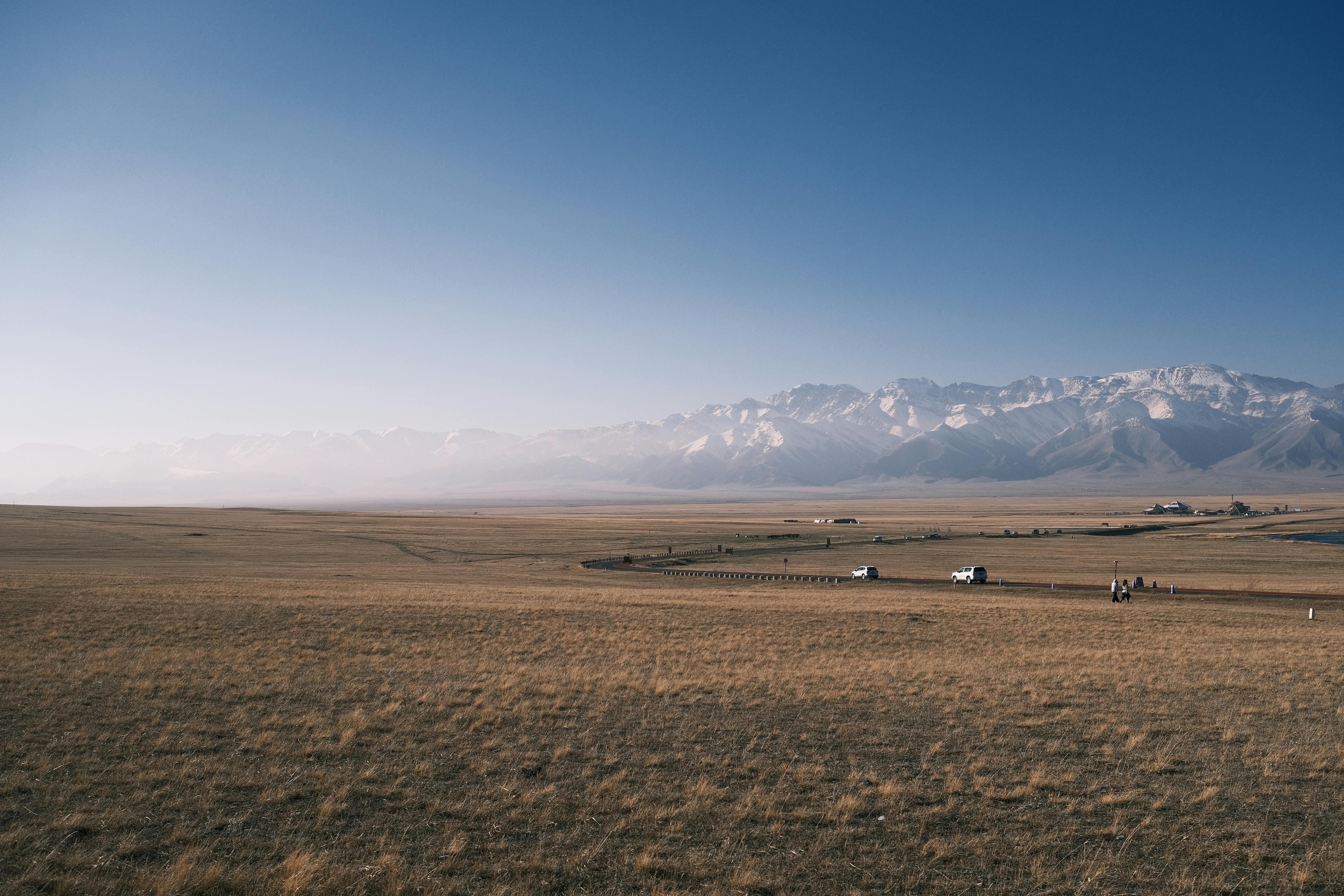
Basic Color Grading: This is the art of adjusting the colors in your image to create a specific mood. Mastering the HSL (Hue, Saturation, Luminance) panel allows you to take full control, making the blues in the ocean deeper, the greens in a forest richer, or giving your entire photo a warm, autumnal feel. Destinations with distinct color palettes, like the neon-lit streets of Tokyo or the serene temples of Kyoto, are perfect places to practice these skills. If you're planning a trip, our Japan Travel Guide can help you find the most visually stunning locations.
Pro-Tip: When starting with post-processing, focus on mastering one tool at a time. The HSL panel in Lightroom is a great place to begin. Learning how to selectively adjust the hue, saturation, and luminance of individual colors can have a bigger impact on your photos than trying to learn every single tool at once.
Your Path to Better Travel Photos
Improving your travel photography is a journey, not a destination. It doesn't happen overnight. But by following the right guides, you can accelerate your progress and avoid common pitfalls. The path is simple: learn from the best travel photography blogs, focus on mastering the fundamental techniques of composition and light, and practice every chance you get. Pick one blog from this list to follow this week. Choose one composition technique to practice on your next outing, even if it's just in your own backyard. The more you shoot with intention, the faster you will begin to create images that truly capture the magic of your travels.
Meta Data Suggestions:
SEO Meta Title (56 characters): 7 Best Travel Photography Blogs for Tips (2026 Update)
URL Slug: best-travel-photography-blogs-tips
SEO Meta Description (154 characters): Want to take better travel photos? Discover the 7 best travel photography blogs that offer actionable tips on gear, composition, and editing from the pros.
Don't Miss Out! Subscribe for Exclusive Content
SubscribeComments 0
No comments yet
Be the first to share your experience!
Dont Miss Out! Subscribe for Exclusive Content
Ultimate USA Holidays Guide: Top Picks
FTC Affiliate Disclosure Essentials: Stay Compliant as a Travel Creator
Essential Affiliate Tools: From Tracking to Full Optimization

Avoid These 5 Affiliate Landing Page Mistakes for Better Conversions

Affiliate Keyword Research Mastery for Travel Blogs
Booking.com Affiliate Program Review: Pros, Cons, and Earnings Potential
Mardi Gras: 6 Parade Survival Tips
TrekGuider @trekguider
You’ve seen the photos—a blizzard of purple, green, and gold beads flying through the air. You’ve heard the stories of jazz music spilling onto streets packed with revelers. The dream of Mardi Gras in New Orleans is a powerful one, a siren call to the world’s greatest free party. It’s a bucket-list spectacle of dazzling floats, complex costumes, and pure, unadulterated joy. But let’s be honest: the reality behind that dream can be intimidating. The sheer scale of the crowds, the labyrinthine parade schedules, and the logistical hurdles can turn a fantasy trip into a frantic mess.
Without a battle plan, you risk becoming just another overwhelmed tourist. Imagine traveling all that way only to be stuck ten rows deep, craning your neck for a fleeting glimpse of a float. Picture the rising panic of losing your friends in a sea of humanity with zero cell service, or the bone-deep exhaustion that sets in after hours on your feet, unprepared. The magic of Carnival can fade fast when you’re fighting the chaos instead of embracing it.
This is where you stop worrying. Consider this your official playbook for not just surviving, but thriving at the parades. We’re going to arm you with the insider knowledge to navigate the festivities like a seasoned pro. These six essential survival tips will transform your Mardi Gras New Orleans experience from stressful to unforgettable. This is just one of the incredible cultural celebrations we explore in our complete guide to New Orleans Holidays: Cultural Feasts, but for now, let’s master the art of the parade.

Tip 1: Decode the Schedule & Choose Your Krewes Like a Local
First, let’s clear up a common misconception: Mardi Gras isn't just one day. It's an entire season, a cultural crescendo that officially begins on January 6th and leads to the city-wide blowout of "Fat Tuesday." The parades, organized by social clubs known as "krewes," are the lifeblood of the celebration, and they hit a fever pitch in the final two weeks. Knowing which parades to see—and when—is the first step to crafting your perfect experience.
The final weekend before Fat Tuesday is when the legendary "super-krewes" roll, drawing the biggest crowds and delivering the most spectacular shows. For 2026, these are the dates to circle in red on your calendar:
Saturday, the weekend before Mardi Gras: A marathon day featuring the massive Krewe of Endymion, an evening parade so spectacular it feels like a rolling blockbuster.
Sunday, the days leading up to Fat Tuesday: The Krewe of Bacchus, another titan of Carnival, hits the streets at 5:15 PM with its own celebrity monarch and jaw-dropping floats.
Monday, the Monday before Mardi Gras (Lundi Gras): Witness history with the Krewes of Proteus and Orpheus, two stunning nighttime parades that light up the city.
Tuesday, late February (dates shift each year—check nola.com for the exact schedule) (Fat Tuesday): The grand finale. The day kicks off with the Krewe of Zulu at 8:00 AM, famous for its coveted hand-painted coconut throws, followed by the regal Krewe of Rex at 10:30 AM, whose leader is the official "King of Carnival."
Not all krewes offer the same experience. Daytime parades often have a more relaxed, family-centric vibe. Nighttime parades are a different animal entirely—lit by historic gaslight torches called "flambeaux," they are dazzling, high-energy spectacles that draw a more party-oriented crowd. Do a little research on each krewe's theme and history to find the ones that match your style.
Pro-Tip: Before you even leave your hotel, download a real-time parade tracker app from a local New Orleans news station. These GPS-powered apps show you the exact location of the parade's lead float, giving you the intel to know if you have time for a bathroom break or a food run before the action reaches you.

Tip 2: Location is Everything: How to Claim Your Parade Turf
Your viewing spot will define your entire parade experience. The primary routes snake through the stately Uptown/St. Charles Avenue corridor and along the edge of the French Quarter. For a more traditional, family-friendly atmosphere, plant yourself along St. Charles Avenue. Under the canopy of ancient oak trees, you’ll find generations of families who have claimed the same spot for decades. For a more intense, high-octane experience, the sections of the route closer to Canal Street are where the crowds roar loudest.
Let’s be clear: the golden rule of securing a good spot is to arrive obscenely early. For a super-krewe on that final weekend, we’re not talking 30 minutes ahead—we’re talking hours. This is a marathon of patience. You’ll see locals set up their full camp—chairs, coolers, and ladders—long before the first siren wails. About those ladders: you’ll see many custom-built ladder seats designed to give kids a safe, elevated view. It’s a brilliant tradition, but if you use one, follow the local etiquette: place it at least six feet back from the curb to avoid obstructing the view of those in front and to stay clear of the massive floats.
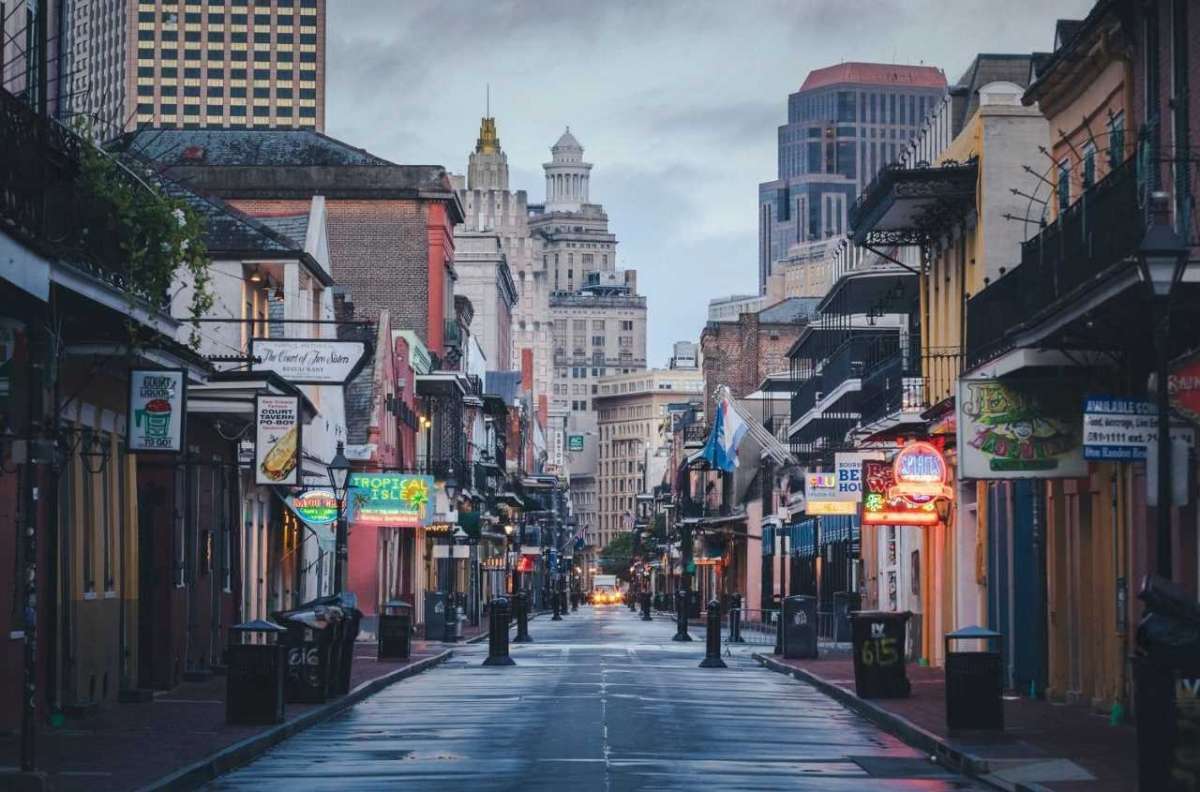
Remember, the major parades do not go through the narrow, historic streets of the French Quarter. While Bourbon Street is its own unique Mardi Gras spectacle, it is not the place to watch the krewes roll.

Tip 3: Master the Art of the "Throw" for Your Mardi Gras New Orleans Haul
The quintessential Mardi Gras New Orleans experience is reaching up and catching a string of colorful beads. These items, tossed from the floats by krewe members, are called "throws," and they are the currency of Carnival. But it’s so much more than just beads. Each krewe has its own signature throws, from decorated plastic cups and doubloon coins to light-up toys and stuffed animals. Some are true collector's items, like the exquisitely hand-decorated shoes from the all-female Krewe of Muses or the legendary painted coconuts from Zulu.
Catching the best stuff is a skill. Here’s how to improve your odds:
Engage and Make Eye Contact: Float riders are scanning the crowd for energy. Wave your arms, smile, and yell the classic line: "Throw me something, mister!" They are more likely to toss something special to someone who is clearly having a great time.
Practice Good Karma: Be aware of the people around you, especially children. If a coveted throw lands near a kid, let them have it. The spirit of Mardi Gras is communal joy, not competition.
Bring a Designated Bag: You will catch far more than you can wear or carry. A simple tote bag or small backpack is essential for stashing your loot.
Above all, be safe. The number one rule is never, ever run into the street or chase a float for a throw. These floats are enormous, pulled by tractors with limited visibility. Wait for the throws to come to you and never reach under a float. No plastic necklace is worth the risk.
Tip 4: Pack Your Ultimate Parade Survival Kit
A day on the parade route is an urban endurance event. You’ll be on your feet for hours, exposed to the elements, and a long way from your home base. A well-packed day bag is non-negotiable. Being prepared for any great American adventure requires the right checklist, and just as you’d use our National Park Road Trip Checklist to prepare for the wild, this kit will ensure you conquer the urban jungle of Carnival.
These are the absolute essentials for your Mardi Gras survival kit:
Hydration: Pack more water than you think you need. Staying hydrated is critical.
Fuel: High-energy, easy-to-carry snacks like protein bars, trail mix, and pretzels will keep your energy levels up.
Sun & Rain Gear: New Orleans weather is fickle. Pack sunscreen, a hat, and sunglasses for daytime parades, but also throw in a cheap poncho. A sudden downpour can’t ruin your day if you’re prepared for it.
Layers: A sunny 70-degree afternoon can plummet to a chilly 50 degrees after sunset. Wear layers you can easily shed or add.
Portable Power Bank: Between taking photos, coordinating with friends, and running a parade tracker, your phone battery will vanish. A portable charger is a modern-day necessity.
Sanitation Supplies: Public restrooms are of the port-a-potty variety and see heavy use. A travel-sized pack of tissues and a bottle of hand sanitizer will feel like pure luxury.
A Throw Bag: A lightweight, foldable tote is perfect for your haul.

Tip 5: Navigate the Crowds & Stay Safe Like a Pro
The sheer scale of the crowds can be staggering—this is, after all, an event that generated an $891 million economic impact in 2024. Navigating this joyful mass of humanity requires a proactive approach to safety.
First, the buddy system is not optional. Stick with your group. Before you even head out, establish a non-obvious, hyper-specific meeting point. "Under the clock at the hotel" is good. "The corner of Canal and St. Charles" is a recipe for disaster. Cell service will be spotty at best, so you cannot rely on your phone to reunite.
When it comes to getting around, forget driving. Street closures and traffic make it a nightmare. Parking, if you can find it, will be exorbitant—reserve a spot in a garage well in advance if you must bring a car. Your best bets are walking, using public transit, or grabbing a rideshare, but be prepared for surge pricing and long waits after a parade.
Pro-Tip: To move through a thick crowd, don't try to bull your way through the middle. The pro move is to retreat one block off the parade route, walk parallel to it in the direction you want to go, and then cut back in. It’s a slightly longer walk that will save you immense time and frustration.
Tip 6: Embrace the Spirit of "Laissez les Bons Temps Rouler"
Finally, the most crucial tip of all: embrace the official motto of Mardi Gras, Laissez les bons temps rouler—Let the good times roll. This isn't just a slogan; it's the city's philosophy. This celebration is a profound expression of New Orleans' unique Creole heritage, a season defined by king cake feasts, brass bands, and an unbreakable sense of community. Don't get so wrapped up in logistics that you forget to be present.
Strike up a conversation with the family next to you. Compliment a stranger's incredible costume. Share your snacks. New Orleanians are famously hospitable and love sharing their traditions. Participate in the culture, don't just observe it. To truly understand the soul of this festival and others like it, our comprehensive Travel Guide offers a deep dive into the cultural fabric of America's most fascinating cities, providing the context that turns a great trip into a meaningful one.
Your Mission: Go Forth and Conquer Carnival
You are now officially prepared. Armed with these insider strategies, you can confidently tackle your Mardi Gras New Orleans adventure. You have the knowledge to decode the schedule, claim the best spots, pack for success, and stay safe in the joyous chaos. You are no longer just a tourist hoping for the best; you are an informed participant, ready to dive into the heart of one of the world's greatest cultural spectacles.
So book the ticket, pack your most festive attire, and get ready to let the good times roll. The magic of Mardi Gras is waiting for you.
Don't Miss Out! Subscribe for Exclusive Content
SubscribeComments 0
No comments yet
Be the first to share your experience!
Dont Miss Out! Subscribe for Exclusive Content
San Francisco Cherry Blossoms: A Local's Guide to the Blooms
Halloween SF: Haunts Without Horrors
SF Festivals: 7 Must-See Lineups
Christmas SF: Lights & Wharf Wonders

SF Pride: 6 Route & Party Hacks
