
Christmas in NYC: 7 Magical Markets

TrekGuider @trekguider
Planning a trip for Christmas in New York can feel like trying to direct a Broadway show—exciting, but utterly overwhelming. You’ve seen the twinkling lights and festive cheer in countless movies, and you want that magical, snow-globe experience for yourself. You dream of sipping hot cocoa while browsing charming wooden stalls, finding unique gifts, and soaking in an atmosphere so festive it feels like a warm hug.
But the reality can be a chaotic whirlwind of massive crowds, tourist traps, and paralyzing indecision. You risk spending your precious holiday time stuck in the wrong places, missing out on the authentic, cozy markets that truly define the city's holiday spirit. Instead of feeling the magic, you end up feeling stressed, cold, and disappointed, wondering if you’ve missed the real heart of a New York Christmas.
This guide is your definitive map to festive perfection. We’re cutting through the noise to take you on an insider’s tour of the 7 most magical Christmas markets in NYC. We’ll share pro-tips on what to buy, the best times to visit to avoid the crowds, and how to pair each market with the city’s most stunning light displays for the ultimate holiday adventure. These markets are a key part of the city's festive transformation, a spectacle we explore in full in our complete guide to New York Holidays: 10 Must-Do Events. Get ready to experience the holiday season in NYC the way it was meant to be.

Essential Know-Before-You-Go Tips for a Perfect Market Day
A little strategy goes a long way in a city that never sleeps, especially during the holidays. To make your market-hopping experience more magical and less maddening, keep these core principles in mind. They are the key to unlocking a smoother, more enjoyable Christmas in New York.
Embrace the Weekday Morning: The single best piece of advice for any major NYC attraction is to go early on a weekday. The holiday markets are most pleasant right when they open, typically around 11 AM. You’ll have more space to browse, chat with vendors, and truly appreciate the craftsmanship without being jostled by the shoulder-to-shoulder afternoon crowds.
Master Public Transportation: Driving and parking in Manhattan during the holidays is a recipe for extreme frustration and expense. The subway and buses are your best friends. Plan your market route using a transit app, buy a MetroCard for the duration of your stay, and enjoy the freedom of zipping beneath the traffic-clogged streets.
Dress in Smart Layers: New York’s winter weather is notoriously fickle. You might be freezing while walking between markets but quickly overheat once inside a packed indoor venue like Grand Central. Dress in layers—a thermal base, a sweater or fleece, and a warm, waterproof coat—that you can easily add or remove. A comfortable pair of waterproof boots is non-negotiable.
Carry a Mix of Cash and Cards: While the vast majority of vendors now accept credit cards, some smaller artisans or food stalls may be cash-only or have credit card minimums. Having a mix of both ensures you’ll never miss out on that perfect, one-of-a-kind find or a warm pretzel when you need it most.
1. Bank of America Winter Village at Bryant Park: The Iconic Centerpiece
If you could only visit one holiday market in NYC, this would be it. The Winter Village at Bryant Park is the quintessential New York Christmas experience, a dazzling wonderland set against the iconic backdrop of the New York Public Library and soaring midtown skyscrapers. This isn't just a market; it's a full-blown festive destination.
The entire experience is built around the 17,000-square-foot ice rink, which famously offers free admission (you just pay for skate rentals). Surrounding it are over 180 European-inspired, custom-designed "jewel box" kiosks that glow from within, creating a warm and inviting atmosphere as you wander the park's allées.
Here, you’ll find a truly global selection of goods, from complex ornaments and handmade leather goods to unique jewelry and cozy winter apparel from independent designers. The food options are a major draw. You can find everything from savory Belgian waffles and pierogies to rich hot chocolate and artisanal cheese. The Lodge provides an aprés-skate-themed food hall, offering a cozy spot to refuel and watch the skaters.
Pro-Tip: To truly enjoy the ambiance, visit on a weekday morning right when it opens. You can have a leisurely skate on the near-empty rink and browse the shops in peace. By lunchtime, the crowds swell, and the experience becomes far more hectic.

2. Union Square Holiday Market: The Eclectic European-Style Village
If your gift list demands something with more soul than a department store can offer, make a beeline for the Union Square Holiday Market. It’s less a market and more a sprawling, festive village that erupts in the heart of downtown, its iconic red-and-white striped stalls forming a labyrinth of pure creative energy.
The sheer variety and quality of the vendors are what set this market apart. It’s a juried market, meaning every vendor is carefully selected, ensuring a high standard of craftsmanship and originality. The winding aisles encourage exploration, making you feel like you’re discovering a hidden gem around every corner. This is the place to find gifts you simply won't see anywhere else: hand-blown glass ornaments, screen-printed posters from local artists, gourmet pantry items, and organic bath products. Several booths even offer on-the-spot personalization, whether it’s stamping a leather keychain or engraving a piece of jewelry.
The market can feel overwhelming. Our advice? Grab a map at the entrance and do a quick loop of the perimeter first to get your bearings. Then, dive into the inner aisles to hunt for treasures.
3. Columbus Circle Holiday Market: An Upscale Festive Escape
Perfectly situated at the southwest entrance to Central Park, the Columbus Circle Holiday Market offers a slightly more relaxed and upscale shopping experience. It’s the ideal place to find sophisticated gifts for the most discerning people on your list, with the added bonus of a magical Central Park stroll right next door.
The location is simply unbeatable. The glittering lights of the market stalls, with the stone arches of the park entrance and the Time Warner Center as a backdrop, create a picture-perfect holiday scene. It’s smaller and more manageable than Union Square, allowing for a more leisurely browsing experience focused on quality craftsmanship and gourmet treats. Expect to find elegant jewelry, designer winter wear, complex wooden puzzles, and fine art photography. The food vendors are a delight, selling artisanal chocolates, infused olive oils, and spiced gingerbread.
After shopping, complete your classic NYC holiday afternoon by taking a horse-drawn carriage ride through Central Park or going for a skate at the famous Wollman Rink.
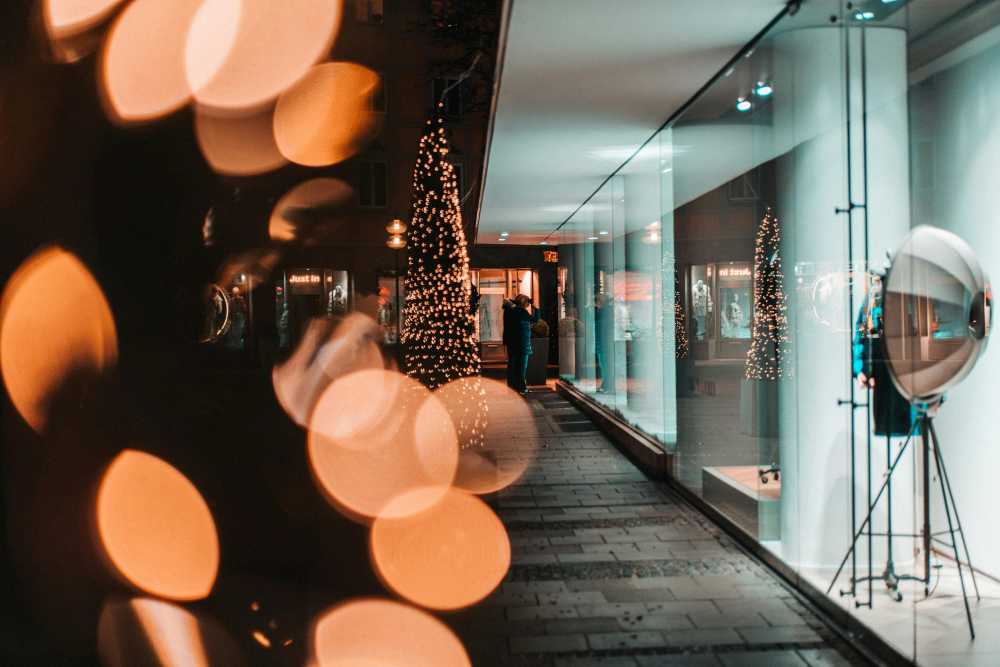
4. Grand Central Holiday Fair: The Warmest Indoor Market
When the winter wind is biting, the Grand Central Holiday Fair offers a warm and dazzling respite. Housed in the magnificent, beaux-arts Vanderbilt Hall, this indoor market is a haven of calm and quality, away from the outdoor chill. Shopping under the grand chandeliers is an experience in itself.
The market is hand-picked, focusing exclusively on American-made and handcrafted products from artisans and small businesses across the USA. You’ll find everything from handmade stationery and children’s clothing to beautiful pottery and eco-friendly accessories. The atmosphere is refined and peaceful, a stark contrast to the joyful chaos of the outdoor markets. Its location within Grand Central Terminal makes it an incredibly convenient stop for commuters and travelers. Because it’s indoors, this is the perfect market to save for a particularly cold or snowy day.
5. The Holiday Market at the Oculus: A Modern Marvel
For a Christmas in New York experience that is sleek, modern, and architecturally stunning, head downtown to the Holiday Market at the Oculus. Set inside Santiago Calatrava’s breathtaking transit hub, this market blends high-end shopping with festive pop-ups in a truly unforgettable setting.
The venue is the star. The soaring white ribs of the Oculus create a cathedral-like space that feels both grand and futuristic. During the holidays, the space is filled with elaborate decorations and a cheerful, bustling energy, offering a completely different vibe from the traditional wooden-stall markets. The market is a mix of familiar luxury brands and curated pop-up shops offering everything from gourmet sweets to tech gadgets. It often features live musical performances, adding to the lively atmosphere.
Pair It With: The Oculus is part of the World Trade Center complex, making it easy to combine your shopping with a poignant visit to the 9/11 Memorial & Museum or a trip to the top of One World Observatory for staggering city views.
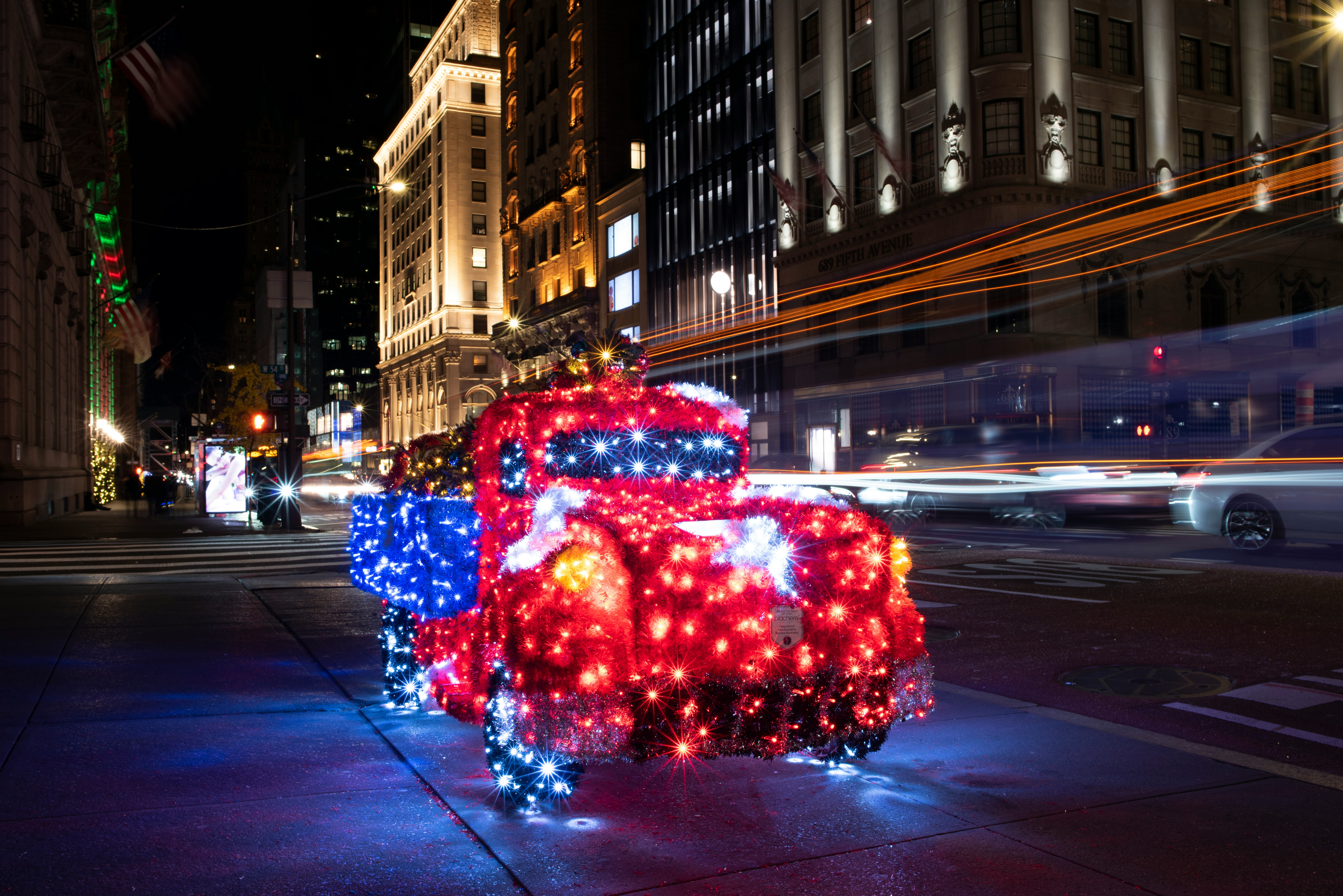
6. Brooklyn Flea + Smorgasburg Winter Market: The Hipster's Holiday Haul
Escape the Manhattan crowds and discover a treasure trove of unique finds at the Brooklyn Flea + Smorgasburg Winter Market. This is where you’ll find the city’s coolest vintage goods, handmade crafts, and artisanal foods all under one roof, making it the ultimate destination for a one-of-a-kind gift.
The vibe is pure Brooklyn: creative, eclectic, and effortlessly cool. It’s a massive market that combines the best of the Brooklyn Flea (vintage clothing, antique furniture, retro vinyl) with the best of Smorgasburg (dozens of gourmet food vendors). You are guaranteed to find something here that you won’t see anywhere else, shopping directly from Brooklyn-based artists and designers. The Smorgasburg section is a culinary adventure in itself, serving up inventive dishes from around the world.
Pro-Tip: This is the perfect market for finding a truly unique gift that tells a story. To make your trip even smoother, especially if you're visiting from abroad and planning to bring treasures home, download our International Travel Checklist to ensure you have everything you need for a seamless journey.
7. Grand Holiday Bazaar: The Year-Round Market with a Festive Flair
For a shopping experience that feels good and does good, visit the Grand Holiday Bazaar on the Upper West Side. This is the city’s largest curated weekly market, but it pulls out all the stops for the holiday season with special festive themes and vendors.
What makes this market truly magical is its powerful social mission: all profits are donated to four local public schools, benefiting over 2,000 children. Shopping here means you’re directly supporting the local community, making every purchase feel meaningful. The atmosphere is friendly and neighborhood-focused, with a rotating lineup of over 150 independent local artisans, designers, and vintage dealers each week. Be sure to check their website before you go to see the theme for the week.

Beyond the Markets: A Tour of NYC's Legendary Holiday Lights
No trip for Christmas in New York is complete without indulging in the city’s legendary light displays. Many of these are conveniently located near the markets, allowing you to create a perfect festive itinerary.
The Rockefeller Center Christmas Tree: This is the undisputed king of all holiday displays. The single best piece of advice, straight from seasoned locals, is to visit at dawn. The early hour rewards you with a serene, crowd-free view that feels like a private showing.
Saks Fifth Avenue Light Show: Directly across from Rockefeller Center, the entire facade of the Saks Fifth Avenue flagship store is transformed into a dazzling musical light show that runs every ten minutes after dusk. It’s a spectacular and unmissable piece of holiday theater.
Dyker Heights, Brooklyn: For a truly over-the-top display, you must take a trip to this Brooklyn neighborhood. The residents engage in a friendly competition to create the most spectacular, professionally-done Christmas light displays imaginable. It’s an unforgettable experience that feels like stepping onto a movie set.
Your Magical New York Christmas Awaits
You now have the insider’s playbook to the very best of festive New York. Armed with this guide, you can navigate the city not as a stressed tourist, but as a savvy traveler ready to soak in the genuine magic of the season. From the iconic grandeur of Bryant Park to the creative buzz of Brooklyn, you have the keys to unlock a holiday trip filled with unique gifts, delicious food, and unforgettable memories. Your perfect Christmas in New York is no longer just a dream—it’s a plan.
Ready to plan your entire U.S. holiday adventure? Our comprehensive Travel Guide is packed with expert advice, detailed itineraries, and local secrets to unlock unforgettable experiences across the country.
Don't Miss Out! Subscribe for Exclusive Content
Subscribe



Comments 0
No comments yet
Be the first to share your experience!
Dont Miss Out! Subscribe for Exclusive Content
San Francisco Cherry Blossoms: A Local's Guide to the Blooms
Halloween SF: Haunts Without Horrors
SF Festivals: 7 Must-See Lineups
Christmas SF: Lights & Wharf Wonders

SF Pride: 6 Route & Party Hacks

Chinese New Year SF: Parade Essentials
Email Marketing for Bloggers: A Step-by-Step Playbook
TrekGuider @trekguider
Every creator knows the feeling. You pour a week into a single, well-researched article, hit publish, and watch the initial traffic spike... only for it to fade into the digital silence. Your audience is a ghost, arriving from the ether of a search result only to vanish just as quickly, leaving your business at the mercy of unpredictable algorithms.

This is the fundamental vulnerability of the modern creator. You’re building your brand on “rented land.” A single Google update can obliterate your traffic overnight. A shift in a social media algorithm can make your account virtually invisible. This constant instability is exhausting, and it makes building a sustainable business feel impossible. You’re shouting into the void, hoping someone hears you, instead of having a direct conversation with a community that wants to listen.
This ends today. This is your definitive playbook for building your single most valuable business asset: your email list. We are going to provide a clear, step-by-step system to turn casual website visitors into a loyal, engaged community you own. This is the core engine that powers a modern creator business, a critical strategy we explore in our ultimate guide on How to Make Money Online: A Creator's Guide for 2026. Welcome to your masterclass on email marketing for blogging.
Why Your Email List is Your Most Valuable Business Asset
Before we dive into the "how," you must internalize the "why." In a creator economy projected to swell to nearly $500 billion by 2027, the opportunity is immense. But the data reveals a harsh reality: success is highly stratified, with only about 4% of creators earning over $100,000 a year. The difference is strategy. The top earners operate as "Creator CEOs," and they understand that their email list isn't just another marketing channel; it is the core asset of their entire digital enterprise.
It’s the one audience you truly own.
Think of it as the "Hub-and-Spoke" model of a modern business. Your blog is the hub—the central asset you control. Social media platforms and search engines are the spokes—powerful, but ultimately rented, channels for discovery. The strategic goal of every spoke is to drive traffic back to the hub, where you can convert a fleeting visitor into a permanent member of your community by capturing their email address.

An email list gives you:
Direct, Unfiltered Access: When you send an email, you are not fighting an algorithm for reach. You land directly in your subscriber's inbox, creating a personal and reliable line of communication.
A Loyal Community: Email is an intimate medium. It allows you to build a deep, trust-based relationship with your readers over time, transforming them from passive consumers into true fans.
A Powerful Sales Channel: When it comes time to launch a product or promote an affiliate offer, your email list will be, by far, your highest-converting channel. These are the people who have raised their hands to say they want to hear from you.
In a digital world defined by volatility, your email list is your insurance policy. It is the stable, appreciating asset upon which a durable and profitable business is built.
The Blogger's Email Marketing Funnel: A Step-by-Step Process
Internalizing why this asset is non-negotiable is the first step. Now, let’s build the engine that creates it. An email marketing funnel is simply a system designed to attract subscribers and automatically build a relationship with them. This three-step process is the engine that will power your audience growth.

Step 1: Create an Irresistible Lead Magnet
A lead magnet is a free, high-value resource you offer to visitors in exchange for their email address. It must solve a specific, urgent problem for your target audience. The key is to provide a "quick win" that is so valuable, trading an email for it feels like a bargain.
For a travel blog, effective lead magnets include:
A printable packing checklist for a specific destination (e.g., "The Ultimate Southeast Asia Backpacking Checklist").
A short, beautifully designed PDF guide (e.g., "5 Hidden Gems in Paris Most Tourists Miss").
A 3-day itinerary for a popular city.
A plug-and-play template for planning a travel budget.

Pro-Tip: Don't guess what your audience wants. The best lead magnet ideas come directly from your readers. Look at your blog comments, social media DMs, and most popular posts. What questions are people asking over and over? Create a resource that answers that one question perfectly.
The goal is to create something your ideal reader needs right now. It doesn’t have to be long, but it must be incredibly useful.
Your Audience-Building Starter Kit
Creating high-value assets is the core of a modern creator business. To accelerate your journey, we've bundled together some of our most powerful resources. The Travel Creator's Toolkit is a free collection of checklists, templates, and guides designed to help you streamline your workflow and build your business faster.
Step 2: Implement High-Converting Opt-in Forms
Once you have your lead magnet, you need a way to offer it to your website visitors. An opt-in form is the mechanism for capturing their email addresses. Strategic placement is crucial for maximizing your sign-up rate.
Effective placements include:
Embedded Within Relevant Blog Posts: Place a form directly within an article where it makes the most contextual sense. For example, offer your Paris guide in the middle of a post about "What to Do in Paris."
As an Exit-Intent Pop-up: This form appears when a user is about to leave your site, giving you one last chance to offer them your valuable lead magnet.
In Your Blog's Header or Footer: A permanent, site-wide placement ensures every visitor has an opportunity to subscribe.
On a Dedicated Landing Page: Create a simple page whose sole purpose is to promote your lead magnet. This is the page you will link to from social media or other external sources.
Step 3: Master the 3-Part Automated Welcome Sequence
This is the most critical part of your funnel. Once someone subscribes, they should immediately be entered into an automated series of emails. This "welcome sequence" is your opportunity to make a great first impression and begin building a real relationship.
Here is a simple, proven 3-part sequence:
Email 1: Deliver the Goods & Welcome
Objective: Fulfill your promise instantly and set expectations.
Content: The email should have a clear subject line like "Here's your free guide!" and immediately provide the link to download the lead magnet. Welcome the subscriber to your community, briefly re-introduce yourself and your blog's mission, and tell them what to expect from future emails (e.g., "Every Tuesday, I'll send you my best travel tips and stories.").
Email 2: Provide Pure Value & Build Authority
Objective: Establish your expertise and prove that subscribing was a smart decision.
Content: A day or two later, send an email that is purely helpful. Share a personal story or your single best piece of advice related to the lead magnet's topic. Link to 2-3 of your most popular and relevant blog posts. There should be no sales pitch here; this email is all about giving.
Email 3: Engage & Segment
Objective: Encourage interaction and learn more about your new subscriber.
Content: On the final day, send an email that asks a simple, direct question to encourage a reply. For example: "What's the #1 destination on your bucket list? Just hit reply and let me know—I read every response!" This interaction boosts your email deliverability and gives you priceless insight into your audience's desires. This is the relationship that eventually allows you to confidently launch a course or sell your own Travel Guide on a specialized marketplace like TrekGuider.
This automated sequence ensures every new subscriber has a consistent, positive first experience with your brand, turning them from a name on a list into an engaged member of your community.
Choosing Your Platform: A Guide to Email Service Providers
To manage your email list and automations, you'll need an Email Service Provider (ESP). These platforms are the command center for your entire email marketing operation. For beginners, the choice can be overwhelming, but a few stand out for their features and user-friendliness.

MailerLite:
Best For: Beginners on a tight budget.
Pros: MailerLite offers an excellent free plan (up to 500 subscribers) that includes automation and landing pages. Its drag-and-drop editor is one of the most intuitive and beginner-friendly on the market.
Cons: The automation capabilities are less powerful than more advanced platforms, and the account approval process can sometimes be slow.
ConvertKit:
Best For: Serious creators who are ready to invest in their business.
Pros: ConvertKit is built specifically for creators. Its flexible tag-based system allows for powerful audience segmentation, and its visual automation builder is both intuitive and robust. It's the industry standard for professional bloggers for a reason.
Cons: It comes with a higher price point. The free plan is limited, and paid plans are more expensive than competitors as your list grows.
Selzy:
Best For: Beginners who prioritize customer support.
Pros: Selzy offers a user-friendly interface at a competitive price. Its standout feature is 24/7 chat and email support, even for users on the free plan—a huge advantage for beginners who may need help with setup.
Cons: As a newer player, it has fewer native integrations with other software compared to the more established platforms.
Staying Compliant: A Blogger’s Guide to Email Privacy Laws
Effective email marketing for blogging isn't just about strategy; it's about trust and legal compliance. Any blogger collecting email addresses must adhere to data privacy regulations. Failure to do so can result in massive fines and destroy your audience's trust. The two most important laws to understand are CAN-spam (U.S.) and GDPR (E.U.).

Understanding CAN-SPAM (The U.S. Rules)
The CAN-SPAM Act governs all commercial email messages in the United States. Its core requirements are:
Don't use false or misleading header information.
Don't use deceptive subject lines.
Identify the message as an advertisement.
Tell recipients where you're located by including a valid physical postal address.
Provide a clear and conspicuous way to opt out of future emails.
Honor opt-out requests promptly (within 10 business days).
Navigating GDPR (The E.U. Rules)
The General Data Protection Regulation (GDPR) is much stricter and applies to you if you process the personal data of any E.U. citizen, regardless of where your blog is based. Its key principles include:
Explicit Consent: You must have unambiguous, affirmative consent to email someone. This means using unchecked boxes on your sign-up forms. Pre-checked boxes are not compliant.
Right to Access: Subscribers can request a copy of all the personal data you hold on them.
Right to be Forgotten: Subscribers can request that you erase all of their personal data.
Pro-Tip: The easiest way to ensure compliance is to adopt the strictest standard (GDPR) for all subscribers and use a reputable ESP like ConvertKit or MailerLite. These platforms have built-in tools that make compliance, such as adding an unsubscribe link and your physical address, automatic.
Frequently Asked Questions About Email Marketing for Bloggers
1. How often should I email my list?
Consistency is more important than frequency. For most bloggers, a weekly email is a great starting point. It's frequent enough to stay top-of-mind but not so frequent that it becomes overwhelming. The key is to choose a schedule you can stick to and deliver value every single time.
2. What should I write about in my emails?
Your emails should be a mix of personal stories, exclusive tips that aren't on the blog, links to your latest content, and occasional promotions. Use the 80/20 rule: 80% of your content should be purely valuable and relationship-building, while 20% can be promotional. Always ask yourself, "Is this genuinely helpful for my reader?"
3. How long does it take to see results from email marketing?
You will see results immediately in the form of building a valuable asset. However, turning that asset into a significant source of income takes time. The key is to focus on consistently growing your list and nurturing the relationship. When you do that, the monetization will follow naturally as you build trust.
Your Journey to an Owned Audience Starts Now
In the creator economy, your email list is the engine of your business. It is the foundation upon which all other monetization strategies are built. It’s how you build a real community, establish lasting trust, and create a predictable, profitable enterprise that isn't dependent on the whims of an algorithm.
You now have the complete playbook for successful email marketing for blogging. You understand why it’s critical, and you have the step-by-step process to implement your own funnel—from creating a compelling lead magnet to welcoming new subscribers and staying compliant with the law. The path is clear. Take the first step today and start building your most valuable asset.
Read the full guide: The Travel Blog Business Plan: How to Make Real Money in 2026
Don't Miss Out! Subscribe for Exclusive Content
SubscribeComments 0
No comments yet
Be the first to share your experience!
Dont Miss Out! Subscribe for Exclusive Content

FTC Affiliate Disclosure Essentials: Stay Compliant as a Travel Creator

Essential Affiliate Tools: From Tracking to Full Optimization

Avoid These 5 Affiliate Landing Page Mistakes for Better Conversions

Affiliate Keyword Research Mastery for Travel Blogs

Booking.com Affiliate Program Review: Pros, Cons, and Earnings Potential

Decoding Affiliate Commission Rates: Benchmarks for Travel Creators
7 Hotel Safety & Security Tips for Peace of Mind
TrekGuider @trekguider
You’ve finally made it. After a long day of navigating airports, taxis, and unfamiliar streets, you slide the key card into your hotel room door and a wave of relief washes over you. This is your sanctuary, your home base for the adventures ahead. But as you drop your bags, another feeling can creep in, spoiling the moment. Let’s be honest: that sterile, anonymous hotel room doesn't feel as secure as your own home. It’s a vulnerability that can cast a shadow over an entire trip, a persistent whisper of "what if" that prevents you from ever truly relaxing.

The good news is that safety isn't a matter of luck; it's a repeatable skill. This guide is your new ritual, a systematic playbook for transforming any hotel room into a personal fortress. We’ve synthesized advice from former hotel security personnel and fire safety experts to bring you seven essential hotel safety tips. This isn’t about paranoia; it's about empowerment. By making these simple checks a habit, you can ensure your peace of mind is the most valuable thing you pack. These strategies are a critical part of the accommodation-specific awareness we cover in our comprehensive guide to The Ultimate Guide to Travel Safety: A 2026 Playbook.
The 60-Second Security Sweep: Your First Check-In Ritual
Your first minute inside a new hotel room is the most important. This is your window to verify, secure, and orient yourself before you get distracted by unpacking or collapsing on the bed. By turning the following steps into an unbreakable habit, you proactively eliminate the most common security and safety risks. Think of it as a professional-grade inspection that takes less time than it does to check your email.
Tip 1: Secure the Door and Verify the Room is Empty
Before you do anything else, take control of your entry point. A common mistake is to walk in, close the door, and immediately turn your back to it while dealing with luggage. This makes you vulnerable. Instead, follow this security-conscious procedure.
Prop the Door: As you enter, use your luggage to prop the door open so it can't be closed behind you.
Conduct a Visual Clear: From the doorway, quickly scan the room to ensure it is empty. This includes a glance behind the curtains, in the closet, under the bed, and inside the shower.
Close and Lock: Once you've confirmed the room is unoccupied, remove your luggage from the entryway, close the door, and immediately test every single locking mechanism. This includes the primary deadbolt and any secondary security devices like a security chain or a flip latch. Ensure they are all functional and engage smoothly. Don't assume they work; physically test them.
Tip 2: Check Your Communication and Safety Gear
Now that the room is secure, your next step is to verify your lifelines. You need to know that the room’s built-in safety equipment is present and functional.
Test the Phone: Pick up the in-room phone and confirm there’s a dial tone or call the front desk for a quick "hello." This ensures you have a reliable way to call for help if your cell phone has no service or the battery dies.
Locate Safety Devices: Visually identify the smoke detector and fire alarm sprinkler heads. It’s also wise to check for a carbon monoxide detector, especially in hotels with in-room fireplaces or those attached to large parking garages. If one isn't present and you have concerns, report it to the front desk.
Tip 3: Create a Mental Fire Escape Map
This is one of the most critical hotel safety tips, yet it's the one most often ignored. In the event of a fire, heavy smoke can reduce visibility to absolute zero. The evacuation map on the back of your door is not decoration; it's your key to survival.

According to fire safety experts, you must identify three key things:
Your Primary and Secondary Exits: The map will show the nearest emergency exit stairwell. Crucially, you must also identify an alternative, secondary exit in case your primary route is blocked by fire or smoke. Remember, elevators must never be used in a fire.
The Door Count: This is the most important part. Physically walk out into the hallway and count the number of doors between your room and the nearest emergency exit. Memorize this number. In a dark, smoke-filled hallway, this knowledge will allow you to feel your way along the wall to safety, counting the doors as you go.
Location of Safety Equipment: As you identify your route, note the location of fire alarm pull stations and fire extinguishers in the hallway.
Tip 4: Fortify Your Privacy
Your final step in the initial sweep is to ensure your room is a truly private space.
Check Windows and Connecting Doors: Go to every window and make sure it is locked securely. If your room has a connecting door to an adjacent room, verify that it is locked from your side. A good practice is to slide a chair or your luggage in front of a connecting door as an extra physical and audible barrier.
Close the Curtains: Fully close the curtains to ensure privacy from the outside, especially in ground-floor rooms or those that face other buildings.
Scan for Oddities: While rare, hidden cameras are a modern concern. Conduct a quick visual scan for any electronics or objects that seem out of place. Pay attention to smoke detectors, alarm clocks, and USB wall outlets, looking for unusual pinholes or lenses.
Beyond the Locks: Advanced Hotel Safety Tips
Okay, the room is secure. But a locked door is just the first line of defense. Now it’s time to think like a pro and protect your belongings with the kind of savvy that separates seasoned travelers from the rest.
Tip 5: Outsmart a Thief: How to Hide Your Valuables
The in-room safe should always be your first choice for storing passports, extra cash, and small electronics. However, if a safe is unavailable, broken, or you simply don't trust it, you need a smart hiding strategy. The key is to avoid the first places a thief would look: in drawers, under the mattress, and inside your suitcase.

Security consultants recommend using non-obvious, "high-friction" hiding spots that take time and effort to find.
Taped in an Inconspicuous Location: Use a small amount of duct tape to secure an envelope containing cash or cards to a surface that is out of sight. Think creatively: the underside of a heavy desk, the back panel of a chest of drawers, or high up on a closet shelf.
Inside a Common, Uninteresting Object: Hide valuables in plain sight by placing them inside items a thief would ignore. A popular tactic is to place cash inside a bag of dirty laundry, as it's highly unlikely to be searched. You can also slip flat items like cash or cards inside the hotel room's bible or another book on a shelf.
Within the Room's Fixtures: Some parts of a hotel room offer clever nooks. For a laptop, a surprisingly effective tactic is to hide it inside a pillowcase on the bed, then pile the other pillows on top to disguise its shape.
Pro-Tip: When hiding cash or cards in an envelope, tape it flat against a surface and choose a dark color for the envelope (e.g., black or brown) to prevent it from being seen through any gaps.
Tip 6: Bring Your Own Security: Portable Safety Devices
For the ultimate peace of mind, especially when staying in older hotels, budget accommodations, or short-term rentals, consider investing in a portable security device. These lightweight gadgets are designed to provide an extra layer of defense against unauthorized entry.
Portable Door Locks: These devices brace against the door frame from the inside, making it physically impossible for the door to be opened from the outside, even with a key.
Door Stop Alarms: These are simple, wedge-shaped door stops that you place under your door from the inside. If the door is pushed open, it triggers a piercingly loud alarm, startling the intruder and alerting you and others to the breach.
The Final Layer of Protection: Personal Habits
Your physical security measures are only half the battle. The other half is cultivating smart habits and maintaining a high level of situational awareness throughout your stay.
Tip 7: Practice Smart "Hotel Habits"
Small, consistent habits can significantly reduce your risk profile.
Sanitize High-Touch Surfaces: Upon arrival, use a disinfectant wipe to clean the objects that are most frequently handled but often overlooked by cleaning staff: the TV remote, light switches, doorknobs, and the phone.
Be Discreet with Your Room Number: When checking in, if the front desk clerk announces your room number out loud, politely ask for a different room and for them to write it down for you instead. Never leave your key card sleeve, which often has the room number written on it, lying around in public areas.
Use the "Do Not Disturb" Sign: When you are in your room, hang the "Do Not Disturb" sign on the outside of your door. This is a clear signal that the room is occupied and can deter someone from trying to enter, whether by mistake or with ill intent.
Verify All Visitors: Never blindly open your door. If someone knocks claiming to be hotel staff, call the front desk to verify that they sent someone to your room before opening the door.
Pro-Tip: If you order room service or have hotel staff coming to your room, call the front desk to verify the person's identity before opening the door. It's a simple step that confirms the visitor is legitimate.
A secure hotel stay is at the heart of a well-planned trip. To ensure every other aspect of your journey is just as prepared, from packing lists to financial planning, a comprehensive resource is essential. The right Travel Guide can be the difference between a good trip and a flawless one.
Your Pre-Trip Master Plan
A secure hotel room is just one piece of your travel safety puzzle. To ensure you don't overlook a single essential item—from documents and finances to clothing and gear—a master checklist is your most powerful tool. Our comprehensive, free checklist has you covered for every stage of your trip.

Download Your Free International Travel Checklist Now!
Hotel Safety FAQs
A prepared mind anticipates questions. Here are expert answers to common concerns.
1. Is an in-room safe really the most secure option?
For the vast majority of travelers, yes. Modern electronic safes are quite secure against opportunistic theft. However, hotel management does have a master key or code for emergencies. The greatest risk often comes from user error (choosing an obvious code like 1234) or a dishonest staff member (which is rare in reputable hotels). For irreplaceable items, using a smart hiding spot in addition to the safe, or keeping them on your person, can provide an extra layer of security.
2. Are short-term rentals (like an Airbnb) more or less secure than hotels?
It varies dramatically. A professionally managed rental in a secure building can be safer than a budget motel. However, rentals lack the 24/7 staff, multiple security cameras, and controlled access points of a hotel. When booking a rental, read reviews carefully for any mention of safety concerns, check the lock quality upon arrival, and consider bringing your own portable door lock.
3. What should I do if hotel staff need to enter my room while I'm out?
If you have requested maintenance or housekeeping, you have a reasonable expectation they will enter. Secure all valuables in the safe or hide them before you leave. If you are concerned, you can request that these services only be performed while you are present in the room. Always leave the "Do Not Disturb" sign on your door when you leave if you do not want anyone entering.
Travel with True Peace of Mind
Your hotel room should be a sanctuary—a place where you can recharge after a day of exploration and sleep soundly through the night. It shouldn't be a source of anxiety. By incorporating these seven hotel safety tips into your check-in routine, you are taking active control of your environment. You are replacing uncertainty with a plan and vulnerability with empowerment. This simple, 60-second ritual does more than just secure a room; it secures your peace of mind, freeing you to focus on the real purpose of your journey: the adventure that awaits outside your door.

Meta Data Suggestions:
SEO Meta Title (Under 60 characters):
7 Essential Hotel Safety Tips for Travelers
URL Slug:
hotel-safety-security-tips
SEO Meta Description (Under 155 characters):
Sleep soundly on your next trip. Our expert-backed hotel safety tips cover room security, hiding valuables, fire safety, and more for total peace of mind.
Don't Miss Out! Subscribe for Exclusive Content
SubscribeComments 0
No comments yet
Be the first to share your experience!
Dont Miss Out! Subscribe for Exclusive Content

Ultimate USA Holidays Guide: Top Picks
FTC Affiliate Disclosure Essentials: Stay Compliant as a Travel Creator
Essential Affiliate Tools: From Tracking to Full Optimization
Booking.com Affiliate Program Review: Pros, Cons, and Earnings Potential
Decoding Affiliate Commission Rates: Benchmarks for Travel Creators
