
New York Holidays: 10 Must-Do Events

TrekGuider @trekguider
New York City doesn’t just celebrate holidays; it becomes the main event. From the first crisp autumn air that signals the start of parade season to the dazzling fireworks that burst over the East River, the city offers an energy you simply won't find anywhere else. Planning a trip around the holidays in New York is more than a vacation—it’s an immersion, a chance to step directly into the scenes you’ve watched on screen your whole life.
Whether you're dreaming of ice skating beneath the world-famous Rockefeller Center tree, marching with millions for Pride, or securing the perfect spot to watch giant balloons float down Broadway, this guide is your essential starting point. We'll walk you through the city's most iconic celebrations and provide the insider tips you need to navigate the crowds, sidestep the stress, and create memories that last. Forget just visiting; it's time to be part of the magic.

And while New York’s celebrations are truly in a class of their own, they are just one piece of the country's festive puzzle; for a complete overview of the nation's top events, be sure to explore our Ultimate USA Holidays Guide: Top Picks.
1. Master the Art of a Holiday Budget
A trip to celebrate the holidays in New York can feel financially intimidating, but many of the city's most cherished traditions are surprisingly accessible. The secret is to balance a few well-chosen splurges with the wealth of free activities the city has to offer.
Some of the most unforgettable experiences won't cost you a dime. Watching the larger-than-life balloons at the Thanksgiving Day Parade, feeling the vibrant energy of the NYC Pride March, or joining the creative chaos of the Village Halloween Parade are all completely free to attend. The same goes for finding a spot in a public park to watch the Fourth of July fireworks or strolling through Brooklyn's Dyker Heights neighborhood to see the jaw-dropping, professionally-done Christmas light displays.
For ticketed events, like a terrifying tour of the Blood Manor haunted house or a glamorous New Year's Eve party, booking online weeks—or even months—in advance is the smartest move. You’ll often secure a better price and, more importantly, guarantee your spot before they inevitably sell out. When it comes to food, you can save a fortune by embracing the city's incredible culinary scene beyond pricey sit-down restaurants. Grab a classic New York slice, explore a bustling food hall like Chelsea Market, or enjoy a delicious and affordable meal from a street vendor.
2. Navigate the City Like a New Yorker
Let's be clear: tackling New York during a major holiday without a game plan is a rookie mistake. But with a little insider knowledge, you can bypass the chaos and experience the city at its most electric.
First and foremost, the city’s subway system is your best friend. During massive events like the New Year's Eve ball drop or the Macy's Thanksgiving Day Parade, many streets are completely closed to all traffic. Taxis and rideshares become impractical, with gridlock and surge pricing making them a slow and painfully expensive option. The subway, however, will keep running and is by far the most efficient way to bypass the chaos above ground. Download a transit app before you go and set up the OMNY tap-to-pay system on your phone for the most seamless travels.
When it comes to accommodation, booking far in advance is non-negotiable, particularly if your trip coincides with Christmas, New Year's Eve, or Thanksgiving. Hotels in Midtown Manhattan, while central, see their prices skyrocket during these peak times. For a more authentic and often more affordable stay, consider looking at neighborhoods in Brooklyn or Queens with easy subway access to the main attractions. You'll not only save money but also get a taste of local life away from the tourist hubs.
A Year of Unforgettable New York Celebrations
No matter when you visit, New York City is ready with a world-class event. Here’s a look at the must-do celebrations that define the city’s calendar, complete with the insider knowledge you need to experience them like a pro.
3. March for Love at the NYC Pride March (June)
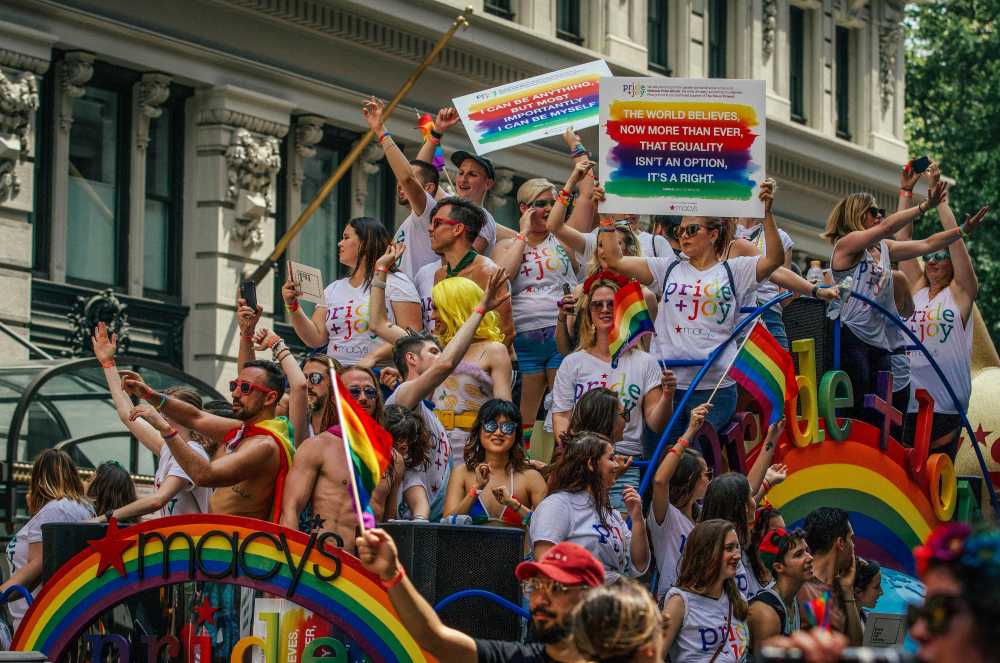
The NYC Pride March is more than just a parade; it's a powerful and joyous declaration of identity, history, and resilience. Commemorating the 1969 Stonewall Uprising that ignited the modern fight for LGBTQ+ rights, this event transforms the streets of Manhattan into a vibrant sea of color, music, and celebration. The first march was held in 1970, and it has since grown into one of the largest Pride parades in the world.
On Sunday, the last Sunday of June, the festivities kick off between 11:00 AM and 12:00 PM. The route is a journey through historic and iconic neighborhoods, beginning at 26th Street and 5th Avenue, heading south toward the Stonewall National Monument on Christopher Street, and concluding near 15th Street and 7th Avenue. To truly soak in the atmosphere, find a spot along 5th Avenue early or position yourself near the end of the route where the energy is palpable.
For a deep dive into the route, accessibility, and how to best participate in the celebration, check out our complete guide: NYC Pride: Parade Route Essentials.

4. Witness the July 4th Fireworks Spectacle (July)
Celebrating Independence Day in New York City means witnessing one of the most spectacular fireworks displays on the planet. The annual Macy's 4th of July Fireworks show is a breathtaking patriotic event, lighting up the skyline with a dazzling, perfectly choreographed pyrotechnic performance over the East River. This makes the waterfronts of Manhattan, Brooklyn, and Queens the most coveted front-row seats in town.
For the best views, head to parks along the Brooklyn waterfront, like Transmitter Park. Be prepared for an intense security presence; in past years, this has included everything from drones and metal detectors to NYPD scuba divers ensuring the area is safe. To secure a good spot, you’ll need to arrive by 6 PM at the latest. It's crucial to know which areas to avoid, as viewing is often restricted at FDR Midtown, Battery Park, and the Brooklyn Heights Promenade.
To get the full breakdown of the best viewing locations, what to bring, and how to navigate the crowds, see our detailed guide: July 4th NYC: Best Fireworks Views.
5. Unleash Your Creativity at the Village Halloween Parade (October)
On October 31st, Greenwich Village undergoes a spooky and spectacular transformation. The Village Halloween Parade is a legendary New York institution, famous for its wild creativity, giant puppets, and an electric, anything-goes atmosphere. This isn't a spectator-only event; the parade’s official motto is "All those in costume are welcome to join!" This unique rule turns the parade into a massive, moving street party where thousands of New Yorkers showcase their most inventive and outrageous creations.
The parade kicks off at 7 PM, marching up Sixth Avenue. If you want to participate, you'll need to line up at the designated entry point with your costume on. For those who prefer to watch, find a spot along the route early, as the sidewalks fill up quickly. Beyond the parade, the city buzzes with Halloween energy, from elaborate rooftop parties to terrifying haunted houses.
For tips on creating the perfect costume, parade etiquette, and other spooky festivities, explore our complete guide: Halloween NYC: 5 Spooky Parades.

6. Experience the Magic of the Thanksgiving Day Parade (November)
For millions, the Macy's Thanksgiving Day Parade is the official start of the holiday season. Waking up on the fourth Thursday of November to the sight of giant character balloons, elaborate floats, and the nation's best marching bands is a cherished American tradition. Seeing it in person is an experience of a lifetime. The parade kicks off at 8:30 AM sharp and concludes around noon, making its way from Central Park West and 77th Street down to the iconic Macy's flagship store at Herald Square.
To get a decent viewing spot, you need to be an early bird—plan to arrive by 6 AM and stake out a location along Central Park West or Sixth Avenue. The areas near the start and finish lines have restricted public viewing, so it's best to avoid them. Dress in warm layers, as November mornings can be frigid. For families, a word of caution: avoid bringing strollers into the most crowded sections, as they become nearly impossible to maneuver.
For a complete route map, a list of the best viewing spots, and tips for a stress-free morning, read our expert guide: Thanksgiving Parade: 6 Prime Spots.
7. Embrace the Sparkle of Christmas in New York (December)
There is nothing in the world quite like Christmas in New York. The city transforms into a true winter wonderland, sparkling with millions of lights and filled with an almost tangible festive cheer. The undisputed heart of the celebration is the Rockefeller Center Christmas Tree, an iconic symbol of the season. For a magical, crowd-free photo opportunity, visit the tree at dawn. Nearby, the Saks Fifth Avenue facade comes alive with an enchanting holiday light and music show that runs every ten minutes after dusk.
For a quintessential holiday experience, head to the Bryant Park Winter Village, where you can skate on the ice rink and browse the charming pop-up shops for unique gifts. If you're looking for the most spectacular neighborhood light displays, take a trip to Dyker Heights in Brooklyn, where homeowners engage in a friendly competition to create the most over-the-top, dazzling decorations you've ever seen.
To discover the city's most enchanting holiday markets, light displays, and festive activities, explore our detailed guide: Christmas in NYC: 7 Magical Markets.

8. Brave the New Year's Eve Ball Drop in Times Square (December)
The New Year's Eve ball drop in Times Square is the world's most famous countdown celebration. Being there in person as the crystal ball descends and confetti rains down on a million cheering people is an electrifying, once-in-a-lifetime experience. However, it requires serious endurance and planning. To secure a spot in one of the viewing pens, you must arrive by 3 PM on December 31st, and once you're in, there is no re-entry.
This means committing to standing in one spot for about nine hours without access to restrooms or food vendors outside your designated area. Public transportation is the only sane way to get there, as all surrounding streets are closed. Despite the challenges, those who brave the cold and the crowds are rewarded with an unforgettable memory and a front-row seat to a global tradition.
If you're ready to take on the challenge, our survival guide has all the essential tips you need to know before you go: NYE Times Square: How to Survive Crowds.
9. Capture Unforgettable Photos
With so many iconic backdrops, your camera will be working overtime. But getting that perfect shot amidst the crowds requires a plan. Instead of just snapping away, think like a photographer. For the Rockefeller tree, try a low-angle shot looking up to capture its scale. During a parade, use a fast shutter speed to freeze the motion of the floats and performers.
To make your sightseeing even more efficient, a well-planned route is essential. We've curated a guide to the city's most stunning locations, from famous landmarks to hidden gems, so you can create your own unforgettable walking tour. Download our free Best NYC Photo Spots Map to discover the exact locations for your most memorable holiday pictures.
10. Dress for the Elements
New York weather is notoriously fickle, and being uncomfortable can ruin an otherwise perfect day. During the winter holidays, layering is not just a suggestion—it's a survival strategy. A thermal base layer, a fleece or sweater, and a windproof/waterproof outer jacket will allow you to adapt to changing conditions. Don't forget a warm hat, gloves, and a scarf. Most importantly, wear comfortable, broken-in waterproof boots. You will be doing an incredible amount of walking, and nothing ends a day of exploring faster than sore, cold feet. In the summer, lightweight and breathable fabrics are key, but always pack a light jacket or poncho, as summer thunderstorms can appear suddenly.

Take Your NYC Adventure to the Next Level
Planning a trip around one of New York's iconic holidays is just the beginning. To truly master the city, you need a resource that goes beyond the main events, helping you discover hidden gems, navigate the five boroughs like a pro, and find the best slice of pizza after a long day of sightseeing.
Our comprehensive Travel Guide is designed to be your ultimate companion for any New York City adventure. It’s packed with detailed neighborhood guides, curated restaurant recommendations for every budget, transportation hacks, and insider tips that will help you save time and money. Whether you're a first-time visitor or a seasoned traveler, this guide will unlock a side of the city that most tourists never see, turning a great holiday trip into an extraordinary one.
Are You an NYC Expert? Share Your Knowledge
Are you the go-to travel planner for your friends? Have you mastered the art of navigating NYC's biggest events? On TrekGuider, you can turn that hard-won expertise into a business. Our platform is built for travel creators to publish their own in-depth guides, sell digital products like custom maps or itineraries, and build a brand around their passion. Discover how top travel experts are monetizing their knowledge and find your own audience.

Your unforgettable New York holiday awaits. The energy is infectious, the memories are lasting, and the stories you'll bring home are priceless. So pick a celebration, book your ticket, and get ready to be part of the world's greatest show.
Don't Miss Out! Subscribe for Exclusive Content
Subscribe



Comments 0
No comments yet
Be the first to share your experience!
Dont Miss Out! Subscribe for Exclusive Content
San Francisco Cherry Blossoms: A Local's Guide to the Blooms
Halloween SF: Haunts Without Horrors
SF Festivals: 7 Must-See Lineups
Christmas SF: Lights & Wharf Wonders

SF Pride: 6 Route & Party Hacks

Chinese New Year SF: Parade Essentials
Ultra Festival: Beat the Heat Guide
TrekGuider @trekguider
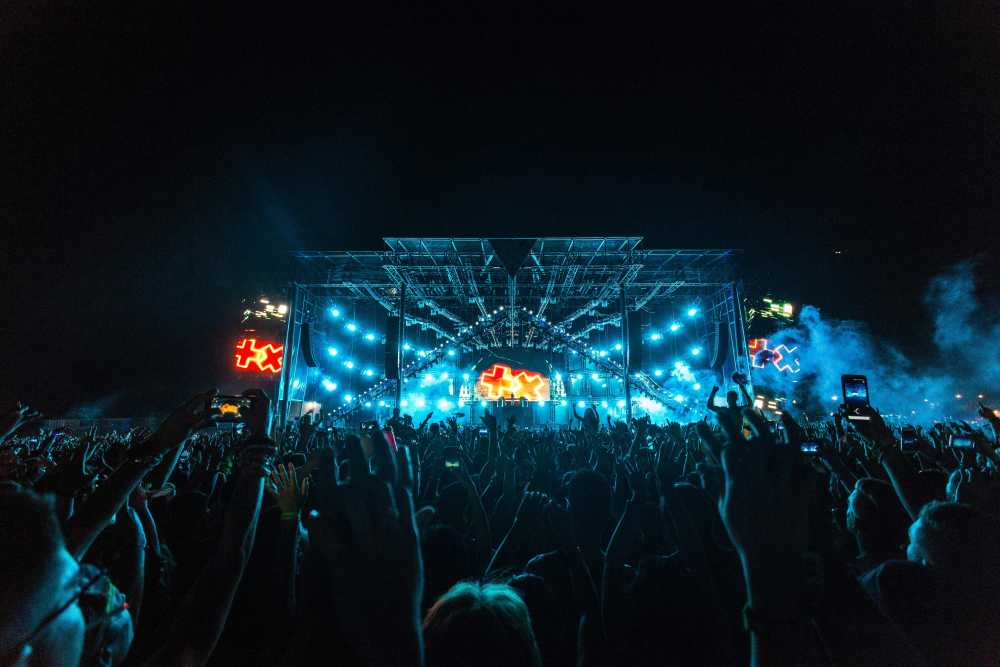
You’ve done it. You scored the golden ticket to Ultra Music Festival, a three-day sonic pilgrimage in the heart of Miami where the world’s greatest DJs command colossal stages and the energy is nothing short of electric. But as the bass drops, so does the relentless Florida sun. The real problem isn't just the heat; it's the brutal combination of scorching temperatures, suffocating humidity, and tens of thousands of dancing bodies that can quickly turn your dream festival into a dehydrated, sun-stroked nightmare.
Imagine the agony of missing Skrillex’s closing set because you’re dizzy and nauseous, huddled in a medical tent. Picture the sheer frustration of tapping out before sunset on day one, your energy completely drained, while your friends rave on into the night. This isn't a scare tactic; it's a common reality for unprepared attendees who fatally underestimate the physical toll of partying under the Miami sun for three straight days. The line between an unforgettable weekend and a miserable, potentially dangerous one is drawn by a single thing: a bulletproof strategy.
This is that strategy. Forget the generic "drink water" advice you’ve heard a thousand times. This is your new bible for not just surviving, but truly conquering the heat at Ultra. We’re providing a pro-level, comprehensive blueprint covering everything from tactical gear selection and advanced hydration science to strategic stage navigation and leveraging festival tech for your safety. Follow these steps, and you won't just beat the heat—you'll own the entire experience, from the opening beat on Friday to the final fireworks on Sunday.

Understanding the Ultra Music Festival Environment: Sun, Crowds, and Sound
Before you can build a plan, you must understand the battlefield. Ultra Music Festival unfolds in late March at Bayfront Park, a beautiful but notoriously exposed venue. For 2026, the festival runs from March 28-30 (and for you long-term planners, March 27-29 in 2026), a time when Miami’s weather is deceptively intense. While the festival is at the heart of the city's vibrant event calendar—a scene we detail in our complete guide to Miami Holidays: 8 Beach Fest Vibes—its unique environment presents a specific set of challenges you must be prepared for.
The festival operates on a strict "rain or shine" policy, meaning you need to be ready for anything. The schedule itself is a marathon, not a sprint:
Friday, March 28: 4:00 PM – 12:00 AM
Saturday, March 29: 12:00 PM – 12:00 AM
Sunday, March 30: 12:00 PM – 10:00 PM
Notice that Saturday and Sunday demand ten to twelve hours of exposure. The primary obstacles you will face are:
Intense Solar Radiation: The Florida sun is powerful. Without adequate shade, direct exposure can lead to severe sunburn and rapidly increase your core body temperature.
Oppressive Humidity: Miami's humidity cripples your body's natural cooling system. It prevents sweat from evaporating effectively, making 85°F feel like a suffocating 95°F.
Massive Crowds: Dense crowds trap body heat, creating microclimates that are significantly hotter than the ambient air. Navigating these human seas requires immense physical energy.
Constant Movement: You’ll be walking, standing, and dancing for hours on end, burning calories and losing fluids at a dangerously accelerated rate.
The first and most critical mindset shift is to treat Ultra like an athletic event. Your preparation starts long before you ever step foot in Bayfront Park.

Pre-Festival Prep: Your Foundation for Success
Victory is won in the preparation. What you do in the days leading up to the festival and what you pack in your bag will absolutely dictate your endurance and enjoyment.
The Ultimate Packing List: Beyond the Basics
Your packing list is your first line of defense. Every single item should serve a purpose, primarily focused on cooling, hydration, and comfort.
Clothing (The Three B’s: Breathable, Bright, and Barely-There):
Fabrics: Choose lightweight, moisture-wicking materials like polyester, nylon, or bamboo blends. These technical fabrics pull sweat away from your skin, allowing it to evaporate and cool you down. Avoid cotton at all costs; it absorbs moisture, becoming a heavy, suffocating trap for heat.
Colors: Opt for light-colored clothing. White, beige, and pastels reflect sunlight rather than absorbing it like dark colors do.
Fit: Loose-fitting garments are your best friend. They allow for crucial airflow against your skin, preventing heat from getting trapped.
Footwear (Your Most Important Gear): You will be on your feet for 30+ hours over the weekend. Comfortable, well-worn sneakers are non-negotiable. Do not, under any circumstances, wear brand-new shoes, flimsy sandals, or heavy boots. Running or athletic shoes with proven arch support are ideal.
Hydration Hardware:
Hydration Pack: This is the single most important piece of gear you can bring. A CamelBak or a similar backpack with a water bladder allows you to carry 2-3 liters of water and sip continuously without fumbling with a bottle. Ensure it complies with the latest festival size and pocket regulations before you go.
Electrolyte Packets: Pack single-serving powders or tablets (like Liquid I.V., Nuun, or Pedialyte packets). They are small, light, and absolutely essential for true hydration.
Sun & Heat Protection Arsenal:
Sweatproof Sunscreen: A broad-spectrum, water-resistant sunscreen with an SPF of 50 or higher is mandatory. Apply it generously 30 minutes before you enter and reapply every two hours, no exceptions.
Wide-Brimmed Hat: A bucket hat or other wide-brimmed hat provides a portable oasis of shade for your face, neck, and ears, significantly reducing your perceived temperature.
UV-Protective Sunglasses: Protect your eyes from the relentless glare and long-term sun damage.
Cooling Towel: These hyper-evaporative towels, when soaked in water, provide incredible cooling relief when worn around your neck.
Handheld Fan/Mister: A small, battery-operated fan can be a godsend in a stagnant, dense crowd, creating a personal breeze when you need it most.
Physical Conditioning: Don't Underestimate the Marathon
You wouldn't run a 10k without training, and you shouldn't tackle Ultra without some physical prep.
Pre-Hydrate Aggressively: Begin increasing your water intake 2-3 days before the festival. Your goal is to start Day 1 with your body in a state of optimal hydration, not playing a desperate game of catch-up.
Build Endurance: In the weeks leading up, incorporate some light cardio into your routine. Even 30 minutes of brisk walking or jogging a few times a week will dramatically improve your stamina.
Prioritize Sleep: Get a full 8 hours of sleep each night in the week before the festival. A sleep deficit severely impairs your body's ability to regulate temperature and recover.
Just as detailed planning is key for a scenic road trip, like the one we map out in our Big Sur Map & Itinerary, careful preparation is essential for a massive festival. Don't leave your experience to chance.
Mastering Hydration: The Core of Your Ultra Music Festival Strategy
This is the most critical section of this guide. Proper hydration at Ultra is a science. Simply drinking water when you feel thirsty is a recipe for disaster; by the time you feel thirst, you are already significantly dehydrated.

Water Isn't Enough: The Critical Role of Electrolytes
When you sweat, you don't just lose water; you lose vital minerals called electrolytes—primarily sodium, potassium, and magnesium. These minerals are the spark plugs of your body, responsible for regulating nerve and muscle function, hydrating your cells, and balancing blood pressure. Replenishing them is just as important as replenishing water.
Why It Matters: Drinking excessive amounts of plain water without replacing electrolytes can lead to a dangerous condition called hyponatremia, where the sodium levels in your blood become dangerously diluted. Symptoms can mimic dehydration (nausea, headache, confusion) but can be far more severe.
Your Game Plan: For every two refills of your hydration pack with plain water, make the third refill an electrolyte mix. This simple rule ensures you are constantly replenishing what you're sweating out. Avoid relying on sugary energy drinks or sodas for hydration; they can often make dehydration worse.
Your Hydration Schedule: A Sip-by-Sip Plan
Discipline is everything. You need a proactive hydration schedule, not a reactive one.
The Morning Load-Up: Drink at least 16-20 ounces (about half a liter) of water with an electrolyte packet before you even leave for the festival.
The Immediate Refill: The very first thing you do upon entering Bayfront Park is locate a water station and fill your hydration pack to its maximum capacity.
The 15-Minute Rule: Take a few big sips of water from your pack every 15 minutes. Set a recurring alarm on your phone or watch if you have to. Do not wait until you feel thirsty.
The Proactive Refill: Never wait until your pack is empty to refill it. When it's about one-third full, make your way to a water station. The lines are shortest during non-peak times (e.g., during a headliner's set when everyone is at one stage, or early in the day).
The End-of-Night Recovery: Drink another 16-20 ounces of electrolyte-infused water before you go to sleep. This will supercharge your body's recovery overnight and prepare you for the next day.
Pro-Tip: As soon as you get inside, open the festival map on the official app and screenshot the locations of all free water refill stations. The stations located near smaller stages or along the perimeter of the park often have significantly shorter lines than the ones near the main stage.
Strategic Navigation and Lineup Planning
How you move through the festival and plan your day is just as important as what you pack. Wasting energy is a luxury you simply cannot afford.

Decoding the Festival Map for Heat Evasion
The festival grounds are a maze of stages, vendors, and people. Use the map to your real advantage.
Identify Cool Zones: Before you even start thinking about artists, scan the map for any designated shade structures, indoor stages (like the iconic Megastructure), or air-conditioned brand activations. These are your recovery oases.
Plan Efficient Routes: When moving from the Main Stage to the Resistance stage, don't just try to cut through the thickest part of the crowd. Use the perimeter walkways. It might be a slightly longer distance, but it will be faster and require far less energy than pushing through a human traffic jam.
Building a Smart Schedule: Pacing is Everything
With a 2026 lineup featuring titans like John Summit & Dom Dolla, Armin van Buuren, Tiësto, Chase & Status, and Deadmau5, the temptation is to sprint from stage to stage. This is a rookie mistake that will burn you out by 9 PM on Friday.
Prioritize Ruthlessly: Accept that you cannot see every artist. Pick your top 3-4 "can't-miss" sets for each day and build your schedule around them as anchors.
Schedule Deliberate Downtime: The hottest part of the day is typically between 2 PM and 5 PM. This is the perfect time to schedule a tactical break. Find a shady spot, sit down, focus on hydrating, and eat a proper meal. This planned rest will give you the energy you need for the headlining acts at night.
Embrace Discovery: Use the time between your must-see sets to explore smaller stages. They are often less crowded, providing more space to dance, breathe, and discover your new favorite artist.
Pro-Tip: When moving through a dense crowd to get closer to a stage, conserve energy by following directly behind a larger, determined person or group. Let them carve a path for you. It's a simple "drafting" trick that saves a surprising amount of physical effort.
Leveraging Technology and Safety Resources at Ultra Music Festival
In the modern festival era, your phone is an essential survival tool. Ultra has integrated technology to enhance attendee safety, and you should take full advantage of every resource.
Your Phone is Your Lifeline
The Official Ultra App: Download it well in advance. It contains the most up-to-date festival map, set times, and, most importantly, will send push notifications for any emergency alerts or important announcements.
The SaferWatch App: Ultra has partnered with the SaferWatch app, which allows you to report any safety or security concerns (medical emergencies, suspicious activity) directly and anonymously to festival staff in real-time. Have it downloaded and set up before you arrive.
Portable Charger: Your phone is useless with a dead battery. A fully charged portable power bank is not optional; it's mandatory.
Knowing Where to Go for Help
Even with perfect preparation, things can go wrong. Knowing how to recognize a problem and where to get help is crucial.
Locate Medical Tents: Just like the water stations, the first thing you should do is identify the location of all medical tents on your map. They are staffed with professionals who are there to help you, no questions asked. There is no shame in seeking help.
Recognize the Signs of Heat Exhaustion: Be aware of these symptoms in yourself and your friends:
Heavy sweating
Dizziness or lightheadedness
Nausea or vomiting
A throbbing headache
Cool, pale, clammy skin
If you or a friend experience these, get to a medical tent immediately. Do not try to "tough it out."
Be a Good Raver: The Ultra community is known for looking out for one another. If you see someone who looks unwell or is in distress, ask if they need help and guide them toward a medical tent or alert festival staff.

You're Ready to Conquer Ultra
The roar of the crowd, the earth-shaking bass, the Miami skyline lit up against the night sky—these are the moments that define the Ultra Music Festival experience. By approaching the weekend with the mindset of an endurance athlete, you are no longer at the mercy of the elements. You are in control. Preparation is your armor, hydration is your fuel, and a smart strategy is your map to victory. You now have the expert knowledge to stay cool, energized, and safe from the first set to the final encore.
You are now equipped to handle the heat, navigate the crowds, and fully immerse yourself in the magic of one of the world's greatest music festivals. This level of detailed planning is what transforms a good trip into an unforgettable one. For comprehensive strategies on navigating destinations and events worldwide, our master Travel Guide is the ultimate resource for the serious traveler. Now go, stay hydrated, and have the time of your life.
Don't Miss Out! Subscribe for Exclusive Content
SubscribeComments 0
No comments yet
Be the first to share your experience!
Dont Miss Out! Subscribe for Exclusive Content
San Francisco Cherry Blossoms: A Local's Guide to the Blooms
Halloween SF: Haunts Without Horrors
SF Festivals: 7 Must-See Lineups
Christmas SF: Lights & Wharf Wonders
SF Pride: 6 Route & Party Hacks
Chinese New Year SF: Parade Essentials
The 7 Solo Female Travel Safety Rules You Can't Ignore
TrekGuider @trekguider
You feel the magnetic pull of the world, a deep-seated desire to explore ancient cities, wander through breathtaking landscapes, and discover it all on your own terms. The dream of solo travel is vibrant and powerful. But for so many women, that dream is shadowed by a persistent and paralyzing question: "But will I be safe?"
This isn't just a fleeting thought; it's a formidable barrier. It’s a shared, valid concern that echoes across the travel community. A staggering 66% of women who travel solo report worrying about their personal safety, and for the 59% of women who have yet to start their first independent journey, these concerns are the second-largest obstacle holding them back. The fear is real, and it is robbing you of what could be the most transformative experience of your life. But what if you could systematically dismantle that fear, replacing it with an unshakable foundation of competence?
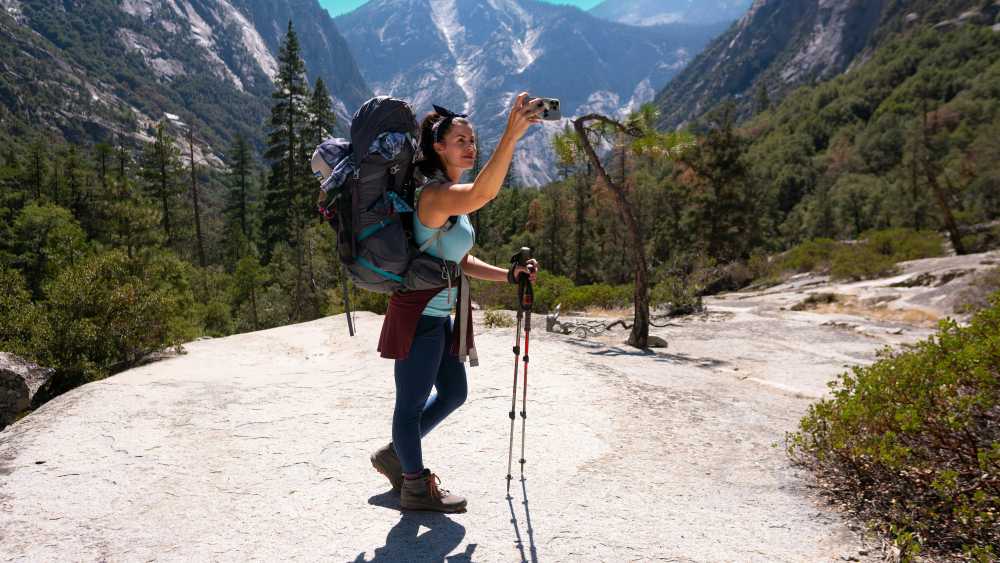
This guide is your tactical blueprint to do exactly that. We are moving beyond vague reassurances and diving into the essential, non-negotiable rules of solo female travel safety. This isn't about seeing the world through a lens of paranoia; it's about equipping yourself with the knowledge to navigate it intelligently. For a complete overview of the journey, start with our comprehensive pillar guide, The Ultimate Guide to Solo Female Travel (15 Essential Tips). These seven rules, however, are the bedrock—the field-tested strategies that will transform you from a worrier into a prepared and confident global explorer.
Rule 1: Build a "Lifeline Home" Before You Leave
The single most important phase of your safety strategy happens before you ever pack a bag. Creating a strong communication and information bridge between you and a trusted emergency contact back home is non-negotiable. This "mission control" is your ultimate safety net, ensuring that if you are ever unreachable, someone you trust has every critical detail needed to help.
Your "lifeline" packet should be a comprehensive dossier containing both physical and digital copies of the following, based on recommendations from the U.S. Department of State:
A Complete Itinerary: Detail your trip on a day-by-day basis, including flight numbers, train schedules, and the names, addresses, and phone numbers of all booked accommodations.
Copies of All Important Documents: Include the photo page of your passport, any necessary visas, your driver's license, and a full copy of your travel insurance policy, complete with the policy number and the 24/7 emergency assistance phone number.
Financial Information: Provide photocopies of the front and back of every credit and debit card you are carrying. The international toll-free numbers on the back are essential for canceling them if they are lost or stolen.
A Pre-Arranged Communication Plan: Establish a clear plan for when you will check in (e.g., a quick text upon arrival in a new city). Crucially, agree on a protocol for what your contact should do if you miss a check-in (e.g., wait 12 hours, then contact your hotel, then contact the nearest embassy).

Pro-Tip: The single most effective safety action you can take in under five minutes is to enroll your trip with the U.S. Department of State’s free Smart Traveler Enrollment Program (STEP). This provides the nearest U.S. Embassy or Consulate with your itinerary, creating a three-way digital bridge connecting you, your emergency contact, and the State Department for a coordinated response in a worst-case scenario.
Rule 2: Master Your Sanctuary with an Unbreakable Arrival Protocol
Think of your accommodation as more than just a place to sleep. It’s your secure base of operations, your private sanctuary to rest and recharge. Ensuring its integrity from the moment you arrive is a critical habit that provides profound peace of mind. Adopt this methodical security check and perform it automatically every single time you enter a new room.
Prop the Door Open. Before you fully enter, use your main piece of luggage to prop the door open. This simple action prevents the door from closing and locking behind you, guaranteeing an immediate escape route should the room not be empty.
Conduct a Full Room Sweep. With the door still open, perform a quick but thorough physical search. Check under the bed, behind all curtains, inside closets, and in the bathroom, including behind the shower curtain.
Verify All Locks. Once the room is confirmed to be empty, close the door and immediately test all locking mechanisms. Engage the deadbolt, chain lock, or security latch. Go to every window and any balcony doors to ensure they lock securely.
Deploy Your Personal Security. Your own devices provide a layer of protection entirely within your control. Immediately place a rubber wedge doorstop alarm under the main door or install a portable door lock like an Addalock. These inexpensive, lightweight devices are highly effective at preventing unauthorized entry, even from someone with a key card.
Locate and Map Emergency Exits. Find the fire exit map on the back of the door. Identify the two nearest exits, then physically walk the route to each one, counting the doors you pass. This mental map is invaluable for navigating in darkness or smoke.
Perform a Hidden Camera Scan. In an age of miniaturized electronics, a quick scan for hidden cameras is a prudent measure. Use your phone's flashlight to look for the tell-tale glint of a tiny lens in unexpected places like smoke detectors, alarm clocks, and USB wall chargers. In the dark, use your phone's front-facing camera (which is more sensitive to infrared light) to scan the space. Look for the small, often blinking, IR lights used by night-vision cameras that are invisible to the naked eye.
Adopt a "Verify, Then Open" Door Policy. Make it your strict policy to never open your door to an unsolicited knock. If someone claims to be from housekeeping, call the front desk using the room phone to verify they sent a staff member to your room.

YOUR ULTIMATE SAFETY TOOLKIT
Mastering your environment is the first step to confident travel. True preparedness means having the right tools for every situation. Our free, downloadable Solo Female Travel Safety Guide is the perfect companion to these rules. It's a comprehensive checklist and resource guide covering everything from what to pack to what to do in an emergency.
Rule 3: Take Absolute Control of Your Ground Transportation
Moving through an unfamiliar city can be a point of high vulnerability. Whether you’re using a ride-sharing app or a local taxi, you must shift from being a passive passenger to an active participant in your own safety. Adhere to this strict set of protocols for every single ride.
The "Match, Name, Share" Protocol for Ride-Shares
Match: Before you get in, carefully match the vehicle's make, model, and license plate number with the information in the app. Check that the driver's appearance matches their profile photo. If anything is off, do not get in the car.
Name: This is a critical verification step. Do not approach a vehicle and ask, "Are you here for Jane?" This gives a potential imposter the information they need. Instead, from a safe position on the curb, ask the driver, "Who are you here for?" A legitimate driver will be able to state your name correctly.
Share: Before your ride begins, use the app's built-in "Share Trip Status" feature. This sends a live map of your journey to a trusted contact, allowing them to track your progress in real-time.
Universal Rules for Every Ride
The Backseat Protocol: As a solo traveler, always sit in the back seat on the side opposite the driver. This creates crucial physical distance and gives you access to two separate exits.
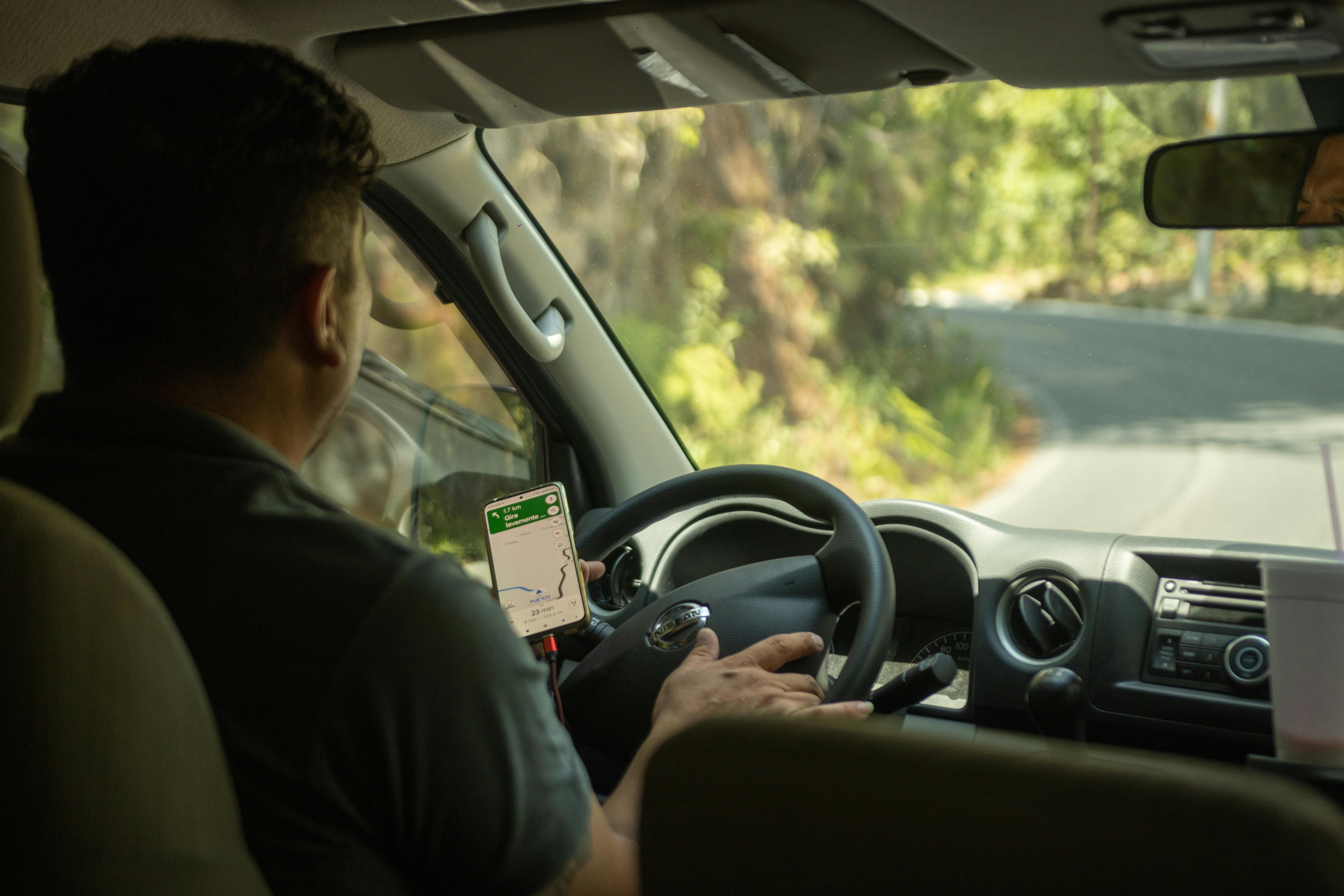
The Route Protocol: Keep your own mapping application, like Google Maps, open on your phone throughout the journey. If the driver takes a significant, unexplained detour, you are empowered to question it. If the response makes you uncomfortable, end the ride in a safe, well-lit public area.

Rule 4: Create Layers of Personal and Digital Security
Your solo female travel safety strategy should be built on layers and redundancy. This means pairing smart practices with an effective toolkit of personal security devices and ensuring your digital lifelines are always active.
Your Personal Security Toolkit
Personal Safety Alarm: This is arguably the most valuable device for a solo traveler. An alarm like the She's Birdie emits an extremely loud siren (130+ decibels) and a flashing strobe light to startle an attacker and attract immediate attention. They are small, legal everywhere, and attach to a keychain for instant access.
Anti-Theft Bag: Invest in a bag with features like RFID-blocking pockets (to protect from electronic skimming), slash-proof fabric, and lockable zippers. A crossbody style worn in front of your body offers the most security.
Portable Door Lock / Alarm: As mentioned in Rule 2, carrying your own lock gives you absolute control over the security of your room, ensuring your sanctuary remains impenetrable.

Your Digital Security Layer
Your phone is your map, translator, and lifeline. A solar-powered power bank adds a critical layer of resilience to a standard one, ensuring you can maintain a charge even during power outages or on multi-day treks.
Rule 5: Project Confidence and Practice Proactive Situational Awareness
How you carry yourself has a profound impact on how you are perceived. Projecting confidence—even when you're feeling uncertain—is a powerful deterrent. Walk with purpose, keep your head up, and make brief eye contact. This signals that you are aware of your surroundings, not an easy target.
This confidence is fueled by situational awareness. It's not about being paranoid; it's about being present.
Understand the Local Landscape: Before arriving, research common tourist scams. A 2024 report noted that 29% of solo female travelers had experienced a theft or attempted scam. Knowing the playbook for ploys like the "friendship bracelet" or "spilled drink" allows you to disengage before you become a victim.
Trust Your Intuition: Your intuition is your most finely tuned security equipment. If a person, place, or situation feels "off," it probably is. You do not need a logical reason. Honor it. Cross the street, leave the bar, get in a different train car. Acting on your intuition is not rude; it is intelligent.
Manage Your Inputs: Be mindful of your alcohol consumption. Your awareness is your primary defense, and anything that dulls it increases your vulnerability.

Rule 6: Embrace That Safety Anxiety Decreases with Experience
It's crucial to understand the psychology of solo travel fear. The data reveals a powerful truth: the act of traveling solo is the most effective antidote to the fear of it.
Among women who have taken fewer than six solo trips, 77% report worrying about safety. That number drops dramatically to just 55% for those who have traveled solo more than ten times. This establishes a direct, negative correlation between experience and anxiety.
Every time you successfully navigate a new city and overcome a challenge, you are collecting real-world evidence of your own competence. This direct experience systematically replaces abstract, media-fueled fear with managed, situational awareness. You learn that while vigilance is essential, you are far more capable than you imagined. The goal of your first trip is to break this cycle of fear and begin the empowering loop of experience.
Rule 7: Never Outsource Your Safety to Chance—The Travel Insurance Mandate
For a solo traveler, travel insurance isn't an optional add-on; it is a foundational pillar of your financial security. A cheap policy is not a good deal if it doesn't have the right coverage. When evaluating policies, ensure the plan includes strong coverage in these key areas:
Emergency Medical Coverage: A policy should offer a minimum of $250,000 in benefits.
Emergency Medical Evacuation: This covers the potentially astronomical cost of transporting you to a hospital with adequate facilities or back home.
Emergency Medical Reunion (Companion Coverage): This is vital for solo travelers. If you are hospitalized, this coverage pays for a family member's transportation and accommodation to be at your bedside, providing invaluable logistical and emotional support.
Trip Interruption and Cancellation: This reimburses your non-refundable trip costs if you have to cancel or cut your trip short for a covered reason.
Frequently Asked Questions About Solo Female Travel Safety
What's the single most important safety device I should buy?
A personal safety alarm. While a doorstop and anti-theft bag are excellent, a loud, attention-grabbing alarm is the most versatile tool for deterring a potential threat in any public situation, day or night.
I'm nervous about nightlife. Should I just avoid going out after dark?
Not at all! The key is to be strategic. Have your transportation planned in advance—know exactly how you're getting home. Nurse your drink and never leave it unattended. Stick to well-lit, reputable areas and consider starting with a structured activity, like a group tour or a show, rather than just wandering.
How do I handle street harassment without escalating the situation?
The most effective strategy is confident disengagement. Do not respond or make prolonged eye contact. Project purpose and keep walking. In many cases, a reaction is what the harasser is seeking. If you feel you are being followed, walk into a busy, open shop or restaurant immediately.
Are group tours a good option for a safety-conscious first-timer?
Absolutely. An estimated 75% of women who have never traveled alone would be more likely to do so on a group tour. They provide a "scaffolded" entry into the world of solo travel. You can find tours vetted and reviewed by other solo female travelers on platforms like TrekGuider, which is a great way to build foundational confidence.
Your Journey to Confident Exploration Starts Now
The narrative around solo female travel safety is too often dominated by fear. But the data tells a different, more empowering story of capability and resilience. These seven rules are your framework—a practical system for managing risk and moving through the world with intelligent confidence. By internalizing these strategies, you build a foundation of competence from which you can freely and bravely explore.
Now that you have the safety blueprint, the truly exciting part can begin. Explore our collection of expert-written Travel Guide resources to find your perfect destination, and remember to download the essential Solo Female Travel Safety Guide. The world is waiting for you to discover it—and yourself.
Meta Data Suggestions:
SEO Meta Title (59 characters): The 7 Essential Solo Female Travel Safety Rules for 2026
URL Slug: solo-female-travel-safety-rules
SEO Meta Description (154 characters): From accommodation security to transport protocols, these 7 non-negotiable solo female travel safety rules will empower you to explore the world with confidence.
Don't Miss Out! Subscribe for Exclusive Content
SubscribeComments 0
No comments yet
Be the first to share your experience!
Dont Miss Out! Subscribe for Exclusive Content

How to Avoid Travel Scams: A Global Guide

Is Public WiFi Safe? How to Protect Your Data Abroad

A Woman's Guide to Safe Travel: 10 Critical Tips

7 Hotel Safety & Security Tips for Peace of Mind

9 Beach Safety Tips That Could Save Your Life
